 Rebecca Engel
Maui packs a lot of Hawaii onto one island. In five days you can watch the sun come up from the top of a volcano, drive a jungle road lined with waterfalls, snorkel inside an old volcanic crater and still have afternoons left over for the beach.
This 5 day Maui itinerary is built for a first visit. Each day has one big highlight and plenty of time to slow down, and it covers what to book ahead so nothing sells out on you. Here’s how to spend 5 days in Maui, Hawaii and see the best of the island without wearing yourself out.
How This 5 Day Maui Itinerary Works
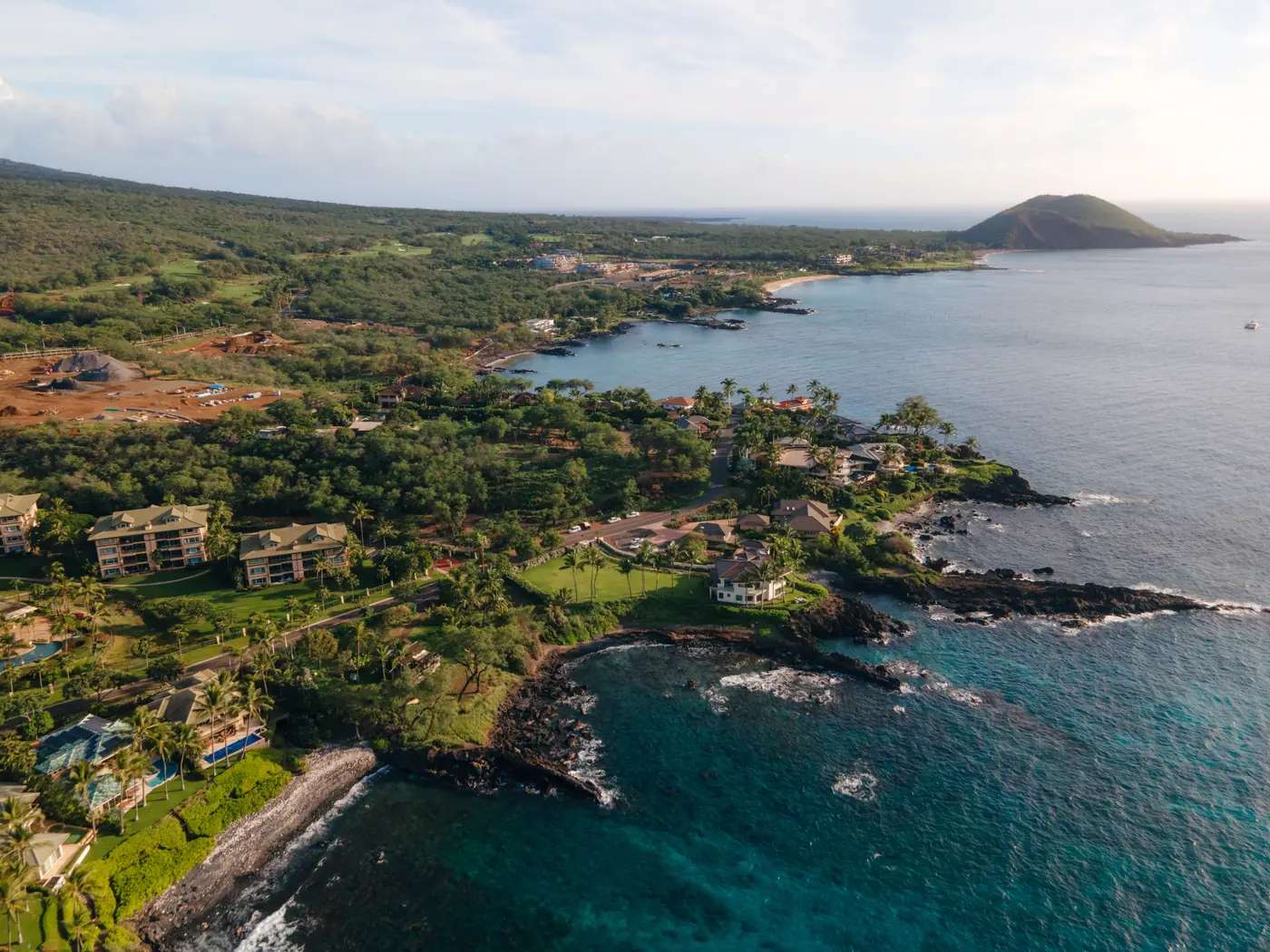
Each day of this Maui itinerary centers on one big thing. Day one is an easy arrival with a short valley walk and a sunset. Day two is a snorkel trip to Molokini, day three is the Road to Hāna, day four starts at the summit of Haleakalā, and day five heads to West Maui.
The long drive comes before the early morning on purpose. The Road to Hāna is a full day behind the wheel, and the Haleakalā sunrise means getting on the road hours before dawn, so it’s better not to stack them back to back.
You’ll need a rental car. Buses won’t get you to most of the places on this list, and the drives are a big part of the trip.
Book three things before you fly. Haleakalā sunrise reservations open 60 days ahead at 7 a.m. Hawaii time on Recreation.gov and often sell out within minutes, with a smaller batch released two days before each date. Waiʻānapanapa State Park and ʻĪao Valley both require reservations for visitors, and those open 30 days ahead.
Haleakalā National Park charges $30 per vehicle, and the pass is good for three days. It covers both the summit and the Kīpahulu area past Hāna, which lines up perfectly with days three and four.
Pack mineral sunscreen only. Maui County bans sunscreens that aren’t mineral based, so look for zinc oxide or titanium dioxide as the active ingredients. This Hawaii packing list covers that, plus the warm layer you’ll want at the summit.
Day 1: Arrival, ʻĪao Valley And A South Shore Sunset
Most flights land at Kahului Airport in central Maui, and day one keeps things close by. Pick up the rental car, grab groceries if you’re staying somewhere with a kitchen, and ease into island time.
Leave the big plans for tomorrow. After a long flight, a short walk and a sunset are exactly the right speed.
Afternoon: ʻĪao Valley State Monument
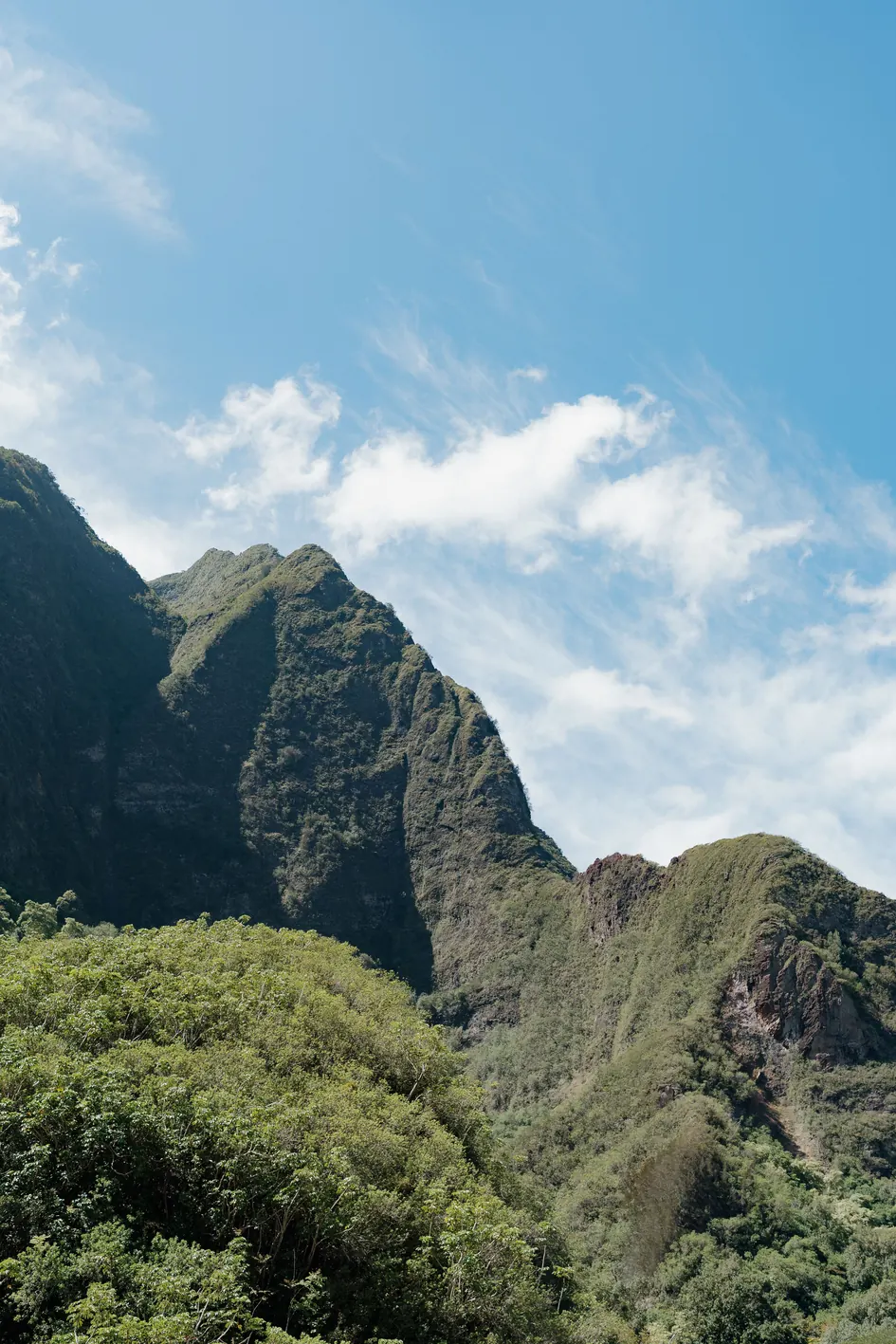
ʻĪao Valley is a short drive from the airport, tucked into the green, cloud covered mountains of West Maui. A paved path leads to a lookout facing the ʻĪao Needle, a tall spire of rock covered in rainforest.
It’s a place with deep history. In 1790 the valley was the site of a major battle as Kamehameha I fought to unite the islands, and it’s still an important place for Native Hawaiians today.
Visitors need a reservation, which you can make up to 30 days ahead through Hawaii State Parks. Entry is $5 per person plus $10 for parking, and an hour is plenty of time.
Evening: Sunset On The South Shore
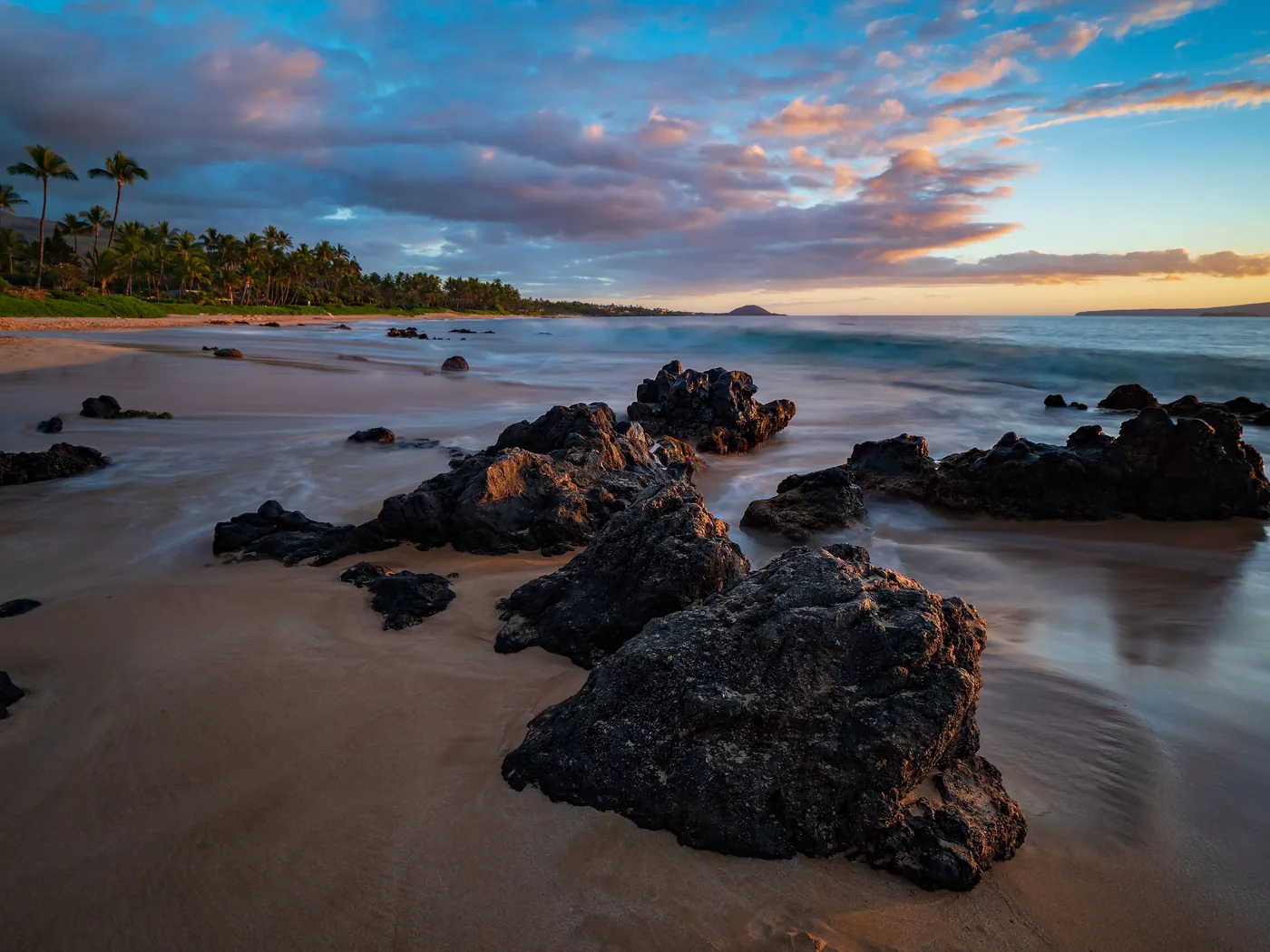
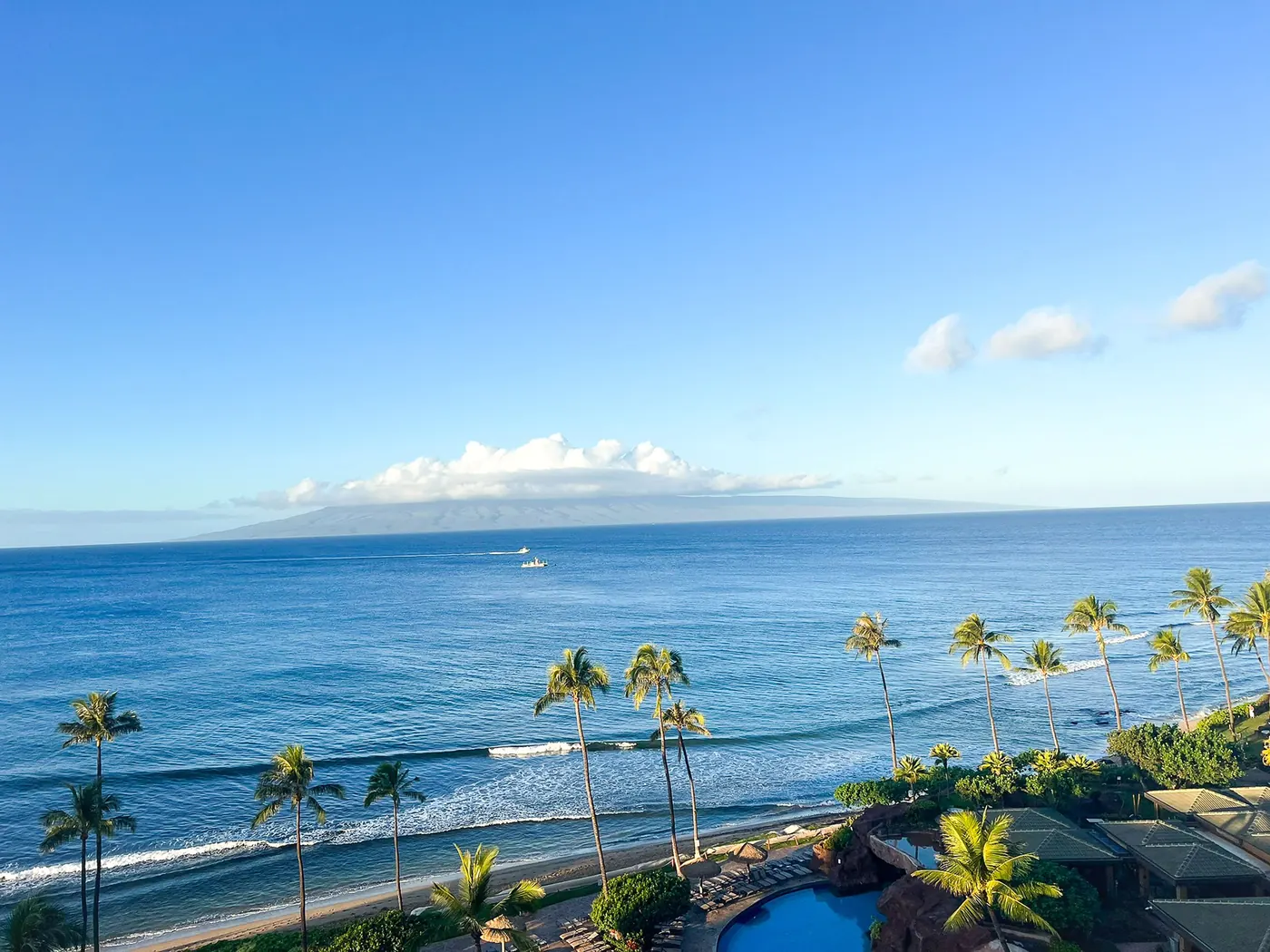
Head south to Kīhei or Wailea, where you’ll most likely be staying, and find a spot on the sand for sunset. The south shore looks west across the water toward the islands of Kahoʻolawe and Lānaʻi, so the sun drops right into the ocean.
Keawakapu Beach and the paved coastal path in Wailea are both easy choices. Grab dinner nearby afterward and get some sleep, because tomorrow starts early.
Day 2: Molokini And The South Shore
Day two is an ocean day. A morning boat trip to Molokini is one of the best snorkeling trips on the island, and the afternoon is saved for doing absolutely nothing on a beach.
The water is usually calmer in the morning, which is why most boats leave early. Book your trip a few days ahead, especially during the busy winter and summer seasons.
Morning: Snorkeling At Molokini Crater
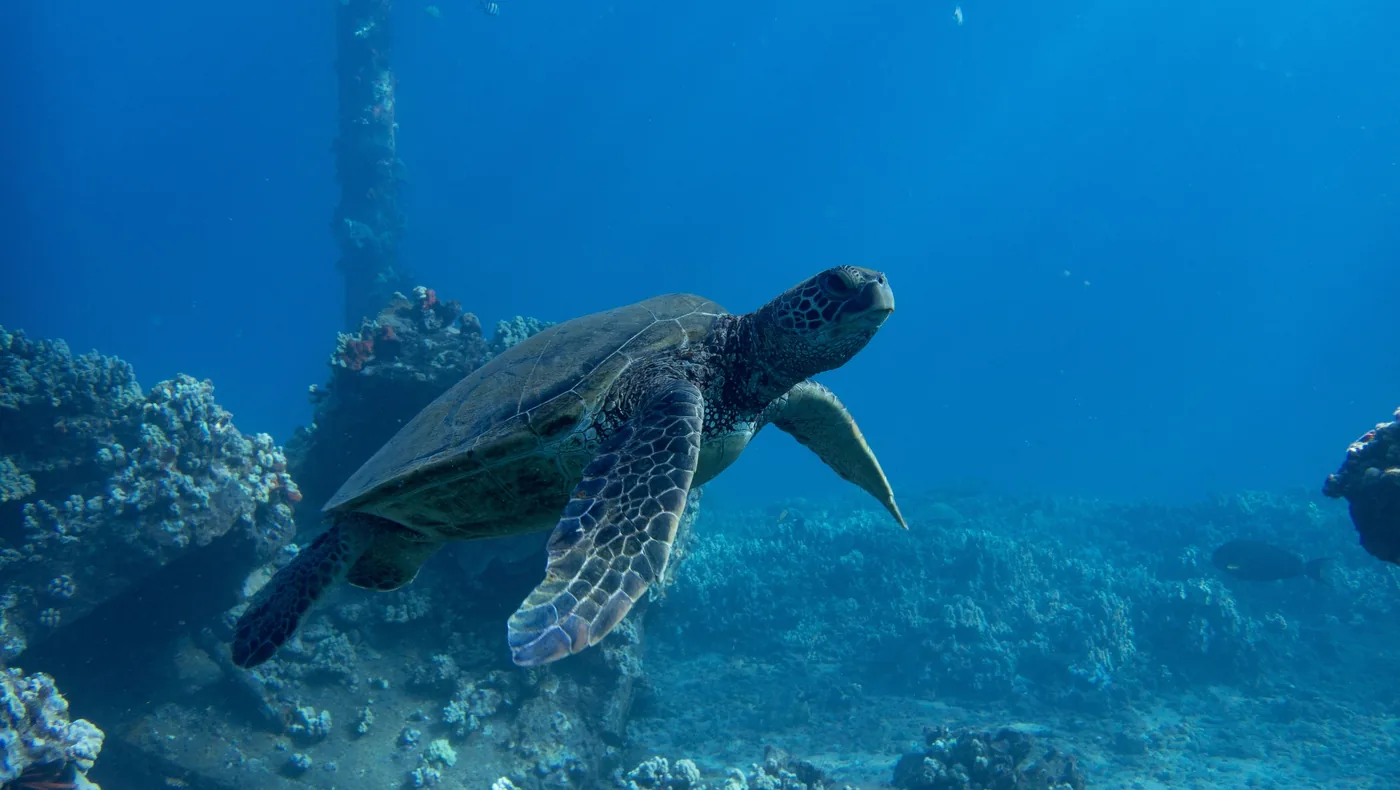
Molokini is a crescent shaped volcanic crater poking out of the ocean a few miles off the south shore. The water inside the curve is sheltered and clear, and it’s full of reef fish.
Most tours leave from Maʻalaea Harbor, and some smaller boats depart from Kīhei. Many trips add a second stop at a spot known for sea turtles, and they usually include snorkel gear and food.
In winter, keep an eye on the horizon on the ride out. Humpback whales spend the season in these waters, and spouts are a common sight from the boat, especially from about January through March.
Wear a rash guard or plenty of mineral sunscreen, and never touch or stand on the coral.
Afternoon: Big Beach At Mākena
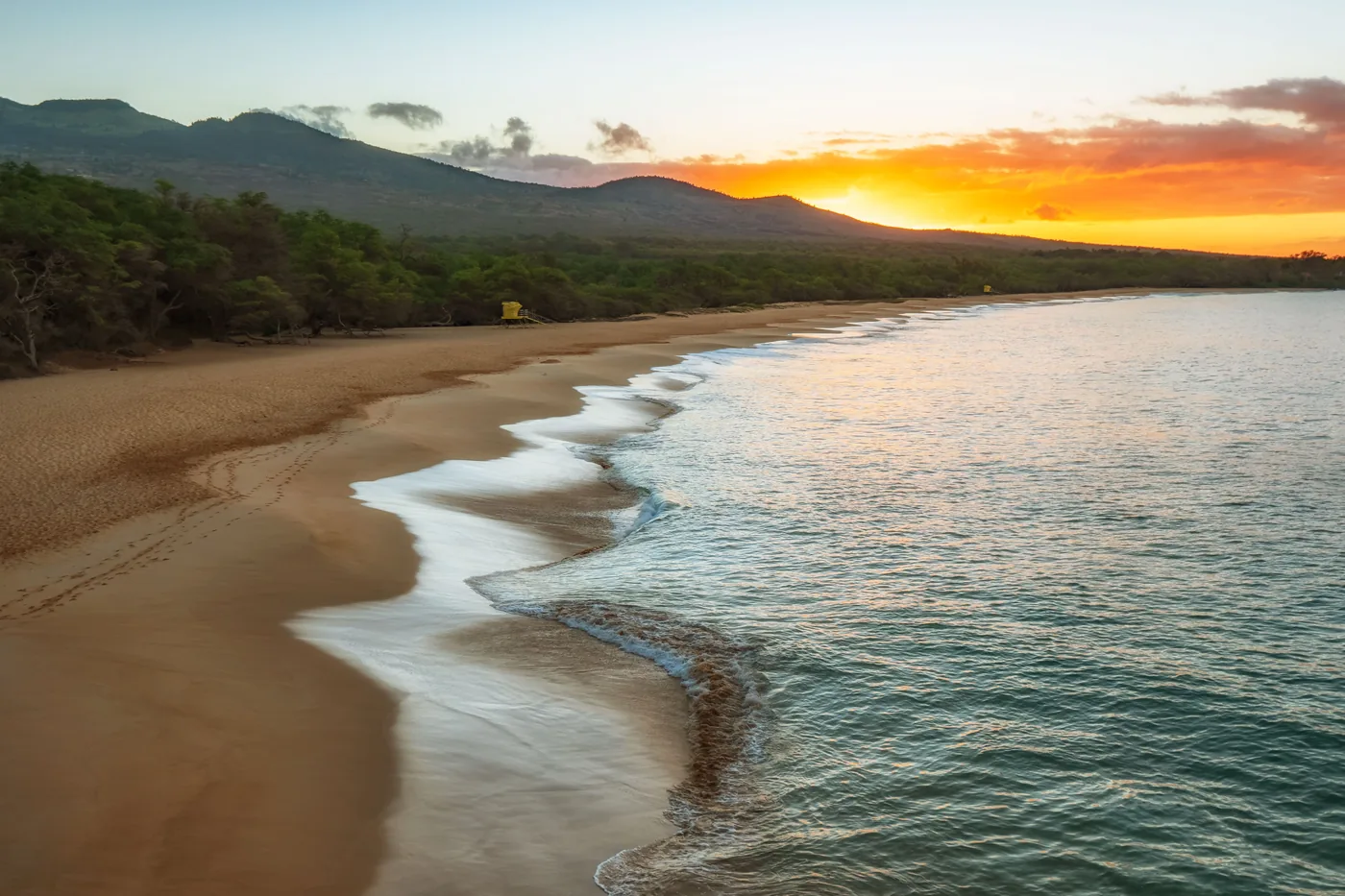
Big Beach, officially Oneloa Beach in Mākena State Park, is a long, wide stretch of golden sand with no resorts in sight. It’s one of the prettiest beaches on Maui and a perfect place for a lazy afternoon.
Be careful in the water here. The waves break close to shore and can knock people over hard, so when the surf is up it’s a better beach for lying on than swimming at.
There isn’t much shade on the sand, so bring an umbrella, plenty of water and snacks.
Evening: Dinner In Kīhei
Kīhei is the south shore’s easygoing town, full of food trucks, poke counters and relaxed restaurants with ocean views. After a day in the sun, that’s exactly the kind of dinner you want.
Order a plate lunch or some fresh poke if you haven’t tried them yet. Then get to bed early, because the Road to Hāna is a long day.
Day 3: The Road To Hāna
The Road to Hāna is Maui’s most famous drive. It winds about 52 miles from Kahului to the town of Hāna along the island’s rainy northeast coast, with more than 600 curves, dozens of one lane bridges and waterfalls tucked into the jungle along the way.
Driving it without stopping takes about two and a half hours, but nobody drives it without stopping. Plan on a full day of ten hours or more, and start early to get ahead of the traffic.
Fill up the tank before you go, pack snacks and water, and download offline maps, since cell service drops out for long stretches.
Morning: Waterfalls And Viewpoints Along The Way
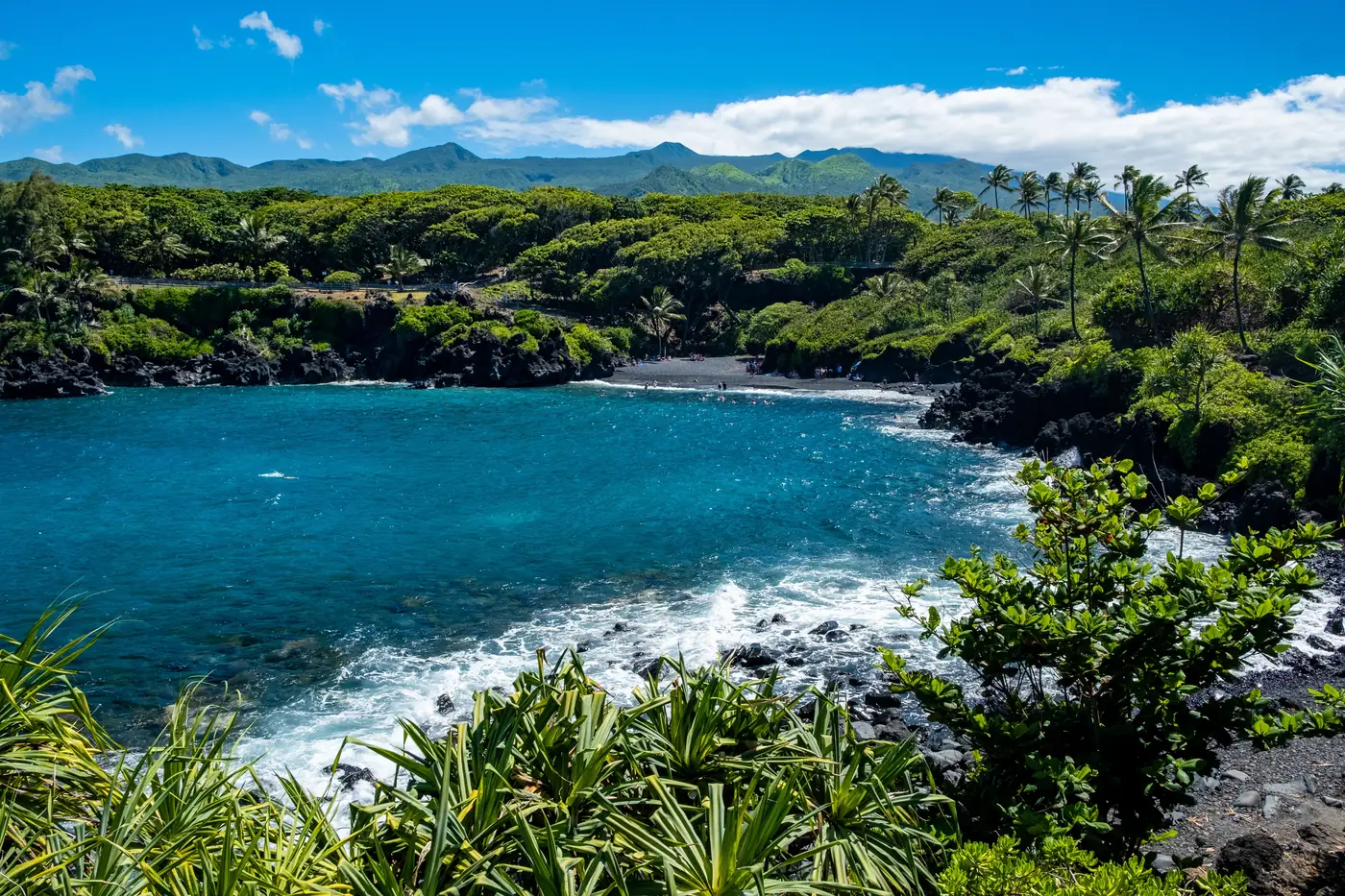
The first half of the drive is full of quick stops. Twin Falls, near the start, is an easy walk to a pair of waterfalls, and the Keʻanae Peninsula further on has black lava rock and crashing surf around a tiny village.
Pull over only at marked pullouts and parking areas. Parts of the road run past homes and private land, and blocking traffic or trespassing to reach a waterfall is a real problem for the people who live here.
Let faster local drivers pass whenever you can. They’re heading to work, not sightseeing.
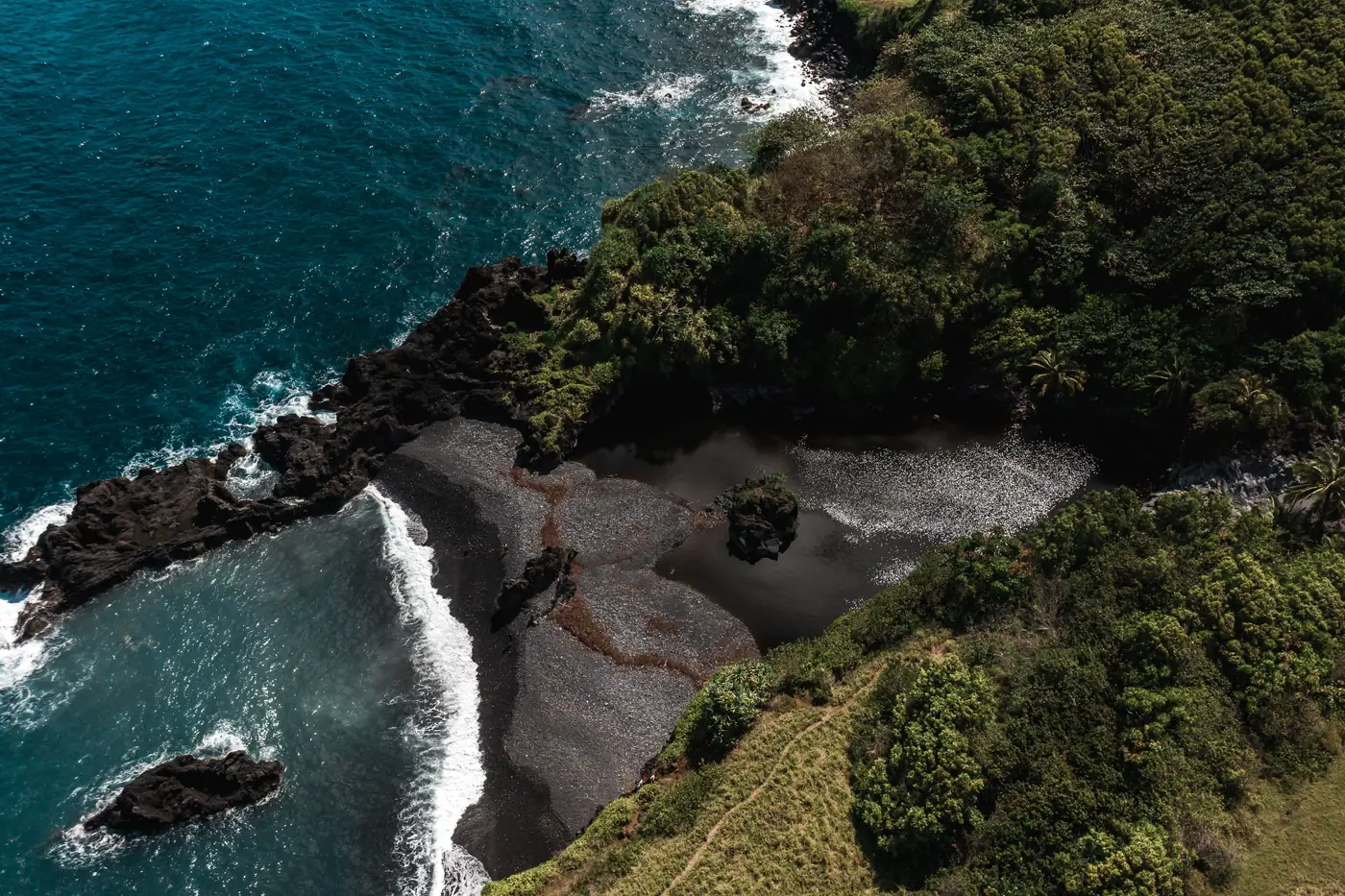
Midday: Waiʻānapanapa Black Sand Beach
Just before Hāna is Waiʻānapanapa State Park, home to one of the most famous black sand beaches in Hawaii. Jet black sand, bright blue water, green cliffs and sea caves make it one of the most photographed stops on the whole drive.
Reservations are required for visitors and open 30 days ahead, and you’ll need to arrive within the first 30 minutes of your time slot. Plan your morning stops around that time so you’re not racing to make it.
The coastal trail along the lava rock is worth a short walk. The ocean here can be rough, though, so check the conditions before you get in.
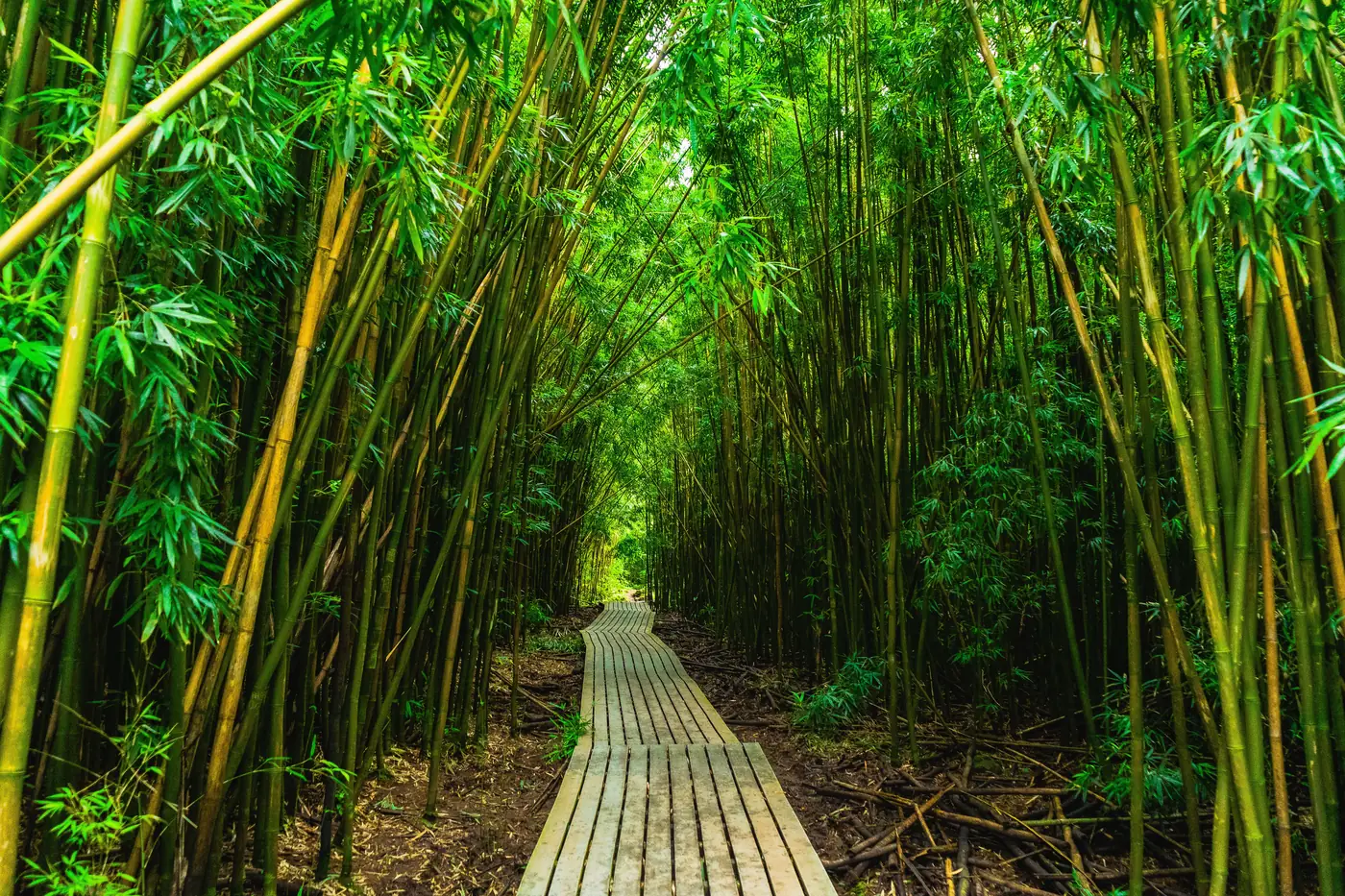
Afternoon: The Pipiwai Trail In Kīpahulu
Drive through Hāna town and keep going about ten miles to the Kīpahulu District of Haleakalā National Park. Your $30 park pass covers it, and it will still be good at the summit tomorrow.
The Pipiwai Trail is the highlight, a hike of about four miles round trip that climbs past a giant banyan tree and through a towering bamboo forest to Waimoku Falls, which drops around 400 feet down a cliff.
The pools at ʻOheʻo Gulch nearby are beautiful to look at, but swimming in them is currently not allowed because of dangerous flash flooding. Enjoy them from the overlook instead.
Head back the same way you came, and try to start while it’s still light. The road that continues around the south side of the island is rough and remote, and many rental car companies don’t allow it.
Day 4: Haleakalā Sunrise And Upcountry Maui
Day four starts in the dark and ends at the beach. The morning is sunrise from the top of Haleakalā, the huge volcano that makes up most of East Maui, and the rest of the day winds down through the green farm country on its slopes.
It’s an early alarm, but for a lot of people it’s the most unforgettable morning of the whole trip. Take a nap in the afternoon if you need one.
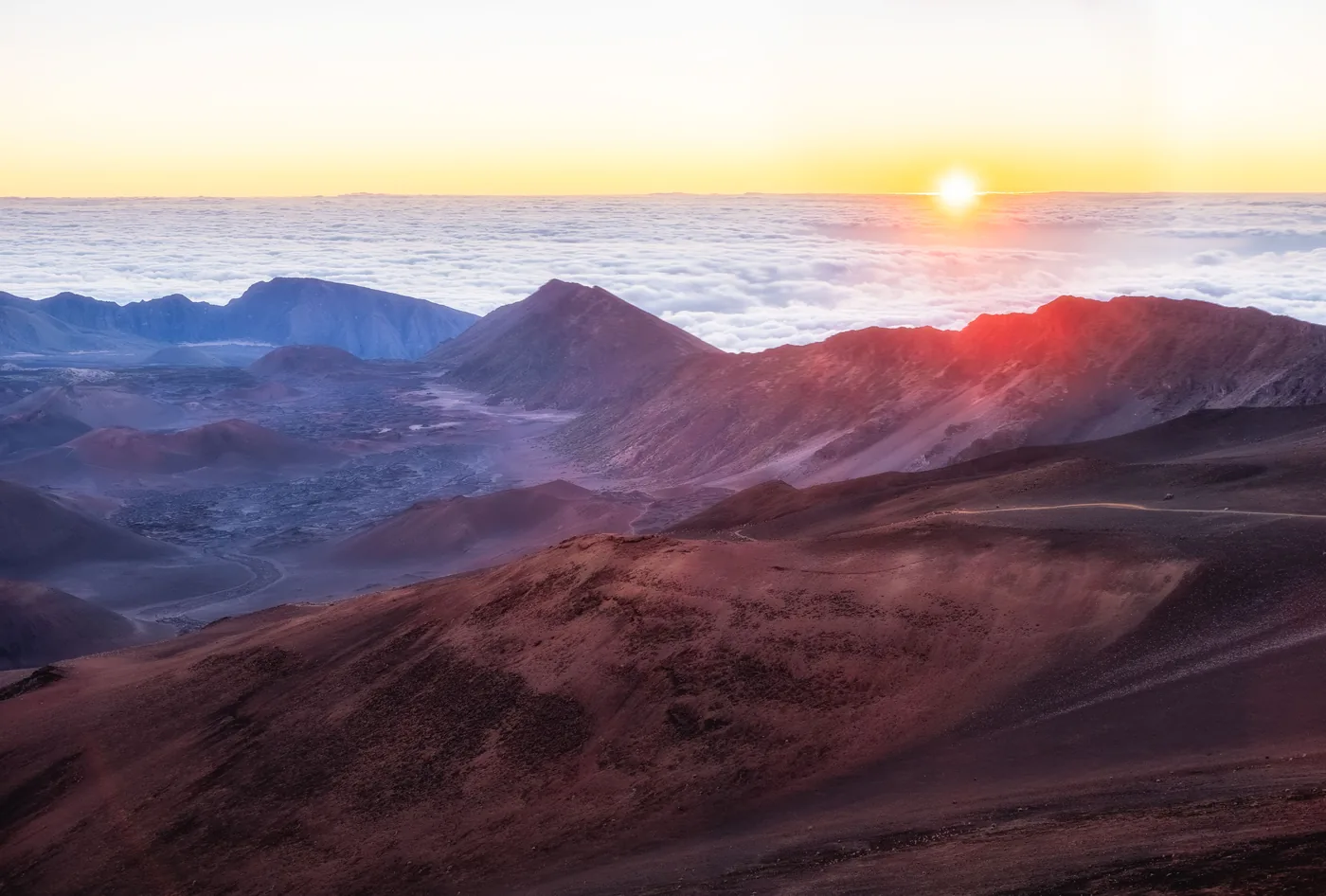
Early Morning: Sunrise At The Summit Of Haleakalā
The summit of Haleakalā sits at 10,023 feet, high above the clouds. Watching the sky light up over a sea of clouds is one of the most famous experiences in Hawaii, and the view into the vast volcanic crater afterward is just as stunning.
From Kīhei or Wailea, plan on about two hours to reach the top, which means leaving in the middle of the night. You’ll need a sunrise reservation from Recreation.gov to drive up to the summit area between 3 and 7 a.m.
Dress for winter. It’s often in the 30s or low 40s at dawn, and the wind makes it feel even colder, so bring a warm jacket, a hat and even a blanket from your room.
If you can’t get a sunrise reservation, go for sunset instead. No reservation is needed, the crowds are smaller and the summit is still up above the clouds.
Morning: Makawao And Kula
On the way down, stop in Makawao, an old Hawaiian cowboy town with wooden storefronts, art galleries and T. Komoda Store and Bakery, which has been around for generations and is famous for its cream puffs. It opens early, closes in the early afternoon and is closed on Wednesdays and Sundays.
From there, swing over to Kula, a cool, green farming area high on the slopes of the volcano. Aliʻi Kula Lavender sits at about 4,000 feet with sweeping views down to the coast, and it’s a peaceful place to wander after an early morning. It opens at 10 a.m.
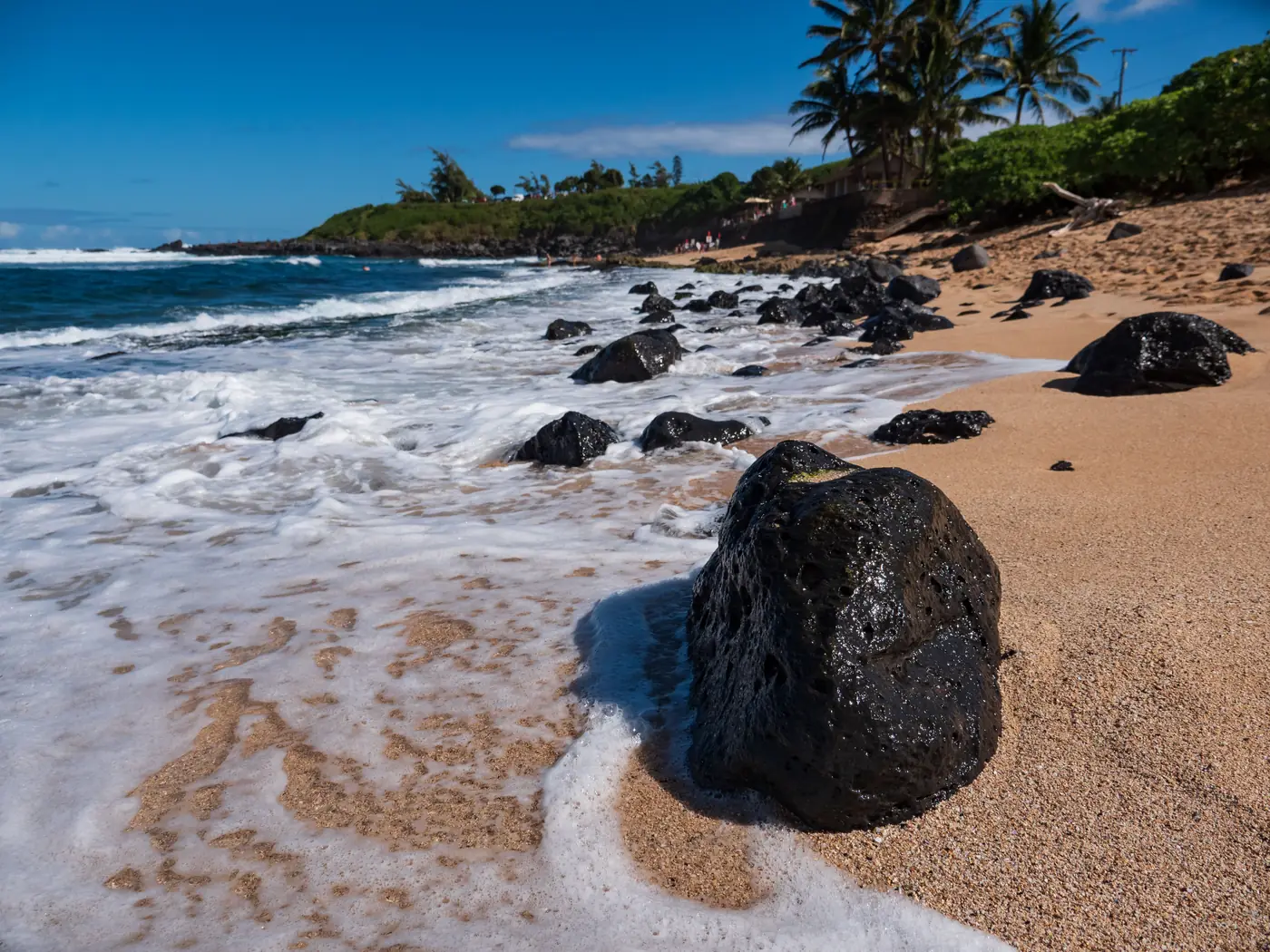
Afternoon: Paʻia And The Turtles At Hoʻokipa
Head down to Paʻia, a laid back surf town on the north shore with colorful shops, cafes and a well known fish market. It’s a great place for a late lunch.
Just past town is Hoʻokipa Beach Park, where green sea turtles haul themselves onto the sand to rest. Mid to late afternoon is usually the best time to see the most of them.
Stay at least 10 feet away from the turtles and behind any rope that’s been set up. From the lookout above the beach, you can also watch windsurfers and surfers riding the big waves offshore.
Day 5: Lahaina And West Maui
Day five heads to West Maui, about 40 minutes from Kīhei. It’s a mix of beaches, snorkeling and one of the best sunset traditions on the island.
It also passes through Lahaina, a town still rebuilding after the 2023 wildfire. Visitors are welcome, and it’s worth visiting thoughtfully.
Morning: Lahaina
Lahaina was once the royal capital of the Hawaiian Kingdom and later a busy whaling port. In August 2023, a wildfire destroyed much of the town and took more than a hundred lives, and it’s still very much a community in recovery, with the rebuild focused on residents first.
Front Street reopened to traffic in August 2026, and the harbor has reopened for boat tours, with more businesses returning over time. Many of the historic blocks are still behind construction fencing, and the famous banyan tree remains fenced off while it heals.
If you stop, come to support the town. Eat at a restaurant that’s open, buy from local vendors or book a boat tour from the harbor. Stay out of closed areas, follow posted signs and don’t treat damaged sites as a photo backdrop. People lost their homes here, and it’s a neighborhood, not an attraction.
Midday: Kaʻanapali Beach And Black Rock
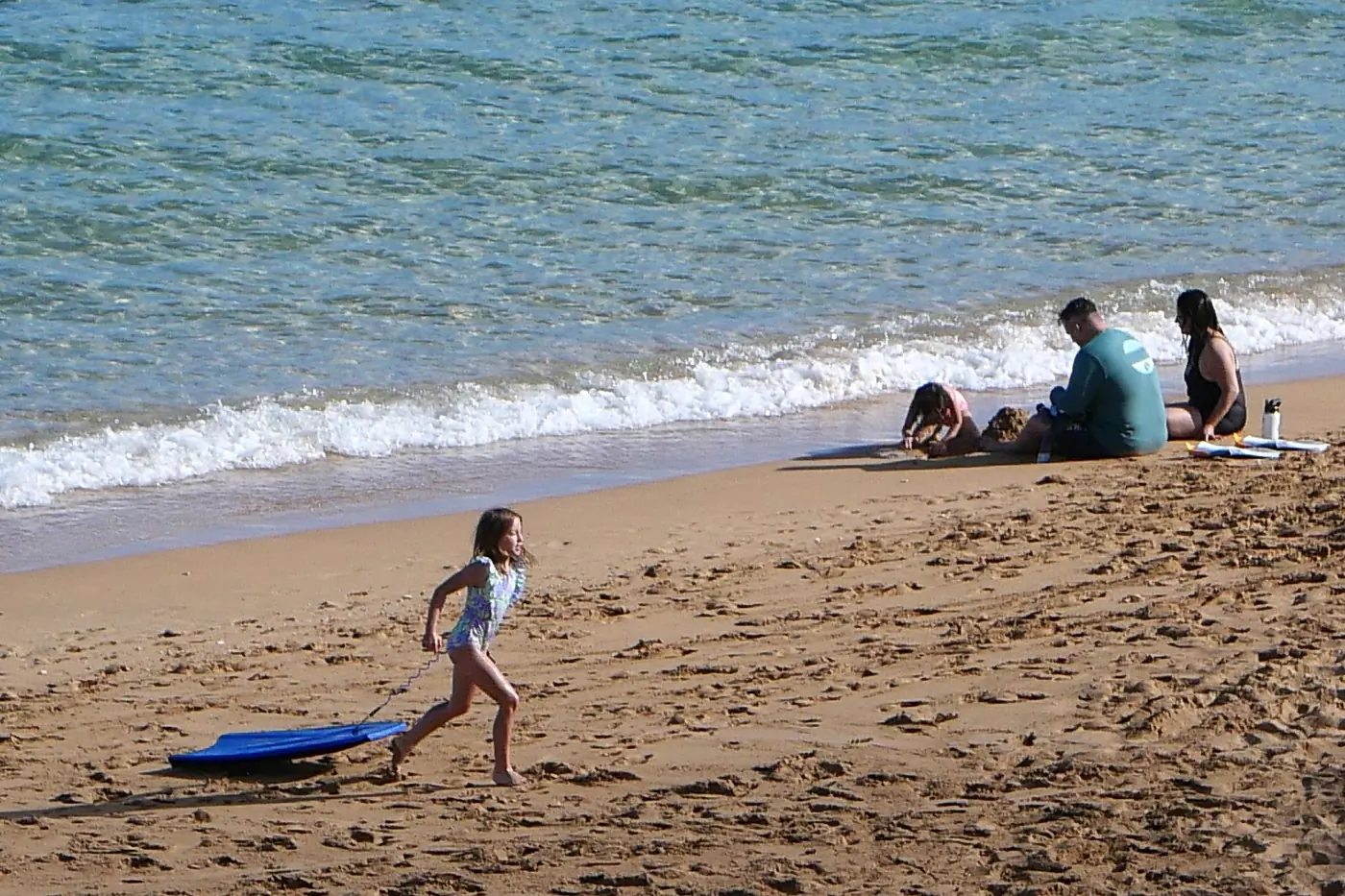
A few minutes north is Kaʻanapali Beach, a long stretch of soft sand lined with resorts and a paved beach walk. At its northern end is Black Rock, or Puʻu Kekaʻa, a lava rock point with some of the easiest snorkeling on the island right off the sand.
Snorkel when the water is calm, and skip it if the surf or wind picks up, since there can be a current around the point.
Afternoon: Nāpili And Kapalua Bays
Keep driving north to Nāpili Bay and Kapalua Bay, two small, sheltered crescents of sand that are lovely for a swim on a calm day. They’re quieter than Kaʻanapali, and parking is limited, so be patient.
In winter, the channel between Maui and Lānaʻi is a great place to watch for humpback whales right from shore. Bring binoculars if you have them.
Evening: The Sunset Cliff Dive At Black Rock
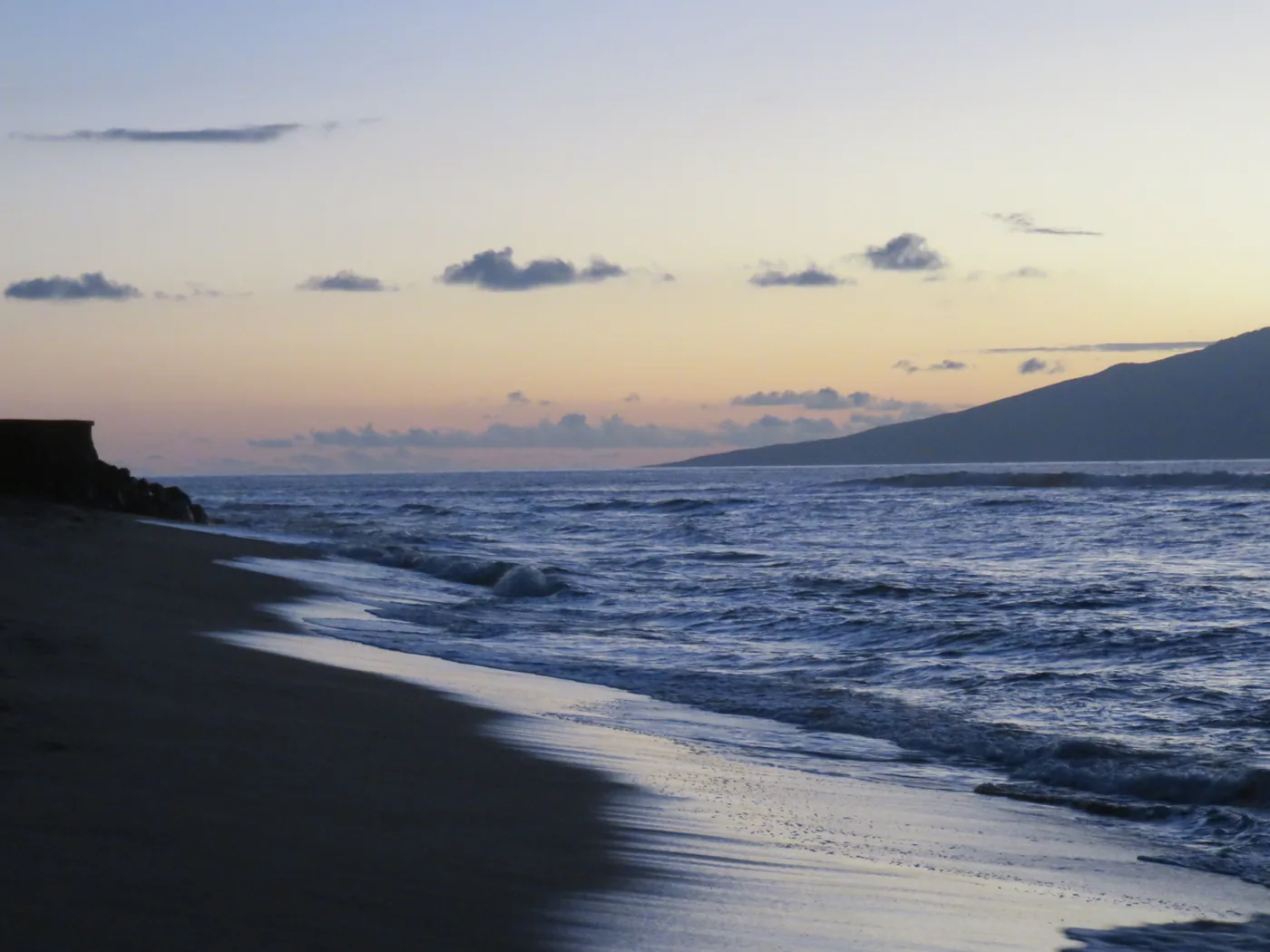
Head back to Kaʻanapali for sunset. Each evening just before the sun goes down, a torch lighting ceremony takes place at Black Rock, ending with a cliff diver leaping into the ocean to honor the story of the Maui chief Kahekili.
It’s short, free to watch from the beach and a beautiful way to spend your last night. Stay for dinner along the beach walk and toast to five days in Maui.
Where To Stay On Maui For A First Visit
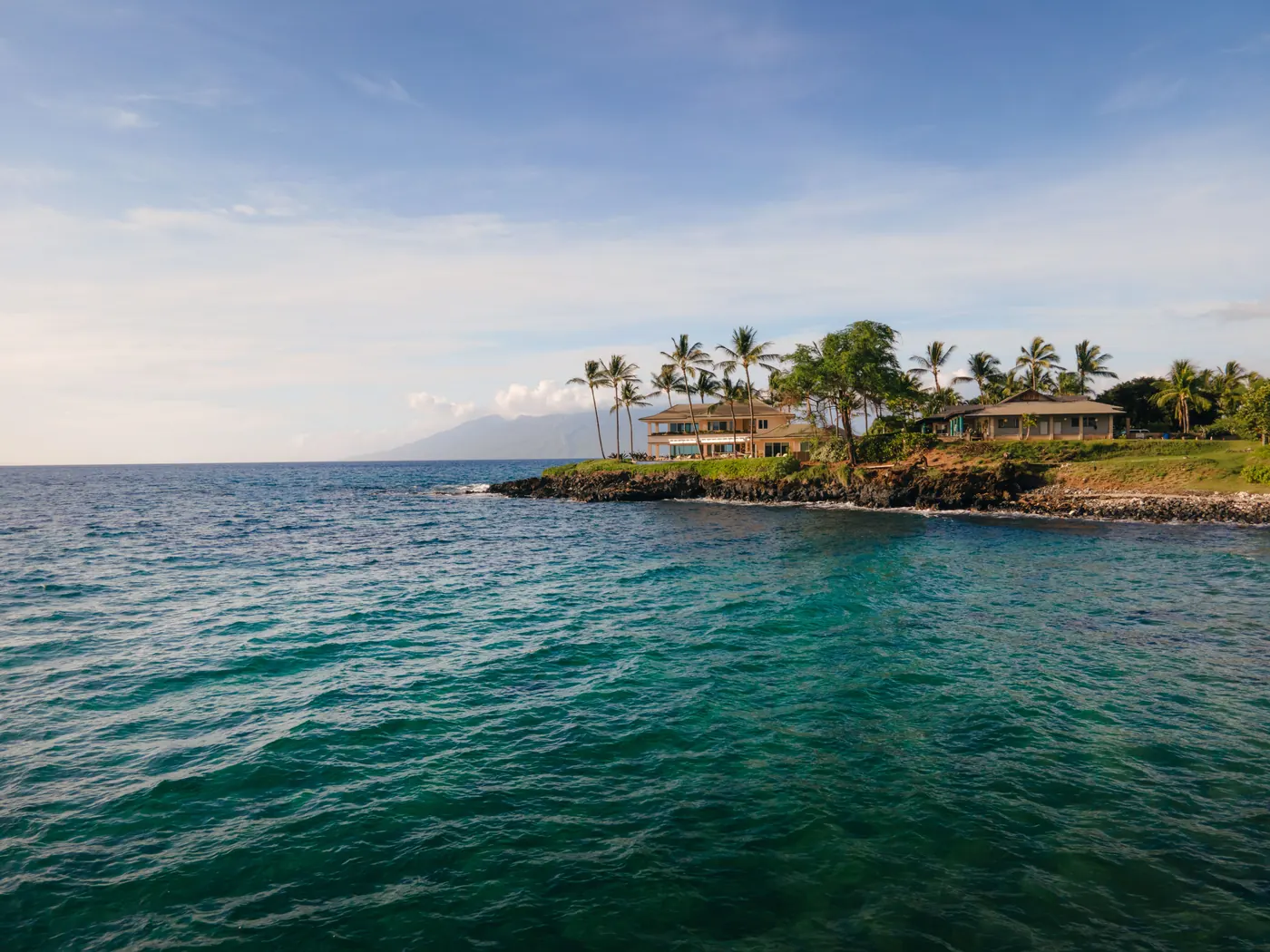
The south shore is the easiest base for this itinerary. Kīhei has the most condos and vacation rentals, usually at friendlier prices, and Wailea next door is the polished resort area with some of the island’s nicest beaches.
Kaʻanapali on the west side has big resorts right on a beautiful beach, but it adds driving time to the Road to Hāna and Haleakalā days. It’s a great pick if you’d rather spend more time on the sand and less time in the car.
Paʻia and Upcountry have smaller vacation rentals closer to Hāna and the summit, and they suit travelers who want a quieter, more local feel.
Best Time To Visit Maui
Maui is warm all year, so there’s no truly bad time to go. Spring and fall are often the sweet spot, with good weather and fewer crowds than the peak seasons.
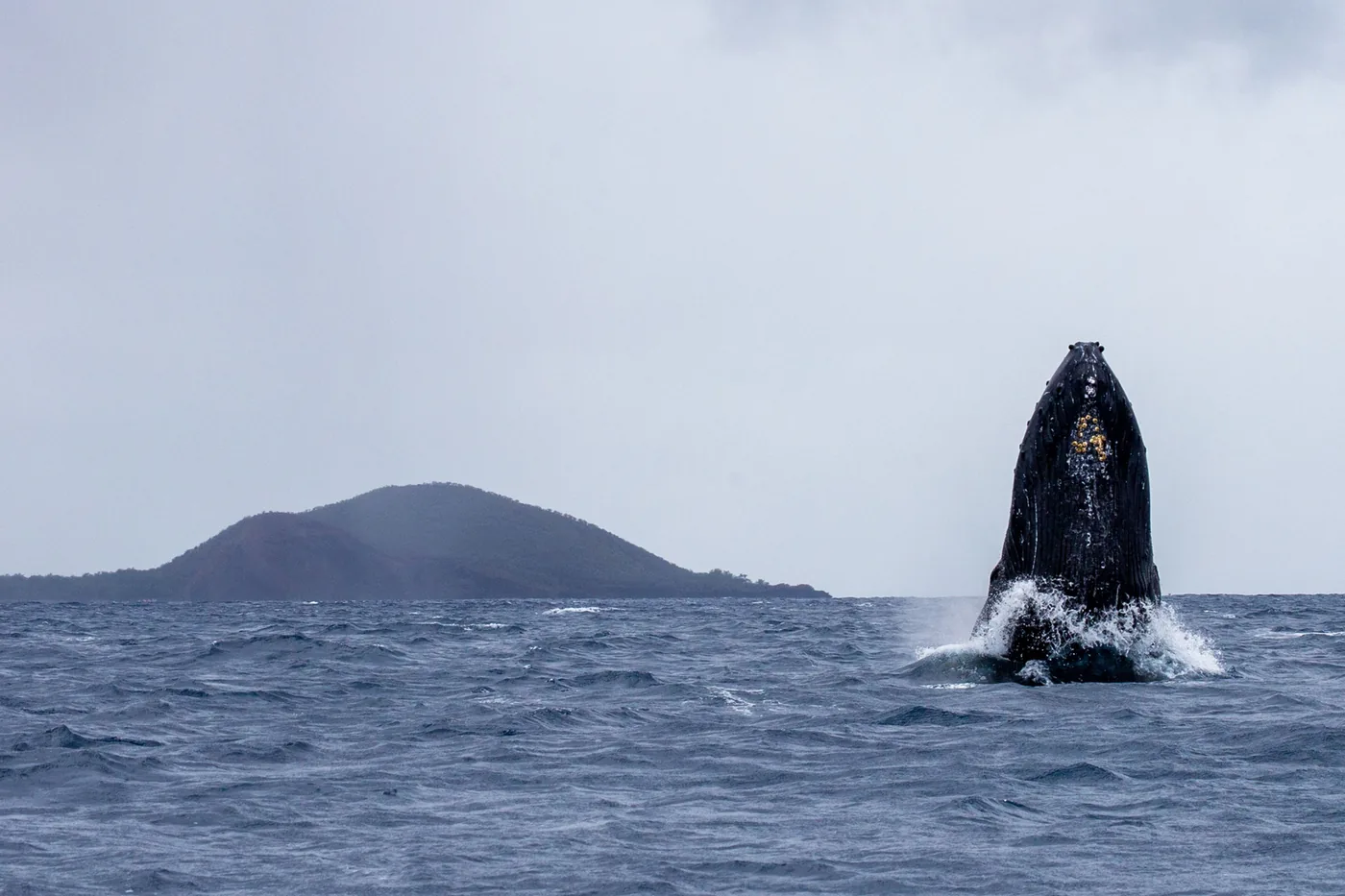
Winter is whale season. Humpback whales are around from roughly December through March, with February usually the busiest month for sightings, and it’s also one of the most popular and expensive times for a Hawaii vacation.
Summer is busy with family vacations, and it’s when the lavender in Kula is at its peak. Whenever you go, book your rental car and your reservations as early as you can.
Before Your First Trip To Maui
Maui rewards slowing down. It’s easy to try to cram in too much, so leave room for at least one afternoon with nothing planned. These travel tips for your first time in Hawaii cover more of the basics, from reservations to rental cars.
Respect the ocean and the land. Swim only where it’s safe, give wildlife plenty of space, and never walk on the reef or take lava rock home with you.
If you’re still choosing an island, this 5 day Kauai itinerary covers the greener, quieter Garden Isle. And if you’re adding Oahu to the trip, these places to watch sunsets on Oahu are a good place to start.
Final Thoughts
Five days in Maui is enough to see the island’s biggest highlights without rushing. You’ll snorkel a volcanic crater, drive the Road to Hāna, watch the sunrise from above the clouds and still have time for long afternoons on the beach.
The trick is booking the few things that sell out, then letting the rest of the trip slow down. That’s what island time is for.
Follow this 5 day Maui itinerary on your first visit, and there’s a good chance it won’t be your last.