 Rebecca Engel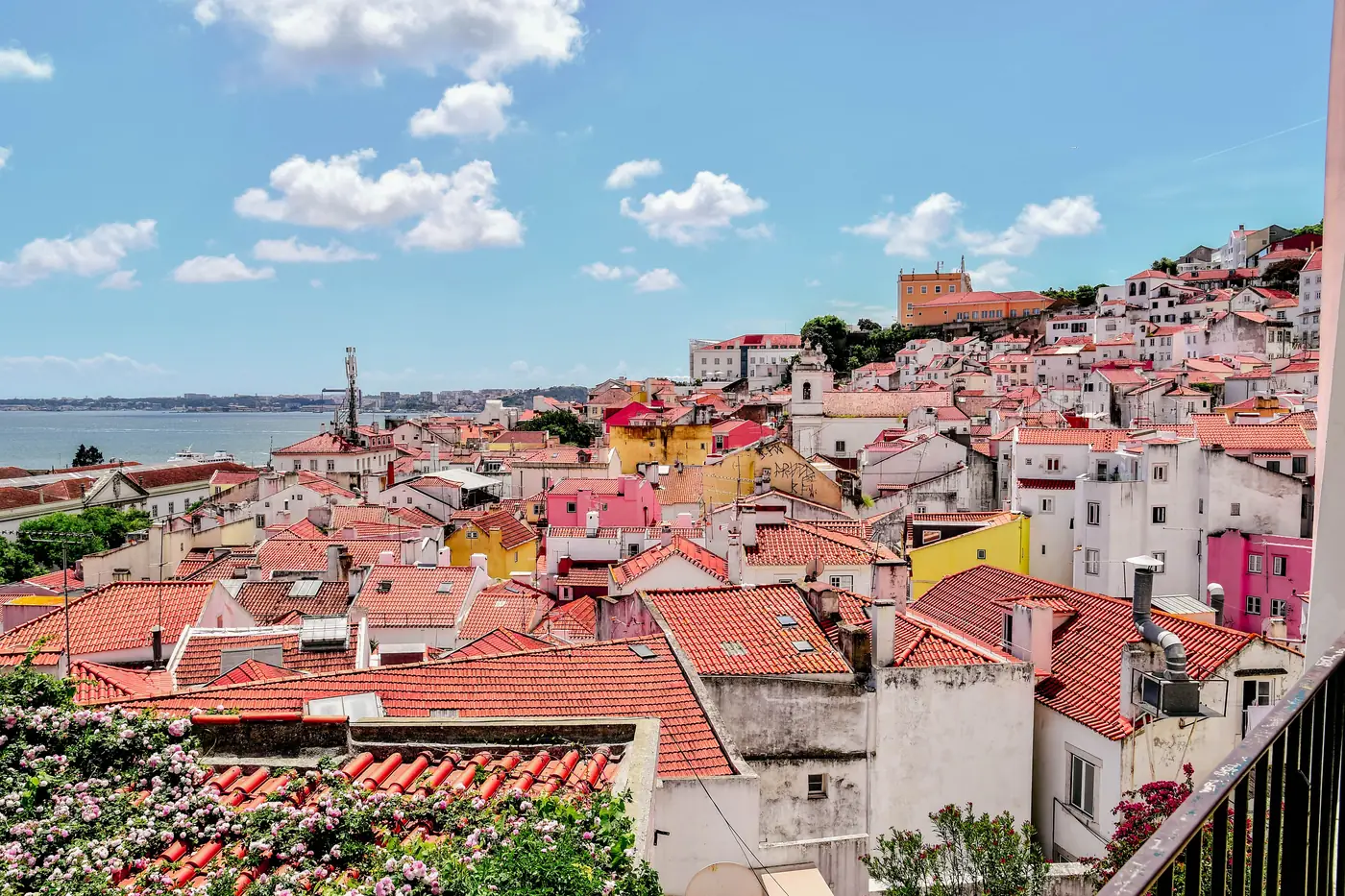
Lisbon is a city of hills, painted tiles and old yellow trams, spread across the slopes above a wide river right where it meets the Atlantic. It’s small enough that most of the big sights sit in a handful of neighborhoods, but hilly enough that the order you see them in matters more than it does in most capitals.
That’s why this Lisbon itinerary runs day by day. This 3 day Lisbon itinerary gives each day its own part of the map, with the castle and the old town first, Belém and the waterfront second, and the palaces of Sintra last. Here’s how to spend 3 days in Lisbon and see the best of it without rushing.
How This 3 Day Lisbon Itinerary Works
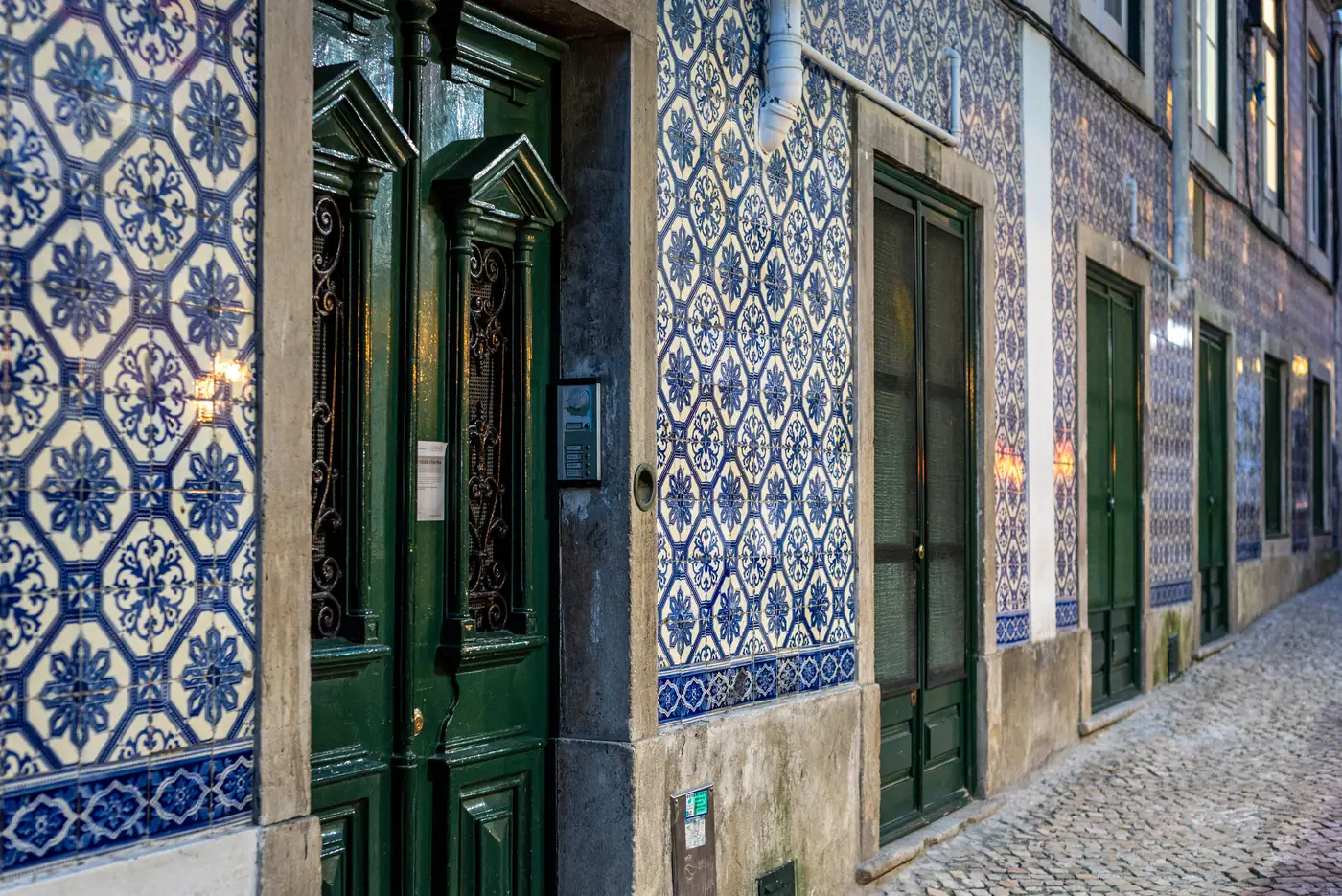
Each day covers one area. Day one starts high up in Graça and works down through the castle, Alfama and the Baixa before finishing in Chiado. Day two follows the river west to Belém. Day three leaves the city for Sintra, about forty minutes away by train.
A few things are worth booking before you go. Belém Tower reopened in May 2026 after a long restoration, and entry now runs in small timed groups every half hour, so slots go quickly. Jerónimos Monastery gets long ticket lines too, and in Sintra both Pena Palace and Quinta da Regaleira use timed entry that can sell out in busy months.
Watch the calendar as well. Jerónimos Monastery and Belém Tower are both closed on Mondays, so don’t let day two land on one. Swapping days two and three fixes it.
The Baixa and Chiado are the easiest places to stay for three days. They’re central, flatter than most of the city, and close to the metro, the trams and Rossio station, where the Sintra trains leave. Alfama has more character but steeper streets, and Cais do Sodré is fun but loud late at night.
Pack shoes with real grip. The stone sidewalks are polished smooth and get slippery even when it hasn’t rained. This guide to the tourist mistakes to avoid in Lisbon covers that one and a few others worth knowing before you land.
Day 1: The Castle, Alfama And Chiado
Day one covers the oldest part of Lisbon. You ride a tram up to the top of the city, walk down past the castle and through Alfama, cross the flat Baixa in the afternoon, and finish up in Chiado as the sun goes down.
Start early. Tram 28 and the castle are both far calmer before ten, and the Alfama lanes are nicer before the tour groups arrive.
Morning: Tram 28 Up To Graça
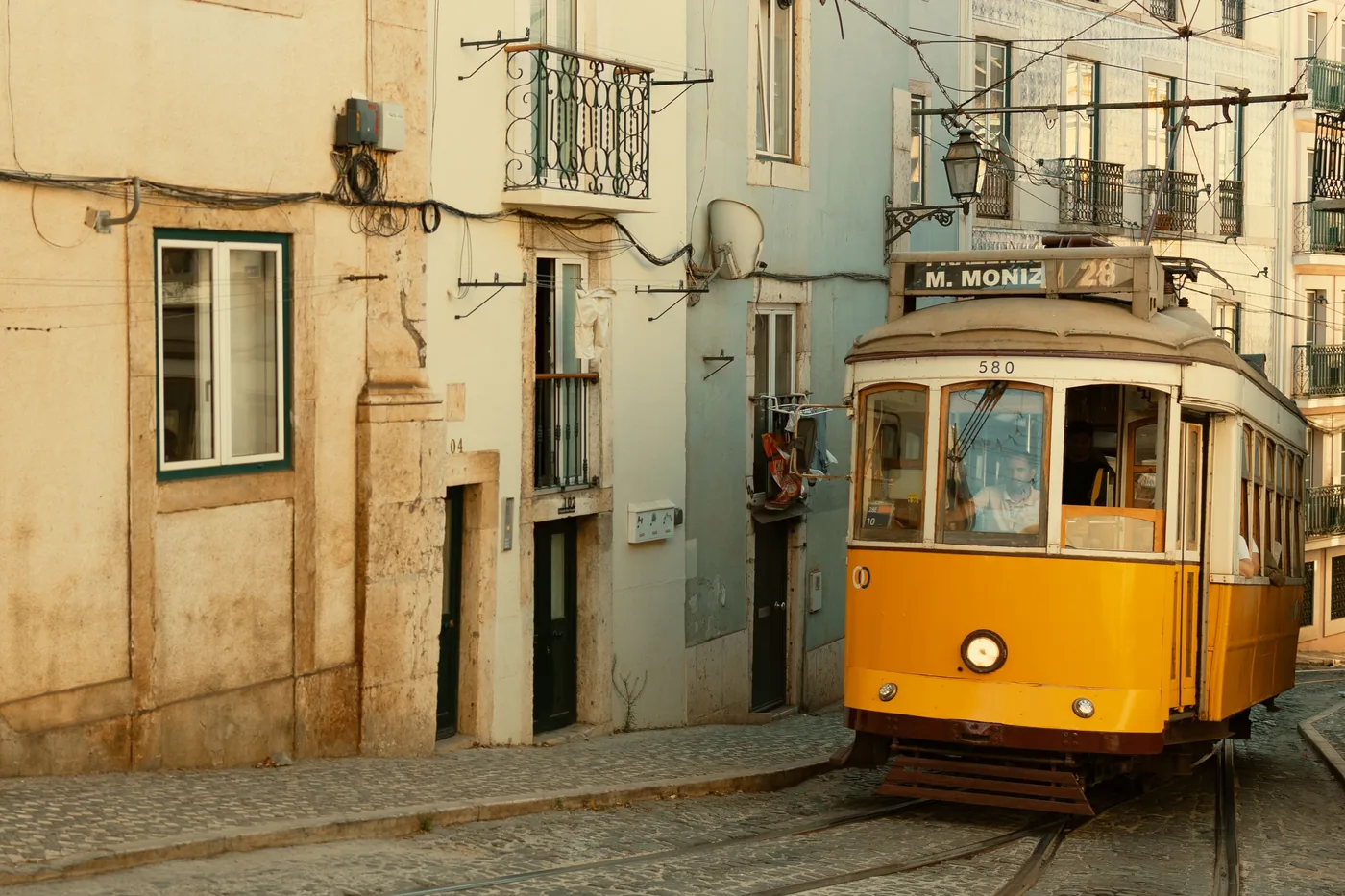
Tram 28 is the old yellow tram that rattles through the historic center, and it’s worth riding once. The trick is to get on at Martim Moniz, the first stop, early in the morning. By midmorning the line there can take longer than the ride itself.
Take it up into Graça, one of the highest neighborhoods in the city. From there it’s a short walk to the Miradouro da Senhora do Monte, a viewpoint that looks out over the whole city to the castle and the river. It’s peaceful in the morning, which is not something anyone says about it at sunset.
Keep a hand on your bag while you ride. The crowded tram is where Lisbon’s pickpockets work hardest, because everyone is busy looking out the window.
Late Morning: São Jorge Castle
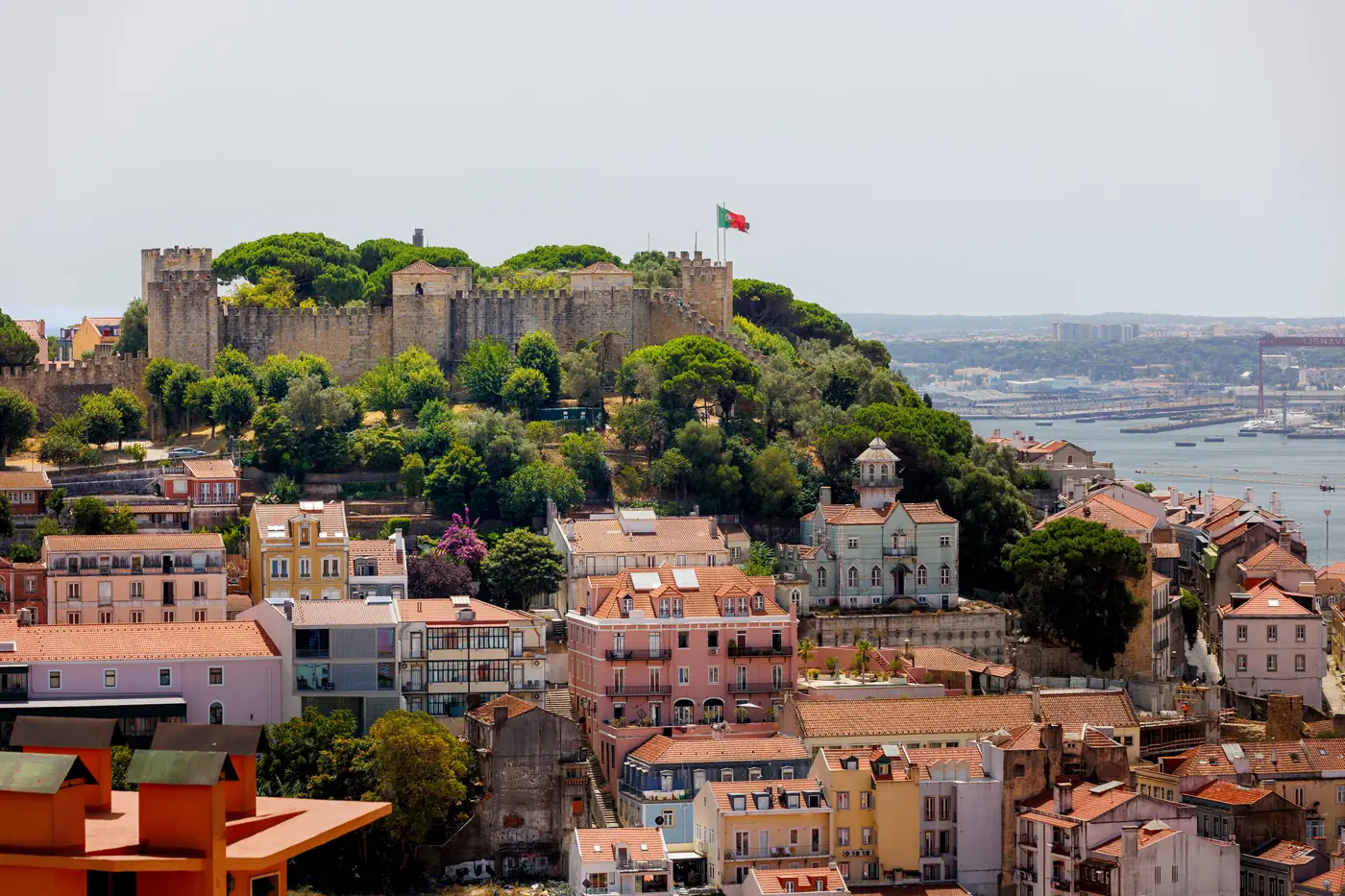
From Graça it’s an easy walk to São Jorge Castle, which sits on the hilltop where Lisbon began. Much of what stands today was rebuilt in the last century, but the views from the walls over the red roofs of Alfama are the reason people come.
The castle opens at nine every day of the week. You can buy tickets at the gate or online, and buying ahead saves a wait when it’s busy. Plan on about an hour to walk the walls and the shady gardens, where peacocks wander around like they own the place.
There isn’t much inside to read or study. This is a place for walking, looking and taking photos, so don’t feel like you need to see every corner of it.
Midday: Down Through Alfama
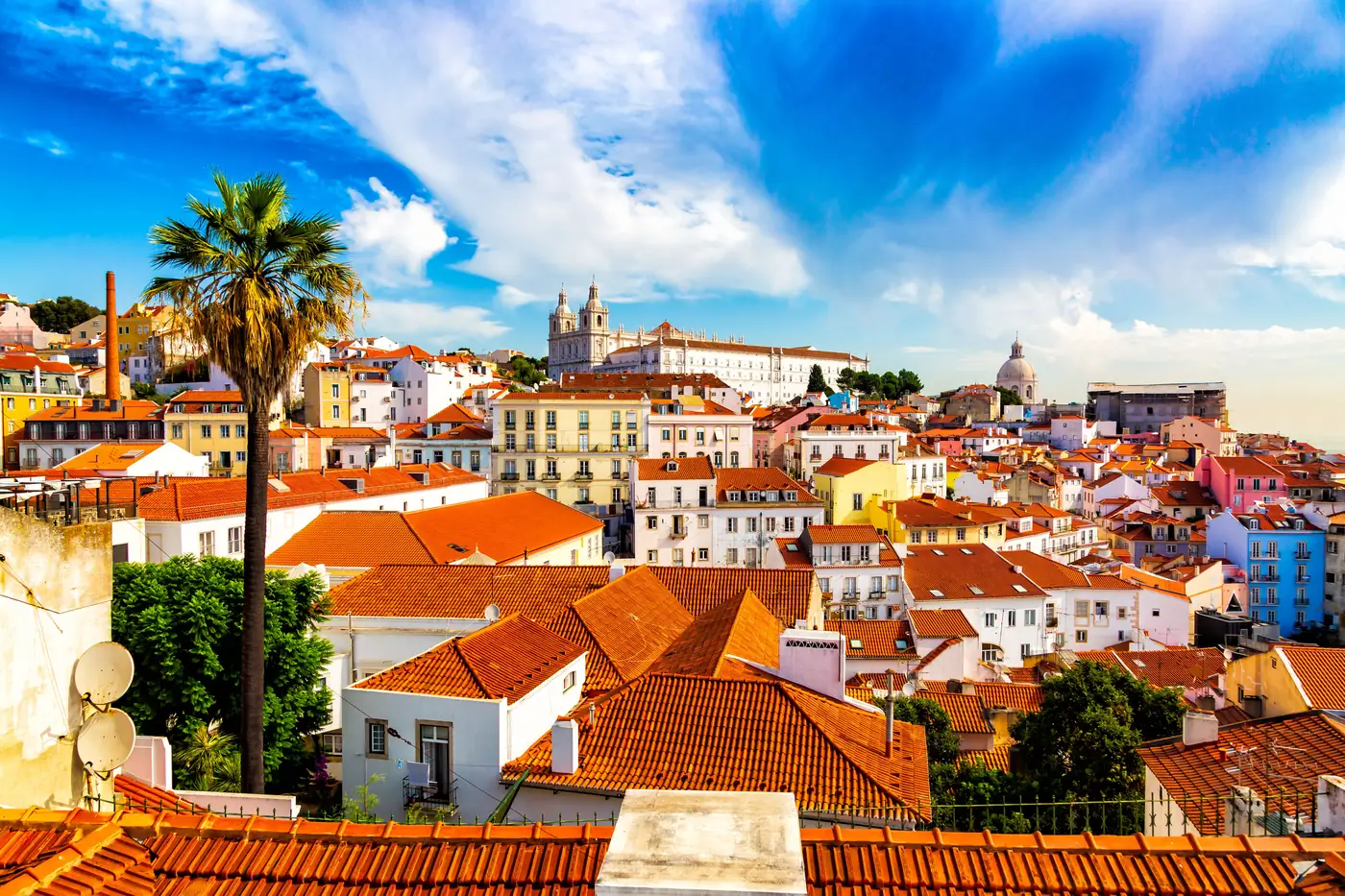
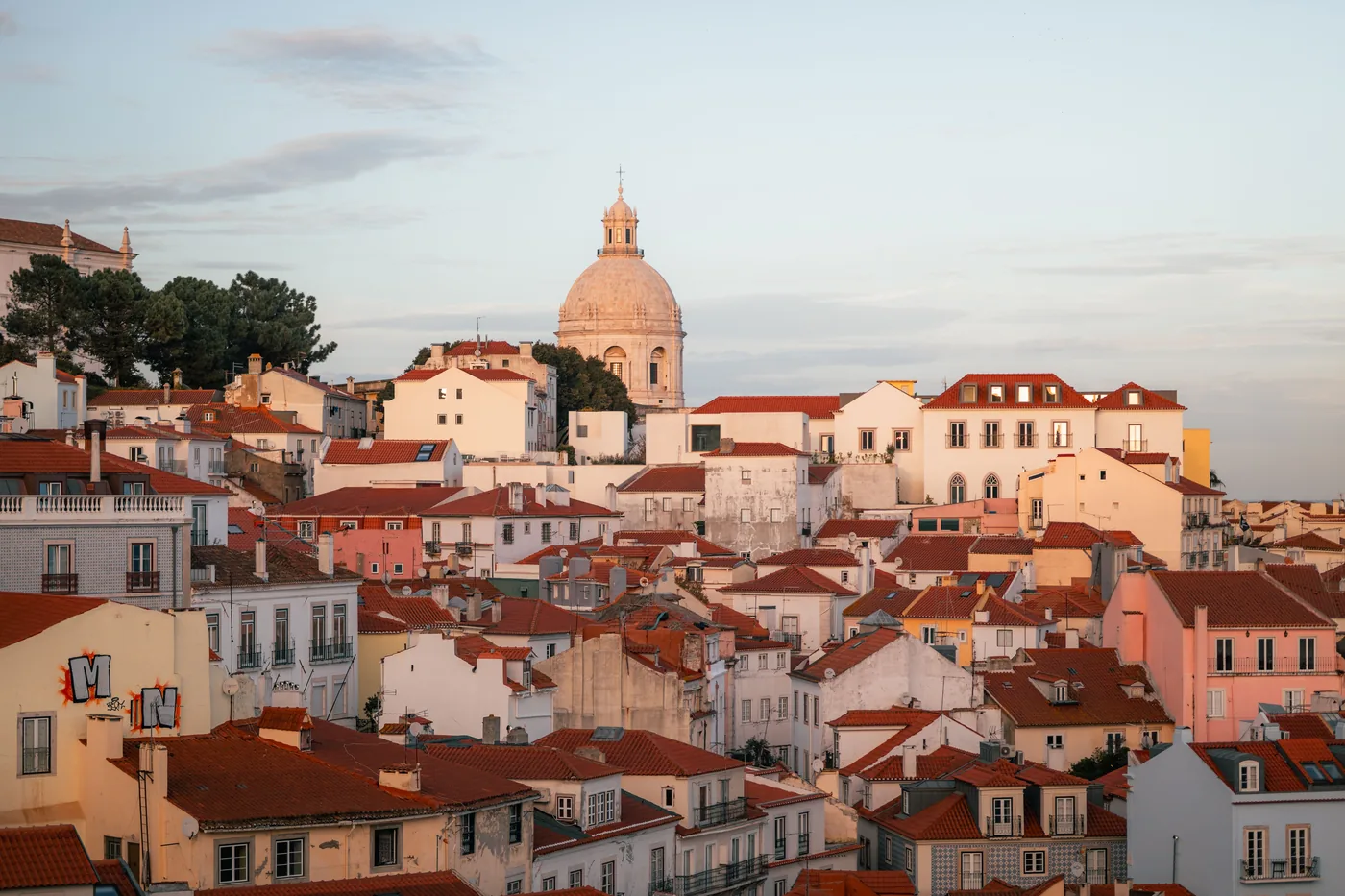
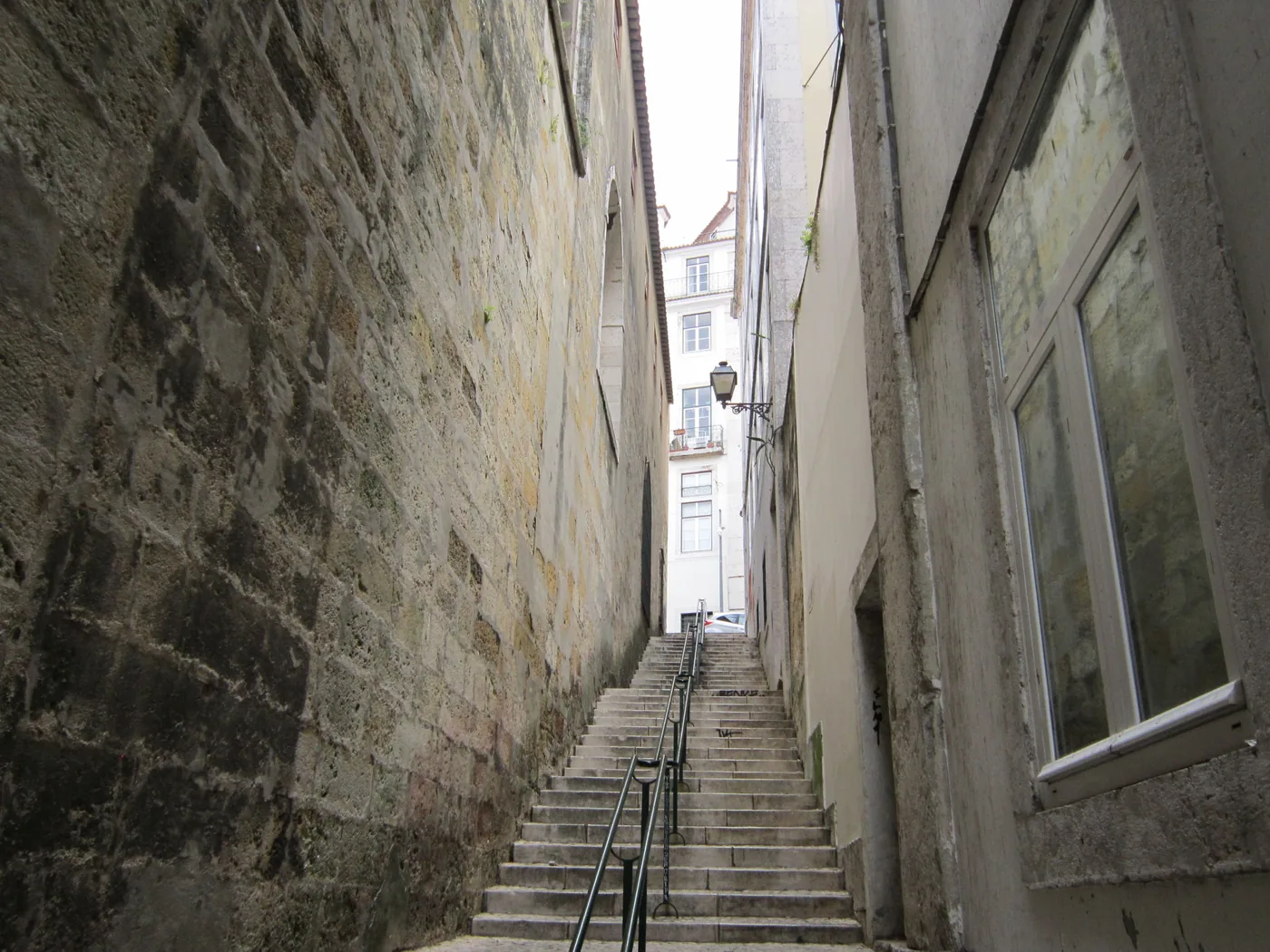
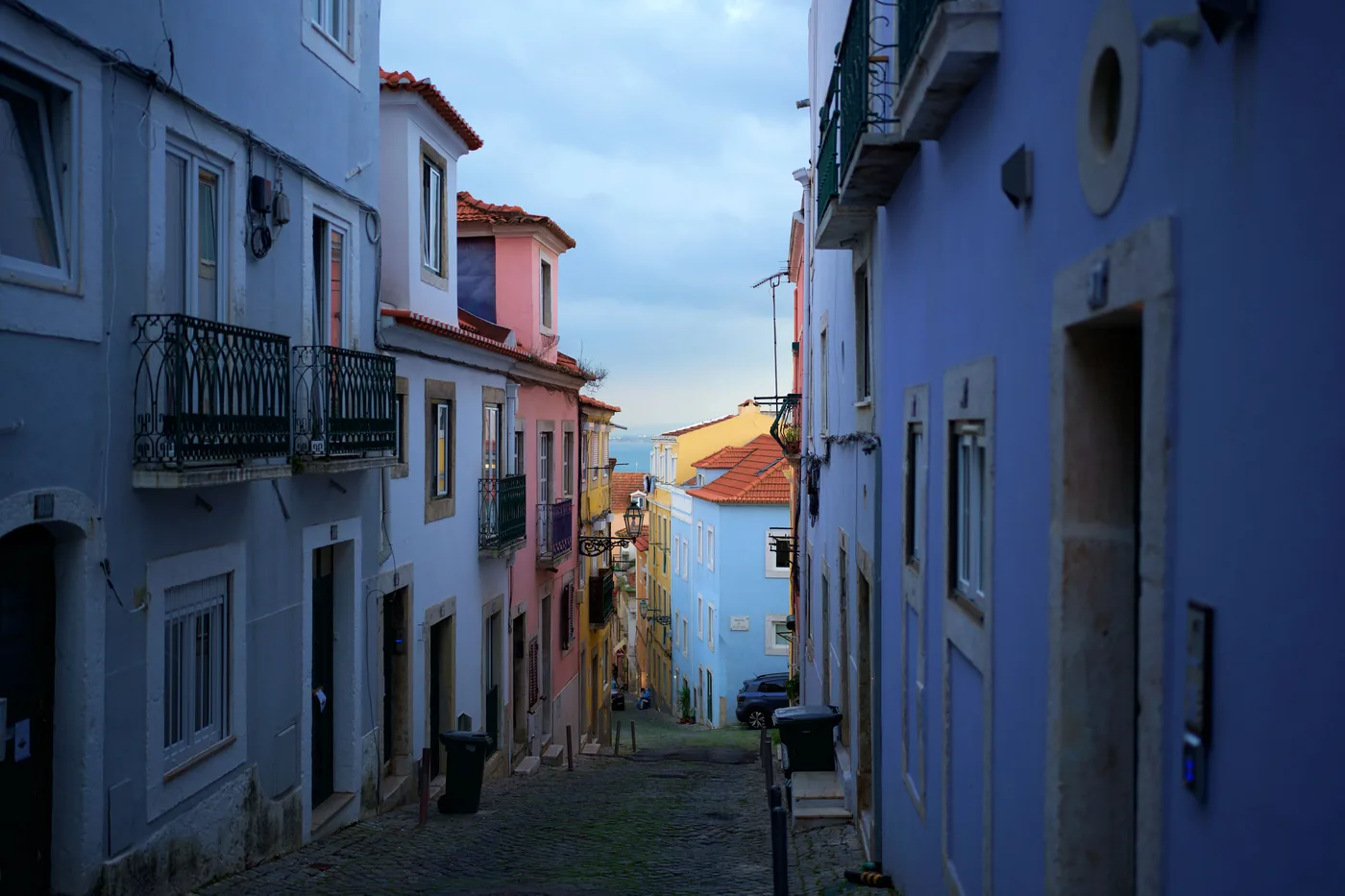
Alfama is the old neighborhood tumbling down the hill below the castle, and it’s the Lisbon most people picture before they arrive. Narrow lanes, laundry hanging between windows, tiny squares and staircases that seem to lead nowhere.
Two viewpoints sit right on the way down. Miradouro das Portas do Sol and Miradouro de Santa Luzia are a minute apart, and both look out over the rooftops to the river. Santa Luzia has tiled walls and a terrace covered in vines, which makes it one of the prettiest spots in the city.
Keep heading down past the Sé, Lisbon’s cathedral, which looks more like a fortress than a church. Stop for lunch somewhere along the way. Grilled sardines are the classic order, especially in summer.
Don’t worry about getting lost here. Any lane that runs downhill will eventually drop you out near the river.
Afternoon: The Baixa And Chiado
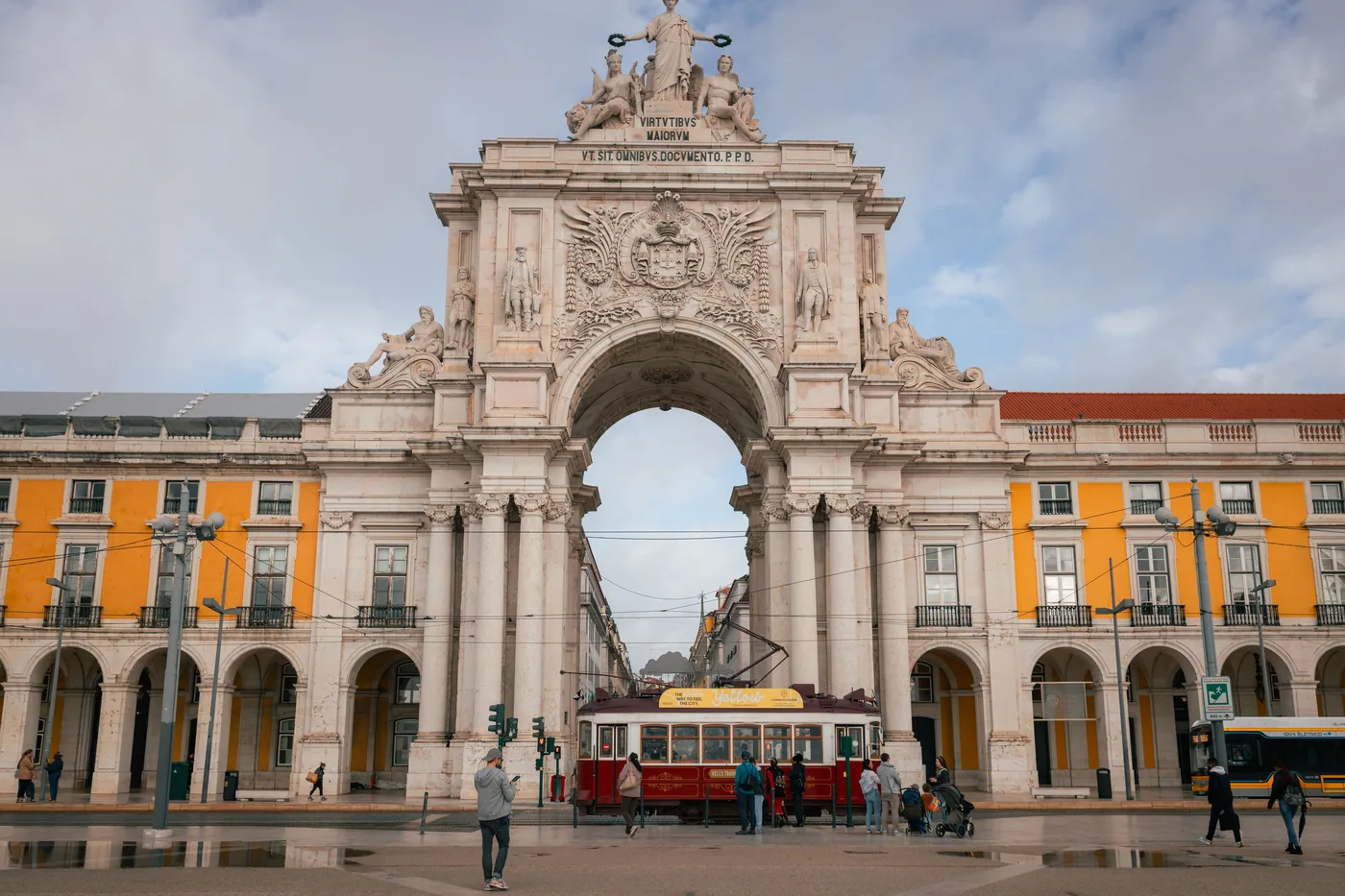
At the bottom of the hill is the Baixa, the grid of straight streets rebuilt after the huge earthquake of 1755. It feels nothing like Alfama. It’s flat and orderly, with grand buildings lining wide pedestrian streets.
Walk out to Praça do Comércio, the enormous yellow square that opens right onto the river, and then through the big arch onto Rua Augusta. You can pay to go up to the top of the arch for a view straight down the street.
From there, walk up into Chiado, the elegant old shopping district just above. Skip the line for the Santa Justa Elevator, since you can reach the same spot on foot and see the Carmo Convent on the way. It’s a church that has stood without a roof since the earthquake.
Finish at the Miradouro de São Pedro de Alcântara, a garden viewpoint at the edge of Bairro Alto that faces the castle across the valley. The Glória funicular that used to climb up to it has been out of service since an accident in September 2025, but from Chiado it’s an easy walk along the top of the hill.
Evening: Dinner And Fado
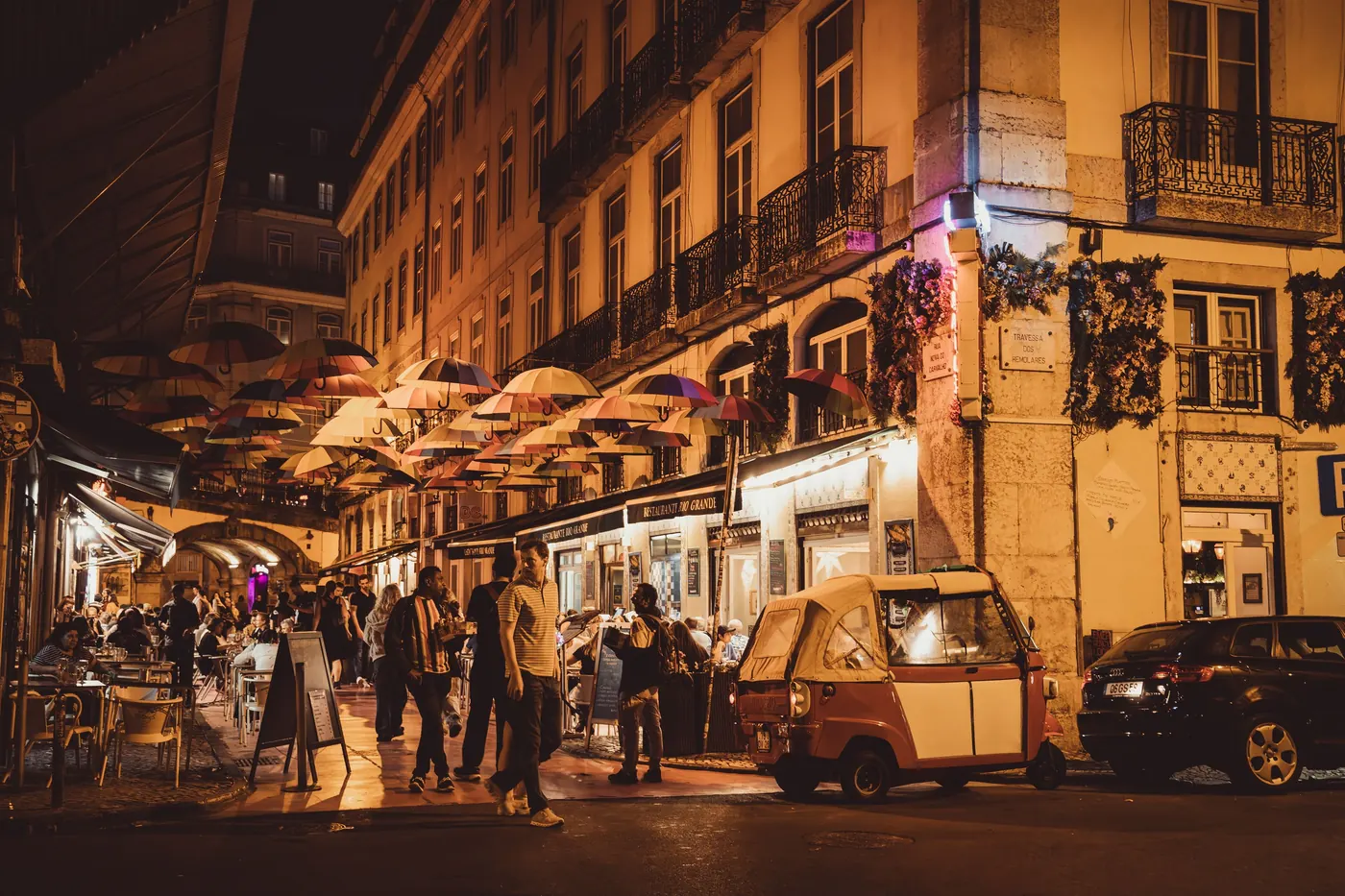
Fado is Lisbon’s own music, slow and heartfelt songs about longing, usually sung by one voice with two guitars. Hearing it in a small room is one of the best things to do on a first trip, and by the end of day one you’re in exactly the right place for it.
Bairro Alto sits right behind the viewpoint, and it’s home to A Tasca do Chico, a tiny tavern where singers take turns through the night. There’s no cover charge, but the room is small and fills up fast, so get there early or be ready to stand.
If you’d rather sit down to a full dinner with a set show, the fado houses of Alfama are the other way to go, like Clube de Fado near the cathedral. Those cost more, but you get a proper table and a professional performance.
Whichever you choose, stay quiet while the music is playing. Talking during a song is the one thing that will get you shushed in Lisbon.
Day 2: Belém And The Waterfront
Day two follows the river west to Belém, the district where Portugal’s great ships set sail five hundred years ago. The monastery, the tower and the famous custard tarts are all a short walk from each other.
Getting there is easy. Tram 15 runs out along the river from Praça do Comércio, and trains from Cais do Sodré reach Belém in under ten minutes. Just remember that the big sights here are closed on Mondays.
Morning: Jerónimos Monastery And Pastéis De Belém
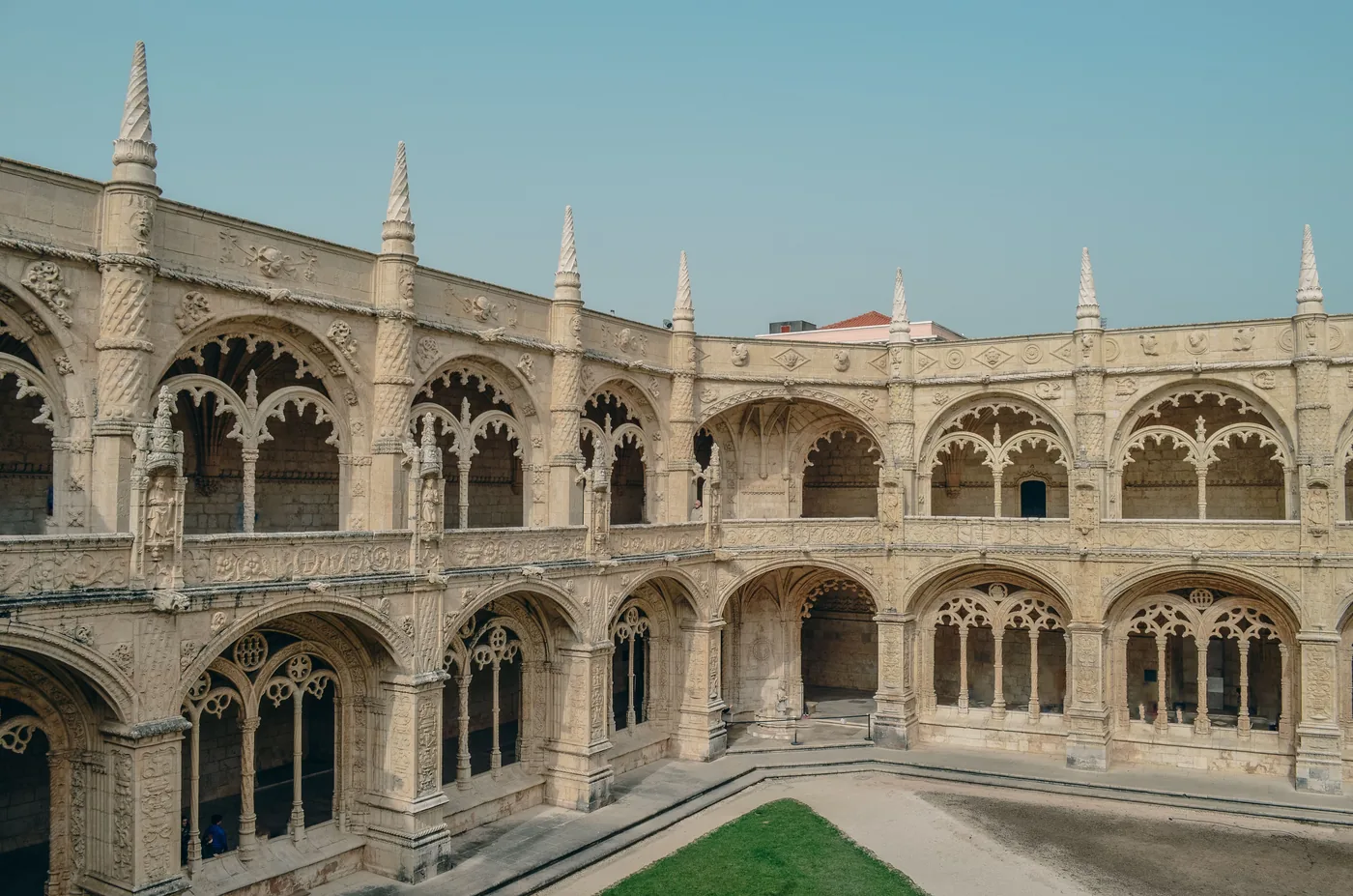
Jerónimos Monastery is the building that stops people in their tracks. It’s a long, pale stone monastery covered in carvings of ropes, shells and sea creatures, a style that celebrates the voyages that made Portugal rich.
The church is free to enter and holds the tomb of Vasco da Gama. The two story cloister is the part that needs a ticket, and it’s the real highlight. Book online if you can, because the ticket line can run past an hour in busy months.
It opens at ten, Tuesday through Sunday, and getting there right at opening is the best way to beat the crowds.
Just down the street is Pastéis de Belém, the bakery that has made custard tarts from a secret recipe since 1837. The takeaway line looks scary but moves fast, or head inside, where a maze of tiled rooms has far more seats than you’d guess. Eat them warm with cinnamon and powdered sugar on top.
Midday: The Riverfront And Belém Tower
Cross under the road to the river and walk west along the water. The first thing you’ll reach is the Padrão dos Descobrimentos, a huge stone monument shaped like the front of a ship, with Henry the Navigator leading a line of sailors, kings and mapmakers carved along its sides.
An elevator runs to the top for a view over the river and the giant map of the world set into the pavement below.
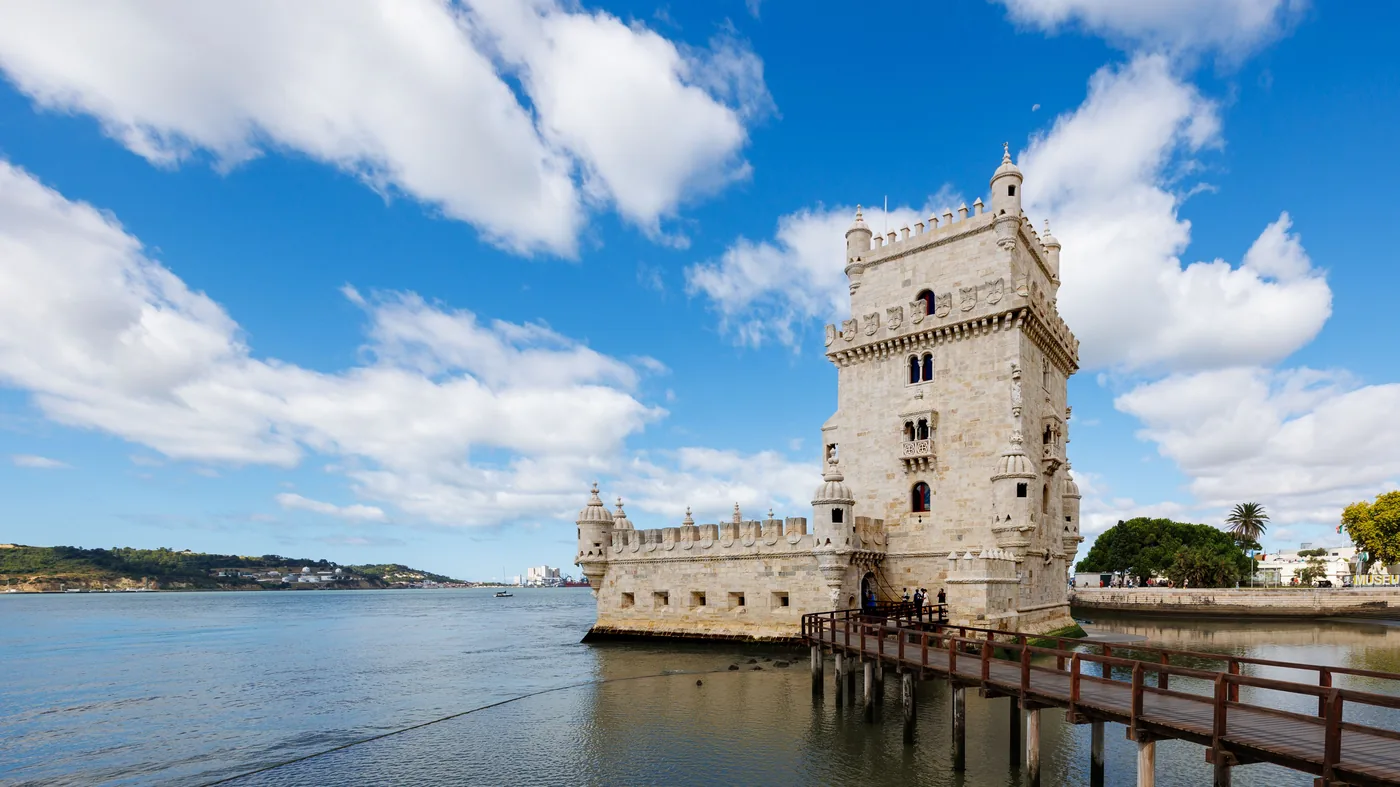
A little further along is Belém Tower, the small fortress that has guarded the way into the harbor for five hundred years. It reopened in May 2026 after a full restoration, and entry now works in small timed groups every half hour, so book a slot rather than just turning up.
The inside is tight, with narrow spiral stairs, and the view from the top is nice rather than dramatic. If the slots are gone, don’t stress. The outside is the real show, especially from the riverside lawn right beside it.
Afternoon: LX Factory
Head back toward the center and stop in Alcântara, right below the huge red 25 de Abril Bridge. That’s where you’ll find LX Factory, an old industrial complex that’s been turned into shops, cafes, studios and restaurants.
It’s a great place to wander for an hour or two. The best stop is Ler Devagar, a bookshop built inside an old printing hall, with shelves climbing all the way to the ceiling and a bicycle flying overhead.
There’s street art on almost every wall and plenty of places to sit down for a coffee or a drink. After a morning of monuments, it’s a welcome change of pace.
Evening: Time Out Market And Cais Do Sodré
End the day at Cais do Sodré, a little further along toward the center. Time Out Market fills the old Mercado da Ribeira with food stalls from some of the city’s best known chefs and restaurants, all set around long shared tables.
It’s busy and a bit loud, but it’s an easy way to try a lot of Portuguese food in one place, from seafood to steak sandwiches to yet more custard tarts. Everyone in your group can eat something different.
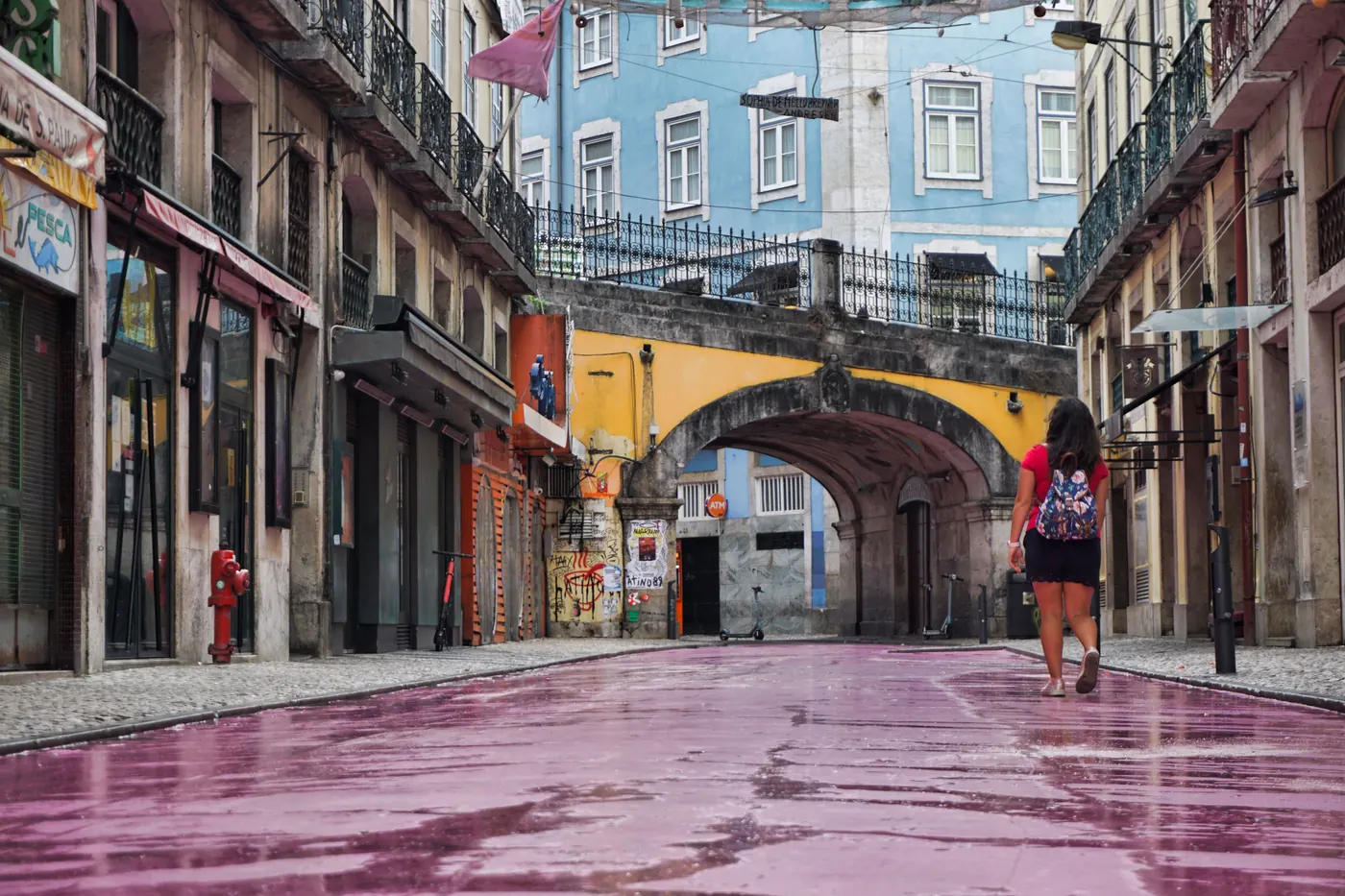
Afterwards, walk around the corner to Rua Nova do Carvalho, better known as Pink Street for the color painted on the road. It’s the heart of the area’s nightlife, and it gets lively late.
For a quieter ending, stroll along the river to Praça do Comércio instead. The square at night, with the lights reflecting on the water, is a calm way to close out day two.
Day 3: A Day Trip To Sintra
Sintra is a small town in green, misty hills about forty minutes from Lisbon, and it’s full of palaces that look like they were drawn for a fairy tale. It’s the easiest day trip from the city and one of the most rewarding.
Trains leave from Rossio station, right in the center, about every twenty minutes. Go early. Sintra gets very crowded by late morning, and the first few hours are when it’s at its best.
This plan covers the two big highlights. For a fuller day that adds the Moorish Castle and the National Palace, this one day Sintra itinerary lays it out hour by hour.

Morning: Pena Palace
Pena Palace is the one on the postcards. It’s a bright yellow and red palace perched on a hilltop, with towers, domes and tiled walls that look almost too colorful to be real. It was built in the 1800s as a royal summer retreat.
From the station, the 434 bus loops up through town to the palace about every fifteen minutes. A taxi or ride share is quicker when the bus line is long, which it often is by midmorning.
Entry to the palace is timed, and the time on your ticket is when you need to be at the palace door at the top, not at the park gate. The walk up from the entrance takes around half an hour, so leave room for it or book the small shuttle that runs up the hill.
Save some time for the park afterwards. The gardens and trails around the palace are huge and far quieter than the crowded terraces.
Afternoon: Quinta Da Regaleira
After lunch in town, walk out to Quinta da Regaleira, about fifteen minutes on foot from the center of Sintra. It’s a gothic mansion surrounded by gardens full of grottoes, towers, hidden tunnels and fountains.
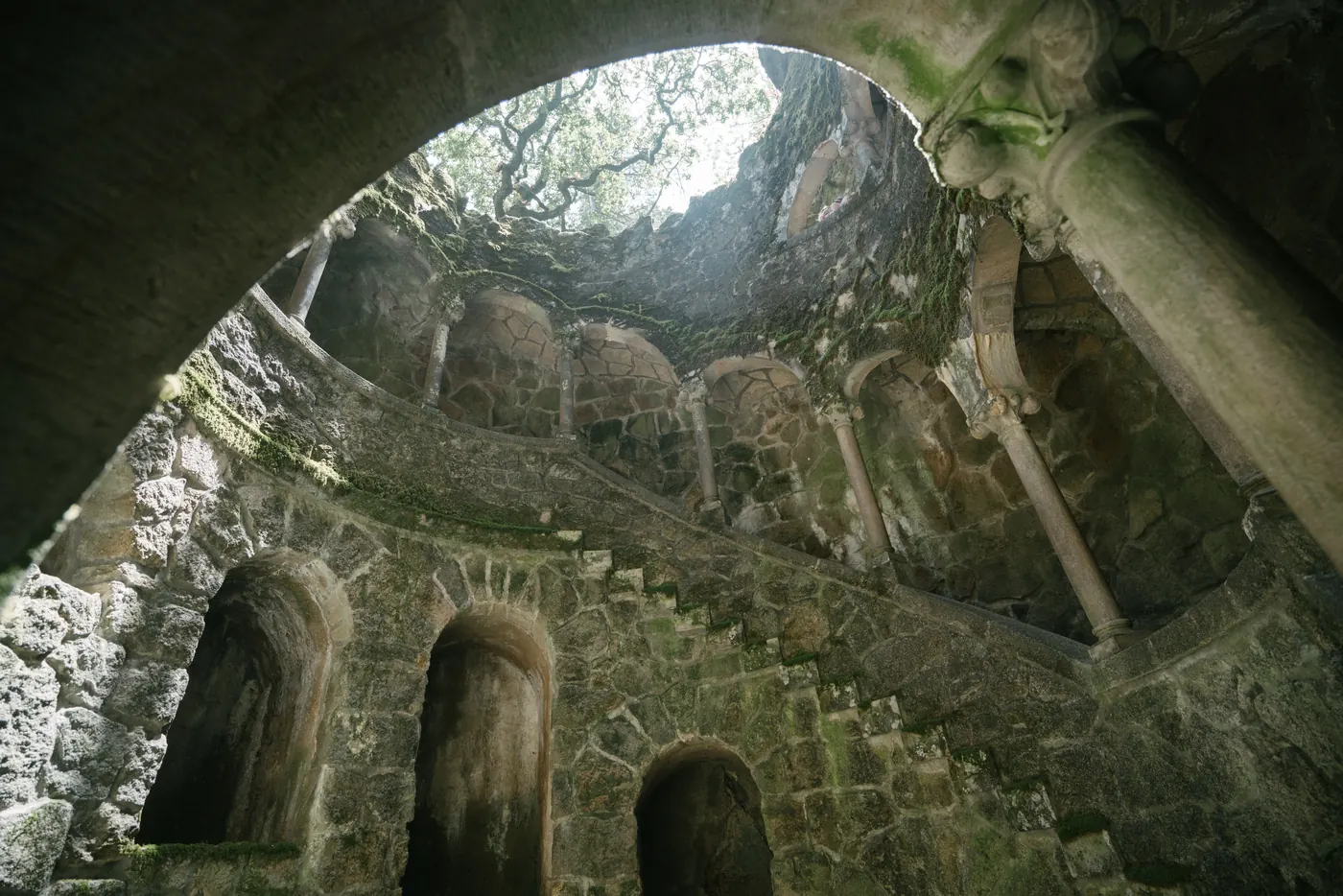
The highlight is the Initiation Well, a spiral staircase that winds nine levels down into the ground like an upside down tower. Tunnels at the bottom lead out to a small lake with stepping stones.
Entry is timed here too, and slots can sell out, so book before your trip. Give yourself at least an hour and a half to find all the tunnels and paths.
If you’d rather see the coast, Cascais and Cabo da Roca, the westernmost point of mainland Europe, can fit into a Sintra day with a car or a tour. That makes for a long day, so it works best if you pick one palace instead of two. This list of things to do in Sintra can help you choose.
Evening: A Last Night In Lisbon
Take the train back to Rossio in the late afternoon. You’ll step out right in the middle of the city with the whole evening still ahead of you.
Spend it somewhere new. Príncipe Real, a short walk uphill past São Pedro de Alcântara, is a leafy neighborhood of garden squares, small shops and good restaurants that feels far calmer than the streets below.
Or go back to your favorite viewpoint from day one for the sunset. Three days in Lisbon go fast, and ending on a terrace with a glass of wine and the red roofs turning gold is the right way to finish.
If You’d Rather Stay In Lisbon On Day 3
Not everyone wants to spend a day on trains and buses. If you’d rather keep all three days in the city, there’s more than enough to fill the third one.
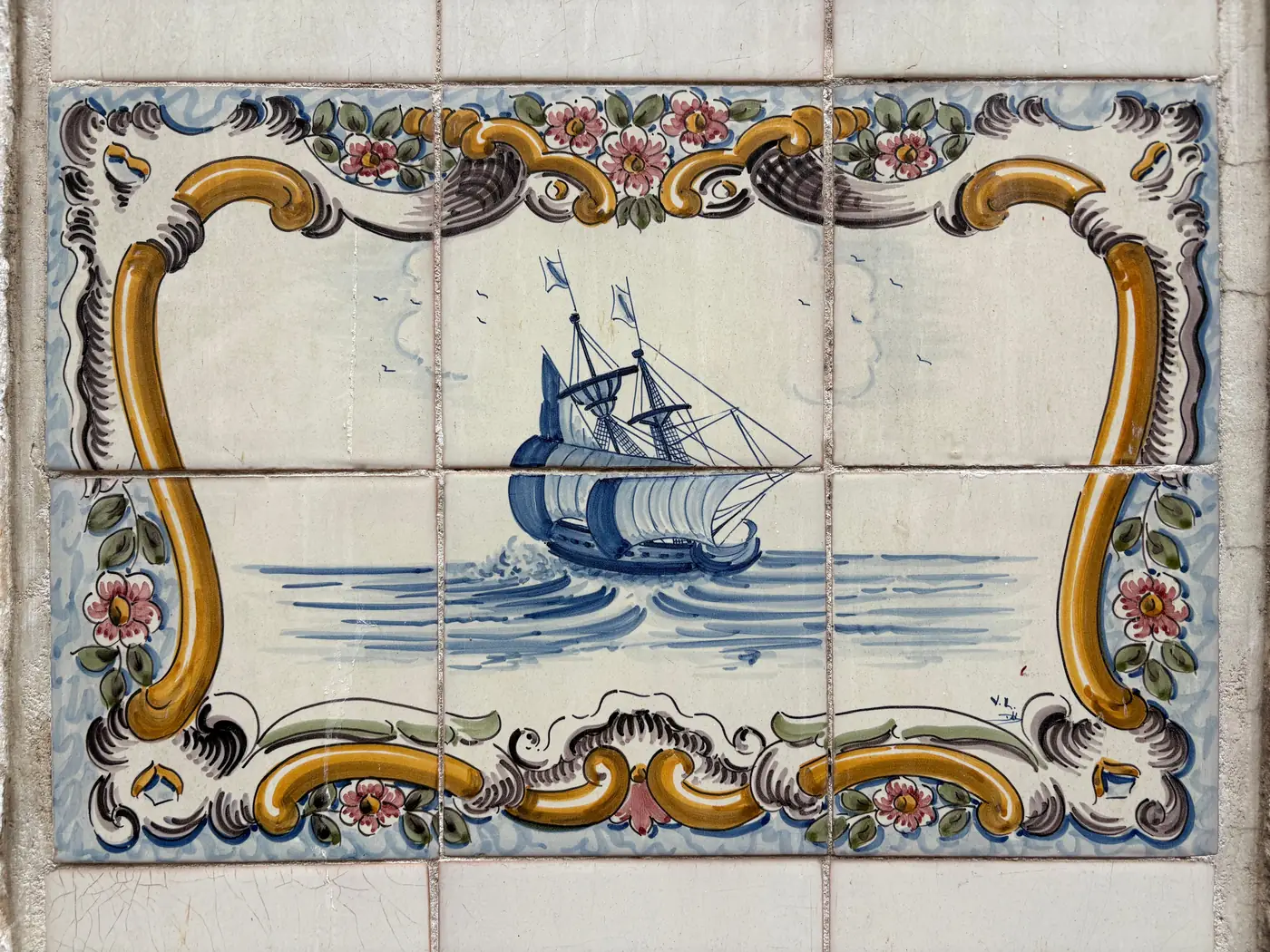
Start at the National Tile Museum, set in an old convent east of the center. It traces five centuries of Portugal’s famous painted tiles, including a long panel showing Lisbon as it looked before the earthquake. It’s closed on Mondays.
In the afternoon, head to the Calouste Gulbenkian Museum, which has one of the best art collections in the country and sits in quiet gardens worth a visit on their own. It’s closed on Tuesdays.
Finish with a slow evening in Príncipe Real or back in Alfama. The palaces of Sintra will still be there for your next trip.
Getting Around Lisbon
Most of this itinerary happens on foot, with trams, trains and the metro covering the longer stretches. Buy a reusable navegante card at any metro station and load it with a 24 hour ticket or some pay as you go credit.
The hills are real, and not all of the old ways up them are running. The Glória and Bica funiculars have been closed since September 2025, so check their status before planning a route around either one.
Taxis and ride shares are cheap compared to most European capitals, and they’re handy for getting up a hill at the end of a long day.
From the airport, the red metro line gets you into the center in about half an hour with one change. A taxi or ride share takes about twenty minutes when traffic is light.
Best Time To Visit Lisbon
Spring and early fall are the best times to follow a Lisbon itinerary. From April to early June and again in September and October, the weather is warm without being hot and the city is lively without being packed.
Summer is hot, sunny and busy, with long lines at the big sights. June is special, though. The whole city throws street parties for the Santo António festival, with grilled sardines and music filling Alfama, and the biggest night is June 12.
Winter is mild compared to most of Europe, just cooler and wetter. It’s a good time for smaller crowds and lower prices, as long as you pack a rain jacket.
Adding More Days To Your Portugal Trip
If you have more than three days, the rest of Portugal is easy to reach from Lisbon. Fast trains head north to Porto in about three hours, and its riverside, port cellars and the vineyards of the Douro Valley make a great second stop. These things to do in Porto Portugal are a good place to start.
Head south instead for beaches and golden cliffs. The Algarve is a few hours away, and this three day Algarve itinerary picks up right where a Lisbon trip leaves off.
For something closer, Cascais is a relaxed seaside town about forty minutes from Cais do Sodré by train. It’s an easy half day at the beach when the weather is warm.
Final Thoughts
Lisbon rewards a trip that’s planned a little. Three days is enough to see the castle and Alfama, spend a morning in Belém and ride out to the palaces of Sintra, with plenty of time left over for fado, custard tarts and long evenings at the viewpoints.
The trick is giving each day its own part of the city. Book the timed entries early, keep Belém away from a Monday, and leave room in the evenings, because that’s when Lisbon is at its best.
Follow this 3 day Lisbon itinerary and you’ll leave knowing the city well enough to start planning your way back.