 Rebecca Engel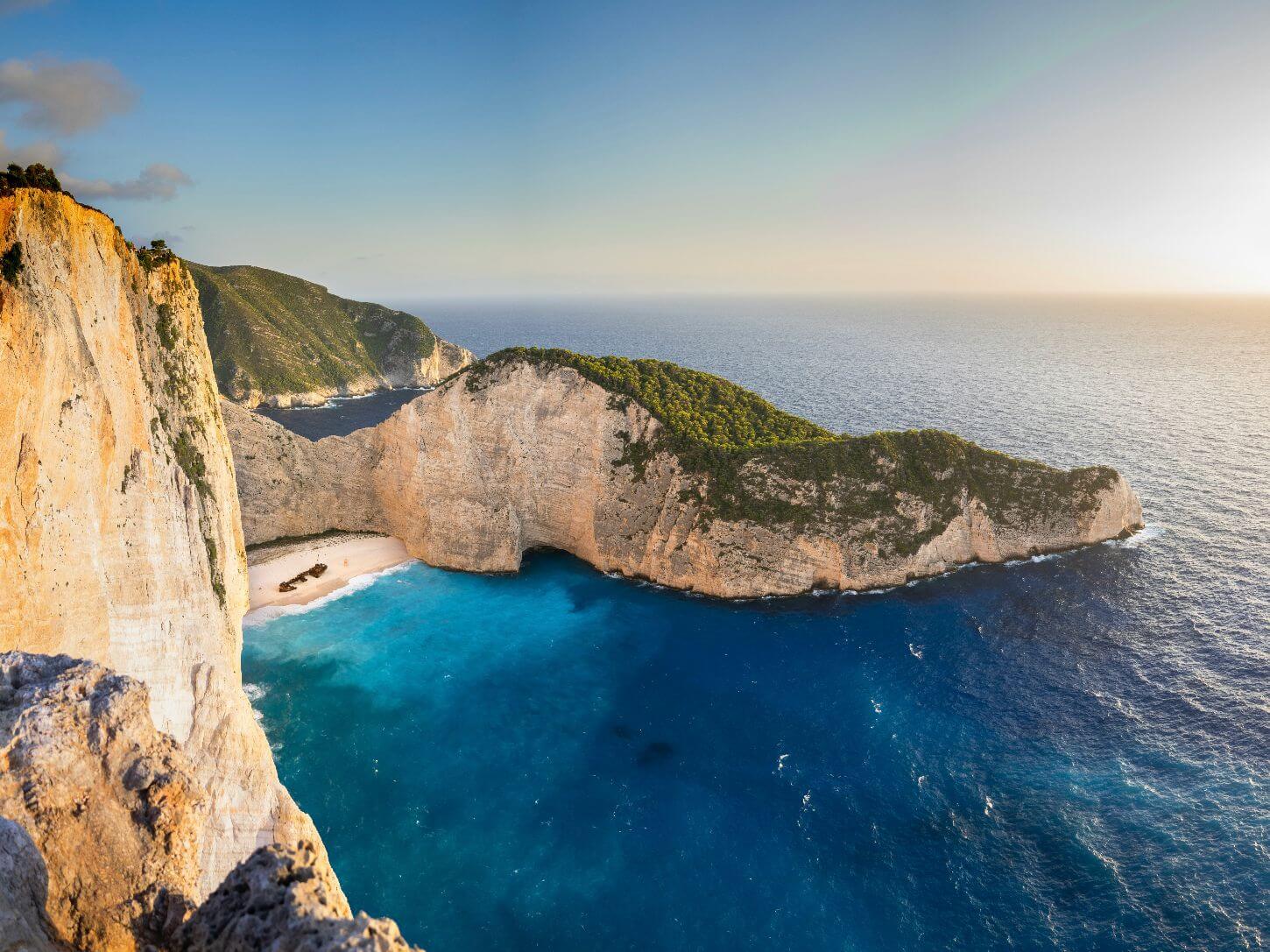
Zakynthos (also called Zante) is one of those Greek islands that feels almost too good to be true. It’s the southernmost of the Ionian Islands and the third largest island in Greece, and the Venetians who once ruled it were so charmed they nicknamed it “Fiore di Levante,” which means “Flower of the East.” That nickname still fits.
You’ve probably seen Zakynthos before without realizing it. The famous beach with a rusted shipwreck sitting on white pebbles surrounded by impossibly blue water? That’s here. The island is also home to roughly 80% of all loggerhead sea turtle nests in the Mediterranean, which makes it one of the best places on Earth to see these ancient creatures up close. Add in great food, friendly locals, and a more laid-back vibe than Santorini or Mykonos, and you have a Greek island that’s hard to beat.
Ready to start planning? Here are some of the best things to do in Zakynthos.
1. See Navagio (Shipwreck) Beach From a Boat Tour
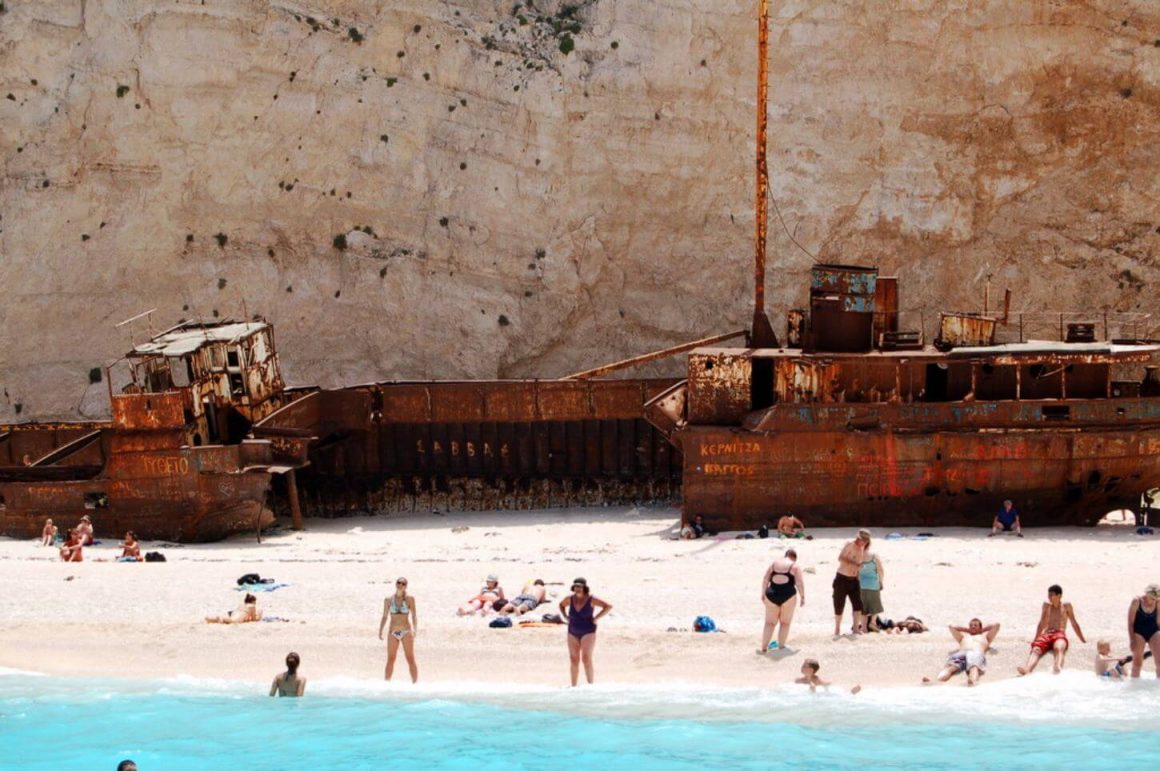
Navagio Beach is the crown jewel of Zakynthos and one of the most photographed beaches in the world. The story behind it is wild: back in 1980, a ship called the MV Panagiotis ran aground here during a storm while allegedly smuggling cigarettes. The crew abandoned ship, and the rusted wreck has been sitting on the pebbles ever since, framed by 200-meter-tall white limestone cliffs and water so blue it almost looks fake.
Here’s the important update for 2026: you can’t actually set foot on the beach right now. Years of erosion and falling rocks made it too dangerous, so access has been blocked. The good news is that the Greek government approved a $10 million plan to fix things up between 2026 and 2030, including stabilizing the cliffs and restoring the shipwreck itself.
The beach is only reachable by boat anyway, and tours still go right into the bay. Boats now anchor about 20 to 30 meters from shore, which actually gives you a better photo angle than standing on the sand would. Tours leave from Porto Vromi (the shortest ride), Agios Nikolaos, and Cape Skinari. Try to book a morning tour around 10:30 or 11:00 AM when the seas are calmer and the light is best.
2. Check Out the View From Above at the Navagio Viewpoint
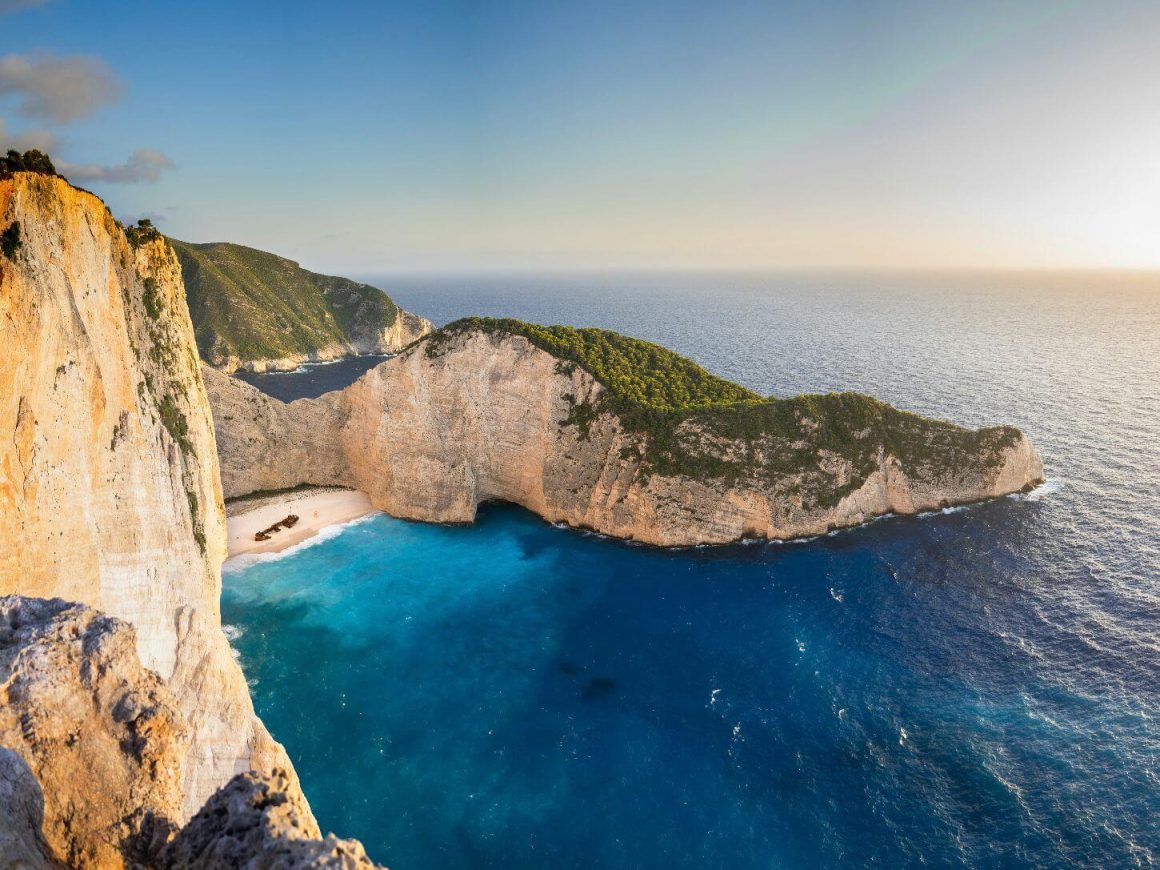
Even though you can’t walk on the beach, you can still get the famous bird’s-eye view that you’ve seen on a million postcards. The Navagio Viewpoint sits right on top of the cliffs and is reachable by car from the village of Anafonitria.
When you arrive, there’s a small parking lot, a food truck, a souvenir stand, and basic restrooms. A short flight of stairs leads to a fenced-in viewing platform where you can look straight down at the shipwreck and the turquoise cove. If you want a less crowded angle, walk to the right (north) along a rocky trail past some bushes to reach a different viewpoint with an even better panorama.
A few safety notes: the cliffs aren’t fully fenced in everywhere, and the rocks are known to crumble. Stay behind any barriers and don’t get too close to the edge for that selfie. Sunset is magical here, but bring water and good shoes since the trails get rough.
3. Swim Through the Blue Caves at Cape Skinari
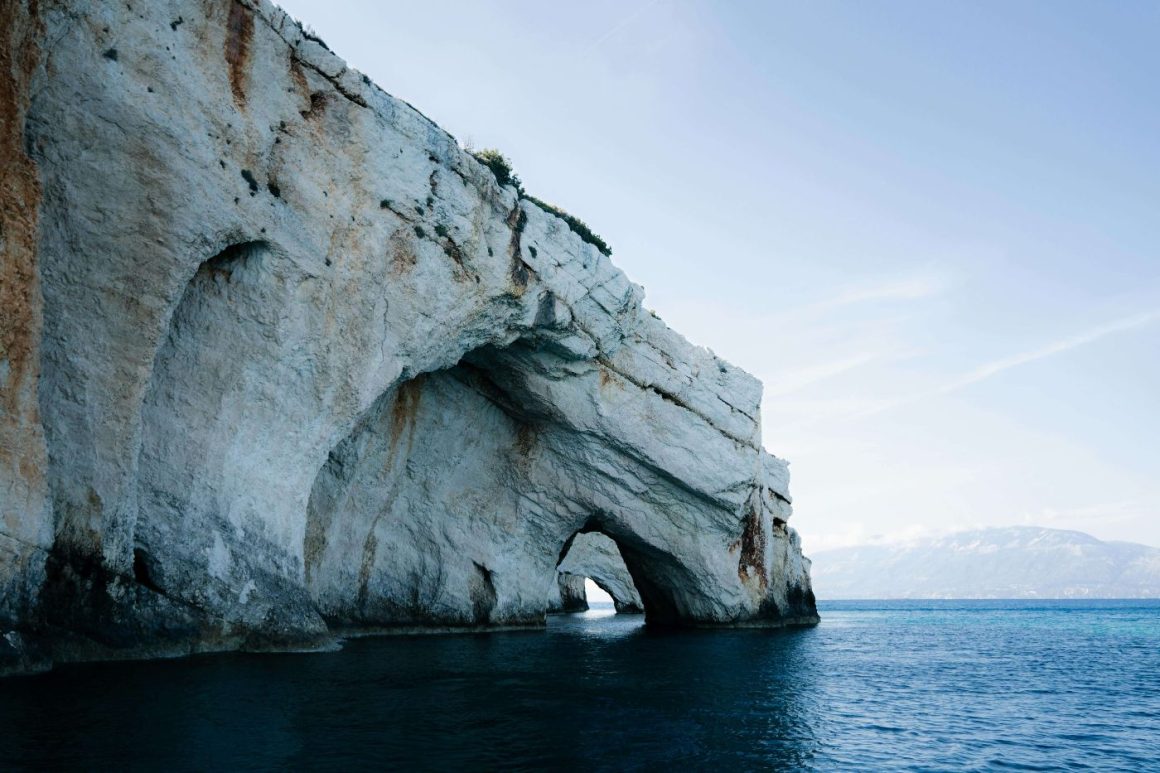
Up at the northern tip of the island, you’ll find a series of natural limestone arches and sea caves carved out by centuries of waves. They’re called the Blue Caves because of the wild blue glow that happens when sunlight bounces off the white seabed and through the clear water. It looks like someone turned on an underwater light show.
The best time to visit is in the morning when the sun is hitting the cave walls just right. Most boat tours include time to swim and snorkel, and small boats can actually drive right through some of the arches. The water is incredibly clear here, which makes it a dream for snorkeling and underwater photos.
Tours leave from Agios Nikolaos and Cape Skinari, and most northern coast trips combine the Blue Caves with the Navagio bay since they’re close together. If you only have time for one boat day on the island, this combo is the one to book.
4. Spot Loggerhead Turtles in Laganas Bay
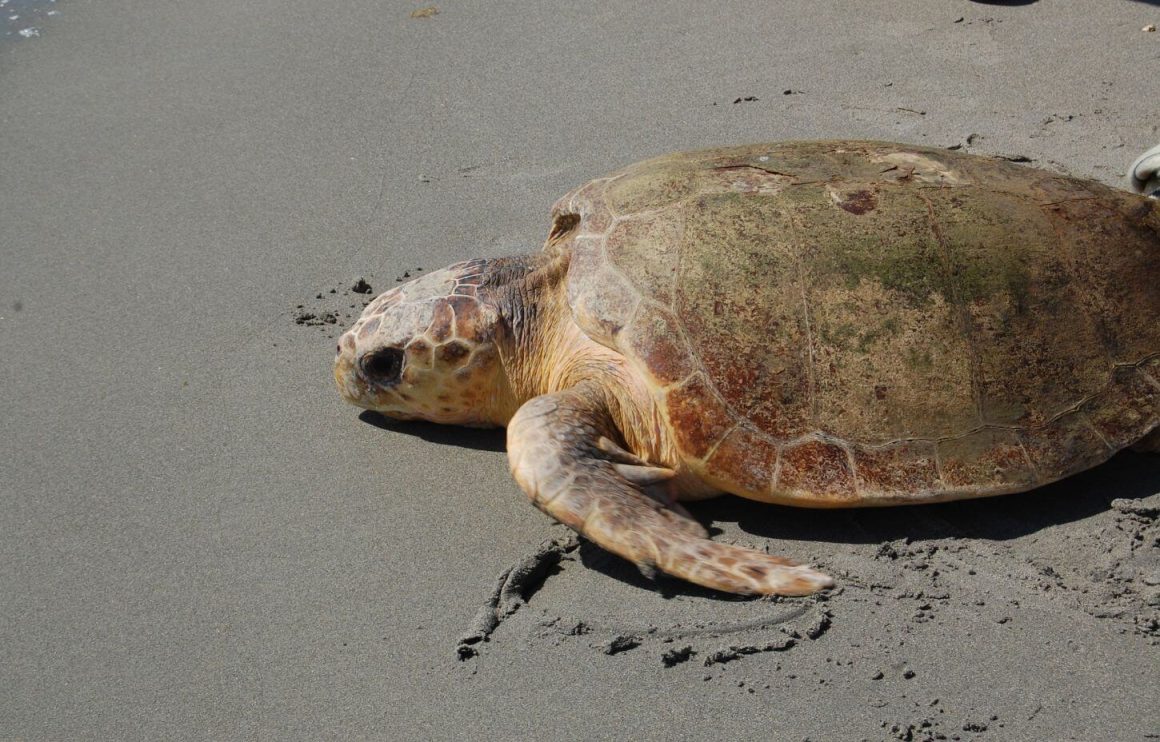
This is the experience that turns a regular beach vacation into something you’ll remember forever. Zakynthos hosts about 80% of all loggerhead (Caretta caretta) turtle nests in the entire Mediterranean Sea. These gentle giants can grow up to 45 inches long and weigh more than 350 pounds, and they’ve been around for 250 million years (yes, since the dinosaurs).
The turtle season runs from May to October. Females come ashore at night between June and early September to lay their eggs, and the babies hatch from July through September. You have a few ways to see them. Organized boat tours run between €15 and €45 per person, you can rent your own small motorboat from Keri for €80 to €150 per day (no license needed), or you can kayak and snorkel near Cameo Island and Agios Sostis Harbor where turtles are often spotted.
One important tip: pick a tour that doesn’t use a glass-bottomed boat. The reflections confuse the turtles. Look for operators connected to the Sea Turtle Protection Society of Greece and follow their rules: keep your distance, never touch a turtle, and skip the flash photography.
5. Visit Marathonisi
Just off the coast in Laganas Bay sits a tiny uninhabited island shaped exactly like a turtle. Locals call it Marathonisi or just Turtle Island, and it’s one of the most important nesting sites for loggerheads in the world. The northern beach has powdery white sand and shallow turquoise water that’s perfect for swimming.
Boat trips here usually last two to three hours and include time to swim and snorkel. They leave from Laganas, Keri, Agios Sostis, and Kalamaki. The best window for spotting turtles in the surrounding waters is between 9:00 and 11:00 AM.
Because this is a protected nesting site, there are some rules to follow. Don’t put umbrellas in the sand (they can crush nests buried below), don’t bring pets, take all your trash with you, and stick to the designated beach area. The southern tip of the island has small blue caves that are great for snorkeling too.
6. Kayak or Boat Through the Keri Caves
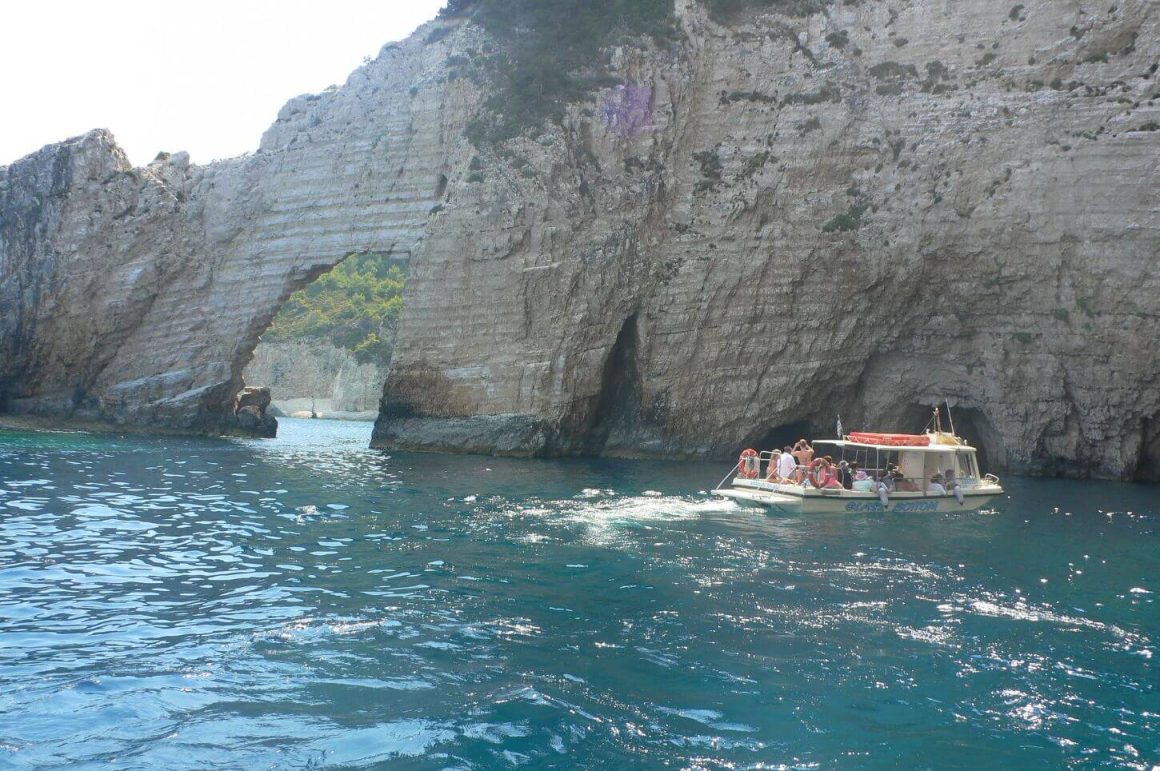
If the Blue Caves are the famous ones in the north, the Keri Caves are their quieter cousins in the south. Located along the southwestern coast, these sea caves are full of dramatic rock formations, deep blue water, and natural arches you can swim through. They’re less crowded than the Blue Caves, which makes the experience feel more personal.
A half-day kayak tour usually runs three to four hours and takes you along the coastline with stops at hidden coves and snorkeling spots. Some operators even use kayaks with clear bottoms so you can see the marine life beneath you as you paddle. If kayaking isn’t your thing, regular boat tours leave from Keri and often combine the caves with a stop at Marathonisi and turtle spotting.
Bonus: turtles sometimes show up in these waters too, since you’re still inside the boundaries of the National Marine Park.
7. Catch the Sunset at Keri Lighthouse and the Myzithres Cliffs
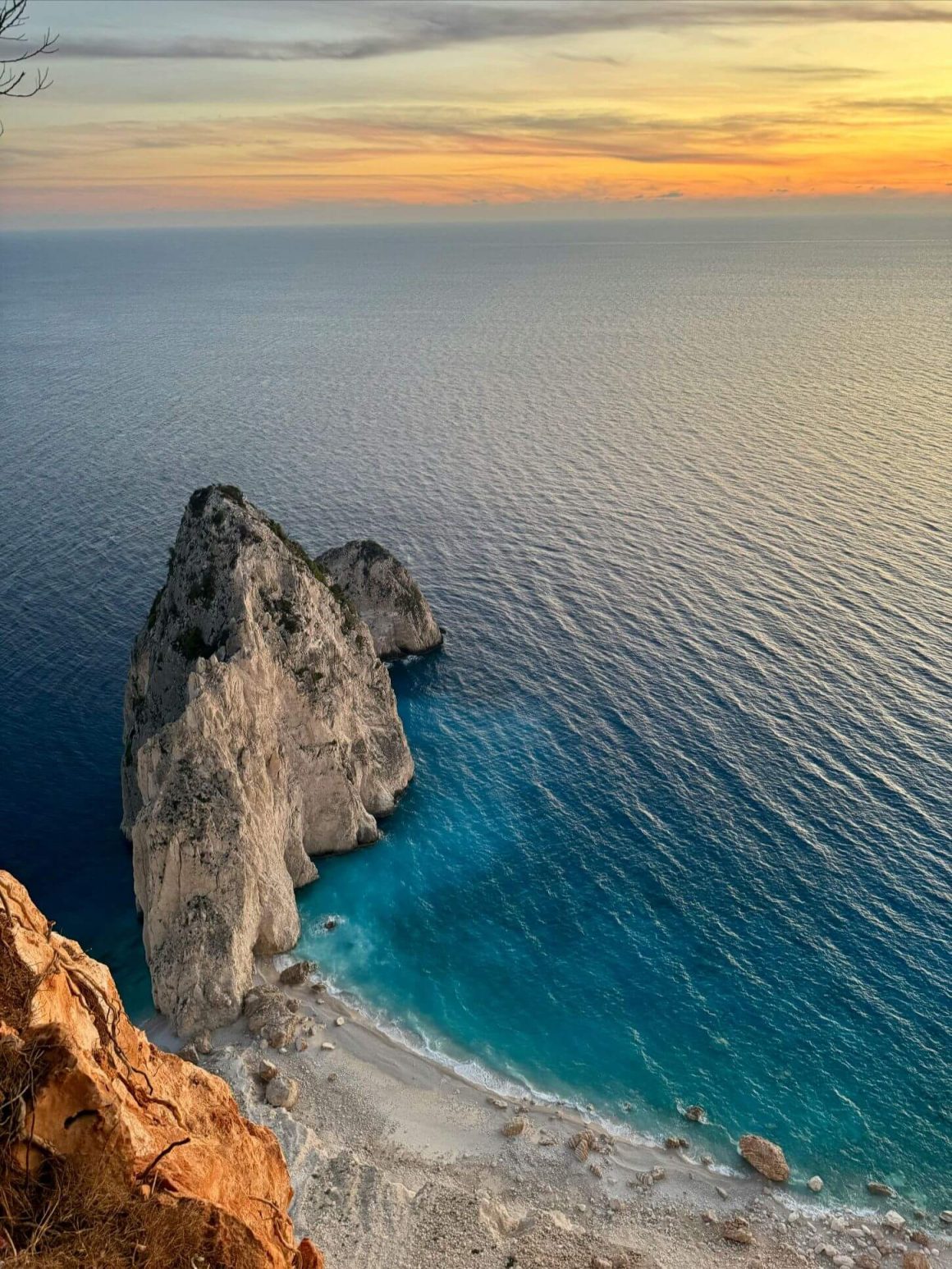
The southwestern corner of Zakynthos has what many people consider the best sunset on the island. The Keri Lighthouse sits about 500 feet above the Ionian Sea, and from up there you can see the Myzithres rocks, two dramatic limestone cliffs that rise more than 300 meters straight out of the water.
The whole area is set up like an ecological park with hiking trails, photography spots, and the lighthouse itself. Several tavernas have set up shop nearby, and many locals will tell you these are the best places on the island to enjoy a glass of wine while the sky turns pink and orange. Keri Lighthouse Restaurant is a favorite for a more upscale meal with cliffside views, and it’s a popular pick for special occasions.
Get there at least 30 minutes before sunset to grab a good spot, and bring a light jacket since it can get breezy on the cliffs.
8. Beach Hop Across the Island
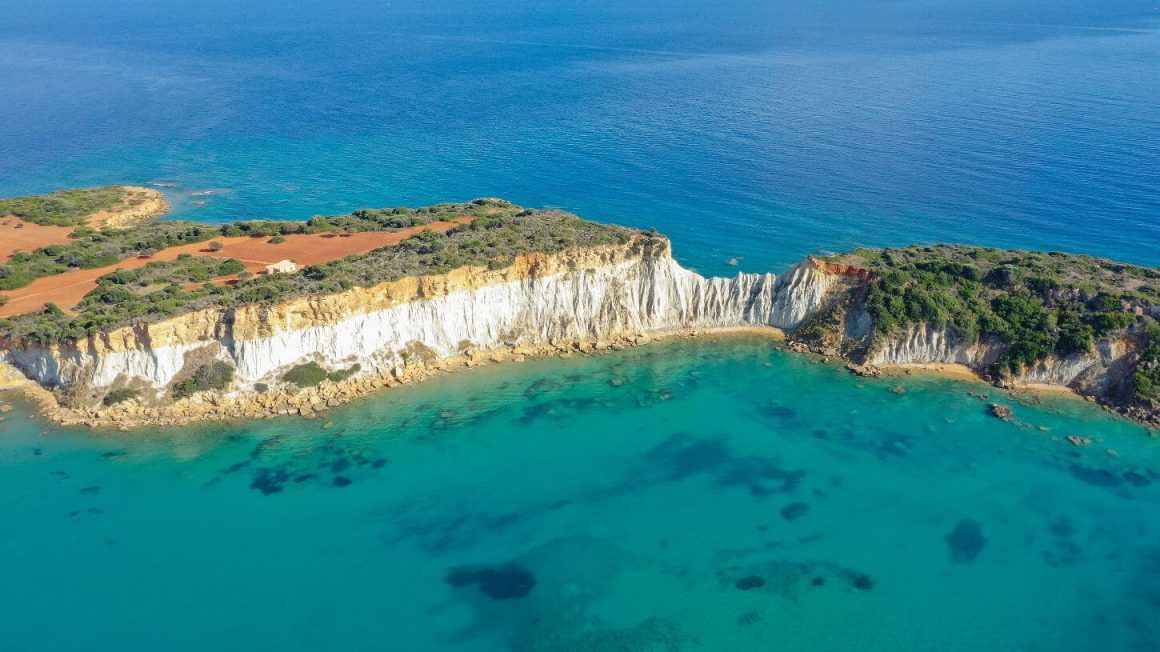
Beyond Navagio and Marathonisi, Zakynthos has a beach for every mood. Here are the standouts worth visiting:
Gerakas is a long, sandy, family-friendly beach inside the Marine Park with shallow water that’s great for kids. Some sections are off-limits during turtle nesting season. Porto Limnionas is a small rocky cove on the west coast with crystal-clear water, cliff jumping, and a beloved cliffside taverna for lunch. Porto Roxa has wooden platforms over deep blue water and is another fantastic sunset spot.
For a livelier vibe, Banana Beach has soft sand, watersports like jet skiing and parasailing, and beach bars with music. Xigia Beach is something special: natural sulfur springs make the water turn a milky turquoise, and the minerals are said to be good for your skin. Porto Zoro is known for its iconic rock formations rising right out of the sea, and Makris Gialos has clear pebbly waters that are great for snorkeling.
A rental car makes beach hopping much easier, since these are spread out across the island.
9. Wander Around Zakynthos Town
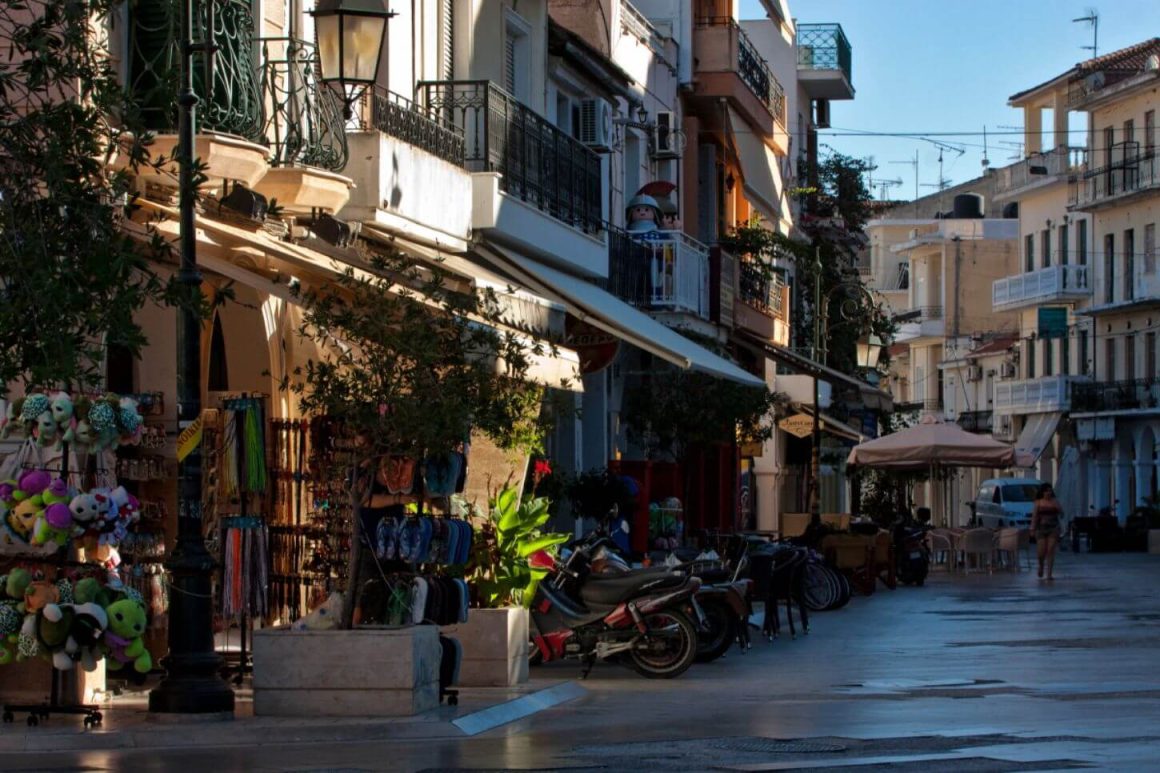
The capital was almost completely flattened by the 1953 earthquake and rebuilt afterward, but it still has plenty of character. The Agios Dionysios Church, built in 1798, is one of the few buildings that survived the quake intact. It houses the relics of the island’s patron saint, and even the internal arch came through the disaster unscathed.
Spend time wandering Solomos Square, named after Dionysios Solomos, the local poet who wrote the Greek national anthem in 1823. The Byzantine Museum has religious artifacts going back to the 12th century and a really cool scale model showing what the town looked like before the earthquake. The Dionysios Solomos Museum holds his personal items and his tomb.
When evening rolls around, join the locals for the volta, the traditional evening stroll along the harbor. Stop for cocktails at a rooftop spot like Base Café or Bliss Art Café Bar, or just grab a coffee and watch the world go by from one of the squares.
10. Hike Up to Bochali and the Venetian Castle
Just 2.5 km above Zakynthos Town, the village of Bochali has some of the best views on the island. From here you can see the harbor, the small port of Argassi, and Laganas Bay all at once. Sitting at the top of the hill is a ruined Venetian castle built in 1480, surrounded by a peaceful pine forest.
The hike up is short but steep, and there’s almost no shade, so bring plenty of water and tackle it in the morning or late afternoon when the sun isn’t beating down. The castle ruins themselves are atmospheric and fun to wander through, and the views over the Ionian Sea stretch all the way to the Peloponnese on a clear day.
Strani Hill is right nearby and is where Solomos was inspired to write the Hymn to Liberty. It’s a quick add-on if you want a literary moment to go with your views.
11. Go Wine Tasting at a Local Winery
Wine making on Zakynthos goes back centuries, and the island has several boutique wineries making serious bottles from grapes you’ve probably never heard of. The most famous local varieties are the white Verdea (a protected blend with high acidity and citrus notes) and the red Avgoustiatis, plus Goustolidi and Skiadopoulou.
A few wineries worth checking out: Grampsas Estate sits in the village of Lagopodo at the foot of Mount Vrachionas and has its own restaurant. Solomos Winery is built right at the base of the Venetian castle and has been producing wine for four generations. Oenolpi is a small boutique winery run by a young couple making fresh, modern wines, and Art & Wine in the Trilofos region near the village of Maries combines wine tasting with a Byzantine art workshop.
Most tastings include local cheeses, olive oil, breads, and other snacks. Book ahead and arrange a taxi or rental car since most wineries are inland and not easy to reach by bus.
12. Eat Your Way Through Local Specialties
Greek food is great everywhere, but Zakynthos has some dishes that are uniquely its own. Rabbit stew (kouneli stifado) is a hearty island classic, and so is sofigadoura, a slow-cooked vegetable and potato stew. Melitzana skordostoumbi is eggplant in a rich garlic sauce, and during Easter you might find tsilipourdo, a traditional lamb soup.
Don’t leave without trying ladotyri, a sharp, spicy hard cheese aged inside clay pots filled with olive oil. The longer it ages, the harder and spicier it gets. Locals love it as a snack with wine or grated over pasta.
For something sweet, mantolato is the island’s signature: a chewy nougat made from honey, egg whites, and almonds, originally brought over by the Venetians. Mantoles are caramelized almonds in bright colors, pasteli is a sesame and honey bar, and fitoura is a semolina sweet served at weddings and religious feasts. Olive oil is another point of pride, often called liquid gold by locals. Visit a small olive press in one of the villages to taste the fresh stuff and bring some home.
13. Experience the Nightlife in Laganas
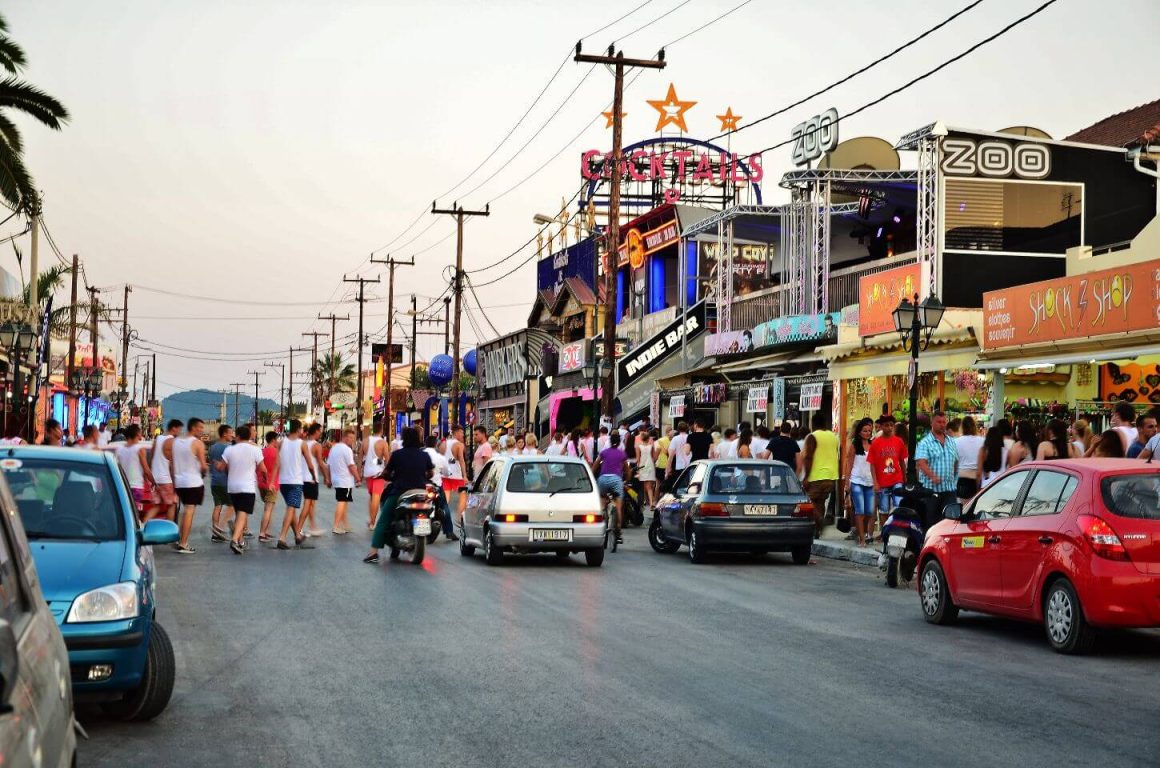
If you want to dance until sunrise, Laganas is your spot. This beach town has earned its reputation as the party capital of the island, with a long strip of bars, clubs, and beach parties that go all night long during July and August. The crowd skews young and international, with plenty of music, themed nights, and beach foam parties for anyone who wants to let loose.
If that’s a little too intense, Tsilivi has a calmer take on nightlife with beach clubs, cocktail bars, and live music venues. The vibe is fun without being overwhelming, and there are great spots to watch the sun drop into the sea over a drink.
For something more grown-up, head to L’été Sunset Bar in Porto Limnionas. This stone-built bar and restaurant overlooks the Ionian Sea and serves European lounge music, award-winning Greek wines, and fresh seafood. The sunsets here are legendary, and it’s a perfect date-night spot.
14. Take a Day Trip to Kefalonia
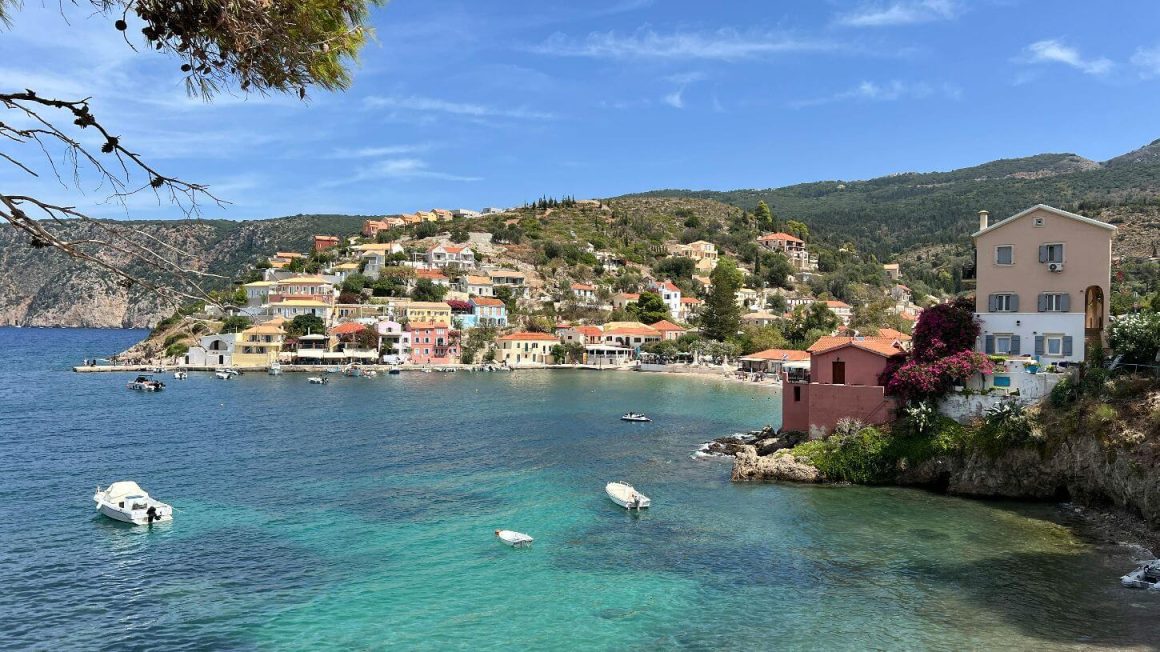
If you have a few extra days and want to see another Ionian island, Kefalonia is just 1.5 hours north by boat and has some of the most beautiful beaches in all of Greece. The famous Myrtos Beach, with its dramatic white pebbles and bright blue water, is reason enough to make the trip. The island is also home to Melissani Cave, a stunning underground lake where the roof collapsed centuries ago, letting sunlight pour in and turn the water electric blue.
Day trip tours include round trip ferry tickets and often hit multiple beaches and caves in one go. If you want more flexibility, you can take the public ferry yourself and rent a car on the other side, but that’s a long day. An overnight stay gives you more breathing room.
This is the kind of side trip you should plan ahead for, especially in peak summer when ferries fill up.
15. Get Off the Beaten Path in the Inland Villages
Most visitors stick to the coast, which means the inland villages of Zakynthos still feel authentic and unhurried. A drive through the mountain roads is one of the most rewarding ways to spend a day, and you’ll pass olive groves, vineyards, and traditional stone houses that survived the 1953 earthquake.
Keri Village in the south has narrow streets, old stone homes, and family-run tavernas serving home-cooked Greek food. Volimes in the north is famous for its handmade textiles, lace, and local honey, all sold straight from the village shops. Anafonitria, the village near the Navagio viewpoint, has a beautiful old monastery worth a quick stop.
Slow down, stop at a roadside taverna for lunch, and chat with the locals. Many of them are happy to point you toward a hidden beach or family-run shop you’d never find on your own. This is the side of Zakynthos that doesn’t make it onto Instagram, and it’s often the part travelers love most.