 Rebecca Engel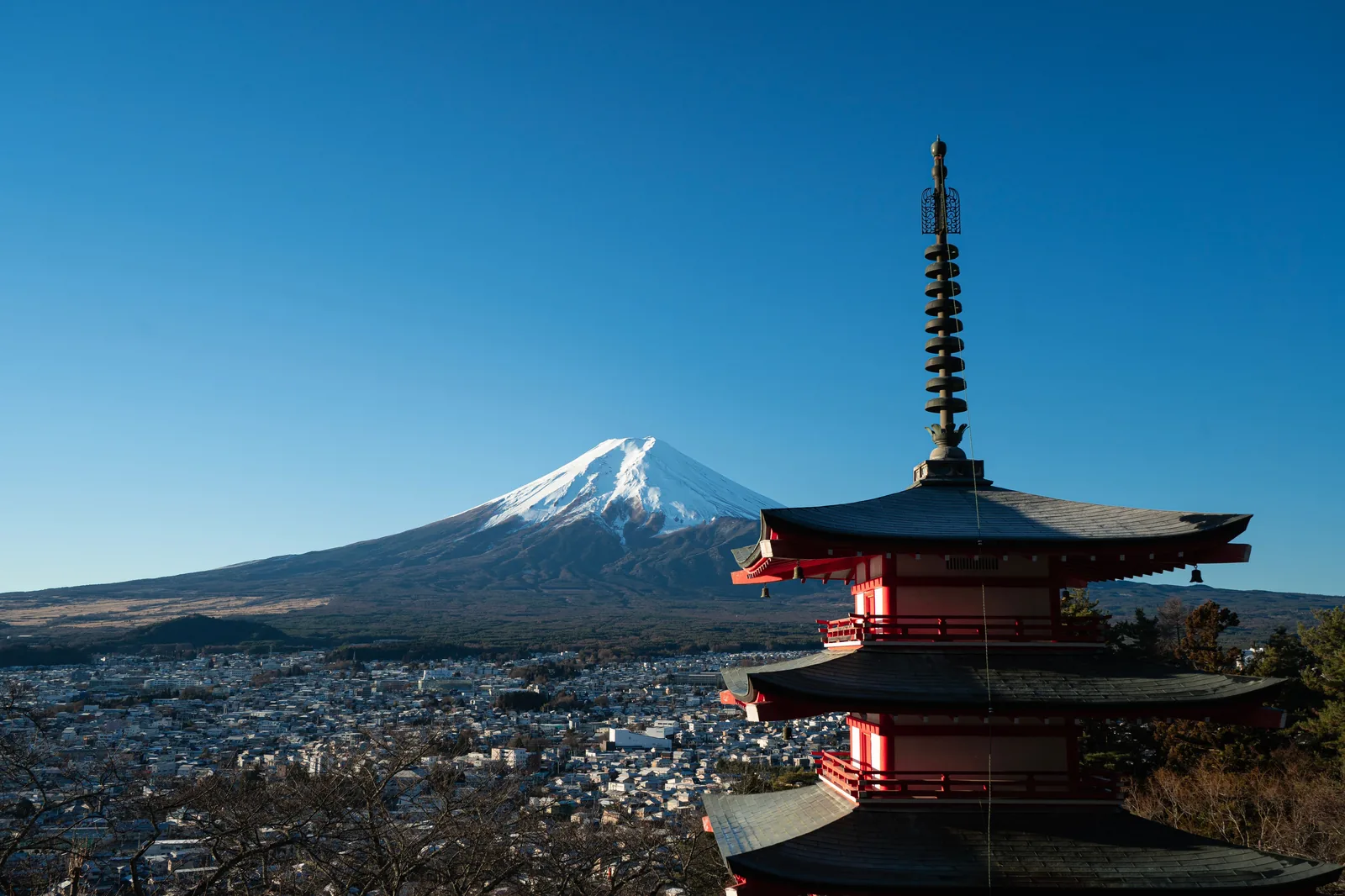
Ten days is about the sweet spot for a first trip to Japan. It’s long enough to see Tokyo and Kyoto properly, fit in a few day trips, and still have room to sit down for a slow lunch, and it’s short enough that most people can actually get the time off work. The hard part is resisting the urge to cram the whole country into it.
This 10 day Japan itinerary sticks to the classic run between Tokyo and Osaka, with side trips to Hakone, Nara and Hiroshima along the way. It’s written for someone who has never been, so it covers the practical parts too, like which trains are worth paying for, when to go, and where to sleep in each city. Use the whole thing start to finish, or pull out the pieces that fit your own Japan trip.
How This 10 Day Japan Itinerary Works
The route runs in one direction and never doubles back. Four nights in Tokyo, three in Kyoto, two in Osaka, and a flight home on day ten. That’s only three hotels in ten days, which means three check ins and three sets of packing instead of a new room every other night.
Book your flights open jaw if you can, which means flying into Tokyo and home out of Osaka Kansai rather than returning the way you came. It usually costs about the same as a round trip, and it saves you a wasted half day riding the train back to Tokyo at the end.
The day trips all run out of a city you’re already sleeping in. Hakone is a return trip from Tokyo, Nara sits between Kyoto and Osaka, and Hiroshima is a long out and back from Osaka. Nothing here asks you to haul a suitcase around.
One honest warning about pace. This is a full itinerary, and a few of the days are long. If you’d rather go slower, the easiest cut is Hiroshima on day nine, which frees up a whole day for wandering Kyoto or sleeping in. Nobody has ever regretted an unplanned afternoon in Japan.
Day 1: Landing In Tokyo
Most flights land at either Narita or Haneda. Haneda is much closer to the city, and you can be at your hotel in about 40 minutes. Narita sits well outside Tokyo, so budget 90 minutes and take the Narita Express or the cheaper Keisei Skyliner.
Don’t plan anything real for this day. Jet lag from North America or Europe is brutal, and the goal is just to stay awake until a normal bedtime. Check in, drop the bags, and go for a walk.
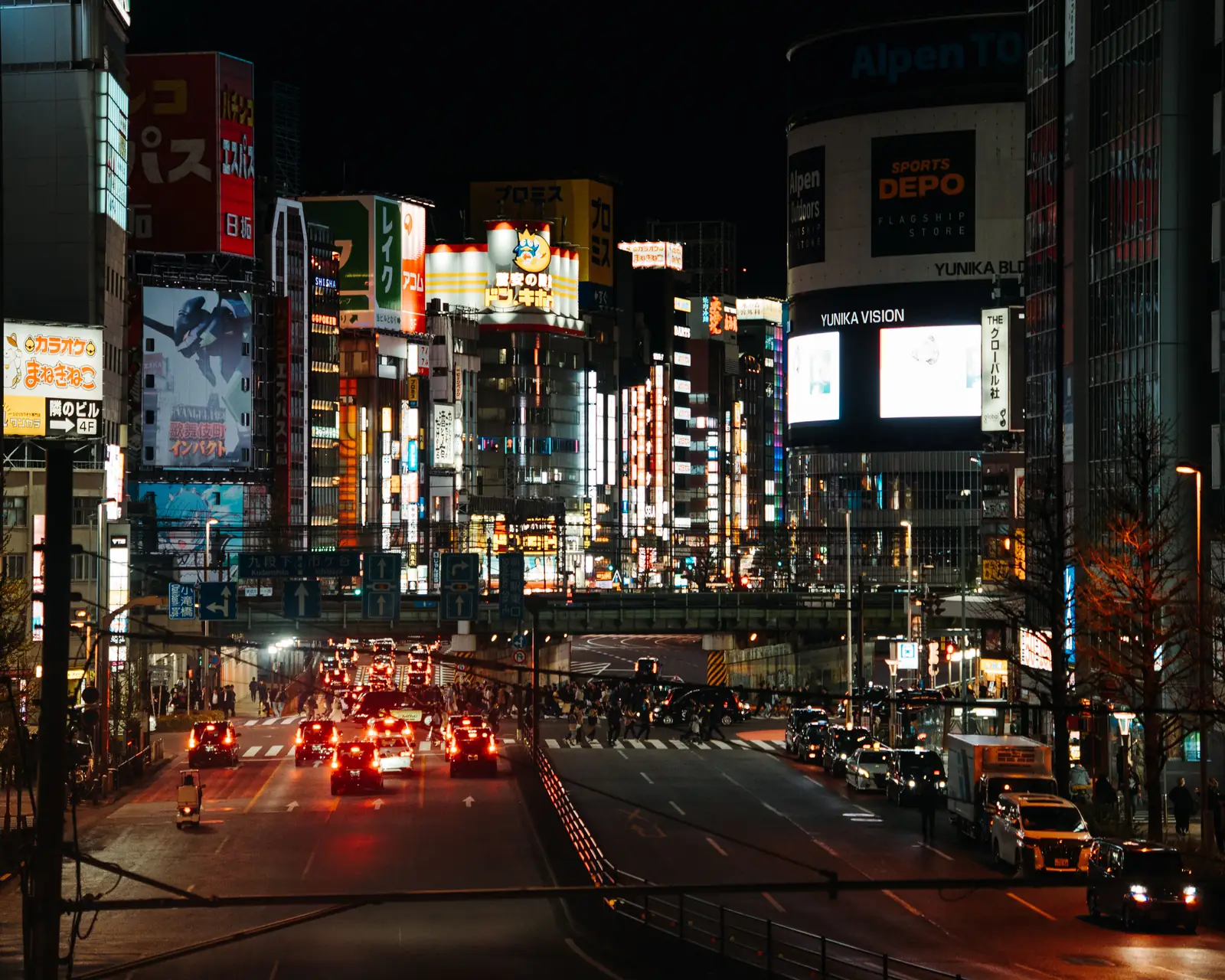
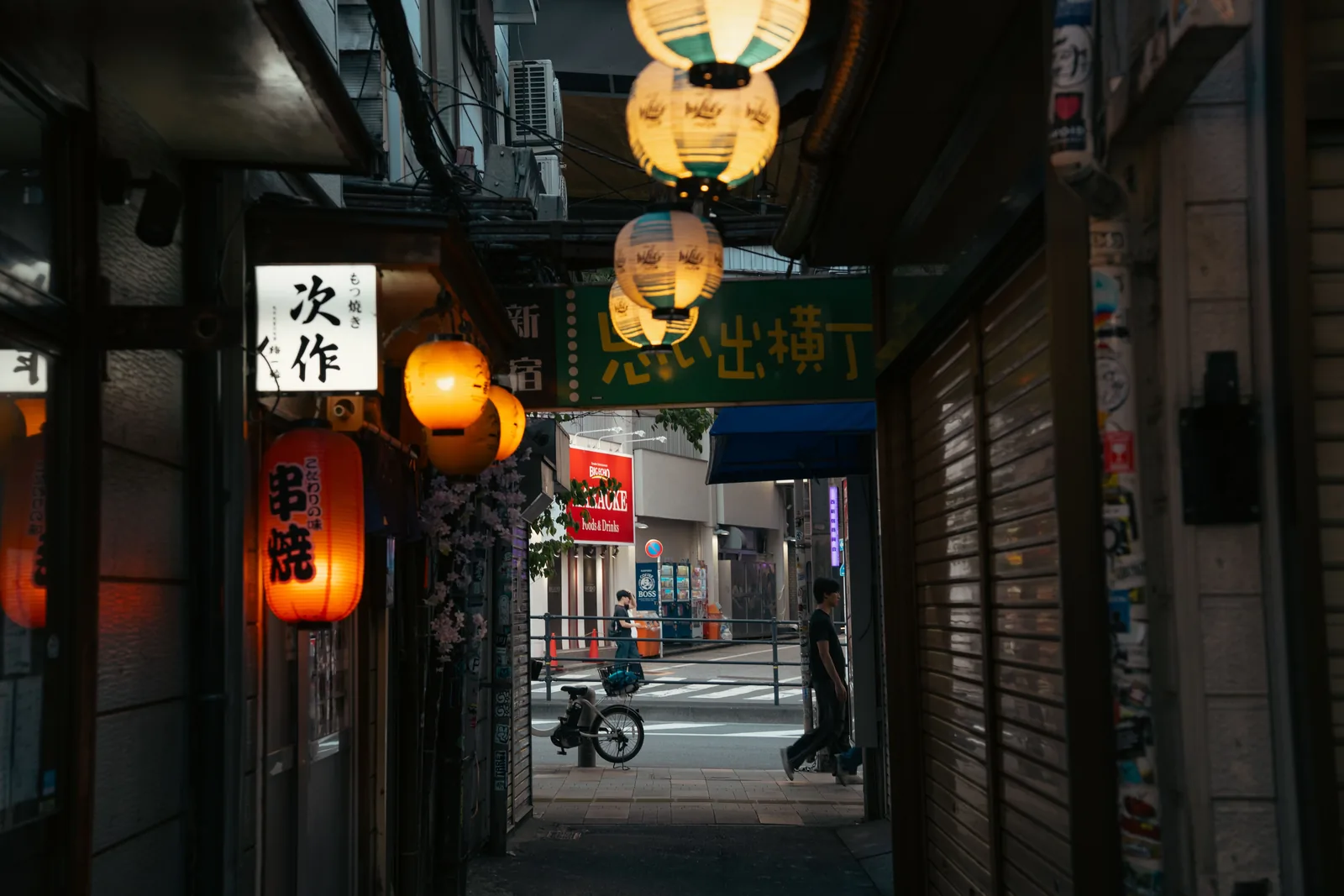
Shinjuku after dark is the perfect low effort first night. The streets around the station are wall to wall neon, ramen counters and tiny bars, and it costs nothing to stand there and take it in. Omoide Yokocho and Golden Gai are both a few minutes from the east exit if you want somewhere to sit.
Grab dinner from a convenience store if you’re too tired for a restaurant. Japanese konbini food is genuinely good, and a 7-Eleven egg sandwich at midnight is a rite of passage on any first Japan trip.
Day 2: Old Tokyo In Asakusa And Ueno
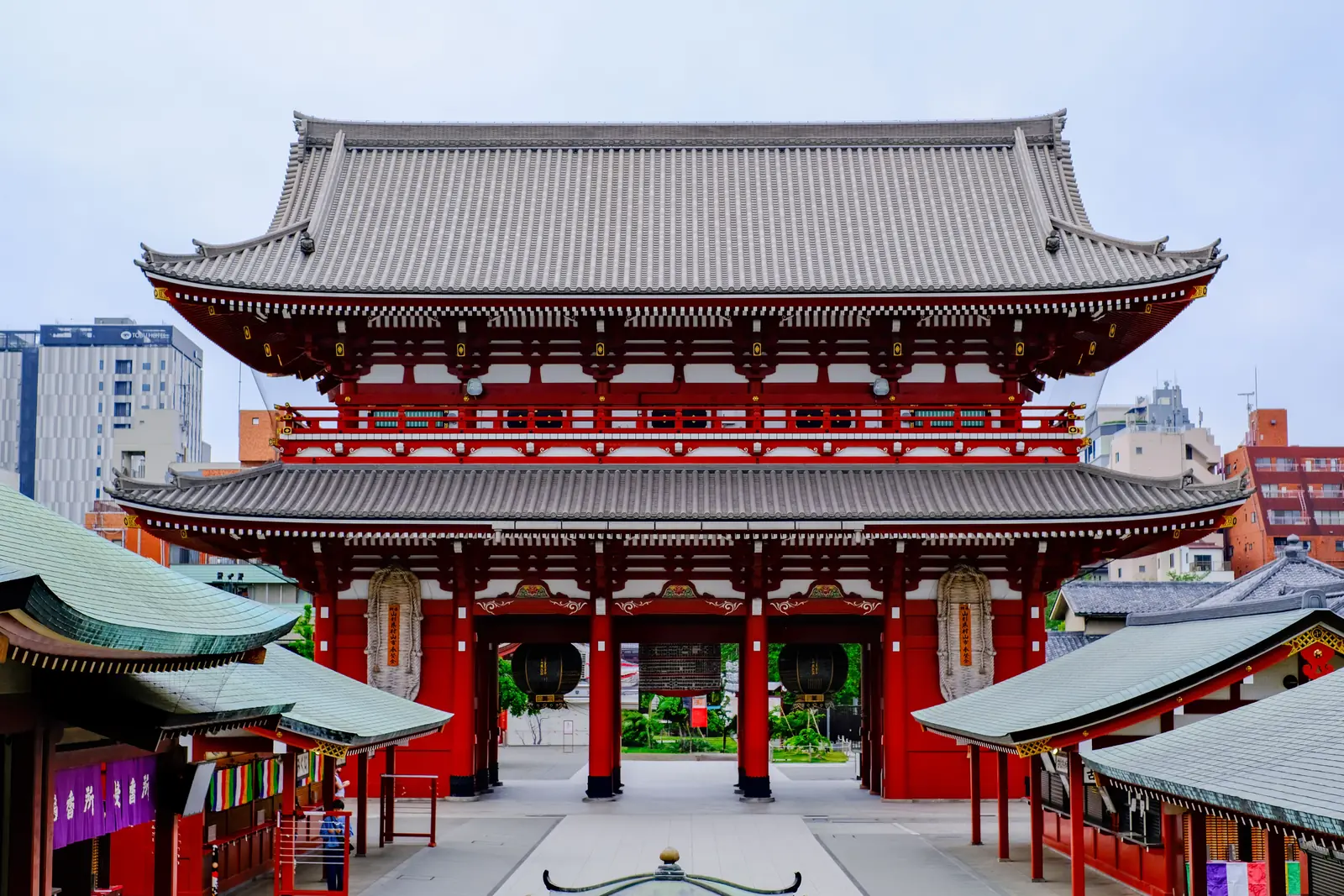
Start at Senso-ji in Asakusa, Tokyo’s oldest temple, and start early. By ten in the morning the approach is shoulder to shoulder, but at seven it’s nearly empty and the light on the red gates is beautiful. The temple grounds are open around the clock even when the halls aren’t.
Walk in through the Kaminarimon gate with its giant lantern, then down Nakamise, the shopping street that leads to the main hall. It’s touristy and it’s still worth doing. Stop for a fresh melon pan or a bag of ningyo-yaki along the way.
From there it’s a short hop to Ueno Park, which holds several of the country’s best museums. The Tokyo National Museum is the one to pick if you only have time for one, since it walks you through Japanese art and history in a couple of hours.
If the weather is clear, the Sumida River side of Asakusa gives you a clean view across to Tokyo Skytree. Going up is optional. The view is great, the queue often isn’t.
Akihabara In The Afternoon
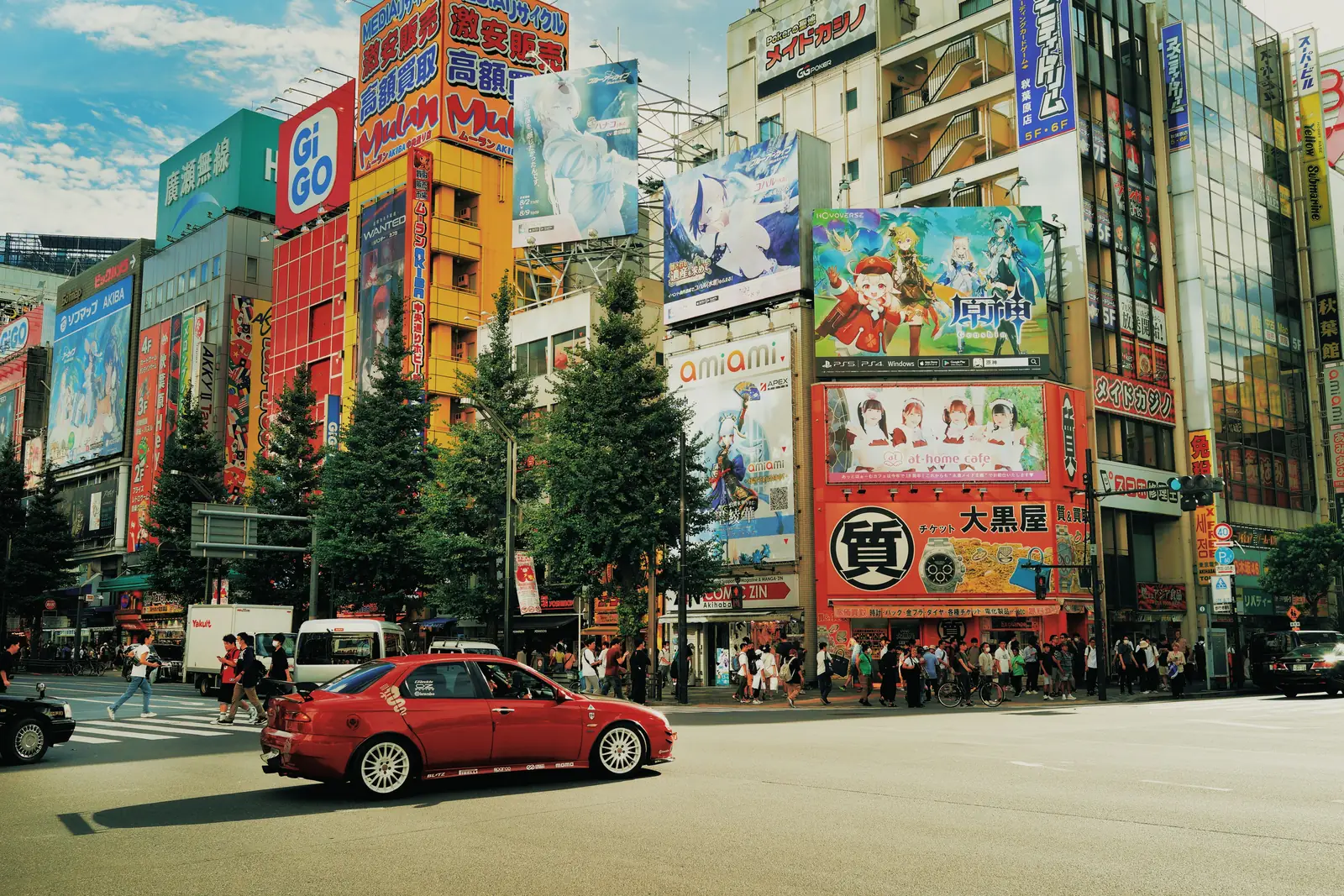
Akihabara is two stops from Ueno and it’s the loudest, strangest part of this day. Whole buildings are stacked floor by floor with anime figures, retro games, model kits and capsule toy machines.
You don’t need to care about any of that to enjoy it. Walk into a multi floor arcade, put a few coins into a claw machine, and go up to the top floor of Yodobashi Akiba just to see the scale of the place.
Head back toward your hotel by early evening. Day two is where jet lag usually catches up with people, and tomorrow is a big one.
Day 3: Shibuya, Harajuku And Modern Tokyo
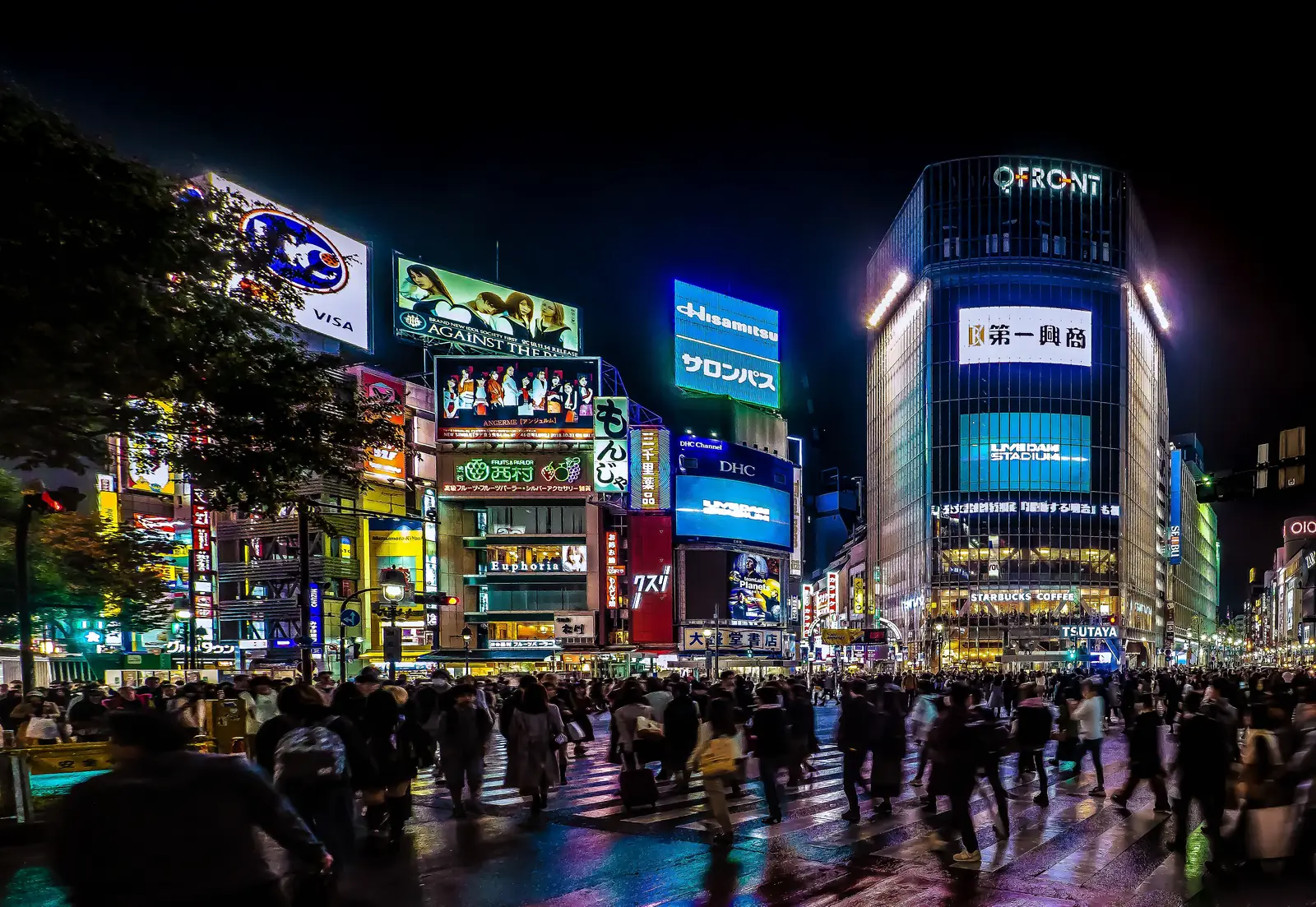
Shibuya Crossing is the shot everyone has seen, and it really does deliver in person. Cross it once in the scrum, then watch a couple of cycles from above. The free view is from the Starbucks in the Tsutaya building, and the paid one is from Shibuya Sky, which is worth booking ahead for sunset.
The Hachiko statue sits just outside the station and takes about ninety seconds to see. It’s the loyal dog who waited for his owner every day for nearly a decade, and there’s usually a small line of people waiting to photograph it.
Give yourself the morning here and save the crossing itself for after dark, when the screens are lit. Shibuya is one of the few places in this Japan itinerary that’s genuinely better at night.
Meiji Jingu And Yoyogi Park
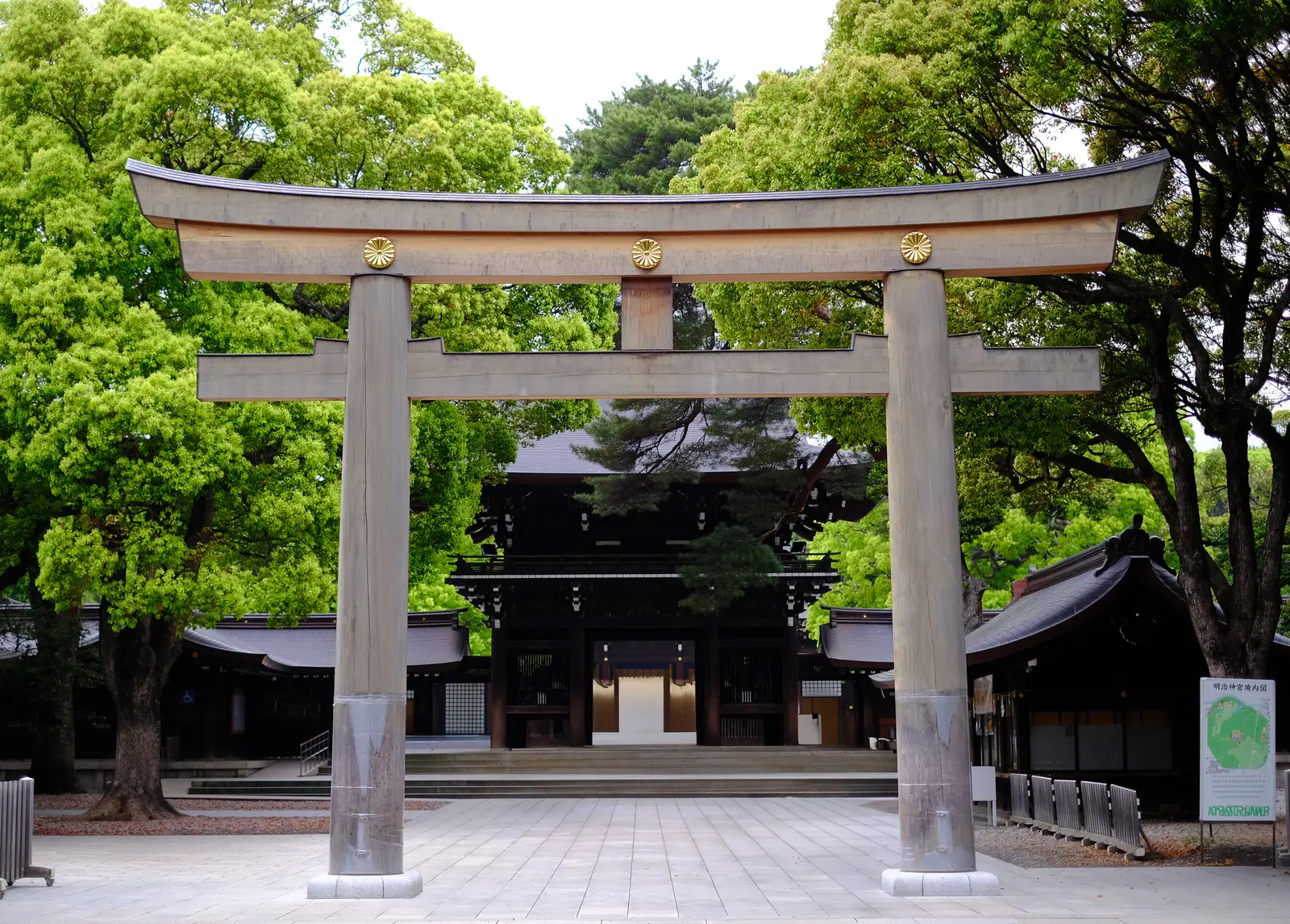
A ten minute walk from Shibuya takes you into a forest of 100,000 trees, all of them planted by hand a century ago. Meiji Jingu sits at the middle of it, and the change in noise level as you pass under the first wooden torii gate is startling.
The walk to the main shrine takes about fifteen minutes. Rinse your hands at the water pavilion near the entrance, and if you’re lucky you’ll catch a wedding procession crossing the courtyard.
Yoyogi Park is right next door and it’s where Tokyo relaxes on the weekend. Sunday afternoons bring out drum circles, dance crews and picnic blankets.
Harajuku And Omotesando
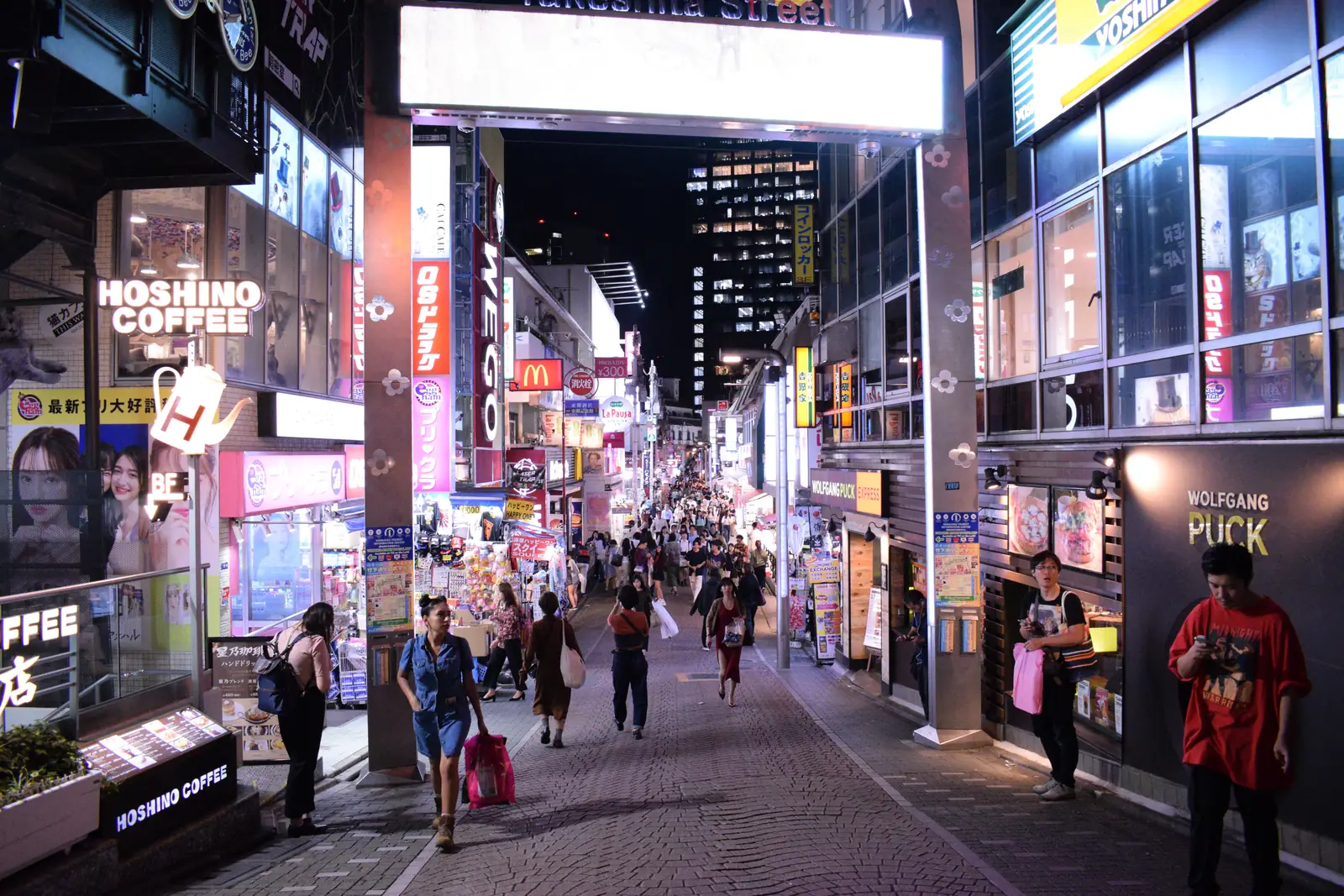
Takeshita Street runs from the far side of Harajuku Station and it’s a wall of teenagers, thrift shops, crepe stands and rainbow cotton candy. It’s chaos, it’s five minutes long, and you should walk it once.
Then cross over to Omotesando for the exact opposite. Wide, tree lined, and stacked with architecture worth looking up at. The two streets sit a block apart and feel like different cities.
Day 4: Hakone And Mount Fuji Views
Hakone is the easiest Mount Fuji day trip from Tokyo, and it’s a lovely ride even when the mountain hides. The Odakyu Romancecar leaves from Shinjuku and reaches Hakone-Yumoto in about 85 minutes with a reserved seat.
Buy the Hakone Free Pass at Shinjuku before you go. It covers the whole loop, which is the fun part of the day: a switchback mountain train, a cable car, a ropeway over a steaming volcanic valley, and a slightly ridiculous pirate ship across Lake Ashi.
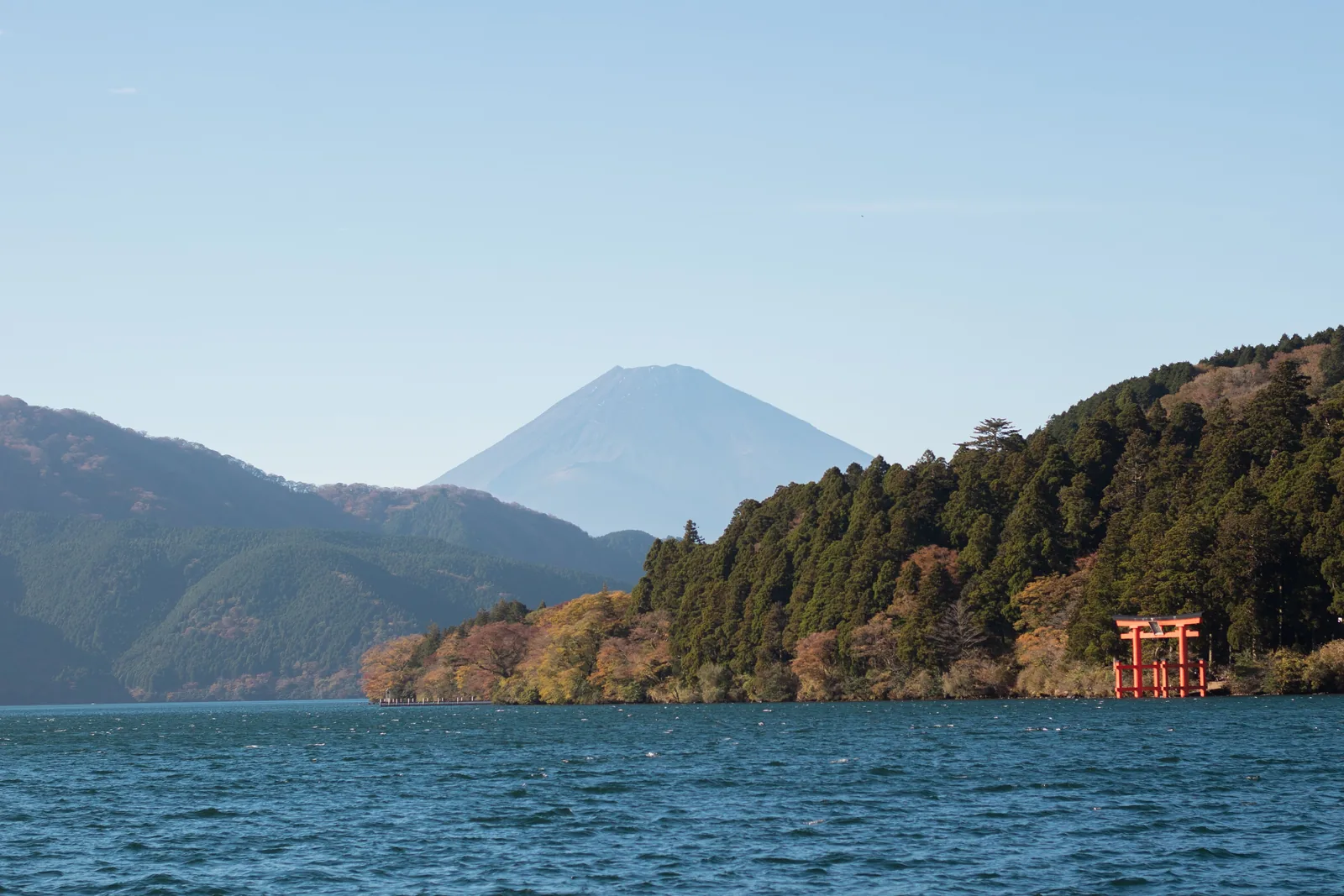
The classic view is the red torii gate at Hakone Shrine standing in the water at the lake’s edge, with Fuji behind it on a clear day. Be realistic about your odds. Fuji is shy in summer haze and much more reliable on cold, clear mornings between November and February.
At Owakudani, the valley the ropeway crosses, they boil eggs in the sulphur springs until the shells turn black. Local lore says each one adds seven years to your life. They taste like normal eggs.
Get back to Tokyo for your last night there. If you’d rather stay over, Hakone is full of hot spring inns, and you can rejoin this Japan itinerary in Kyoto the next afternoon instead of the morning.
Soaking In An Onsen
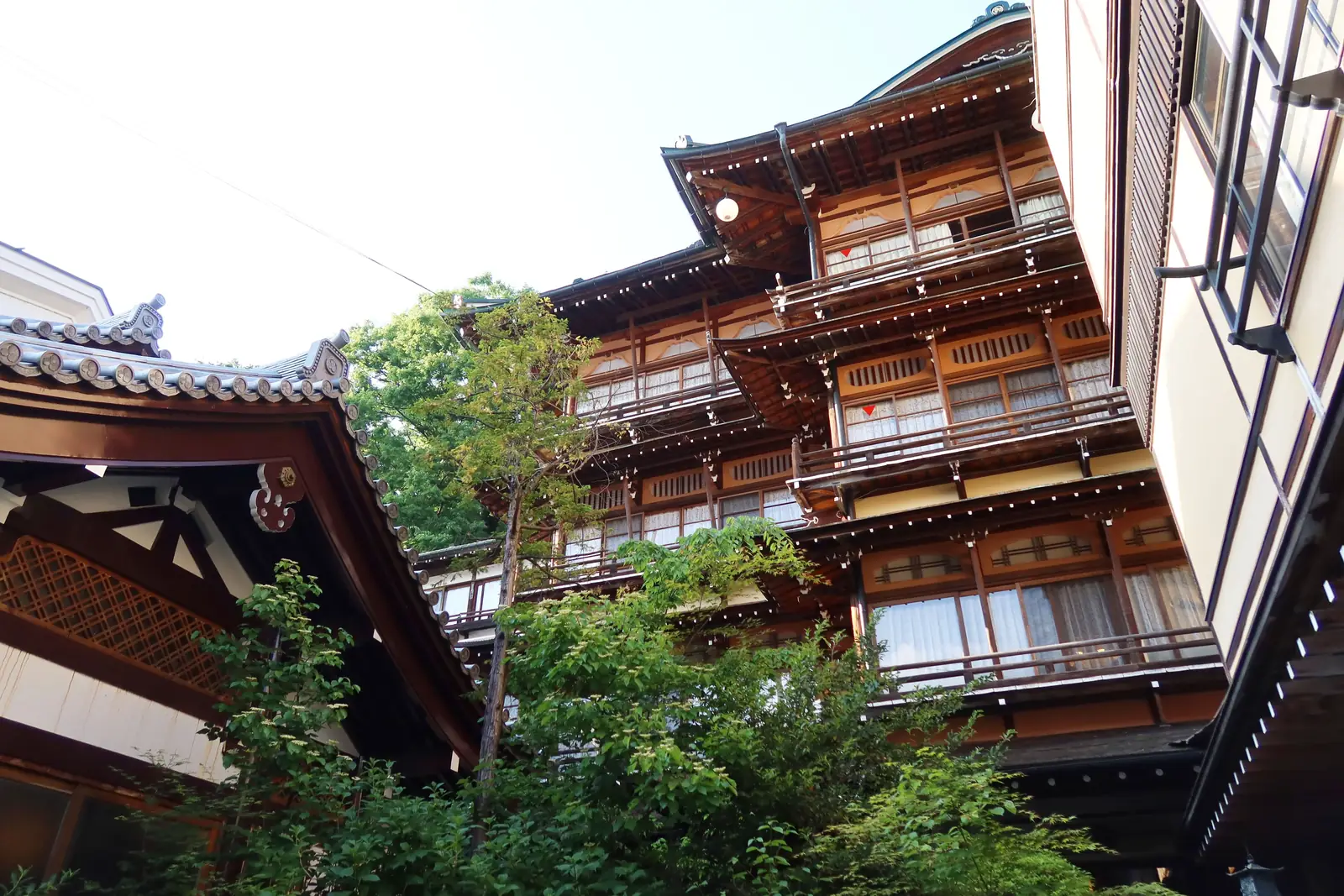
Hakone is hot spring country, and plenty of inns sell day passes to their baths if you aren’t staying the night. It’s the best two hours you’ll spend on this trip after a long flight.
The rules matter and they’re simple. You wash thoroughly at the seated showers first, you get in with no swimsuit, and the small towel you’re given never touches the water. Tie your hair up and keep your voice down.
Tattoos are still a problem at a lot of onsen. Some places are relaxed, some will turn you away at the door, and the reliable workaround is booking a private bath, usually listed as kashikiri.
Day 5: The Shinkansen To Kyoto And Fushimi Inari
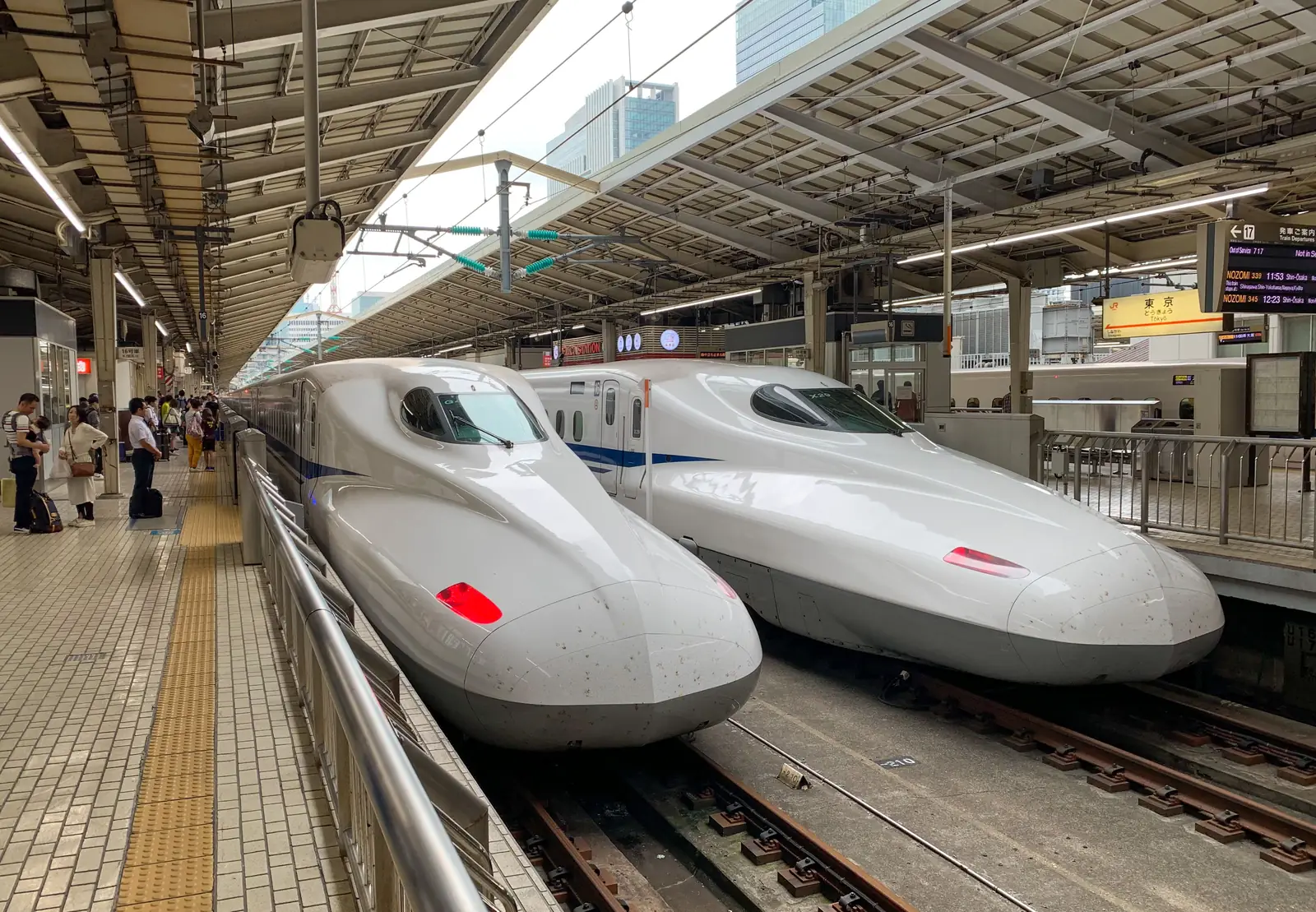
Take a morning bullet train and you’ll be in Kyoto in a bit over two hours. The Nozomi is the fastest service, the Hikari is a touch slower and matters if you’re using a rail pass, and both run all day. Sit on the right side leaving Tokyo for a chance at Fuji out the window.
Buy an ekiben, a boxed lunch, on the platform before you board. It’s a proper meal in a beautiful box and eating it on the train is half the fun.
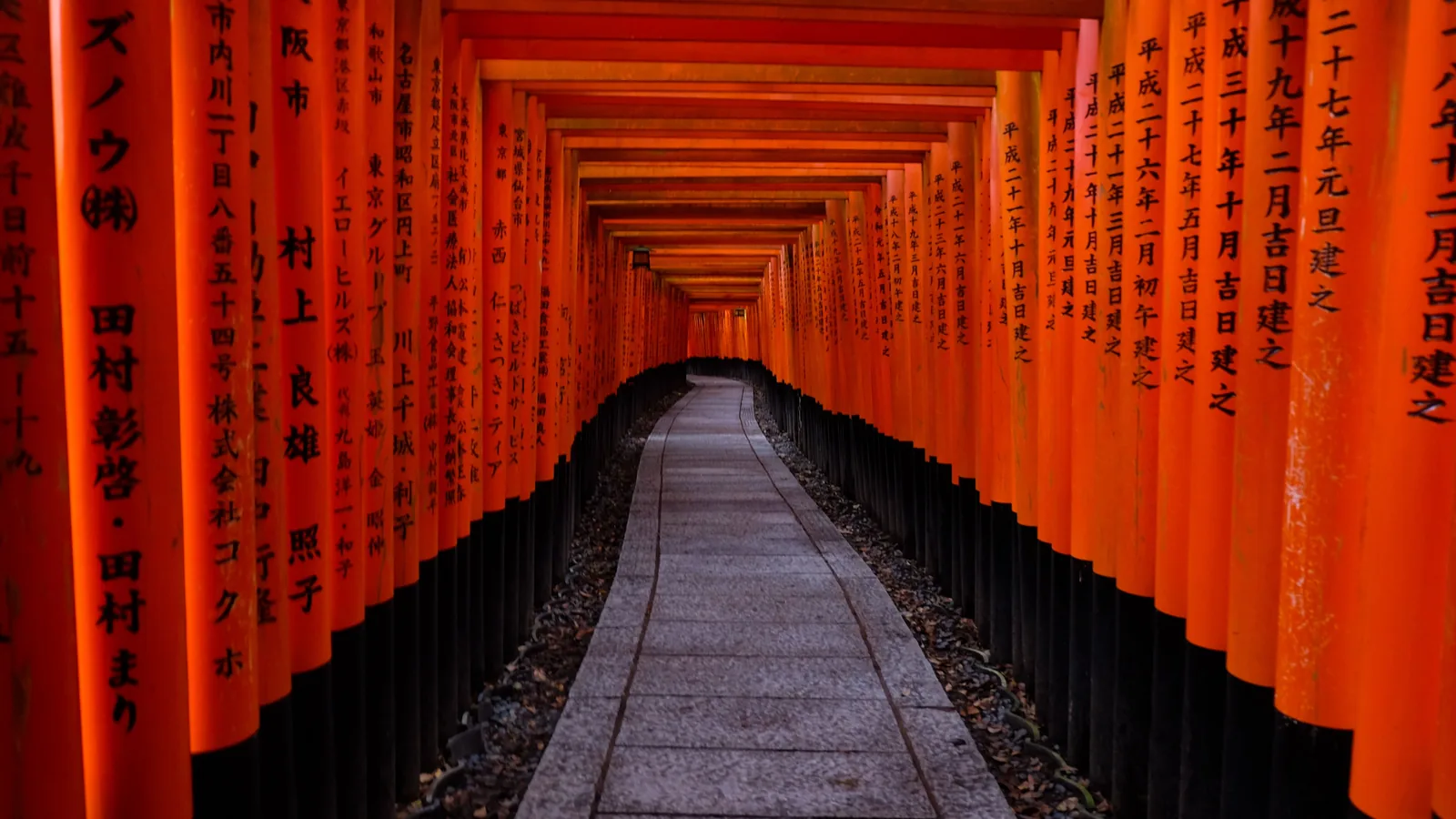
Drop your bags at the hotel, then head straight to Fushimi Inari. The shrine is free, it never closes, and the thousands of vermilion torii gates winding up the hillside are the single most photographed thing in Kyoto.
Late afternoon is the smart time to go. The tour buses have cleared out, the light gets warm and low, and the lanterns come on as you climb. The full loop to the summit takes two to three hours, but most people turn back at the Yotsutsuji viewpoint about 45 minutes up, which is where the city view opens out.
Gion In The Evening
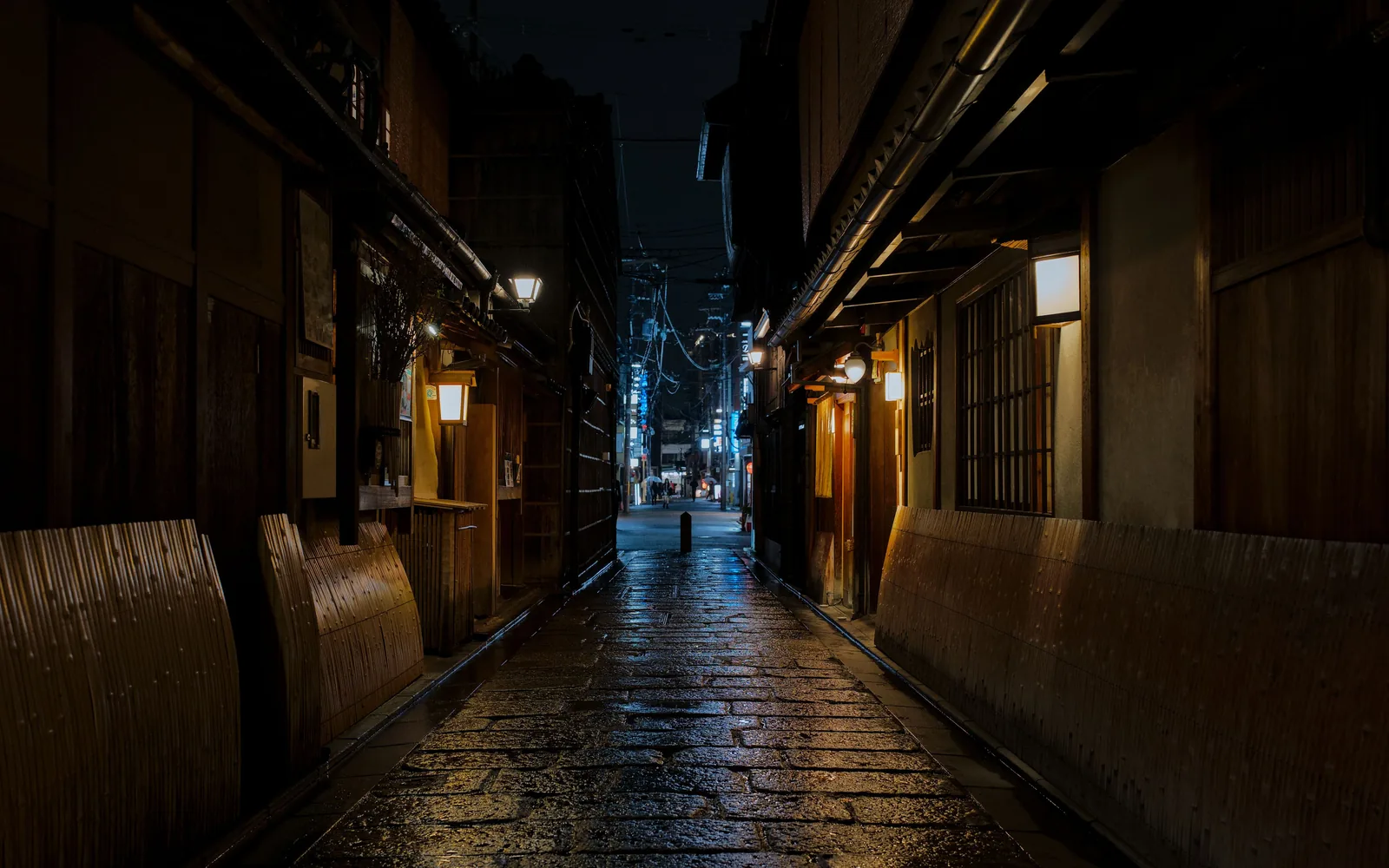
Gion is Kyoto’s old entertainment district, and it’s at its best after dark when the wooden teahouses are lit from inside. Walk Hanamikoji Street, then cut over to the Shirakawa canal, which is quieter and prettier.
You may see a geiko or maiko heading to an appointment. They are working, not performing, so give them room and don’t follow them with a camera. Photography is banned outright on the private side streets and the fines are real.
This is a good area for dinner. Prices climb fast on the main lanes, so duck into the smaller streets or head down to Pontocho Alley by the river.
Day 6: Arashiyama And Golden Kyoto
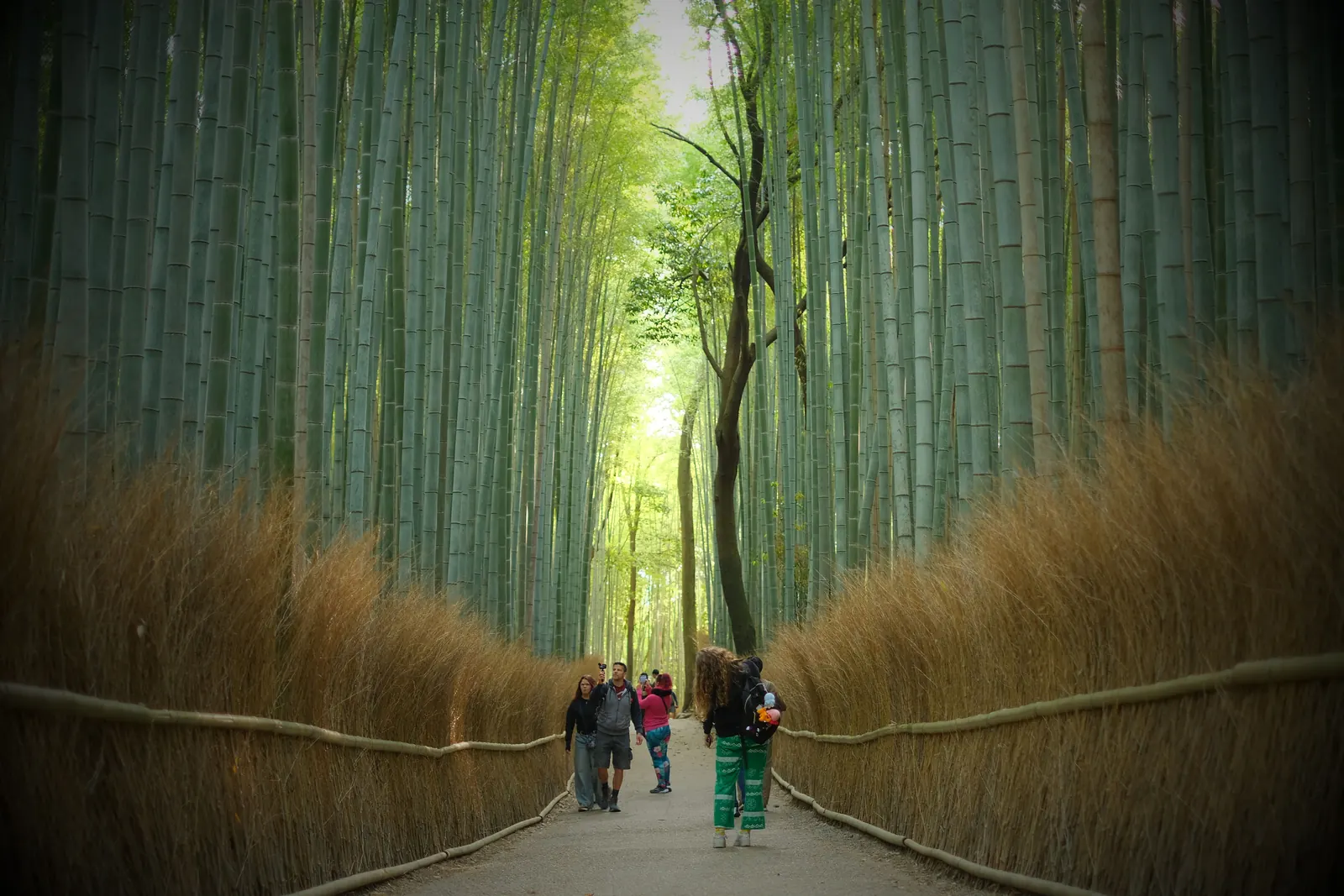
The Arashiyama bamboo grove is on the western edge of Kyoto and it’s tiny, maybe a ten minute walk end to end. It’s also mobbed from mid morning onward, so this is a day that rewards an early alarm. Before eight it’s just you and the sound of the stalks knocking together.
Tenryu-ji sits right at the grove’s southern entrance and has one of the oldest gardens in Japan, laid out to borrow the mountains behind it as part of the view. The garden ticket is cheap and the crowds thin out inside.
The Togetsukyo bridge over the Katsura River is the other landmark here. If you have energy, the monkey park on the far bank is a steep twenty minute climb with a great view of the city at the top.
Kinkaku-ji, The Golden Pavilion
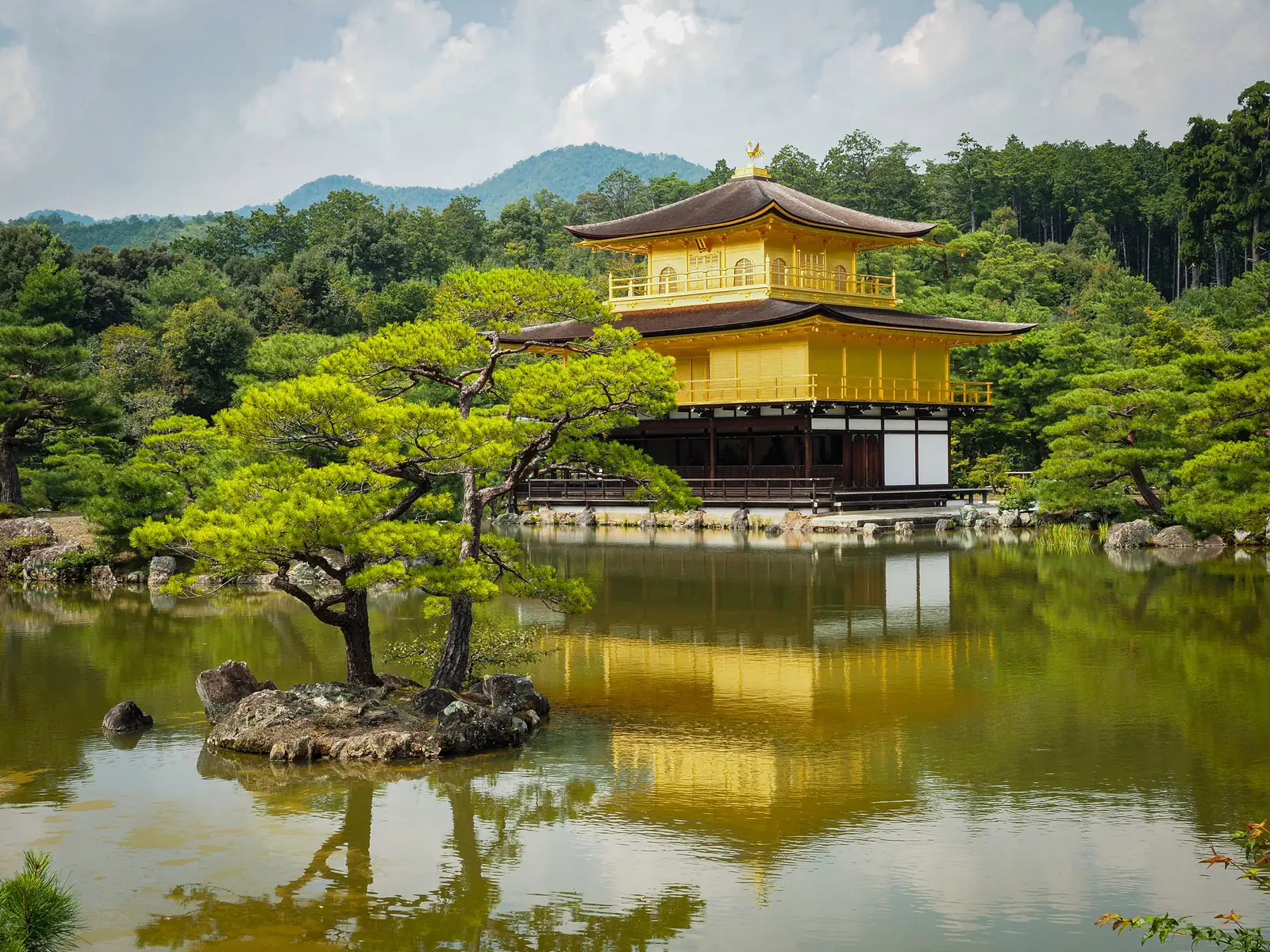
Kinkaku-ji is a temple covered in gold leaf that sits at the edge of a still pond, and on a calm day the reflection is perfect. It’s about thirty minutes from Arashiyama by bus.
Manage your expectations on the visit itself. You follow a one way path, you can’t go inside, and the whole thing takes twenty minutes. It’s still worth it, because photos really don’t prepare you for how bright it is in person.
Ryoan-ji and its famous rock garden are a short walk away, so it’s easy to pair the two.
Nishiki Market
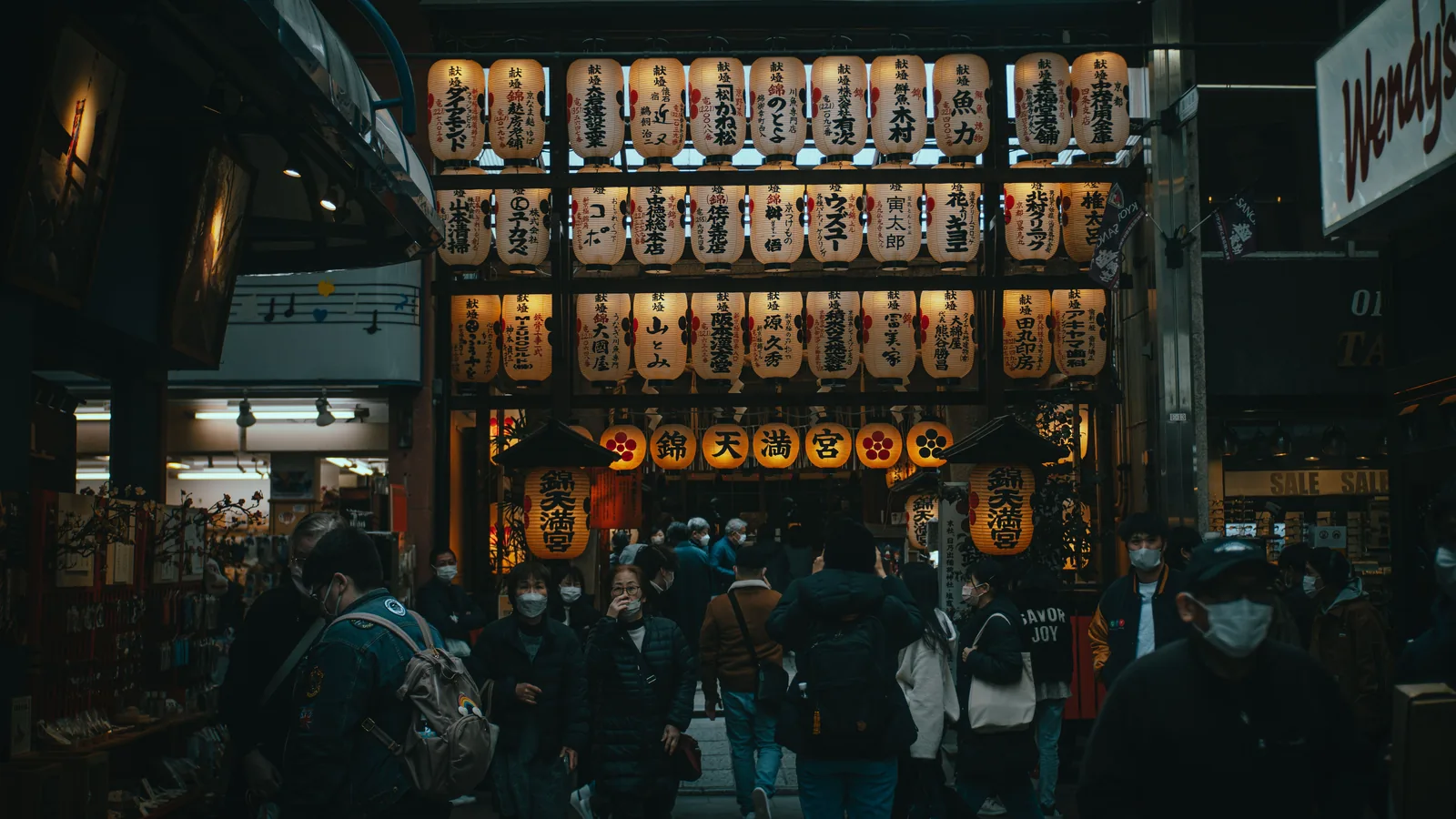
Head back into the middle of the city for the late afternoon. Nishiki is a narrow covered market five blocks long, and it’s been feeding Kyoto for centuries.
Come hungry and graze. Grilled scallops on sticks, tamagoyaki, pickles, soy milk doughnuts, matcha everything. Most stalls start closing around six, so don’t leave it too late.
One local rule worth following: eat what you buy at the stall rather than walking down the street with it. Vendors put out small counters for exactly that.
Day 7: Higashiyama And Kiyomizu-dera
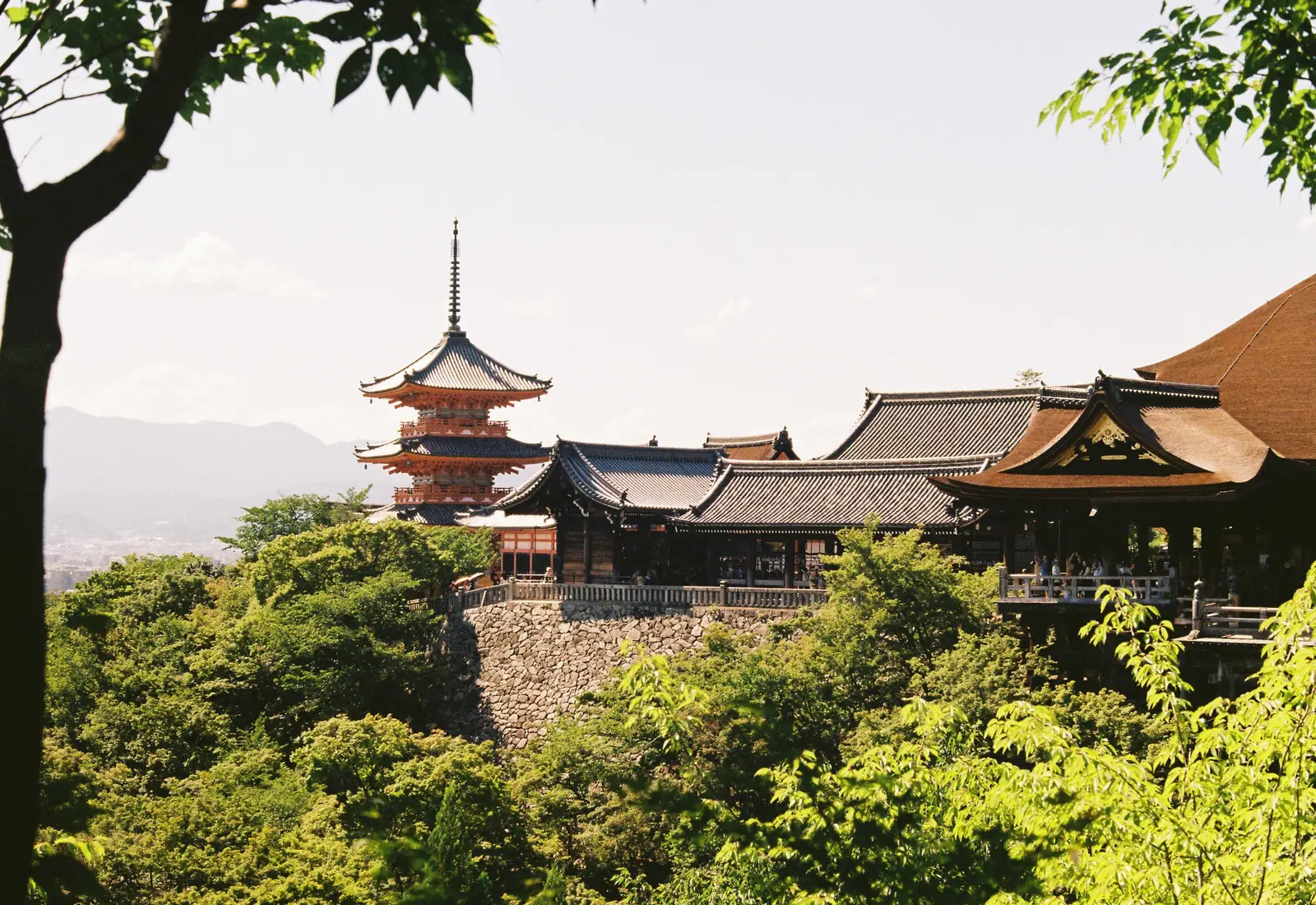
Kiyomizu-dera opens at six in the morning, which makes it the best early start in Kyoto. The temple is built on a huge wooden stage over the hillside, held up by pillars set without a single nail, and it looks out across the whole city.
Walk down from the temple through Sannenzaka and Ninenzaka, two preserved stone stepped lanes lined with old wooden shopfronts. This is the Kyoto people picture in their heads, and by ten in the morning you’ll be shuffling through it in a crowd, so go now.
The lanes spill out near Hokan-ji, the five story pagoda that anchors every Kyoto postcard, and then on toward Kodai-ji and Yasaka Shrine. It’s an easy downhill walk of maybe two hours with stops.
Finish at Maruyama Park behind Yasaka Shrine. In early April its weeping cherry tree is lit up at night and the whole park turns into a picnic.
The Philosopher’s Path
The Philosopher’s Path is a two kilometre walk along a canal in the northern part of Higashiyama, named for the professor who used it as his daily thinking route. It’s lined with hundreds of cherry trees, so it’s spectacular for about ten days in April and pleasant the rest of the year.
Ginkaku-ji, the Silver Pavilion, sits at the northern end. It was never actually silvered, and the sand garden in front of it is the real reason to go.
If your feet are done by this point, skip it without guilt. Kyoto has more temples than anyone can see in three days, and a slow dinner beats a forced march.
Day 8: Nara Deer And Osaka At Night
Check out of your Kyoto hotel and take the train to Nara, about 45 minutes away. Japan’s first permanent capital is small enough to see on foot in a few hours, and everything worth seeing sits inside one big park.
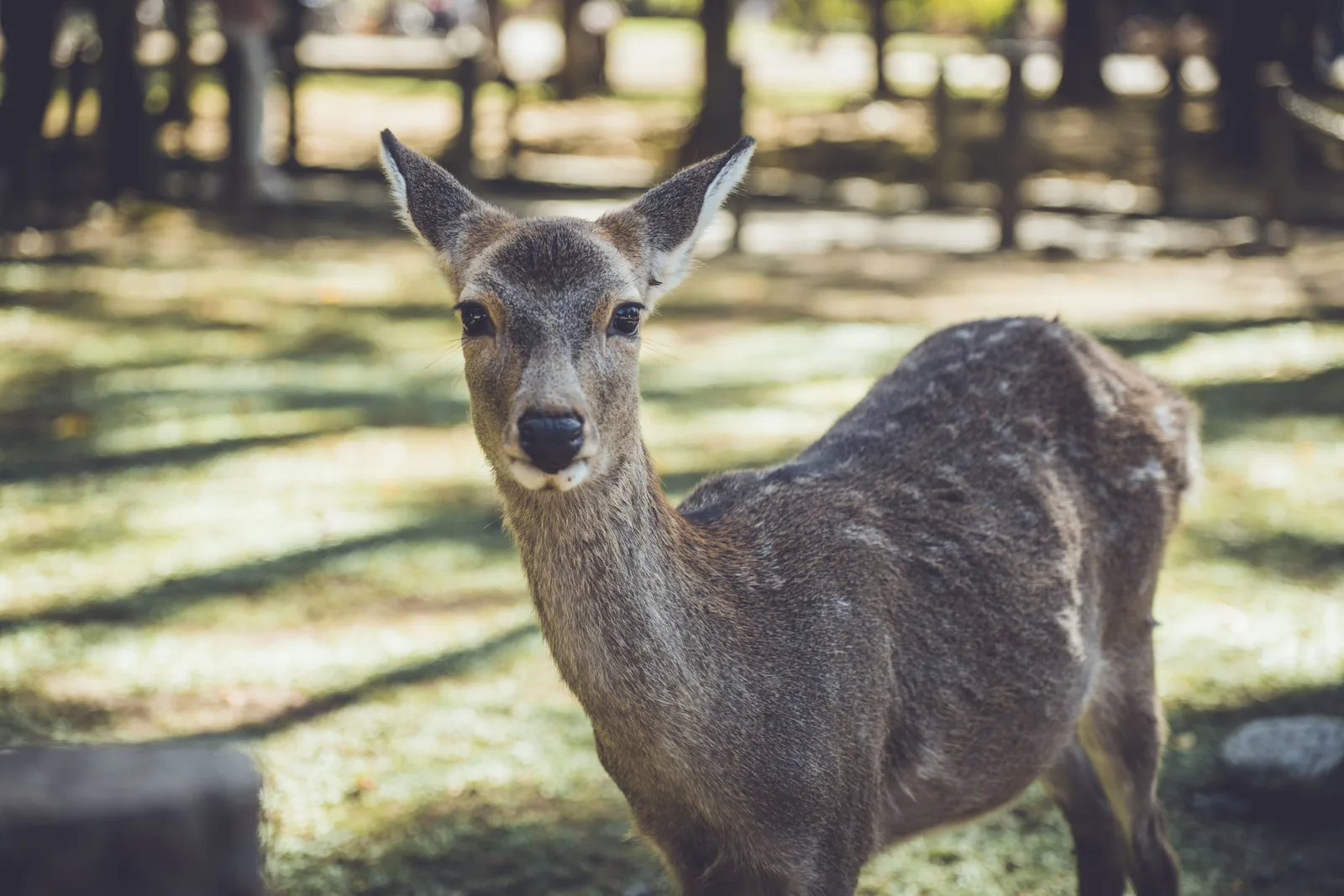
The deer are the reason most people come. Around a thousand of them roam the park freely, they’re used to people, and vendors sell crackers to feed them. Some of the deer will bow at you before taking one, which is a learned trick and completely charming.
They’re still wild animals, so hold the crackers high, hand them over quickly, and don’t tease them. A deer that thinks you’re hiding food will absolutely head butt you.
Todai-ji is the other must see, a colossal wooden hall holding a 15 metre bronze Buddha cast in the eighth century. It’s one of the largest wooden buildings anywhere, and the scale of it doesn’t come across in pictures at all.
From Nara it’s another 45 minutes to Osaka. Check into your last hotel and give yourself a couple of hours to rest before dinner.
Dotonbori After Dark
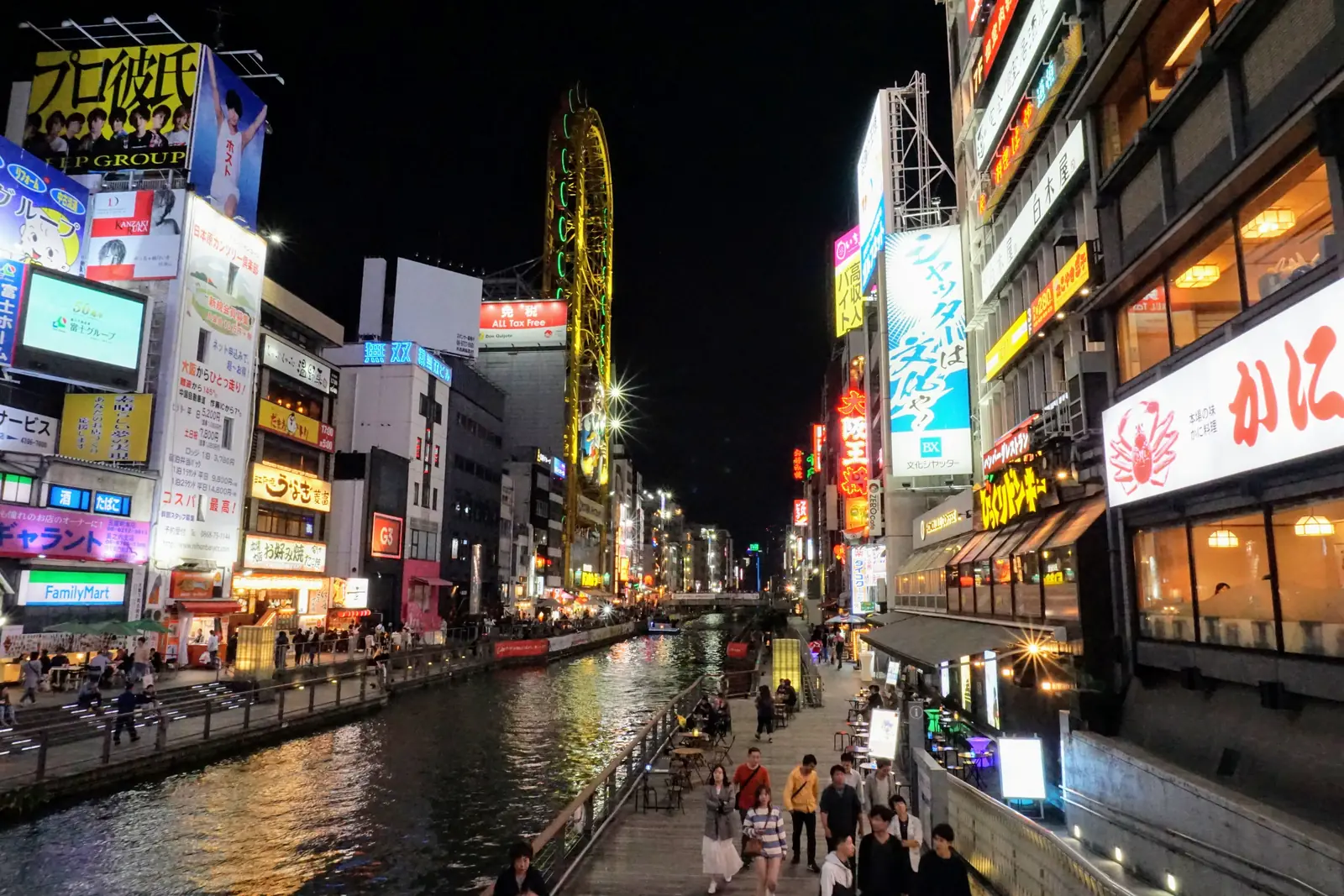
Osaka eats louder and better than anywhere else in the country, and Dotonbori is the middle of it. Mechanical crabs wave over the doorways, the canal reflects a wall of neon, and the running Glico man has been up there since the 1930s.
Eat street food for dinner and don’t overthink it. Takoyaki, octopus filled batter balls served scalding hot, and kushikatsu, deep fried skewers of anything, are the two local specialties.
There’s one firm rule at a kushikatsu counter. The pot of dipping sauce is shared by everyone, so you dip each skewer once and never go back in for a second dunk.
Day 9: Hiroshima And Miyajima
This is the longest day of the trip and it’s worth the effort. The bullet train from Shin-Osaka reaches Hiroshima in about ninety minutes, so leave early and you’ll be there before the museums fill up.
Do Hiroshima first and save Miyajima for the afternoon. From Hiroshima Station it’s a short train and a ten minute ferry across to the island, and the ferry drops you within sight of the torii.
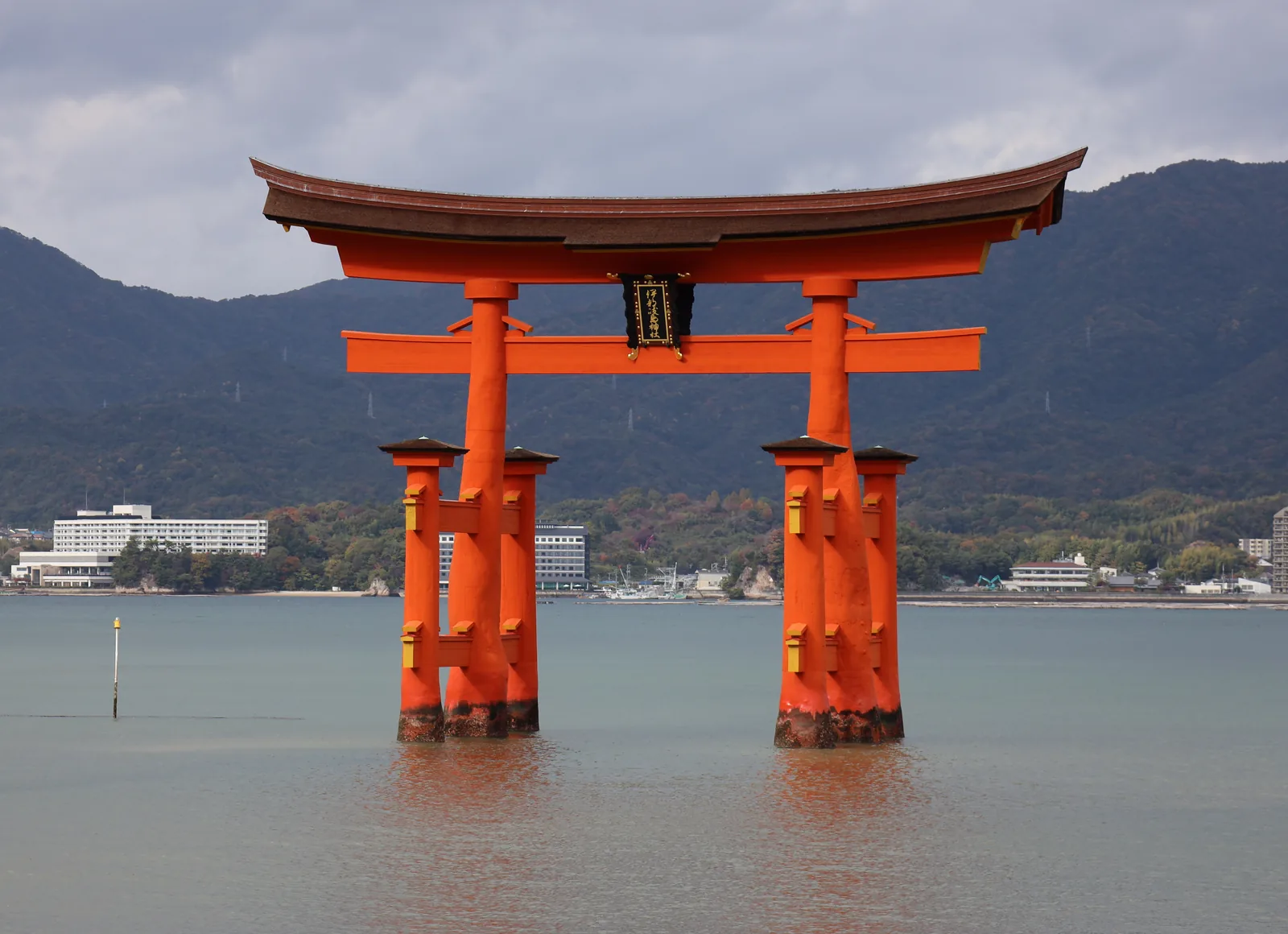
Itsukushima Shrine is built out over the water on stilts, and its huge vermilion torii gate appears to float at high tide. Check the tide table before you go. At low tide you can walk right out to the base of the gate, which is a completely different photo and honestly just as good.
The island has its own deer, a mountain you can ride a ropeway up, and a main street that smells like grilled oysters and momiji manju, the little maple leaf shaped cakes filled with red bean. Stay for sunset if your legs hold out, then take the ferry back.
You’ll get into Osaka late. If that sounds like too much, book a hotel in Hiroshima for the night instead and take a slower train back in the morning.
The Peace Memorial Park
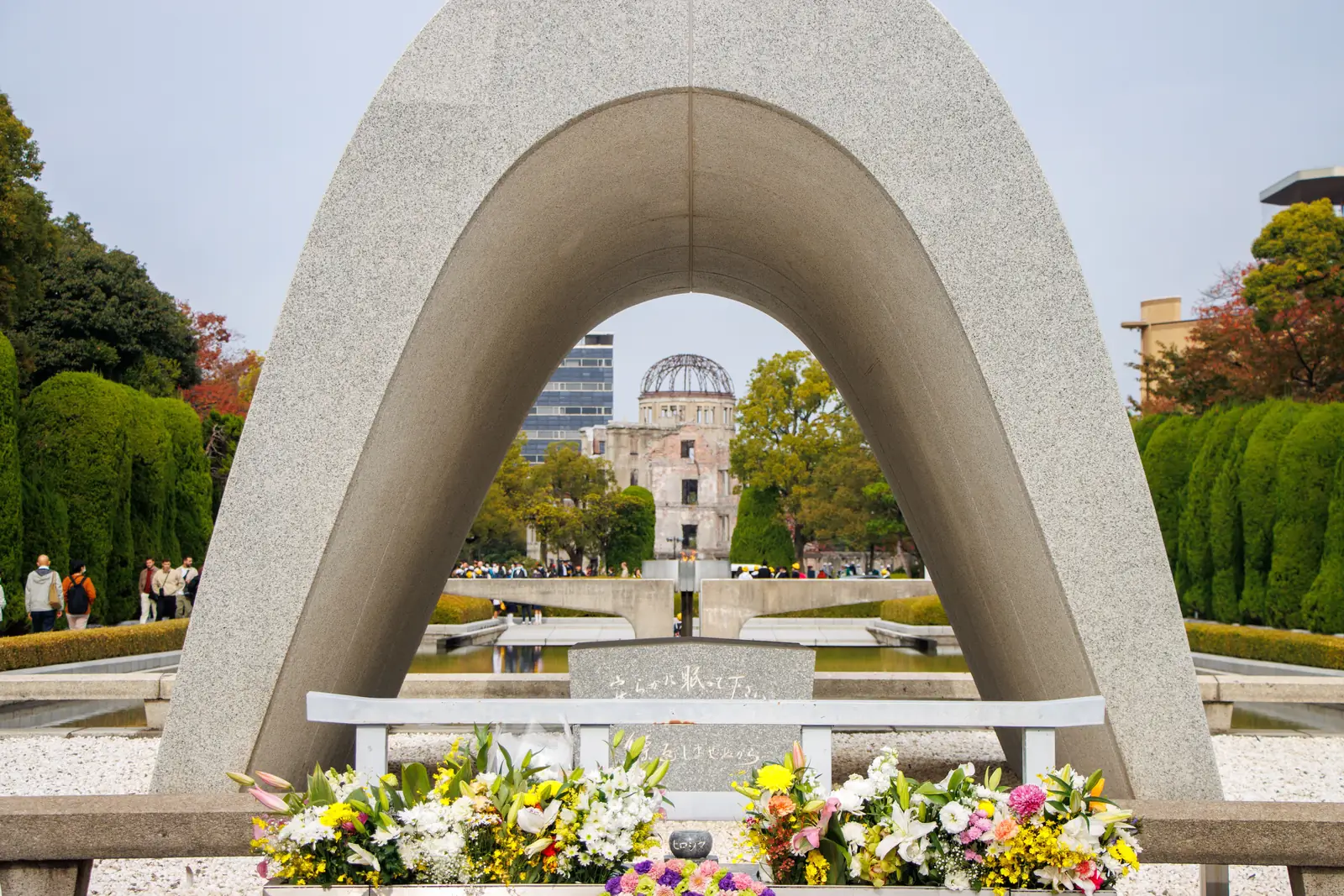
The Atomic Bomb Dome stands almost exactly where the bomb went off in August 1945, left in ruins on purpose. The park around it holds the cenotaph, the children’s peace monument covered in folded paper cranes, and the museum.
Give the museum two hours and go in knowing it’s hard. It doesn’t deal in statistics so much as in personal objects, and most people come out quiet.
It is, for what it’s worth, the single most worthwhile thing on this entire itinerary. The city around it is green, modern and completely rebuilt, which is the other half of the story.
Day 10: Osaka Castle And The Trip Home
How much you get to do today depends entirely on your flight. Kansai Airport is about 50 minutes from central Osaka on the Nankai or the JR Haruka, and you’ll want to be there two to three hours before an international departure.
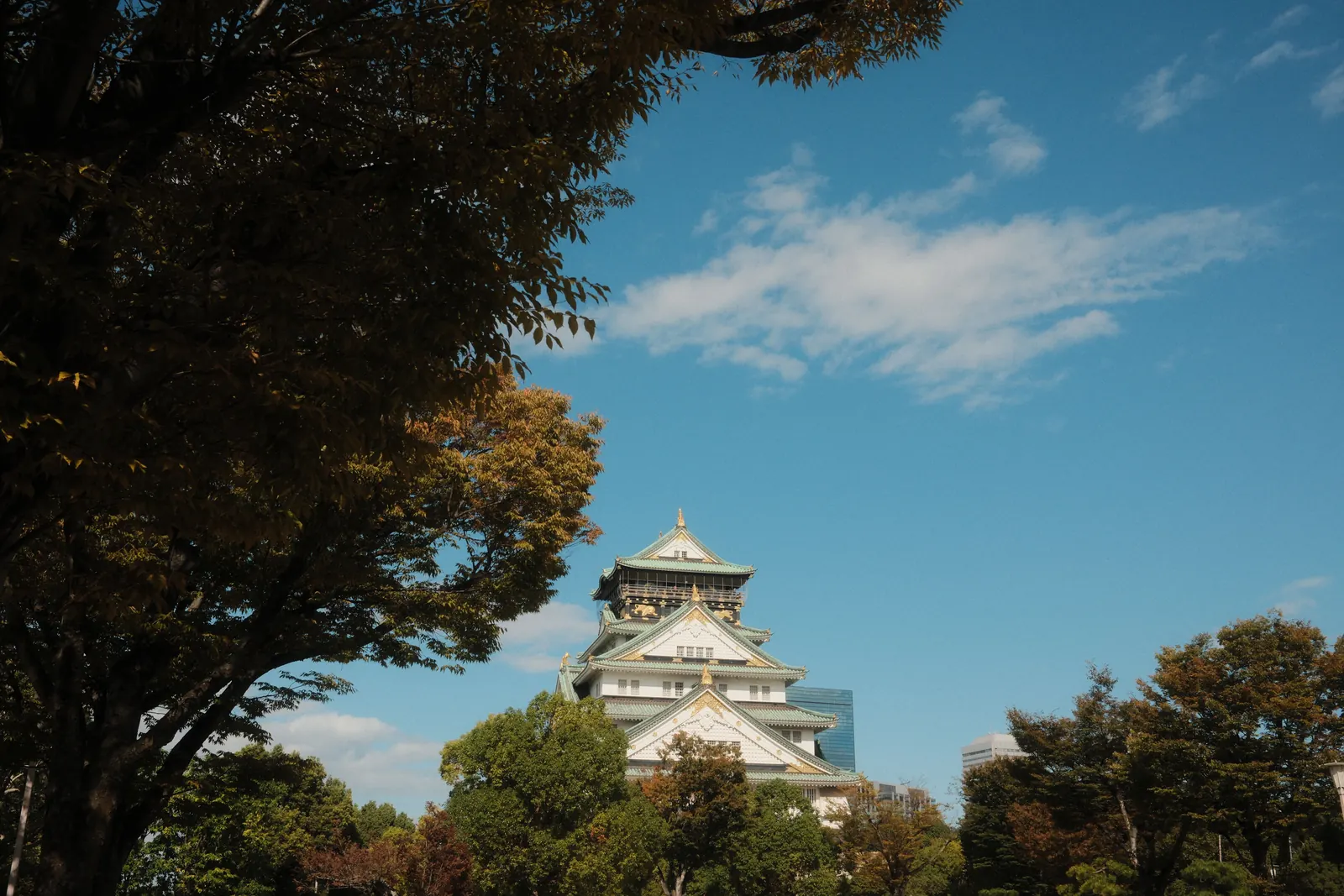
If you have the morning, spend it at Osaka Castle. The grounds and the moats are free and lovely to walk, and the keep in the middle is a reconstruction with a museum and an elevator inside, which is either a disappointment or a mercy depending on your knees.
With less time, Kuromon Ichiba Market near Namba is a better use of an hour. It’s a covered food market where you can eat your way through breakfast and pick up the last souvenirs.
Ship your suitcase to the airport the day before if you’re tight on time. Luggage forwarding is cheap, reliable, and one of the great quiet luxuries of travelling in Japan.
When To Visit Japan
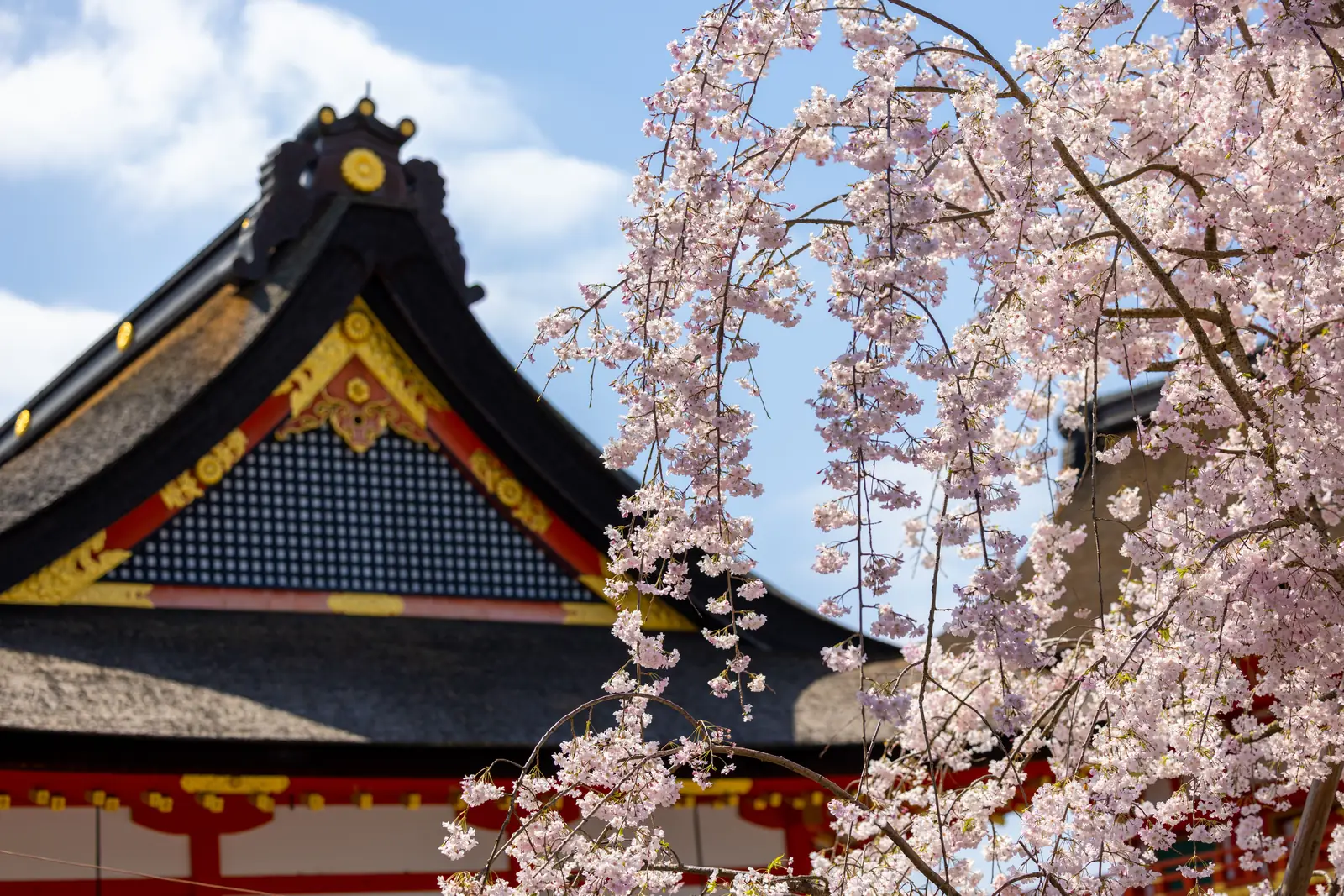
Spring and autumn are the two best windows, and everybody knows it. Cherry blossoms hit Tokyo and Kyoto somewhere around late March to early April, though the exact week moves every year and the bloom only lasts about ten days.
Autumn is the quiet favourite. Kyoto’s maples turn deep red from the middle of November into early December, the weather is dry and cool, and the light is better for photos than at any other time of year.
Summer is hot and very humid, with a rainy stretch through June. It’s the cheapest season for a reason, though the festivals are excellent and Hokkaido stays comfortable. Winter is underrated: clear skies, thin crowds, the best odds of seeing Mount Fuji, and hot spring towns at their most appealing.
Two dates to avoid if you can. Golden Week in late April and early May, and Obon in the middle of August. The whole country travels at once, trains sell out, and hotel prices double.
Getting Around Japan Without Overpaying
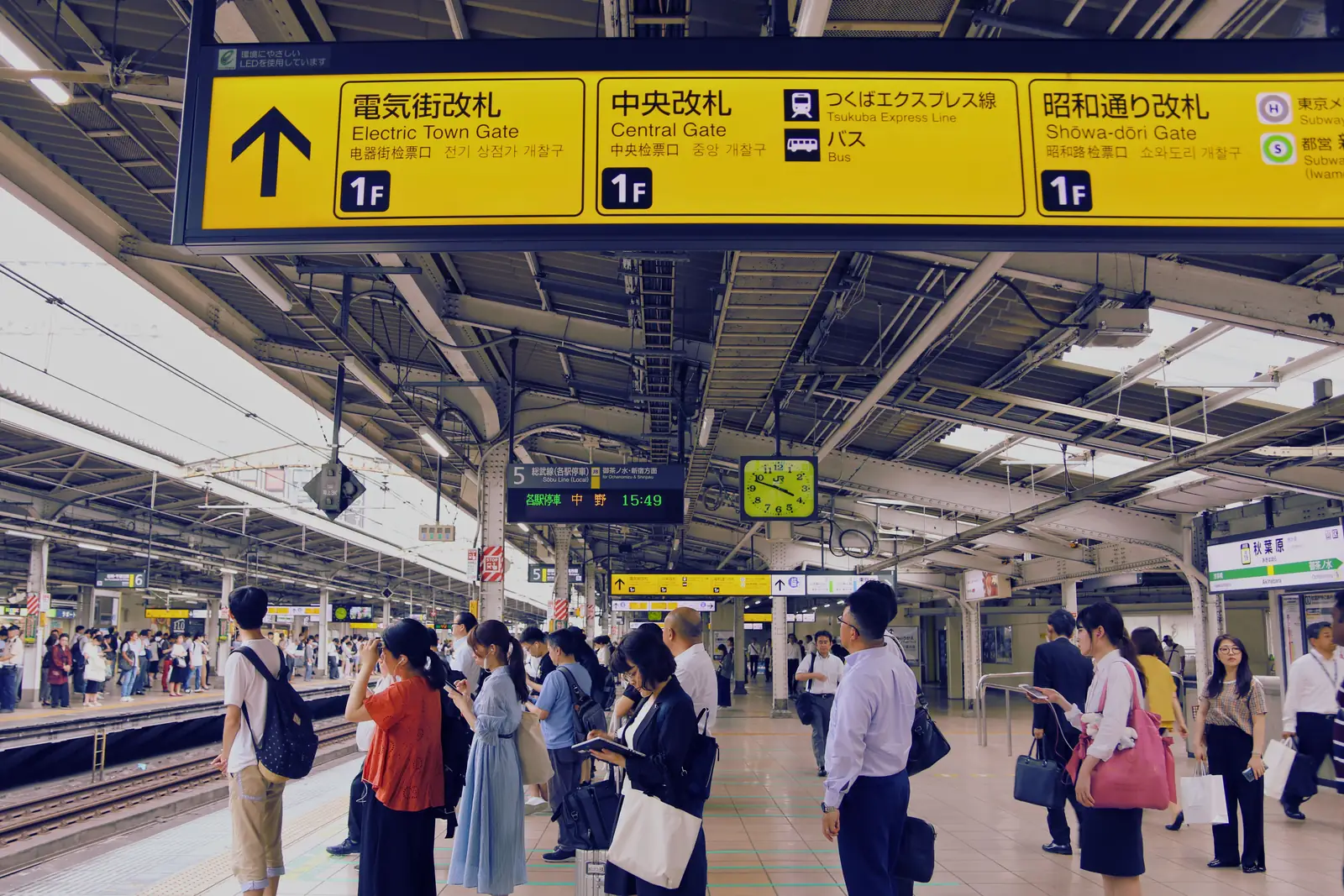
First thing to sort out is an IC card, either Suica or Pasmo. You tap in and out of local trains, subways and buses with it, and you can pay at convenience stores with it too. You can load one onto an iPhone before you even land.
Now the part people get wrong. The nationwide Japan Rail Pass went up sharply in price a while back, and on a route like this one it usually doesn’t pay for itself anymore. Add up your actual long distance legs first, then compare. For most people running this Japan itinerary, buying individual tickets comes out cheaper.
There’s a catch worth knowing if you do buy the pass: it isn’t valid on the fastest Nozomi trains without paying extra, so you’d be riding the slightly slower Hikari instead. Regional passes are a different story and can be good value, especially the ones covering Kansai and Hiroshima.
Google Maps handles Japanese train routing beautifully, down to the platform number and which car to board. Trust it.
Last tip, and it’s the best one. Same day luggage forwarding, called takuhaibin, lets you send a suitcase from one hotel to the next for a small fee. Send the big bag from Tokyo to Kyoto and ride the bullet train with a backpack instead of wrestling a suitcase down the aisle.
Where To Stay In Tokyo, Kyoto And Osaka
In Tokyo, pick Shinjuku or Shibuya for a first visit. Both are major train hubs, which matters more than anything else, and both are lively at night. Asakusa and Ueno are cheaper and quieter, with a longer ride to most of what you’ll be doing.
In Kyoto, stay near Kyoto Station or downtown around Kawaramachi. Downtown puts you walking distance from dinner and a short bus from the eastern temples, and the station area is unbeatable for the day trips to Nara and Osaka.
In Osaka, Namba puts you in the middle of the food and nightlife, while Umeda in the north is more polished and slightly calmer. Either one is fine for two nights.
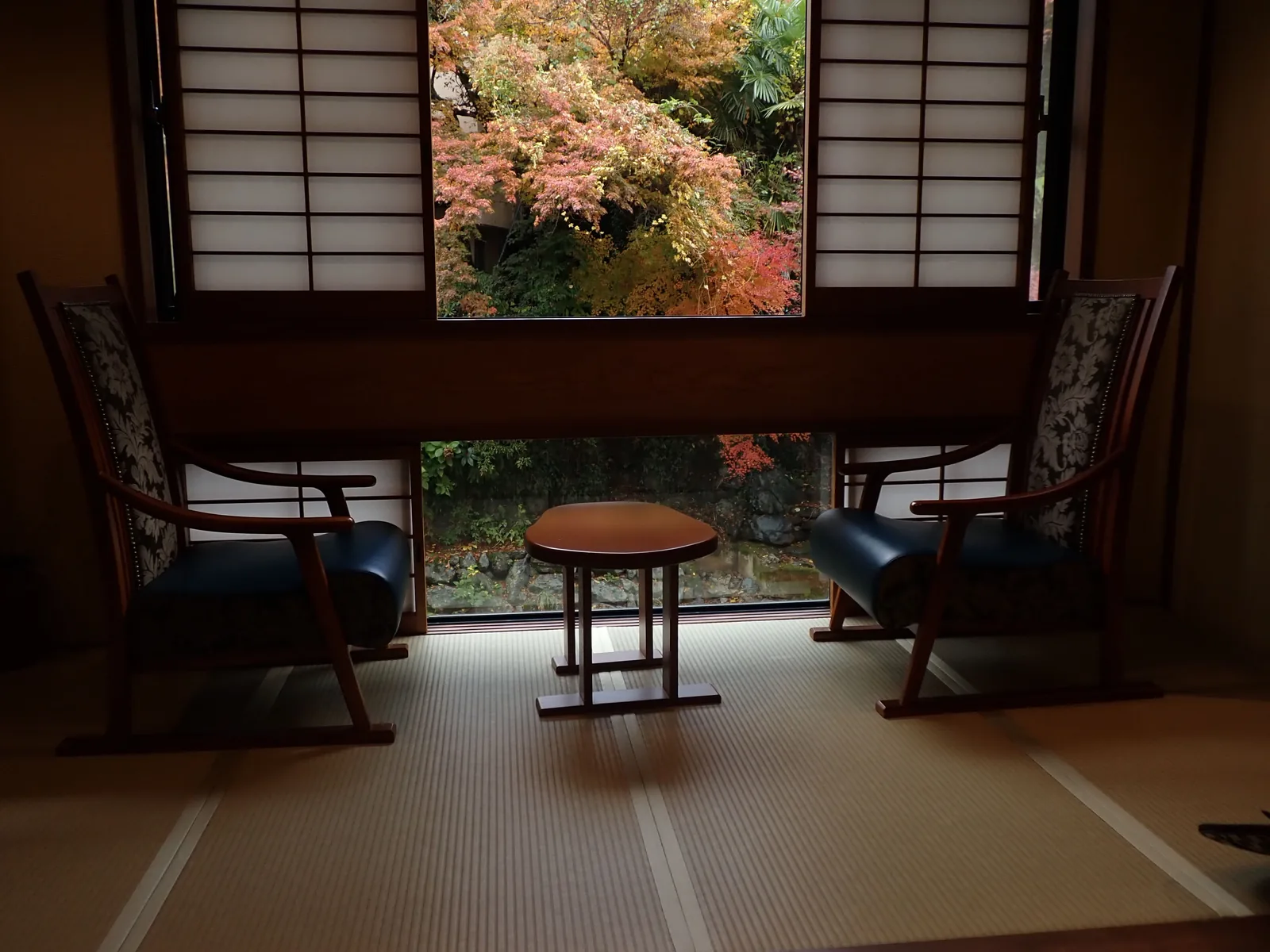
Try to spend at least one night in a ryokan, a traditional inn with tatami floors, futon bedding and usually a hot spring bath. Book it in Hakone or Kyoto, expect an elaborate dinner, and treat it as an experience rather than just a room.
Book early no matter what, especially anywhere near cherry blossom season. And set your expectations on size: standard Japanese hotel rooms are small, spotlessly clean, and cleverer with space than anything back home.
What To Know Before Your First Trip To Japan
Carry cash. Japan takes cards far more widely than it used to, but small restaurants, shrines and market stalls are often cash only. The ATMs inside 7-Eleven and at post offices reliably accept foreign cards, which isn’t true of every bank machine.
There’s no tipping anywhere, ever. Leaving money on the table will get you chased down the street to have it returned.
Public trash cans barely exist, so you’ll end up carrying your rubbish until you find a bin at a convenience store or a station. Nobody eats while walking, either.
Shoes come off more often than you’d think, at ryokan, at temples, in some restaurants, and occasionally at fitting rooms. Wear socks you’re happy to be seen in and shoes you can slip off without sitting down.
Stand on the left of the escalator in Tokyo and on the right in Osaka. Keep your voice down on trains and don’t take phone calls on them. For more of the small stuff that trips up first timers, read up on the things you shouldn’t do on a trip to Japan before you fly.
Sort out data before you land with an eSIM or a rented pocket wifi. Half of getting around Japan smoothly is having maps and train times in your pocket.
Final Thoughts
Ten days in Japan goes fast, and this route is deliberately built around the things that make a first visit click: the noise of Tokyo, the temples of Kyoto, one long look at Mount Fuji, and a couple of days where the only plan is eating well. Book the flights open jaw, keep the bullet train tickets simple, and let the small detours happen on their own.
The country rewards coming back, which is the other thing worth saying. Once you’ve done this Japan itinerary you’ll have the confidence to go deeper next time, whether that’s the hidden gems most visitors skip or the most beautiful places in Japan scattered well beyond this route. First trip first, though. Ten days is plenty to fall for the place.