 Rebecca Engel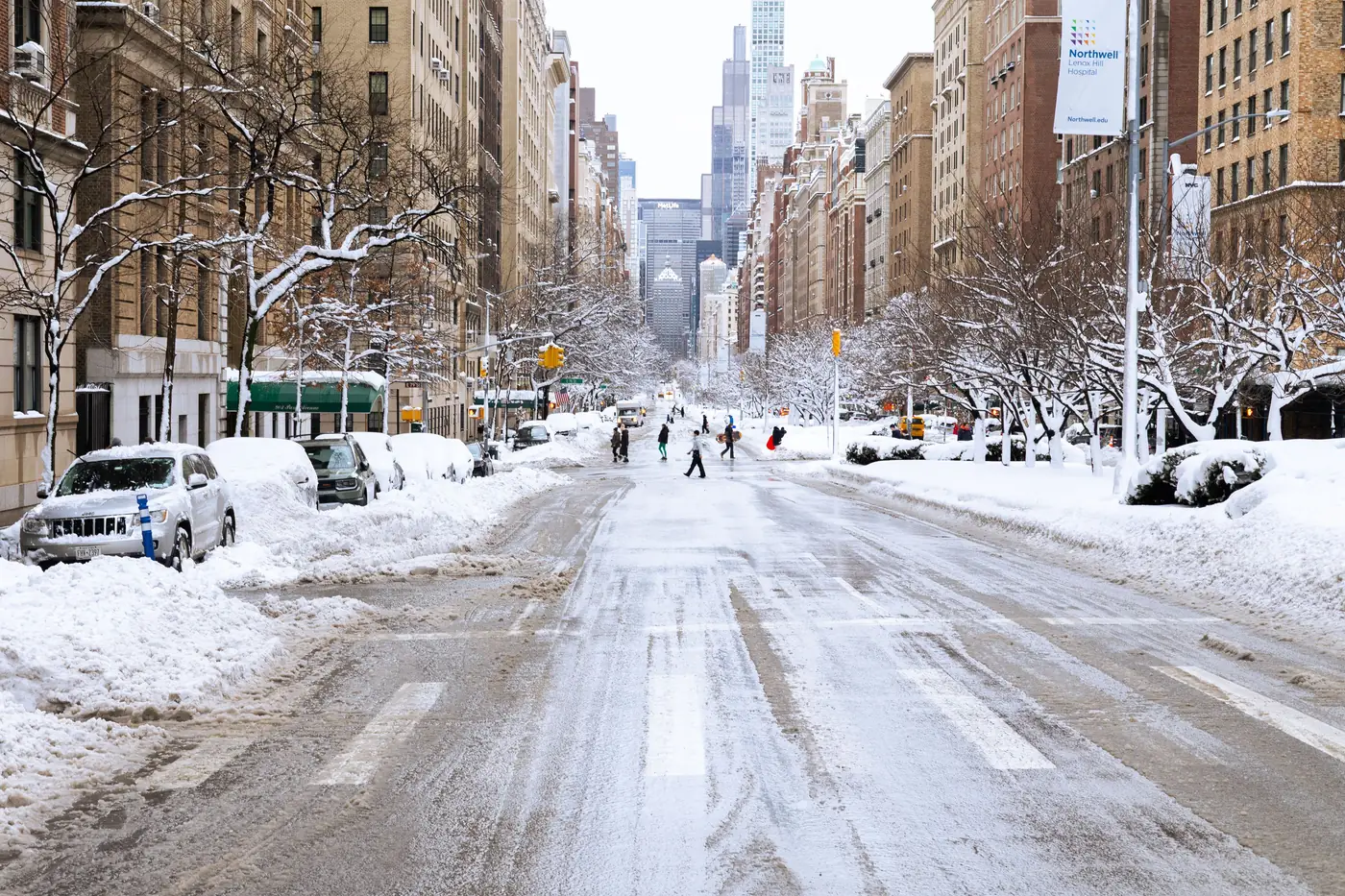
New York in winter is the city with its collar turned up. The sidewalks get a little quieter, the museums feel like they were built for cold afternoons, and a snowy morning in Central Park looks like the whole island hit pause.
It gets cold, but it doesn’t shut down. These are the classic things to do in New York City in winter, from skating and sledding to jazz clubs, bathhouses and a pastrami sandwich worth the line, plus the events that only happen this time of year.
1. Lace Up Your Skates In Central Park
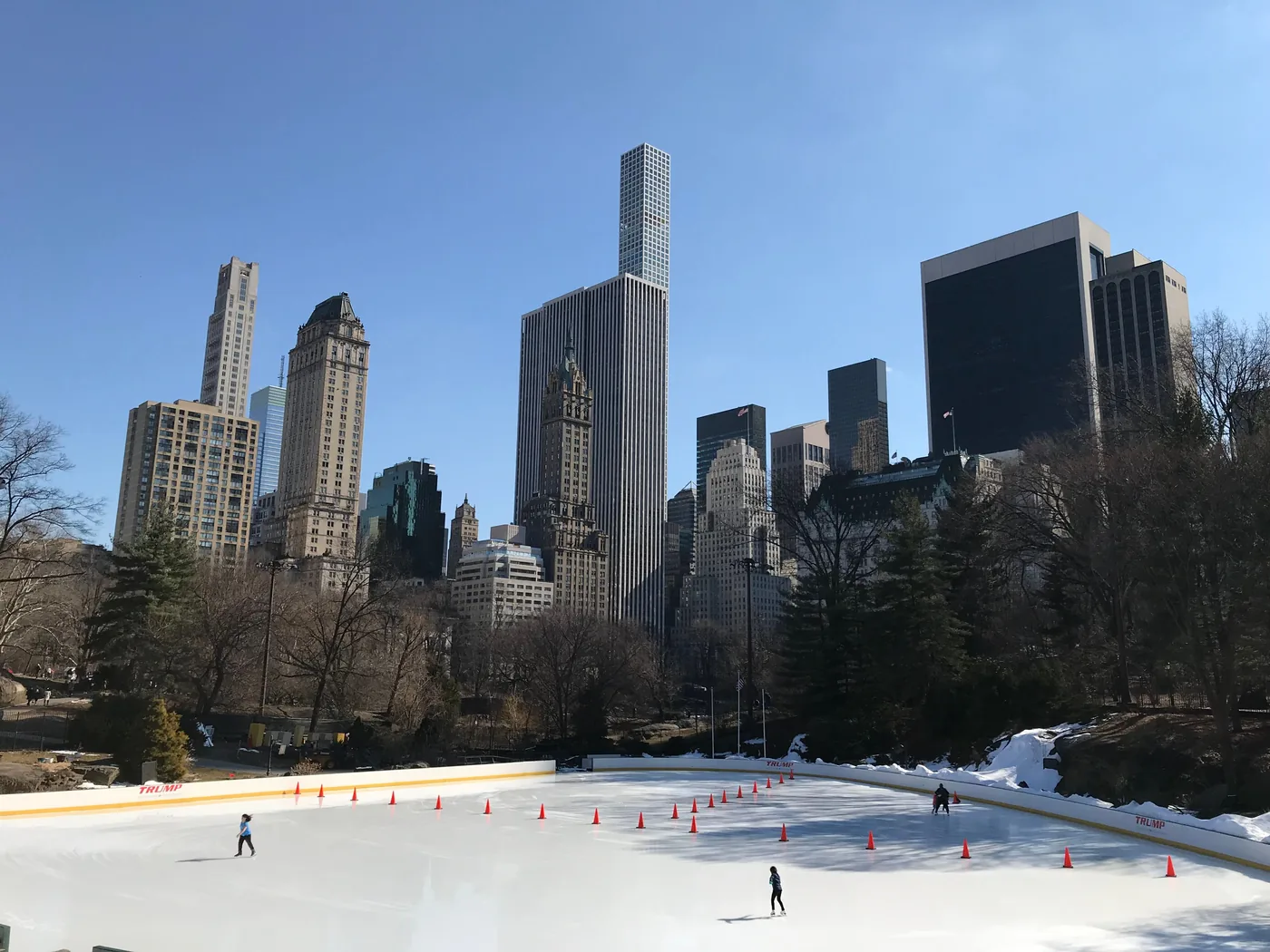
Central Park has two rinks, and both are worth the cold toes. Wollman Rink sits at the south end with the Midtown skyline stacked up behind it, which makes it the one you’ve seen in movies.
Up at the north end, the rink at the Davis Center on Harlem Meer is a pool in summer and a skating rink in winter. It’s a good pick if you’re staying uptown or want to pair a skate with a walk around the quieter top half of the park.
Both run from late fall into March. Weekday mornings are usually calmer than weekend afternoons, when the lines for skate rentals get long.
2. Try Curling At The LeFrak Center In Prospect Park
Brooklyn’s big winter rink is the LeFrak Center at Lakeside, on the edge of Prospect Park Lake. It has two rinks, one open to the sky and one under a roof, so a bit of sleet doesn’t have to end the day.
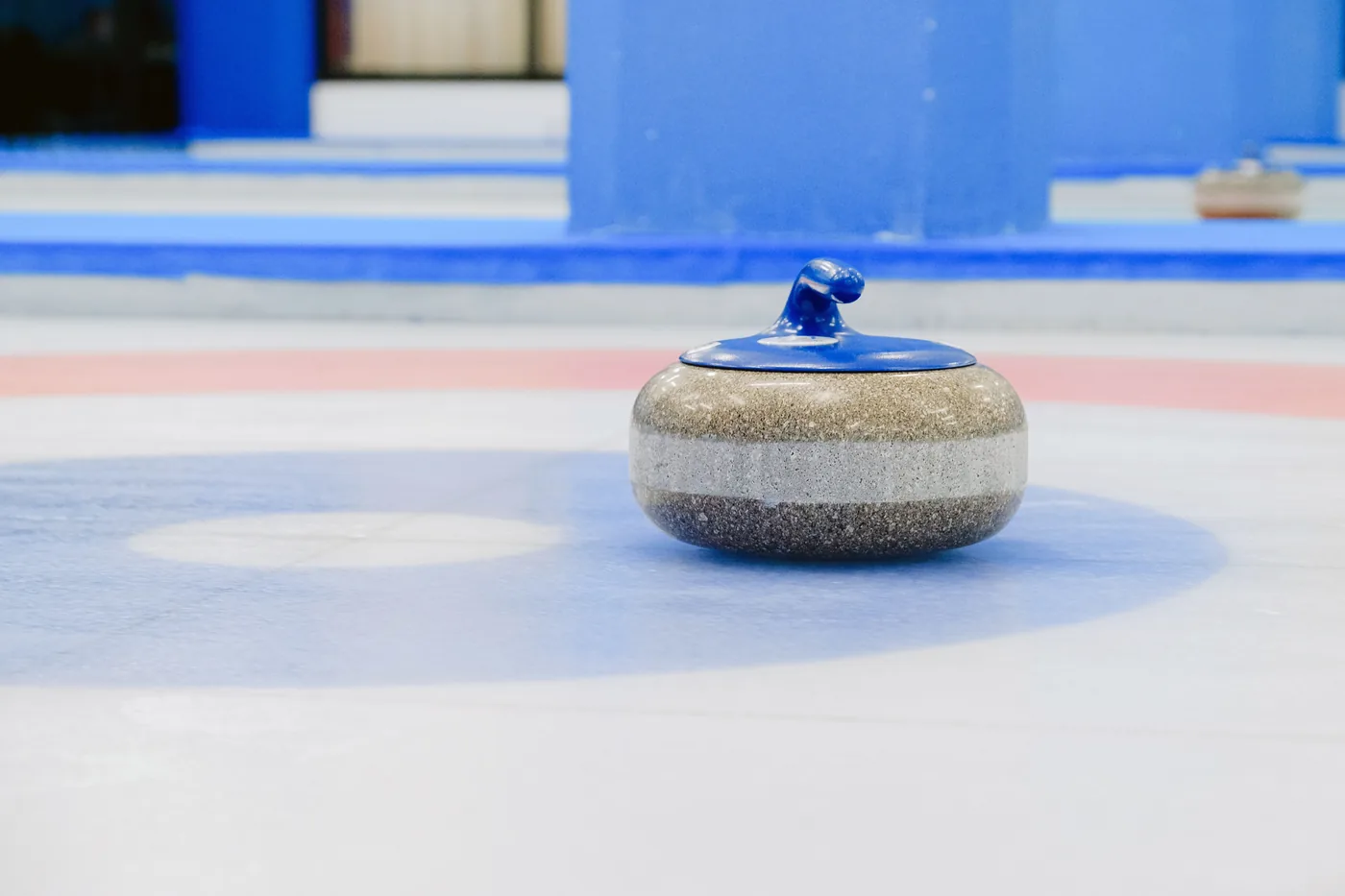
The fun twist here is curling. The center runs it on the ice alongside regular public skating, and sliding a granite stone toward a target is the kind of thing you’ll talk about long after another lap around a rink.
The season usually runs from November into March. Check the schedule before you go, since curling sessions and skating hours change through the winter.
3. Sled Down Pilgrim Hill After A Snowfall
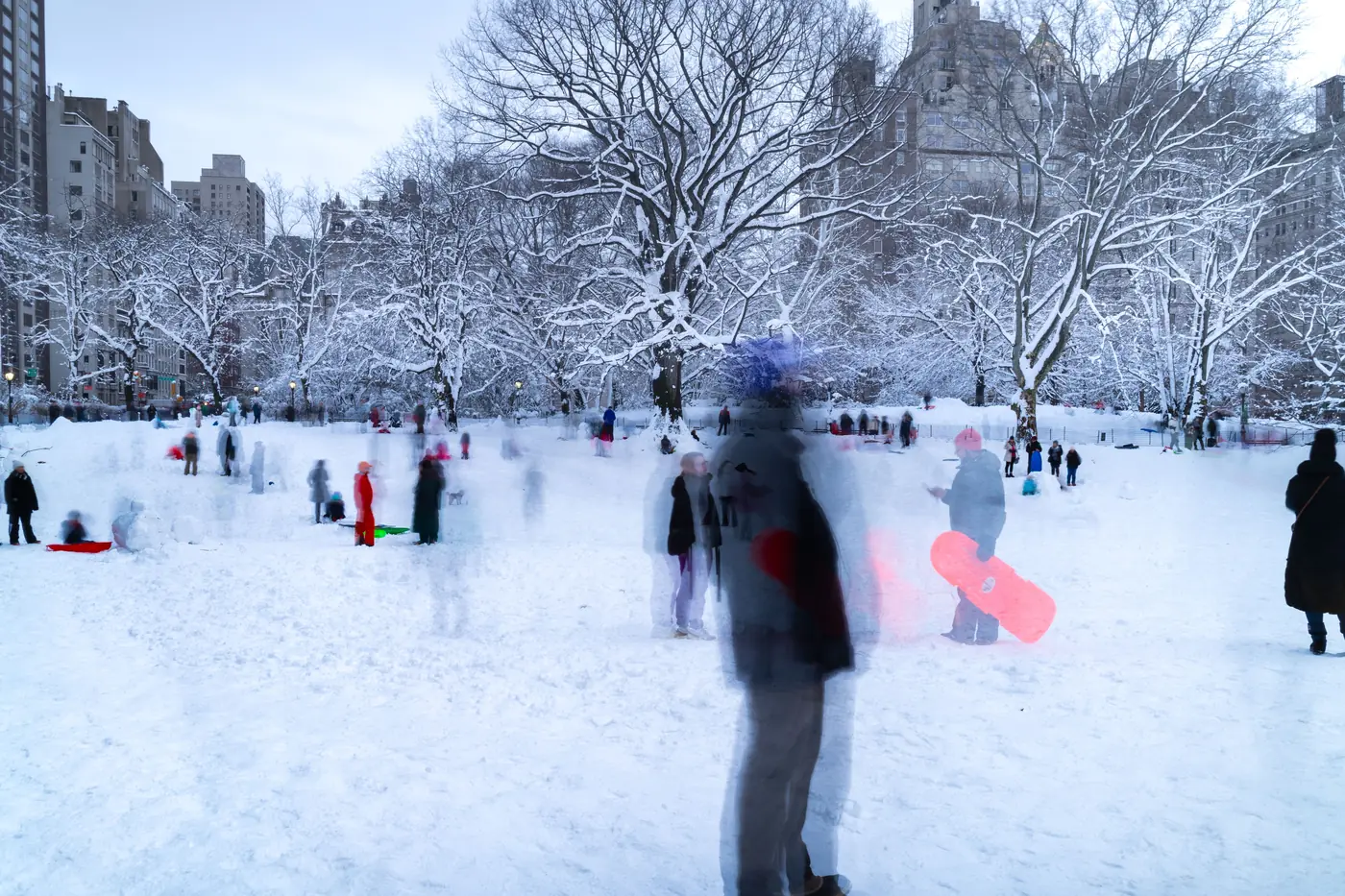
When real snow hits the city, Pilgrim Hill in Central Park fills up with sleds within hours. It’s on the East Side near 72nd Street, just above the model boat pond, and it’s named for the Pilgrim statue standing at the top.
If it’s packed, Cedar Hill a few blocks north is the usual backup. Any sled works, and so does a cheap plastic saucer or a flattened box if you’re traveling light.
Treat this one as a bonus rather than a plan. The city averages around 30 inches of snow a winter, mostly in January and February, but some years barely get any.
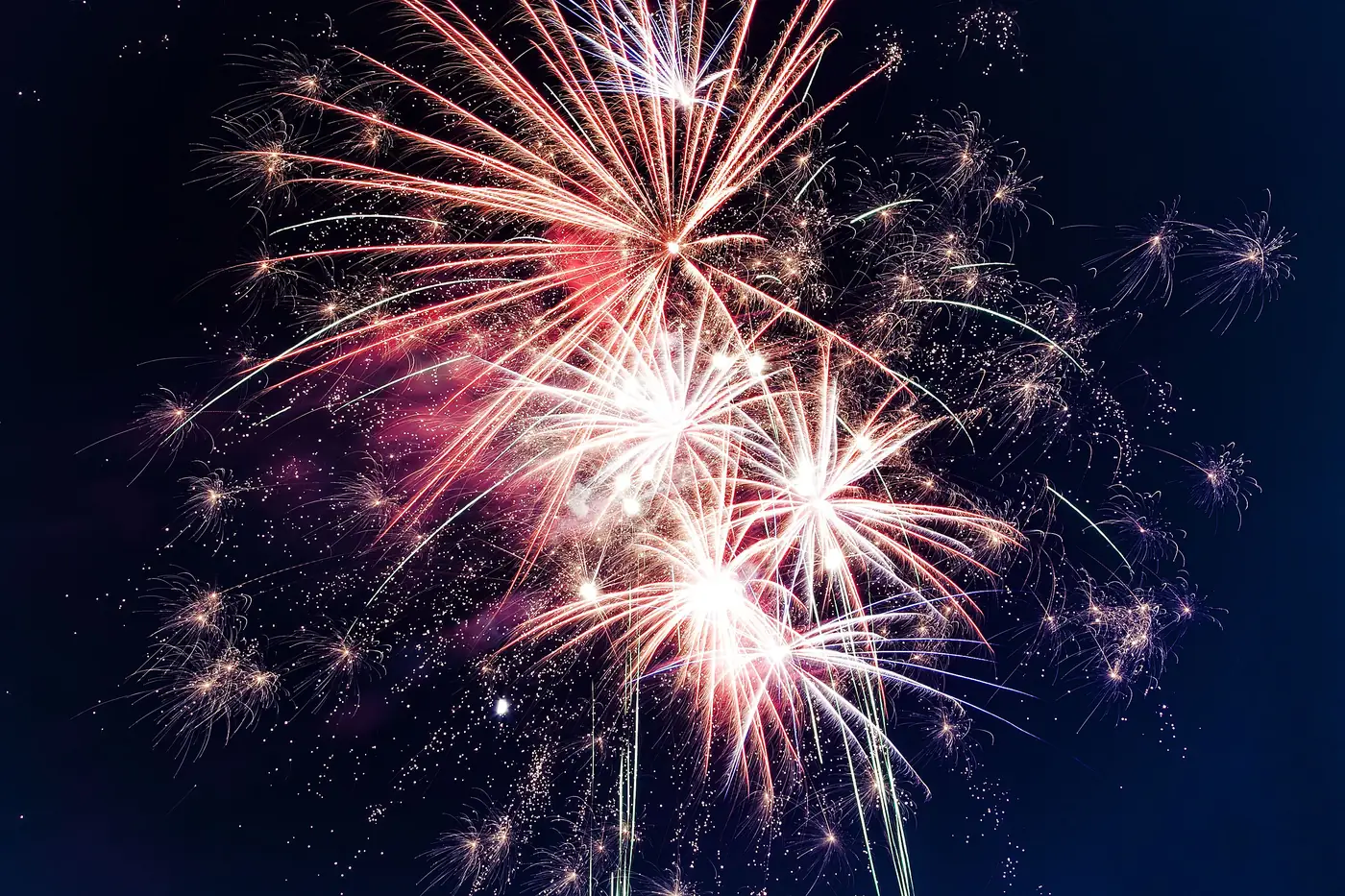
4. Ring In The New Year With The Prospect Park Fireworks
Times Square gets the cameras, but it also means hours standing in a crowded pen. The better New Year’s Eve for most people is the free fireworks show at Grand Army Plaza in Prospect Park, which Brooklyn has been throwing for decades.
There’s live music from about 10 at night, and the fireworks go up at midnight. It’s a neighborhood crowd, it’s easy to reach by subway, and you can actually see the sky.
If you’d rather move, the Midnight Run in Central Park starts right at midnight with its own fireworks. It’s a four mile race, so you can welcome the new year already halfway to a resolution.
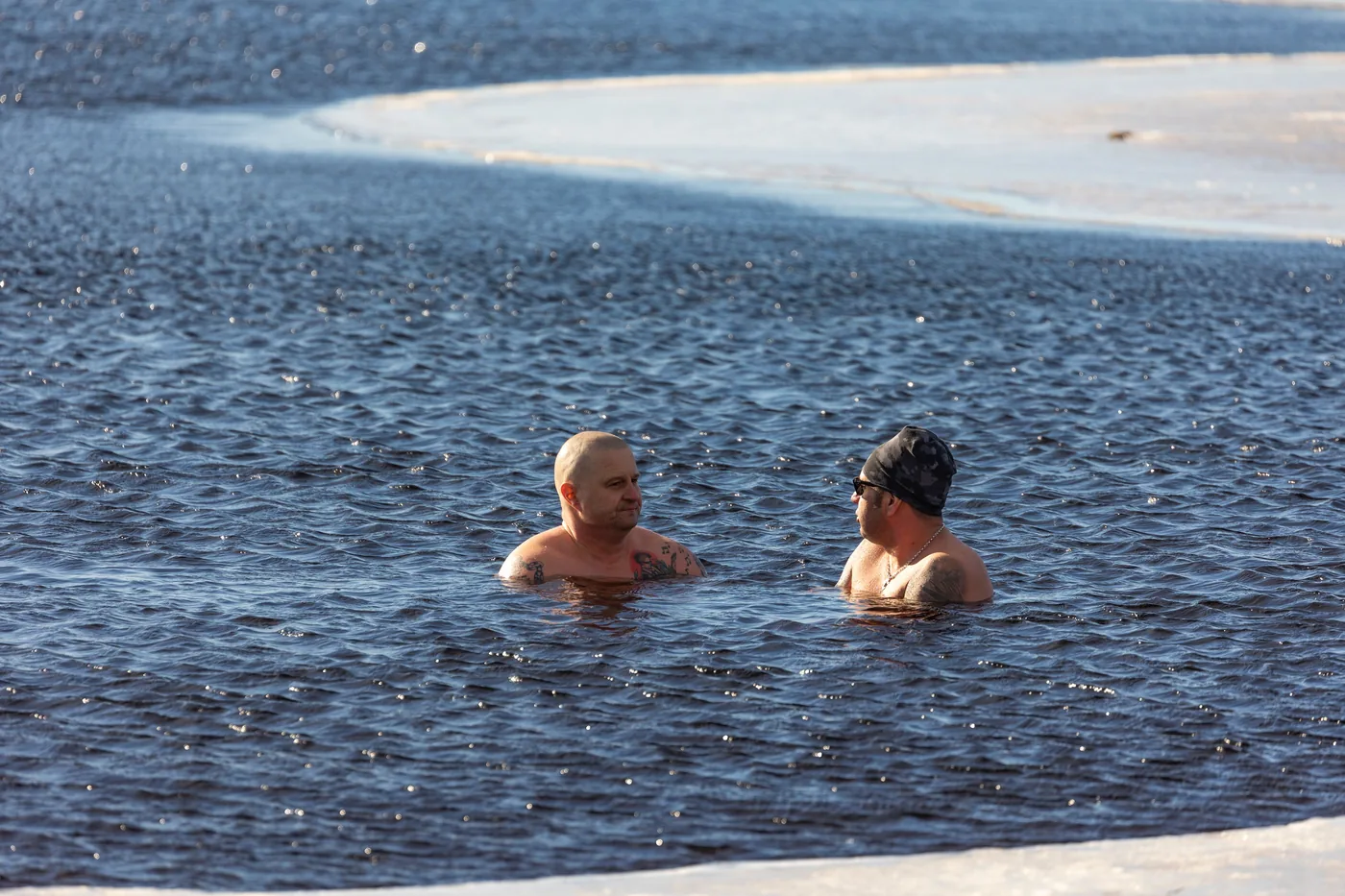
5. Brave The Polar Bear Plunge At Coney Island
Every New Year’s Day, thousands of people run into the Atlantic at Coney Island around one in the afternoon. The Coney Island Polar Bear Club has been swimming there through the winter since 1903, and it’s the oldest winter bathing club in the country.
The plunge raises money for local Coney Island groups, so all that screaming goes to a good cause. Check the club’s site ahead of time if you want to take part rather than just watch.
Watching from the boardwalk with a hot drink counts too. The empty rides and the gray winter ocean make Coney Island feel like a completely different place than it does in July.
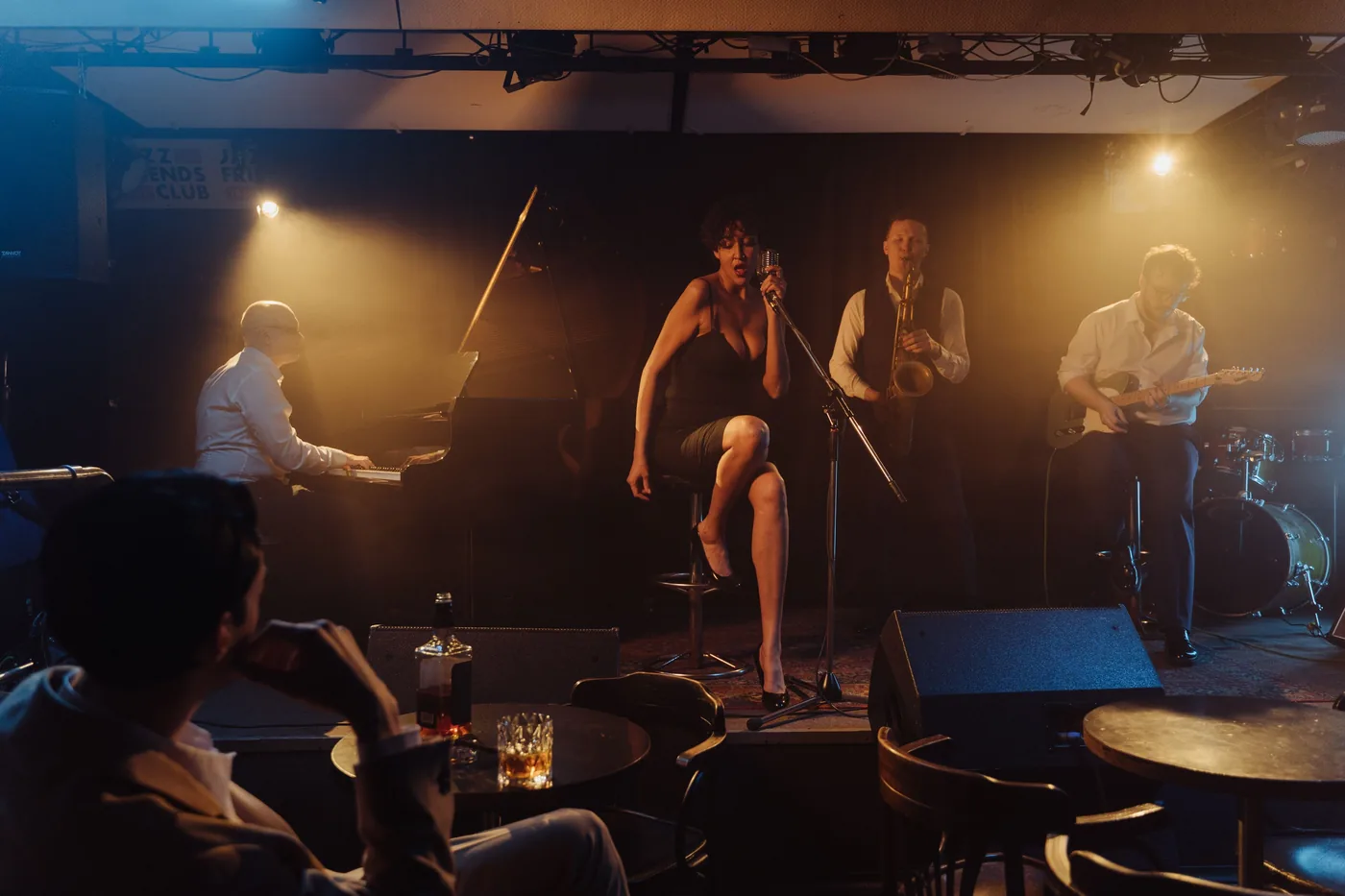
6. Hop Between Clubs During Winter Jazzfest
Winter Jazzfest takes over the city for about a week in early to mid January. It started in 2005 as a one day show and grew into a week long festival.
The best part is the weekend marathon. One pass gets you into around a dozen venues across Greenwich Village and Brooklyn, and you wander from club to club all night, catching a set here and half a set there.
Buy passes early, since the marathon nights can sell out. Wear layers you can pull off, because every room is packed and warm even when it’s freezing outside.
7. Book A Table During NYC Restaurant Week
NYC Restaurant Week is a bit of a misnomer. The winter edition usually runs from late January to mid February, which is closer to a month than a week.
Hundreds of restaurants across all five boroughs serve a fixed price menu, a two course lunch or a three course dinner at one of three price levels. It’s the easiest way to try a place that’s normally out of reach, when it’s too cold to do much else but eat anyway.
Drinks, tax and tip aren’t included, so budget for them. The best known restaurants fill up fast once the list goes live, so book as soon as you see it.
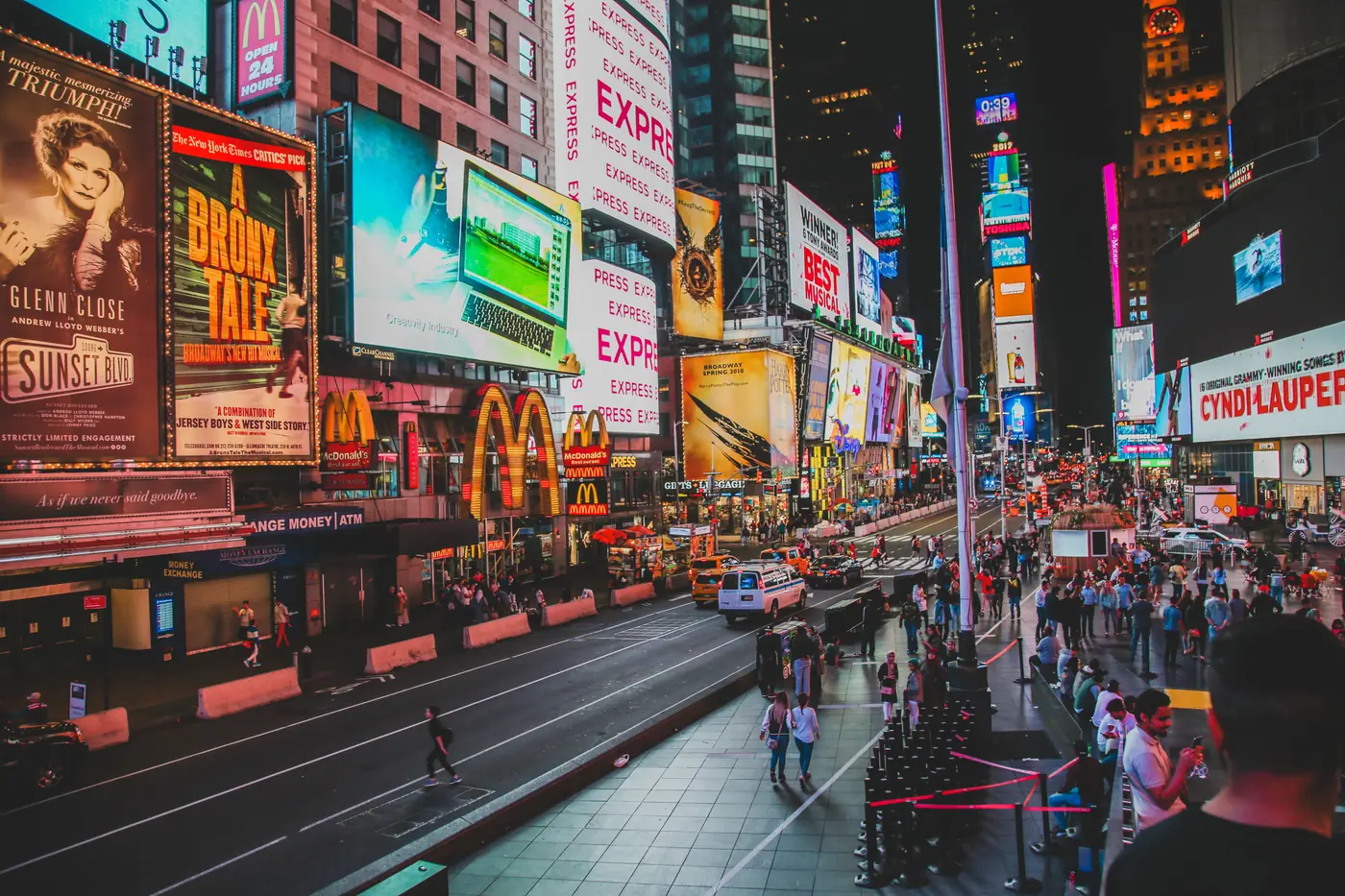
8. Get Two For One Seats During NYC Broadway Week
Broadway Week runs at the same time as Restaurant Week, from late January into mid February. Participating shows sell two tickets for the price of one, and the list often includes some of the biggest hits on Broadway.
Winter is already a good time to see a show, since there’s nothing better on a cold night than a warm theater. This just makes it a lot cheaper.
The two for one seats go quickly for the popular shows, so book early. There’s a matching Off Broadway Week too, which is a good way to see something smaller and stranger.
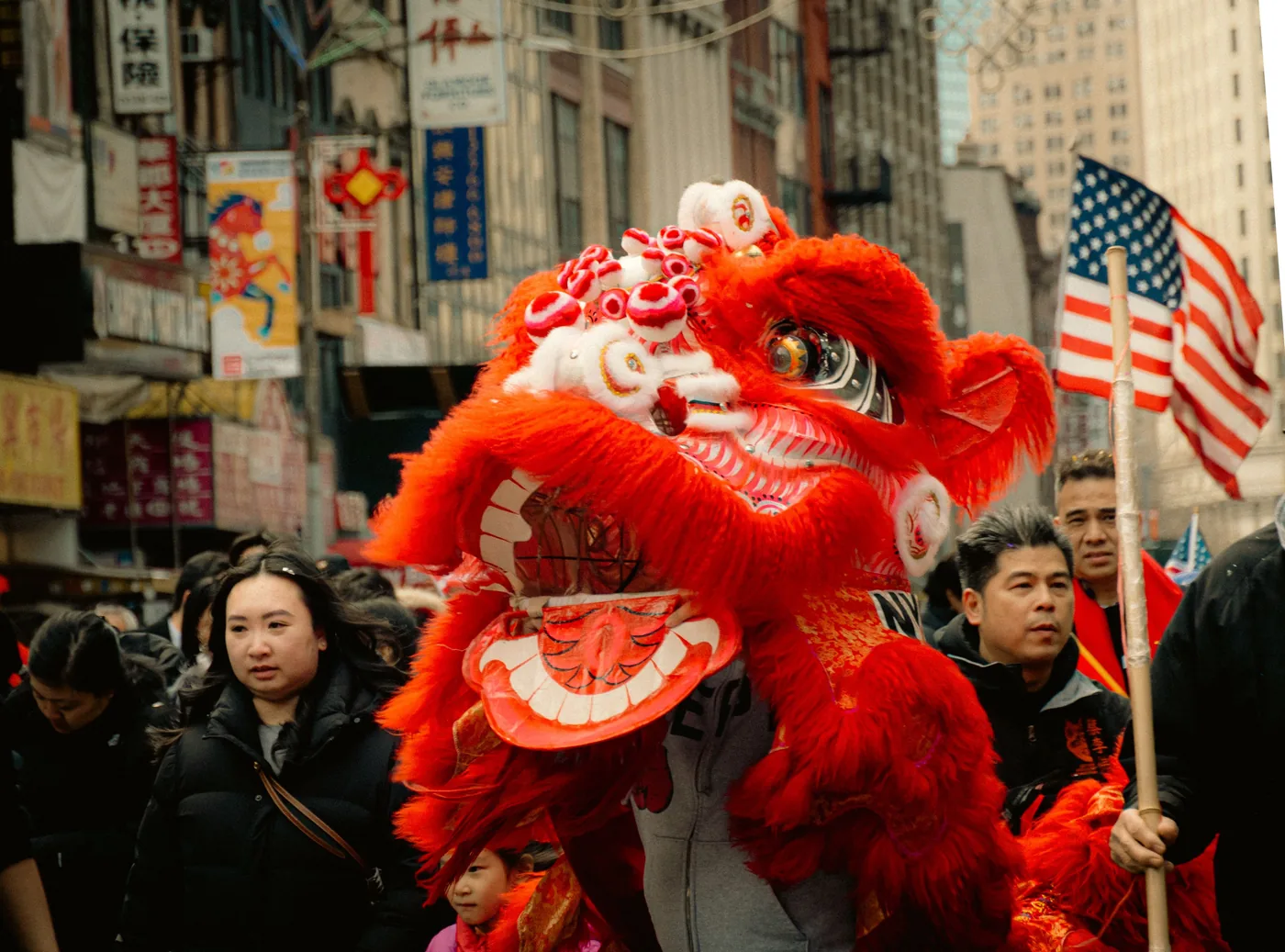
9. Watch The Firecracker Ceremony In Chinatown For Lunar New Year
On the first day of Lunar New Year, Manhattan’s Chinatown sets off thousands of firecrackers in Sara D. Roosevelt Park. The noise is meant to scare off Nian, a mythical beast, and the lion dancers weaving through the crowd make it one of the loudest, happiest mornings of the winter.
The ceremony runs from late morning into the afternoon near Grand and Chrystie Streets. The big Lunar New Year parade follows on a Sunday about two weeks later.
The date moves with the lunar calendar, so it lands somewhere between late January and mid February. Stay after the smoke clears and eat your way down Mott Street.
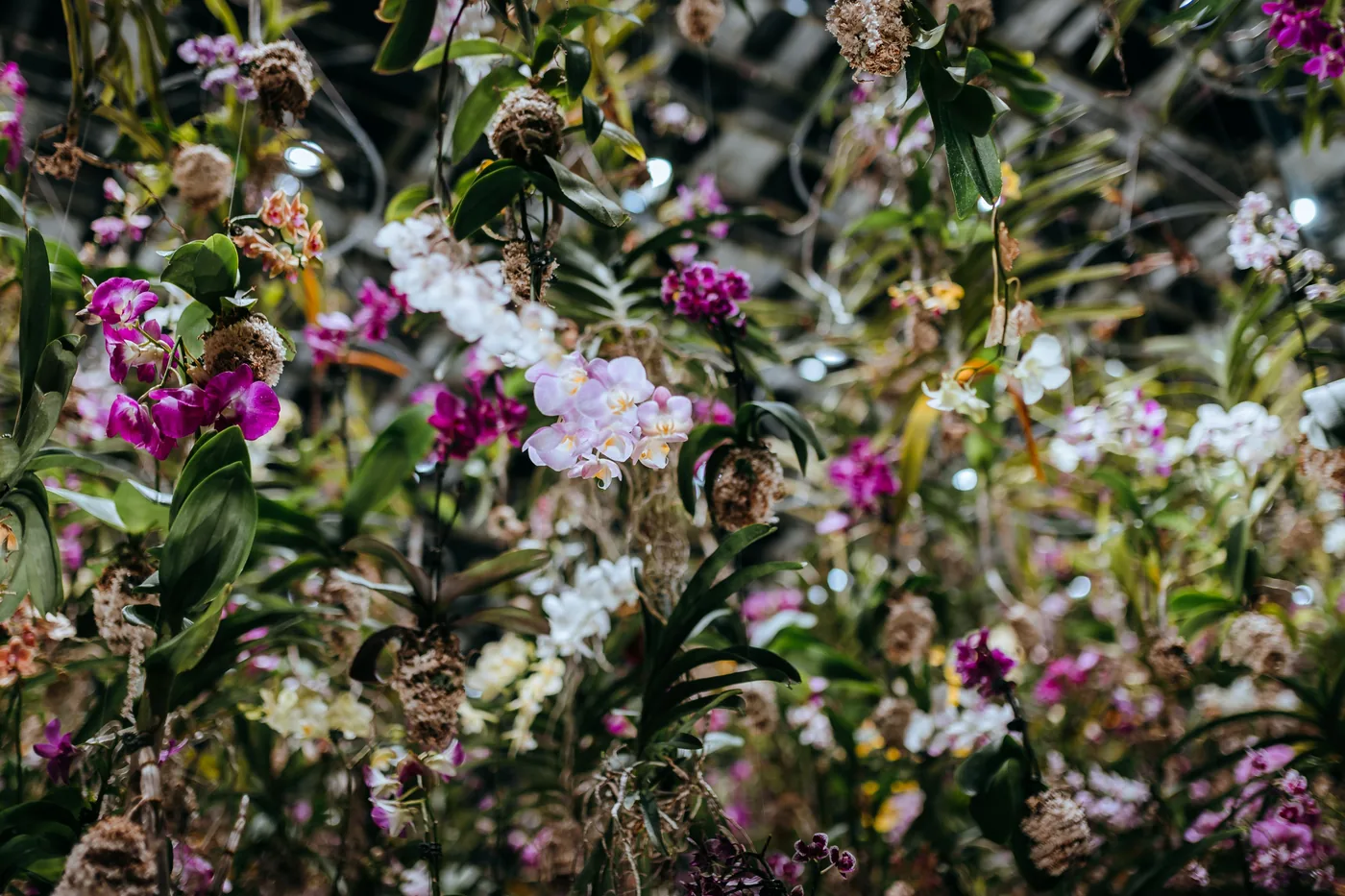
10. Step Into The Orchid Show At The New York Botanical Garden
The Orchid Show fills the glass Enid A. Haupt Conservatory in the Bronx from February through April. A different designer takes it over every year, so the displays never look the same twice.
Walking out of a gray February day into a warm glasshouse full of flowers is one of the best tricks New York in winter has. It’s the closest thing to spring you’ll find until April.
The garden is a short Metro-North ride from Grand Central. Later in the season, adults only Orchid Nights add evening hours with music and drinks.
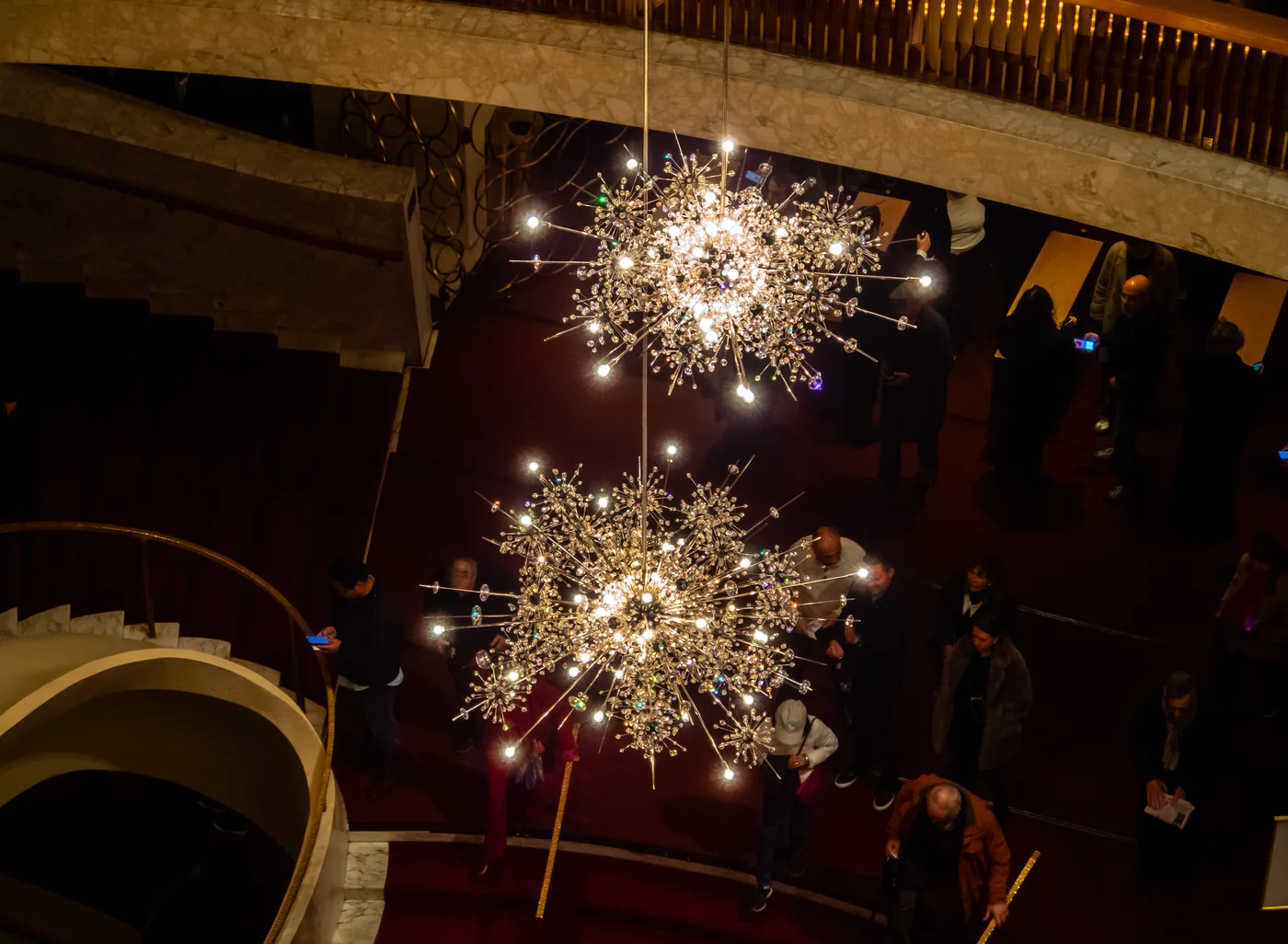
11. See A Performance At The Metropolitan Opera
The Met Opera’s season runs from late September into June, so winter is the heart of it. The opera house at Lincoln Center is one of the most dramatic rooms in the city, with red velvet, gold and those starburst chandeliers.
Watch the chandeliers inside the hall as the lights go down. They rise slowly up to the ceiling right before the curtain, and it gets the whole room quiet.
Tickets don’t have to be expensive. The Met runs a rush ticket program with cheap seats through a lottery in its app, plus a small batch sold on the day of some performances.
12. Spend An Afternoon At The Temple Of Dendur At The Met
The Temple of Dendur was built in Egypt around 15 BC. Egypt gave it to the United States in 1965 as thanks for help saving monuments from the Aswan High Dam, and it has stood inside the Metropolitan Museum of Art since 1978.
It sits in a huge room with a slanted glass wall looking out on Central Park. On a snowy day, sitting by that window with a two thousand year old temple behind you is hard to beat.
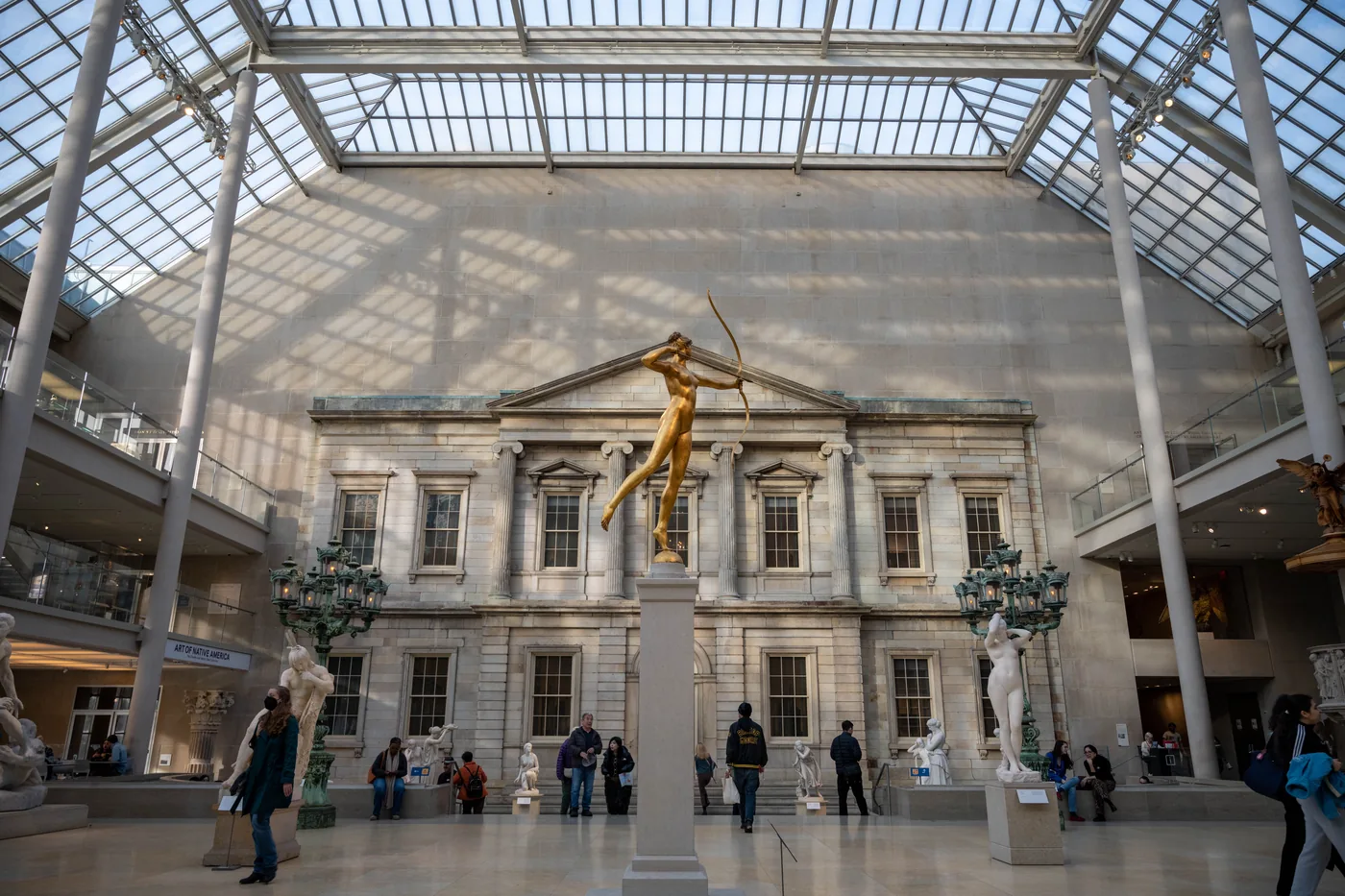
Next door, the glass roofed American Wing courtyard is another bright spot on a gray afternoon. Pay what you wish admission only applies to New York State residents and some local students. Everyone else pays the regular ticket price.
13. Stand Under The Blue Whale At The Natural History Museum
The 94 foot blue whale hanging in the Hall of Ocean Life has been the star of the American Museum of Natural History since 1969. Lying on the floor underneath it and looking up is a New York tradition for kids and adults.
The museum is big enough to fill a whole cold day. The dinosaur halls on the fourth floor are the other must, and the planetarium shows are a warm, dark place to rest your feet.
It’s right across Central Park from the Met. Do one in the morning and the other in the afternoon, with a walk through the snowy park in between.
14. Tour The Upstairs Rooms At The Frick Collection
The Frick Collection lives in Henry Clay Frick’s old mansion on Fifth Avenue, and it feels more like visiting a very rich family’s home than a museum. The paintings hang in the grand old rooms of the house, including Vermeers, Rembrandts and Holbeins.
After a long renovation, the second floor is open to visitors. These were the family’s private rooms, closed off for most of the museum’s history, and they’re full of art too.
The Frick is much smaller and calmer than the Met. The Garden Court, with its fountain and plants under a skylight, is the perfect place to sit on a freezing afternoon.
15. Browse J.P. Morgan’s Library At The Morgan
The Morgan Library and Museum on Madison Avenue was built around J.P. Morgan’s private library, finished in 1906. The East Room is the showstopper, with three stacked tiers of walnut and bronze bookcases climbing about 30 feet.
One of the Morgan’s three Gutenberg Bibles is always on view in that room. Standing next to one of the first books ever printed with movable type is a strange, quiet thrill.
It’s a manageable size for an hour or two, and it rarely feels crowded. Go in the late afternoon when the lamps make the old rooms glow.
16. Stay Late On A Friday Night At MoMA
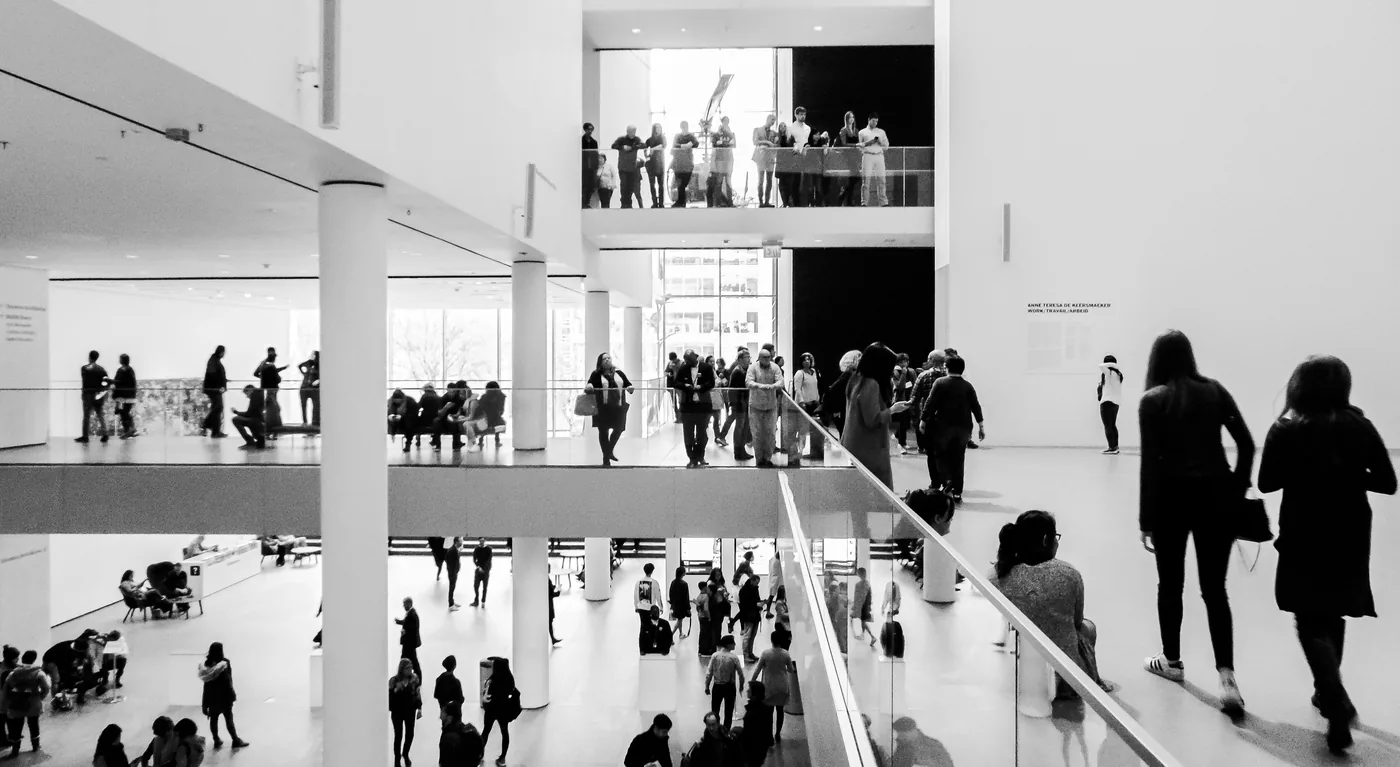
The Museum of Modern Art stays open late every Friday, from 5:30 to 8:30 in the evening. That turns a museum visit into a night out, which is useful when it’s dark by five.
The late hours are free for New York State residents who reserve ahead. Visitors from anywhere else can still buy a regular ticket for those hours.
Head for the big names first. Van Gogh’s The Starry Night and Monet’s Water Lilies are both here, and the crowds around them thin out as the evening goes on.
17. Step Inside A Tenement At The Tenement Museum
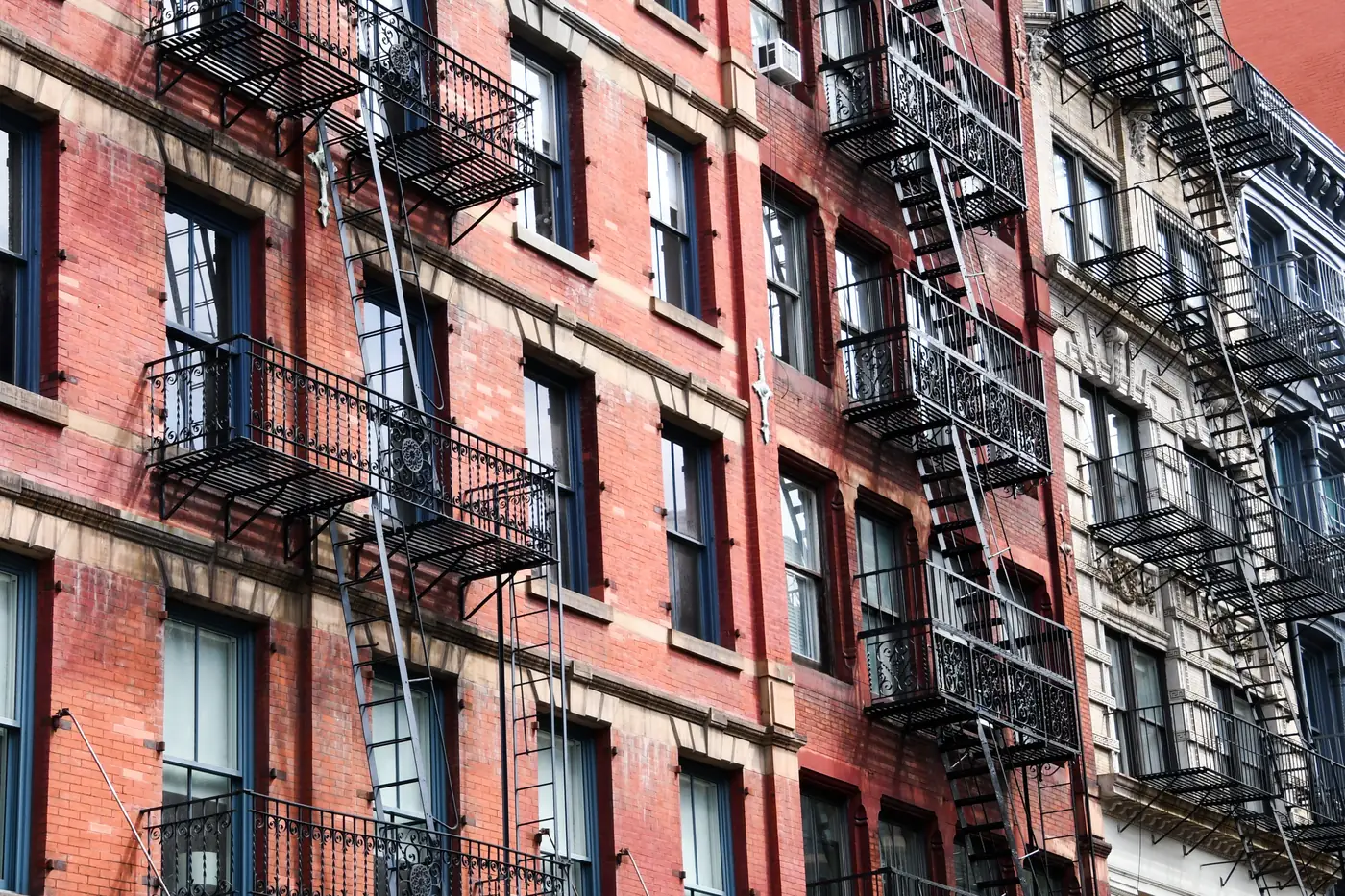
The building at 97 Orchard Street went up in 1863, and around 7,000 people from more than 20 countries lived in it before 1935. The Tenement Museum restores their tiny apartments and tells the stories of the families who lived there.
Every visit is a guided tour of 15 people or fewer, and the apartments are about 325 square feet for a whole family. It’s one of the most moving hours you can spend in the city, and it’s all indoors.
Tours can sell out, so book ahead. Katz’s Delicatessen is a few blocks away, which makes lunch an easy decision.
18. Catch A Clear Winter View From The Empire State Building
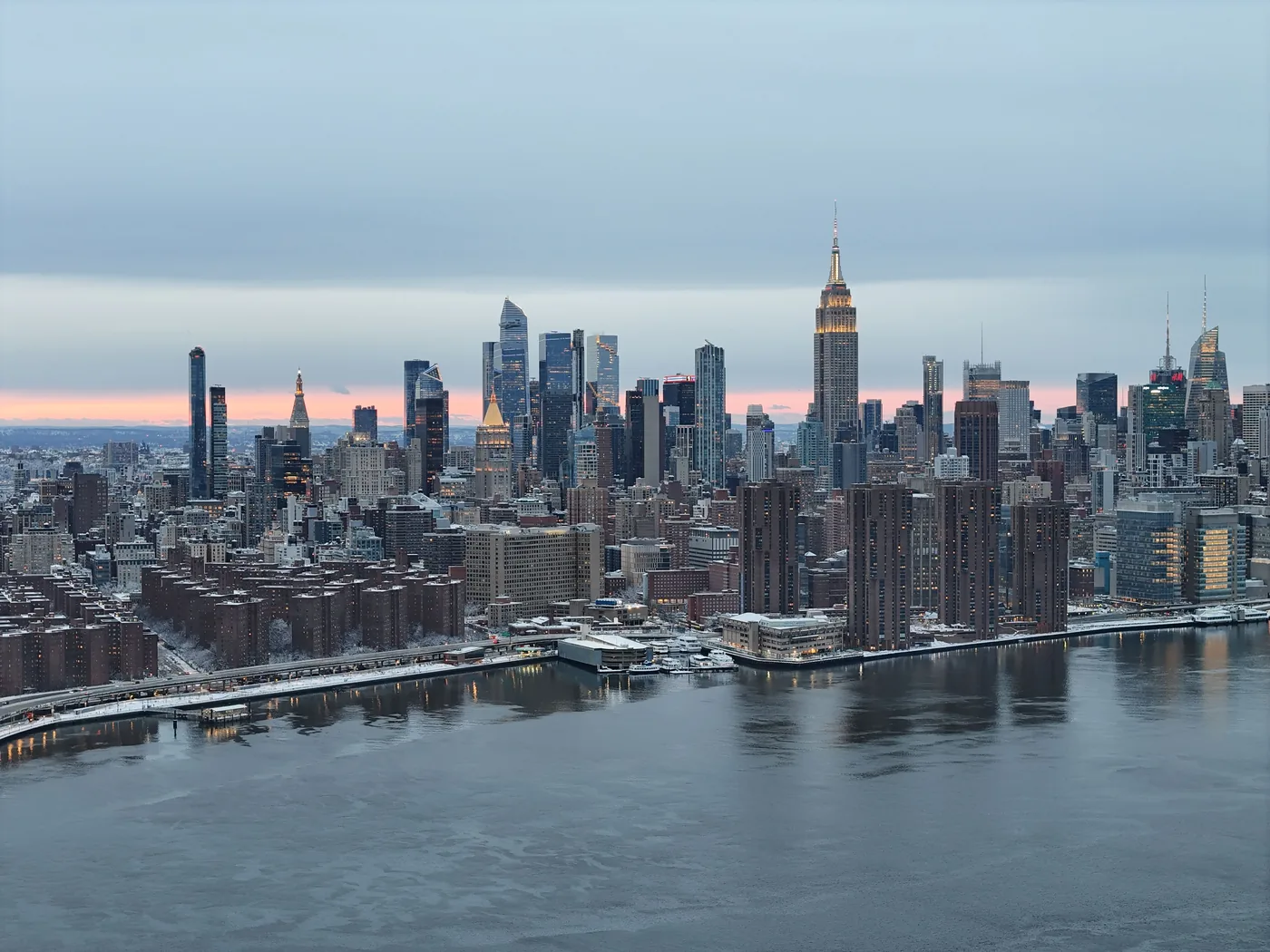
The Empire State Building is the classic New York view, and winter can be a great time to see it. Clear, cold days often bring the sharpest views, and the lines are usually shorter than in summer.
The 86th floor deck is open air, with heaters to take the edge off the wind. For a warmer look, the 102nd floor is fully enclosed in glass and it’s the highest point visitors can reach.
The observatories stay open until late at night, and the city lit up after an early winter sunset is worth waiting for. Book a timed ticket ahead of time.
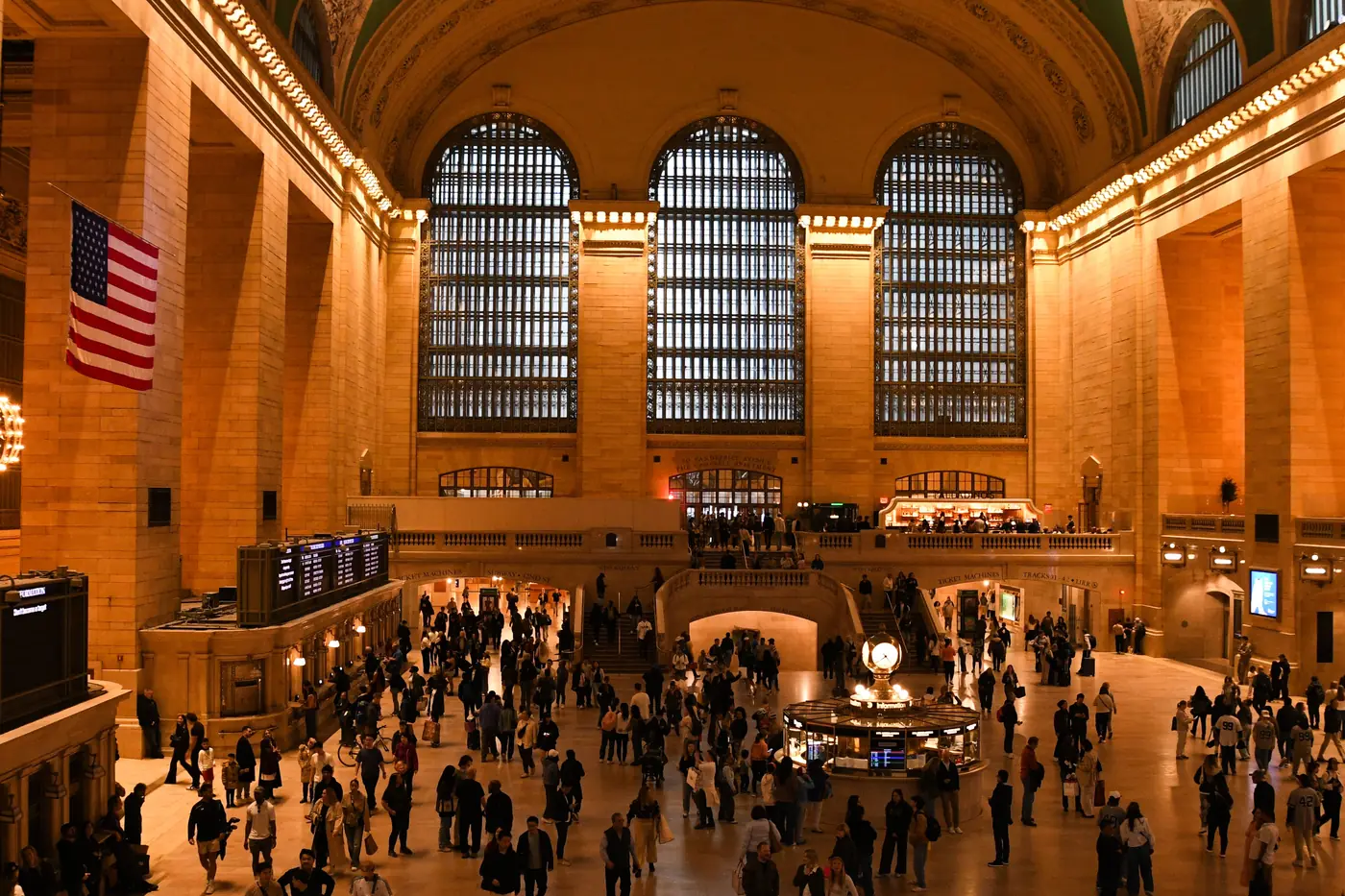
19. Whisper Across The Arches At Grand Central Terminal
Grand Central Terminal is a warm place to spend an hour even if you’re not catching a train. Stand in the main concourse and look up at the ceiling covered in gold constellations, then head downstairs.
Outside the Oyster Bar on the lower level, the low tiled arches form a whispering gallery. Stand in one corner, have a friend stand in the opposite one, face the wall and whisper. They’ll hear you like you’re standing right next to them.
The Oyster Bar has been serving since 1913. A seat at the counter with a bowl of something hot is a very old New York way to warm up.
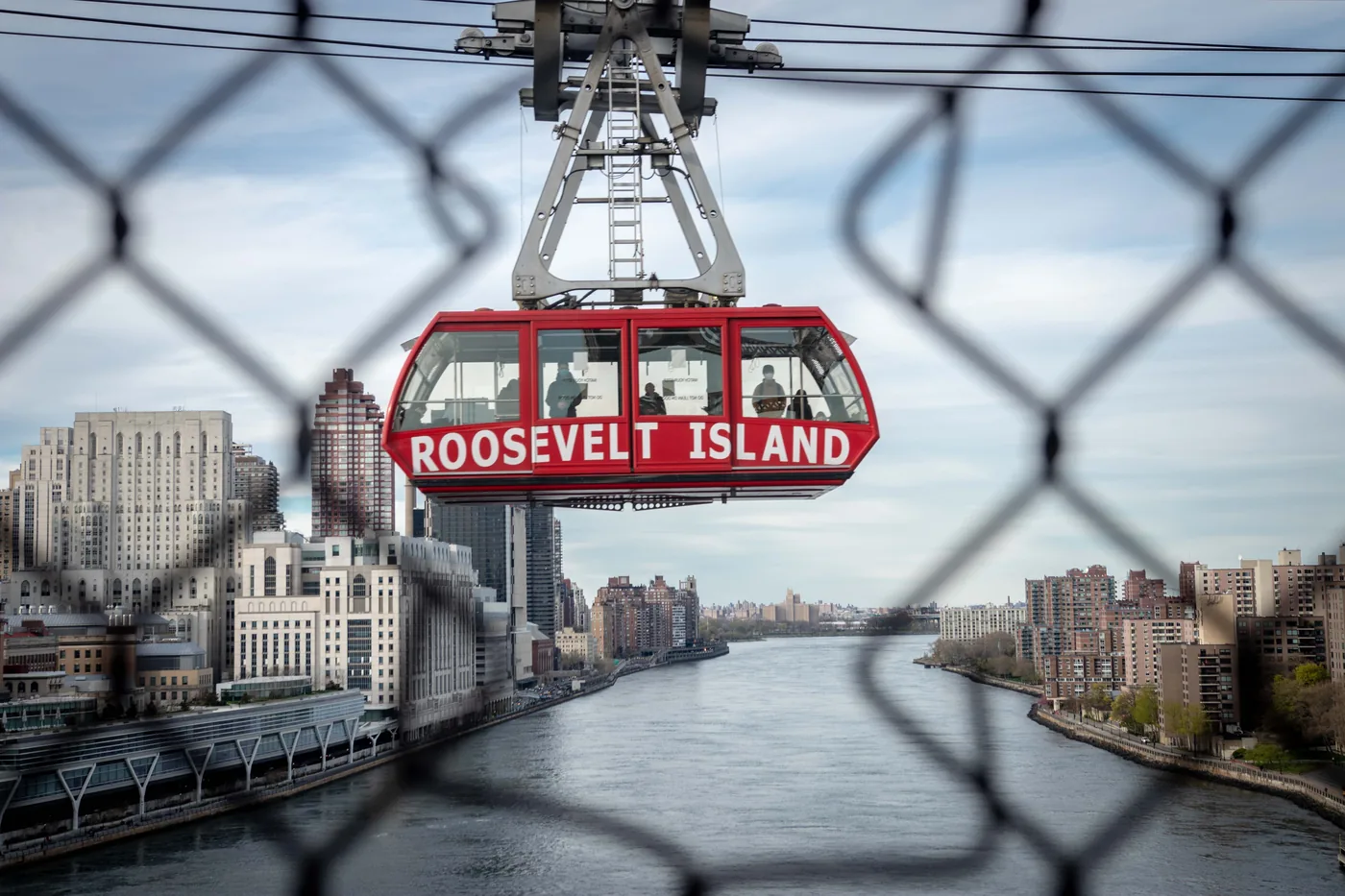
20. Ride The Roosevelt Island Tram Over The East River
The Roosevelt Island Tram opened in 1976 as the first commuter aerial tram in the country. The ride takes three or four minutes and climbs up to 250 feet above the East River, right beside the Queensboro Bridge.
It costs the same as a subway ride, and you can tap in with OMNY. The views of the Midtown skyline on the way over are some of the best cheap views in New York.
The Manhattan station is near 59th Street and Second Avenue. On the island, walk along the river for a look back at the skyline, then ride back when your hands get cold.
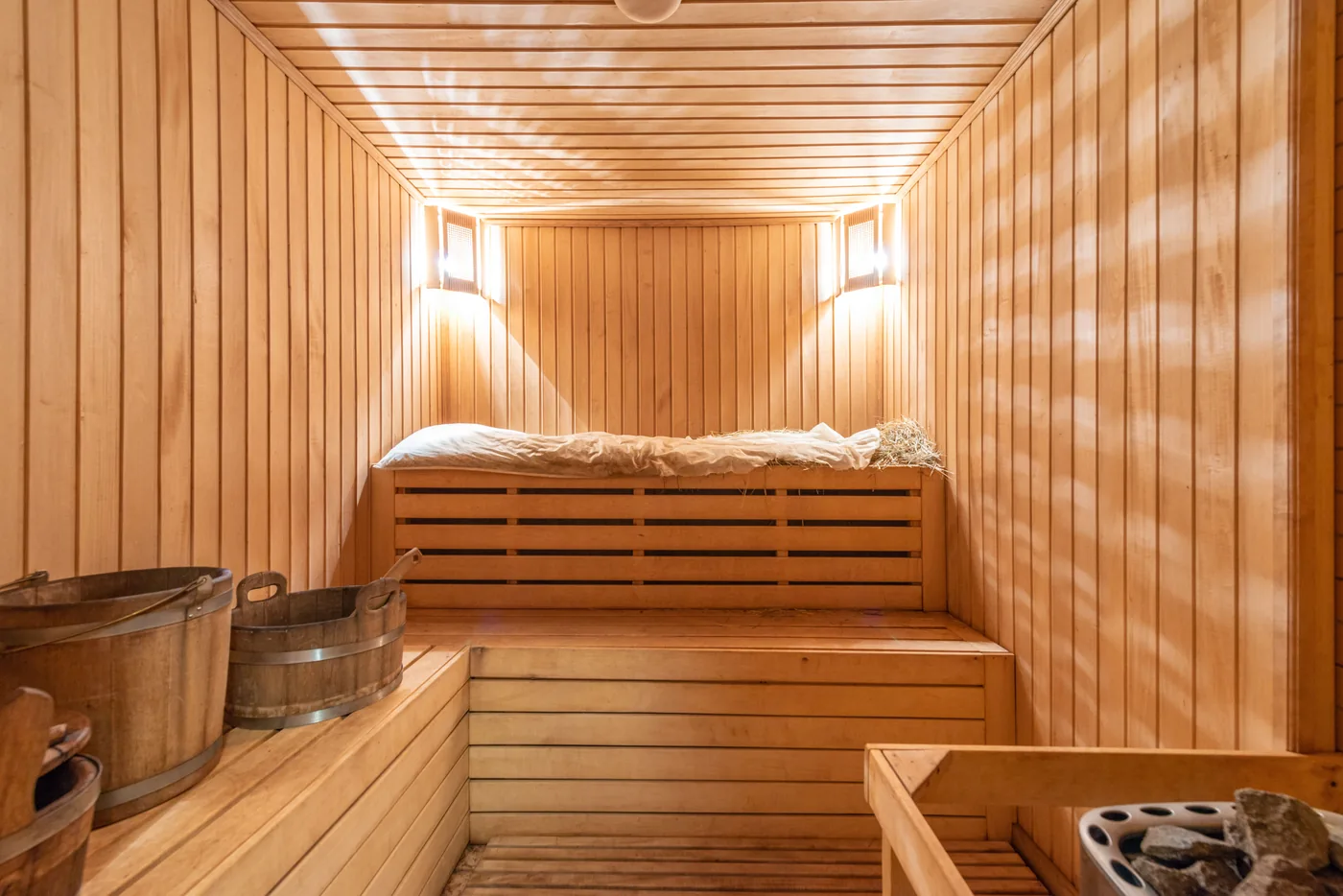
21. Sweat It Out At The Russian And Turkish Baths
The Russian and Turkish Baths have been warming up the East Village since 1892. Behind the door on East 10th Street, there’s a radiant heat Russian room, a Turkish steam room, saunas and an ice cold plunge pool.
This is old New York at its most honest. Nobody’s dressed up, the regulars have been coming for years, and the heat after a freezing walk feels incredible.
It’s walk in only and for adults 18 and over. Plan on a few hours, and alternate between the hot rooms and the cold pool the way the regulars do.
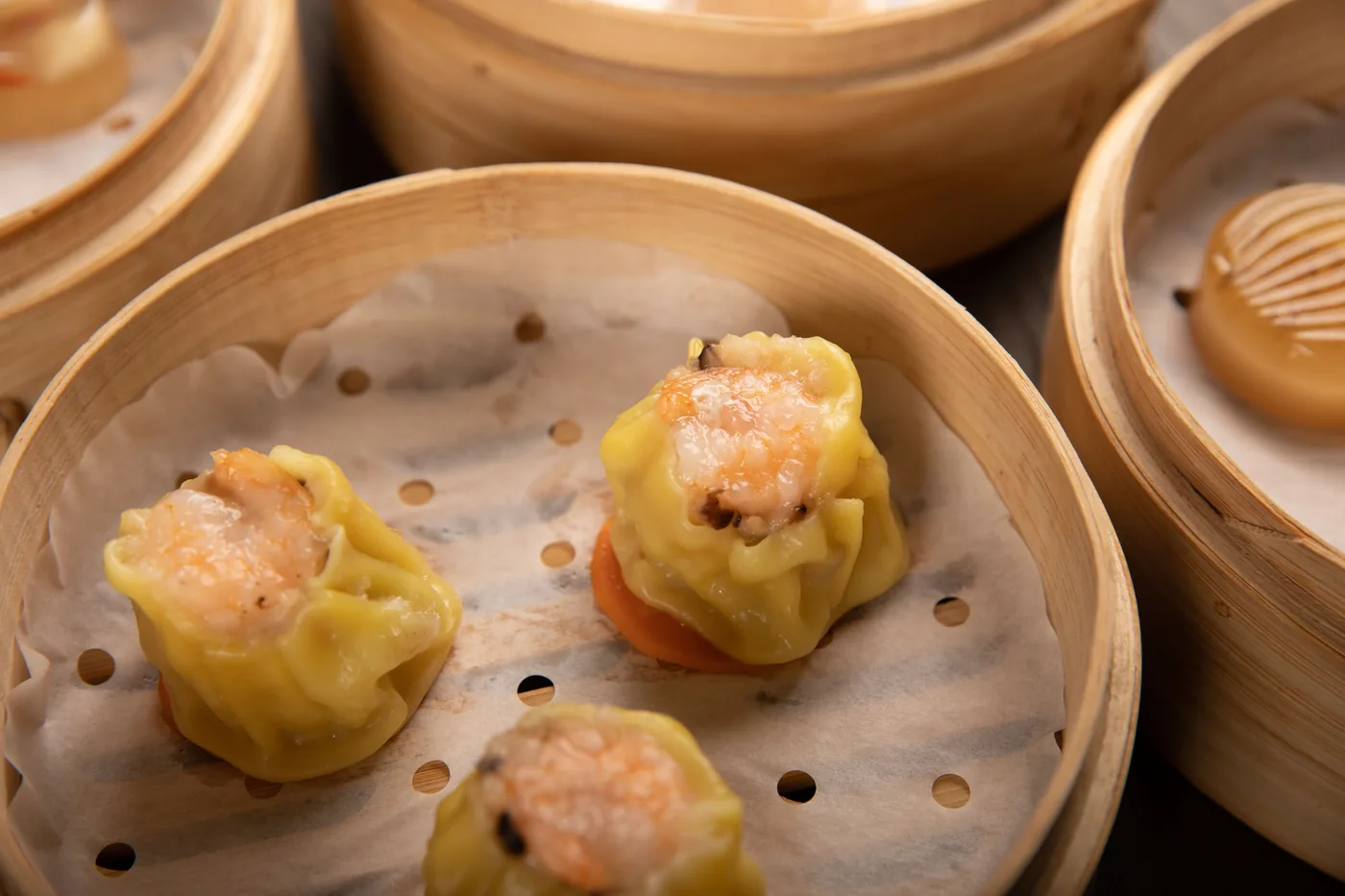
22. Eat Dim Sum At Nom Wah Tea Parlor
Nom Wah Tea Parlor opened in 1920 on Doyers Street, and it calls itself the first dim sum restaurant in New York. The narrow, curving street it sits on was once known as the Bloody Angle, back when Chinatown’s gangs fought here.
Today it’s a small vintage room serving plates of dumplings, buns and rice rolls. A steaming basket of shumai is exactly what a cold afternoon calls for.
There are other Nom Wah locations, but go to the original on Doyers Street. Expect a short wait at peak lunch hours.
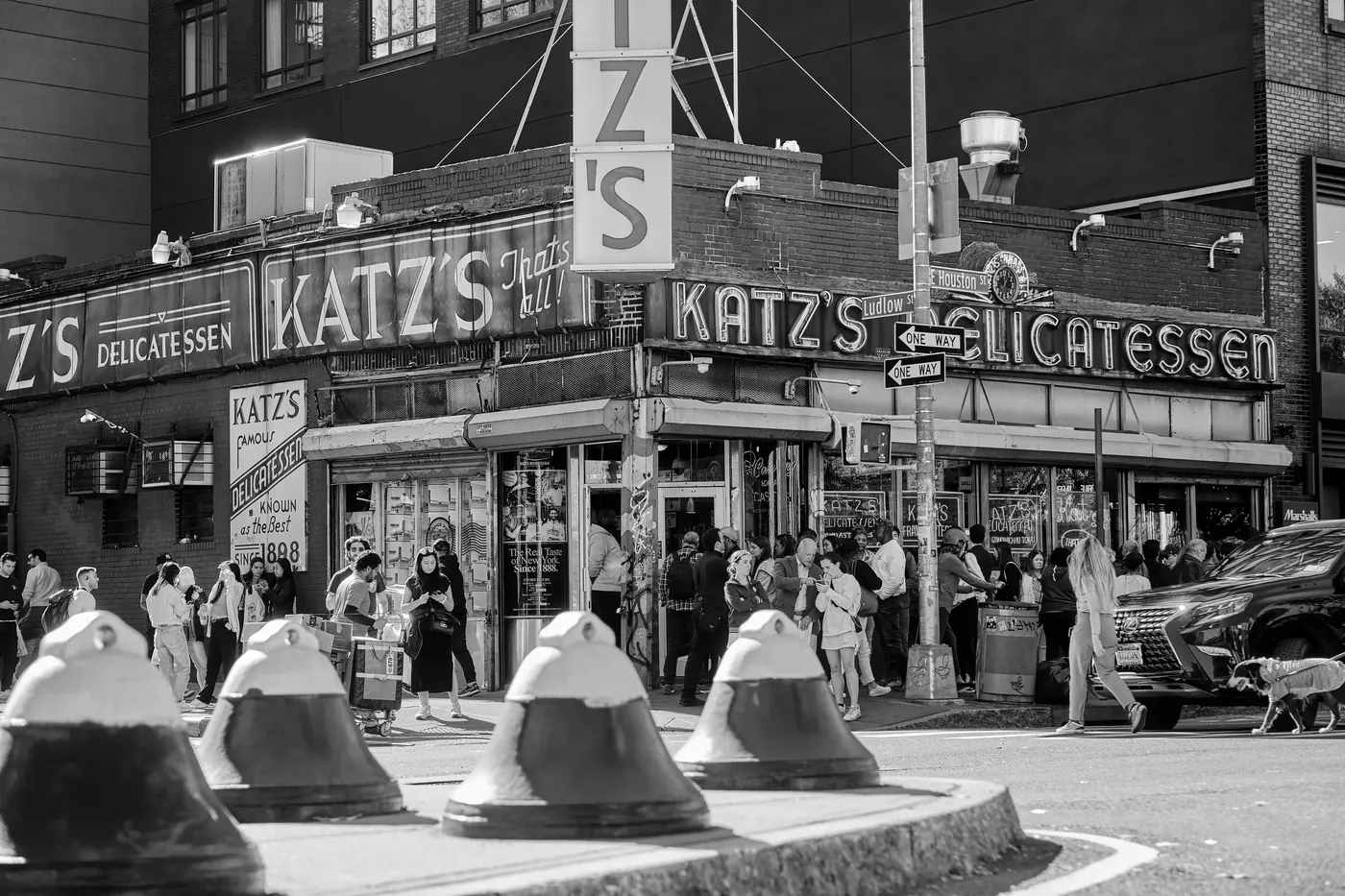
23. Order Pastrami On Rye At Katz’s Delicatessen
Katz’s Delicatessen on East Houston Street has been serving pastrami since 1888, by its own count. The sandwiches are piled high with hand carved meat, and the room hasn’t changed much in decades.
You get a ticket at the door, and you should not lose it. Order at the counter, tip the carver, and you’ll usually get a taste while your sandwich is being cut.
Look for the sign over the table where the famous scene in When Harry Met Sally was filmed. A hot pastrami on rye with a pickle is about as New York as a winter lunch gets.

24. Have A Drink Under The Murals At Bemelmans Bar
Bemelmans Bar in The Carlyle hotel has been open since 1947. The walls are covered in murals by Ludwig Bemelmans, the author of the Madeline books, showing Central Park through all four seasons with animals everywhere, including an elephant on ice skates.
The hotel says they’re the only commissioned murals he painted that you can still see in public. There’s live piano or jazz every night, with dim lights and cozy banquettes.
A cover charge starts in the evening and there’s a dress code, so come in the late afternoon for a quieter drink without the cover. It’s one of the coziest rooms in the city on a snowy night.
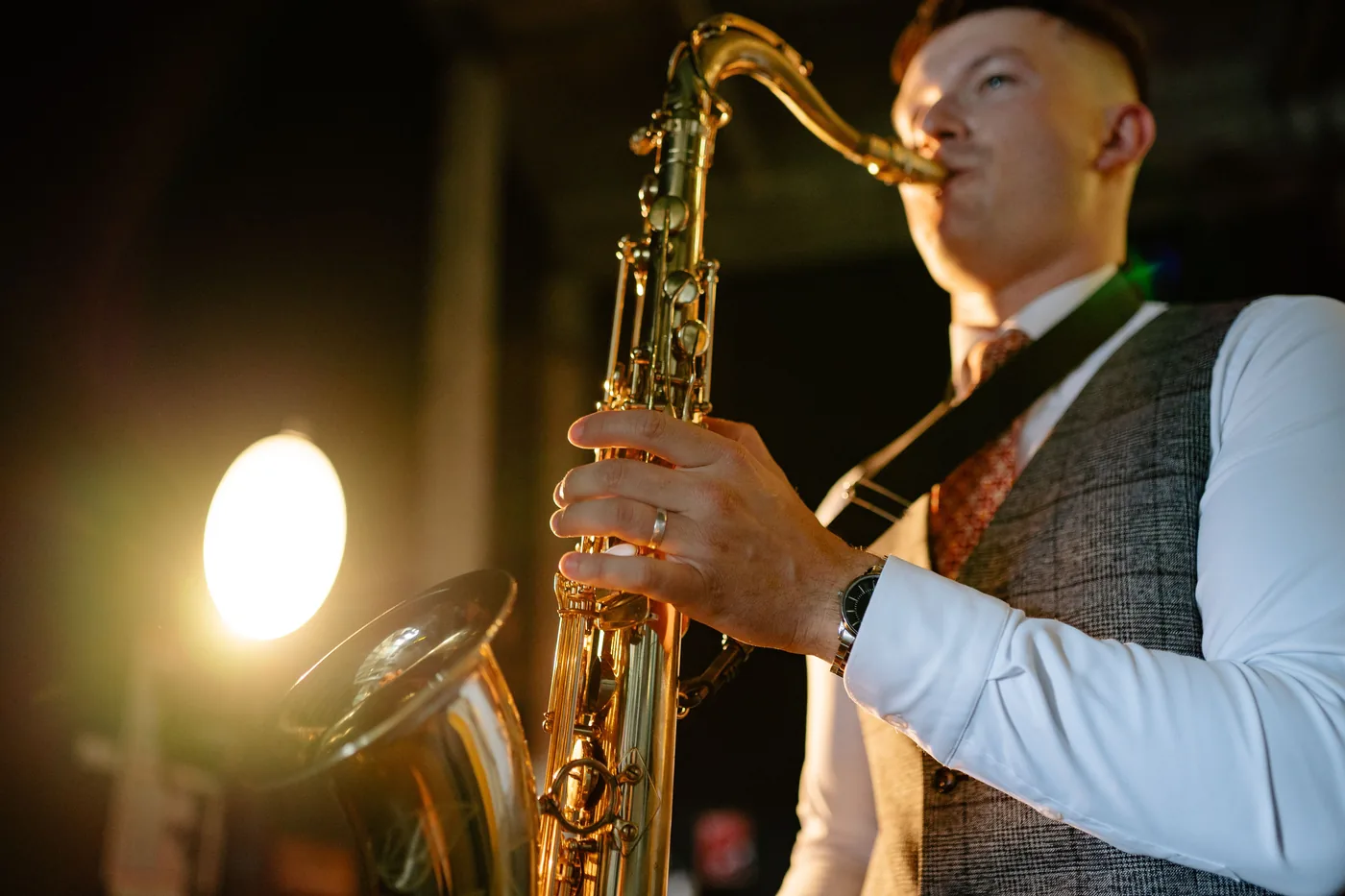
25. Hear A Late Set At The Village Vanguard
The Village Vanguard opened in 1935, and it calls itself the oldest jazz club in New York. It’s a small, wedge shaped basement on Seventh Avenue South, and some of the most famous live jazz albums ever made were recorded in it.
The room is tight, the sound is close, and the music runs every night of the week. Monday nights belong to the Vanguard Jazz Orchestra, a house tradition.
Book ahead, especially on weekends. The late set is often a little less packed and has the best after dark feeling.
26. Catch A Knicks Or Rangers Game At Madison Square Garden
Madison Square Garden sits right on top of Penn Station, and both the Knicks and the Rangers play home games there all winter. The seasons run from October to mid April, so there’s almost always something on.
A Knicks crowd at the Garden is loud, anxious and completely devoted, which is its own New York experience. The Rangers are one of the original six teams in the NHL, and a hockey game in winter just feels right.
Tickets aren’t cheap, but even the upper levels have a good view. Get there early to walk the concourse and soak it in.
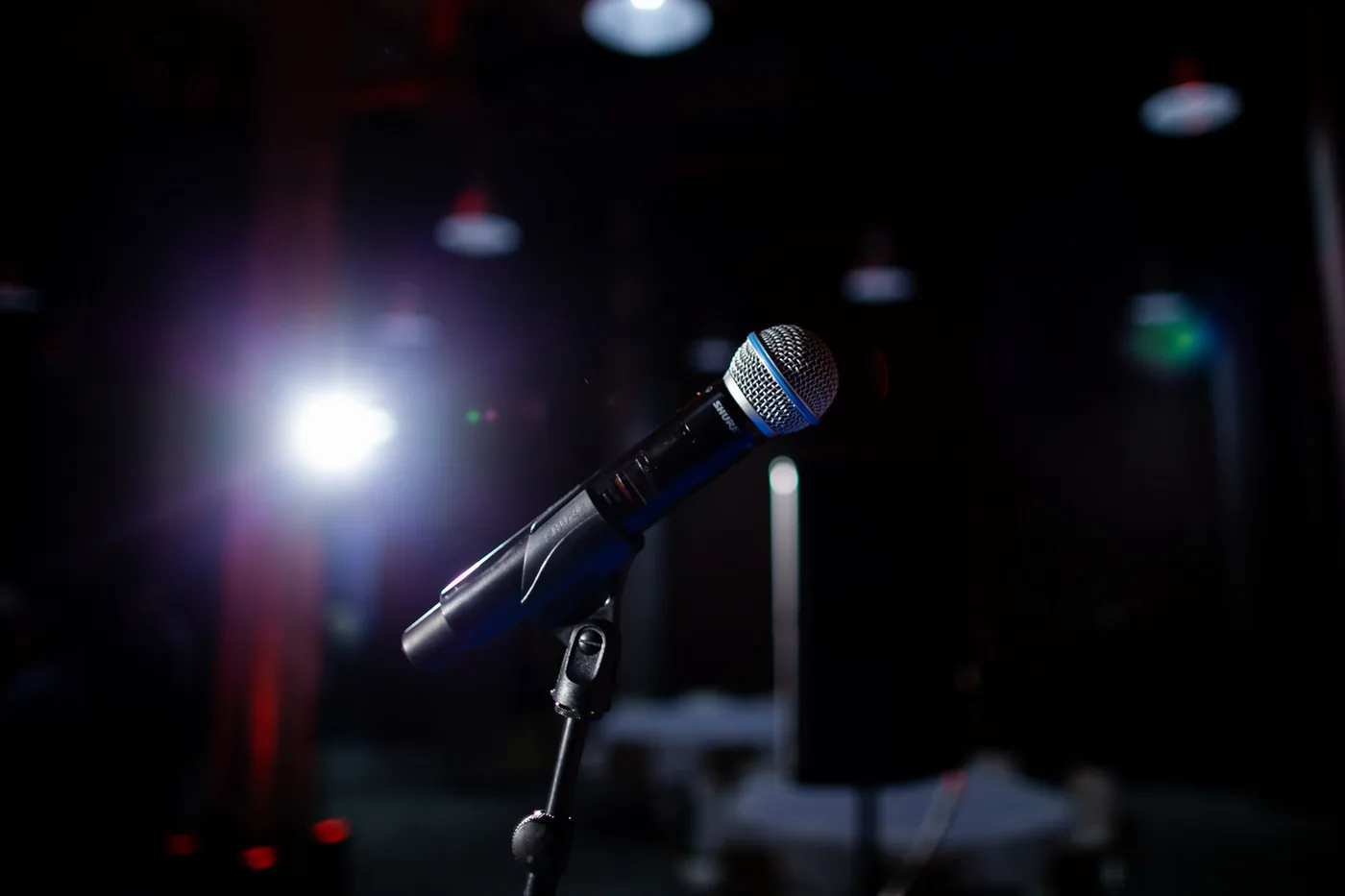
27. Grab A Seat At The Comedy Cellar
The Comedy Cellar has been running in a basement on MacDougal Street since 1981. Each show packs in several comics doing short sets, so if one doesn’t land, the next one probably will.
It’s known for surprise drop ins by famous comedians working on new material. You won’t know who’s coming until they’re at the mic, which is half the fun.
Book online ahead, since shows often sell out. The Olive Tree Cafe upstairs is a good spot for a drink before the show.
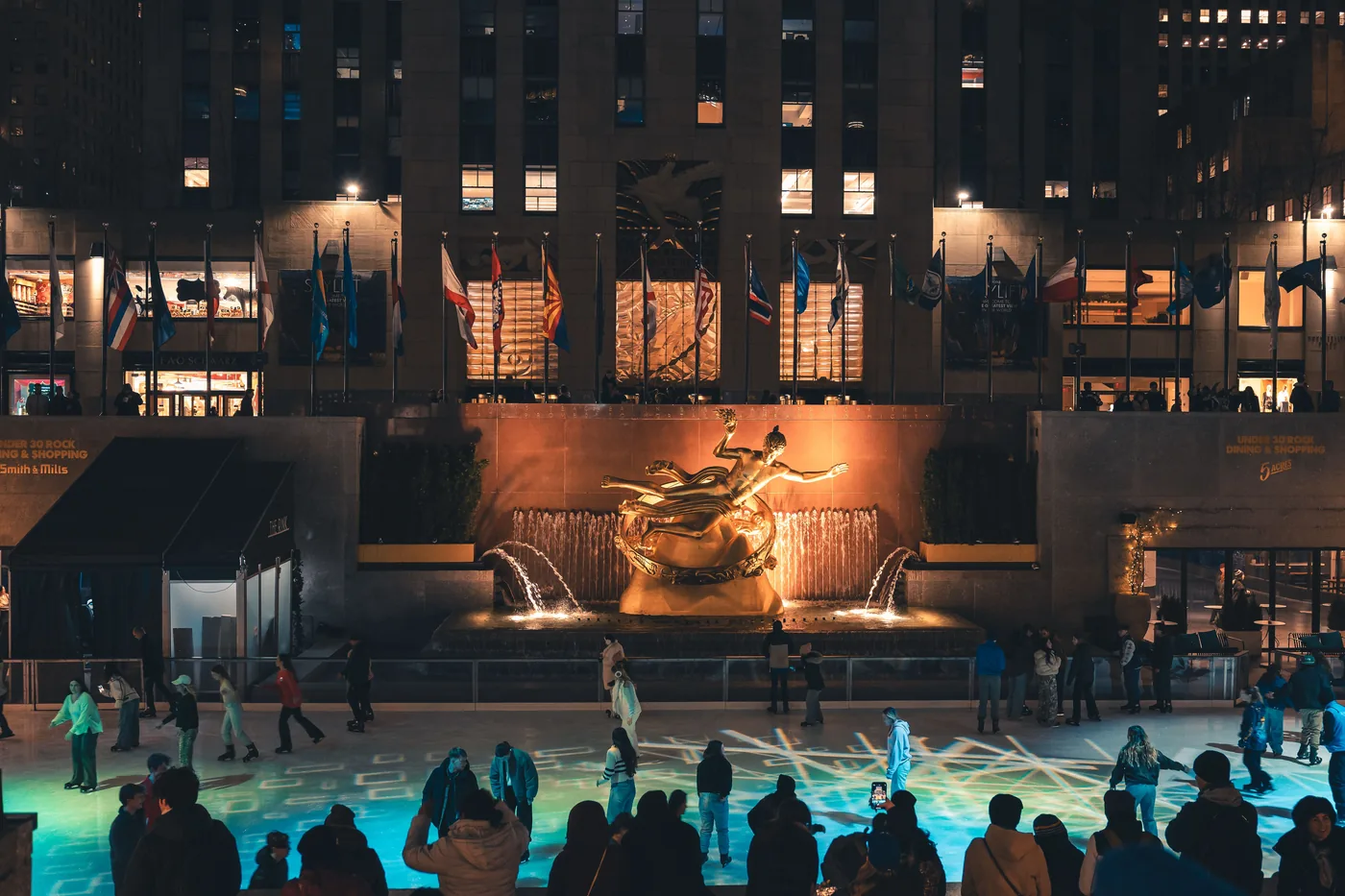
More Things To Do In New York City In Winter
December adds a whole layer of its own. The tree and rink at Rockefeller Center, the store windows on Fifth Avenue and the holiday markets all run through the season, and this guide to the things to do in New York City at Christmas covers them in detail.
Some winter things run longer than people expect. The skating rink at Bryant Park’s Winter Village stays open into early March, long after the holiday shops pack up.
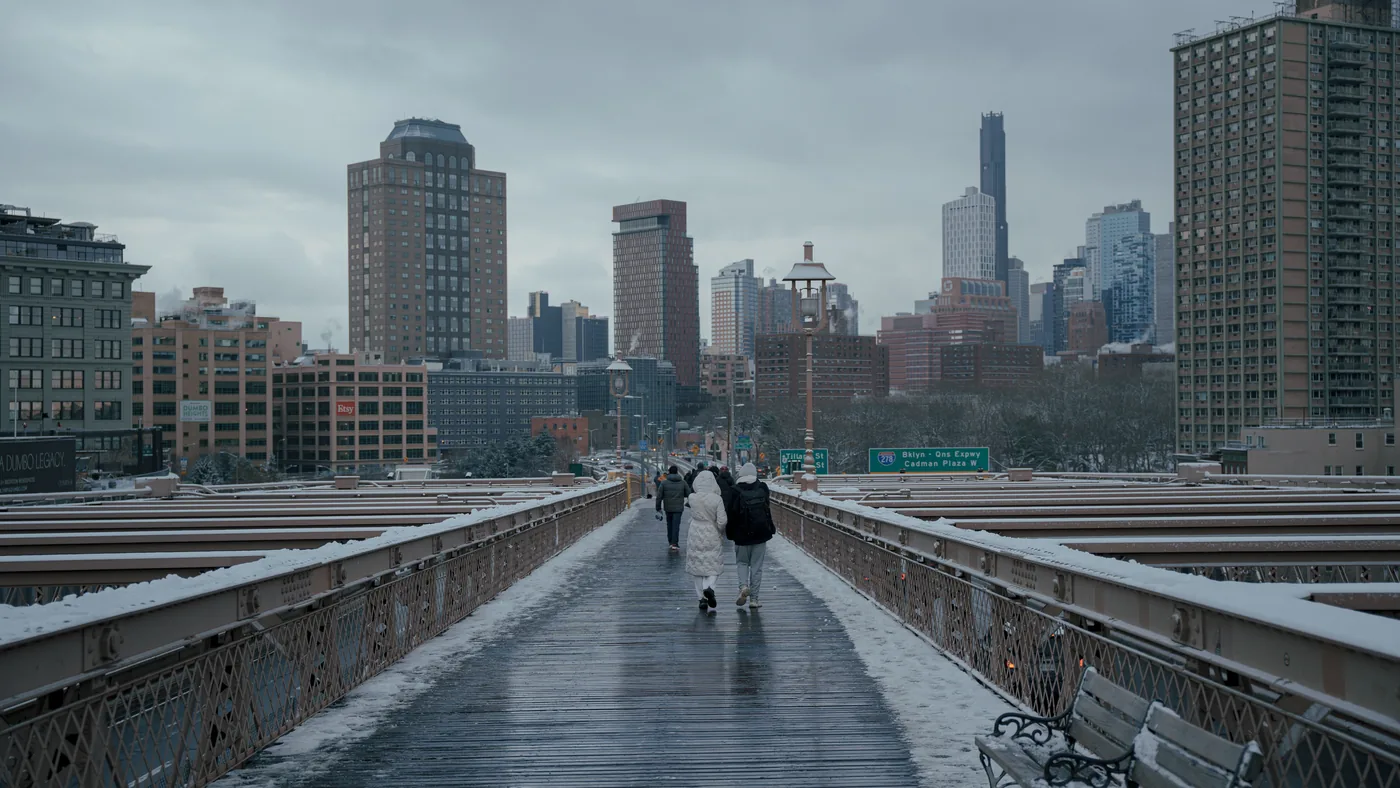
On a gray day with no plan, Chelsea Market is a warm place to graze, and a walk over the Brooklyn Bridge on a snowy morning is free and unforgettable. There are more things to do in New York City in winter than any one trip can hold, which is a good reason to come back.
When To Visit New York City In Winter
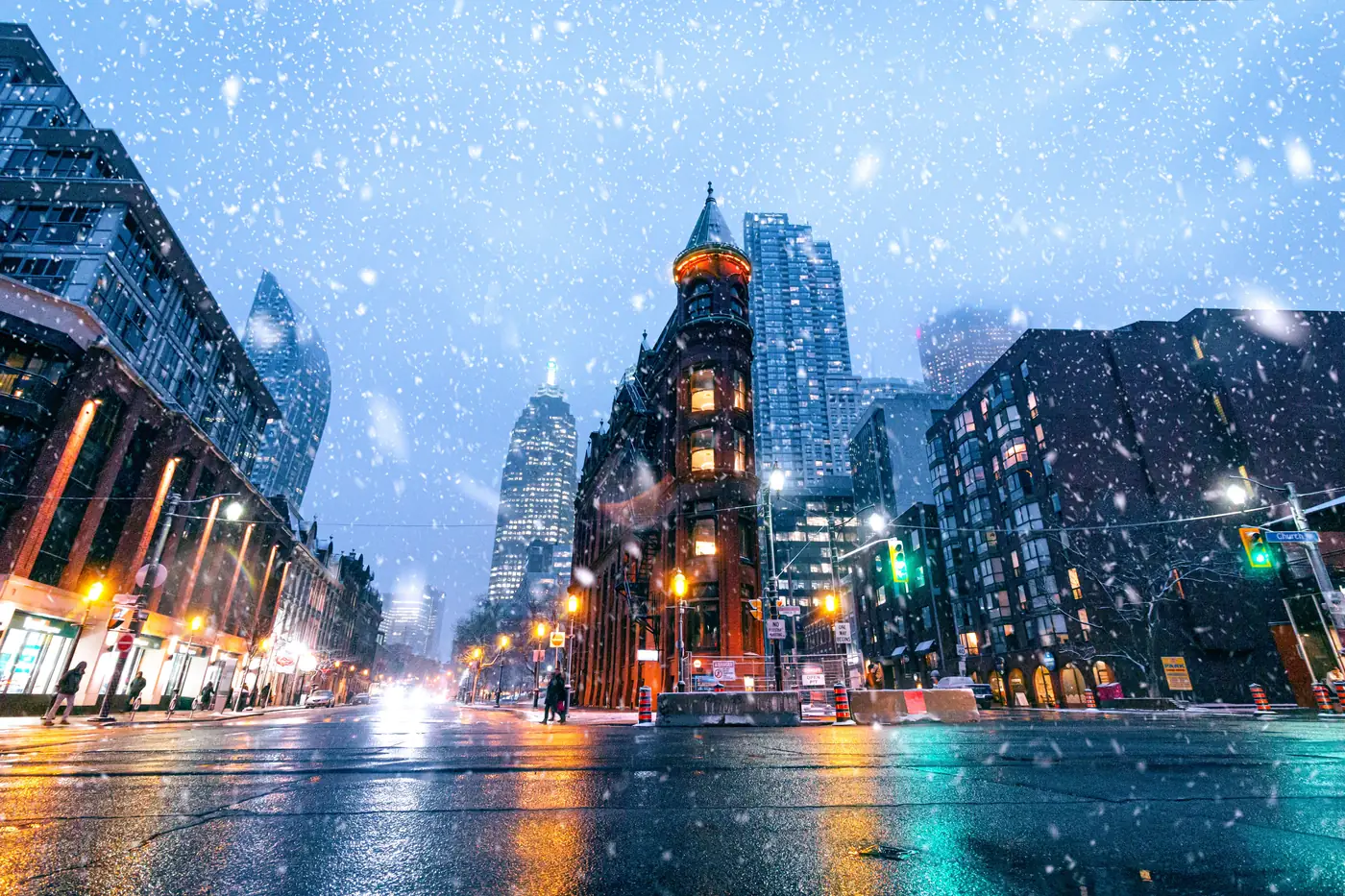
December is the busiest and priciest stretch of winter, thanks to the holidays. The lights are worth it, but expect crowds almost everywhere in Midtown.
January and February are the cheapest months of the year for hotels in New York, according to the city’s own tourism numbers. NYC Hotel Week usually runs from early January into mid February with discounts at participating hotels, and it overlaps with Restaurant Week and Broadway Week.
Late January through mid February is the sweet spot if you want deals and events at the same time. Early March is still cold, but the Orchid Show is on and the first mild days start to show up.
How Cold It Gets And What To Wear
January is the coldest month in New York, with an average high of about 39°F and a low around 28°F in Central Park. December and February run just a little warmer.
The wind is the part people don’t expect. It whips between tall buildings and along the rivers, so a mild looking day can feel a lot colder on the street.
Bring warm, waterproof boots, since street corners turn into slushy puddles after a storm. Wear layers you can take off, because subways, museums and restaurants are often very warm inside. A hat, gloves and a scarf will make every one of these things to do in New York City in winter a lot more fun.
Final Thoughts
Winter doesn’t slow New York down so much as move it indoors, into warm theaters, old bars, jazz basements and museums full of people shaking snow off their coats.
Pick a few of these, leave room for a long lunch, and go when the city is cold and a little quieter. It’s one of the best times of year to see New York the way the people who live there do.