 Rebecca Engel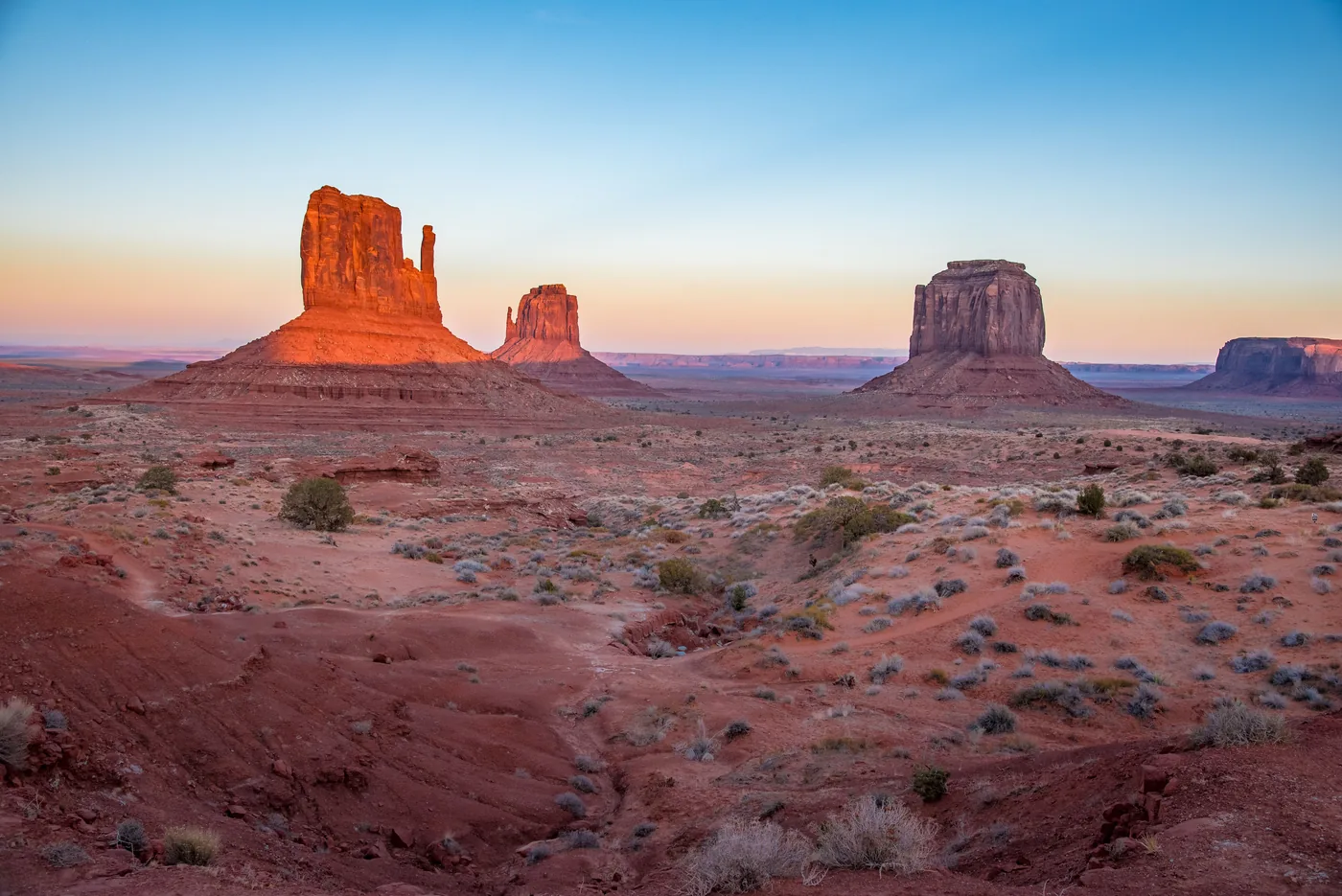
Almost everyone recognizes Monument Valley before they know its name. The tall sandstone buttes standing alone on a flat red plain have been the backdrop to westerns, car adverts and road trip photos for the better part of a century, and the view is genuinely as good as it looks.
What catches people out is everything around the view. Monument Valley isn’t a national park, your park pass won’t get you in, half the landscape is closed to you unless you hire a guide, and there’s a time zone problem that makes people miss tours they already paid for. None of it is difficult once you know, so here’s how to visit Monument Valley without any of those surprises.
Where Monument Valley Actually Is
Monument Valley sits on the Arizona and Utah border, in the middle of the Navajo Nation, and the state line runs right through the park.
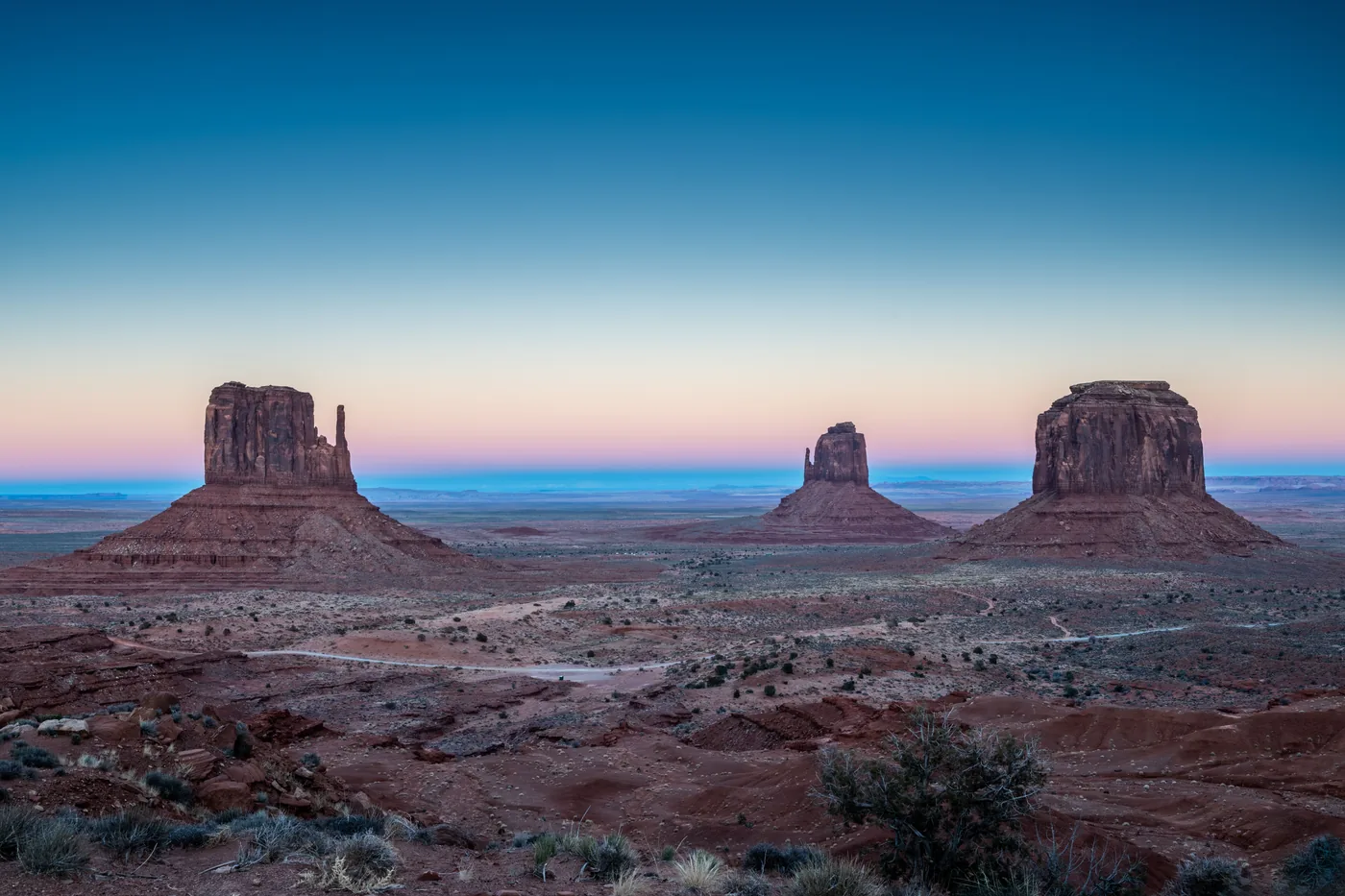
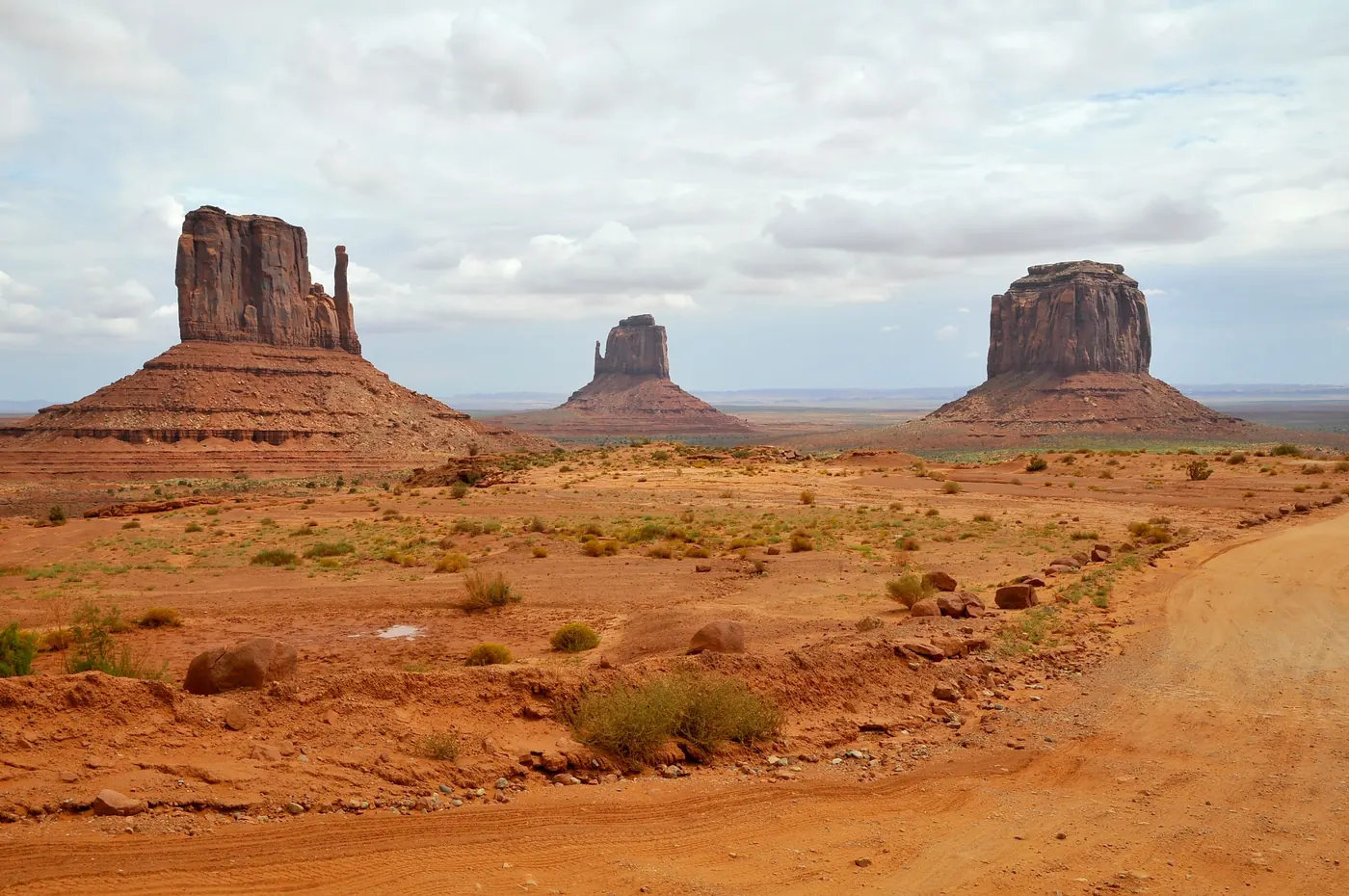
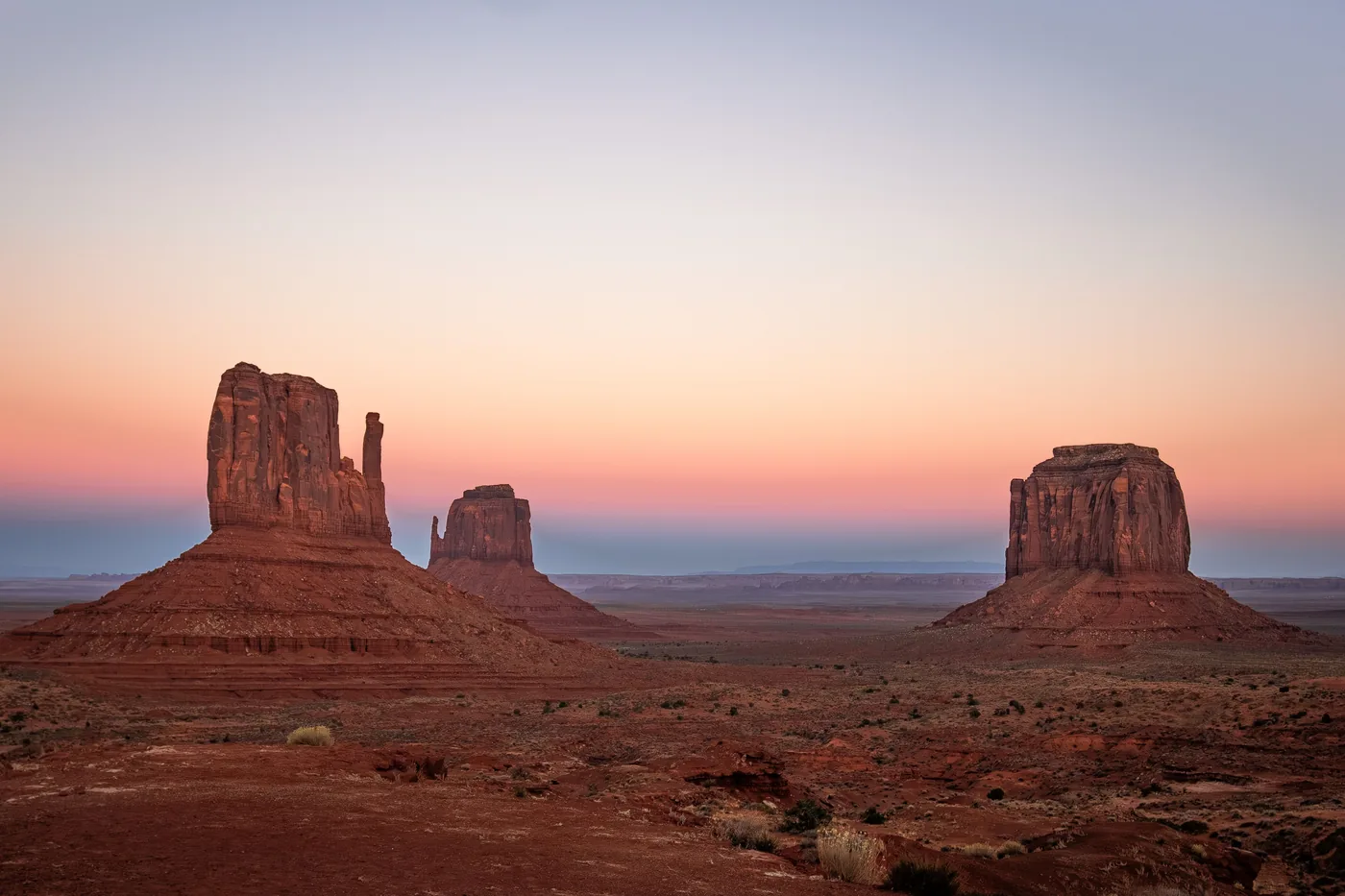
That sounds like trivia and it isn’t. The most famous part, the cluster of the two Mitten buttes and Merrick Butte that you’ve seen a thousand times, sits just north of the line in San Juan County, Utah, near the community of Oljato. So does the visitor center. Plenty of guides file the whole place under Arizona, which is how people end up confused about the time later on.
It’s remote in a way that’s worth planning around. The nearest towns of any size are Kayenta about half an hour south and Mexican Hat about the same distance north, and neither is big. The nearest airports with real service are hours away.
Most people arrive as part of a bigger loop, coming from Moab, Page or the Grand Canyon, all of which are a couple of hours or more out. Very few people go to Monument Valley and nowhere else.
It’s A Navajo Tribal Park, Not A National Park
This is the single most useful thing to understand before you go, and it explains nearly every other rule on this page.
Monument Valley Navajo Tribal Park is owned and run by the Navajo Nation. It isn’t part of the National Park System, it isn’t managed by the National Park Service, and the rangers you’re used to aren’t the people in charge here.
The practical consequence: your America the Beautiful pass does nothing. Neither does any other federal park pass. You pay the tribal park’s own entrance fee at the gate, and that money goes to the Nation rather than to the federal government.
It also means the rules are set by the Nation, not by the NPS, and they aren’t the same rules. Where you can walk, where you can drive, and what you can photograph are all governed differently here. None of that is a hurdle to resent. It’s someone’s home and their land, and the arrangements reflect that.
What It Costs And When It’s Open
The tribal park charges about ten dollars per person per day to enter, plus roughly fifteen dollars per vehicle to drive the scenic loop. Compared to a national park entry fee that’s modest, though the per person structure means a full car adds up differently than you might expect.
Hours change with the season, and the detail that matters most is the last entry time rather than the closing time. In summer the scenic drive runs from eight in the morning until seven in the evening, with last entry at half past four. In winter it’s eight until five, with last entry at half past two.
Read that again if you’re planning a sunset visit, because the gate stops letting people in hours before it closes. Turning up at three on a winter afternoon means you don’t get in at all.
The park closes on Thanksgiving, Christmas Day and New Year’s Day.
Fees and hours do change, and a tribal park isn’t obliged to keep them the same from year to year. Check the Navajo Nation Parks site in the week you’re travelling rather than trusting any blog, this one included.
The Time Zone That Catches Everyone Out
Here’s the one that costs people money.
Arizona doesn’t observe daylight saving time. The Navajo Nation, which covers Monument Valley, does. So for most of the year the clocks inside the Nation are an hour ahead of the rest of Arizona around them.
In practice that means if you drive up from Page, or from the Grand Canyon, or anywhere else in Arizona between March and November, you lose an hour on arrival. Leave Page at nine in the morning and it’s ten o’clock when you get to Monument Valley, before you’ve accounted for any driving.
People miss booked tours this way every single season. They plan the day on Page time, arrive on what they think is schedule, and find the jeep left an hour ago.
Your phone isn’t a reliable fix either. The state line cuts through the area and phones tend to flip between zones depending on which tower they’ve latched onto, so the clock in your pocket may be showing you either one.
The safe approach is simple. Treat every tour time and every opening hour as Monument Valley local time, confirm it with whoever you booked with, and build in a spare hour on the day you arrive.
Driving The Valley Drive Yourself
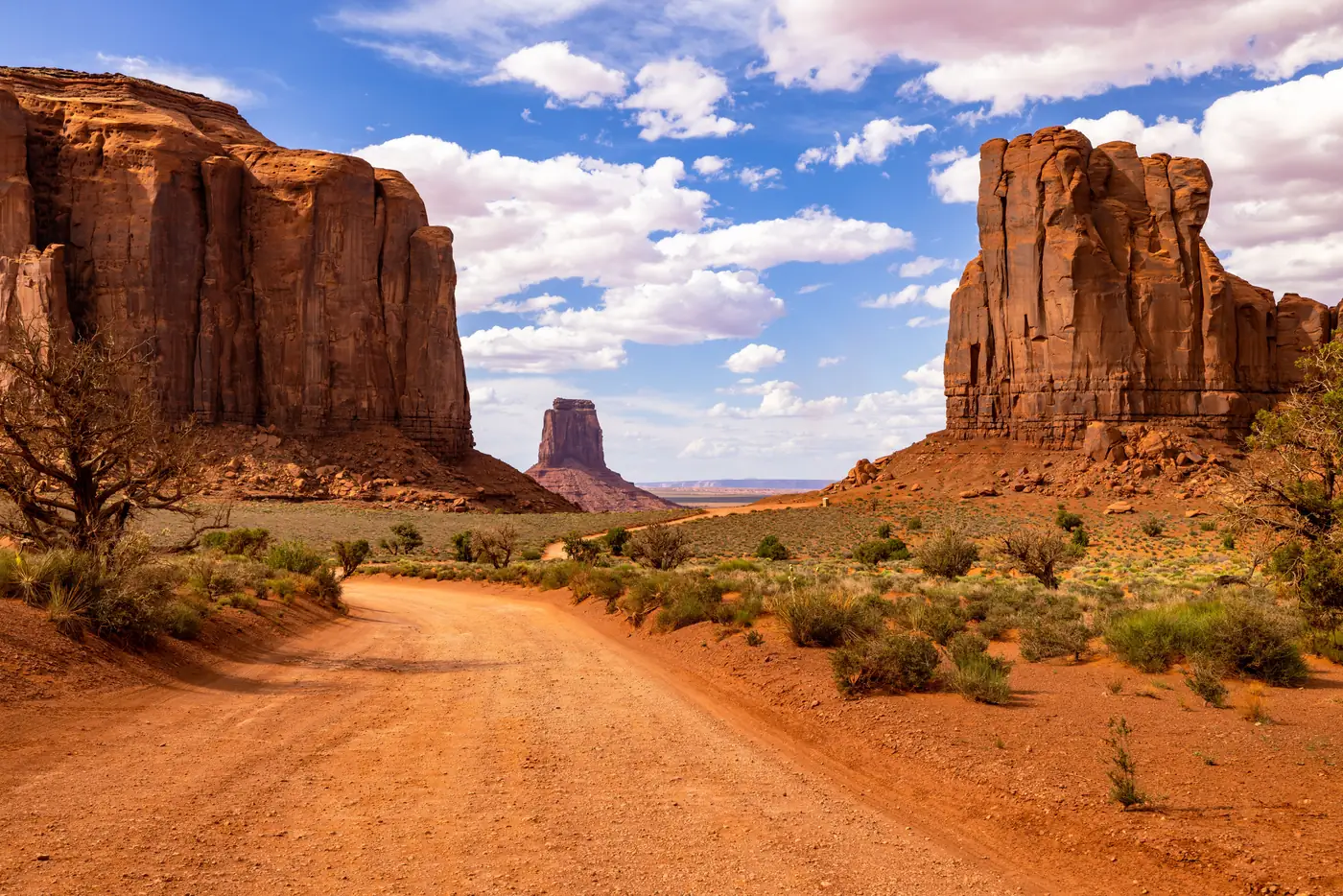
The Valley Drive is a seventeen mile dirt loop through the middle of the buttes, and you can drive it in your own vehicle without a guide. For most visitors this is the whole trip.
It’s genuinely rough. The park describes deep sand and very rough terrain, and that’s an accurate description rather than a legal disclaimer. Expect washboard, expect ruts, and expect to be crawling along in first gear for stretches of it.
A normal car with normal clearance gets round it in dry conditions, and thousands do every week. It’ll be slow and it’ll get filthy. What isn’t allowed at all is RVs and motorcycles, both of which are prohibited on the loop, so if that’s what you arrived in you’ll need to leave it at the visitor center and take a tour instead.
Give it two hours or so with stops. There are marked pull outs at the well known viewpoints, and the loop is one way, so you can’t double back if you rush past something.
If it’s been raining, ask at the visitor center before committing. Sand and clay that were merely annoying yesterday can be genuinely bad today.
When You Need A Navajo Guide
The Valley Drive is the part you can do alone. It is not the whole park, and this is the thing most visitors never realize.
Large sections of the backcountry are closed to unaccompanied visitors and can only be reached with a licensed Navajo guide. That includes some of the most striking formations in the valley, arches and slot canyons and rock windows that don’t appear on the self drive loop at all.
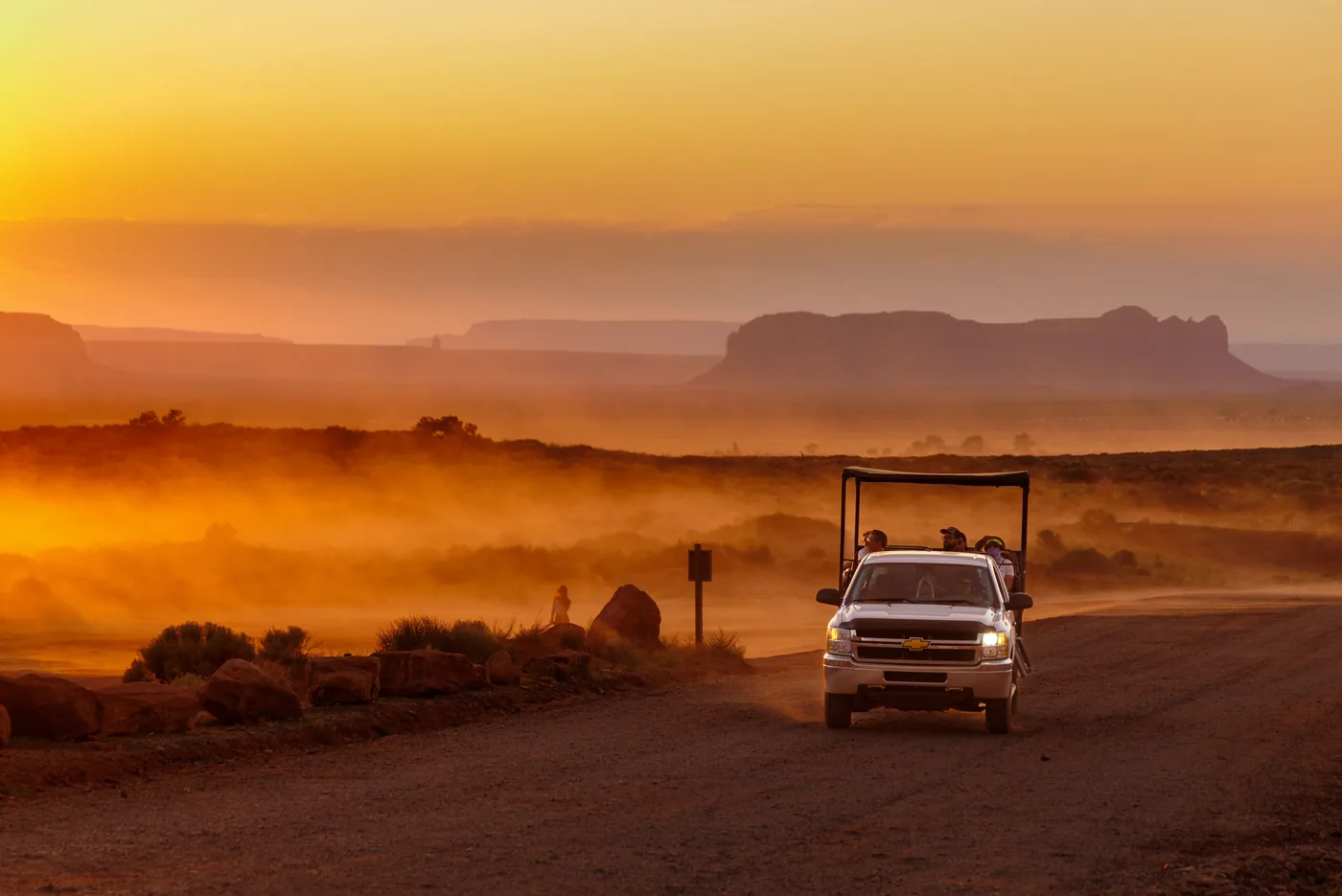
Guided trips generally go by open jeep and run anywhere from an hour or two up to most of a day. Longer ones get further out and quieter. Operators work out of the tour booth near the visitor center, and the booth keeps its own hours, which in summer close earlier than the drive itself does.
It’s worth doing for reasons beyond access. A Navajo guide is telling you about a landscape their family lives in, which is a different experience from reading an interpretive sign, and the money stays in the community whose land you’re standing on.
Book ahead in spring and autumn. There are only so many operators and only so many vehicles.
The One Hike You Can Do On Your Own
There’s exactly one self guided trail in Monument Valley, and it’s the Wildcat Trail.
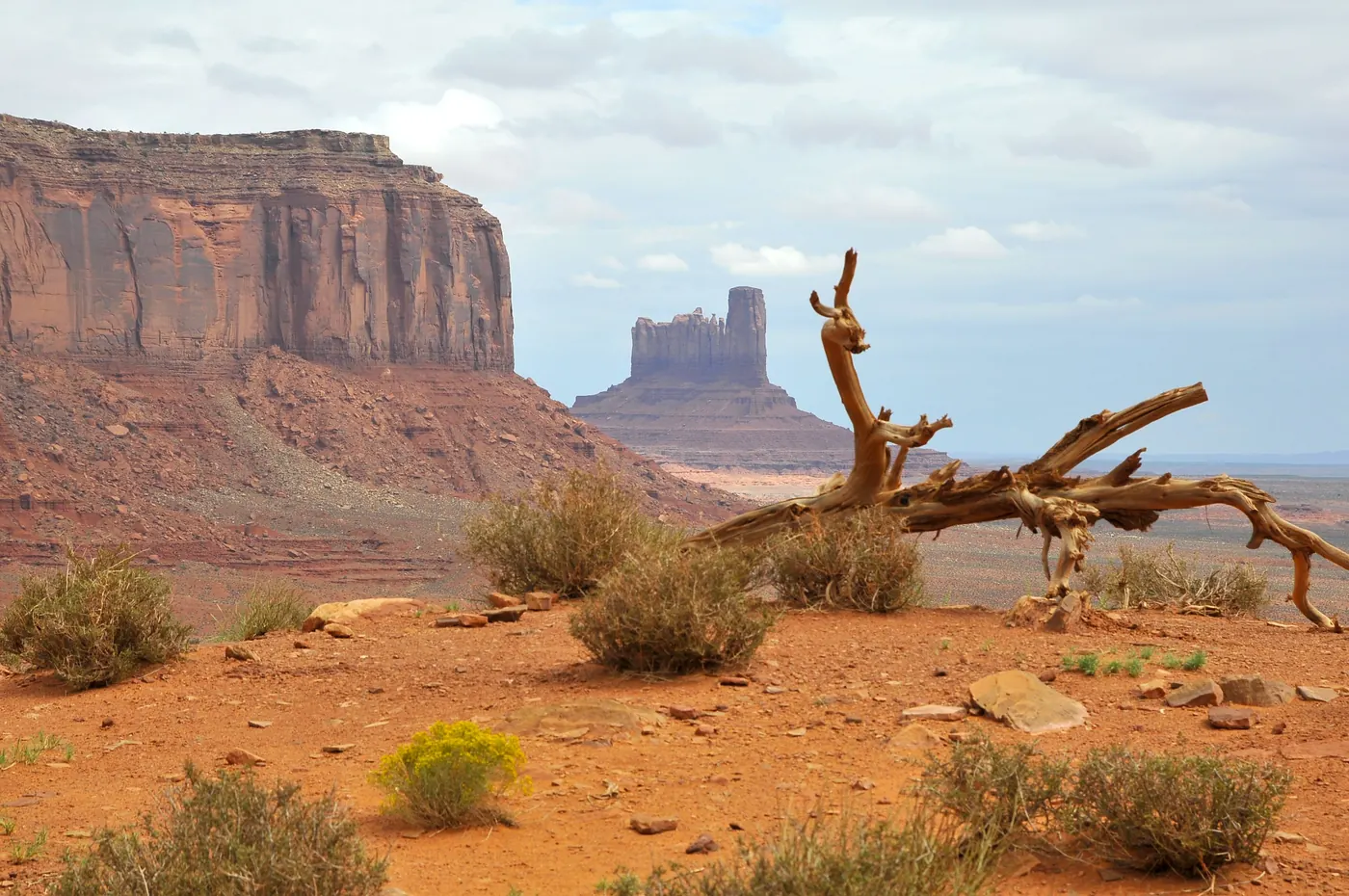
It’s about a mile and a half, looping around the base of the West Mitten, and it’s the only way to experience the scale of these things from the ground rather than through a windscreen. A butte you’ve been photographing from a viewpoint becomes something else entirely when you’re walking around the bottom of it.
You have to sign in and sign out at the visitor center. That isn’t a formality to skip. It’s an open desert with no shade and no water on the route.
Do it early or late. In summer the middle of the day out there is genuinely dangerous rather than merely unpleasant, and there’s nowhere to hide from the sun.
Anything beyond this trail needs either a guide or a backcountry permit from the visitor center. Wandering off on your own isn’t a grey area here.
Where To Stay
Lodging is limited and it books out, which is the main thing to know.
There’s a hotel at the park itself where the rooms face the Mittens, which is the reason people book it a year ahead and pay what they pay. Waking up to that view through the window is a real thing rather than marketing.
A few miles away there’s a longer established lodge tucked under a mesa, with its own history in the valley going back to the days when the film crews came. It’s usually a little easier to get into.
Beyond those two, you’re looking at motels in Kayenta to the south or Mexican Hat to the north, both around half an hour out. Perfectly fine, considerably cheaper, and no view.
There’s also camping, and staying overnight nearby is what makes sunrise and sunset possible. Day tripping in from two hours away means arriving and leaving in the flat light of the middle of the day, which is when the valley looks its worst.
The Best Time Of Year To Go
Spring and autumn are the easy answer. Comfortable temperatures, long enough days, and the light is good.
Summer is hot in a serious way, well past a hundred degrees regularly, and the valley has almost no shade anywhere in it. It’s also the busiest season and the season when late afternoon storms can shut things down.
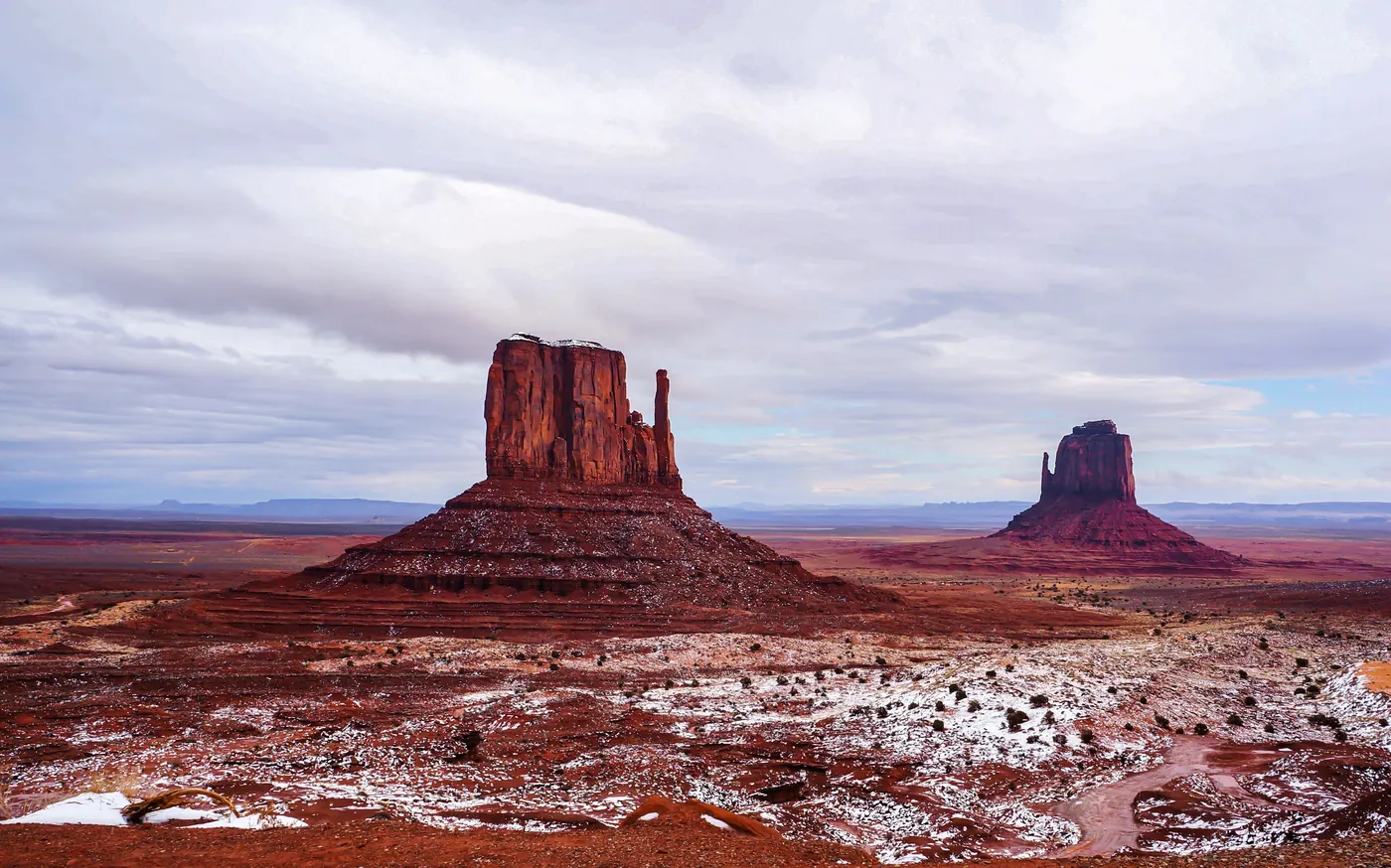
Winter is the underrated one. It’s cold and the days are short, and the last entry time drops to the middle of the afternoon, so you have to plan tightly. What you get in exchange is an almost empty park and the chance of snow lying on red sand, which is one of the more startling sights in the American west.
Whatever the season, midweek beats the weekend, and early beats late for crowds.
Getting The Light Right
Monument Valley is a place where the time of day matters more than usual, because the whole subject is red rock and red rock only comes alive at the ends of the day.
Sunrise is the classic. The east facing sides of the Mittens light up first while the valley floor is still in shadow, and there are far fewer people about.
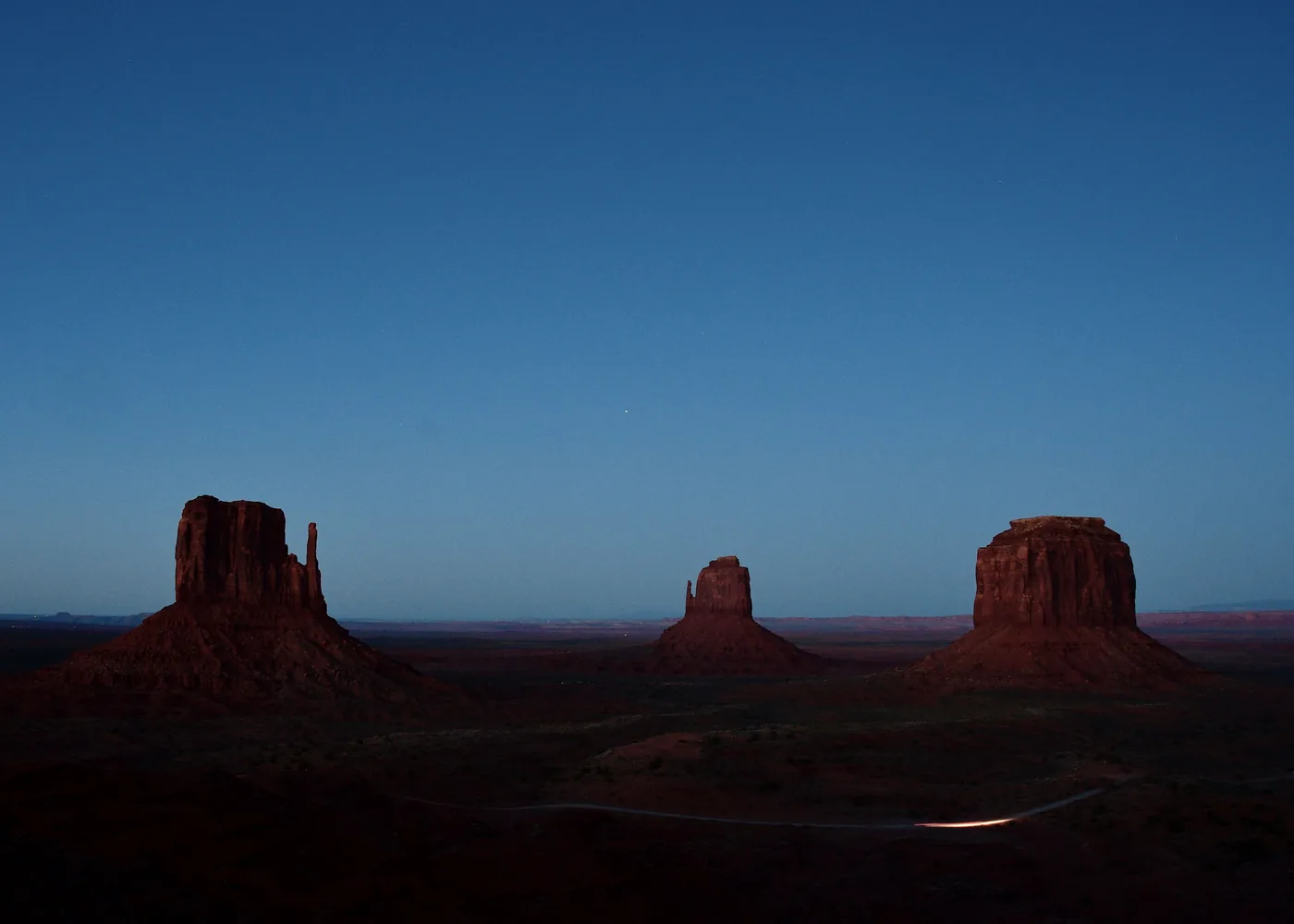
Sunset does the reverse and gets the crowds, though the view from near the visitor center at that hour is famous for a reason. The half hour after the sun has gone is often better than the sunset itself, when the rock holds its colour and the sky goes deep blue behind it.
The middle of the day is the one to avoid if you can. Overhead light flattens everything out and the buttes lose the shadow that gives them their shape.
One rule to know before you point a camera at anything. Photography for anything beyond personal snapshots, including commercial shoots, filming, portraits and weddings, needs a special use permit arranged through the visitor center. If you’re photographing people, ask first, every time.
What’s Nearby Worth Adding
Monument Valley is usually one stop on a bigger loop, and a few things nearby are worth the detour.
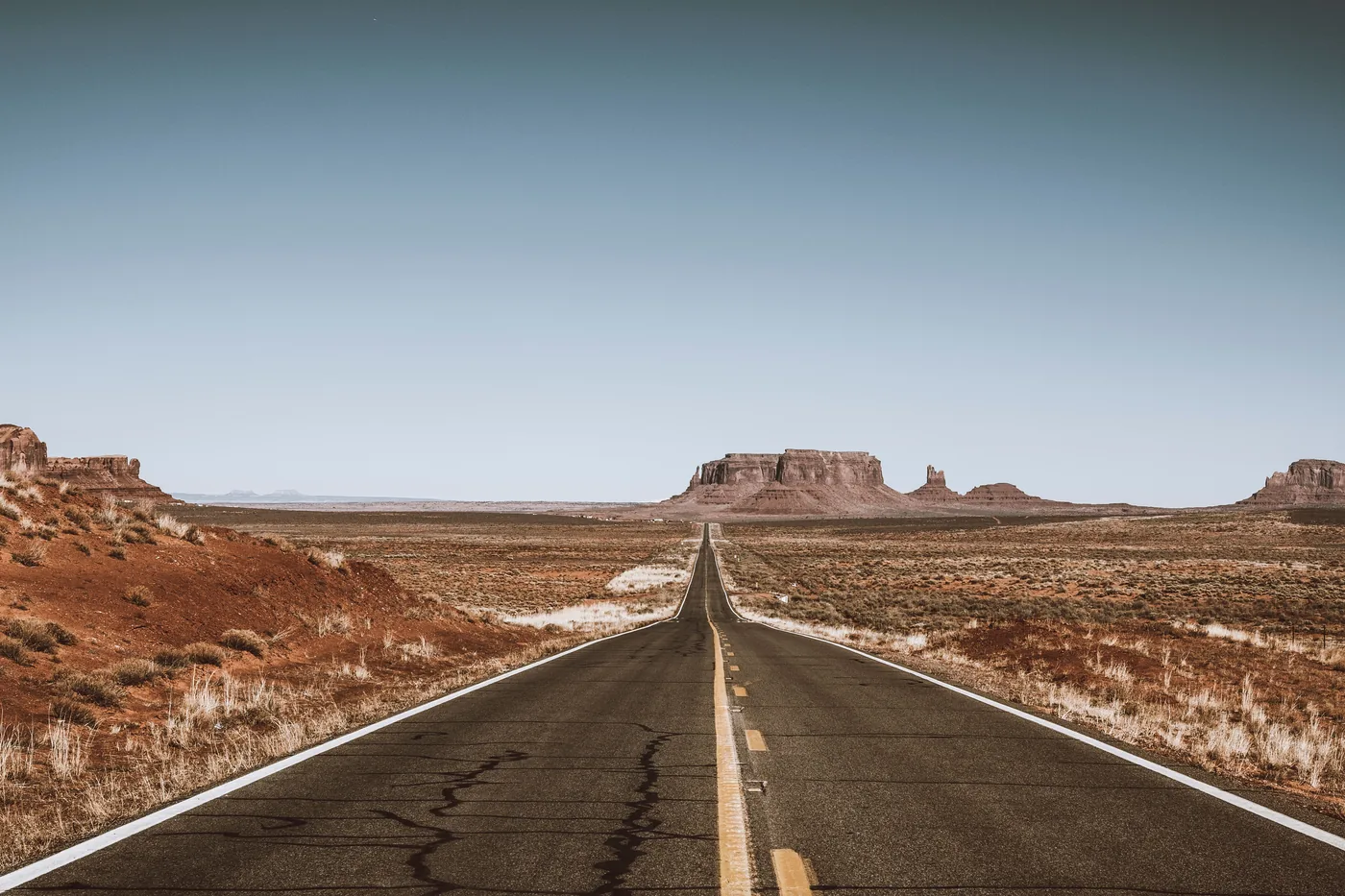
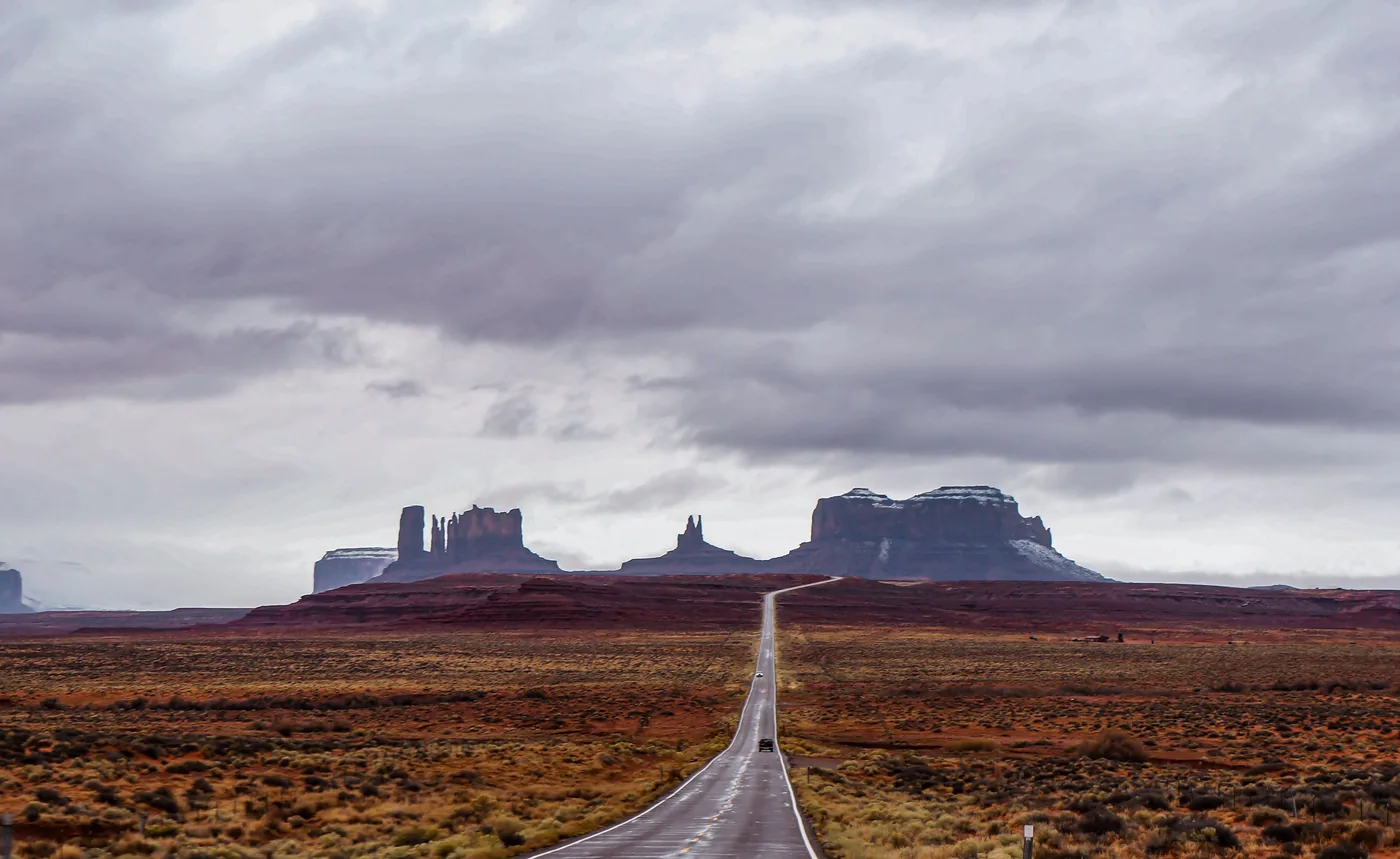
The stretch of highway north of the park is the one from the films, where the road runs dead straight at the buttes and rises over a series of low crests. There’s a pull out where everybody stops for the photograph. Take the picture from the shoulder, not the middle of the road, because it’s an active highway and people genuinely get hurt there.
Further north there’s a state park overlooking a set of enormous river meanders cut a thousand feet down into the rock, and a valley of isolated red rock formations with a dirt road running through it that feels like a smaller, emptier version of Monument Valley itself.
Wider out, Moab and its parks are a couple of hours north, Page and its canyons a couple of hours west, and the Grand Canyon further on from there. Any of those pair naturally with a night here.
Final Thoughts
Monument Valley rewards a bit of planning more than most places, and not because it’s difficult. It’s because the assumptions people bring from national parks are all slightly wrong here, and each wrong assumption costs an hour or a booking.
Bring cash or a card for the tribal fee and leave the park pass in the glovebox. Set your watch to local time and confirm it. Decide in advance whether the self drive loop is enough or whether you want a guide to take you where the loop doesn’t go. Book a bed nearby so you’re there for the light.
Do that and the rest is just standing in front of one of the great views on earth, which is what you came for.