 Rebecca Engel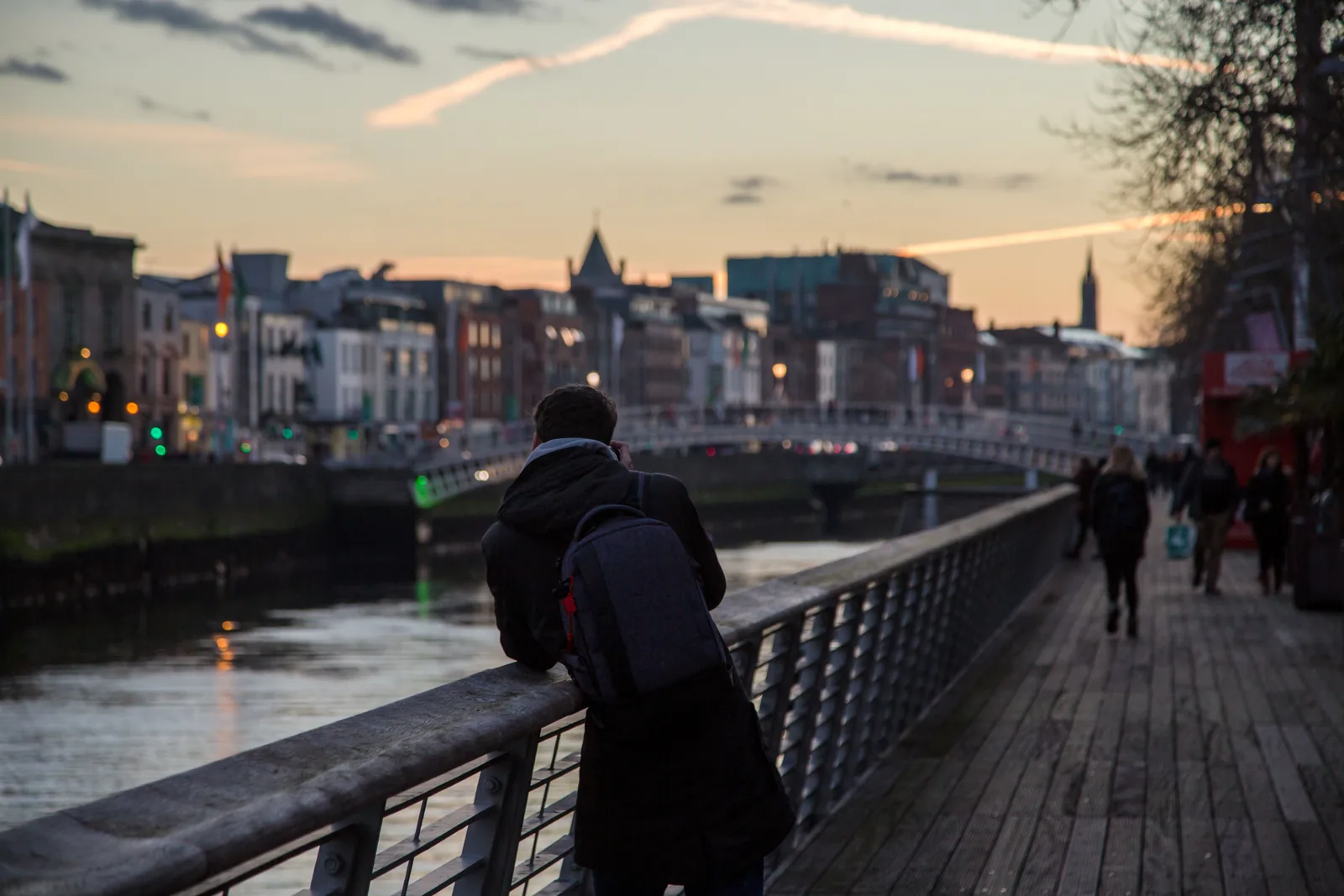
Dublin is a small capital, and that turns out to be the best thing about planning a trip here. The center sits in a tight bundle either side of the River Liffey, close enough that you can cross the whole thing on foot in about half an hour. Three days in Dublin buys you far more than three days in London or Paris would, because almost none of it goes on getting from one place to the next.
This 3 day Dublin itinerary keeps all that walking, puts the two sights that genuinely need advance booking on the first two days, and saves the third for the coast. It’s written for a first trip, so nothing here assumes you already know which pubs are worth your evening, which famous street is a tourist trap, or which landmark is quietly half empty at the moment because of building work.
How This 3 Day Dublin Itinerary Works
Trinity College, Dublin Castle, Grafton Street and Temple Bar all sit within about fifteen minutes of each other. Once you’re staying anywhere central, the walking sorts itself out and you can stop thinking about transport entirely.
So this Dublin itinerary has no transit days in it. You’ll take a train once, on day three, and go everywhere else on foot.
Two things need booking before you fly. Kilmainham Gaol releases its tickets 28 days ahead on heritageireland.ie, and summer dates go within days of that release, so the thing to set a reminder for isn’t the visit, it’s the release. The Guinness Storehouse doesn’t sell out the same way, but picking a time slot online still saves you the longest queue of your day.
The pace here is one anchor per day and a lot of unplanned time around it. Dublin rewards that. It’s a city where the good hours tend to be the ones you didn’t schedule, usually sitting down somewhere with the rain going sideways outside.
Day three goes out to the coast on purpose. Dublin’s must see list is honestly about a day and a half long, and a third day spent squeezing more museums into the same square mile is how an itinerary starts to feel like filler. The sea is thirty minutes away, so this one uses it.
Day 1: Trinity College, The Old City And Grafton Street
Day one stays in the oldest part of the city, which is also the most walkable. Everything below is within a few streets of everything else.
Start early if you can. Trinity gets busy by mid morning and the difference between a nine o’clock slot and a noon one is significant.
Morning: The Book Of Kells, And What The Long Room Looks Like Now
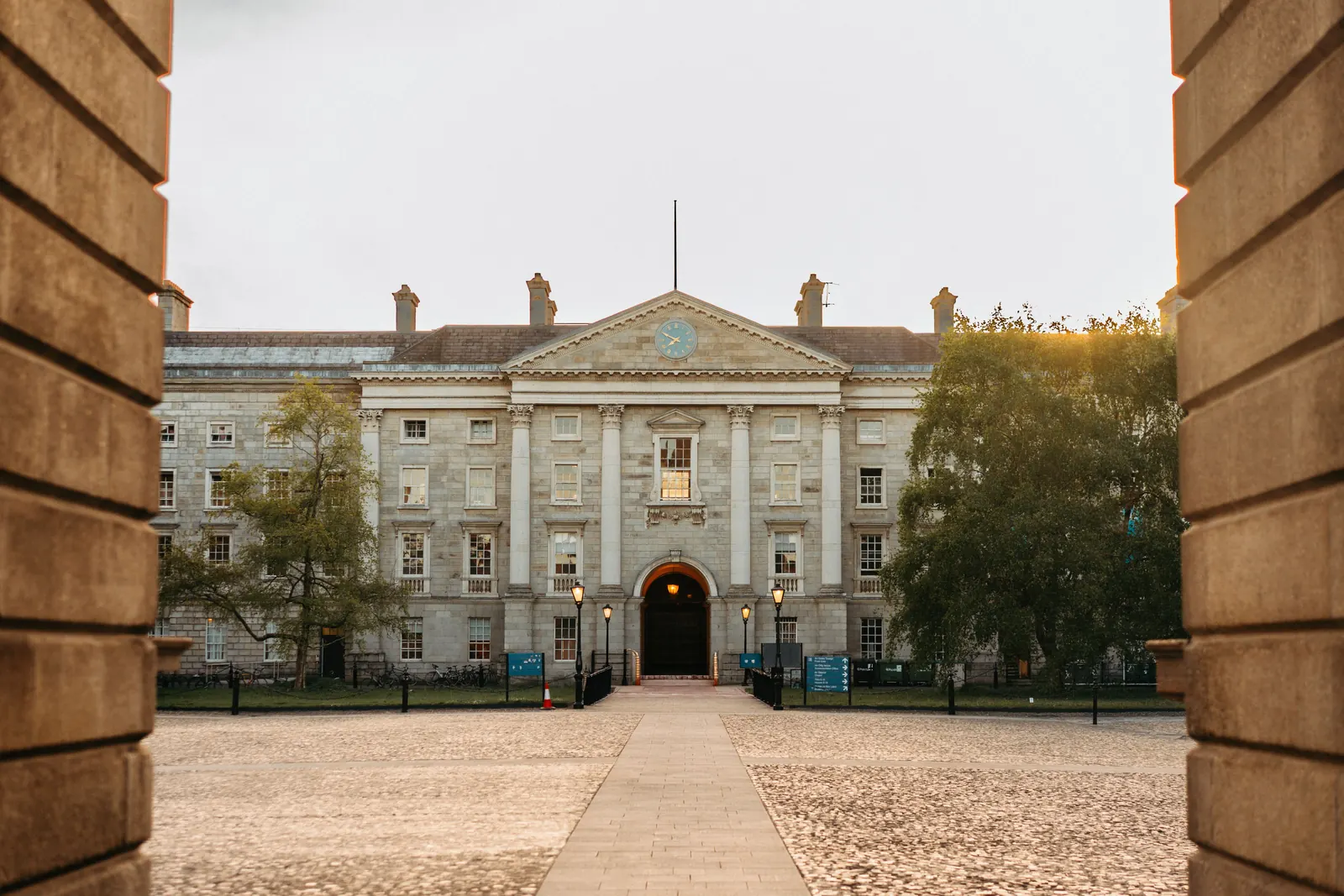
The Book of Kells is a gospel manuscript from around the ninth century, written and decorated by monks, and it’s the reason most people walk through Trinity’s front gate. It’s genuinely worth the ticket. Two pages sit under glass and they get turned regularly, so nobody sees quite the same book.
Now the part that catches first timers out. Upstairs from the manuscript is the Long Room, the barrel vaulted library with dark wooden shelves running the length of it. It’s the photo you’ve seen on every Ireland pin on the internet.
Those shelves are currently empty. Around 200,000 books were taken out for a major conservation project, and the room is open but bare while that work goes on. The restoration phase is due to start in 2027 and run until roughly 2030, so this is the state it will be in for a while yet.
That’s not a reason to skip it. The room itself is still remarkable, and seeing it stripped back is its own odd thing. It’s just worth knowing before you go, because turning up expecting the famous wall of books and finding empty shelves is a bad surprise to have on a ticket you queued for.
The Book of Kells stays on display throughout. From late 2027 it moves to the Printing House, another building on the same campus.
Afternoon: Dublin Castle And The Best Free Museum In The City
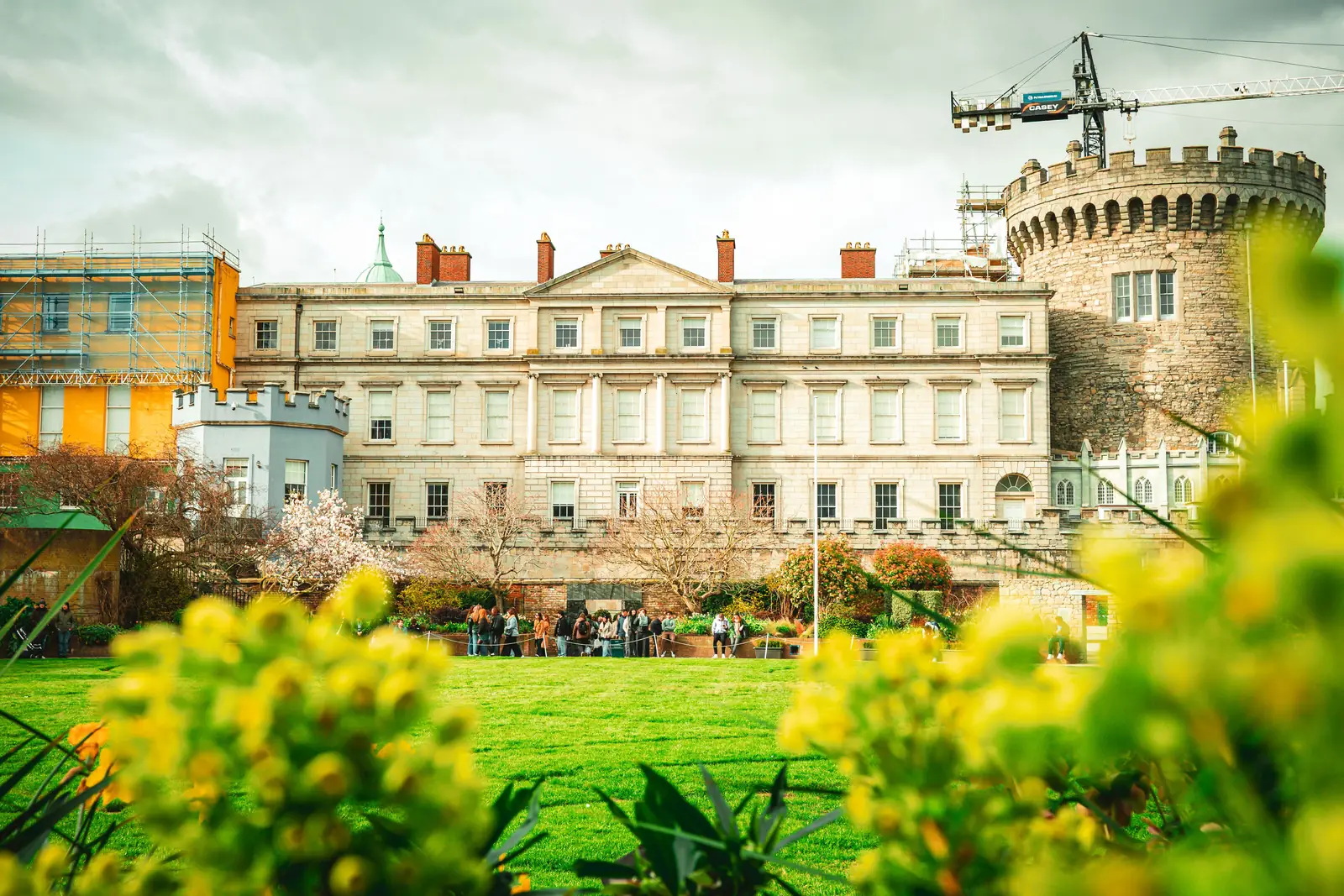
Dublin Castle is a ten minute walk from Trinity and was the seat of British rule in Ireland for about seven hundred years. The State Apartments are the paid part, and they’re fine rather than essential.
The reason to come is on the grounds behind it. The Chester Beatty Library holds one of the best collections of manuscripts, sacred texts and Islamic and East Asian art anywhere in Europe, and it’s free to walk into.
It’s small enough to do properly in an hour and it’s the single most underrated thing on this list. Most first trips miss it entirely because it isn’t on the postcards.
Christ Church Cathedral is a few minutes further on, and the medieval crypt underneath it is the oldest structure in Dublin still in use. St Patrick’s Cathedral is another ten minutes south if you want both, though one cathedral is usually enough for one afternoon.
Evening: Grafton Street, And Why Dinner Isn’t In Temple Bar
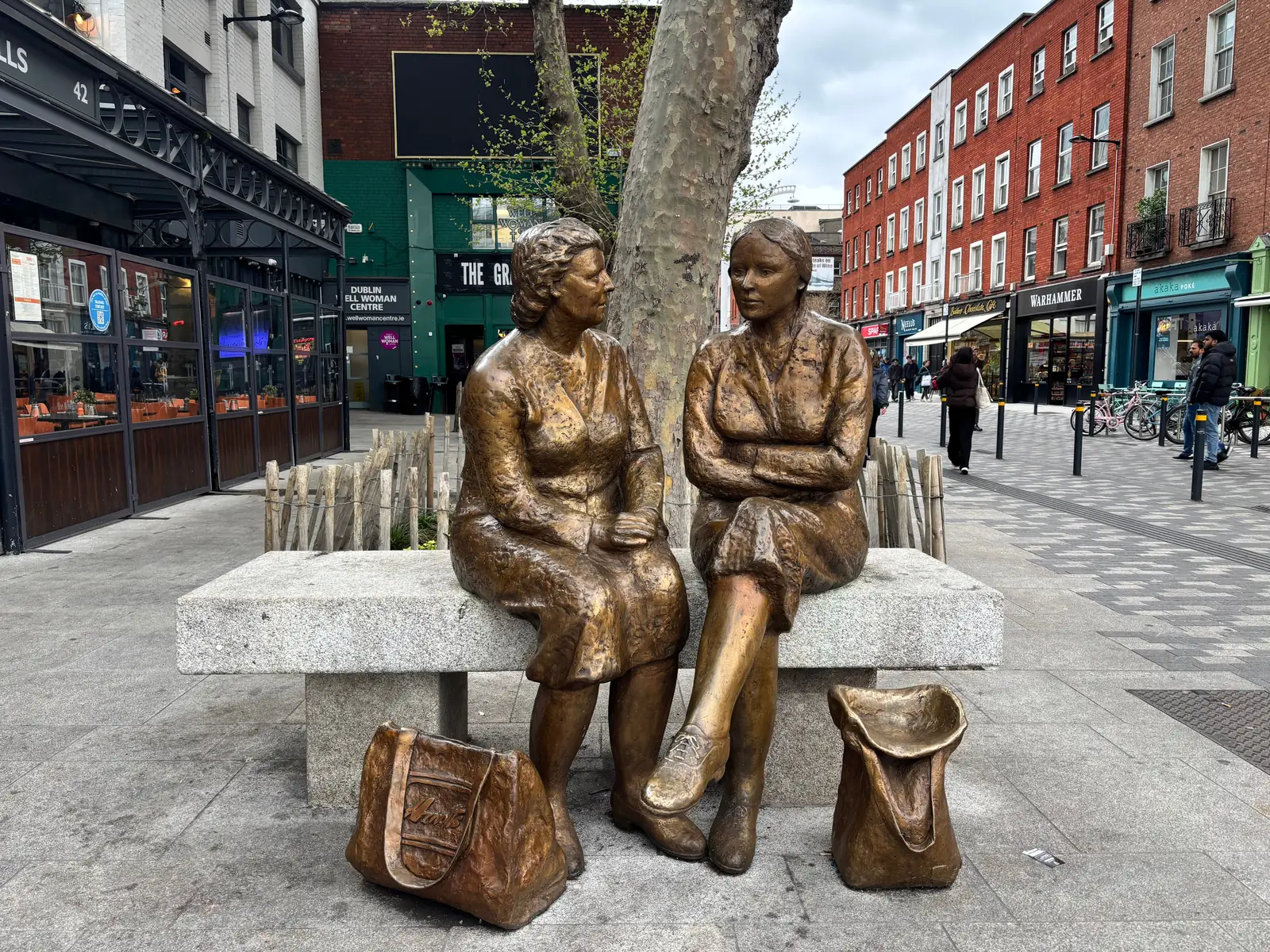
Grafton Street is the pedestrian shopping street running south from Trinity, and the buskers on it are properly good. Plenty of them are working musicians rather than hopefuls. At the top is St Stephen’s Green, which is the park to sit in for twenty minutes before dinner.
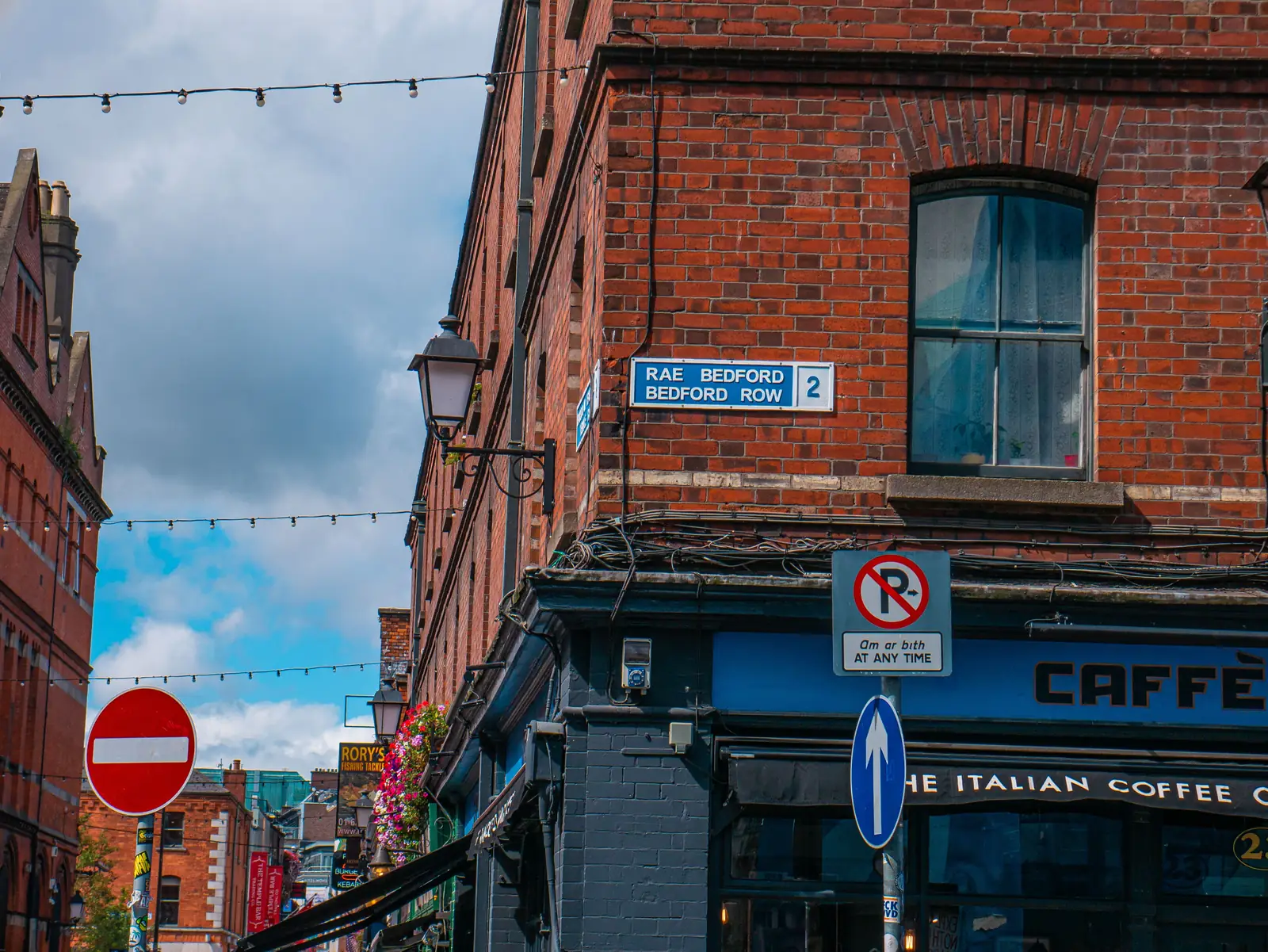
Temple Bar is a few streets north and you should walk through it once. The lanes are pretty, the pub fronts are painted red and covered in flowers, and it photographs beautifully.
Then leave and eat somewhere else. A pint in the middle of Temple Bar runs several euro above what the same pint costs five minutes away, and the music in most of those bars is played for tourists rather than for the room.
The better evening is around South William Street, Fade Street and Drury Street, or further south on Camden Street. Same walk home, much better food, and prices that a person who lives here would actually pay.
Day 2: Kilmainham Gaol, Guinness And The Liberties
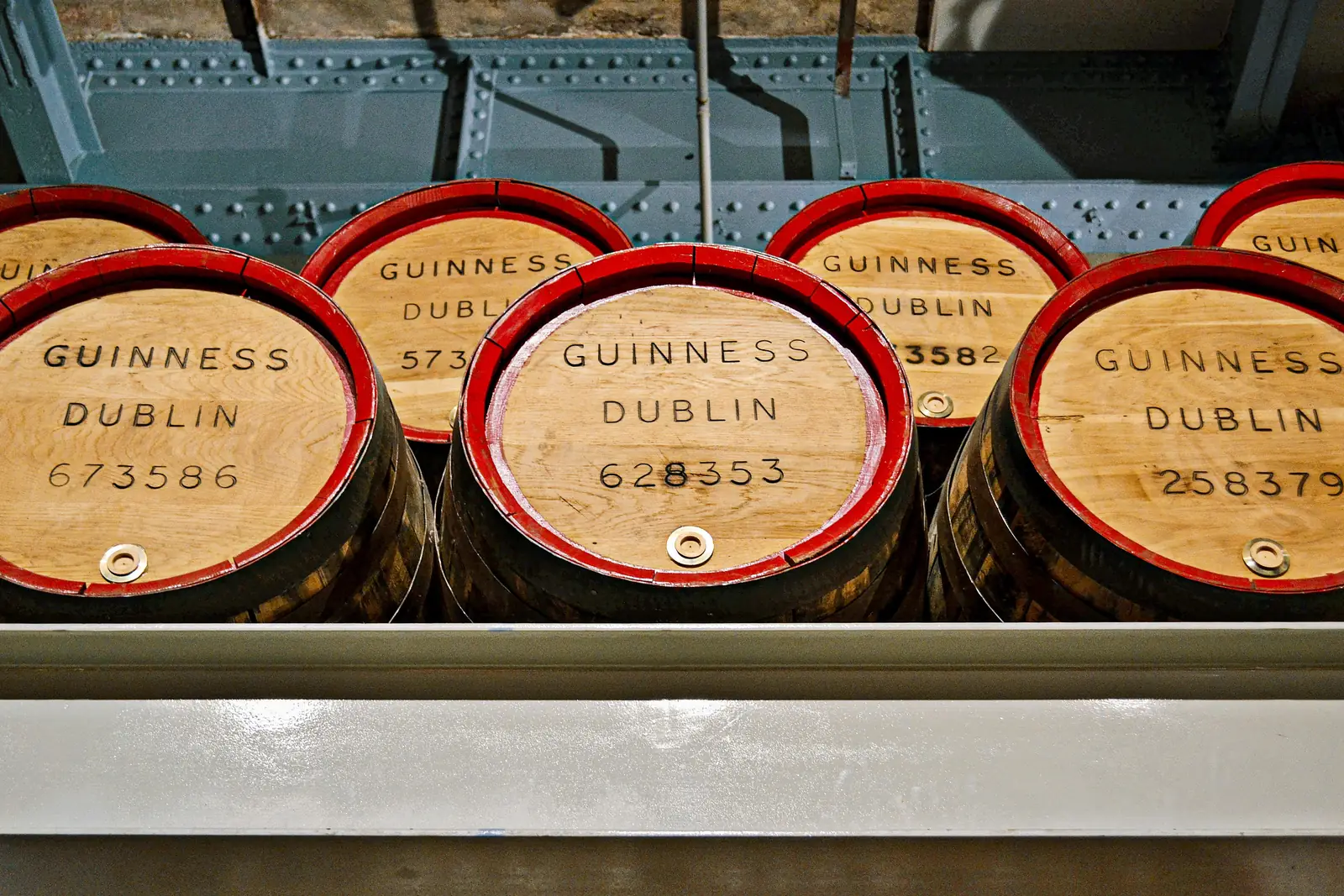
Day two heads west into the Liberties, the old brewing and distilling quarter. It’s a twenty five minute walk from the center, or a short tram ride if the weather has other ideas.
This is the heavier day, and the order matters. Do the gaol in the morning while you have the energy for it, because it isn’t a light hour.
Morning: Kilmainham Gaol
Kilmainham opened in 1796 and closed in 1924, and most of the leaders of the 1916 Easter Rising were executed in its yard. Almost every major figure in the Irish independence struggle passed through it at some point, and several of them were held here more than once.
You can only go round on a guided tour, it runs about an hour, and tickets are around eight euro. The guides are the reason it lands the way it does. They tell it plainly and let the building do the rest.
The east wing is the part you’ll recognize, a tall Victorian hall of iron walkways under a glass roof, built so a handful of guards could watch every cell at once.
If your dates are sold out, a small number of same day cancellations go online each morning at about quarter past nine. It’s worth a look, but don’t build your day around it.
Afternoon: The Guinness Storehouse And The Gravity Bar
It’s about a twenty minute walk from the gaol to St James’s Gate, which is a good way to shake off the morning.
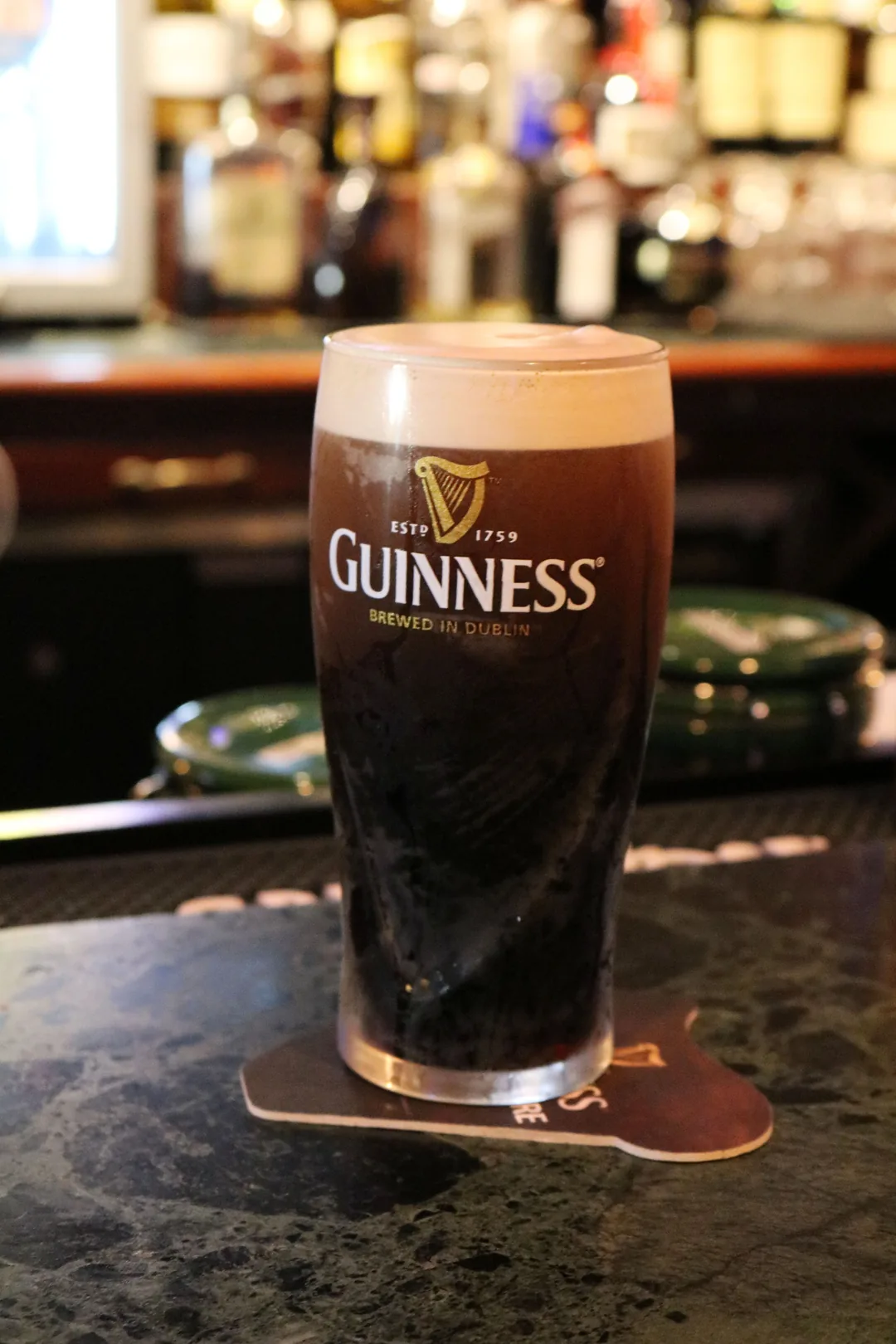
The Storehouse is seven floors built around an atrium shaped like a giant pint glass, and it walks you through how the stuff is made, advertised and poured. It is unapologetically a brand experience, and it’s also good fun.
Give it around two hours. Your ticket includes a pint at the Gravity Bar on the top floor, which is a glass ring with a view over the whole city and out to the hills behind it.
Go up late in the afternoon if you can time it. The light over Dublin from up there in the last hour before sunset is the best free thing about a paid attraction.
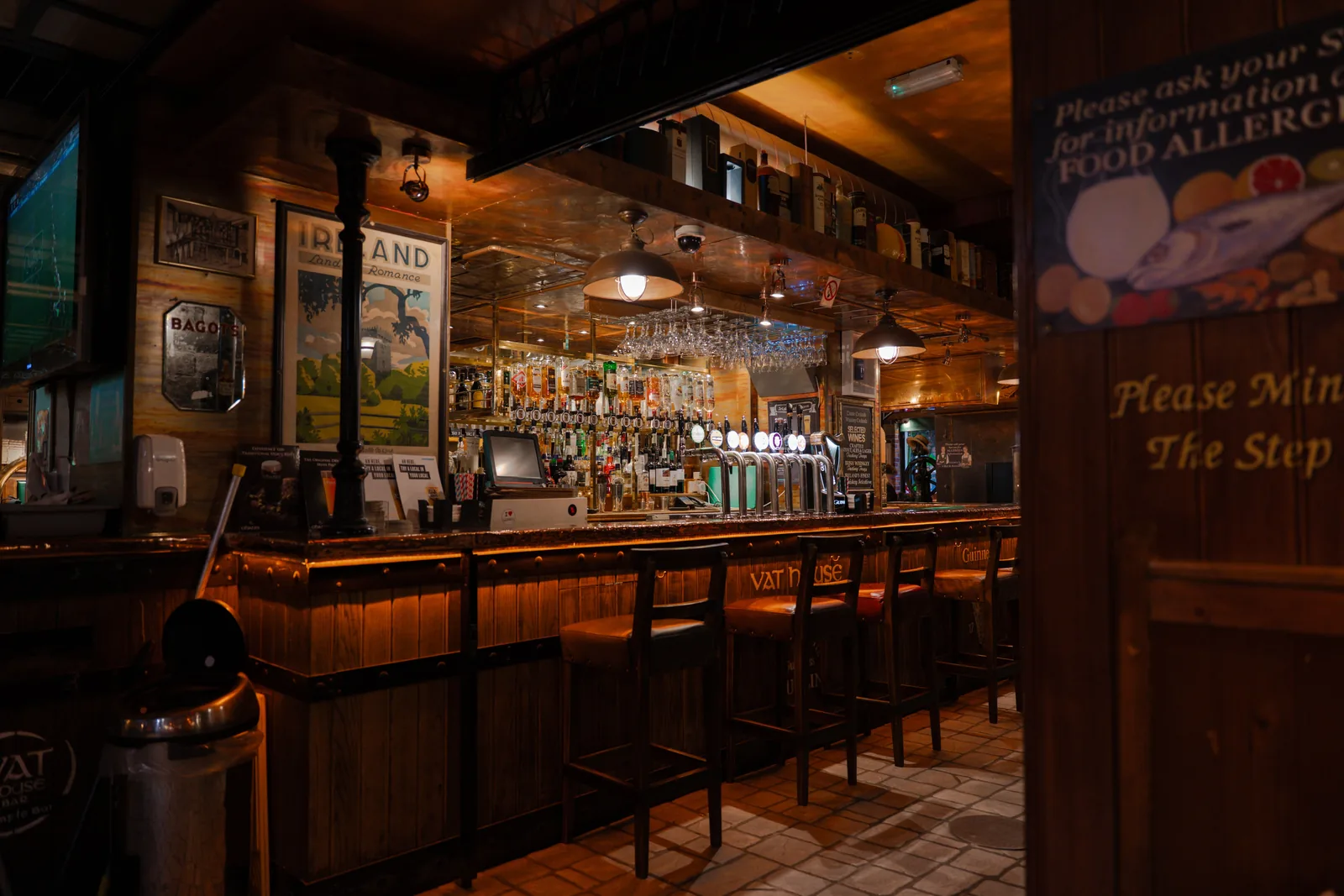
Evening: A Pub Where The Music Isn’t For Tourists
A proper trad session looks different to a pub gig. The musicians sit in a circle facing each other rather than facing the room, there’s no stage and no set list, and people drift in and out with instruments as the night goes.
The Cobblestone in Smithfield is the one to aim for. Sessions run in the front bar most nights and it’s a short walk north of the river.
One bit of etiquette worth knowing. During a session you keep your voice down, especially for a slow air or a song. Talking over the music is the one thing that marks you out.
If whiskey is more your thing than stout, the Liberties has several working distilleries doing tours and tastings, and they’re a much quieter evening than a pub.
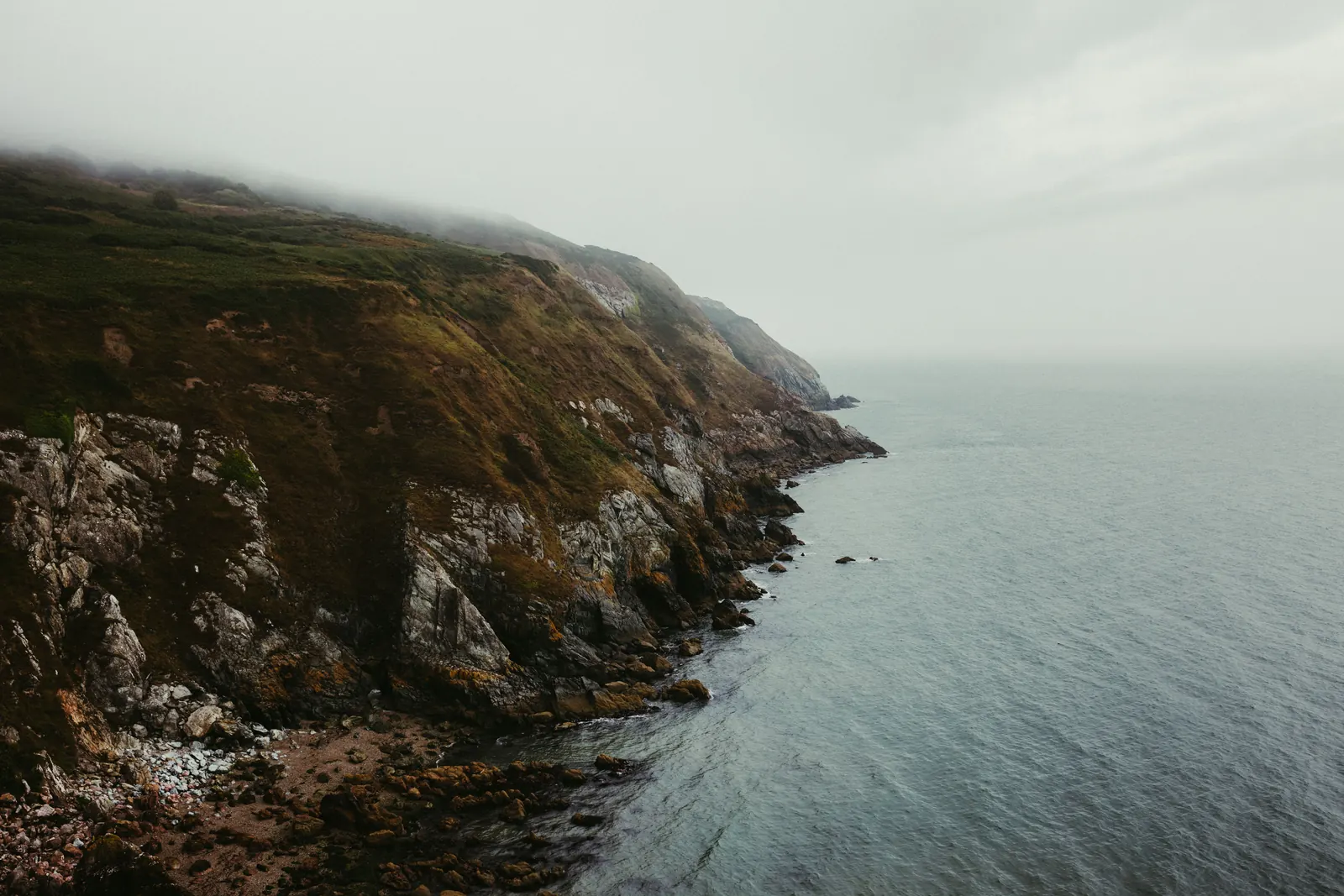
Day 3: The Coast And The Cliff Walk At Howth
Howth is a fishing village on a headland at the northern end of Dublin Bay, and it’s the reason you don’t need a car on this trip. Thirty minutes on a train and the city is gone.
Give it the whole day. It’s the part of the trip most people say they’d have given more time to.
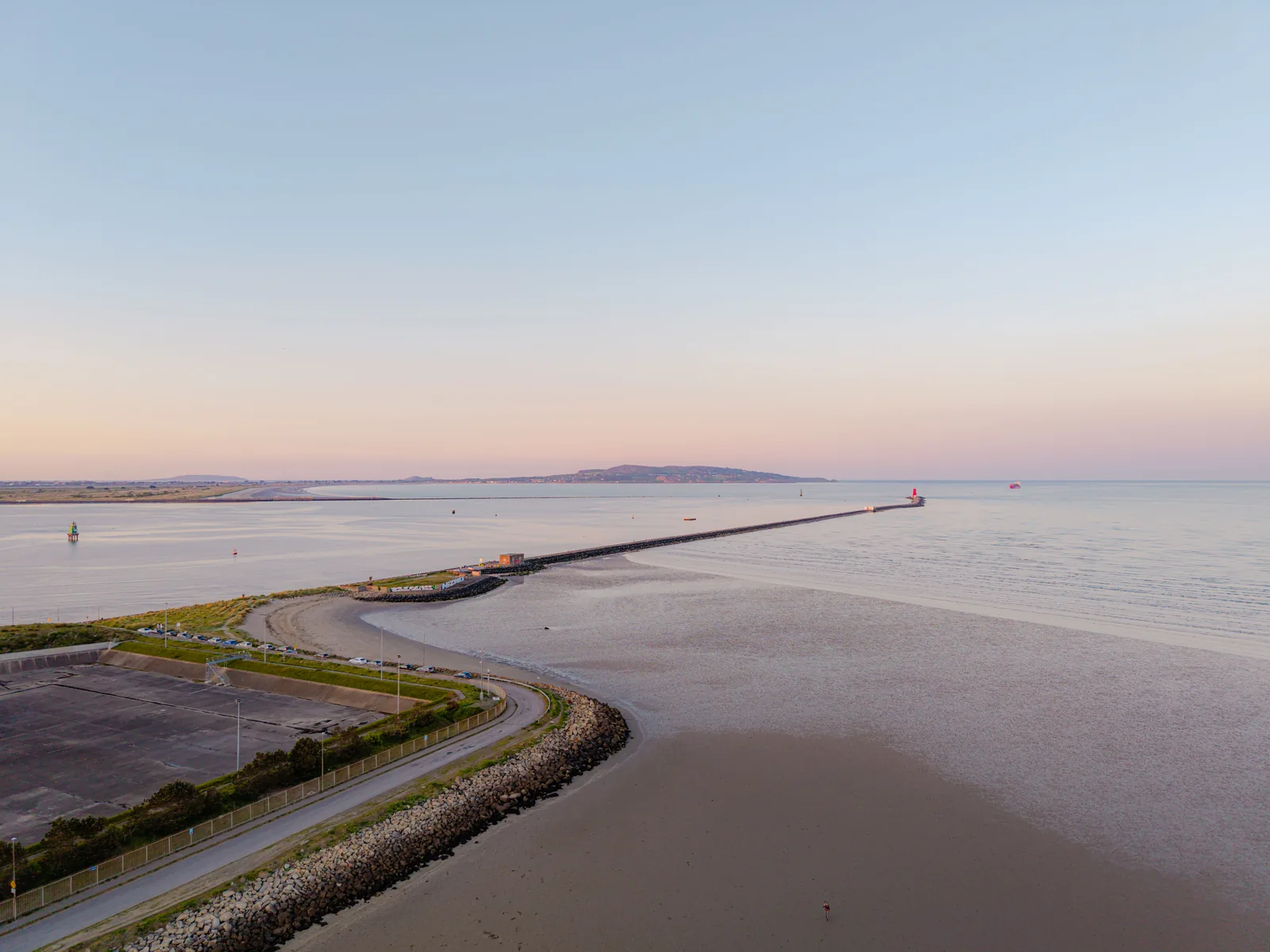
Morning: The DART Out Along The Bay
The DART is Dublin’s coastal train line. Catch it at Tara Street or Connolly, take the northbound one signed for Howth, and stay on to the end of the line.
It’s about half an hour, and most of the second half runs right along the water. Sit on the right hand side going out.
Tap in with a contactless card or a Leap Card. There’s nothing to book ahead and trains run every fifteen minutes or so.
Go in the morning. The weather on that headland changes fast, and a bright start gives you the best odds on the walk.
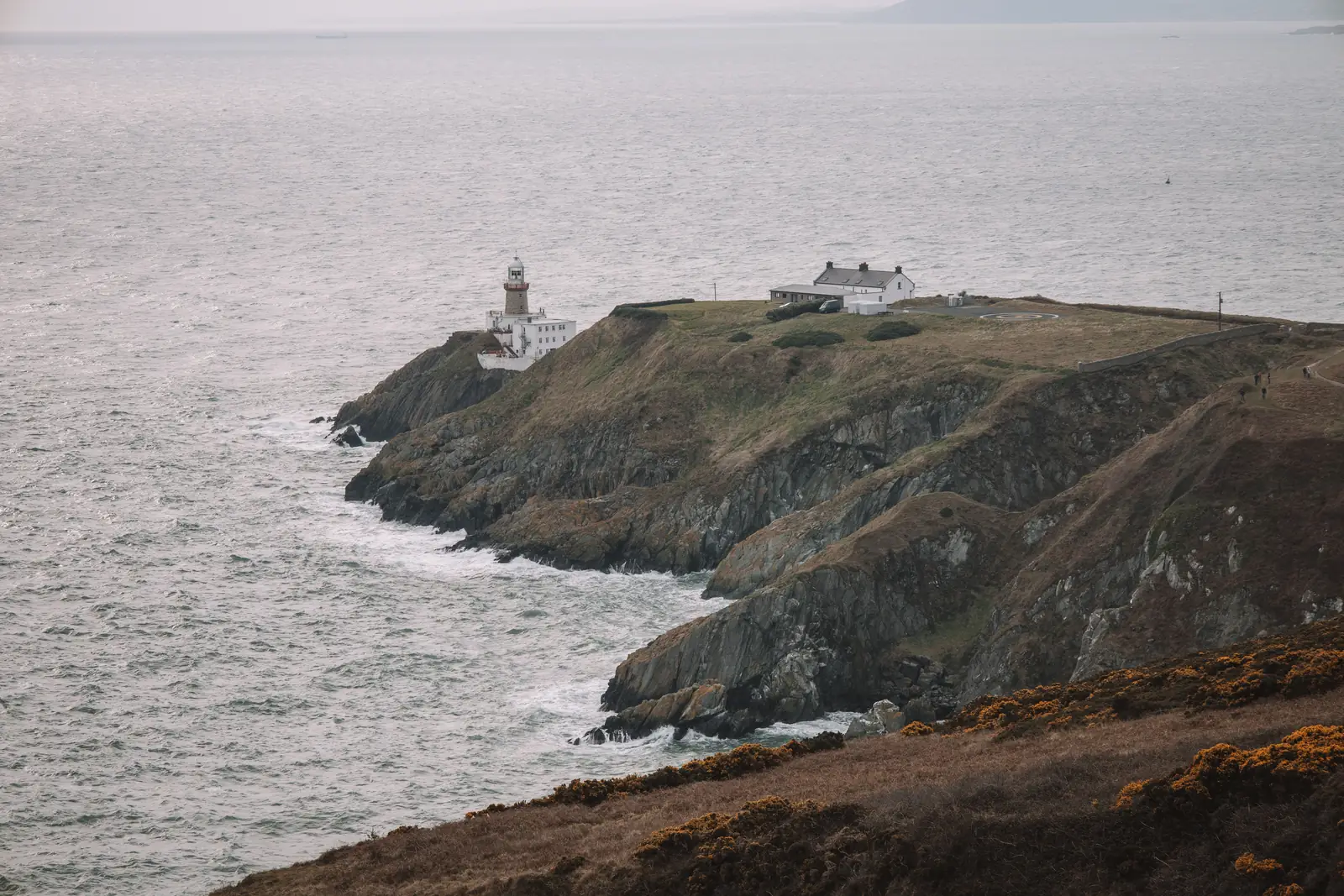
Afternoon: The Cliff Path And Lunch On The Pier
The Howth Cliff Path Loop starts near the station and is waymarked the whole way round. The standard loop is roughly six kilometers and takes about two hours at a normal pace.
It runs along the top of the cliffs with the sea below and gorse and heather all over the headland. On a clear day you can see the Baily Lighthouse on the point and the island of Ireland’s Eye sitting offshore.
Wear shoes you’d walk in. It isn’t a hard route, but it’s exposed, the wind comes off the sea properly, and parts of it are uneven underfoot.
Then eat on the West Pier back down in the harbour, where the seafood comes off the boats tied up in front of you. There are usually seals hanging around the pier waiting for scraps, and they’ve worked out exactly where to sit.
Evening: One Last Night In The City
The DART back gets you into the center in time for dinner, salty and pleasantly worn out.
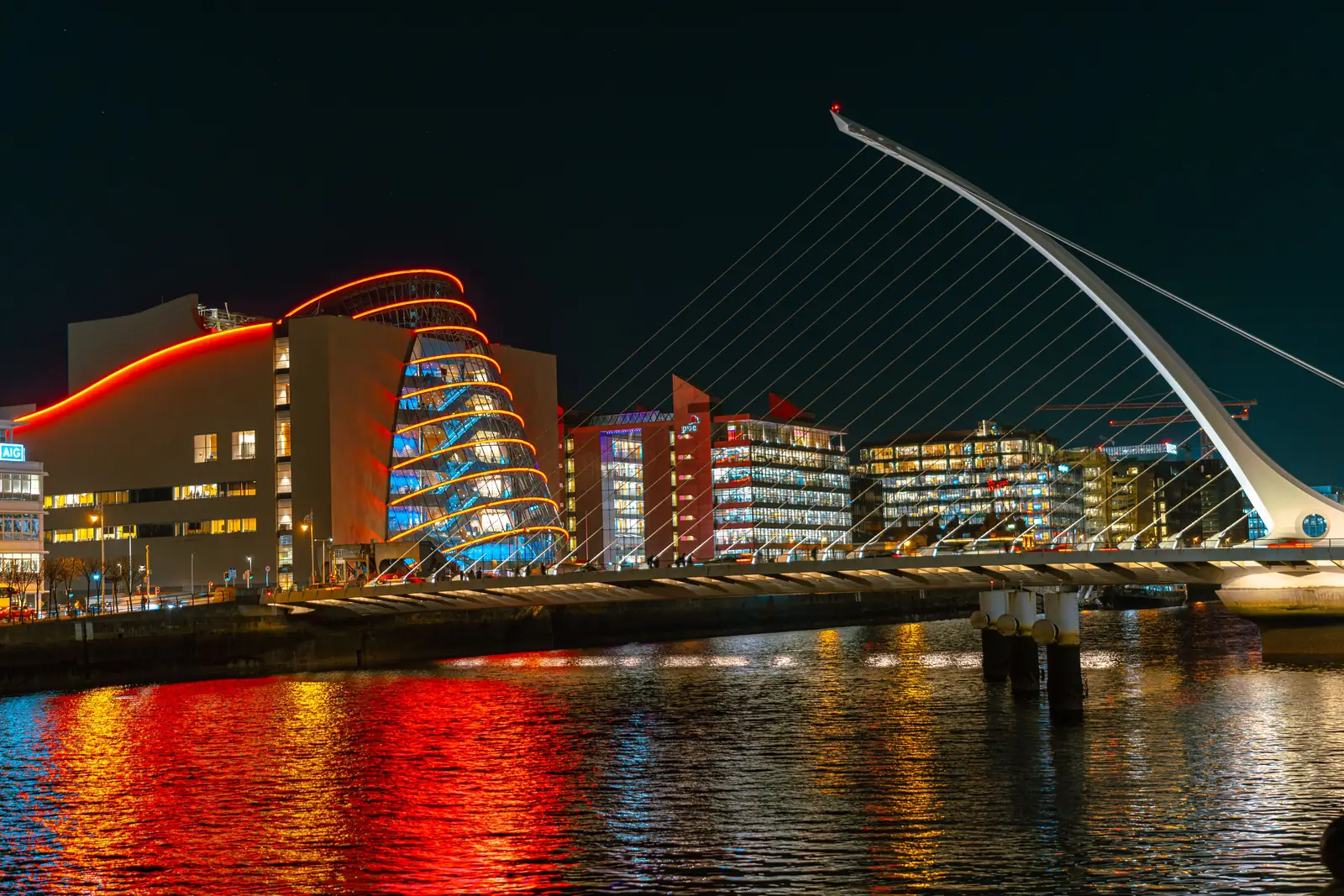
The Ha’penny Bridge lit up over the Liffey is the classic last night walk, and the quays either side of it are quiet once the day crowds have gone.
If there’s one thing left on your list, this is the night for it. You’ve done the big three, so the last evening can be whatever you feel like.
Why The Cliffs Of Moher Don’t Fit Into Three Days
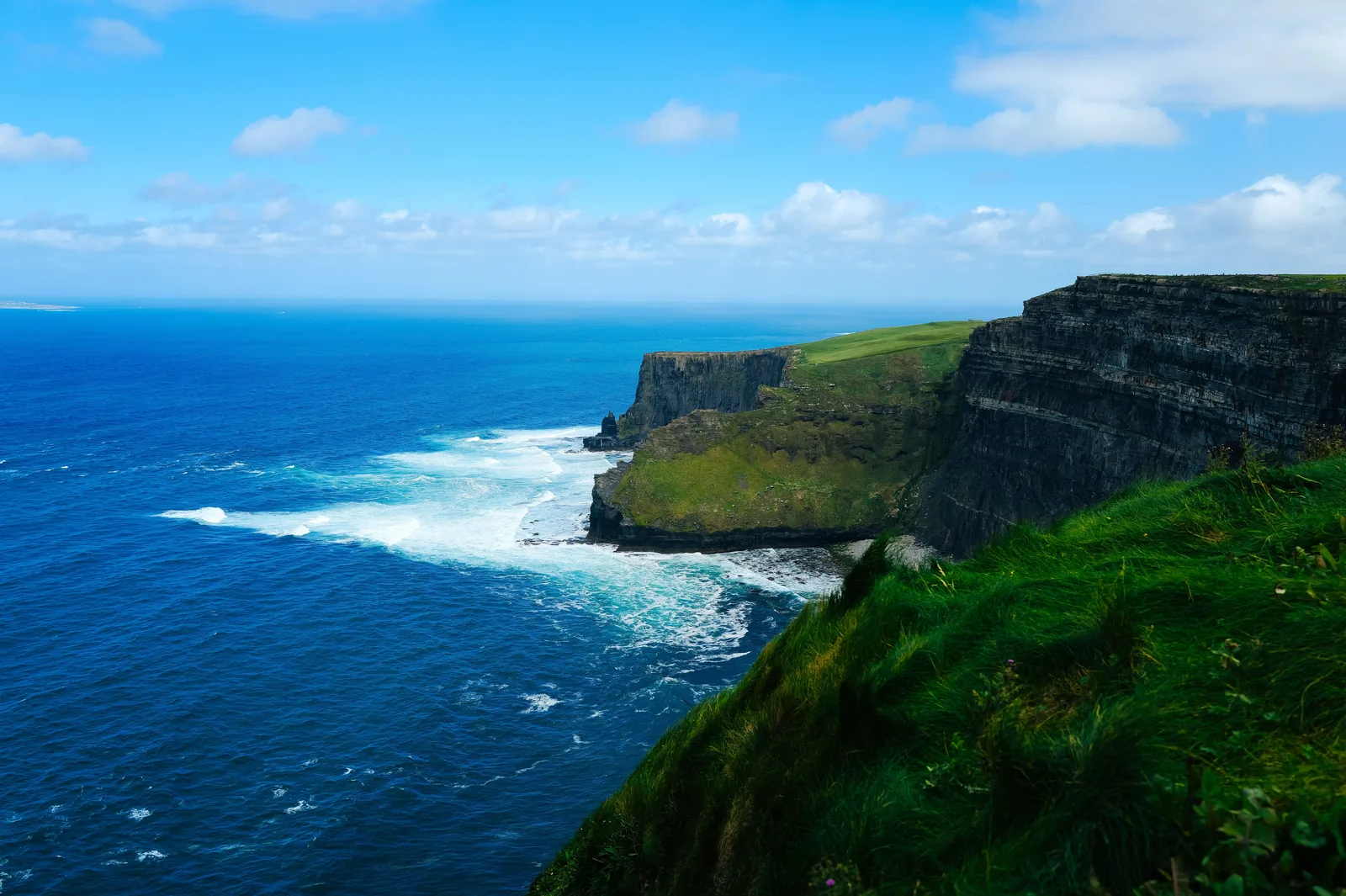
This one comes up constantly, so it’s worth answering directly. The Cliffs of Moher are on the opposite coast, roughly three and a half hours from Dublin each way.
A day tour out of the city runs somewhere between twelve and thirteen hours door to door, and you get about ninety minutes at the cliffs out of it. On a three day trip that’s a third of your time spent mostly on a coach.
If dramatic cliffs are what you came for, Howth gives you a cliff walk thirty minutes from your hotel and a whole day to enjoy it. If the Cliffs of Moher specifically are the dream, they deserve their own trip with a night in Galway or Doolin attached.
Cutting them is the single biggest thing that makes a 3 day Dublin itinerary work instead of feeling rushed.
Best Time To Visit Dublin
May, June and September are the sweet spot. It’s mild, the crowds are manageable, and the daylight is long. Around midsummer it stays light until close to ten at night, which stretches an evening a long way.
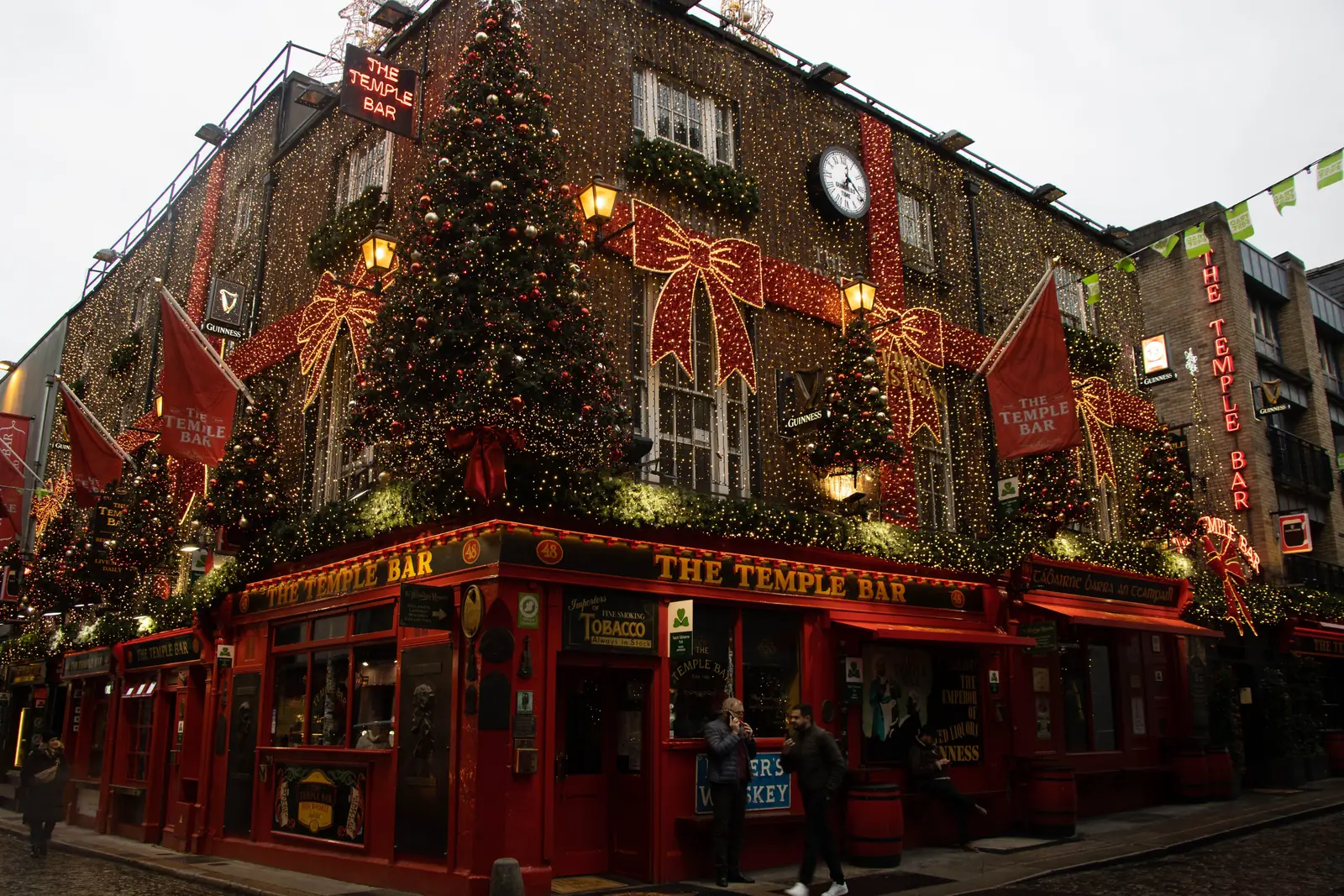
Winter is dark by half four and the weather is grim, but it’s also the cheapest time to come and the city does Christmas properly. Hotel prices in January and February are a fraction of the summer rates.
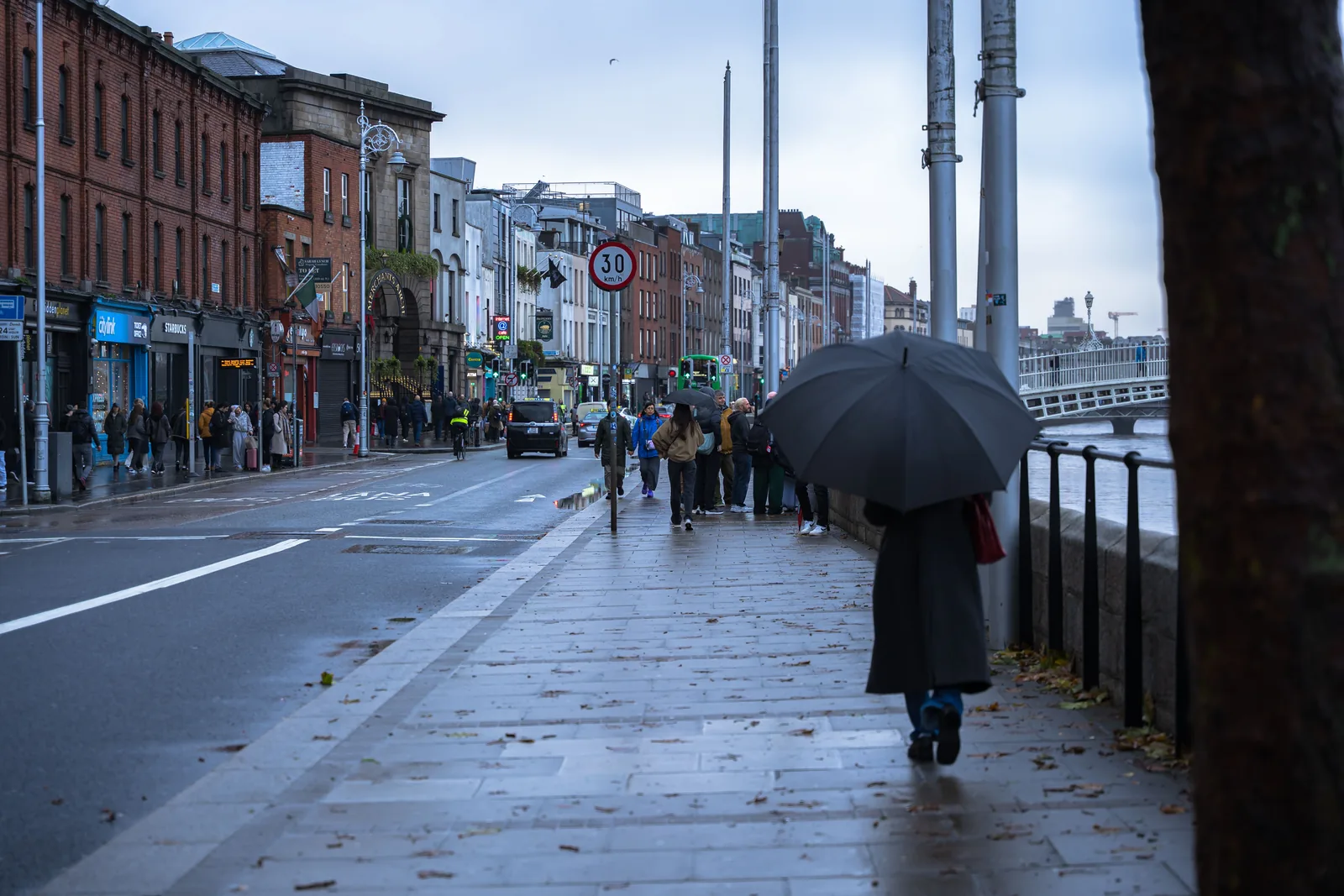
Rain is a constant rather than an event. It’s usually light and it usually passes, so bring a jacket with a hood and don’t bother with an umbrella, because the wind off the bay will destroy it.
One date to plan around. St Patrick’s Day turns the whole city into a festival, which is either exactly what you want or exactly what you don’t. Either way, book months ahead if you’re coming in mid March.
Getting Around Dublin On Foot And By DART
Walking is the default here and it covers almost everything in this Dublin itinerary. The center is genuinely small.
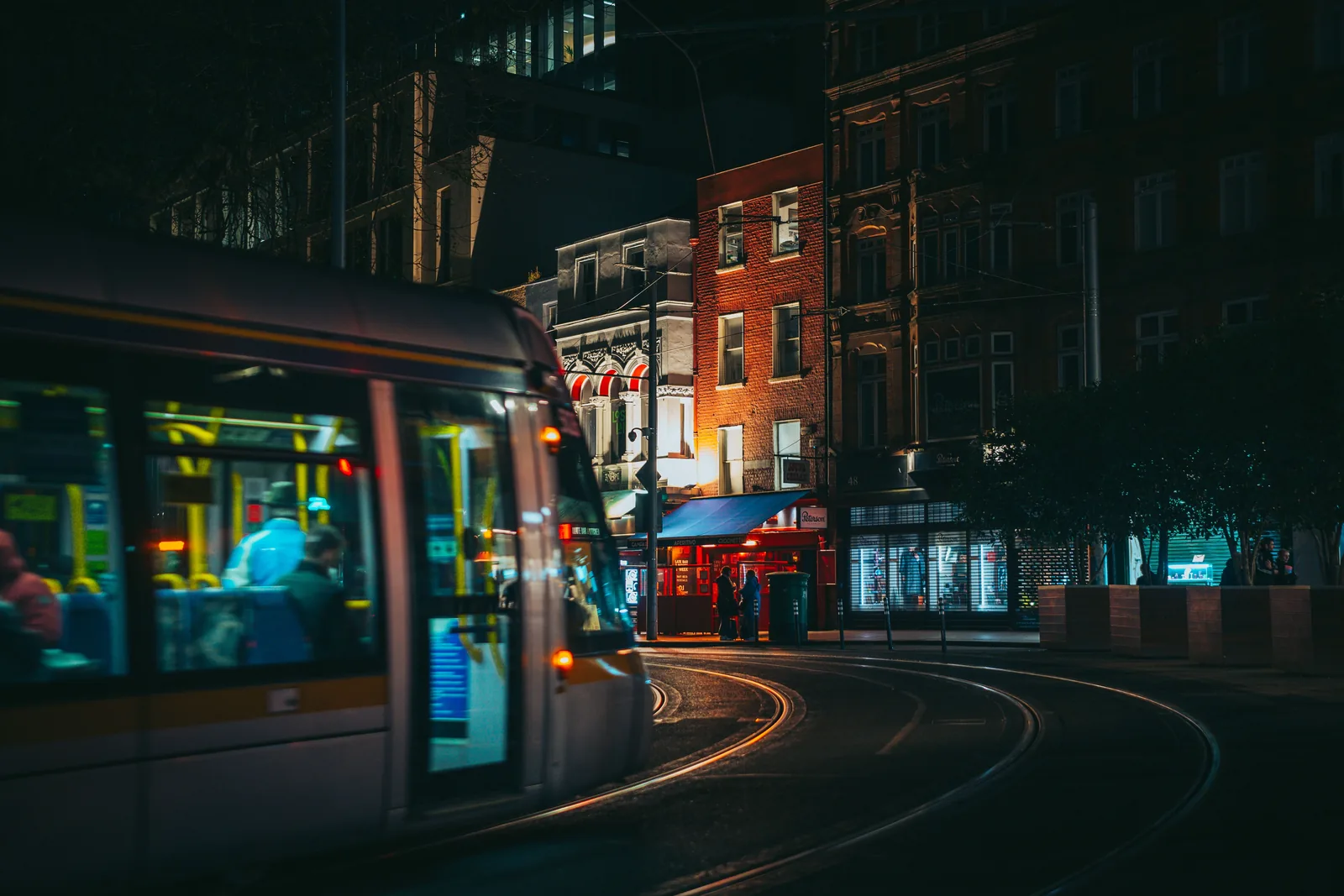
For the rest there’s the DART along the coast, the Luas tram lines through the city, and buses everywhere else. A Leap Card or a contactless bank card works on all of them, and you tap on and off.
The one thing worth knowing in advance is that there’s no train or tram from Dublin Airport. It’s a bus, either the express airport service or a regular city route, and it takes about thirty to forty five minutes into the center depending on traffic.
Taxis are plentiful and metered, and the apps work the way you’d expect.
Where To Stay For Three Days In Dublin
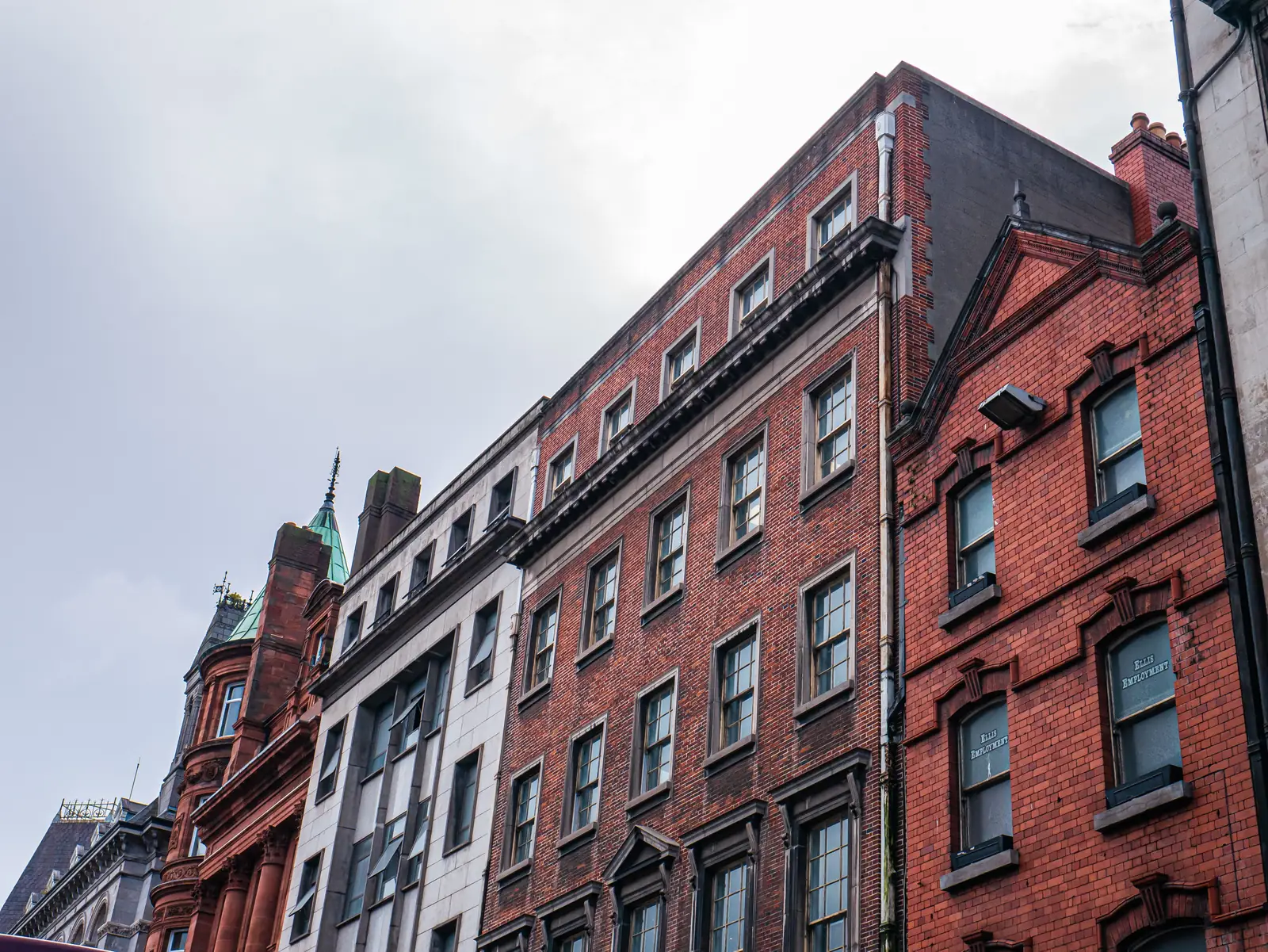
South of the river around Grafton Street and St Stephen’s Green is the easiest choice for a first trip. You can walk to everything on day one and day two from there, and it’s quiet at night.
Temple Bar itself is the one area to think twice about. It’s central and it’s fun, and it’s also loud until three in the morning on a weekend. If you sleep lightly, stay a few streets back.
Smithfield and Stoneybatter north of the river are cheaper, feel like real neighborhoods, and are still a fifteen minute walk in. That’s also where the trad pubs are.
Dublin hotels are expensive by European standards and they get worse in summer and around big matches at the Aviva or Croke Park. Booking early matters more here than in most cities.
What To Know Before Your First Trip To Ireland
The Republic of Ireland uses the euro. If you’re crossing into Northern Ireland at any point, that’s pounds sterling, and the two don’t mix.
Tipping isn’t the system it is in the States. Around ten percent in a restaurant if the service was good is normal, and nobody tips at a bar.
Plugs are the same three pin type used in the UK, so a European adapter won’t help you.
In a pub you order at the bar rather than waiting to be served, and you pay as you go. A pint of Guinness is poured in two stages with a pause in the middle, so if the bartender walks away and leaves your glass sitting there three quarters full, that’s the correct way to do it and not somebody forgetting about you.
Last thing, and it’s the one that surprises people most. Dubliners will talk to you. Standing at a bar on your own is not a signal to be left alone here, and a good half of what people remember about a first trip to Ireland comes out of conversations they didn’t plan on having.
Final Thoughts
Three days in Dublin works because the city doesn’t ask much of you logistically. You walk, you take one train, and the rest of your energy goes on the actual place rather than on getting to it.
The version of this trip that disappoints is the one that treats a small capital like a big one, packing in day tours and cramming a fourth museum into an afternoon that would have been better spent in a pub. Dublin isn’t a city you conquer.
Book the gaol the day the tickets drop, keep your evenings loose, get out to the coast on day three, and this Dublin itinerary will handle the rest.