 Rebecca Engel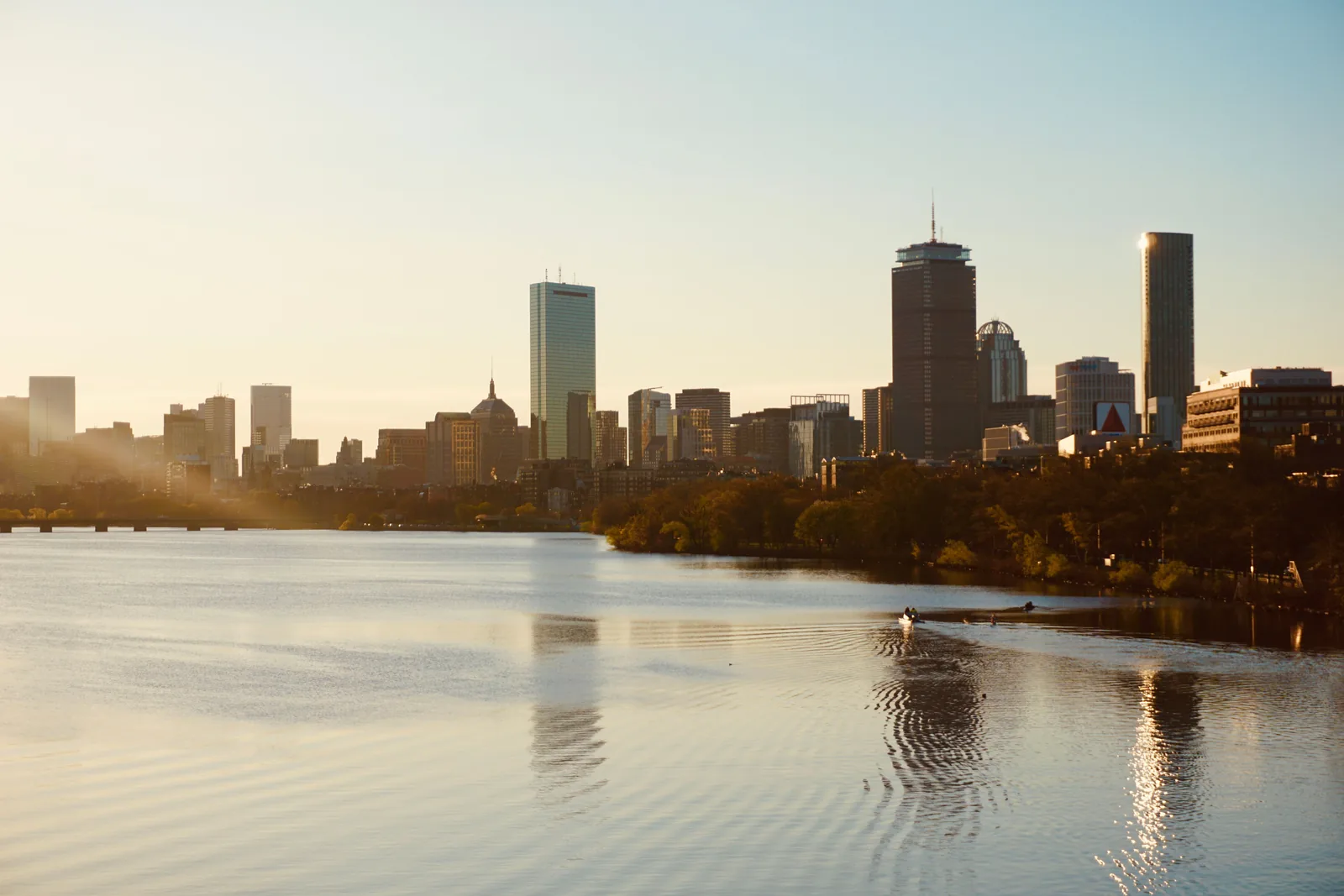
Boston is smaller than people expect. Four hundred years of history, a ballpark from 1912, and some of the best seafood in the country all sit inside a footprint you can walk across in about an hour, which means you’re never really far from the next thing on your list.
That’s what makes the things to do in Boston so easy to string together. You can stand where the Revolution started, eat a cannoli in a neighborhood that still feels Italian, and be looking down at the whole city from the 52nd floor before dinner. Here’s what’s actually worth your time on a first visit, roughly in the order you’ll bump into it.
1. Walk The Freedom Trail From Boston Common To Charlestown
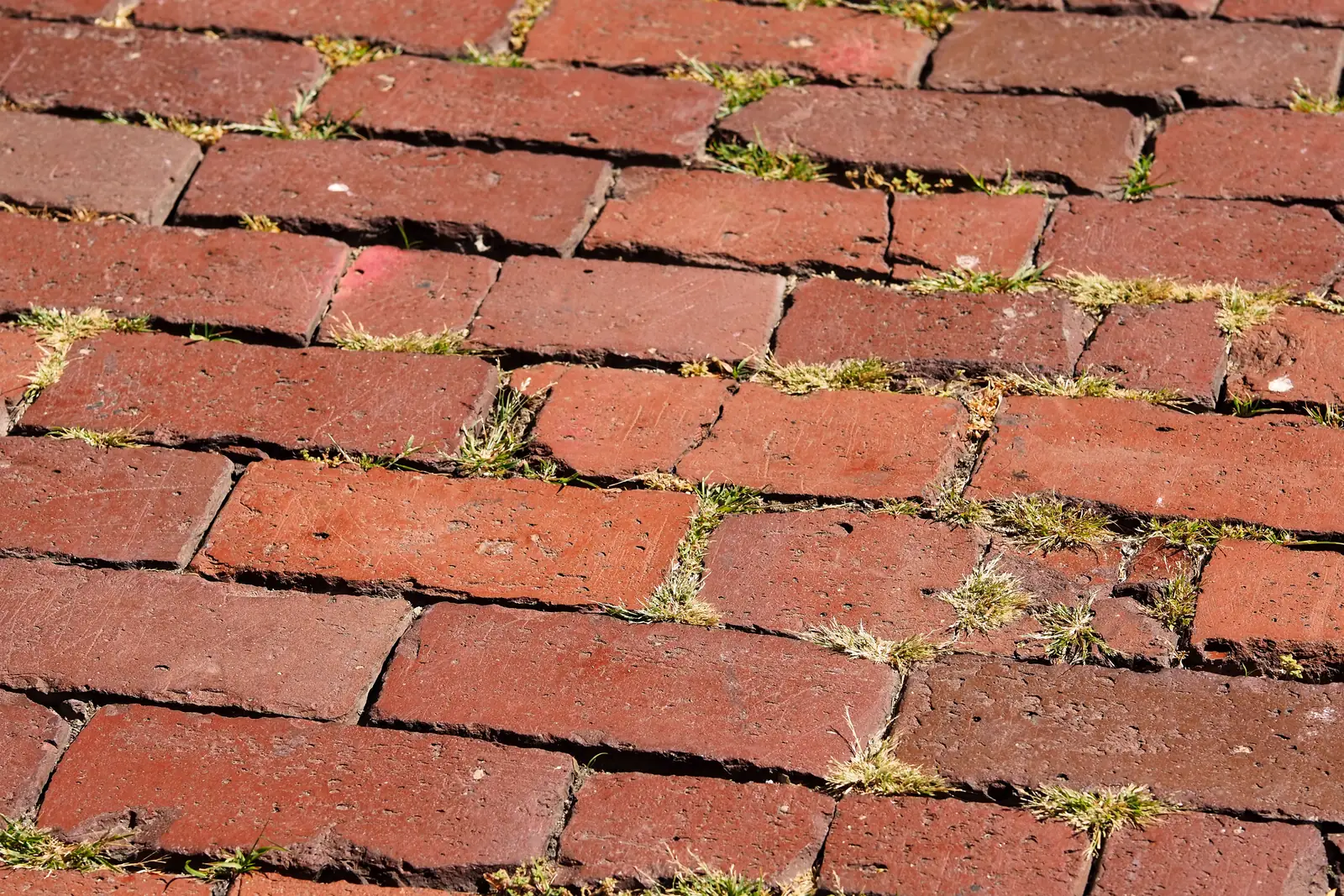
There’s a red brick line running through the sidewalk downtown, and if you follow it for two and a half miles it takes you past sixteen historic sites and ends at a monument across the river. No map, no tour guide, no wrong turns.
It starts at Boston Common, which has been a public park since 1634 and is older than every other one in the country. Along the way you’ll pass the Granary Burying Ground, where Paul Revere, John Hancock, and Samuel Adams are all buried within a few feet of each other, plus the Old North Church and Paul Revere’s house in the North End.
The trail itself is free and most of the stops are too, though a few charge a small admission. Start early if you can. By ten in the morning the downtown stretch fills up with school groups and guides in tricorn hats, and the whole thing is much more pleasant with the sidewalk mostly to yourself.
2. Grab A Cannoli At Mike’s Pastry
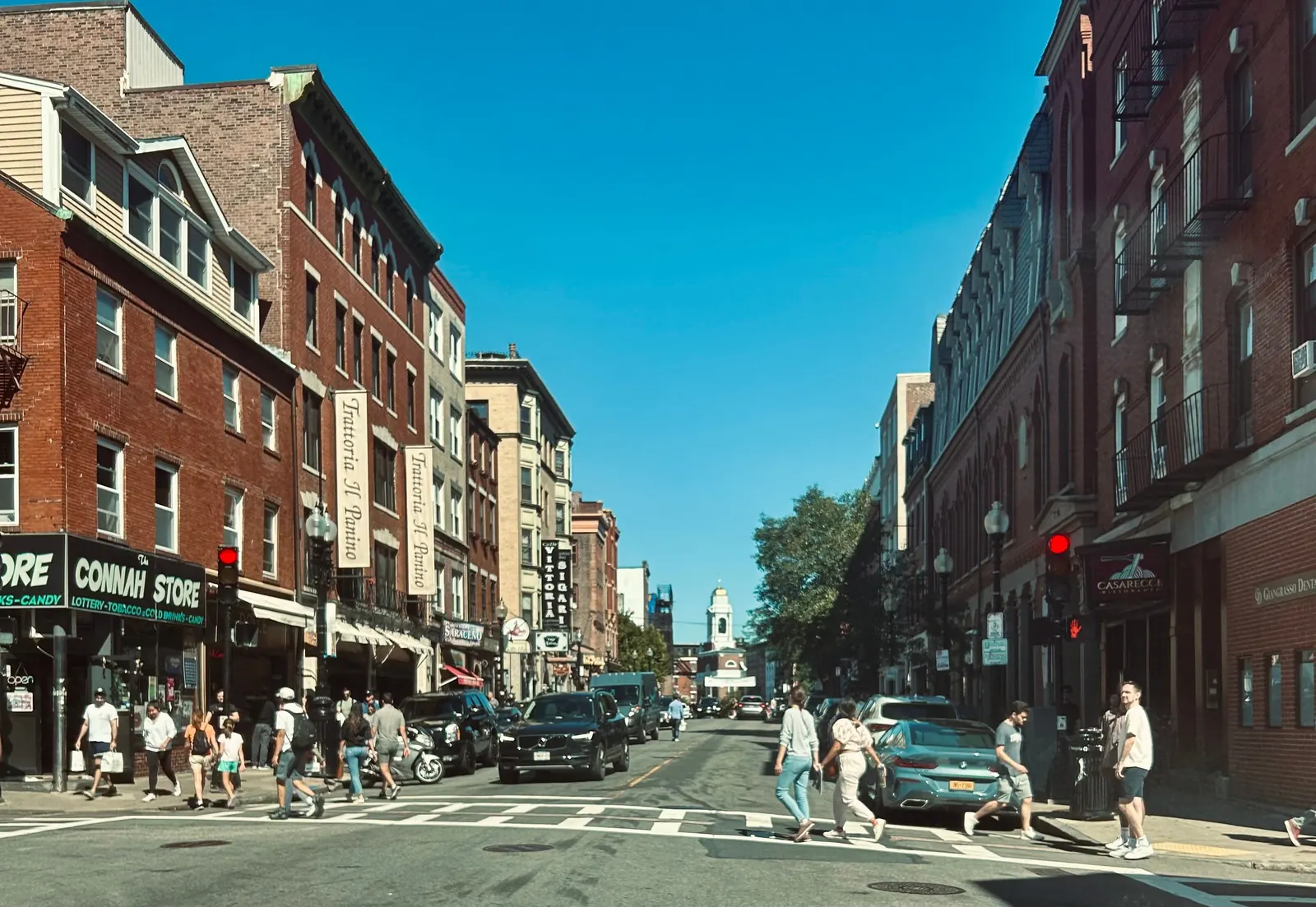
The North End is Boston’s Italian neighborhood, and it’s about six blocks of narrow streets, red sauce restaurants, and old men arguing on folding chairs. The Freedom Trail runs right through it, which makes the timing easy.
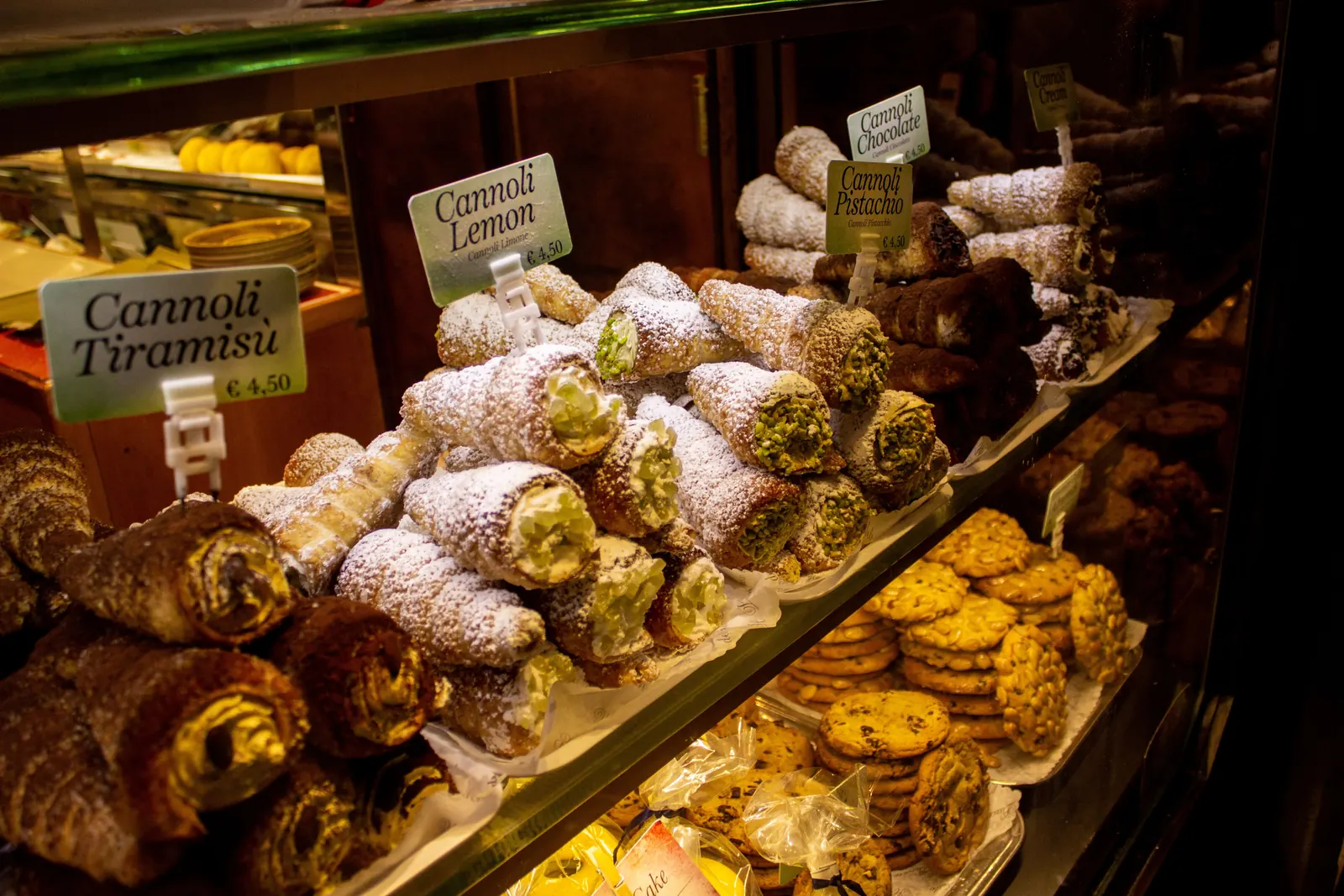
Mike’s Pastry on Hanover Street is the one everyone knows. You order at the counter, they tie your box up with string, and half the people walking around the neighborhood are carrying one. Modern Pastry is a few doors down and fills its shells to order instead of ahead of time, which is why locals will tell you it’s the better cannoli.
The honest answer is to buy one at each and settle it yourself. It costs about eight dollars total and it’s the most Boston thing you’ll do all day. Bring cash for Modern, and expect a line at both on weekends.
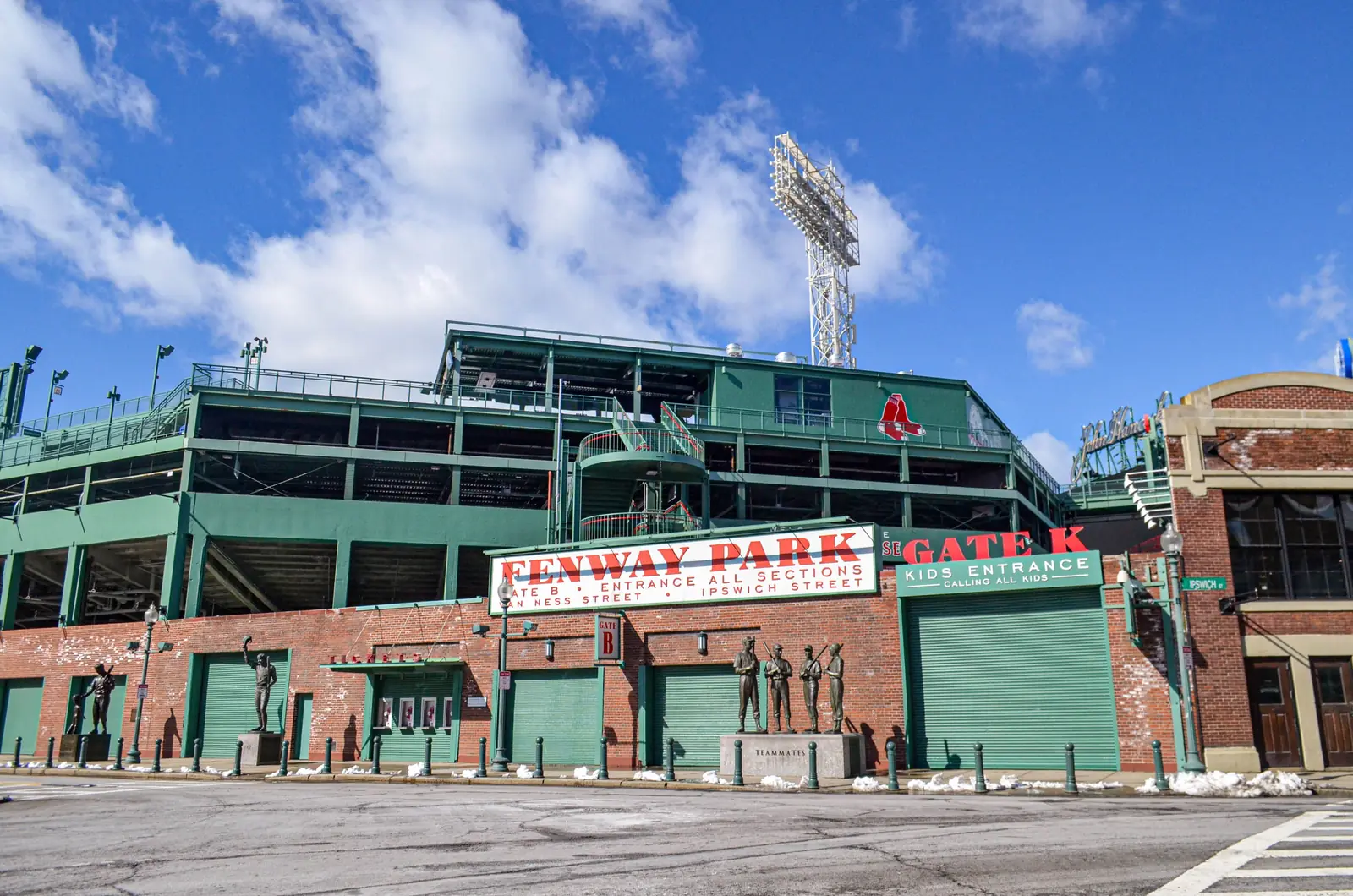
3. Catch A Game At Fenway Park
Fenway opened in 1912 and it’s the oldest ballpark in Major League Baseball. It’s also cramped, odd, and built into a city block rather than a parking lot, which is exactly why it’s worth going even if you don’t care about baseball.
The Green Monster is the thirty-seven foot wall in left field, and it’s tall because the property line was there first. Seats on top of it are the best in the park if you can get them. Somewhere in the middle of the eighth inning the whole place sings along to Sweet Caroline, and it lands differently in person than it sounds on TV.
No game while you’re in town isn’t a dealbreaker. Tours run most days year round, they take you onto the field and up to the Monster seats, and they’re a fraction of the price of a ticket.
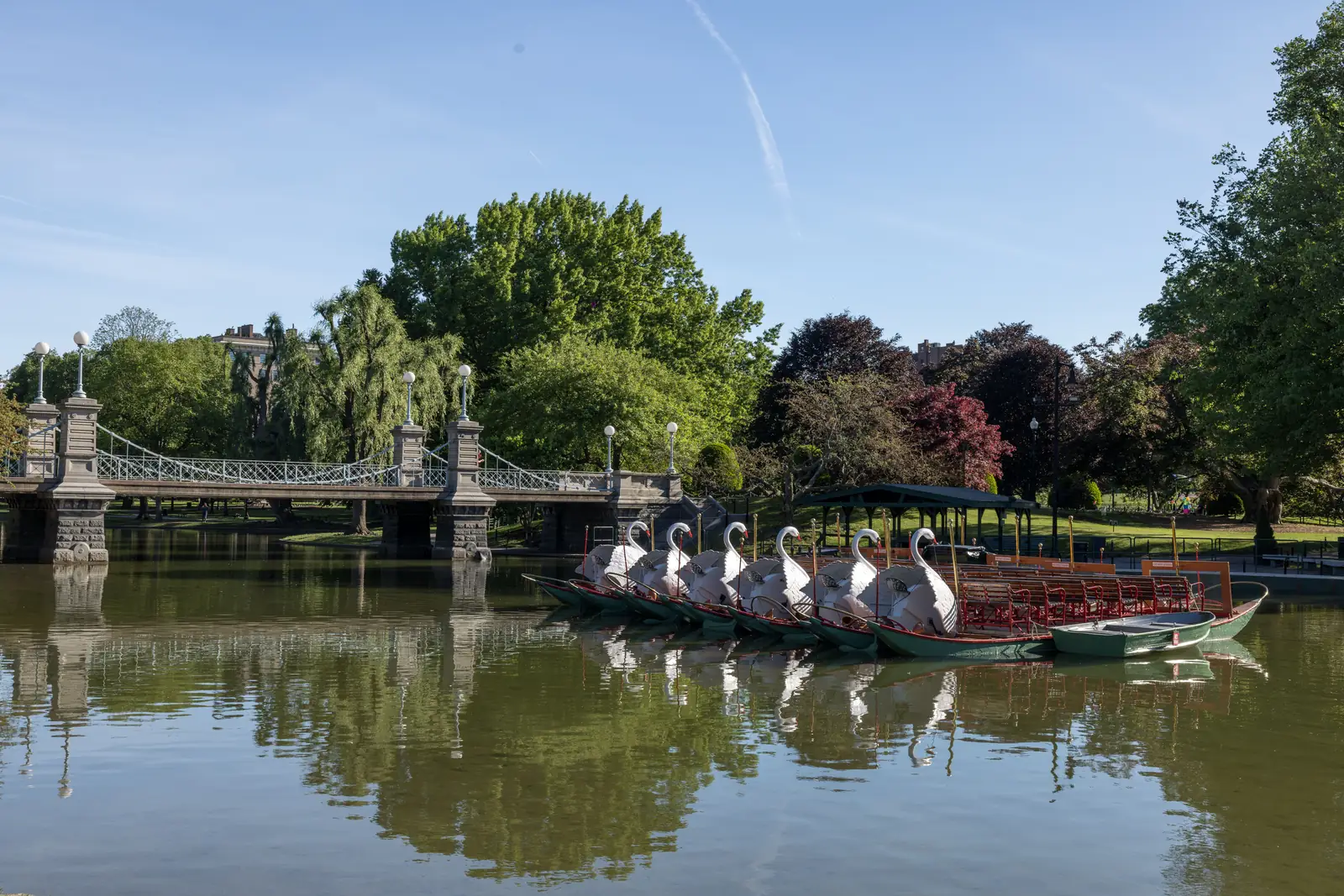
4. Ride A Swan Boat In The Public Garden
The Swan Boats have been circling the lagoon in the Public Garden since 1877, and the same family has run them the entire time. They’re pedal powered, which means a person sitting inside the swan is doing all the work while you drift past the willows.
The ride is about fifteen minutes and costs a few dollars. It is completely, unapologetically corny, and it’s also one of the nicest twenty minutes you can spend in the middle of a city.
They run from the middle of April through early September, so a winter trip means looking at an empty lagoon instead. While you’re there, find the Make Way for Ducklings statues near the Beacon Street corner, where the bronze ducklings usually have tiny hats on them for whatever the season happens to be.
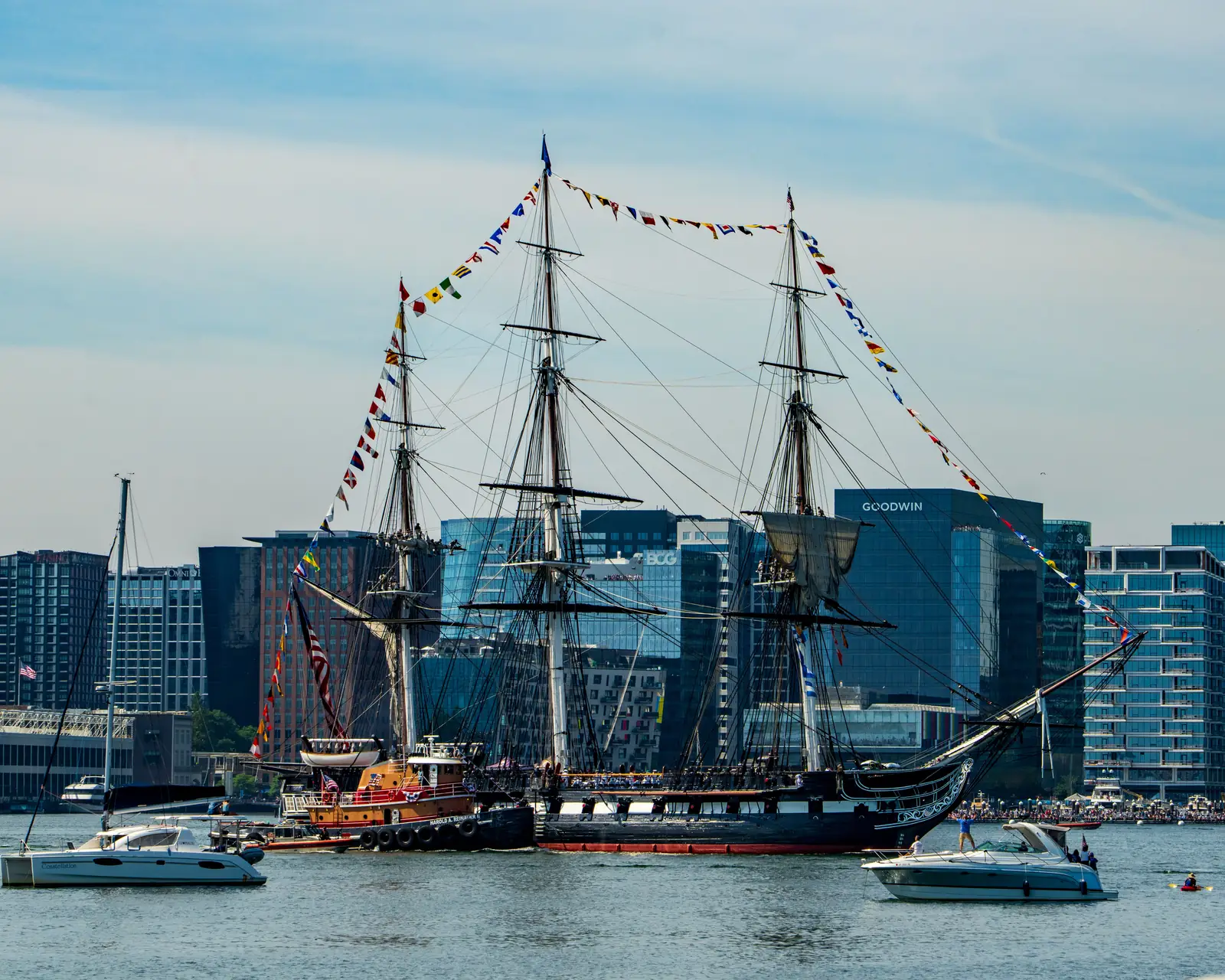
5. Climb Aboard The USS Constitution
Old Ironsides launched in 1797 and is still a commissioned Navy ship, which makes it the oldest one afloat anywhere in the world. It sits in the Charlestown Navy Yard at the far end of the Freedom Trail, and going aboard is free.
The sailors giving the tours are active duty Navy in period uniform, and they’re genuinely good at it. The nickname came from the War of 1812, when British cannonballs bounced off the hull because it was built from live oak that was several inches thicker than anything else on the water.
One thing to know before you walk over. The ship is docked on an active military base, so anyone eighteen and up needs a photo ID to get through the gate. The museum next door is a separate building and runs on donations.
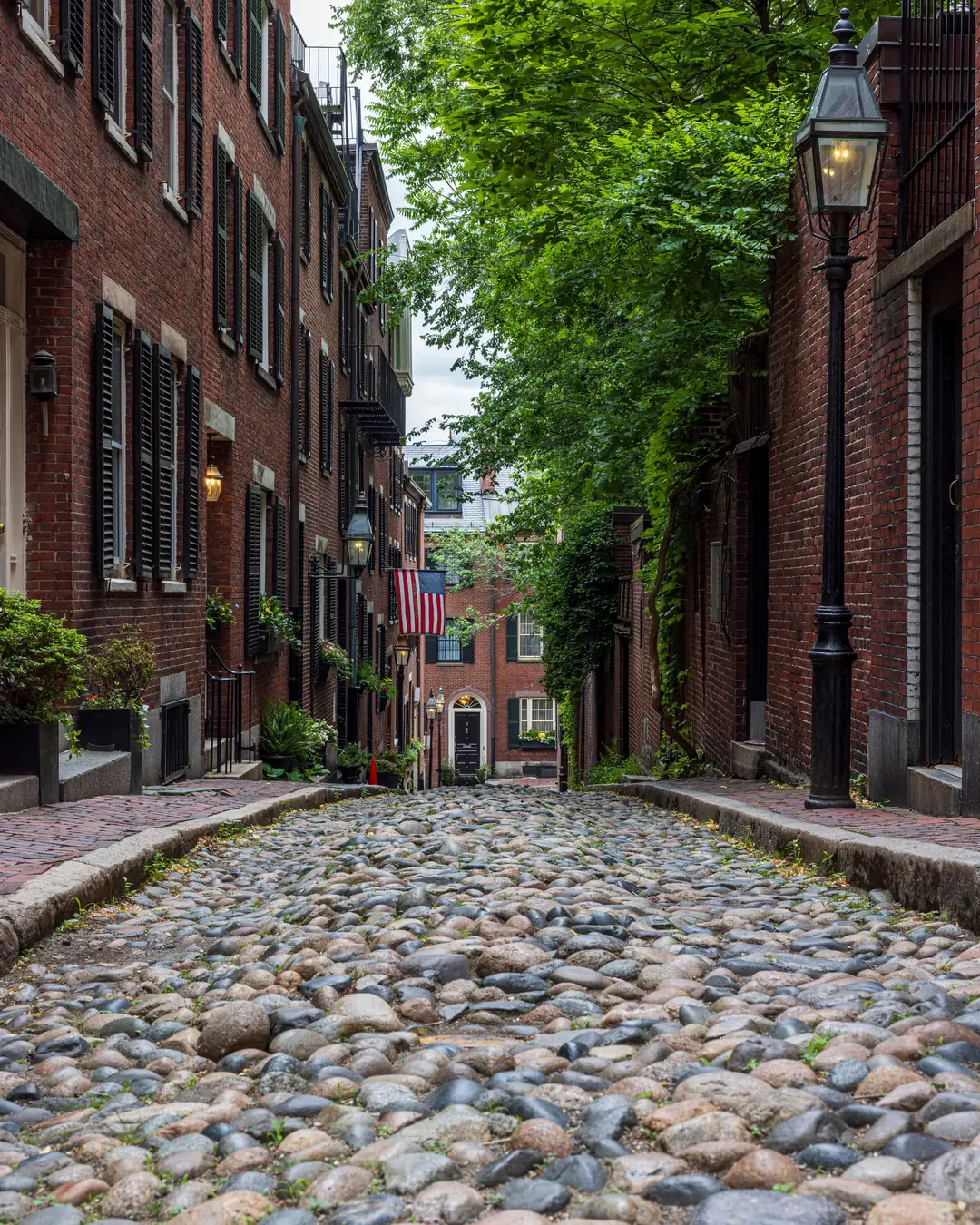
6. Find Acorn Street In Beacon Hill
Acorn Street is a short cobblestone lane in Beacon Hill that gets called the most photographed street in America. It’s about the width of a car, the stones are original, and the gas lamps on it still burn.
It was never a fancy address. Coachmen and servants lived here while the families they worked for had the big houses around the corner, which is why the doors are so close together.
The rest of Beacon Hill is worth a slow half hour on its own. Brick sidewalks that buckle over tree roots, Louisburg Square with its private garden, and a handful of windows on Beacon Street with purple panes, the result of a bad batch of glass from the 1820s that turned in the sunlight and became a status symbol by accident. People live on all of these streets, so keep the noise down and don’t block doorways for photos.
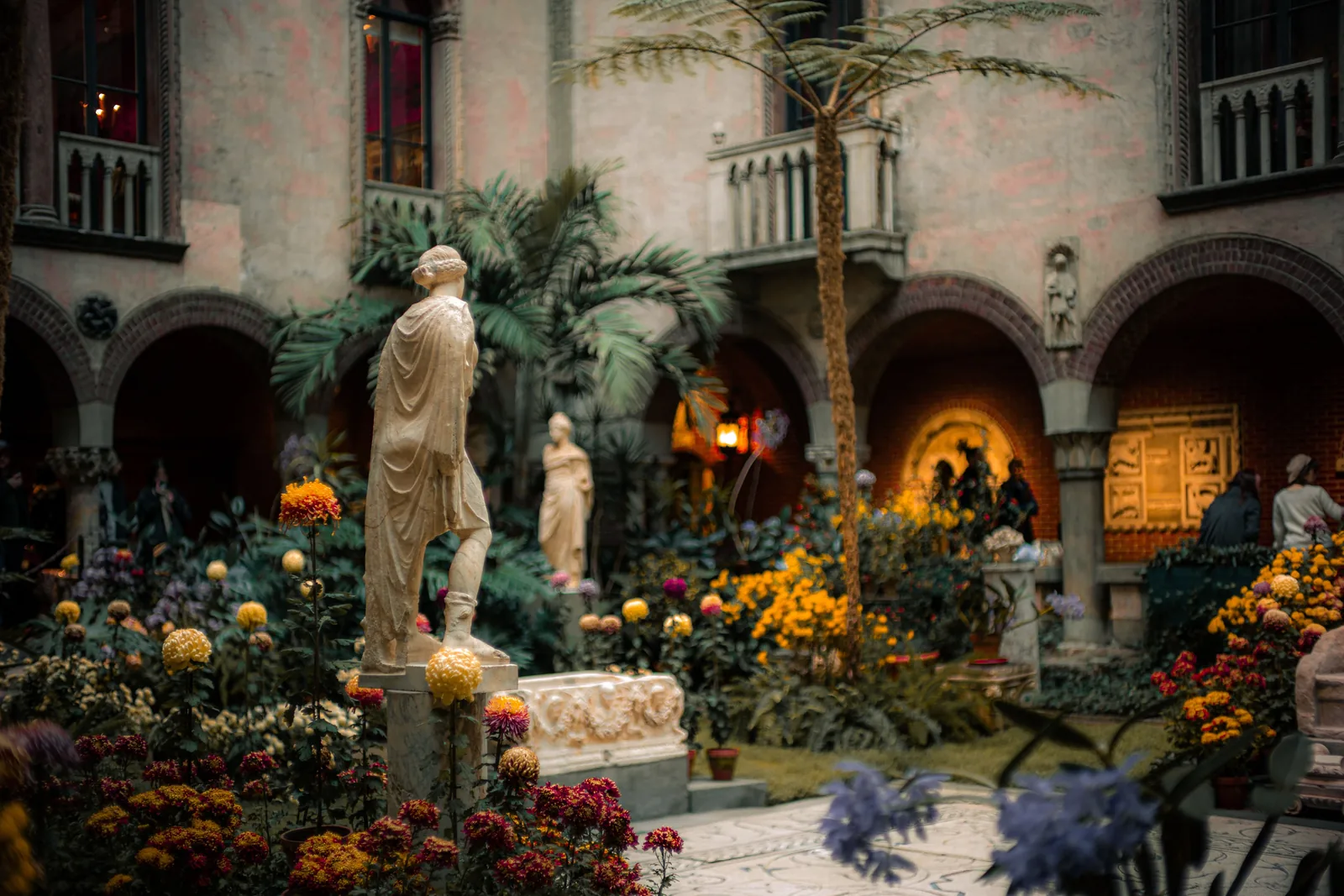
7. See The Empty Frames At The Isabella Stewart Gardner Museum
In March of 1990, two men dressed as police officers talked their way into this museum and left with thirteen works of art, including a Vermeer and three Rembrandts. It’s still the largest art theft in history, nobody has ever been charged, and the reward sits at ten million dollars.
Isabella’s will said nothing in her collection could ever be moved or rearranged. So the frames the thieves cut the canvases out of are still hanging on the walls, empty, exactly where they were. Standing in front of them is a strange and genuinely unsettling thing.
The building itself is a Venetian palace built around a four story glass covered courtyard that’s full of flowers no matter what the weather is doing outside. Two small details worth knowing: admission is free on your birthday, and it’s free for life if your name happens to be Isabella.
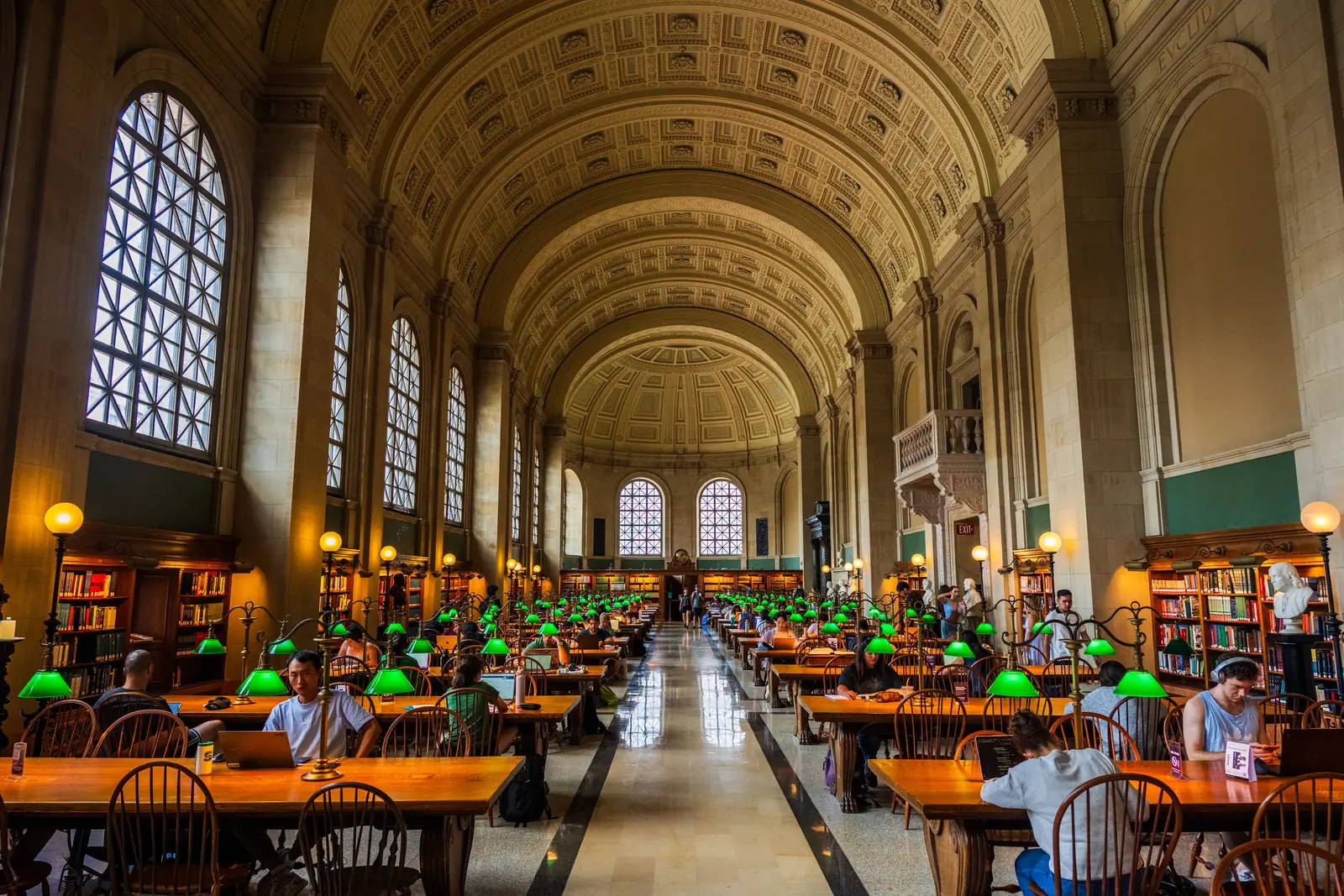
8. Read In Bates Hall At The Boston Public Library
This was the first large free public library in the country, and the original McKim building on Copley Square was designed to look like a palace for the people who used it. Nobody stops you at the door and it costs nothing to walk in.
Bates Hall is the room you came for. It runs the length of the building under a barrel vaulted ceiling fifty feet up, with rows of long oak tables and small green lamps down the middle of each one. It’s about as quiet as a room gets in a city this size.
Wander a bit while you’re inside. There are murals by John Singer Sargent upstairs, lions on the main staircase, and an Italian style courtyard in the center with a fountain and chairs where people eat lunch in warm weather. Free art and architecture tours leave from the lobby most days.
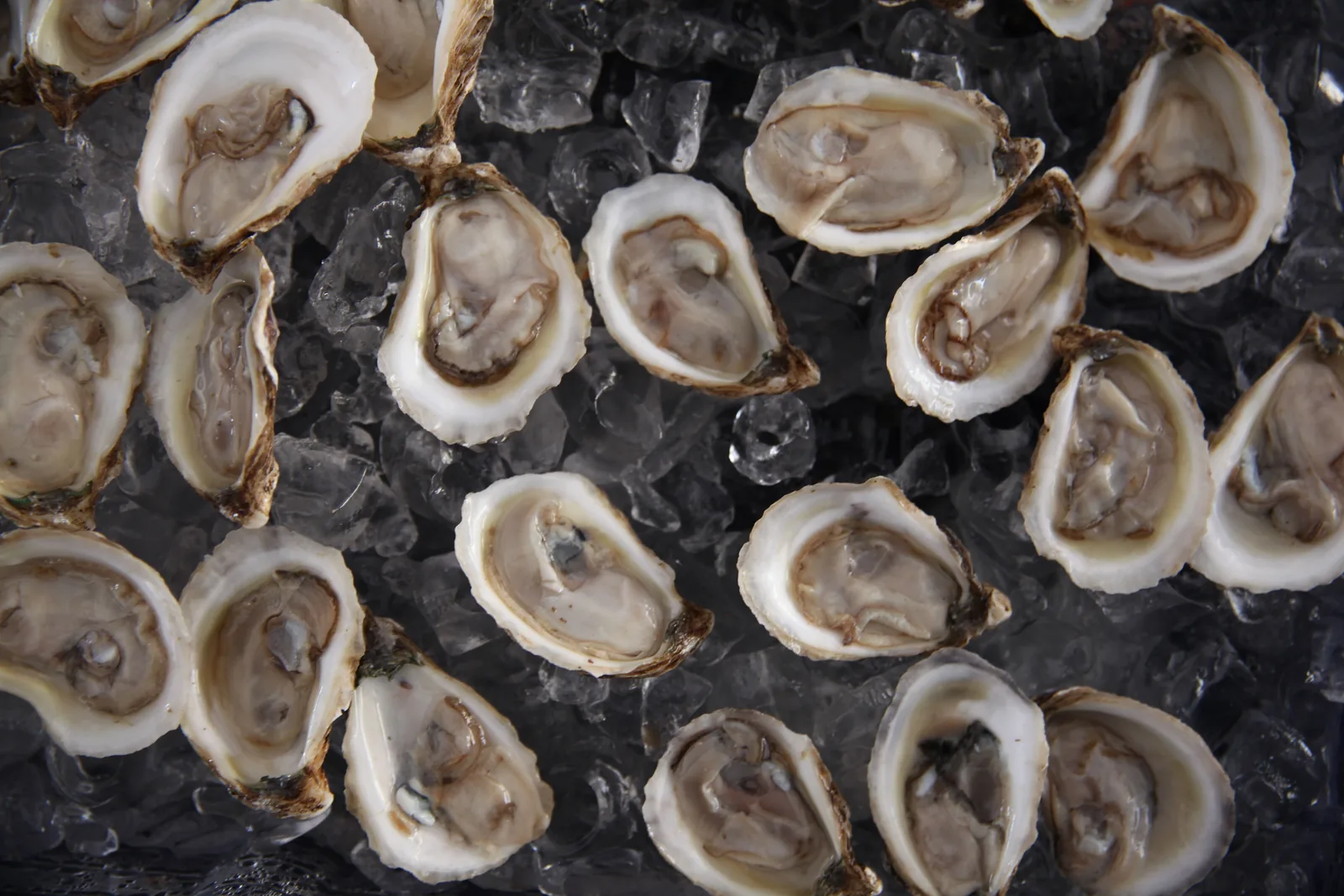
9. Slurp Oysters At The Union Oyster House
The Union Oyster House has been serving food in the same building since 1826, which makes it the oldest continuously operating restaurant in the United States. The building itself is older than that by about a century.
Skip the dining room and sit at the semicircular oyster bar downstairs, where the shuckers work in front of you and the mahogany is worn smooth from two hundred years of elbows. Daniel Webster used to drink brandy and eat oysters at this same bar. Upstairs there’s a booth with a plaque on it because John F. Kennedy read the Sunday papers in it so often that it’s now known as the Kennedy booth.
It’s touristy and the prices reflect that, so treat it as a dozen oysters and a bowl of chowder rather than a full dinner. The clam chowder is the real thing, thick and heavy on the cream the way New England makes it.
10. Whisper Across The Mapparium
Inside the Mary Baker Eddy Library there’s a thirty foot glass globe you walk into. A bridge runs through the middle of it, so you’re standing at the center of the earth looking out at the world through six hundred panels of stained glass, lit from behind.
It was finished in 1935 and the borders were never updated, so the map around you shows an empire in India, a Siam where Thailand should be, and a Europe that hadn’t been redrawn yet. It’s a snapshot of a world that stopped existing about ten years after they built it.
Then there’s the sound. Because the glass is a perfect sphere and nothing absorbs anything, someone whispering at one end of the bridge is perfectly clear to a person at the other end, while people standing in the middle hear nothing. The whole visit takes about twenty minutes and costs less than a movie ticket.
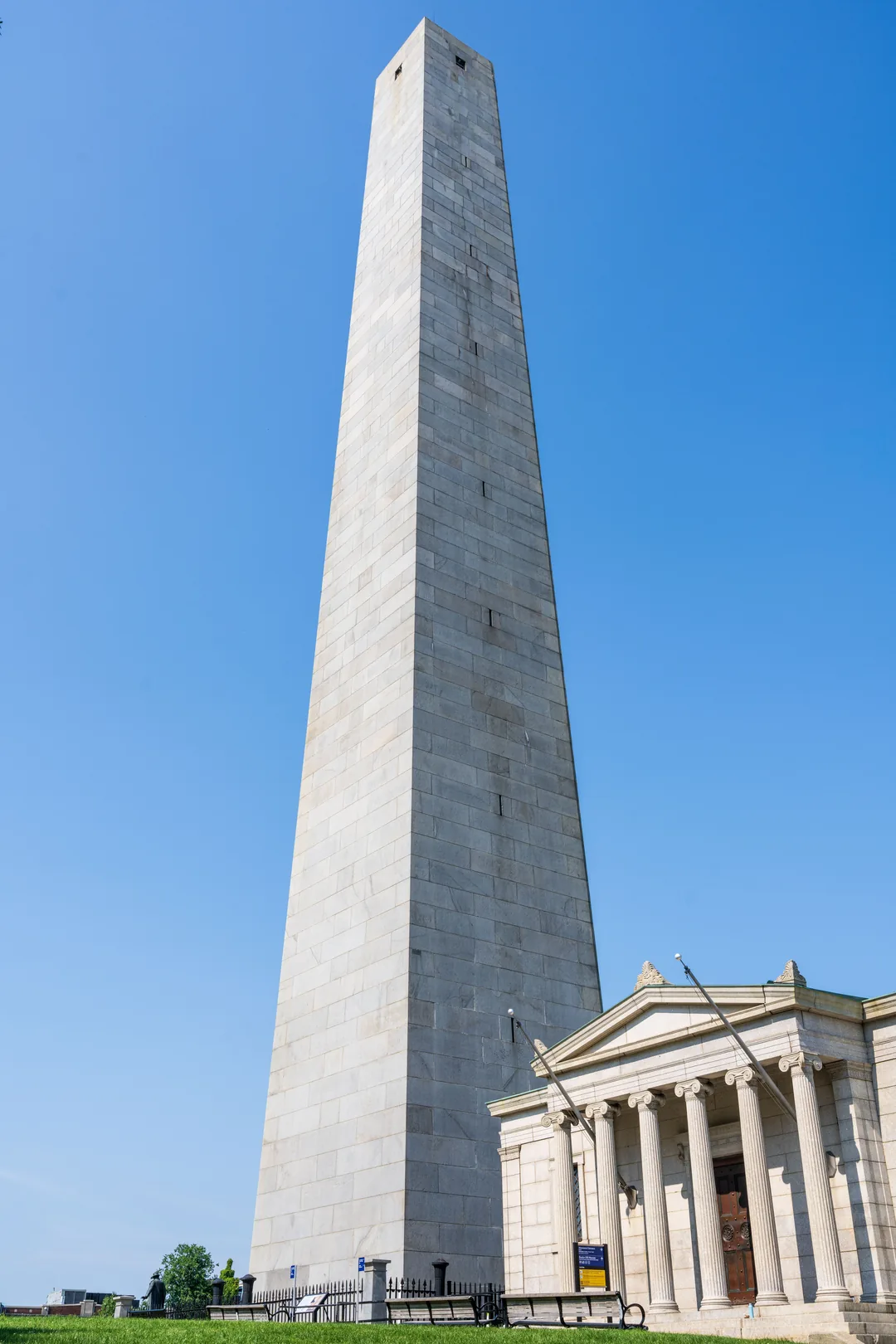
11. Climb The 294 Steps Of Bunker Hill Monument
The monument is a 221 foot granite obelisk in Charlestown marking one of the first real battles of the Revolution. It’s free to climb, and there’s no elevator.
What there is instead is a narrow spiral staircase with 294 stone steps, no air conditioning, and no place to pass anybody coming the other way. It’s a genuine workout, and the small windows at the top look out over the harbor, the Navy Yard, and the whole city.
Here’s the fact everyone learns at the top and nobody forgets. The Battle of Bunker Hill was mostly fought on Breed’s Hill, which is where the monument stands. The name stuck to the wrong hill and it’s been that way for almost 250 years.
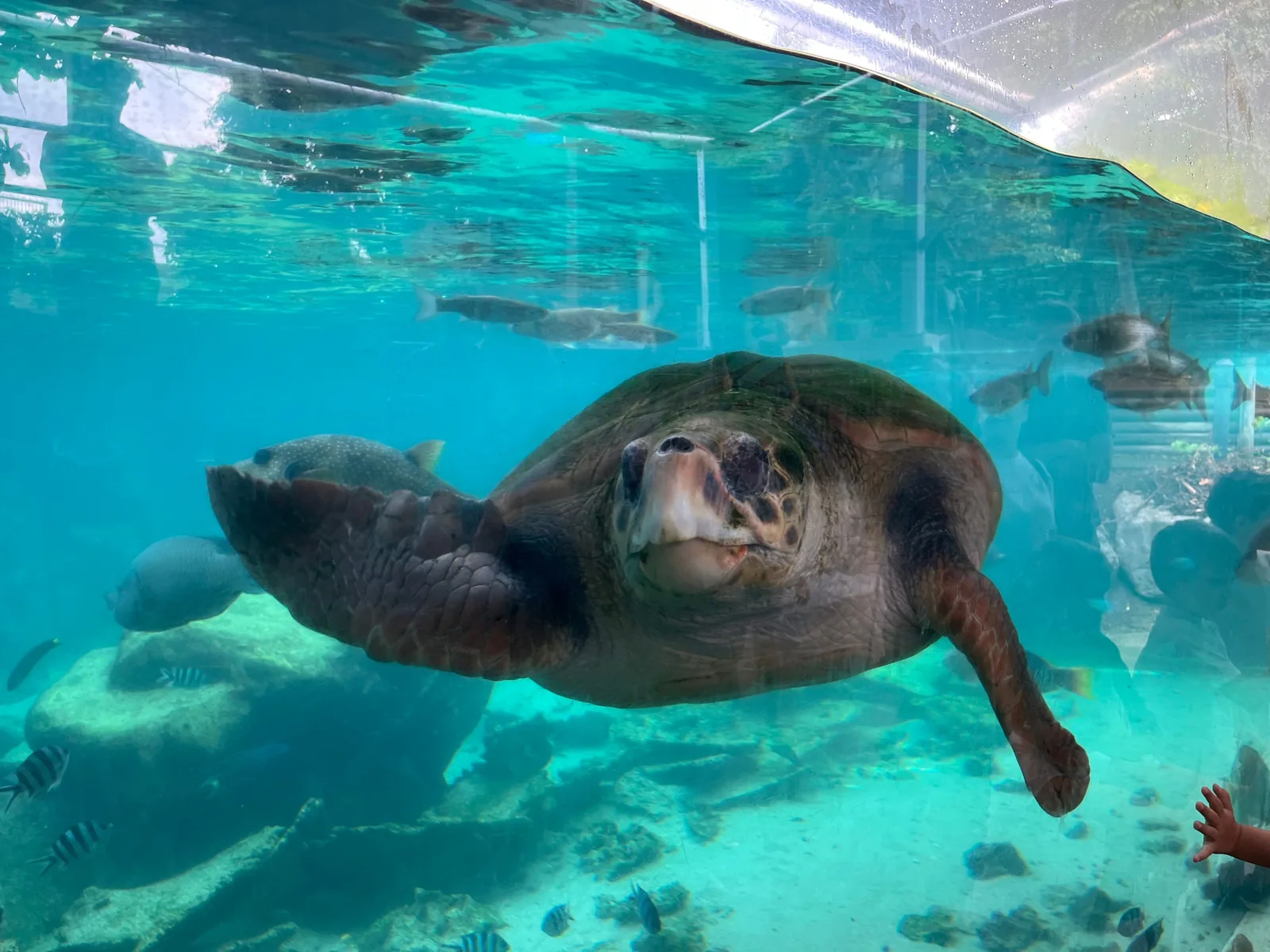
12. Meet Myrtle At The New England Aquarium
The Giant Ocean Tank sits in the middle of the building and runs four stories tall, with a walkway that spirals around the outside of it so you’re looking into a different depth of a Caribbean reef the whole way up.
Myrtle is the reason people come back. She’s a green sea turtle who has lived here since 1970, she weighs somewhere around five hundred pounds, and she has a habit of parking herself in front of the glass and staring at whoever is staring at her. Divers hand feed her lettuce and she pushes them out of the way to get to it.
Penguins live at the base of the tank and the harbor seals are in a tank outside the front door that anyone can watch for free. Book a timed ticket ahead in summer, because the line on the wharf gets long fast.
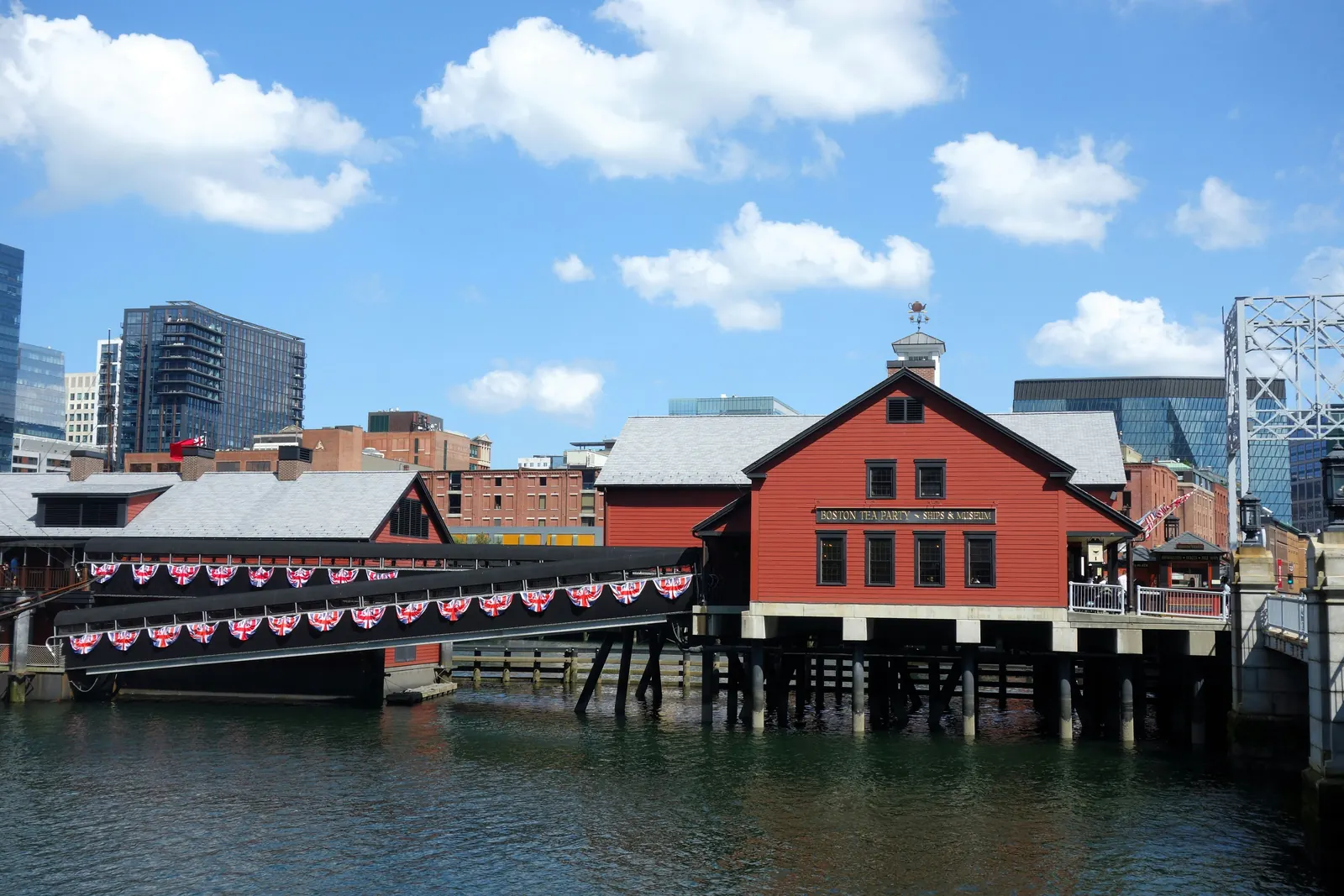
13. Throw Tea Overboard At The Boston Tea Party Ships And Museum
This is a floating museum on the Fort Point Channel built around two restored ships tied up where the originals were. It sounds like a tourist trap and it mostly isn’t, because they make you participate.
You get handed a feather and the name of a real colonist on the way in, sit through a meeting where actors work the room, and then walk out onto the deck and heave a crate of tea over the side into the water. Kids lose their minds over it and most adults do too.
One of the actual tea chests from the night in 1773 survived and is on display inside, which is a strange thing to stand in front of after you’ve just thrown a replica of it into the harbor. Plan on about an hour, and it’s a good call on a rainy afternoon.
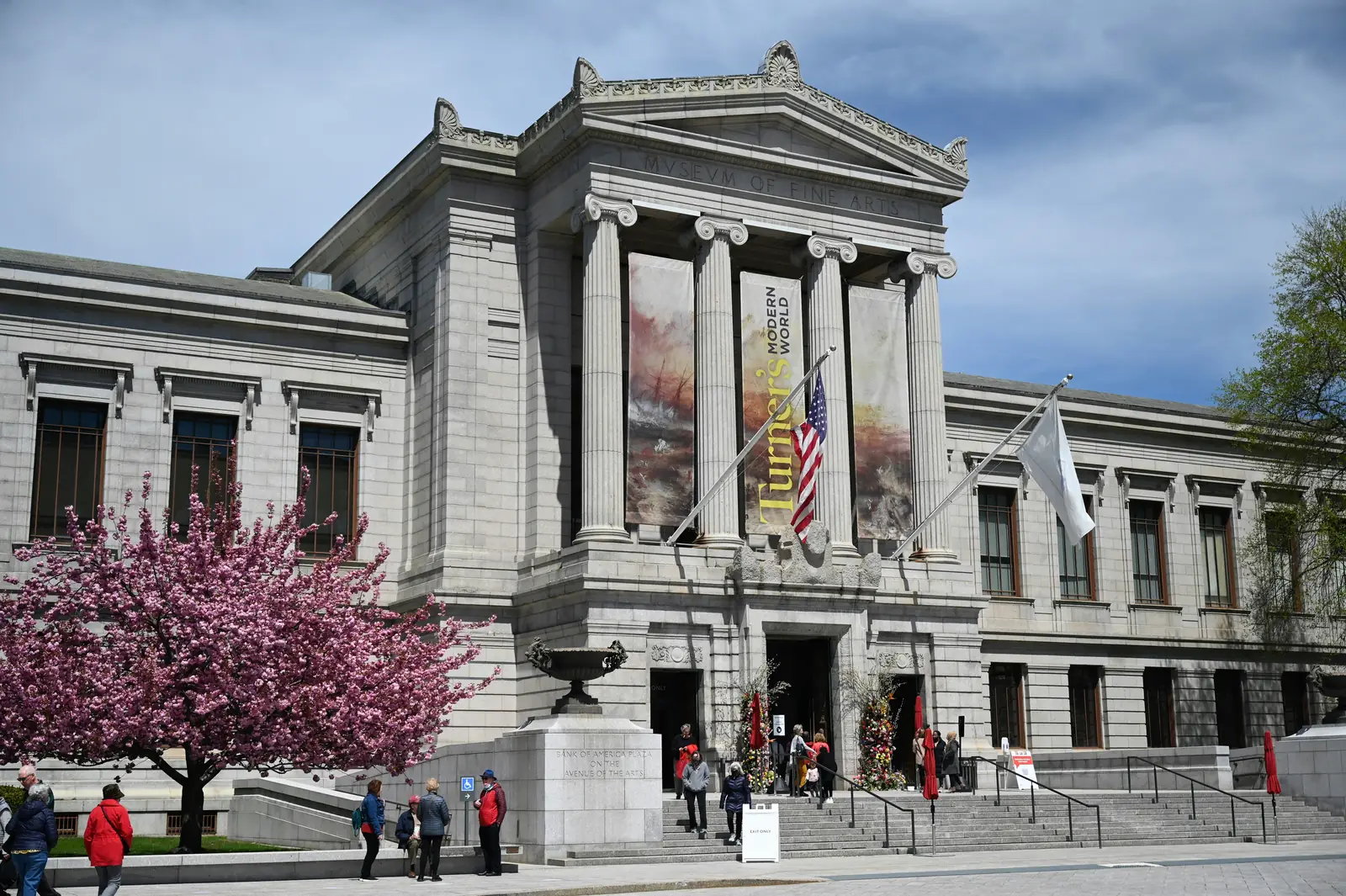
14. Spend An Afternoon At The Museum Of Fine Arts
The MFA is one of the largest museums in the country and holds around half a million works, which is far more than anyone sees in a day. Going in with a plan beats wandering until your feet hurt.
The Art of the Americas wing is the one to prioritize on a first visit, four floors that run from pre-Columbian gold through Copley portraits of the same Revolutionary figures you just walked past on the Freedom Trail. The Impressionist rooms are the other highlight, with a Monet collection that’s among the biggest anywhere outside France.
The Egyptian galleries upstairs are quietly excellent and usually half empty, and the Japanese collection is one of the best in the western world. If the crowds are heavy, head for either of those and you’ll have the room mostly to yourself.
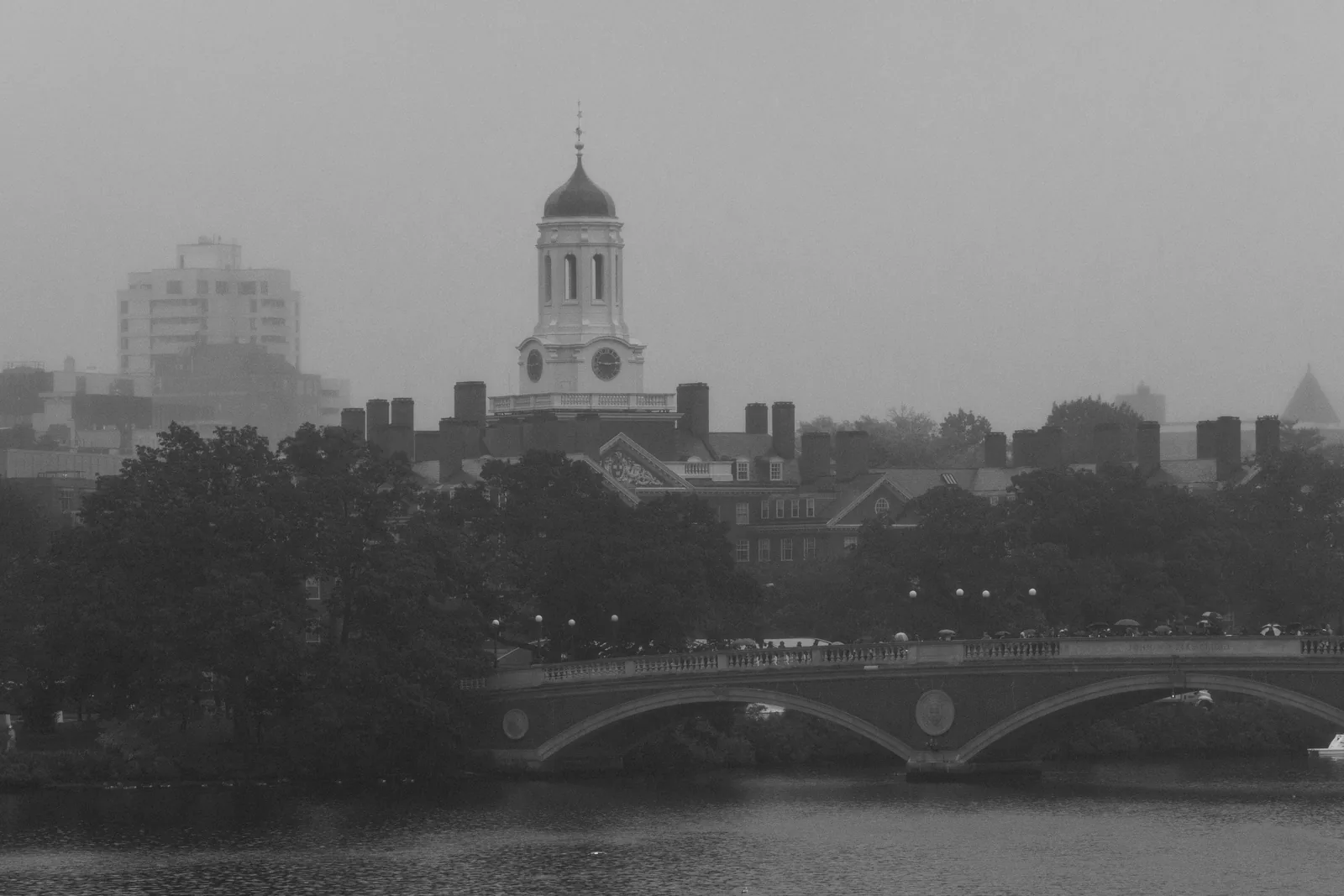
15. Cross The River To Harvard Square
Harvard Square is fifteen minutes from downtown on the Red Line and it feels like a different city once you come up the stairs. Bookstores, buskers, chess players, and students cutting through in every direction.
Walk into Harvard Yard, which is open to the public, and find the John Harvard statue. It’s known as the statue of three lies: the inscription gives the wrong founding year, calls him the founder when he was a donor, and the face belongs to a random student who posed for it because no portrait of Harvard exists. Tourists rub the left shoe for luck, and current students will tell you exactly what else that shoe gets used for at night.
Free tours led by undergraduates leave from the visitor center and are worth the hour. The Harvard Art Museums are a block away and the glass roof over the courtyard is worth seeing on its own.
16. Take The Ferry Out To Georges Island
There are more than thirty islands in Boston Harbor and a ferry from Long Wharf takes about forty minutes to reach the main one. Standing on the deck watching the skyline shrink behind you is half the point.
Georges Island is home to Fort Warren, a granite fort from the 1830s that held Confederate prisoners during the Civil War. You can walk into the dark corridors and powder rooms on your own, so bring a flashlight or use your phone. Staff will happily tell you about the Lady in Black, a widow supposedly caught trying to break her husband out and hanged on the island, who people still claim to see.
The ferry only runs in the warmer months, roughly from the middle of May through the start of September, so this one is off the table on a winter trip. Spectacle Island is the other easy stop, with actual beaches and the best skyline view in the harbor.
17. Look Down On The City From View Boston
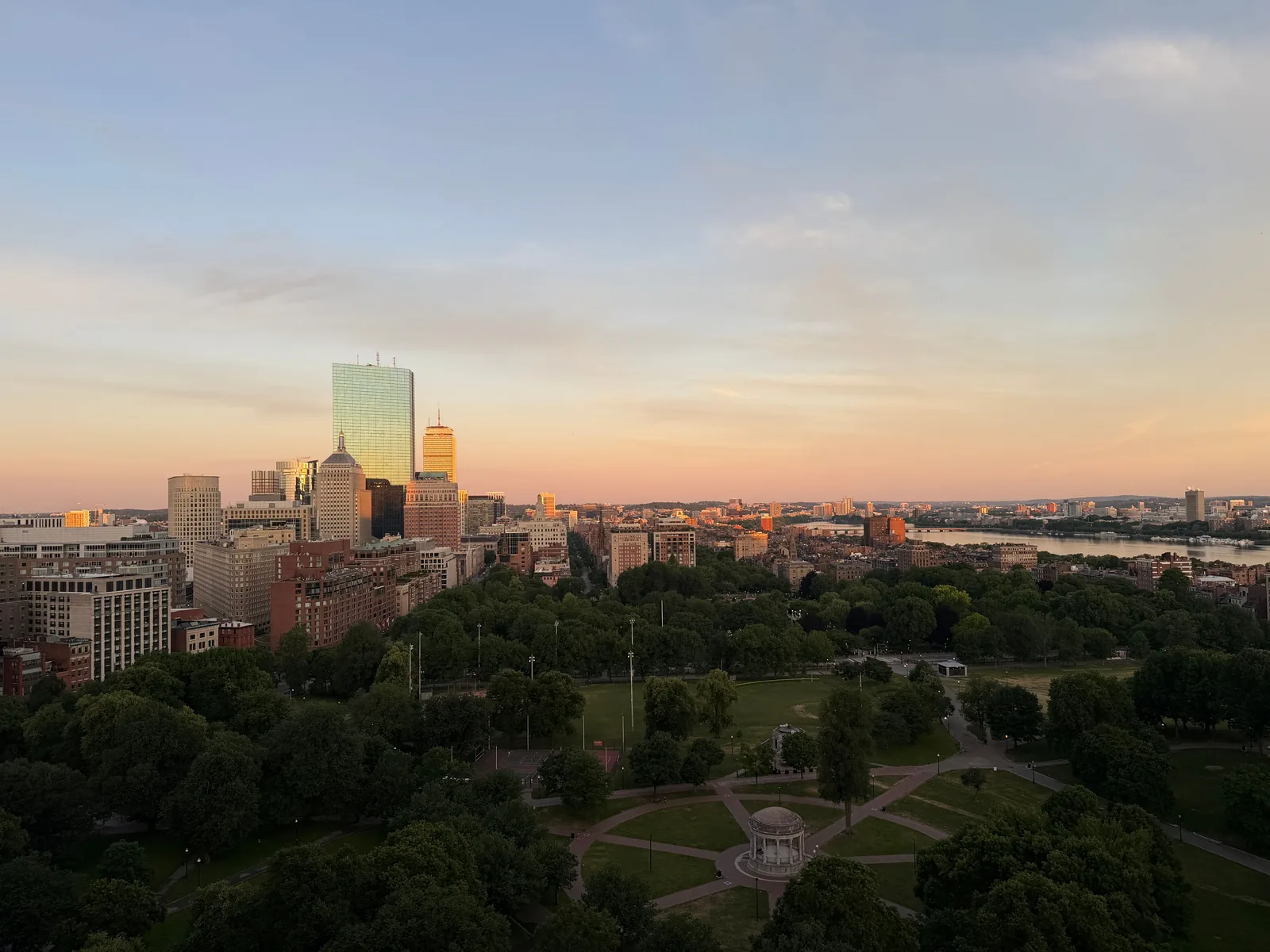
View Boston takes up three floors at the top of the Prudential Tower, with the main deck on the 52nd. It opened in 2023 and it’s the best place in the city to work out how Boston actually fits together.
From up there you can trace the entire Freedom Trail, pick out Fenway’s light towers, follow the Charles out toward Cambridge, and watch planes drop into Logan across the harbor. There’s an open air deck as well as the glassed in floors, plus a rooftop bar if you want to sit with the view for a while.
Go about an hour before sunset. You get the city in daylight, the light going orange over the river, and then the whole thing lit up, all on one ticket.
18. Walk The Charles River Esplanade
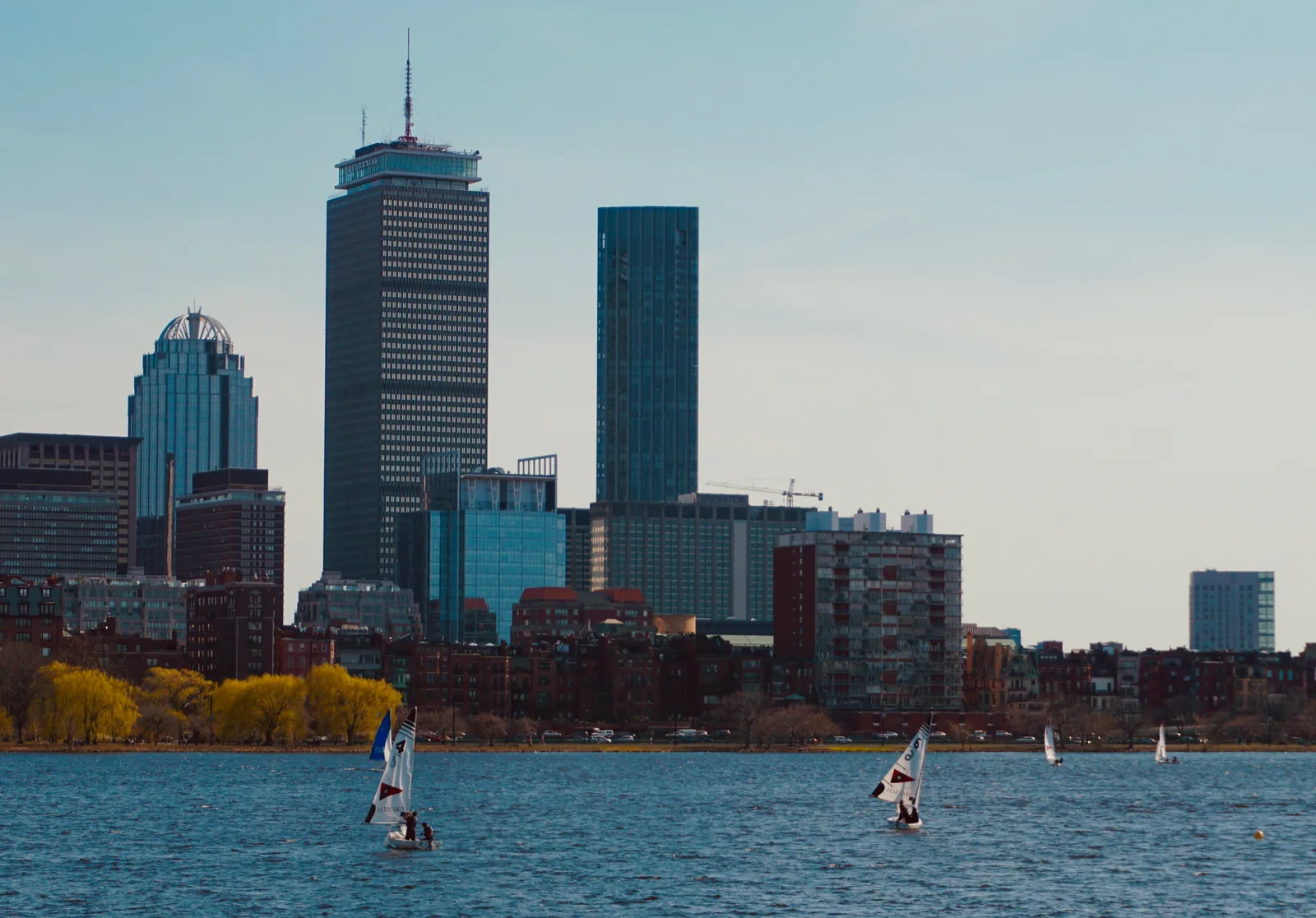
The Esplanade is a three mile ribbon of park along the Boston side of the Charles, with footbridges over the storrow lagoons and little sailboats tacking around in the middle of the river all summer.
The Hatch Shell is the outdoor stage where the Boston Pops plays on the Fourth of July for a crowd of a few hundred thousand people. Most of the year it’s just a nice place to sit.
It’s the best flat walk in the city and it links Beacon Hill to Back Bay, so it’s easy to fold into a day rather than making a trip of it. Come at sunset for the skyline reflected in the water, and expect to share the path with half of Boston out for a run.
19. Eat Your Way Through Quincy Market
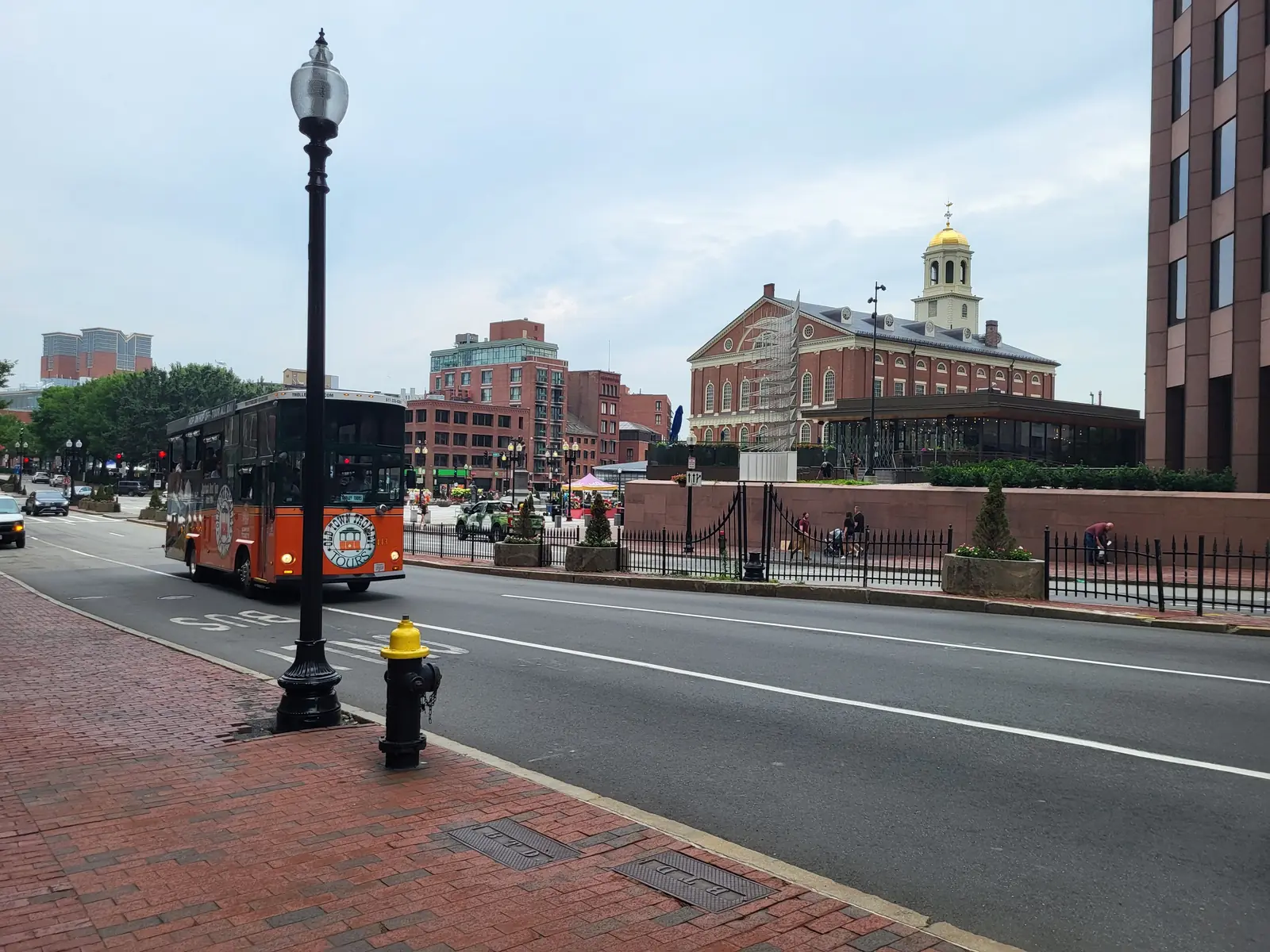
Faneuil Hall has been standing since 1742 and got called the Cradle of Liberty because so many of the speeches that led to the Revolution were given inside it. It’s still a working public meeting hall upstairs, which almost nobody realizes.
Quincy Market is the long colonnaded building behind it, and the center aisle is wall to wall food stalls. Chowder, lobster rolls, oysters, cannoli, and a hundred other things, most of it eaten standing up at the tables under the rotunda.
Street performers work the cobblestones outside all day and some of them are genuinely good. Yes, it’s the most touristy hour you’ll spend in Boston. It’s also right on the Freedom Trail, the food is better than it needs to be, and it’s a fine place to sit down when your feet have had enough.

20. Tour The Samuel Adams Brewery In Jamaica Plain
The Jamaica Plain brewery is where Samuel Adams started in the 1980s, and it’s still where they test everything. It’s a twenty minute ride out on the Orange Line to Stony Brook, which is what keeps the crowds smaller than downtown.
Tours walk you through the brewing process and end with tastings, and the taproom pours experimental batches that never make it into a store. The beer garden out back is the move on a warm afternoon.
Jamaica Plain is worth the trip on its own. It’s a leafy neighborhood full of good restaurants, and the Arnold Arboretum is a short walk away, 280 acres of Harvard’s tree collection that’s free and open every day of the year.
21. Watch The Sunset From Castle Island
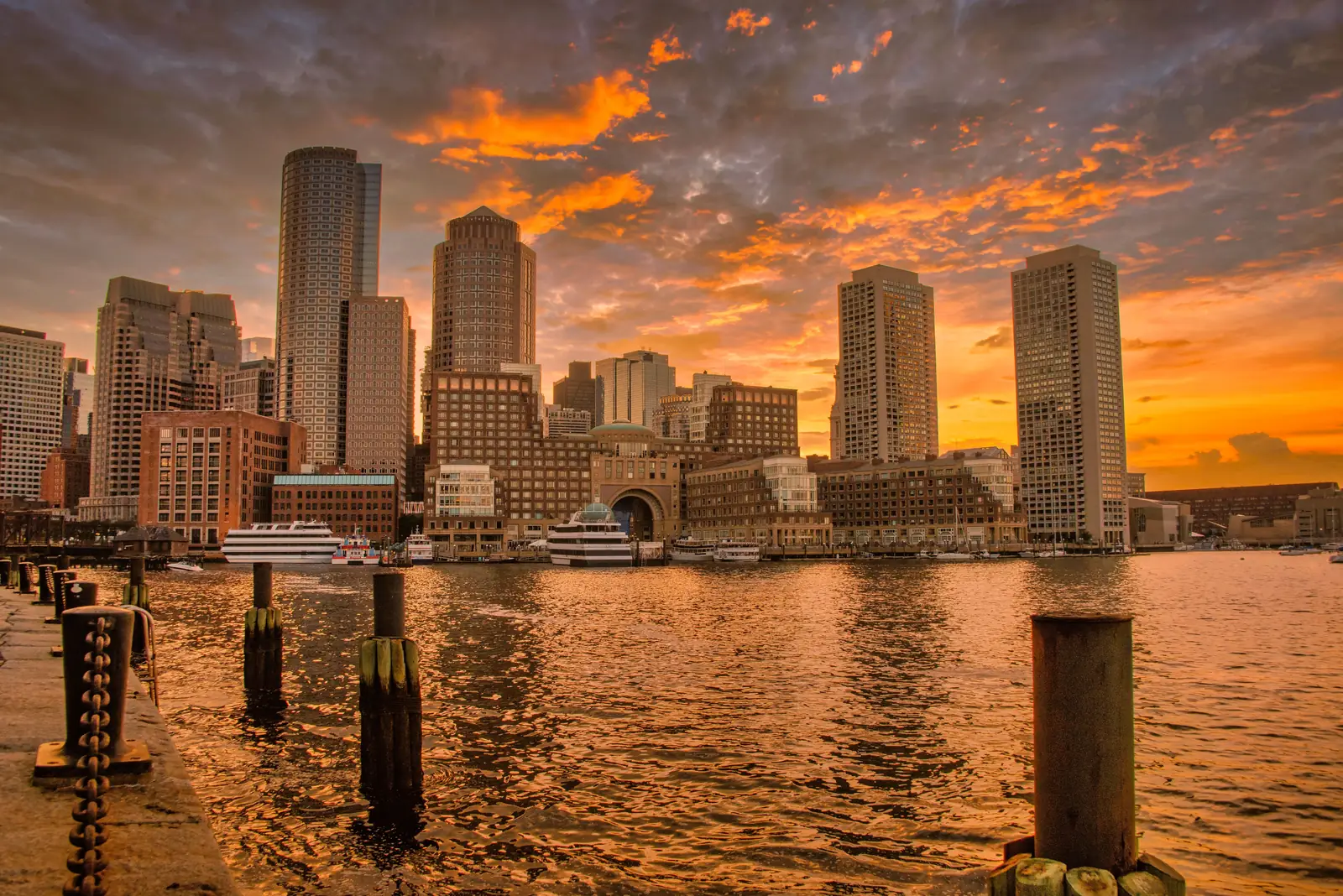
Castle Island is in South Boston, and it hasn’t been an island since they filled in the channel, so you can walk right onto it. Fort Independence sits on the point, a granite star fort with free tours in the summer.
The loop around Pleasure Bay is a little over two miles of flat paved path with water on both sides. Planes come in low over the water on their way into Logan, close enough to read the airline off the tail.
Sullivan’s has been selling hot dogs and fried clams from the same spot since 1951 and closes for the winter, which locals treat as the real end of the season. Get a dog, sit on the seawall, and watch the sun go down behind the skyline. It’s free, it’s where actual Bostonians spend their evenings, and it’s a good last stop on a first trip.
A Few More Things To Do In Boston If You Have Extra Time
Newbury Street is eight blocks of brownstones in Back Bay with shops in the garden levels and restaurants with patios spilling onto the sidewalk. Trinity Church sits at the bottom of it on Copley Square, and the reflection of it in the glass tower next door is one of the most photographed things in the city.
The John F. Kennedy Presidential Library is out in Dorchester on a point of land sticking into the harbor. The building is I. M. Pei glass and concrete, the exhibits are strong, and the view back at the water from the pavilion is worth the trip by itself.
The Seaport is Boston’s newest neighborhood and looks nothing like the rest of it, all glass and wide sidewalks. The Institute of Contemporary Art is the anchor there, cantilevered out over the harbor.
Salem is thirty minutes north on the commuter rail and makes an easy half day, with the Peabody Essex Museum and the witch trial sites. Just know that the entire month of October is a zoo. Lexington and Concord are the other classic day trip, where the fighting actually started.
Getting Around Boston Without A Car
Don’t rent one. Boston’s streets were laid out for horses in the 1600s and never really got fixed, parking runs forty dollars a day in a garage, and almost everything on this list sits within a couple of miles of everything else.
The T is the subway, and it’s the oldest one in the country. Four color coded lines cover everything you’d want, a ride costs a couple of dollars, and a CharlieCard from any station machine is the cheapest way to pay. The Silver Line from Logan Airport into South Station is free heading inbound, which is the best deal in the city.
Past that it’s mostly walking, and the walking is the good part. Bluebikes stations are all over downtown if you want to move faster, and rideshares are easy late at night when the T stops running, which happens earlier than visitors expect.
Final Thoughts
What makes a first trip here work is how little time you waste getting between things. You can walk out of a 250 year old burying ground and be eating oysters ten minutes later, then be standing on top of the Prudential twenty minutes after that.
Pick a few of the historic stops, one museum, and at least one thing that’s just Boston being itself, like a swan boat or a night at Fenway or a hot dog at Castle Island. Do that and you’ll come away with a much better sense of the place than someone who spent three days working through a checklist.