 Rebecca Engel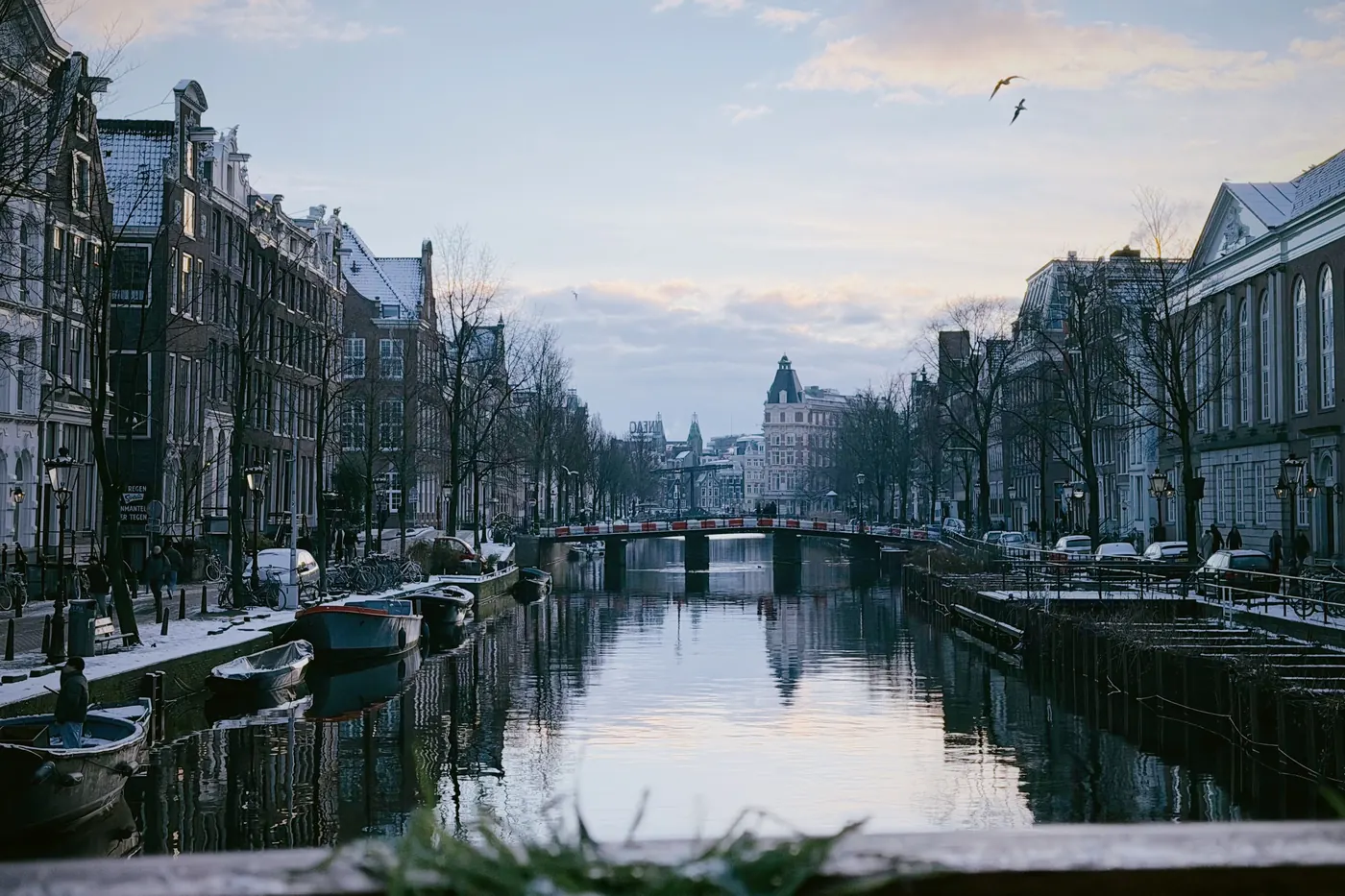
Amsterdam in winter is cold, wet, and dark by the middle of the afternoon. It is also the only time of year the city feels like it belongs to the people who live there, when the canal ring is quiet enough to hear your own footsteps and the queue that wraps around the Rijksmuseum in July has gone completely.
The trick is knowing what the city does well in the cold, which turns out to be most of what it is famous for. These are nineteen magical things to do in Amsterdam in winter, from the light artworks strung along the canals to a bowl of split pea soup thick enough to stand a spoon in, plus a note at the end on when to go and how much daylight you actually get.
1. See The Rijksmuseum Without The Summer Queue
The Rijksmuseum is the big one, and winter is when you can actually stand in front of things. It holds the national collection of Dutch art, which means Rembrandt’s Night Watch, a room of Vermeers, and about eight thousand other objects spread over four floors.
Book a timed ticket online even in January, because it costs nothing extra and saves you standing outside in the wind. The first slot of the morning is the quietest hour of the day by a wide margin.
Give it three hours if you want to see the highlights properly. The building itself is worth a look on the way out, especially the Great Hall with its stained glass.
2. Take Your Time In The Van Gogh Museum
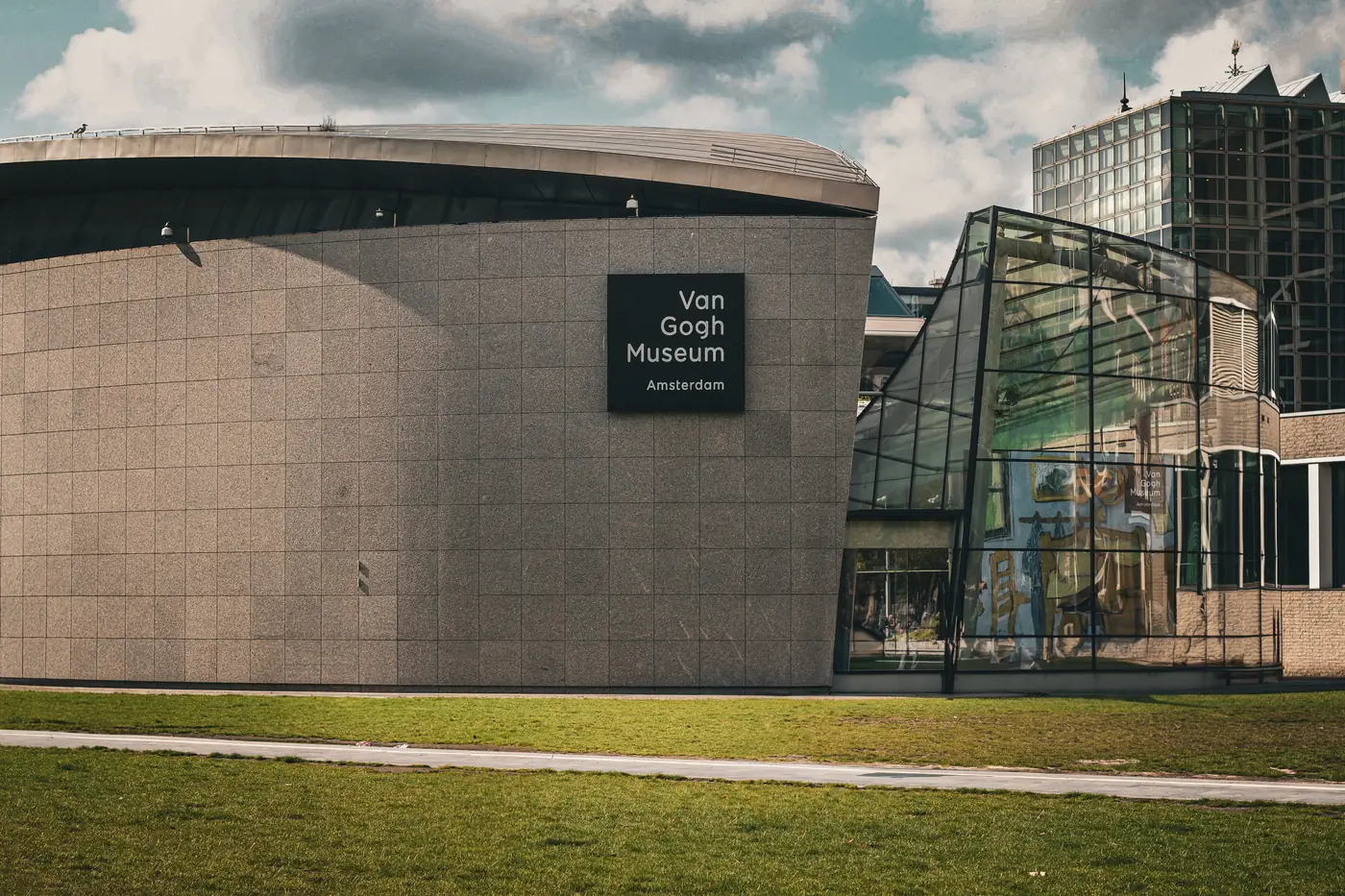
The Van Gogh Museum holds the largest collection of his work anywhere, roughly two hundred paintings and five hundred drawings, hung in the order he painted them. Walking it start to finish takes you from the dark Dutch years through to the last summer in France.
Tickets are timed and online only, and this one sells out even in winter, so book a few days ahead rather than turning up. Late afternoon slots tend to have the most space.
It sits on Museumplein, a two minute walk from the Rijksmuseum, so the two are easy to pair across one day.
3. Book Ahead For The Anne Frank House
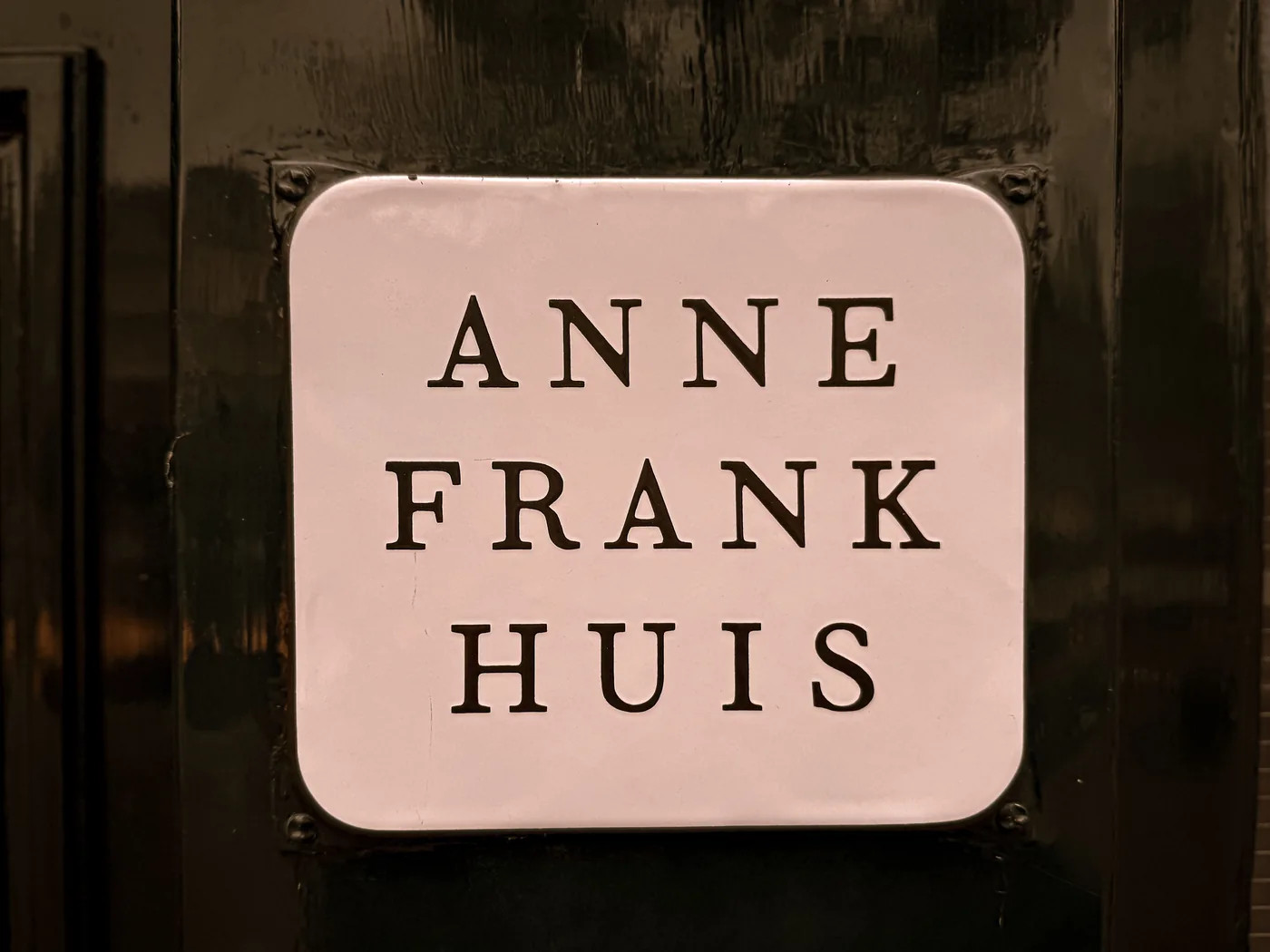
The Anne Frank House is the annex where the Frank family hid for two years, kept almost bare on purpose. It is a quiet, heavy hour rather than a museum you browse.
Tickets are sold online only and released on a rolling basis, and they go fast in every season. Set a reminder for the release rather than hoping for a walk in slot, because there is no ticket desk to try.
Evening slots are the calmest, and in winter it is fully dark by then, which suits the place.
4. Ride The Canals Through The Amsterdam Light Festival
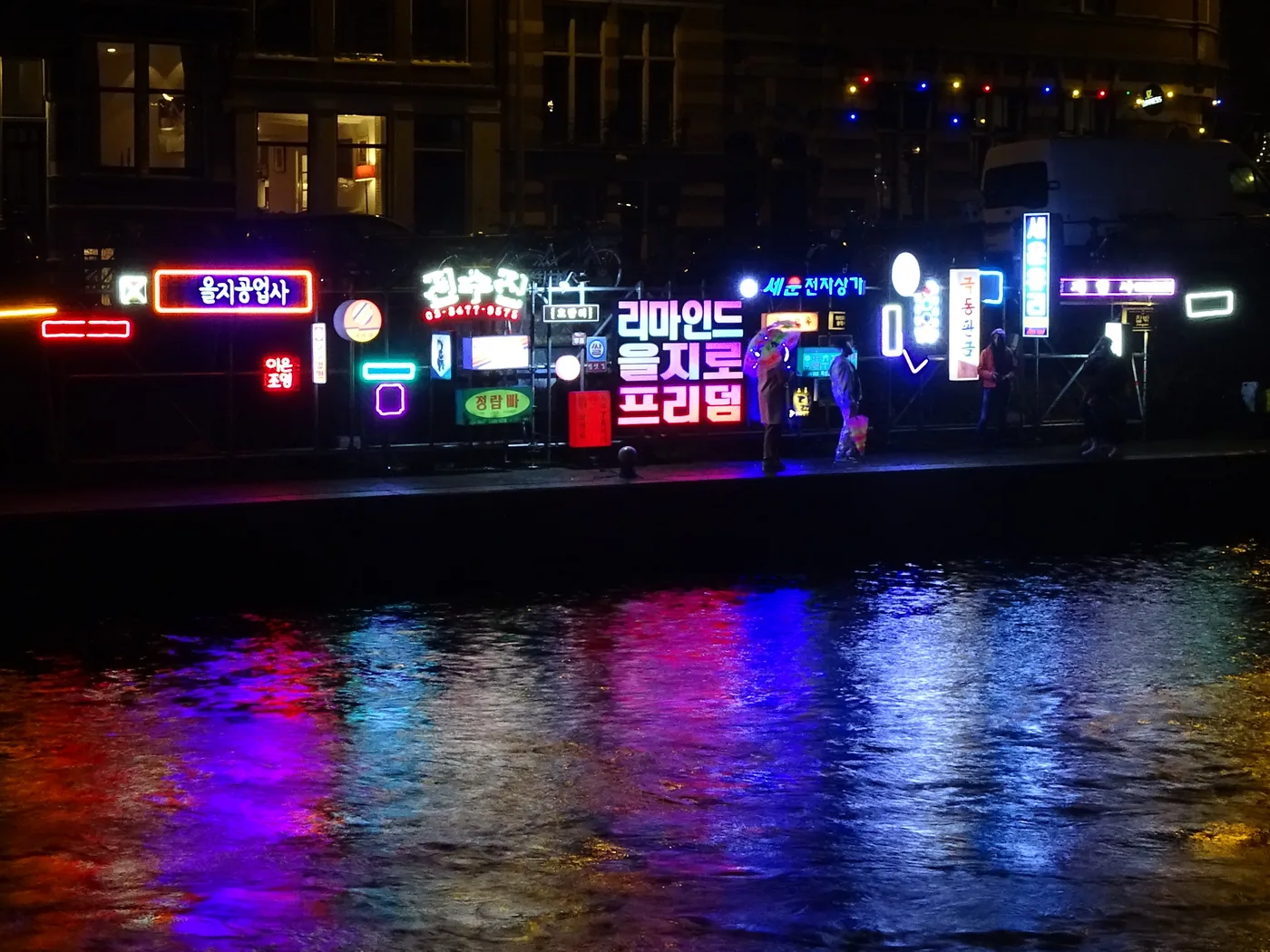
Every winter the city hangs light artworks along the canals and leaves them up from late November until the middle of January. They are made to be seen from the water, and the route runs through the middle of town.
The boats are glass topped and heated, and they book out on weekends, so reserve a few days ahead. Going on a weekday evening costs less and feels less like a queue.
Part of the route can be walked for free if you would rather stay on land, though the pieces are angled for the boats and you miss a few.
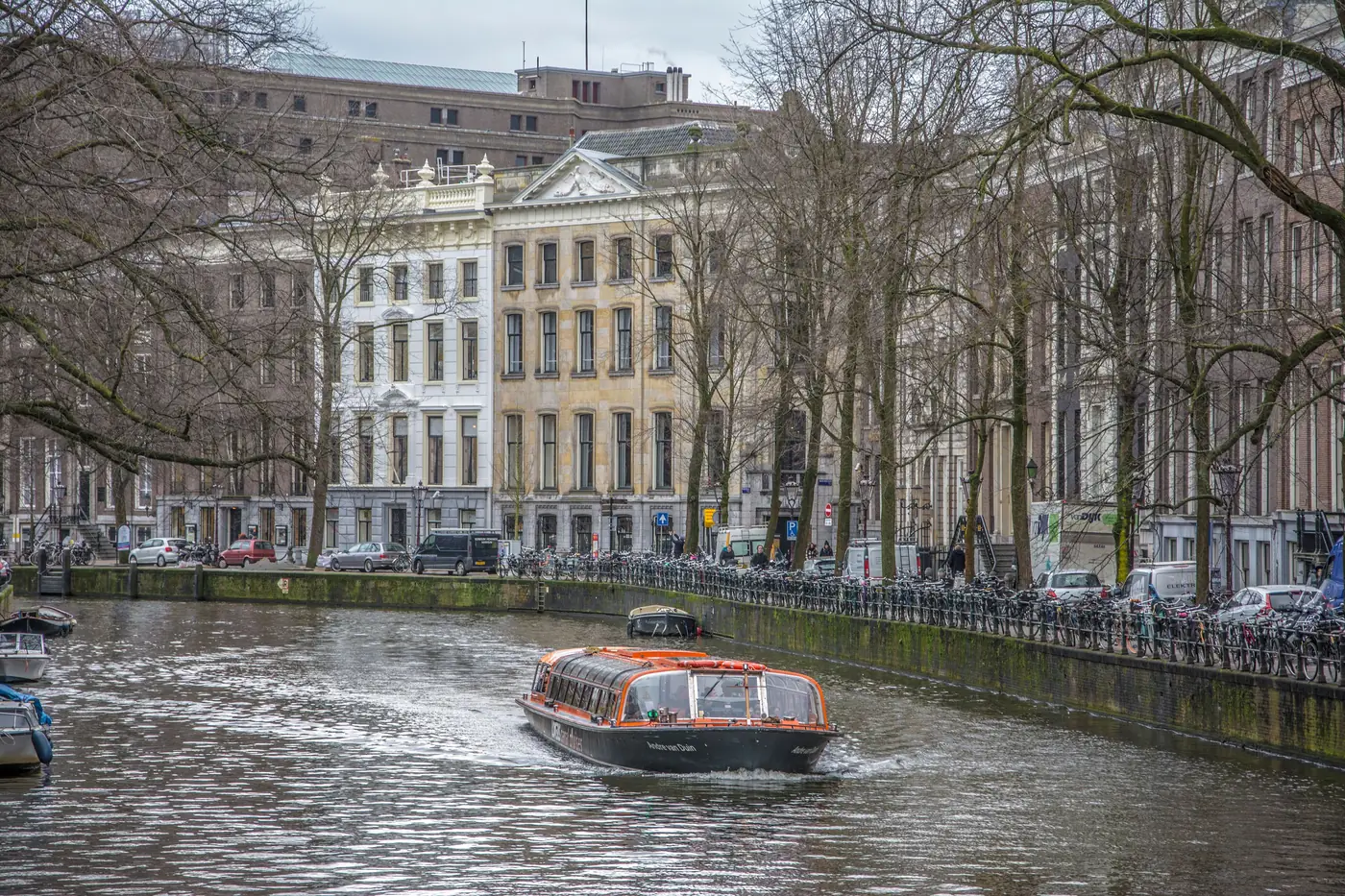
5. Take A Heated Canal Cruise After Dark
Even outside the light festival, a canal cruise is the single easiest thing to do on a cold evening. The boats are enclosed and heated, they run all year, and in December it is properly dark by half past four, so an early evening trip still gets you the city lit up.
You see the canal ring the way it was meant to be seen, from the water and slightly below street level, with the gabled fronts lit from inside.
The hour long loops leaving from near Centraal are the standard version and perfectly good. Smaller open boats exist, but save those for warmer months.
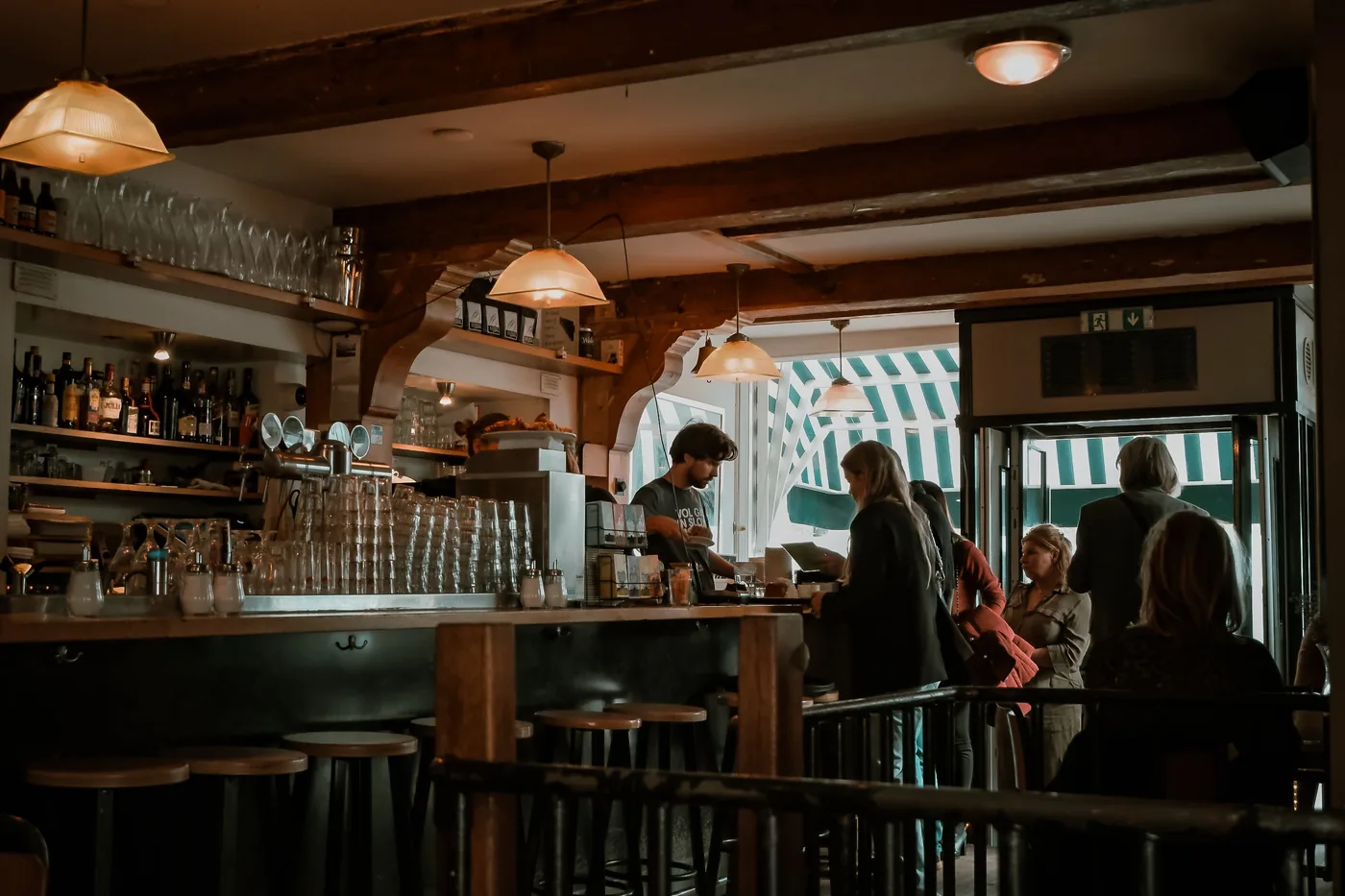
6. Warm Up In A Brown Café In The Jordaan
A brown café is the Dutch version of an old pub, and the name comes from centuries of tobacco smoke staining the walls and ceilings a deep brown. Dark wood, low lamps, no music loud enough to talk over.
This is the thing Amsterdam does better than almost anywhere in winter. You order one beer, sit down, and nobody expects you to leave for the next three hours.
The Jordaan has the highest concentration of the good ones, tucked into corners along the smaller canals. Look for a place with a worn wooden bar and a cat asleep somewhere near the window.
7. Try Jenever The Way The Dutch Drink It
Jenever is the juniper spirit that gin grew out of, and it is still the national drink. It comes in two rough styles, jonge and oude, with the older style tasting maltier and rounder.
The serving is the part worth knowing. It arrives in a small tulip shaped glass filled right to the rim, and you are meant to bend down to the bar and take the first sip without lifting it. Doing this correctly is most of the fun.
Tasting houses around the old centre pour it by the glass alongside a beer, which is the traditional pairing.

8. Eat An Oliebol From A Street Stand
Oliebollen are deep fried balls of dough, usually with raisins inside and a heavy dusting of powdered sugar on top. They appear in trailers on street corners from about October and vanish again in early January.
They are best about thirty seconds out of the fryer, when the outside still cracks and the inside is soft. Cold ones are a different and much sadder food.
The whole country eats them on New Year’s Eve, so if you are there for the turn of the year the queues get long and the stands stay open late.
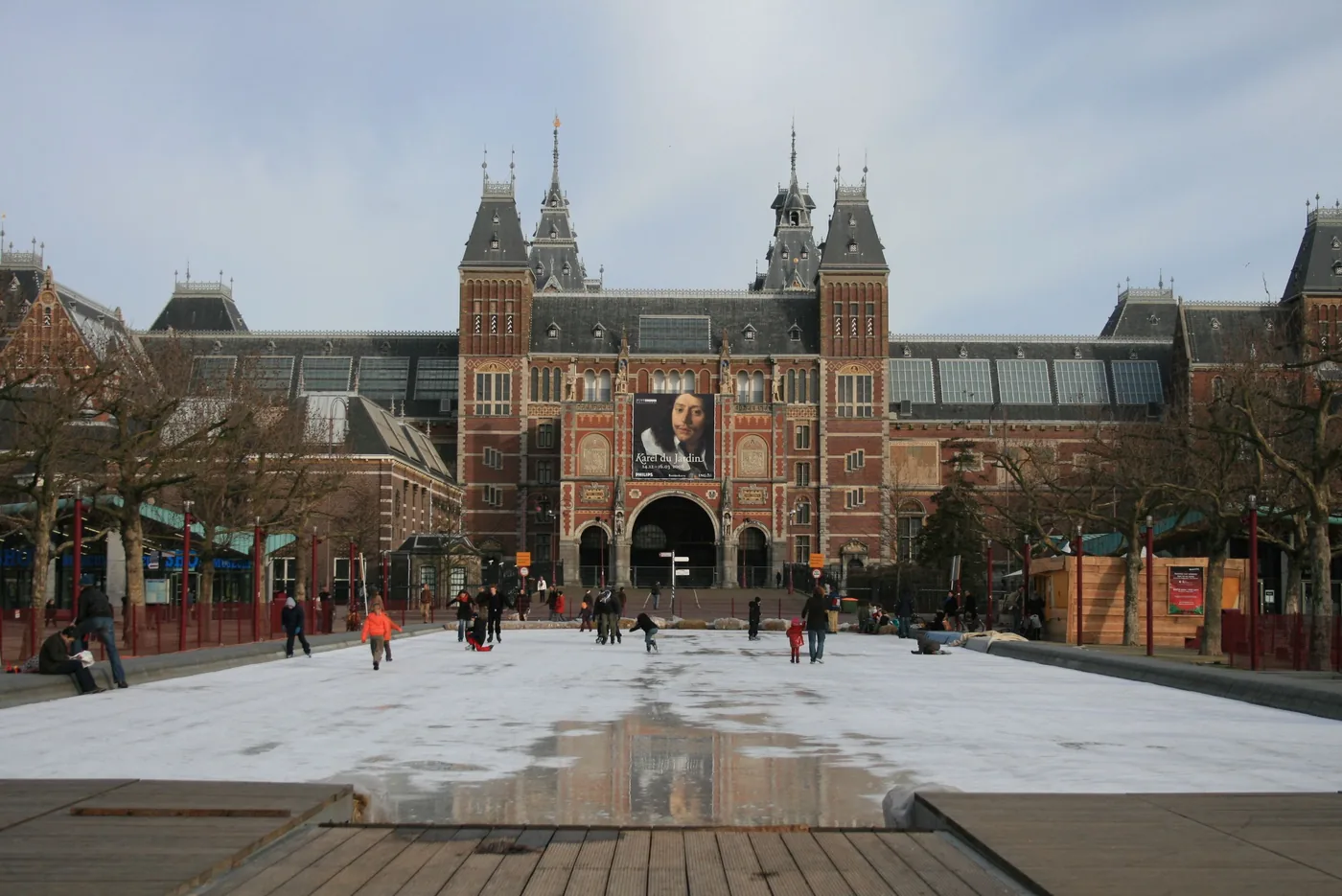
9. Skate On The Rink At Museumplein
A proper outdoor rink goes up on Museumplein each winter, directly in front of the Rijksmuseum, and it usually runs from the middle of November to early February. Skate hire is on site, so you need nothing with you.
Skating in the Netherlands is a national habit rather than a novelty, and it shows on the ice. Stay near the edge for the first few laps.
It works even if you have no intention of skating. There are bars and food huts around the rink, and the view of the museum lit up behind the ice is the reason most people stop.
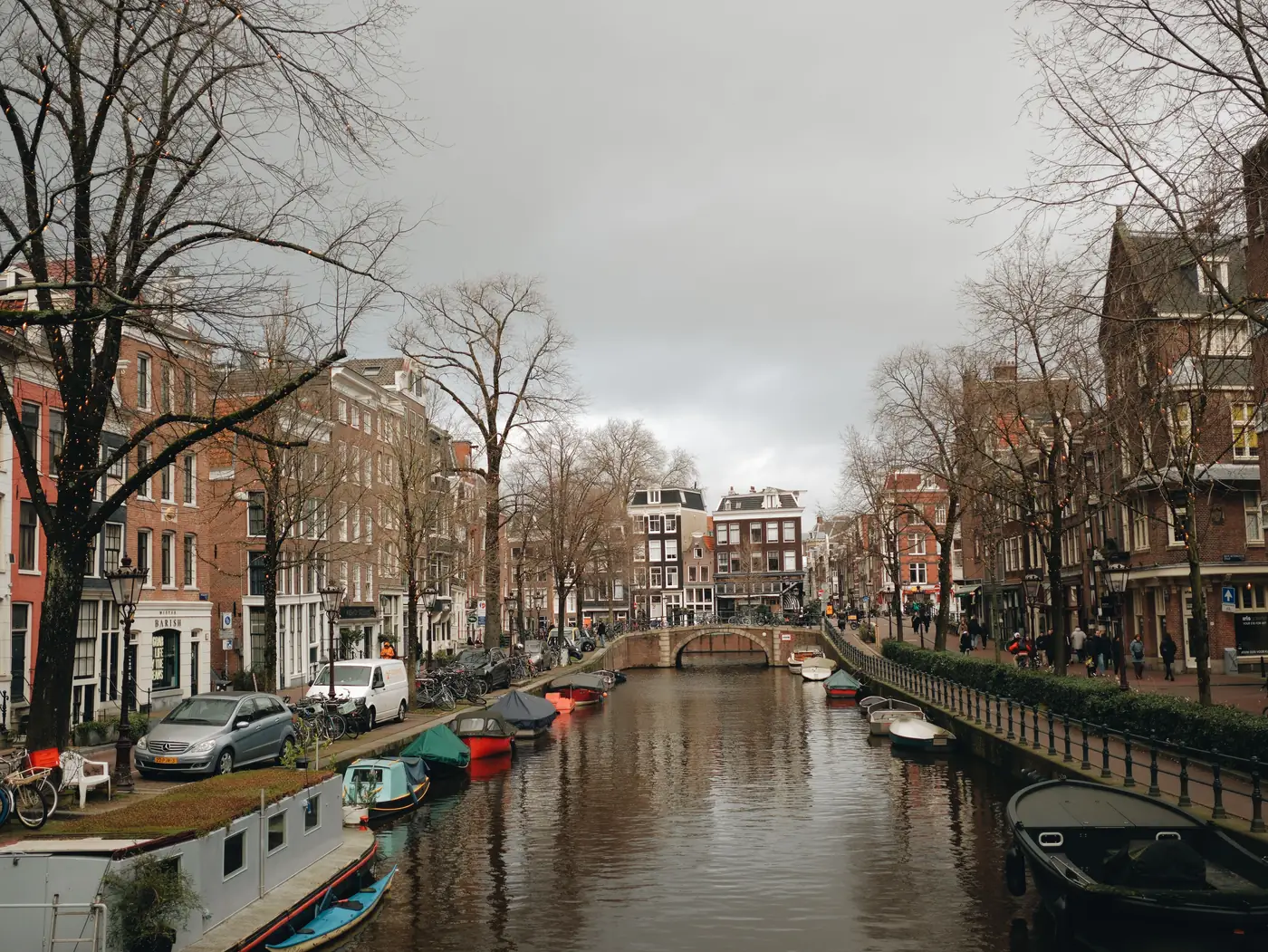
10. Walk The Jordaan When The Canals Are Quiet
The Jordaan is the grid of narrow streets and small canals west of the centre, and winter is when it is at its best. The crowds that clog it in summer are gone, and what is left is a residential neighbourhood with good shops and better bars.
Go in the last hour before dark. The Dutch famously leave their curtains open, so the walk turns into a long row of lit windows and bookshelves.
There is no route to follow. Pick a canal, walk along it, and turn when something looks interesting.
11. Duck Into The Begijnhof Courtyard
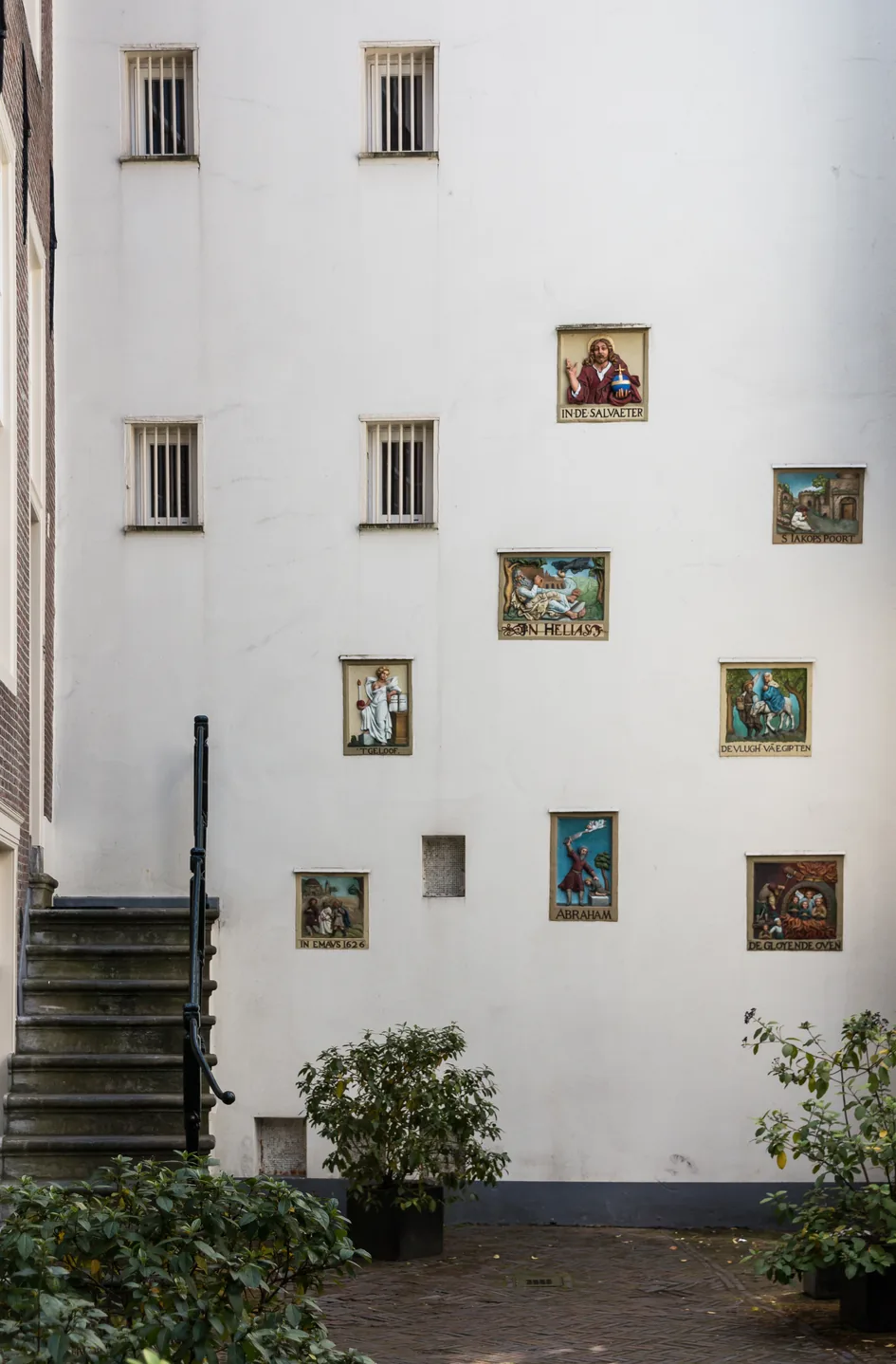
The Begijnhof is a walled courtyard of houses built around a small green, hidden behind a plain door just off the Spui. Step through and the traffic noise stops almost completely.
It dates to the fourteenth century and holds one of the two surviving wooden houses in the city, most of the rest having burned centuries ago. People still live here, so signs ask for quiet and the gates shut in the evening.
It costs nothing, takes ten minutes, and is a genuinely useful place to get out of the wind.
12. Get Out Of The Rain At Foodhallen
Foodhallen is an indoor food hall in a converted tram depot in Oud West, with a couple of dozen stalls arranged around shared tables and a bar in the middle. It solves the specific problem of a group of people who want different things while it rains outside.
The range runs from Vietnamese to Spanish to Dutch bar snacks, and you order at whichever counter you like and bring it back to the table.
It is genuinely busy on Friday and Saturday nights. A weekday afternoon is a much easier visit.
13. Walk Albert Cuyp Market For A Fresh Stroopwafel
Albert Cuyp is the long street market running through De Pijp, open most days except Sunday. It is a working market rather than a tourist one, so the stalls sell fish, cheese, fruit, fabric and household bits alongside the food.
The thing to get is a stroopwafel pressed to order. Two thin waffle layers, hot caramel syrup in the middle, handed over warm. The packaged supermarket version is not the same food.
Winter mornings here are cold and the market is outdoors with no shelter, so gloves are not optional.
14. Order Erwtensoep On A Cold Afternoon
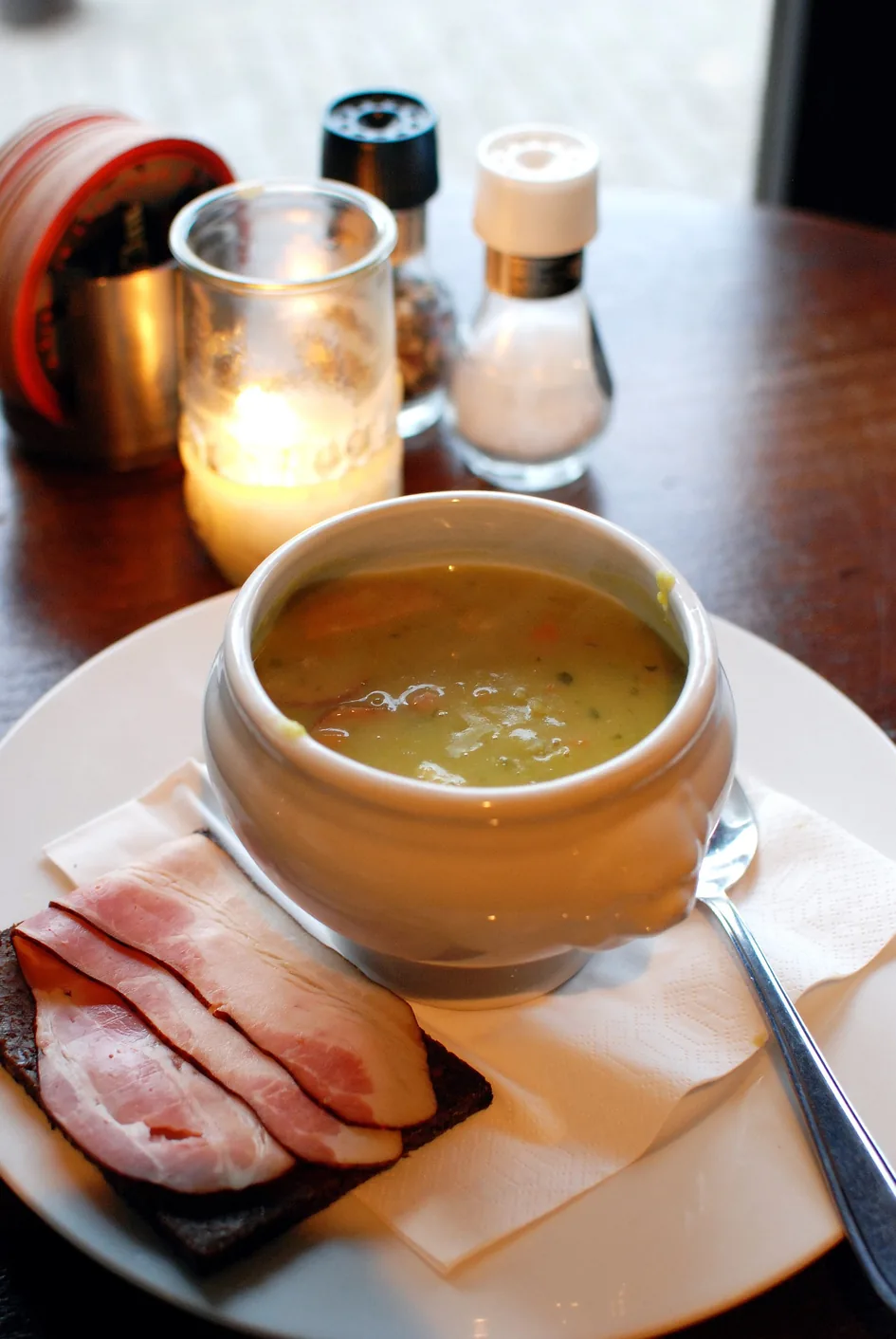
Erwtensoep is split pea soup, and the Dutch version is closer to a stew. It is cooked until the peas collapse completely, with pork and smoked sausage through it, and the traditional test is whether a spoon will stand upright in the pot.
It is winter food specifically, and most places only put it on the menu once the weather turns. It usually comes with dark rye bread and a slice of bacon on the side.
You will also see it called snert, which is the everyday name for it.
15. Look Over The City From A’DAM Lookout
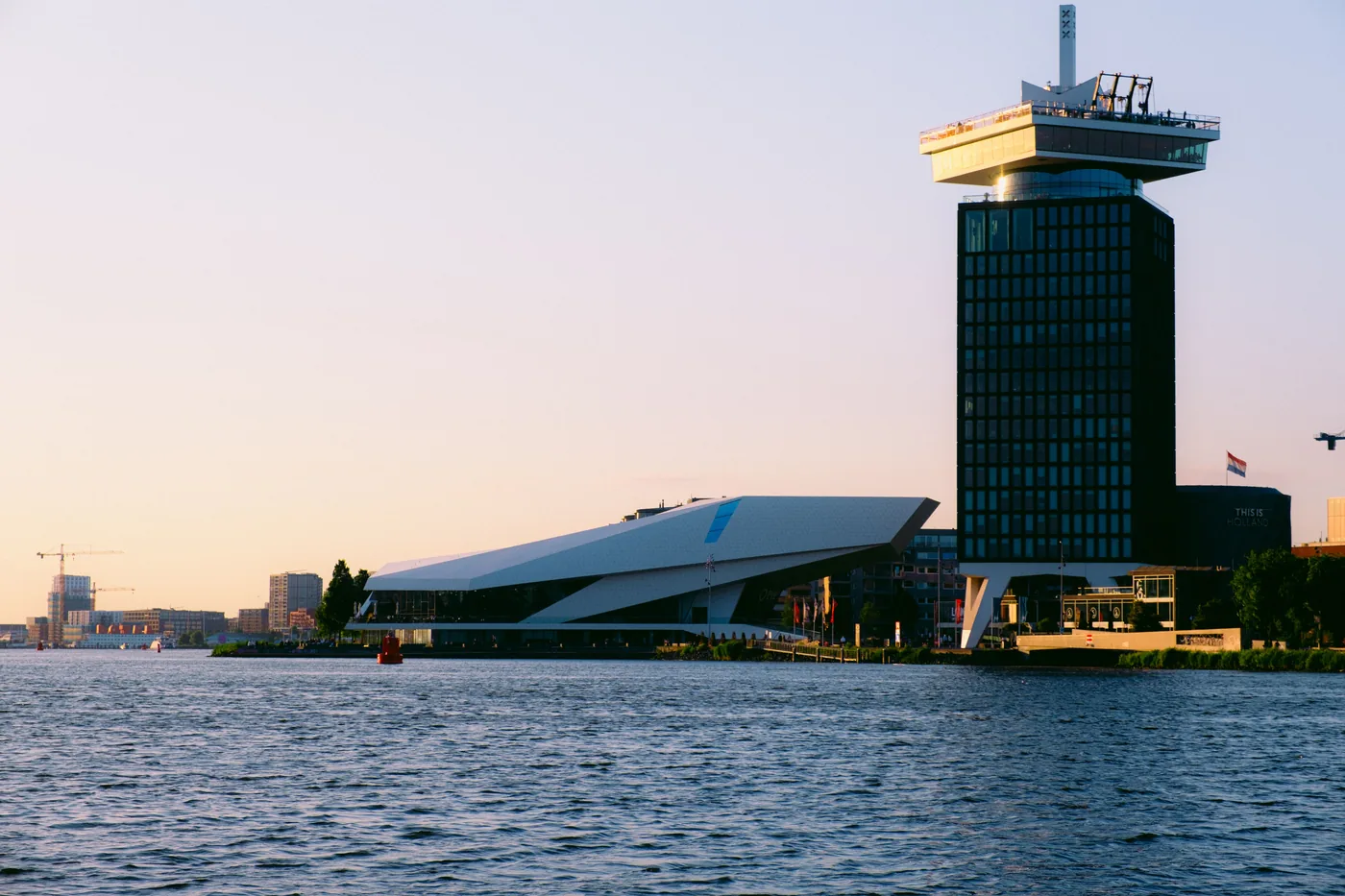
A’DAM Lookout sits on top of a tower on the north bank of the IJ, directly across the water from Centraal. The observation deck is partly indoors, which matters in January, and it looks back over the whole old city.
Because it gets dark so early in winter, you can go up at a reasonable hour and still get the city fully lit.
There is a swing on the roof that hangs you out over the edge of the building. It runs in most weather, and it is exactly as unsettling as it looks.
16. Take The Free Ferry To Amsterdam Noord
The ferries leave from behind Centraal station, cross the IJ in about five minutes, and cost nothing. They run constantly through the day and keep going through the night on the main routes.
Noord used to be shipyards and is now where a lot of the city’s newer bars, studios and film spaces have ended up. It is a short crossing for a genuinely different half of the city.
The open deck is freezing in a winter wind. There is an enclosed section, and in January most people use it.
17. See Vondelpark Under Frost
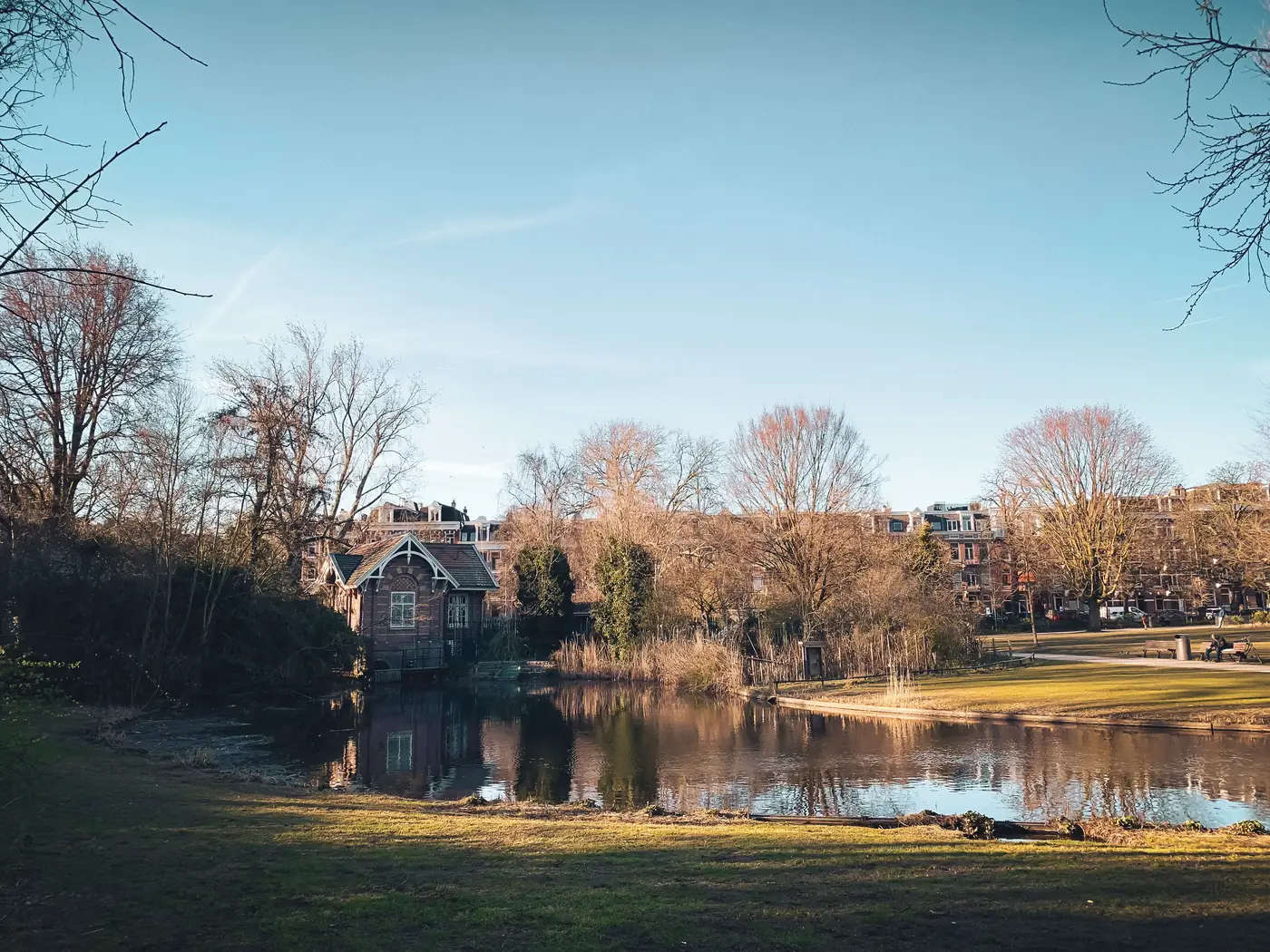
Vondelpark is the big green space just past the museums, and it changes completely once the leaves are down. The paths open up, the ponds go still, and on a cold clear morning the grass holds frost until nearly midday.
It is a walk rather than a destination. Twenty minutes through the middle gets you from the museum quarter to the edge of Oud West.
There are cafés inside the park that stay open through winter if you need somewhere to stop.
18. Ride Out To The Windmills At Zaanse Schans
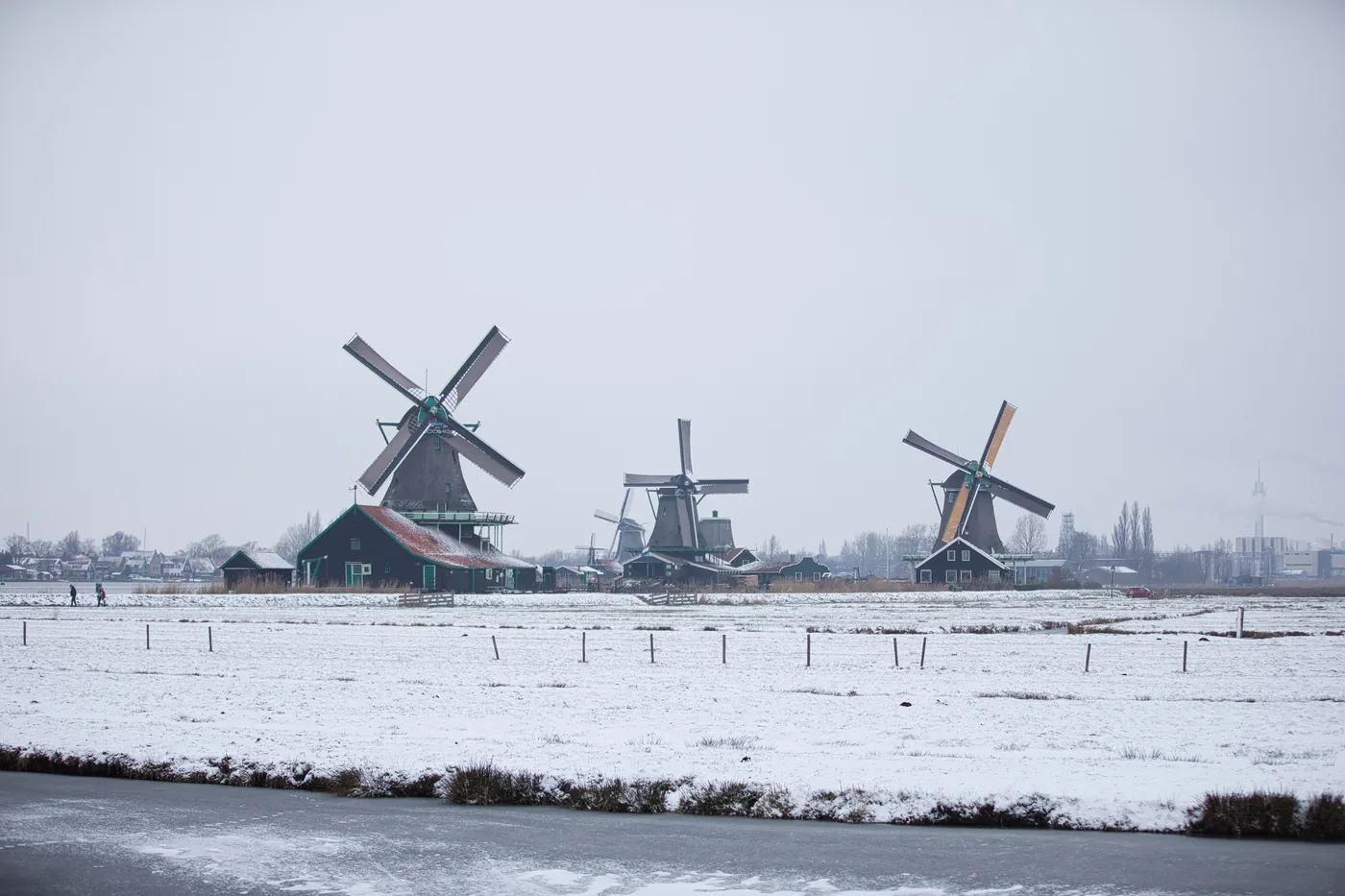
Zaanse Schans is a preserved village of working windmills on the river north of the city, and it is the easiest day trip from Amsterdam. Trains run from Centraal in under twenty minutes to Zaandijk Zaanse Schans, then it is a short walk across the bridge.
In winter the coach parties thin out badly, which is the whole reason to go now. Snow on the flat fields behind the mills is one of the more Dutch things you will see.
Check before you travel, because several of the mills and workshops cut their hours or close entirely in the coldest months.
19. Take The Train To Haarlem For The Afternoon
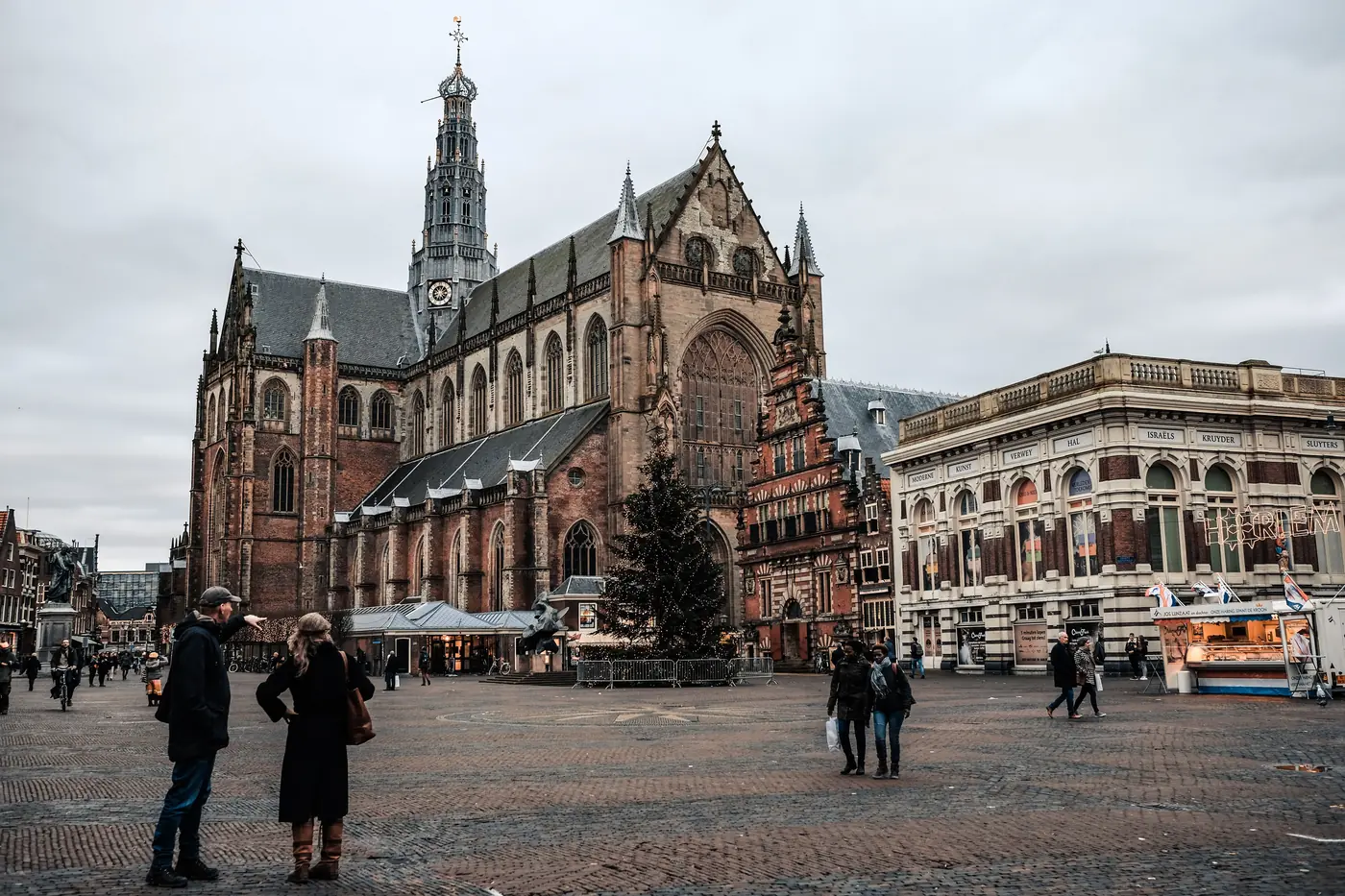
Haarlem is fifteen minutes from Centraal by train and is what a lot of people picture when they picture a Dutch town. The centre is small enough to walk in an afternoon.
Everything sits around the Grote Markt, the main square, with the enormous St. Bavo church on one side. In December a tree goes up in the middle of it and the surrounding streets light up.
It makes a good half day if Amsterdam is feeling crowded over the Christmas period, and the trains run every few minutes so there is nothing to plan.
More Things To Do In Amsterdam In Winter
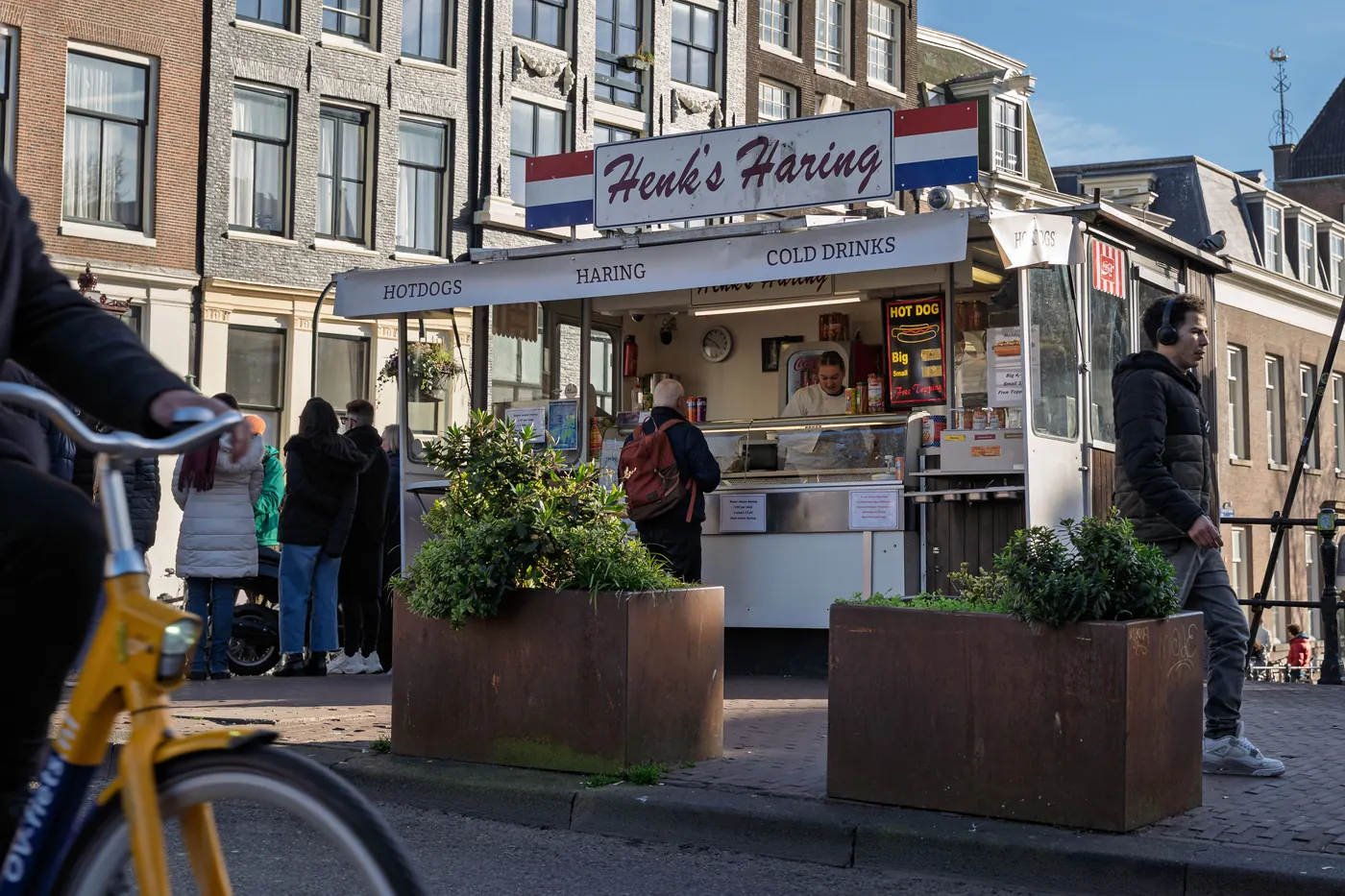
A few more that did not need a section of their own. Eat a raw herring from one of the street stands, which is a colder proposition in January but still the local thing to do. Sit through a concert at the Concertgebouw, one of the best sounding halls in the world and cheaper than you would guess for a weekday performance.
The Eye Filmmuseum in Noord is a short ferry ride and a good rainy afternoon. The Rembrandt House shows you where he actually worked. And on any cold day, a thick Dutch hot chocolate with a spoonful of whipped cream on top is a legitimate plan.
When To Visit Amsterdam In Winter
Daylight is the thing that surprises people. In late December the sun is up around half past eight and gone again by half past four, so you get roughly eight hours and the good light lasts about two of them. Plan outdoor things for the middle of the day and museums for the afternoon.
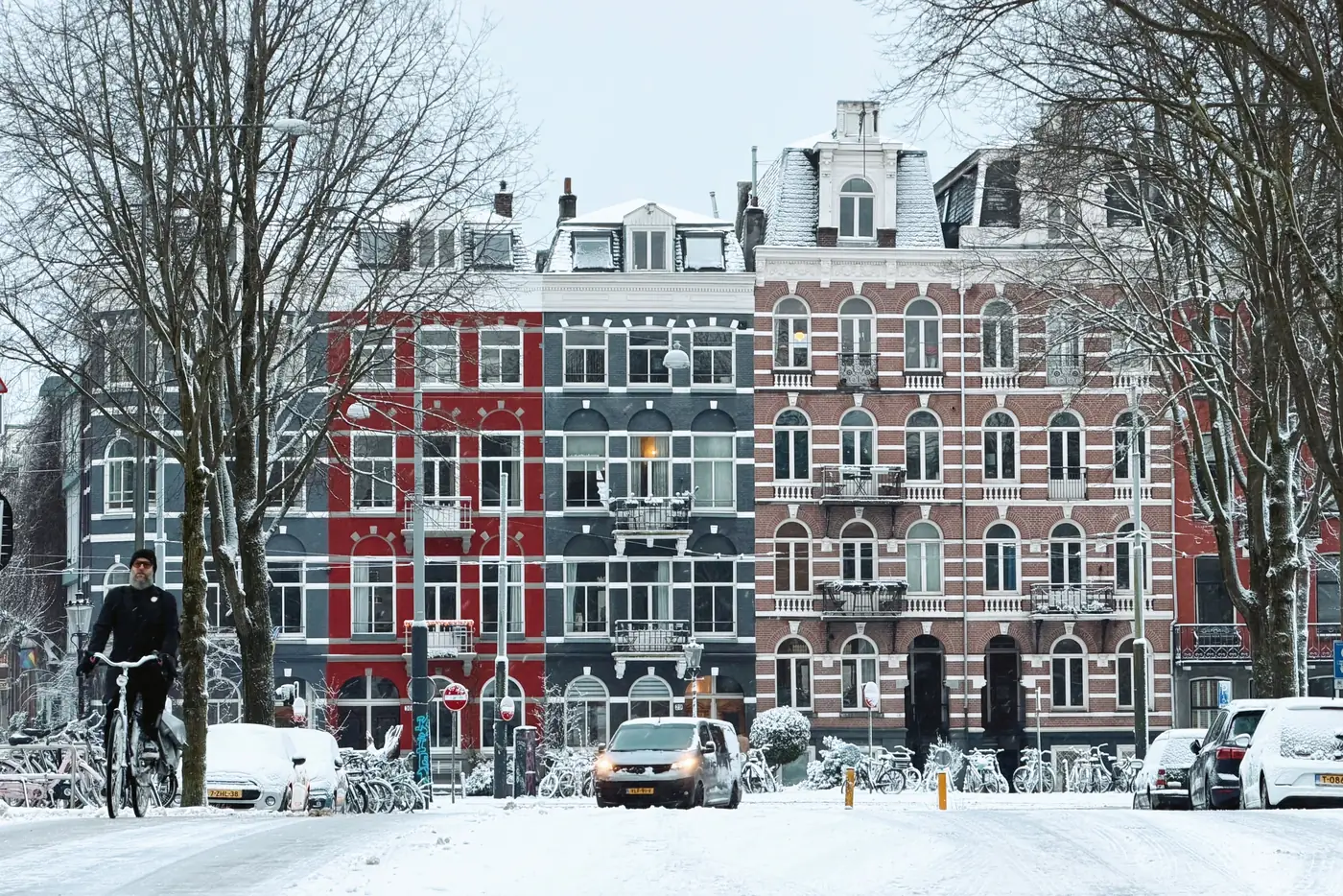
The weather is wet more often than it is snowy. Expect something in the region of three to seven degrees, grey skies, and wind coming off the water that makes it feel colder than the number suggests. Snow happens most winters but rarely sticks for long. A waterproof coat matters more than a thick one.
December is the busiest stretch, especially the week between Christmas and New Year, and prices follow. January and early February are the quietest and cheapest weeks of the entire year, with the trade off that the weather is at its worst.
If the light festival is the reason you are going, aim for the window between late November and the middle of January. The Museumplein rink usually covers a similar stretch, from about mid November into early February.
Final Thoughts
Amsterdam is a city built for bad weather. The museums are world class, the bars are made for sitting still in, and the whole place is small enough that you are never more than ten minutes from somewhere warm.
Go in January if you want it cheap and quiet, or in December if you want the lights and do not mind sharing. Either way, book the big museums before you fly, and bring a coat that keeps the rain out.