 Rebecca Engel
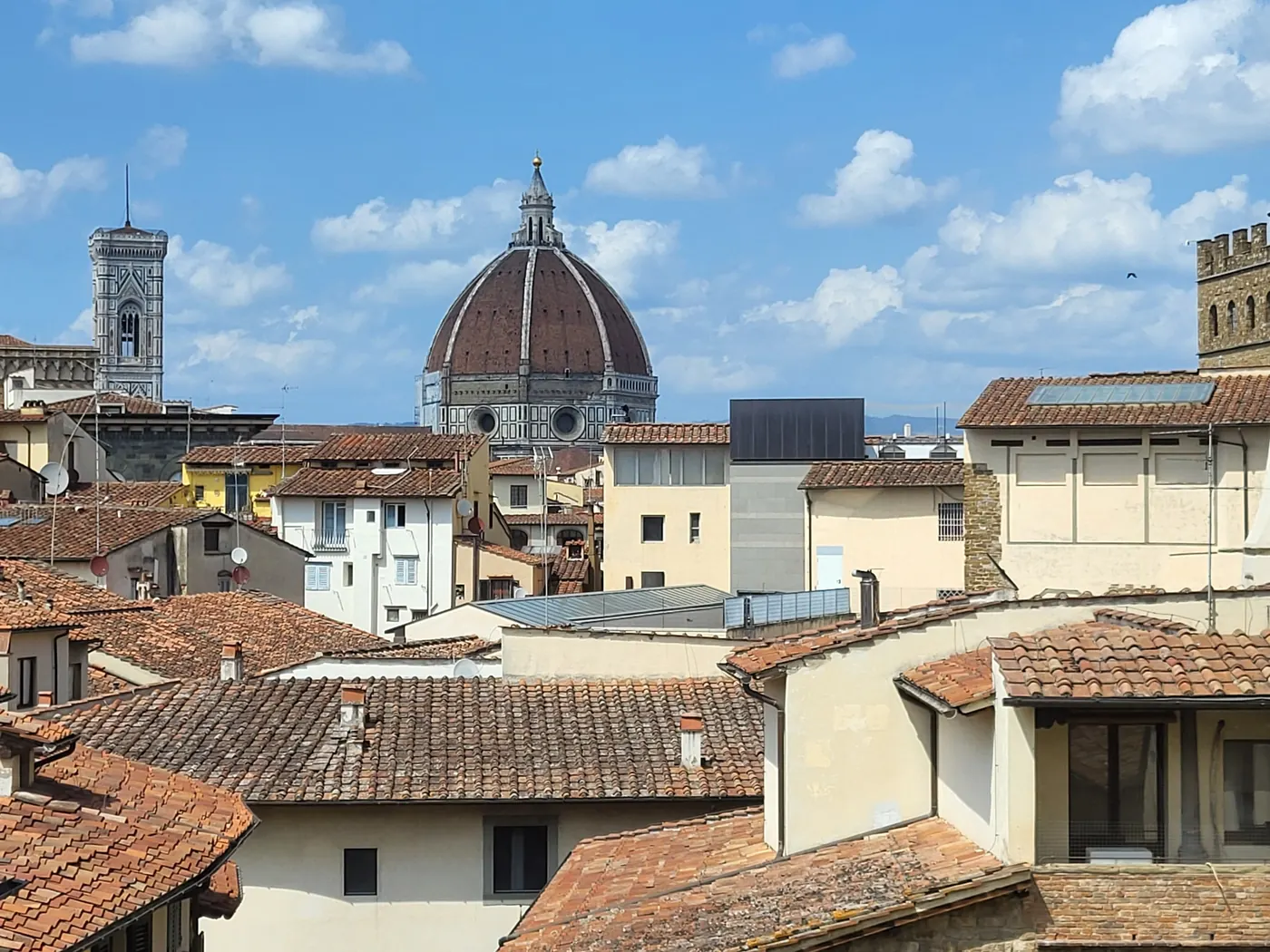
Rome, Florence and Venice are the three cities most people picture when they dream about Italy, and they happen to sit in a neat line up the middle of the country. Fast trains link all three in a couple of hours each, so you can see ancient Rome, Renaissance Florence and the canals of Venice in one trip without ever renting a car.
This 10 day Italy itinerary flies you into Rome and home from Venice, with a day out in the Tuscan hills along the way. Each day has one or two big sights and plenty of room for long lunches and slow evenings. If you only get 10 days in Italy, this Italy itinerary covers the classics at a pace that still feels like a vacation.
How This 10 Day Italy Itinerary Works
The route runs north in a straight line: four nights in Rome, three in Florence and three in Venice. Book an open jaw flight, landing in Rome and leaving from Venice, so you never have to double back.
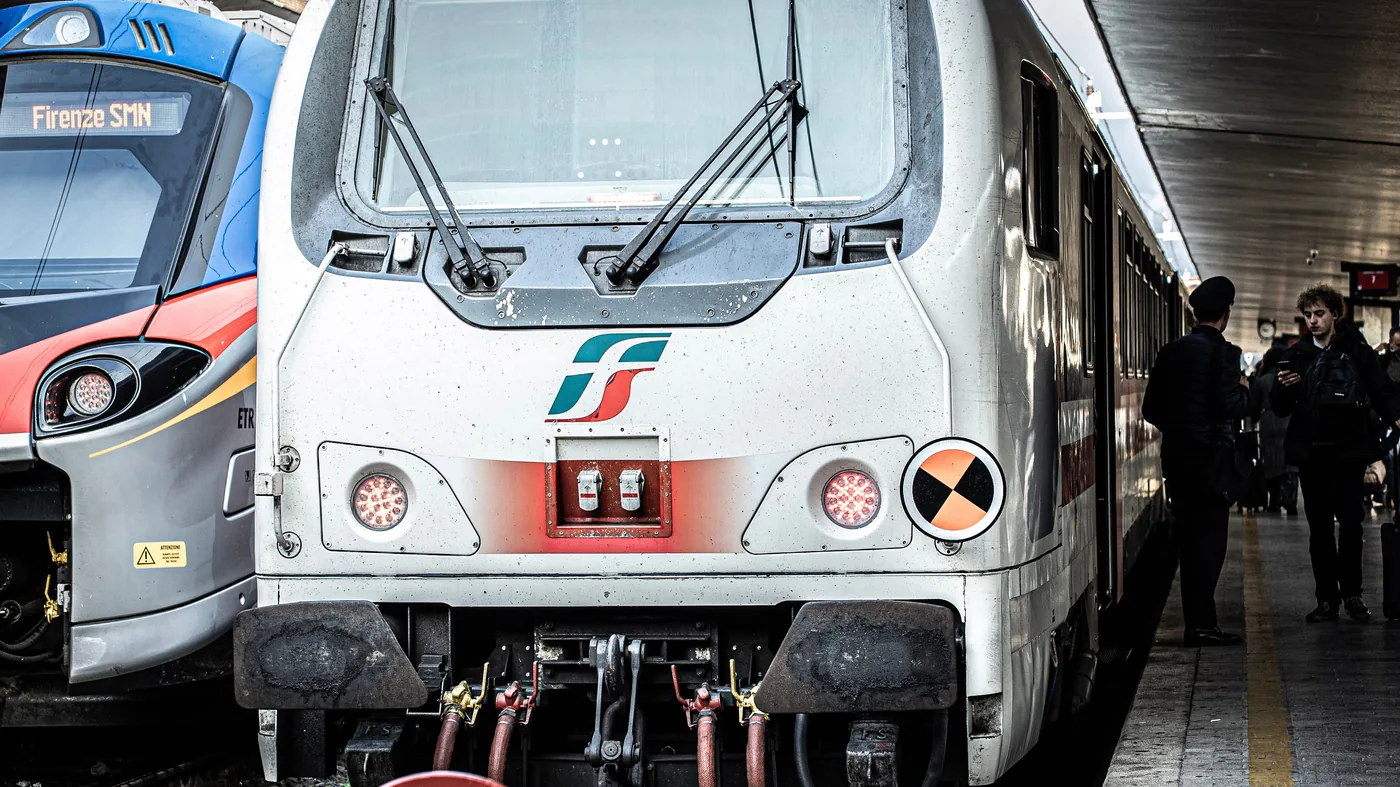
Between cities you’ll ride Italy’s high speed trains. Rome to Florence takes about an hour and a half, and Florence to Venice about two hours, center to center. That’s faster than flying once you count the airports.
A few of the biggest sights need booking ahead, and a couple of the Florence museums close on Mondays. There’s a full list at the end of this guide, so read it before you lock in your dates.
Day 1: Arrive In Rome And Toss A Coin In The Trevi Fountain
Rome’s main airport, Fiumicino, is linked to Termini station by a nonstop train that takes about half an hour. From there, a taxi or the metro gets you to your hotel.
Don’t plan anything big today. Drop your bags, find a coffee and spend the late afternoon wandering the historic center, where three of Rome’s most famous sights sit within a short walk of each other.
The Pantheon And Piazza Navona
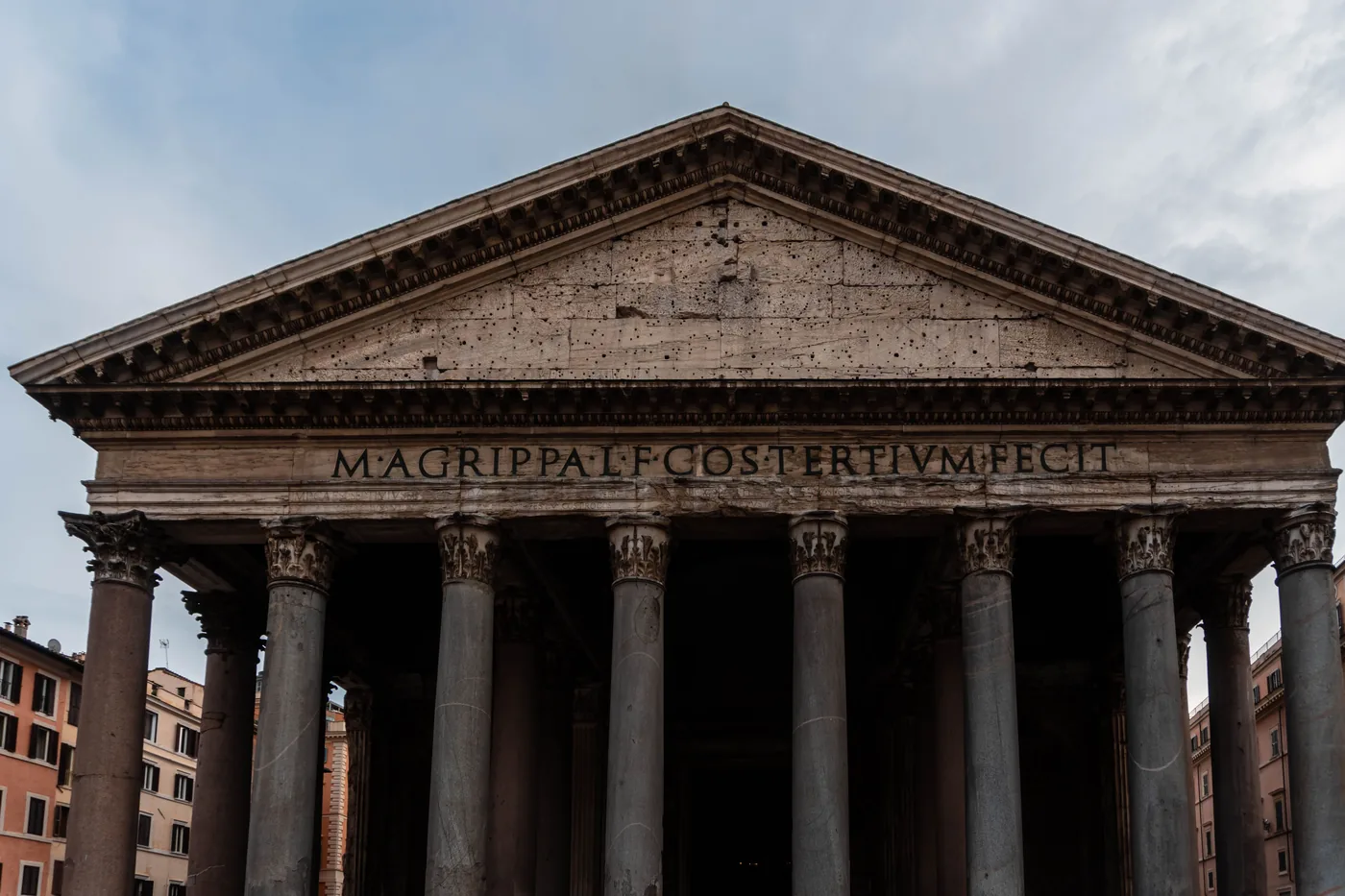
The Pantheon has stood for nearly 2,000 years, and its huge concrete dome is still one of the most impressive rooms in the world. Stand in the middle and look up at the open circle at the top, where sunlight pours in and rain falls straight through to the floor. Entry is ticketed, and you can buy at the door or book a time slot online.
A few minutes away, Piazza Navona is a long, oval square built on top of an ancient stadium. Street artists set up around Bernini’s Fountain of the Four Rivers, and the cafes around the edge are perfect for a first glass of wine.
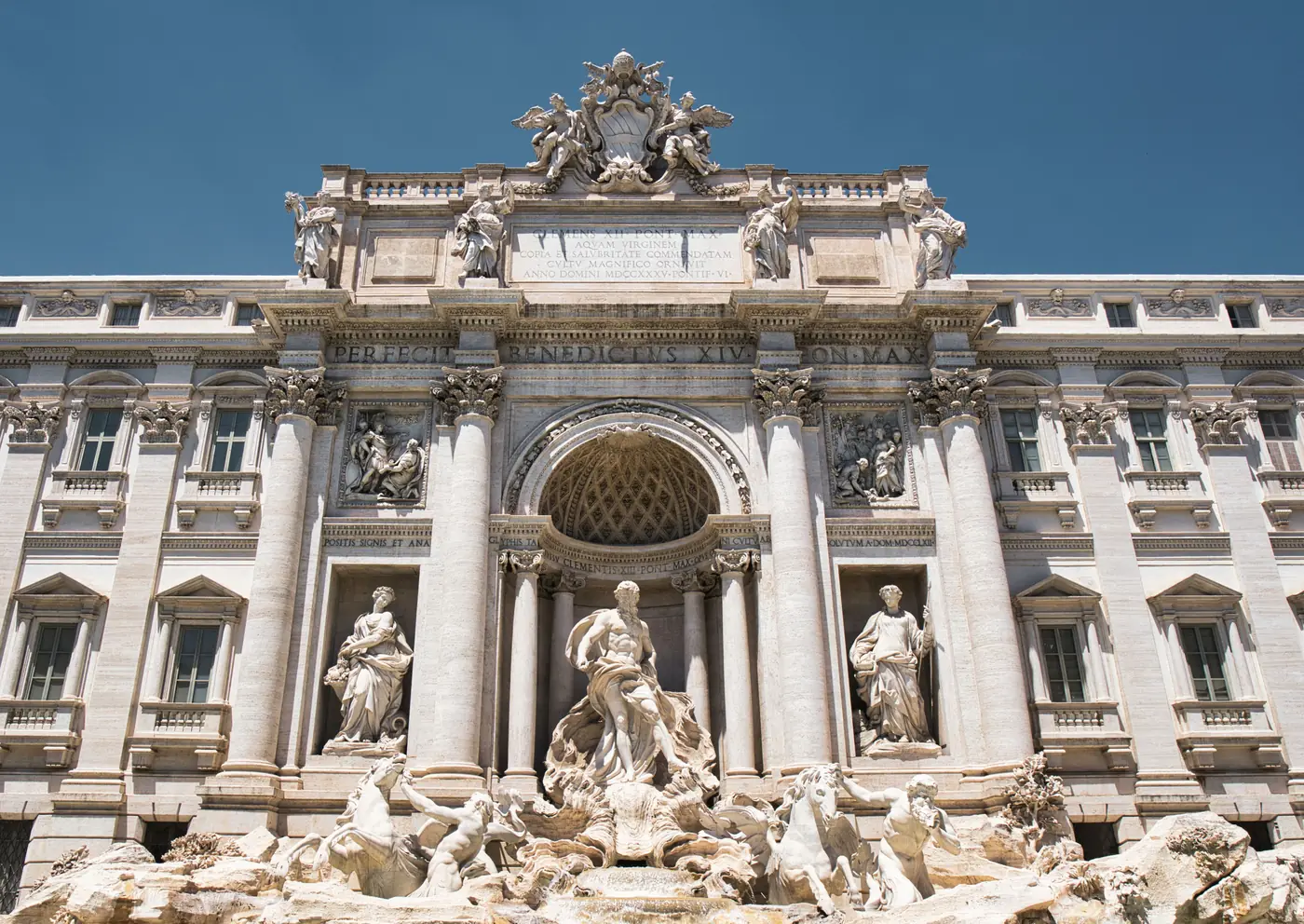
Toss A Coin In The Trevi Fountain
The Trevi Fountain is busy at almost any hour, but it’s at its best after dark, when it’s lit up and the crowds thin out a little. Legend says that if you toss a coin over your shoulder into the water, you’ll return to Rome one day.
The coins don’t go to waste. They’re collected and given to charity, which makes it one of the nicest tourist traditions in Europe. Getting right down to the edge of the basin can require a ticket during the day, so check before you go. The view from the square above is always free.
Day 2: The Colosseum, The Roman Forum And Palatine Hill
Today is ancient Rome. The Colosseum, the Roman Forum and Palatine Hill sit right next to each other and share one ticket, so you can see all three in a single day. Book a timed entry ahead, start early and wear good shoes.
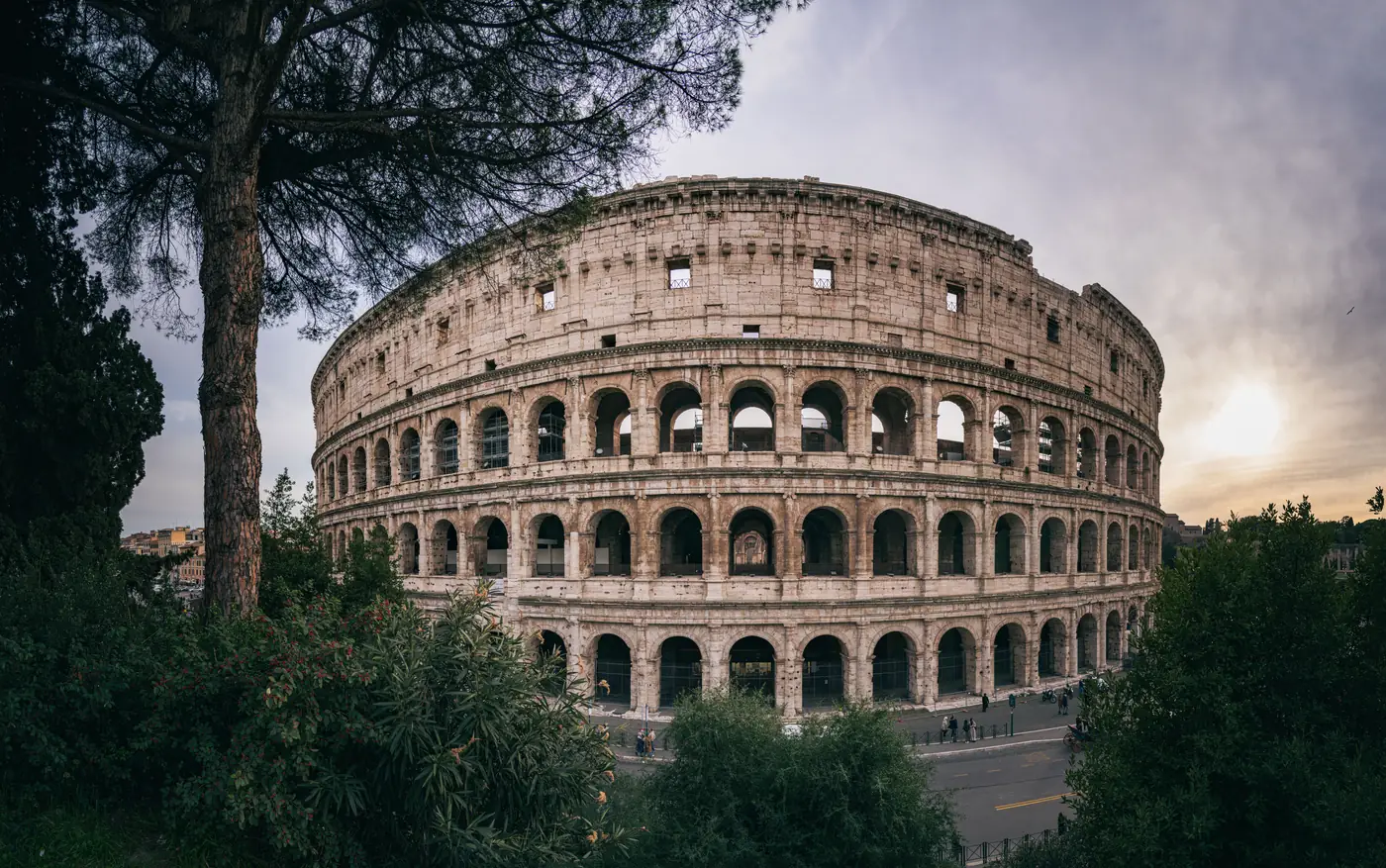
The Colosseum
Nearly 2,000 years after it opened, the Colosseum still stops people in their tracks. Up to around 50,000 Romans packed in here to watch gladiators and wild animal shows.
A standard ticket covers the main levels. A Full Experience ticket or a guided tour adds the arena floor, the underground tunnels or the upper tiers, and those spots sell out first.
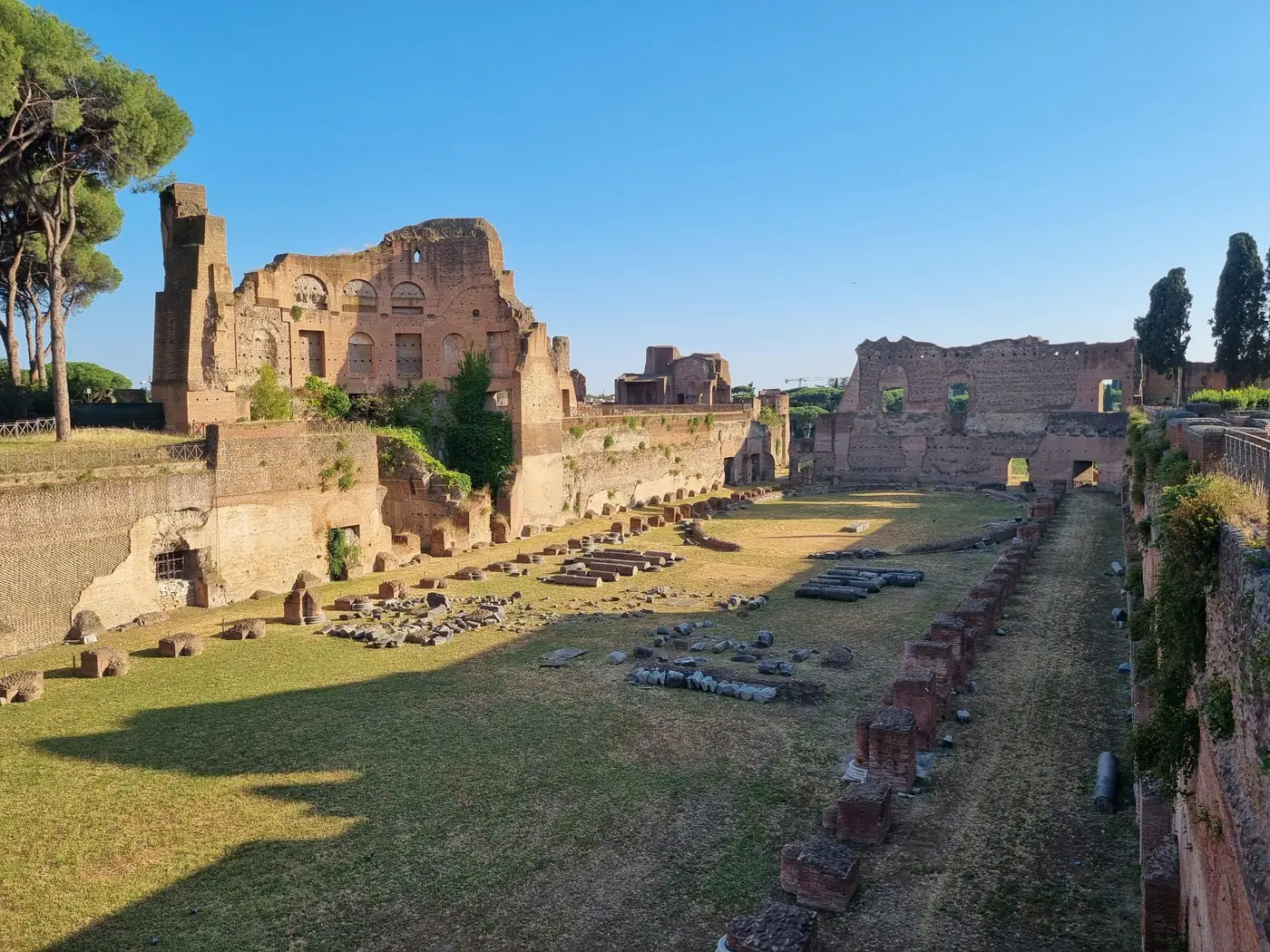
The Roman Forum And Palatine Hill
Next door, the Roman Forum was the center of city life for centuries, full of temples, markets and government buildings. Today it’s a field of columns, arches and ruins that’s easier to understand with an audio guide or a good map.
Climb Palatine Hill above it, where the emperors built their palaces. It’s quieter than the Forum, shaded by pine trees, and the view over the ruins is one of the best in Rome.
Day 3: The Vatican Museums, The Sistine Chapel And St Peter’s
Vatican City is the smallest country in the world, and it holds some of the greatest art ever made. Book the museums ahead, go early and cover your shoulders and knees so you can get into the basilica afterward.
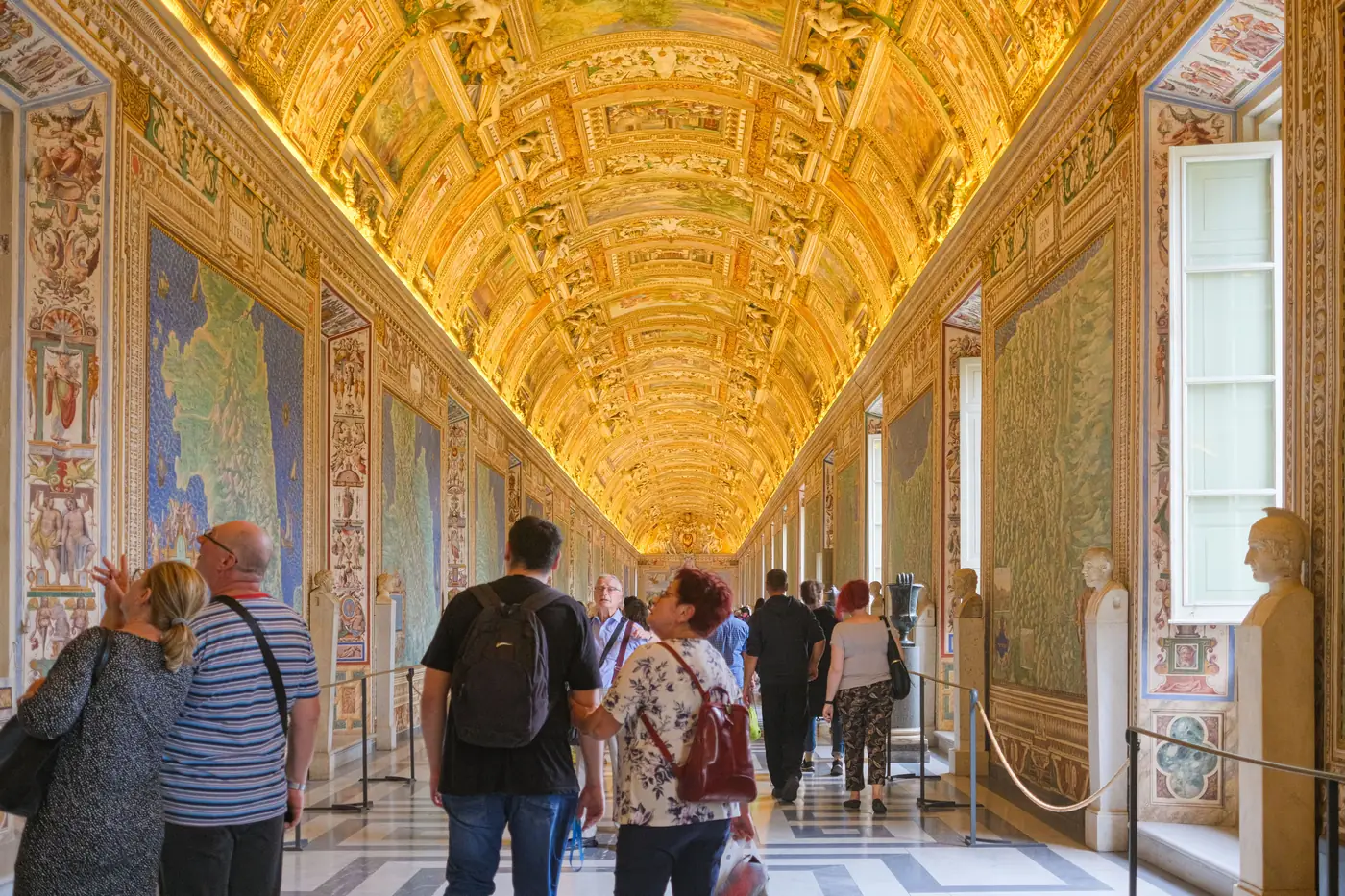
The Vatican Museums And The Sistine Chapel
The Vatican Museums wind through room after room of ancient statues, painted maps and Renaissance masterpieces, and they all lead to the Sistine Chapel. Michelangelo’s ceiling is even more striking in person than in photos, which you aren’t allowed to take inside.
The museums are usually closed on Sundays, apart from a free opening on the last Sunday of the month, so plan your Rome days around that.
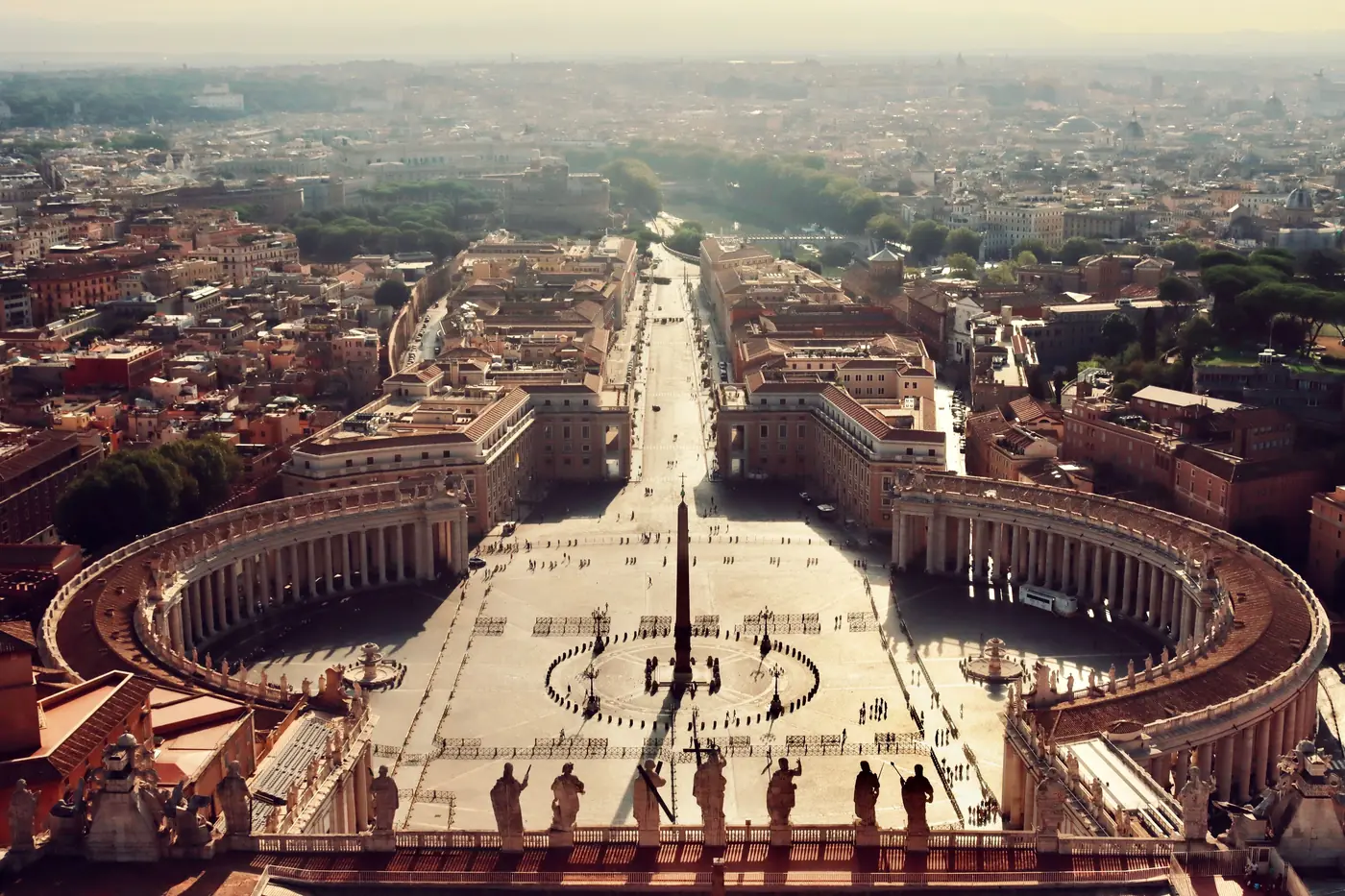
St Peter’s Basilica
St Peter’s Basilica is one of the largest churches in the world, and its size is hard to take in until you’re standing under Michelangelo’s dome. Look for his Pietà just inside the entrance on the right.
Entry to the basilica is free, but the security line can be long. If you have the energy, climb the dome for a view straight down the length of St Peter’s Square and across the rooftops of Rome.
Day 4: The Borghese Gallery And An Evening In Trastevere
Your last day in Rome is a little slower. Spend the morning with some of the city’s best art, wander through the center in the afternoon and finish with dinner across the river.
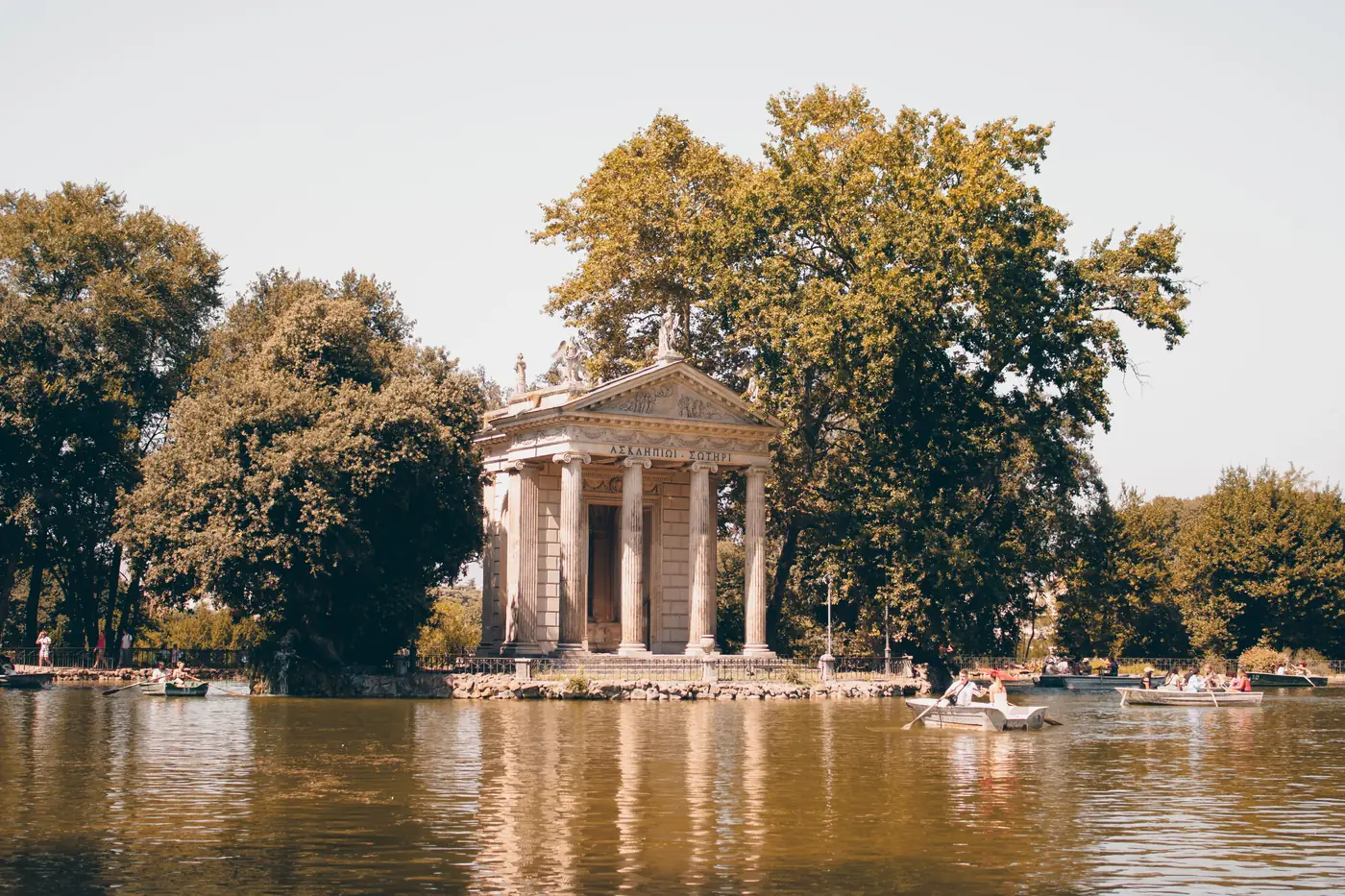
The Borghese Gallery And Gardens
The Borghese Gallery is small, but it’s packed with sculptures by Bernini and paintings by Caravaggio and Raphael. Bernini’s Apollo and Daphne, where a woman turns into a tree mid step, is almost impossible to believe is carved from marble.
Tickets are timed and must be booked ahead. Afterward, walk through the Villa Borghese gardens around it, Rome’s version of Central Park.
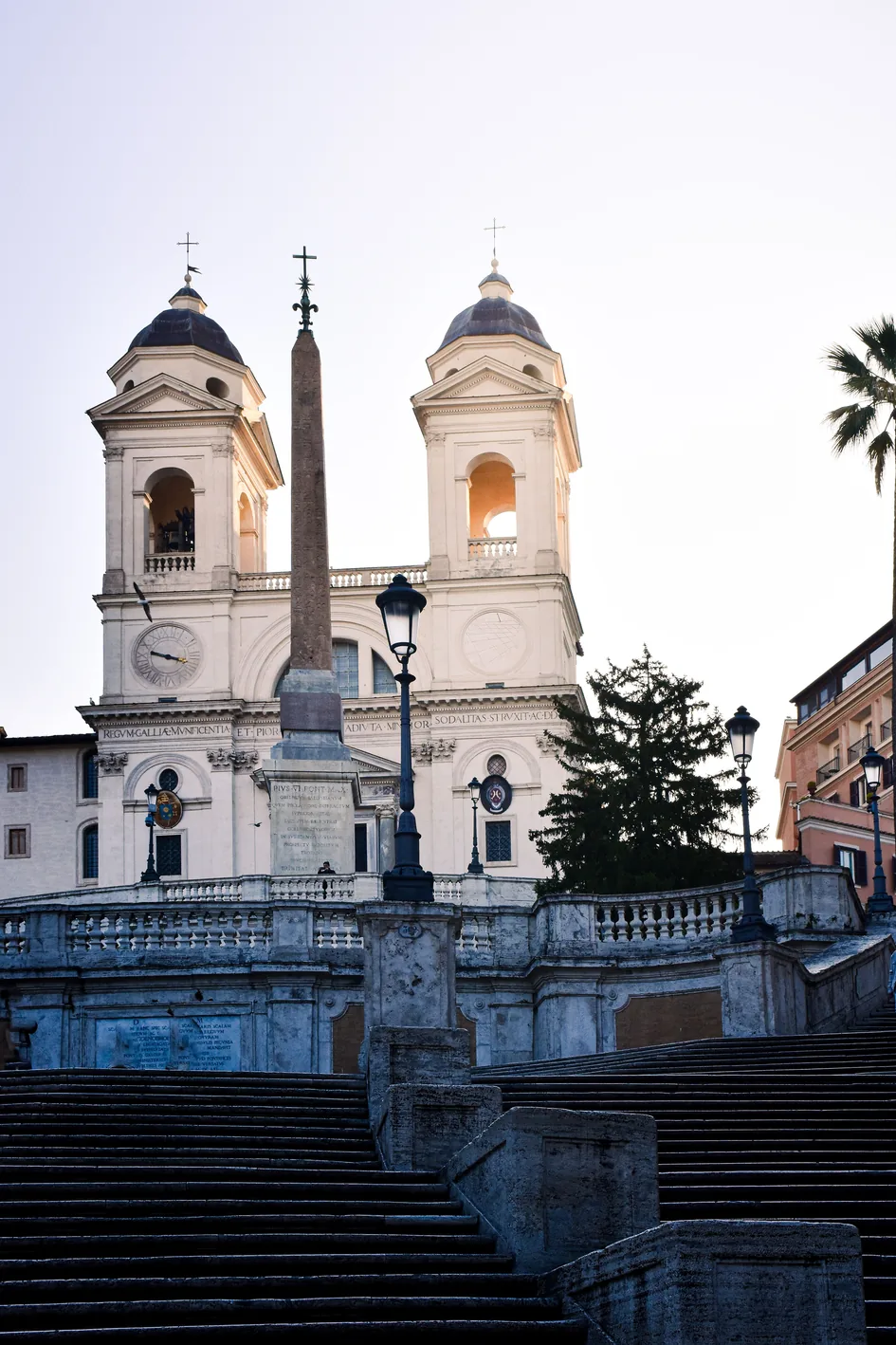
The Spanish Steps
From the gardens, it’s an easy walk down to the Spanish Steps, the wide staircase that sweeps down to Piazza di Spagna. The streets below are lined with Italy’s big fashion names, so window shopping comes free with the view.
Sitting on the steps isn’t allowed, so take your photos and keep moving.
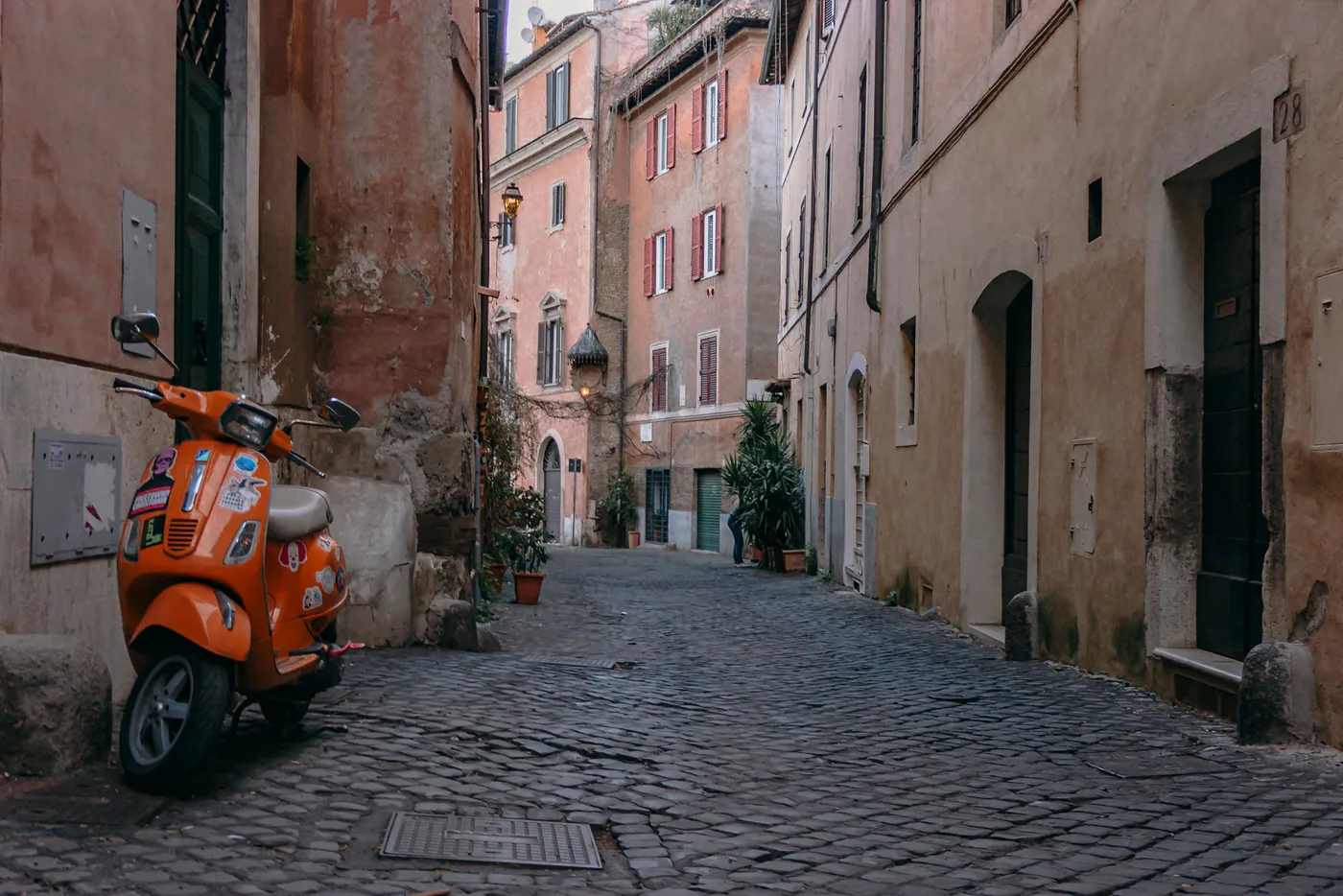
Dinner In Trastevere
Across the Tiber River, Trastevere is a neighborhood of ivy covered buildings, cobbled lanes and small trattorias. It’s busy in the evening in the best way, with tables spilling out onto the streets.
Order a Roman classic like cacio e pepe or carbonara, and make it a long one. You’ve got a train to catch tomorrow, but not an early one.
Day 5: Train To Florence And Climb The Duomo
Take a late morning train from Rome to Florence. You’ll arrive at Santa Maria Novella station, a short walk from the center, in time for lunch. Florence is small and flat, and almost everything in this Italy itinerary is reachable on foot from here.
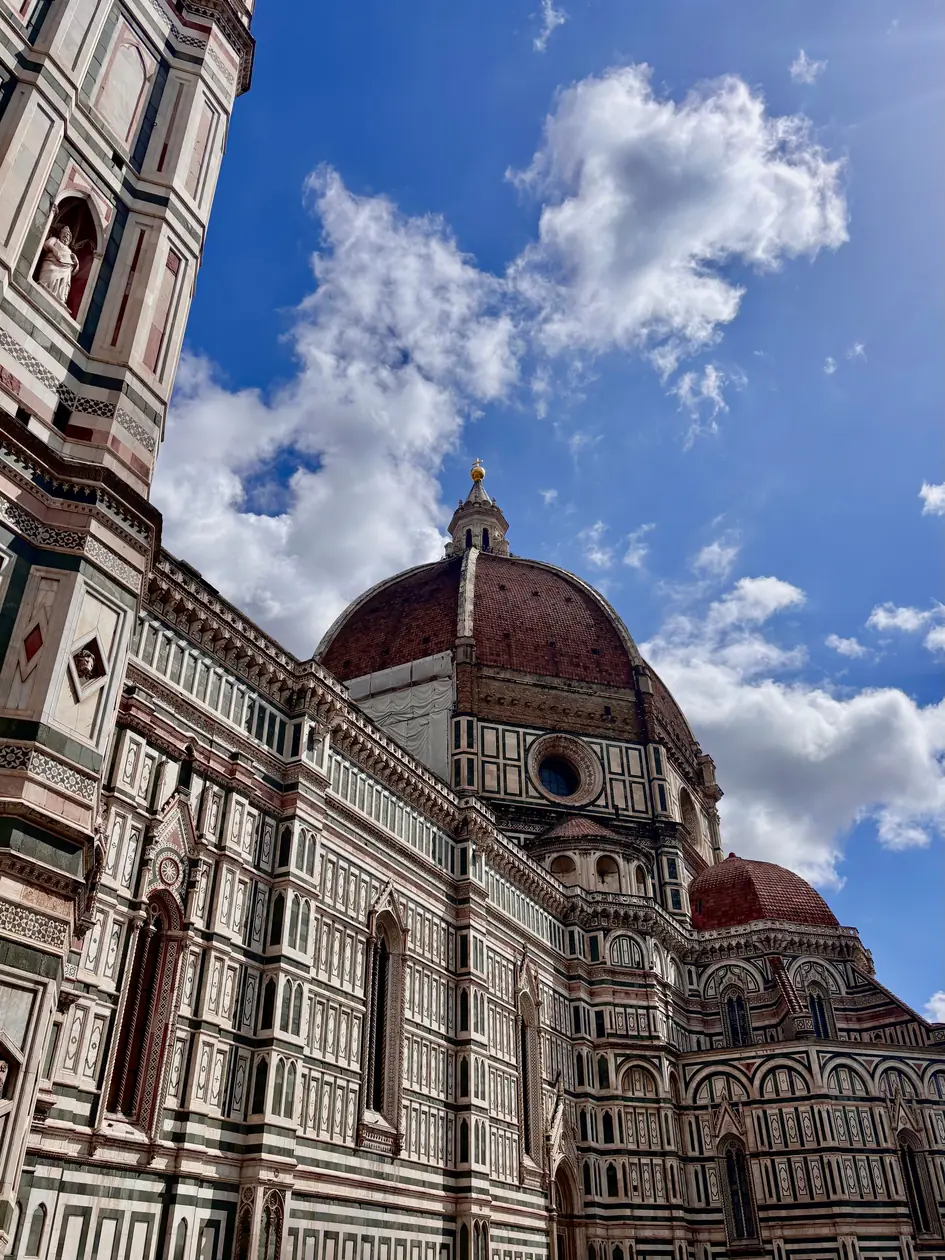
Climb Brunelleschi’s Dome
Florence’s cathedral, the Duomo, is covered in green, white and pink marble, and its red brick dome still rules the skyline 600 years after it was built. You can climb more than 400 steps to the top, squeezing between the inner and outer shells of the dome on the way.
The climb needs a timed booking, and it’s not for anyone who dislikes tight spaces. If that’s you, climb Giotto’s bell tower next door instead. It’s a similar number of steps, with a view of the dome itself.
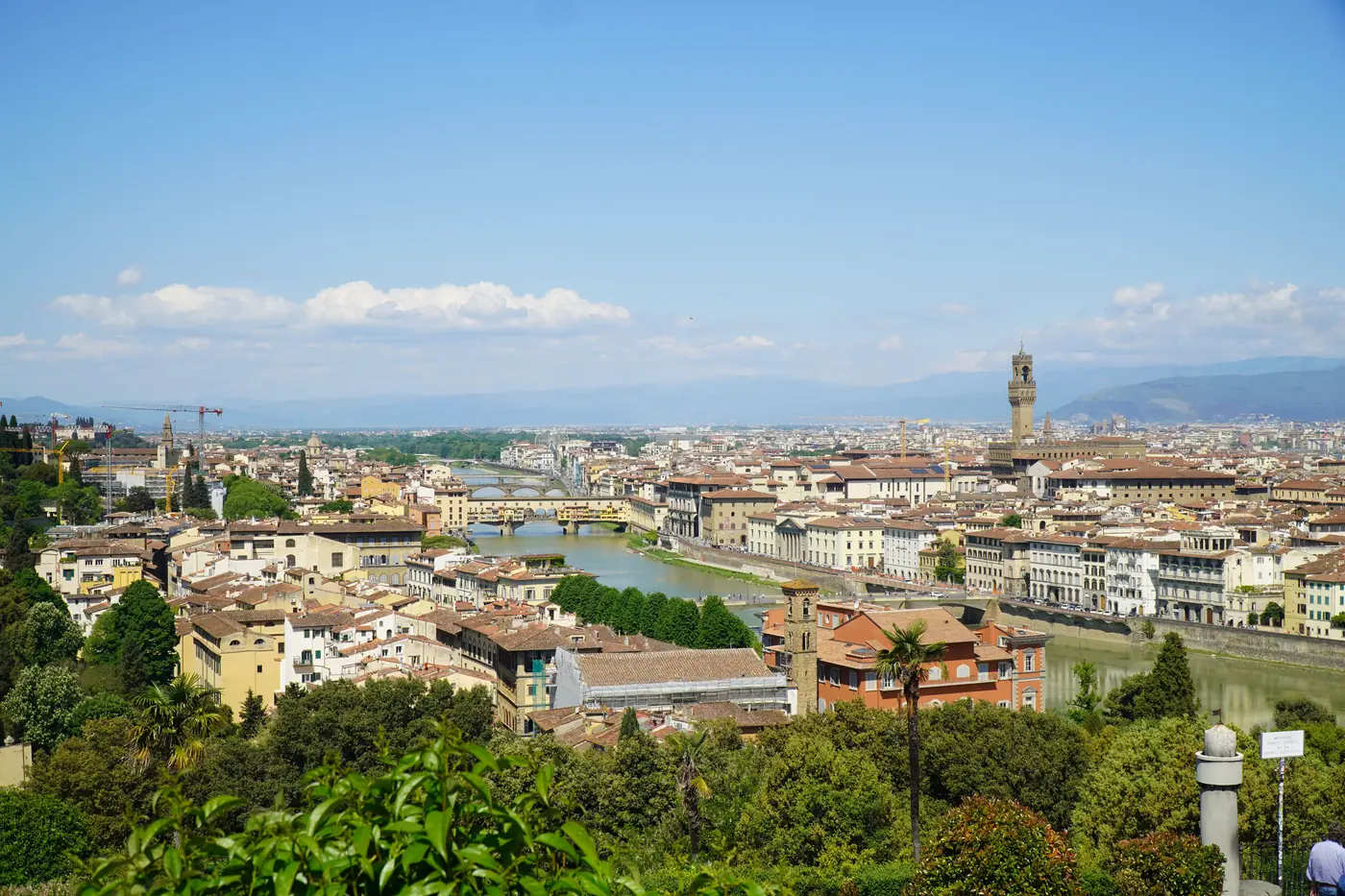
Sunset At Piazzale Michelangelo
Before the sun goes down, cross the Arno River and walk up to Piazzale Michelangelo, a big terrace on the hill with a postcard view over the whole city. It’s a steady 20 minute climb, or you can take a city bus.
Get there a little before sunset, find a spot along the wall and watch the dome and the bridges turn gold.
Day 6: The Uffizi, Michelangelo’s David And The Ponte Vecchio
Today is Renaissance Florence. Both of the city’s big museums close on Mondays, so if day 6 lands on a Monday, swap it with tomorrow’s day trip.
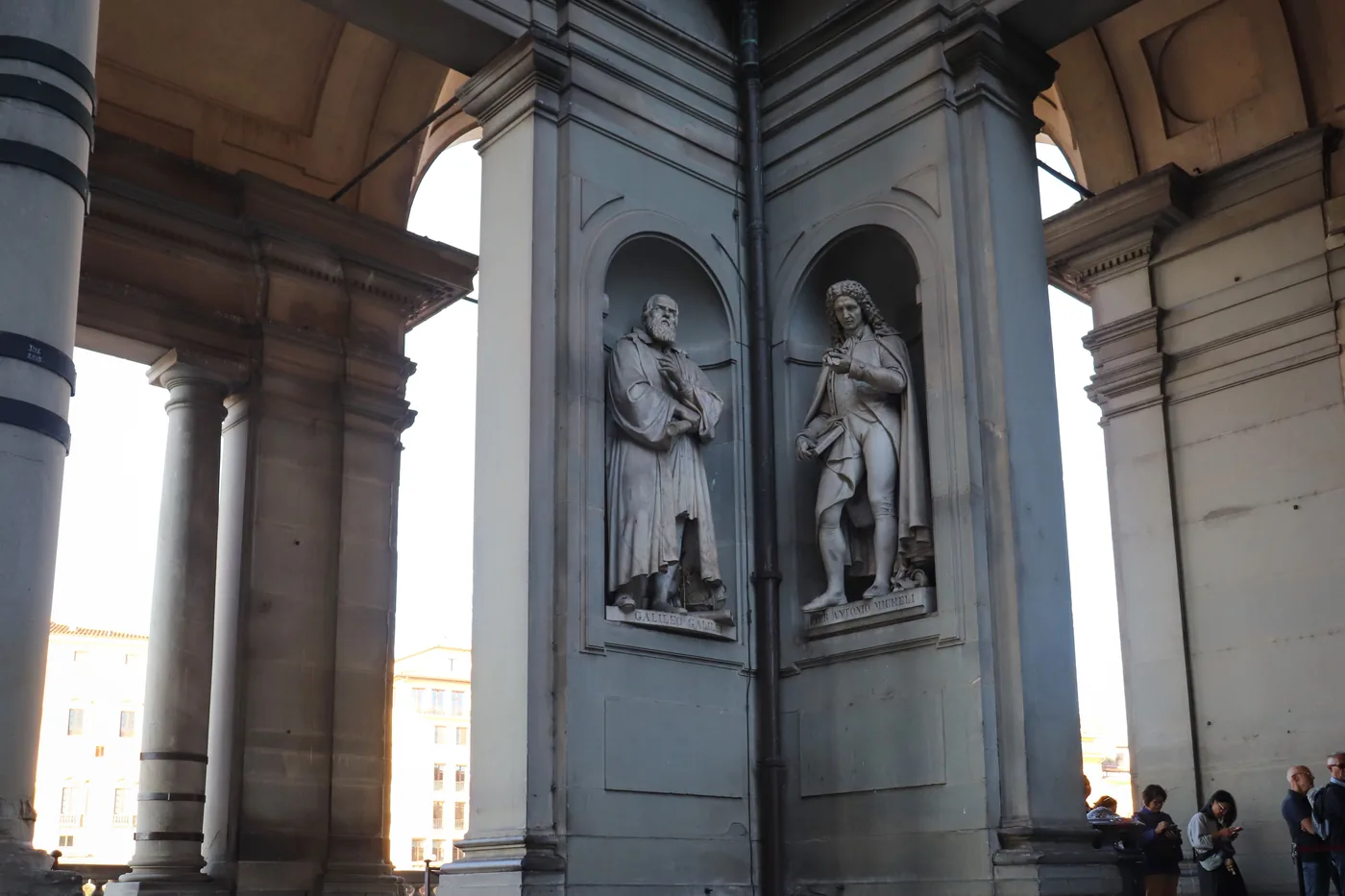
The Uffizi Gallery
The Uffizi holds one of the greatest art collections in the world, including Botticelli’s Birth of Venus and works by Leonardo da Vinci, Raphael and Michelangelo. Book an early timed ticket and give yourself at least two or three hours.
Pause at the windows in the top floor corridor, which look out over the Arno River toward the Ponte Vecchio.
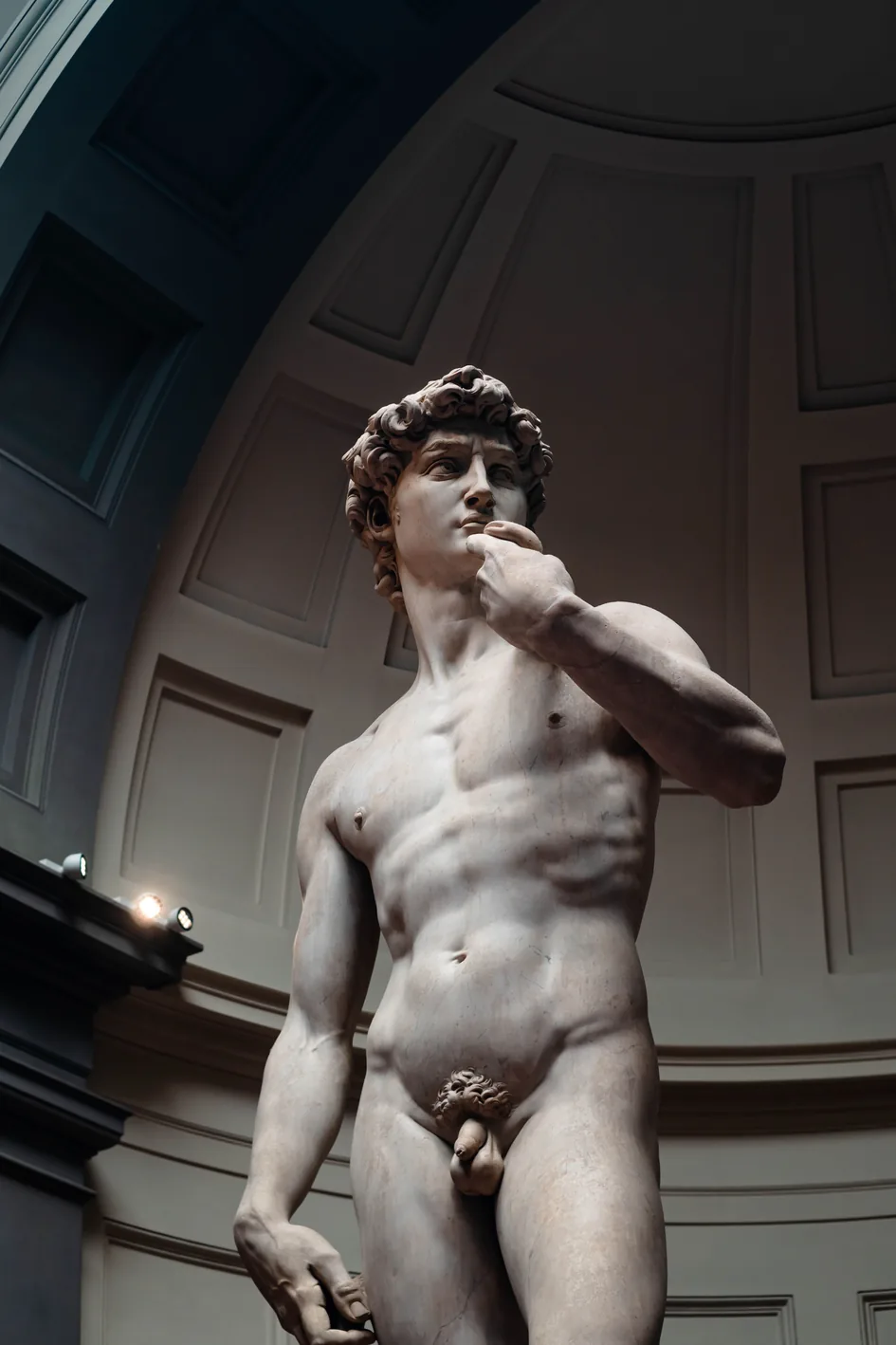
Michelangelo’s David At The Accademia
The Accademia Gallery is a short walk away, and most people go for one thing. Michelangelo’s David stands about 17 feet tall at the end of a long hall, and no photo prepares you for the size of it.
Book this one ahead too. A visit doesn’t take long, so it pairs well with the Uffizi on the same day.
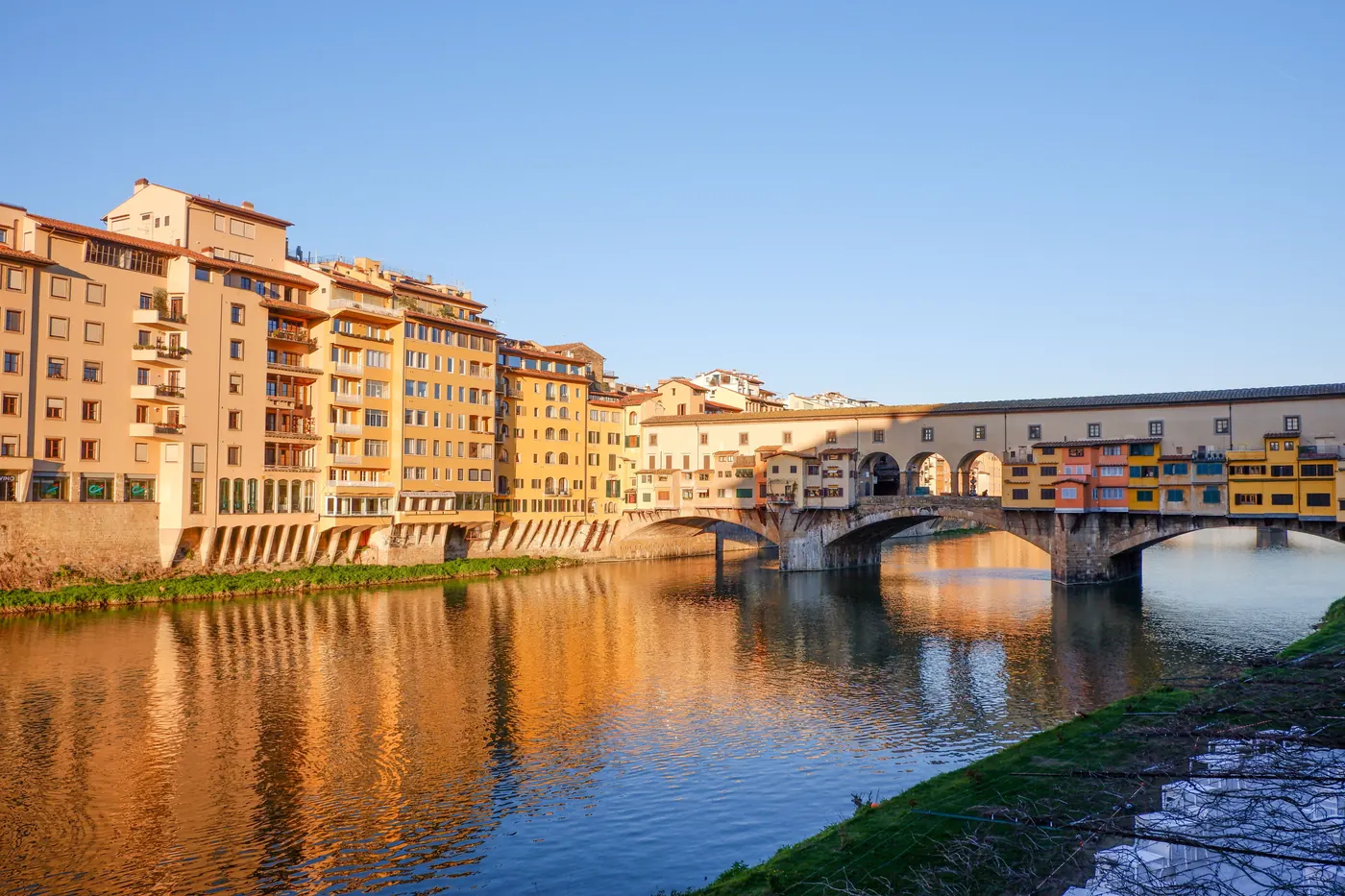
The Ponte Vecchio At Dusk
The Ponte Vecchio is Florence’s oldest bridge, lined with tiny jewelry shops that hang off its sides over the Arno. It was the only bridge in the city spared when the others were blown up during World War II.
Walk across in the early evening, then head to the Oltrarno neighborhood on the far side for dinner. It’s full of artisan workshops and some of the best trattorias in town.
Day 7: A Tuscany Day Trip To Siena And San Gimignano
Spend a day in the Tuscan hills. The easiest way to see both towns in one day is a small group tour from Florence, since San Gimignano is awkward to reach by public transport. If you’d rather go on your own, a fast bus reaches Siena in about an hour and a quarter, and the train in about an hour and a half, and it’s worth a full day by itself.
Some tours also stop at a Chianti winery for lunch and a tasting, which is a big part of the fun.
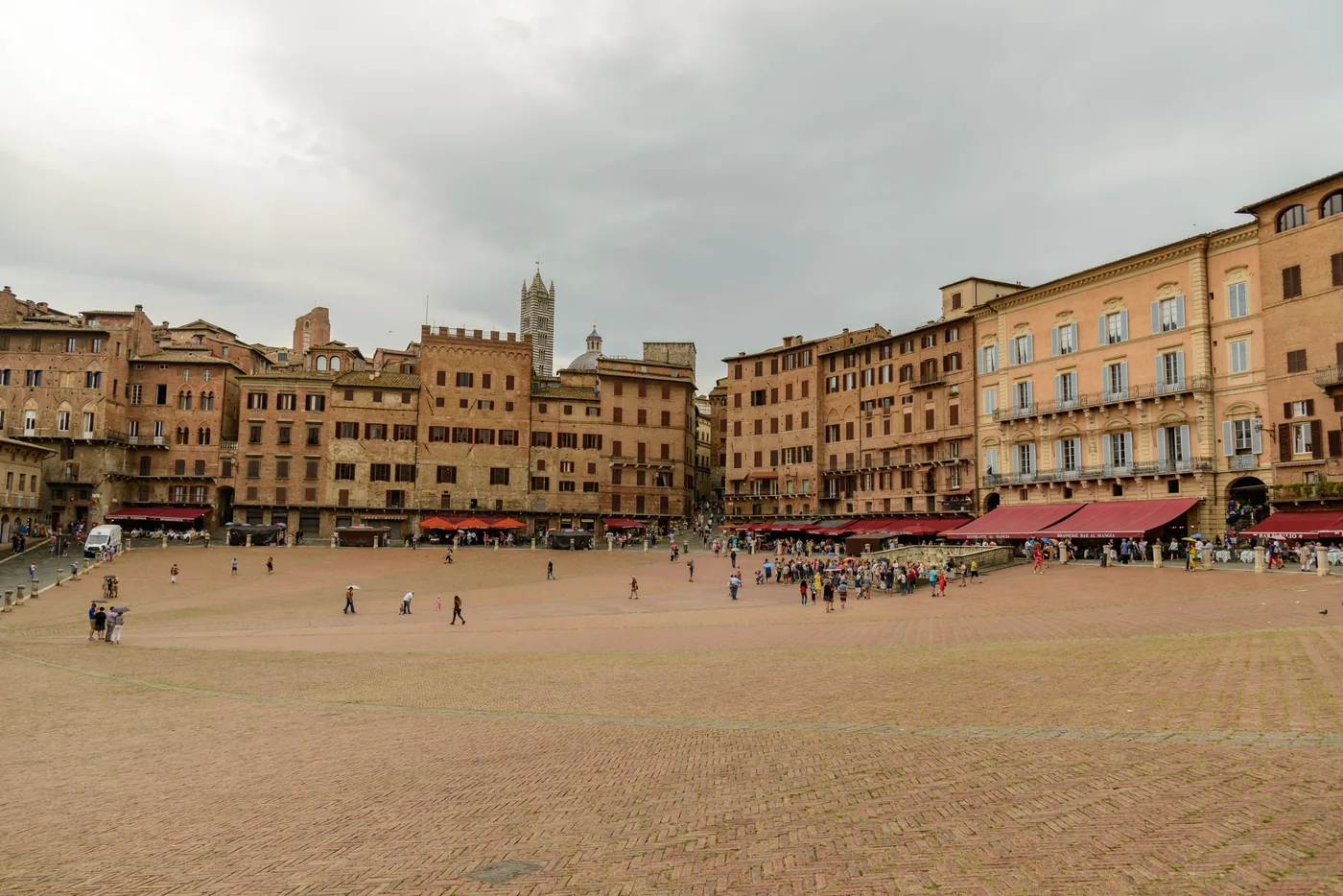
Siena And The Piazza Del Campo
Siena is a medieval city of red brick and narrow, hilly lanes, built around one of the most beautiful squares in Europe. The Piazza del Campo slopes down like a seashell toward the town hall and its tall tower.
Twice each summer, the square hosts the Palio, a wild bareback horse race around its edge. The rest of the year, it’s the perfect place to sit with a gelato. Leave time for the cathedral too, which is striped in black and white marble inside and out.
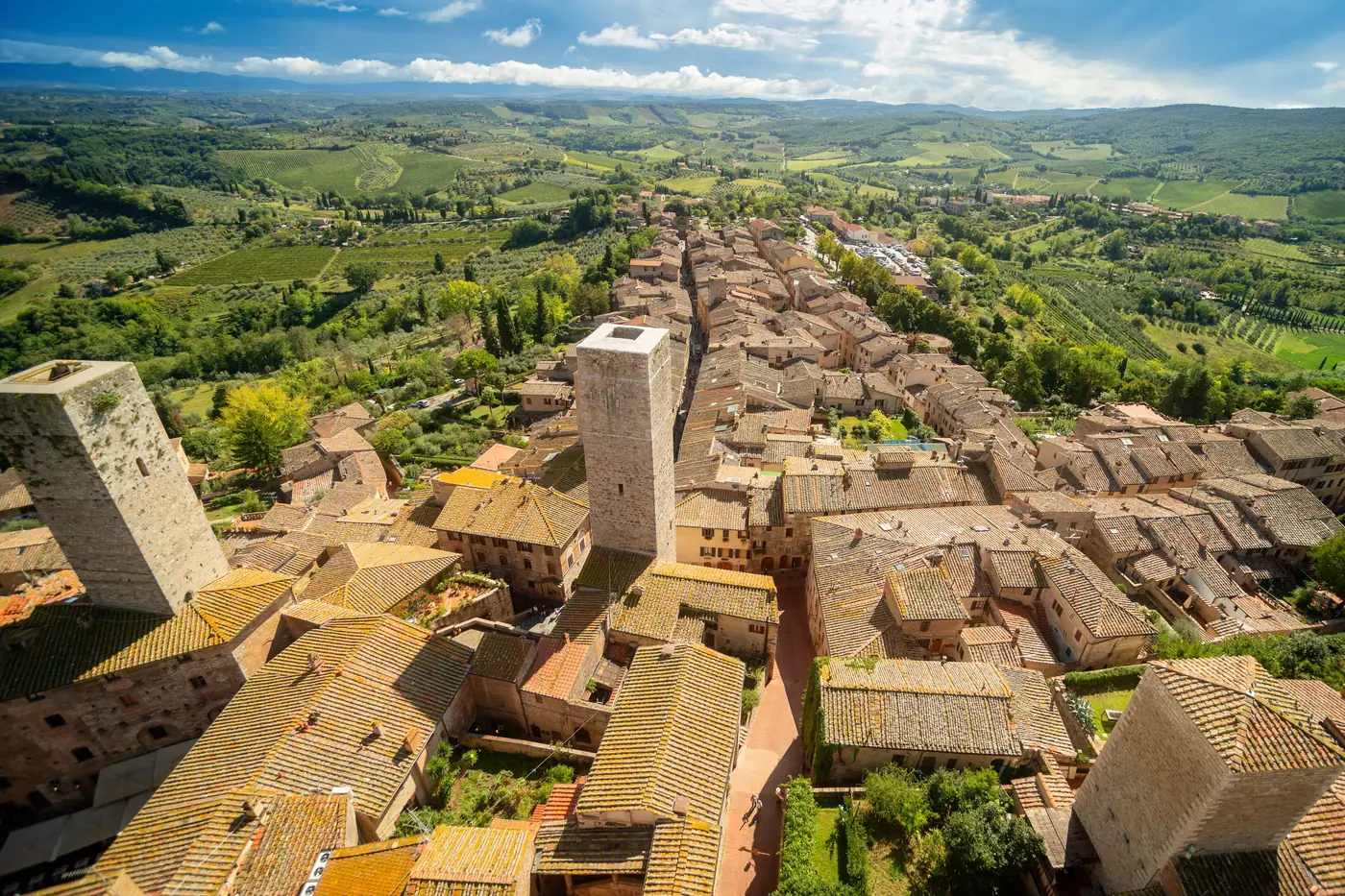
San Gimignano’s Medieval Towers
San Gimignano is a small walled hill town famous for its stone towers. Rich families once built dozens of them to show off, and the ones still standing give it a skyline like nowhere else in Tuscany.
Walk the main street from gate to gate, climb up to the old fortress for a view over the vineyards and try the local white wine, Vernaccia di San Gimignano.
Day 8: Train To Venice And Ride The Grand Canal
The train from Florence ends at Venice’s Santa Lucia station, and walking out the front door is one of the great arrivals in travel. The Grand Canal is right in front of you, busy with boats instead of cars.
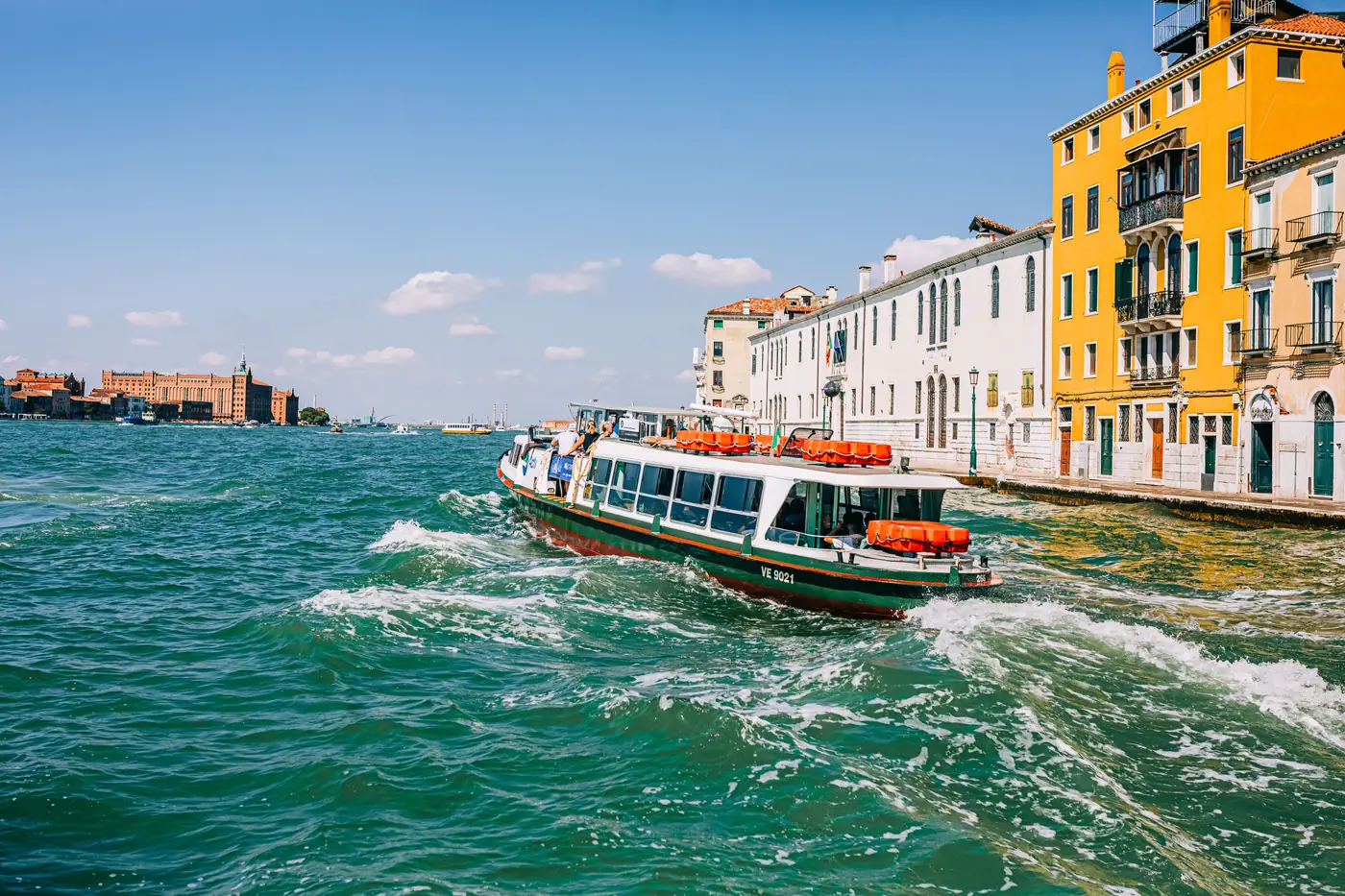
A Water Bus Down The Grand Canal
Once you’ve checked in, get back on the water. The slow Line 1 vaporetto, Venice’s public water bus, runs the whole length of the Grand Canal past palaces, churches and markets.
Grab a seat at the front or back if you can. It’s one of the best sightseeing rides in the city.
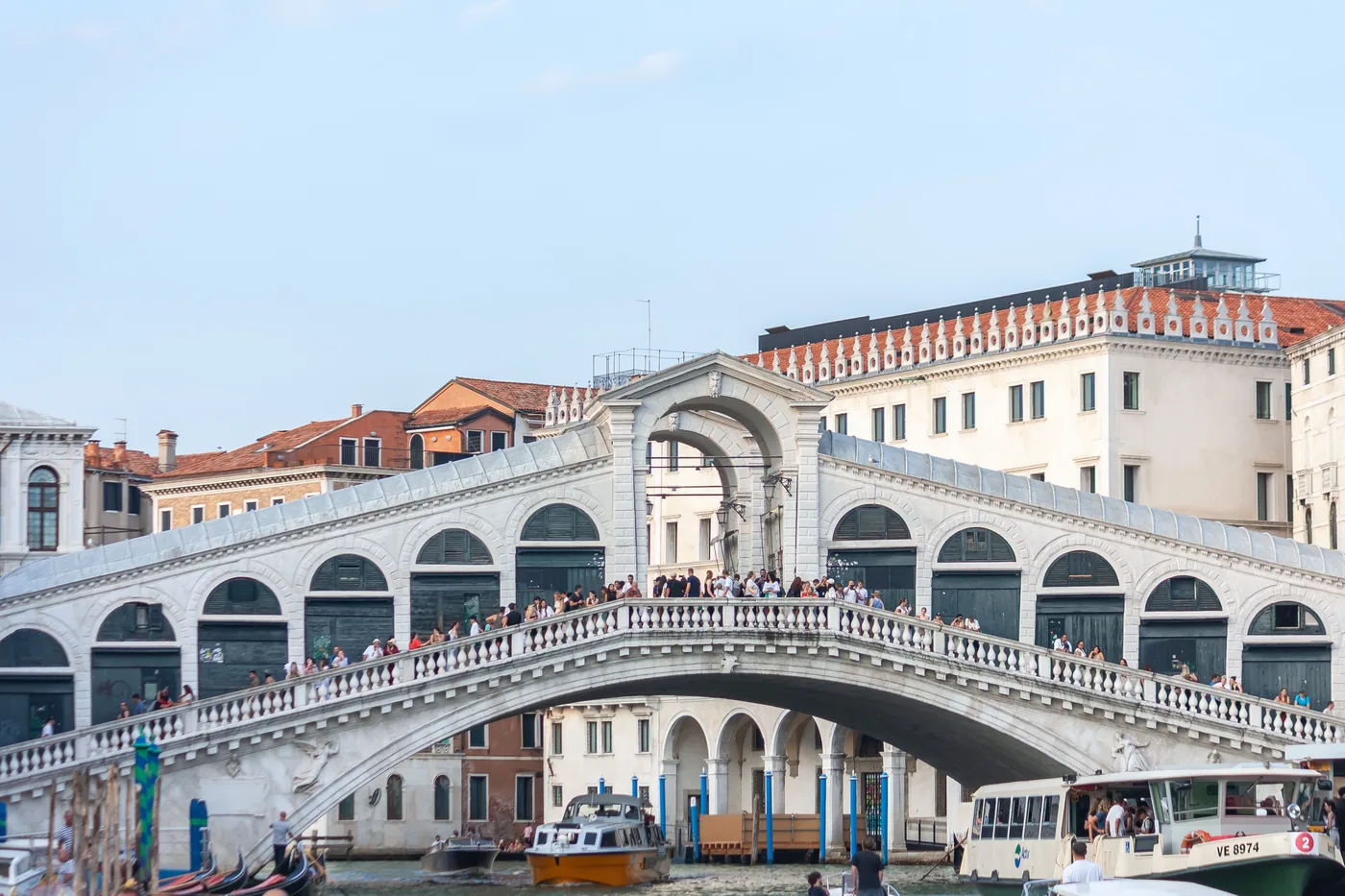
The Rialto Bridge And Market
The Rialto Bridge is the oldest of the four bridges across the Grand Canal, a white stone arch lined with shops. Climb to the top for one of the most famous views in Venice.
In the morning, the Rialto Market next to it sells fruit, vegetables and fish from the lagoon. Around it, small bars called bacari serve cicchetti, little Venetian snacks, with a glass of wine. It’s the best way to eat dinner here.
Day 9: St Mark’s Basilica, The Doge’s Palace And A Gondola
Start early in Piazza San Marco, before the day trippers arrive. Venice’s main square is at its most beautiful when it’s nearly empty.
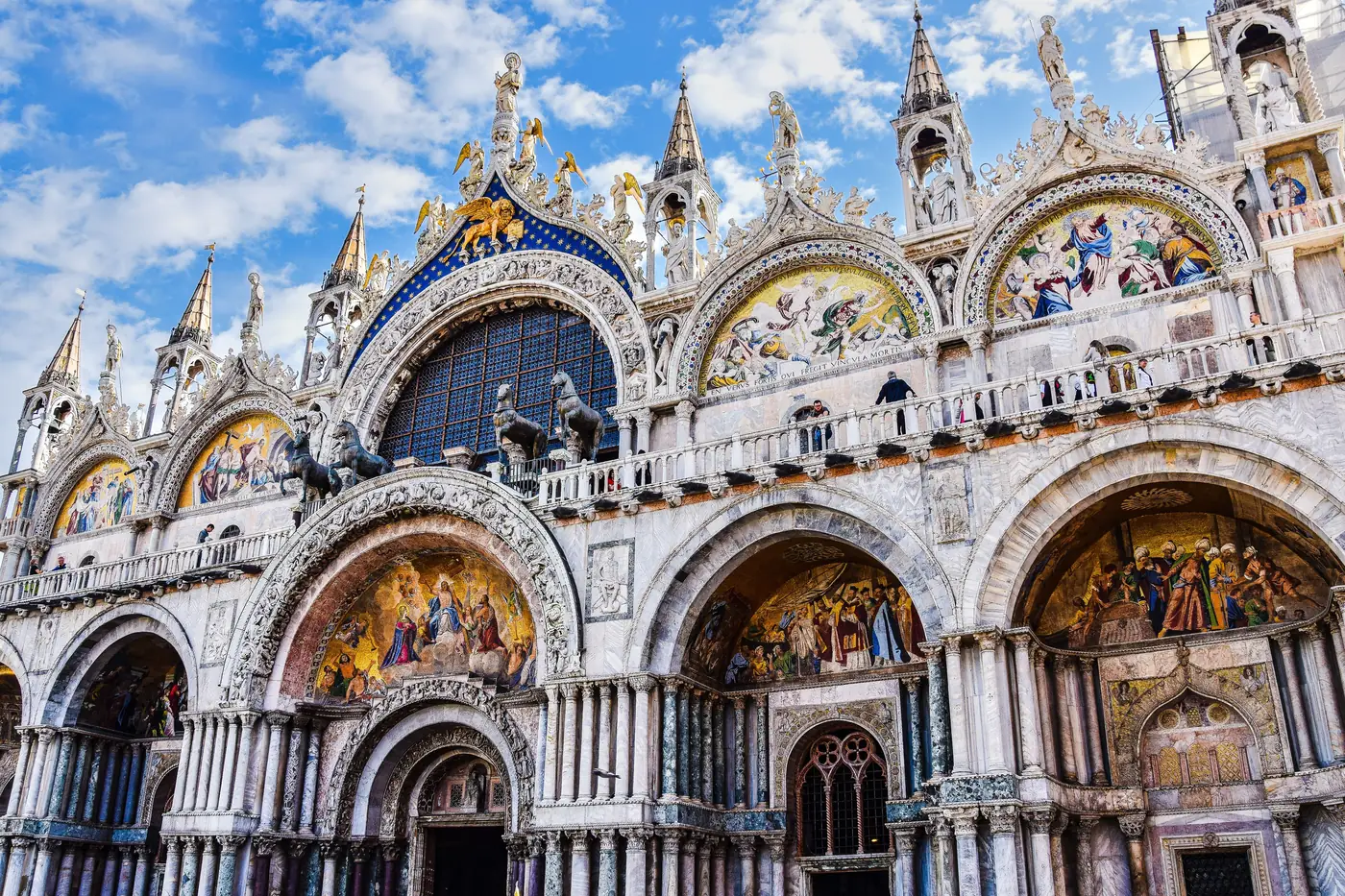
St Mark’s Basilica And The Doge’s Palace
St Mark’s Basilica glows inside with gold mosaics that cover its domes and ceilings. Book a timed entry to skip the line, and cover your shoulders and knees.
Next door, the Doge’s Palace was the seat of the Venetian Republic for centuries. Walk through its grand halls, then cross the Bridge of Sighs into the old prison cells, the last view of Venice prisoners ever got.
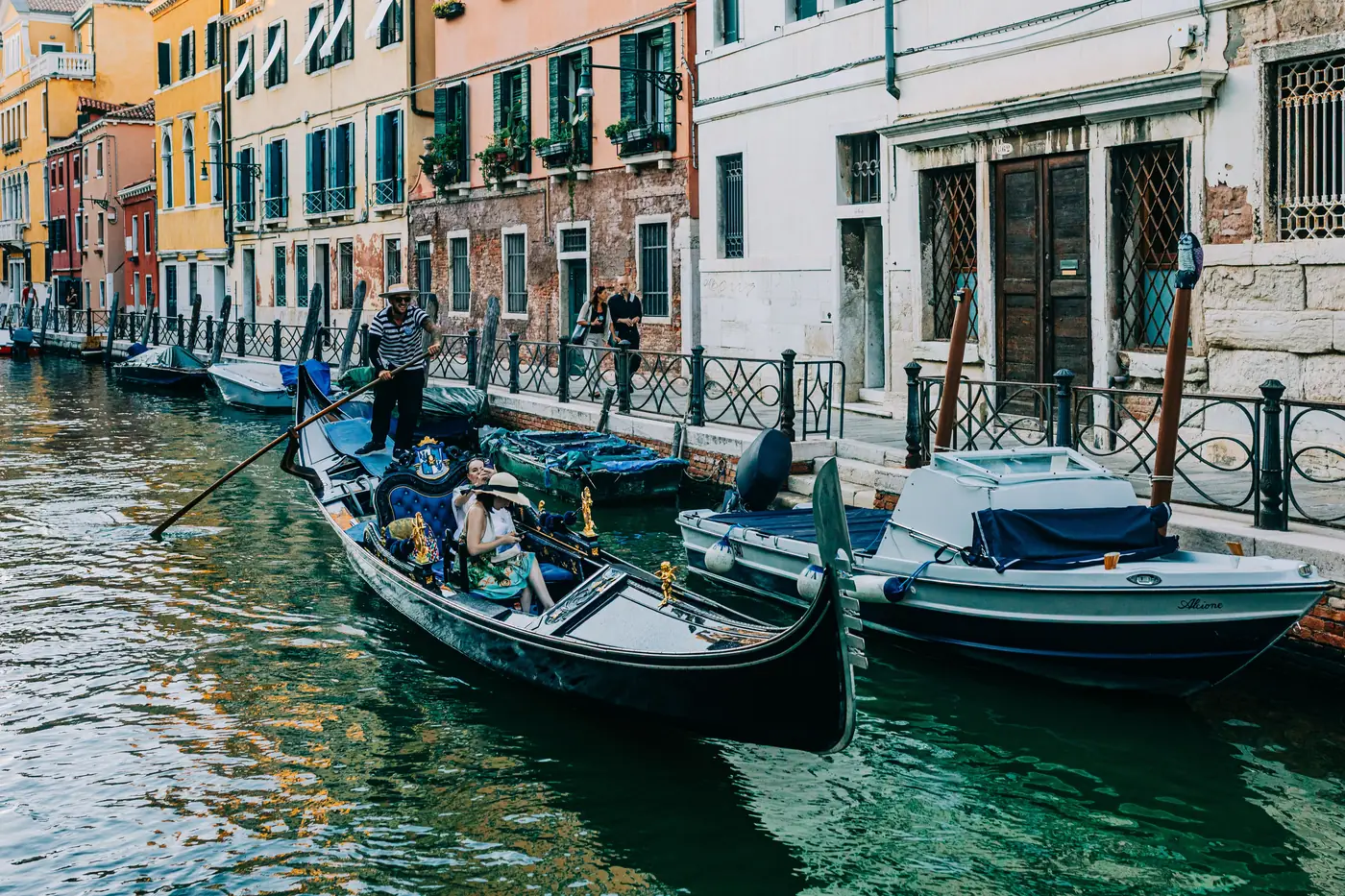
A Gondola Ride Through The Back Canals
A gondola ride is a splurge, but it’s one most first timers never regret. Ask for a route through the quiet back canals rather than just the Grand Canal, and go in the late afternoon when the light is soft.
For the same feeling on a budget, ride a traghetto, a gondola ferry that crosses the Grand Canal in a couple of minutes. Locals often stand for the short crossing.
Day 10: Burano In The Morning, Then Head Home
If your flight leaves in the afternoon or evening, there’s time for one more trip across the lagoon before you go.
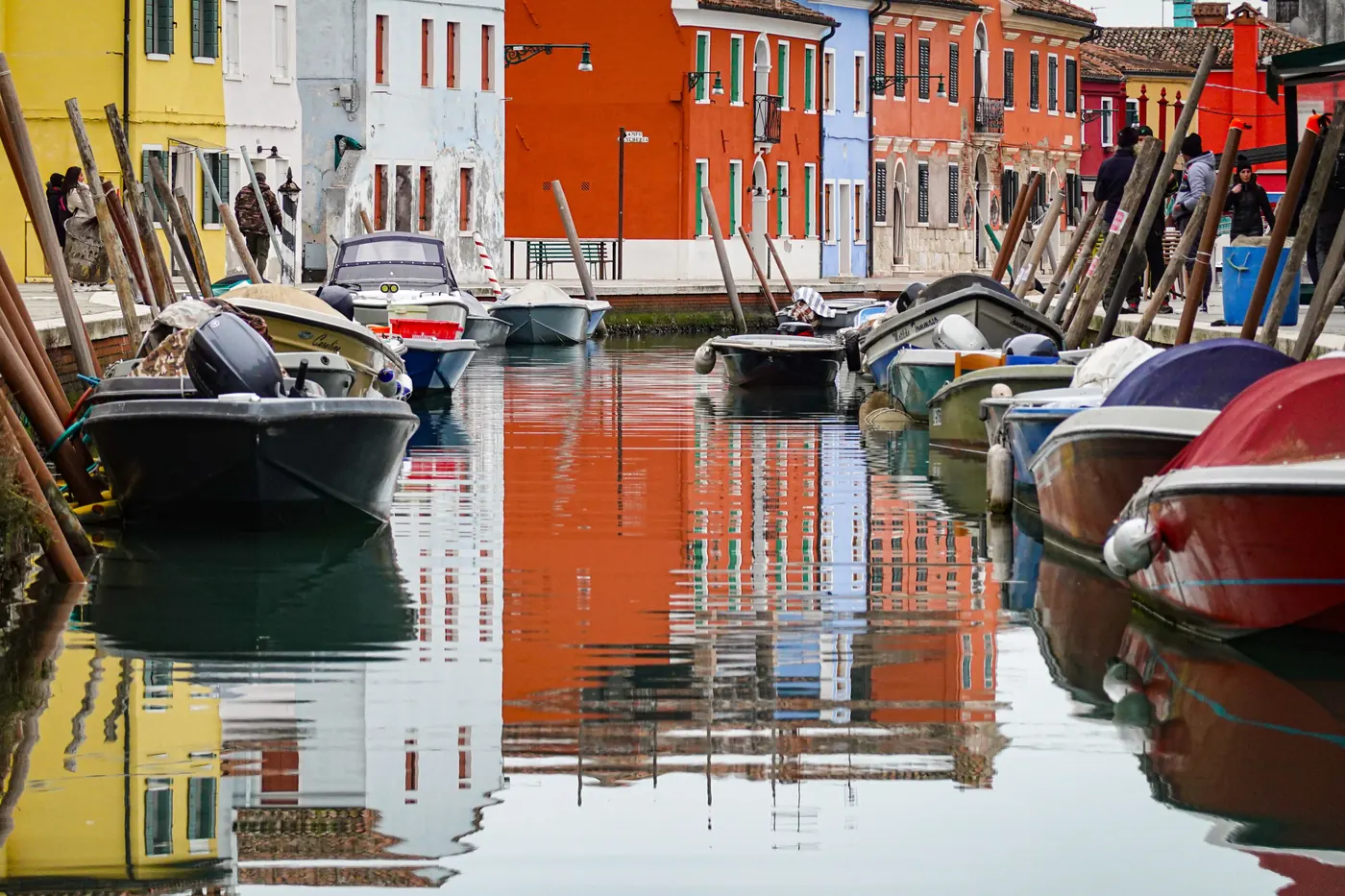
Burano’s Colorful Houses
Burano is a small island famous for its houses, painted in bright pinks, blues, yellows and greens along quiet canals. It’s also known for lace making, and a few shops still sell it handmade.
Water buses leave from the north side of Venice and take about 40 minutes. If you have less time, stop at Murano instead, which is closer and known for its glassblowing workshops.
Getting To The Airport
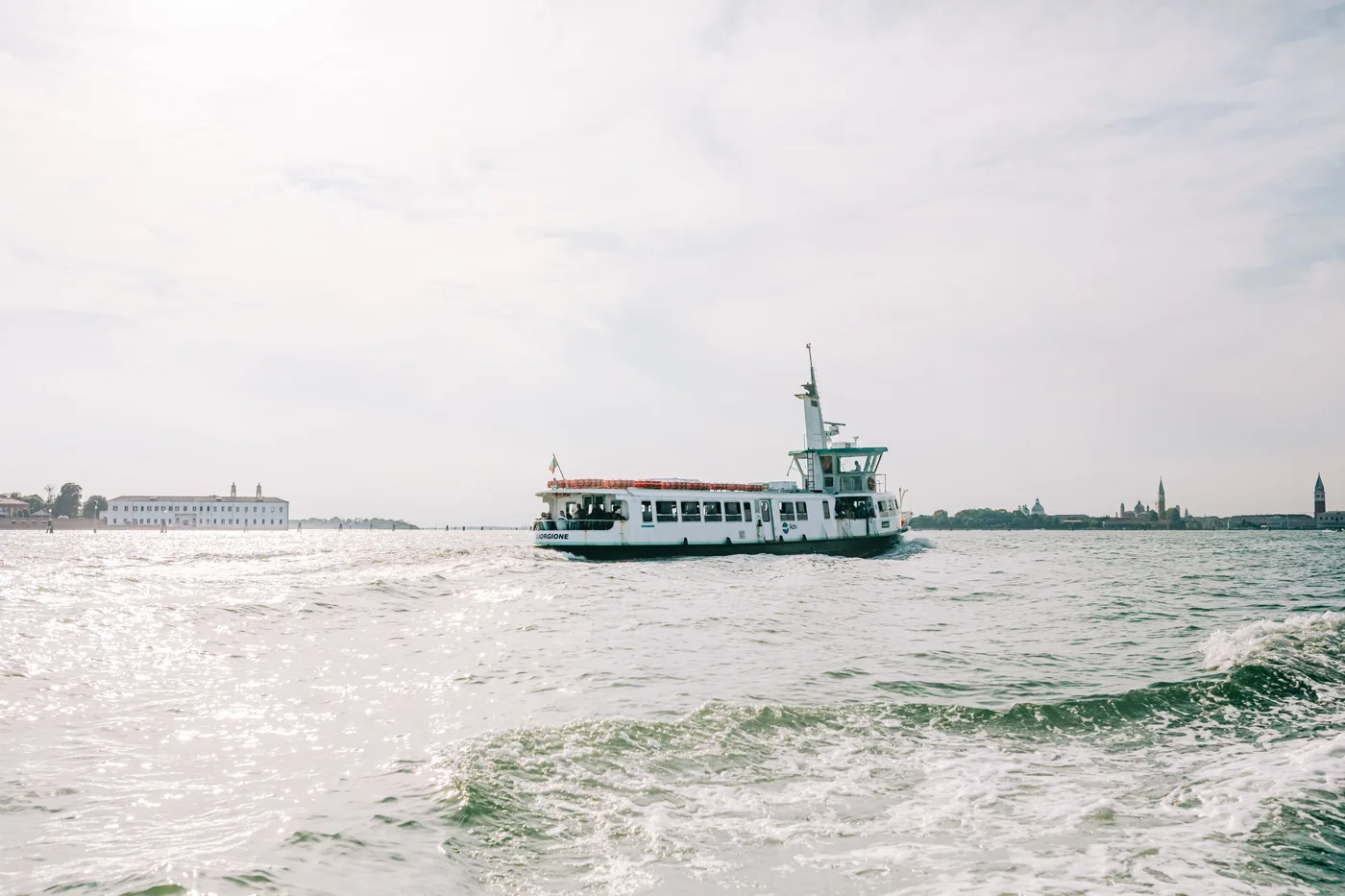
Venice Marco Polo Airport is on the mainland across the lagoon. You can ride an airport bus from Piazzale Roma or take a boat across the water, which is slower but makes a lovely last look at the city.
Give yourself extra time. Getting anywhere in Venice with luggage always takes longer than the map says.
Where To Stay On A 10 Day Italy Itinerary
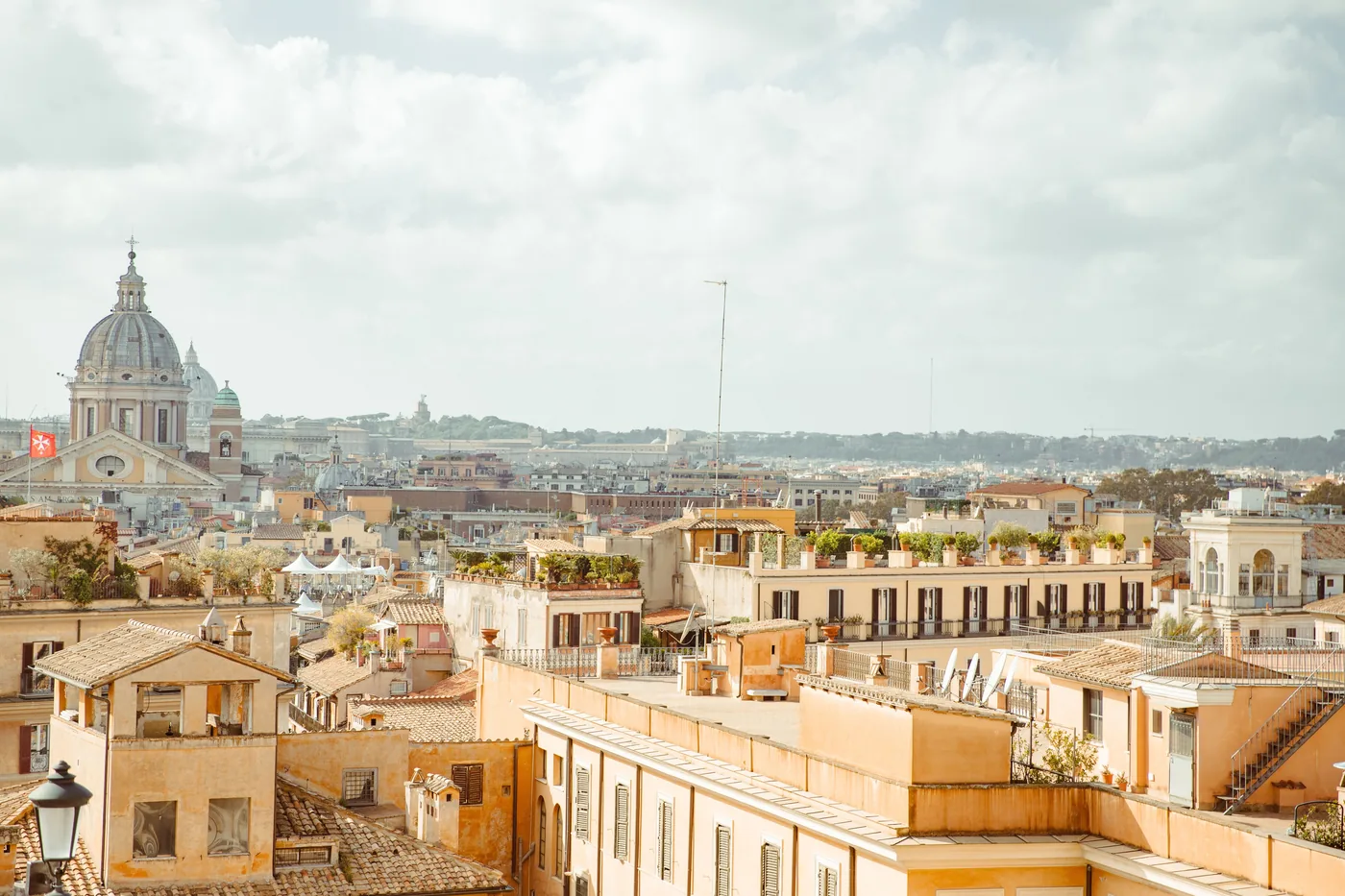
In Rome, stay in the historic center near the Pantheon or Piazza Navona so you can walk to most sights, or in Monti or Trastevere for a more local feel. Staying right by Termini is handy for trains but isn’t the prettiest part of the city.
In Florence, anywhere between the Duomo and the river is perfect, and Santa Maria Novella is great if you want to be close to the station. The Oltrarno, across the river, is a little quieter.
In Venice, staying near San Marco puts you in the middle of everything, while Cannaregio and Dorsoduro are calmer and feel more lived in. If you can, stay somewhere close to a water bus stop to make arriving with luggage easier.
Getting Around Italy By Train
Two companies run high speed trains between Rome, Florence and Venice: Trenitalia, with its Frecciarossa trains, and Italo. Both are fast, comfortable and run often, and seats are assigned.
Book ahead for the best fares, since prices rise as the train fills up. Make sure your ticket is for Roma Termini, Firenze Santa Maria Novella and Venezia Santa Lucia, the central stations in each city.
What To Book Before You Go
A handful of sights on this 10 day Italy itinerary sell out, especially from spring through fall. Book these as soon as your dates are set: the Colosseum, the Vatican Museums, the Borghese Gallery, the Duomo climb in Florence, the Uffizi, the Accademia and St Mark’s Basilica.
Watch the closing days too. The Vatican Museums are closed on most Sundays, and the Uffizi and Accademia are closed on Mondays.
Venice also charges day trippers an access fee on some of its busiest days. Overnight guests don’t pay it, but check the city’s official site before you go, since the rules and dates change from year to year.
Best Time To Visit Italy
Spring and fall are the sweet spots. April, May, September and October bring warm days, smaller crowds than summer and lower prices than the peak months.
Summer is hot and busy in all three cities, and August is when many Italians go on vacation themselves. Winter is quiet and cheaper, with short days and the chance of high water in Venice, but the museums are calmer than at any other time of year.
Whenever you go, bring comfortable shoes and pack a layer that covers your shoulders for churches. This Italy packing list covers the rest.
If You Have More Time
Each of these cities could easily fill a longer stay. For more depth, this 3 days in Rome itinerary and these hidden gems in Rome go further, and this 2 day Venice itinerary and these things to know before visiting Venice help with the canals.
With a few extra days, add the coast. Stretch south from Rome with this Amalfi Coast itinerary, or head to the Cinque Terre from Florence.
Food lovers can stop in Bologna, which sits right on the train line between Florence and Venice, and mountain fans can continue north from Venice to the Dolomites.
Final Thoughts
Ten days won’t show you all of Italy, but this route gives you its three most famous cities, a taste of the Tuscan countryside and enough slow evenings to fall for the place properly.
Book the big sights early, leave room for long lunches and don’t try to squeeze in too much more. Follow this 10 day Italy itinerary on a first trip and you’ll be planning the next one before your flight home from Venice takes off.