 Rebecca Engel
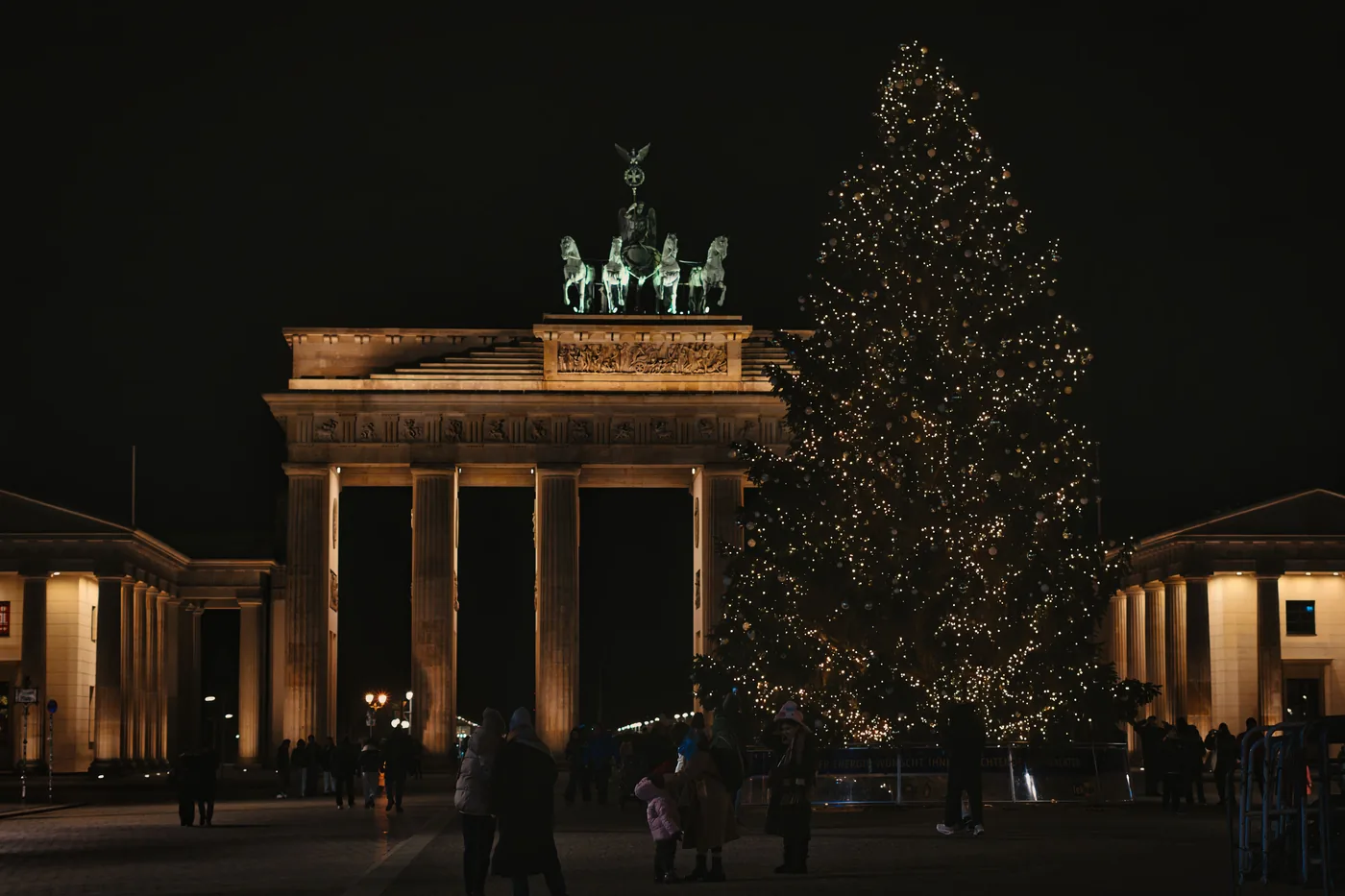
Berlin in winter is grey, cold and dark by four in the afternoon, and the city doesn’t mind one bit. December fills the squares with Christmas markets and mulled wine, and once the stalls pack up, Berlin moves indoors to its museums, saunas, concert halls and one of the world’s biggest film festivals.
These things to do in Berlin in winter start with the Christmas markets and work through to February. Each one notes when it usually runs, so it’s easy to match the list to your dates and bundle up accordingly.
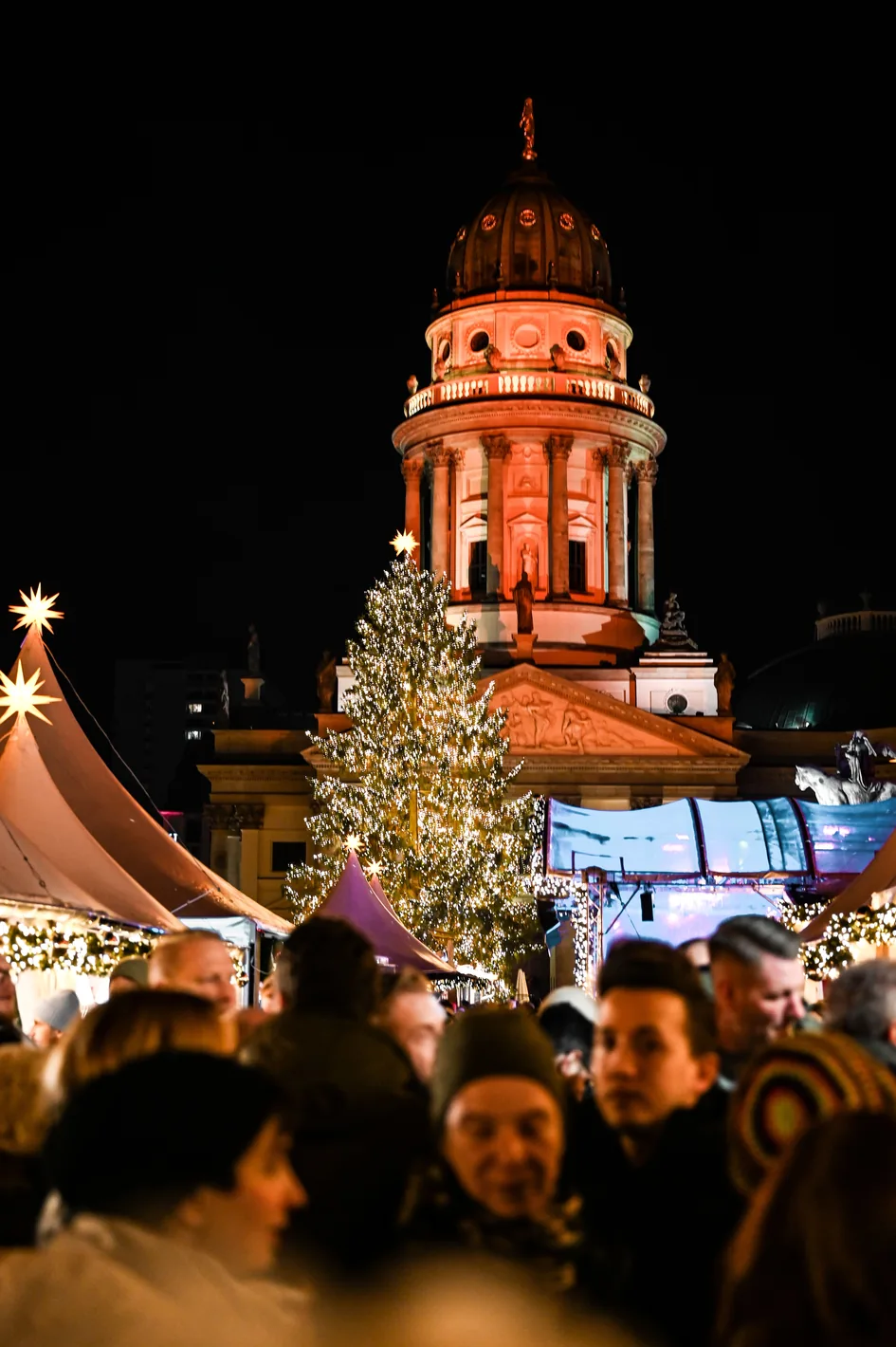
1. Sip Glühwein At The Christmas Market On Gendarmenmarkt
Gendarmenmarkt is often called Berlin’s most beautiful square, framed by two matching cathedrals and the grand Konzerthaus concert hall. Every year from late November to New Year’s Eve, it fills with white tents and twinkling lights for the WeihnachtsZauber Christmas market.
The stalls lean toward craftspeople, with glassblowers, woodcarvers and jewelry makers working right in front of you. There’s a small entry fee of about two euros at busy times, which keeps the crowds a little more manageable than at the free markets.
Order a Glühwein, Germany’s hot mulled wine, and you’ll pay a deposit for the mug. Hand it back for the deposit or keep it as a souvenir, since every market has its own design.
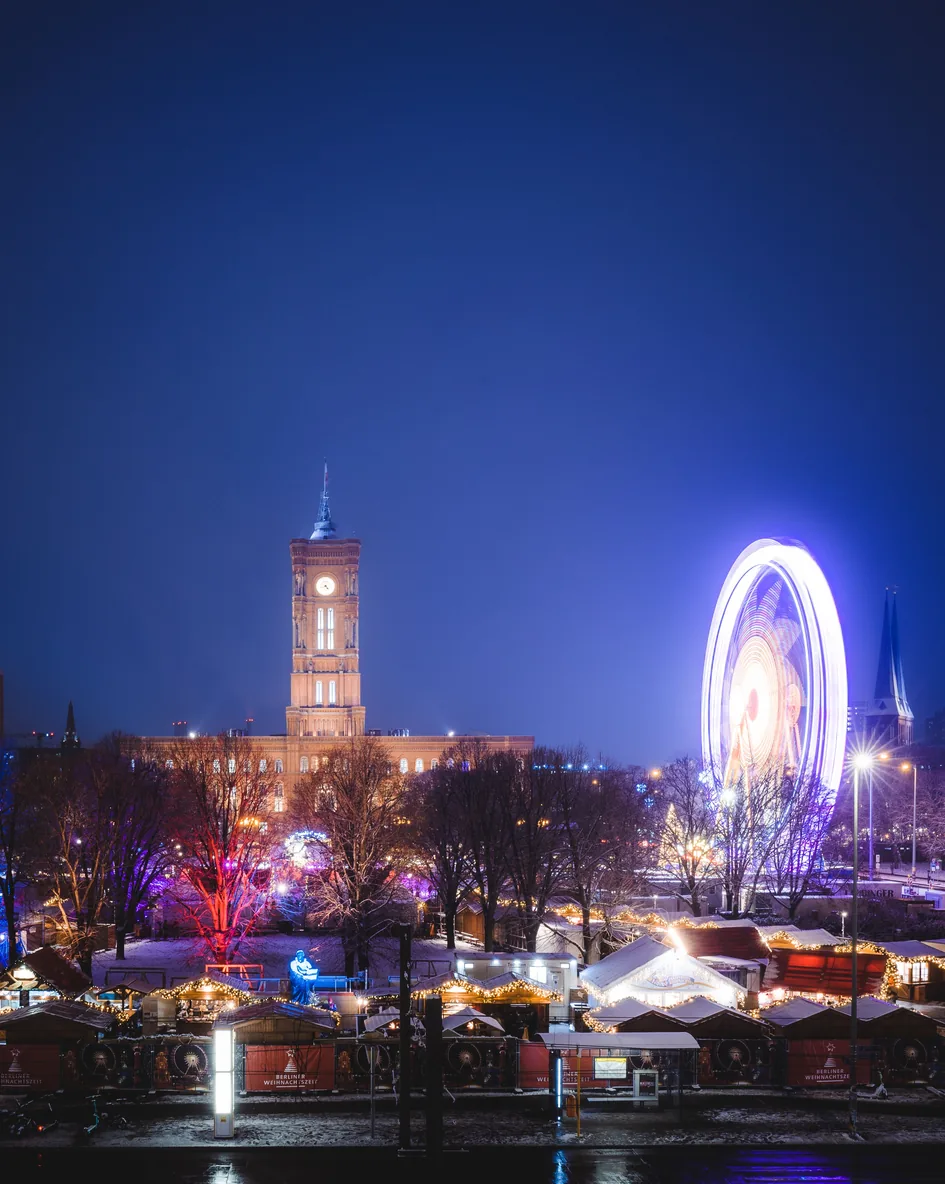
2. Skate Around The Neptune Fountain At The Rotes Rathaus Christmas Market
The Christmas market between the Rotes Rathaus, Berlin’s red brick city hall, and St. Mary’s Church sits right at the foot of the TV Tower. Painted backdrops of 19th century Berlin line the square, and a giant Ferris wheel lifts you up over the lights.
The highlight is the ice rink set up in a ring around the Neptune Fountain. Bring your own skates and you can glide around it for free, or rent a pair on site.
The market usually runs from late November until just before New Year. Come hungry, since the stalls sell smoked salmon, baked apples, stuffed bread and every kind of bratwurst.
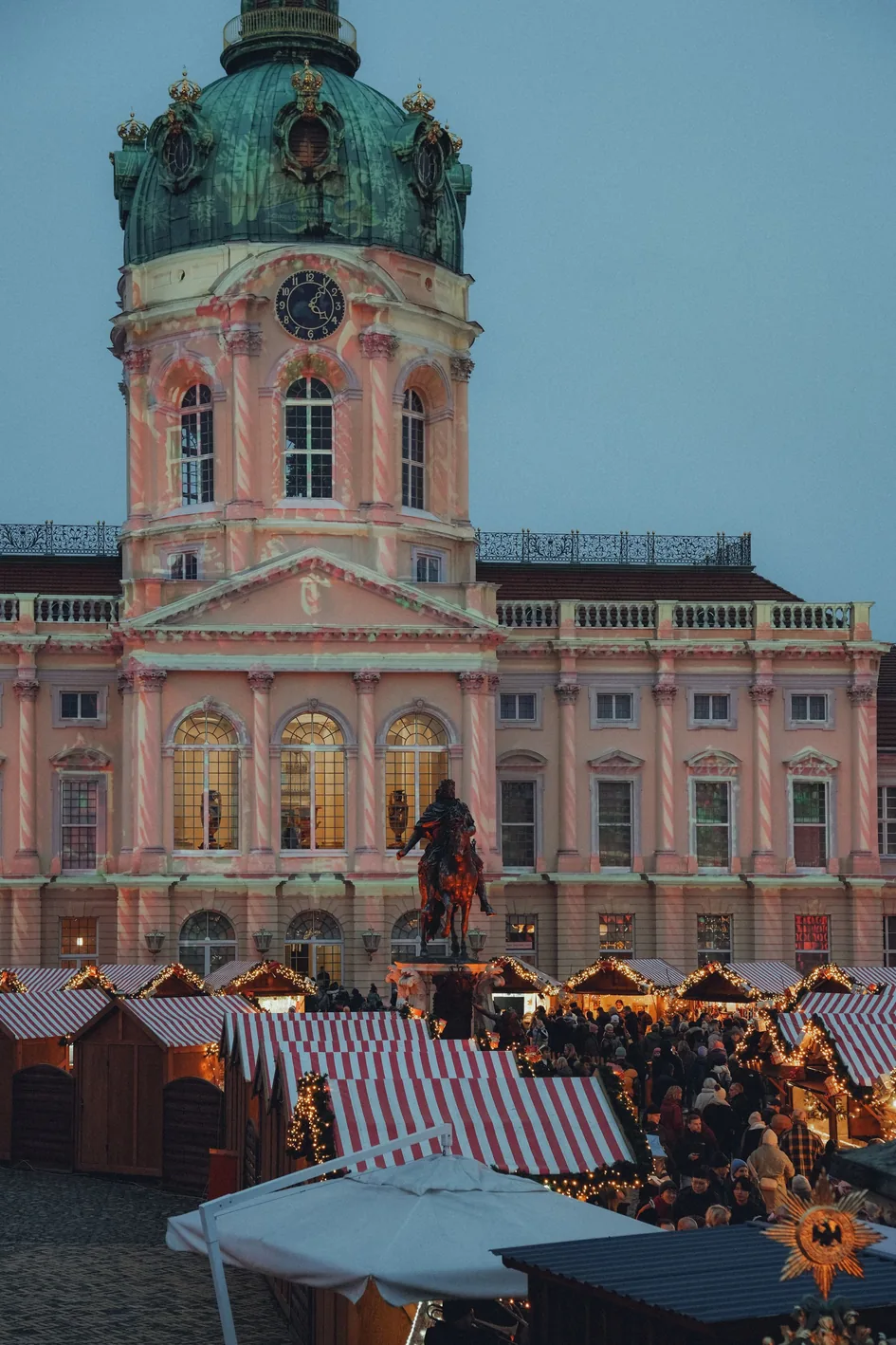
3. Stroll The Christmas Market At Charlottenburg Palace
Charlottenburg Palace is the biggest royal palace in Berlin, and in December its front courtyard turns into one of the city’s prettiest Christmas markets. The palace is lit up in changing colors behind the stalls, which makes it feel more like a fairy tale than a city square.
Entry is free, and the market usually runs from late November until just after Christmas, with the stalls closed on Christmas Eve. Weekday evenings are the calmest time to go.
The stalls here lean toward handmade gifts and hearty food. Try a Flammkuchen, a thin, crispy flatbread topped with cream, onions and bacon.
4. Try Swedish And Finnish Treats At The Lucia Christmas Market
The Lucia Christmas market fills the courtyards of the Kulturbrauerei, a red brick brewery complex in Prenzlauer Berg that’s been turned into a culture center. It has a Scandinavian theme, with around 70 stalls decorated in red and white.
Look for Swedish glögg, Finnish specialties and plenty of hot food, along with a historic children’s carousel. Entry is free, and Santa usually stops by in the early evening.
The market runs from late November until just before Christmas, and it opens in the afternoon on weekdays, so plan it for an evening. It’s a short walk from Eberswalder Strasse station.
5. Shop The Old Town Christmas Market In Spandau
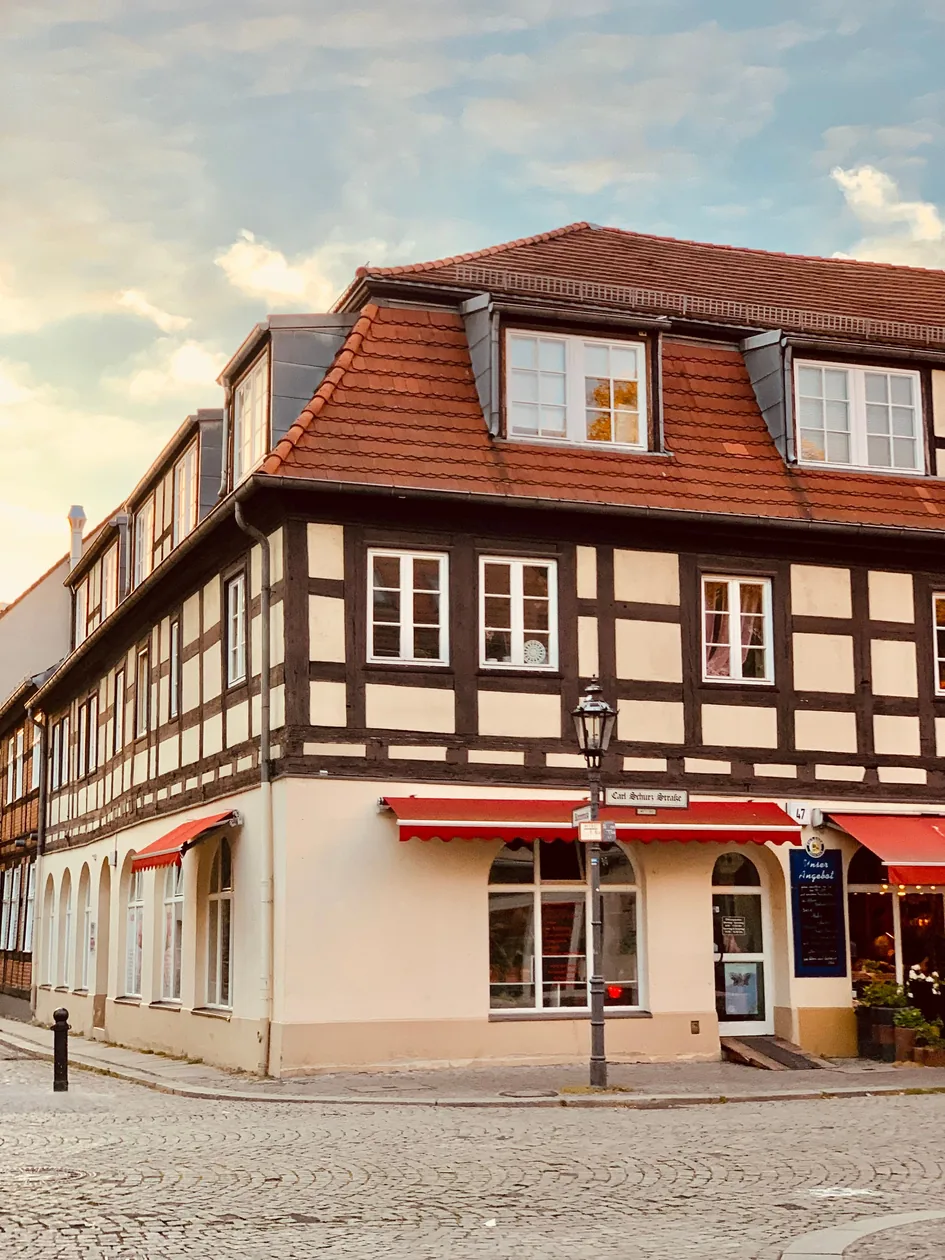
Spandau is older than Berlin itself, and its little old town on the western edge of the city hosts one of the largest Christmas markets around. The stalls spread through the old lanes and squares, so it feels like wandering a small German town rather than a capital city.
It usually runs from late November until just before Christmas. Expect crafts, candles, gingerbread and plenty of Glühwein, plus a separate fair nearby with rides and a Ferris wheel.
Spandau is about half an hour from the center by U-Bahn or S-Bahn, so it’s easy to pair with a visit to the Spandau Citadel, a Renaissance fortress just across the water.
6. Ride The Toboggan Run At Winterwelt On Potsdamer Platz
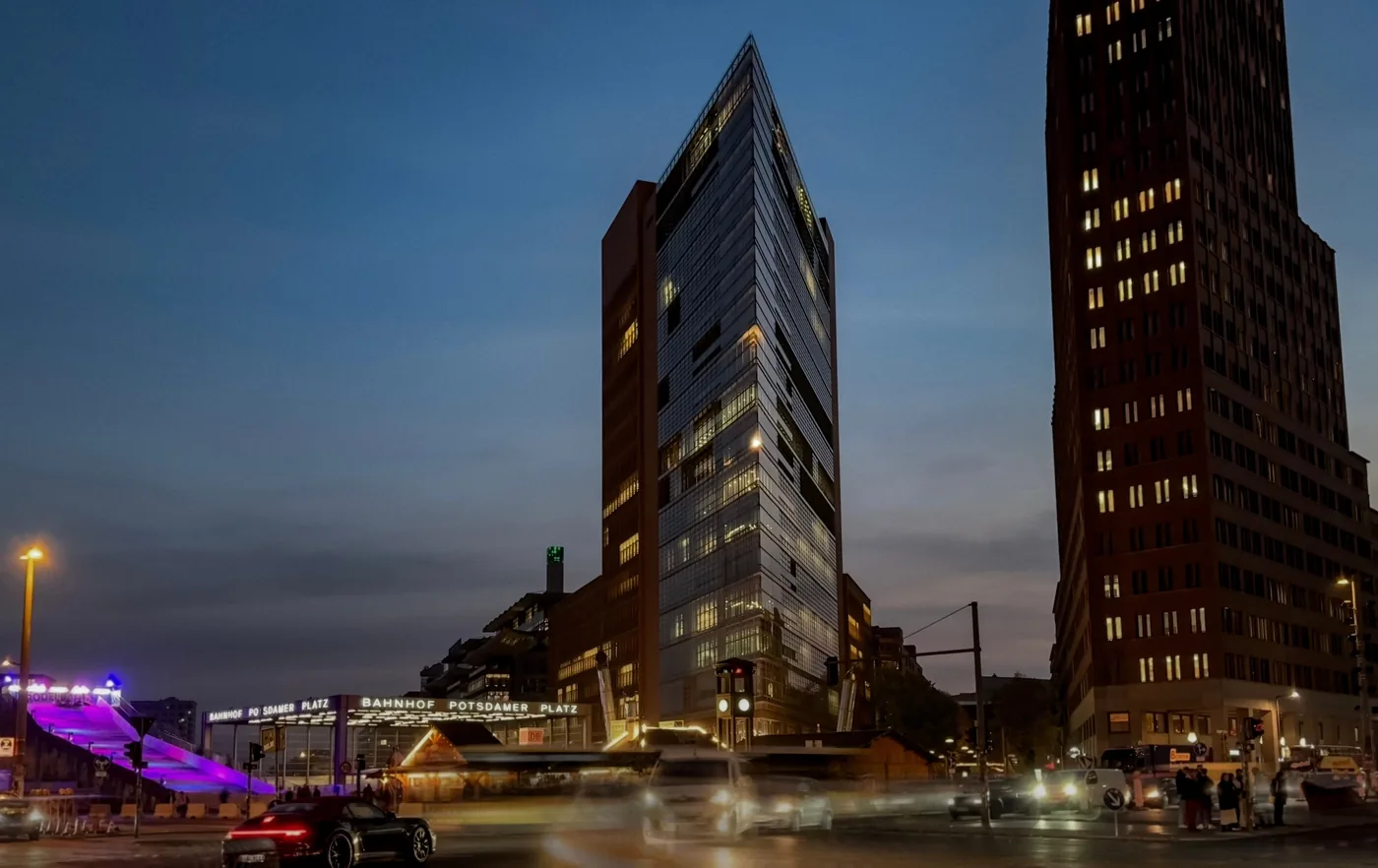
Potsdamer Platz is Berlin’s glassy modern center, and each winter it sets up Winterwelt, a winter village with a Christmas market and a toboggan run. The run is around 12 meters high and 70 meters long, and you slide down it on an inflatable tube.
Entry to Winterwelt is free, and a ride on the toboggan run costs a few euros. It usually opens around the start of November and stays open until New Year’s Eve.
It’s a fun stop for kids and grownups alike. Grab a hot drink at one of the stalls afterward and warm your hands.
7. Walk The Christmas Garden Light Trail At The Botanic Garden
Every winter, Berlin’s Botanic Garden turns into Christmas Garden, a light trail of about two kilometers through the trees and gardens. Glowing tunnels, lit up fountains and huge light sculptures line the path, all set to music.
It usually runs from mid November into early January. Tickets are sold online for set time slots, and popular evenings sell out, so book ahead once your dates are set.
Food and drink stands are spread along the route, so there’s always somewhere to grab a hot drink. Allow around an hour and a half to walk it at an easy pace.
8. Book A Free Visit To The Reichstag Dome
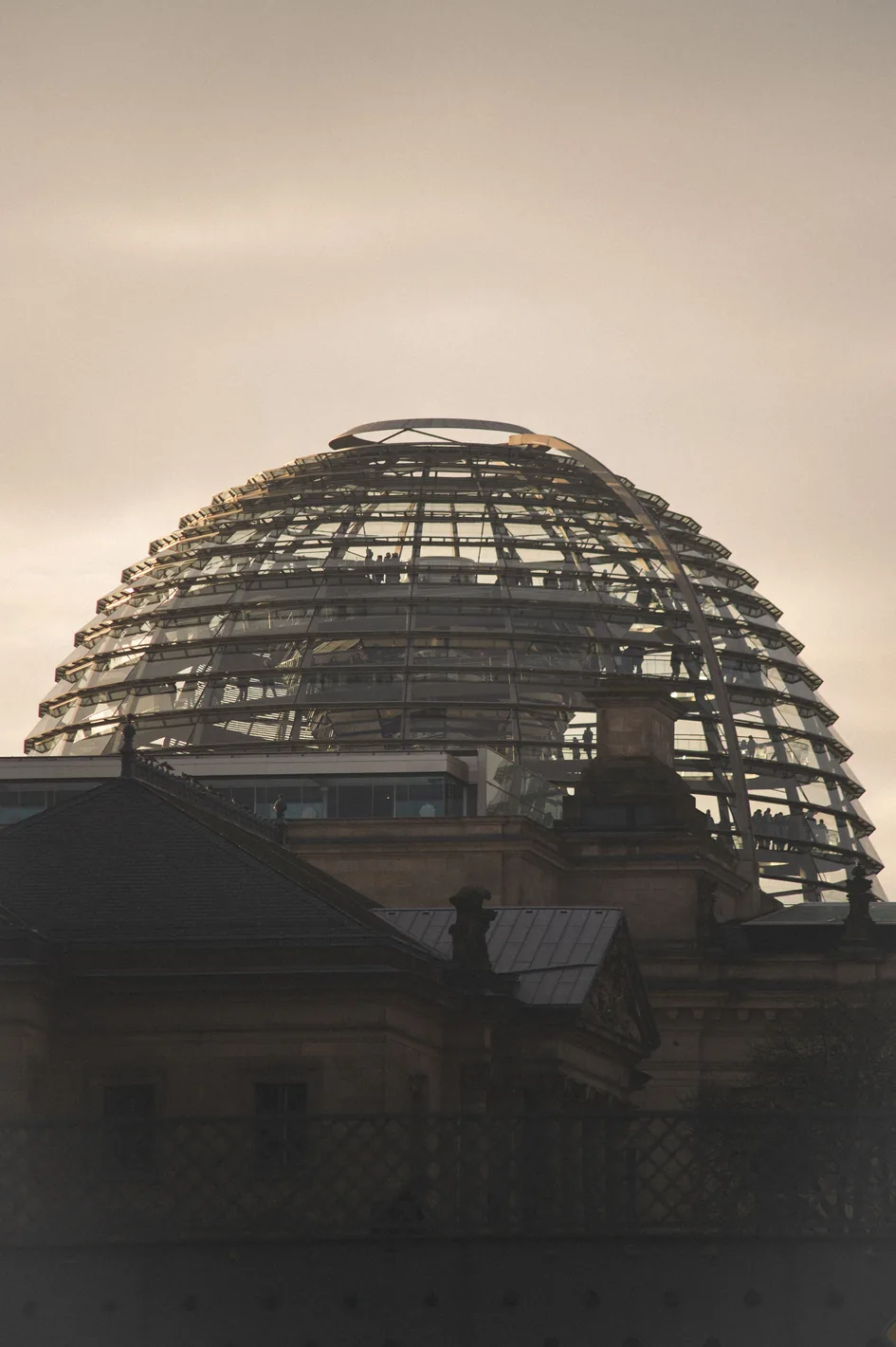
The Reichstag is home to the German parliament, and its glass dome is one of the best free things to do in Berlin in winter. A spiral ramp winds up inside the dome, with views over the government quarter, the Tiergarten park and the city skyline.
Entry is free, but you have to register online ahead of time with your name and date of birth, and bring photo ID. If you forget, you can try for a same day spot at the service center nearby, at least two hours before you want to go.
The dome is open into the evening, so it’s a good way to see the city lights after an early winter sunset. It’s closed on Christmas Eve and from the afternoon of New Year’s Eve.
9. Spend A Freezing Day On Museum Island
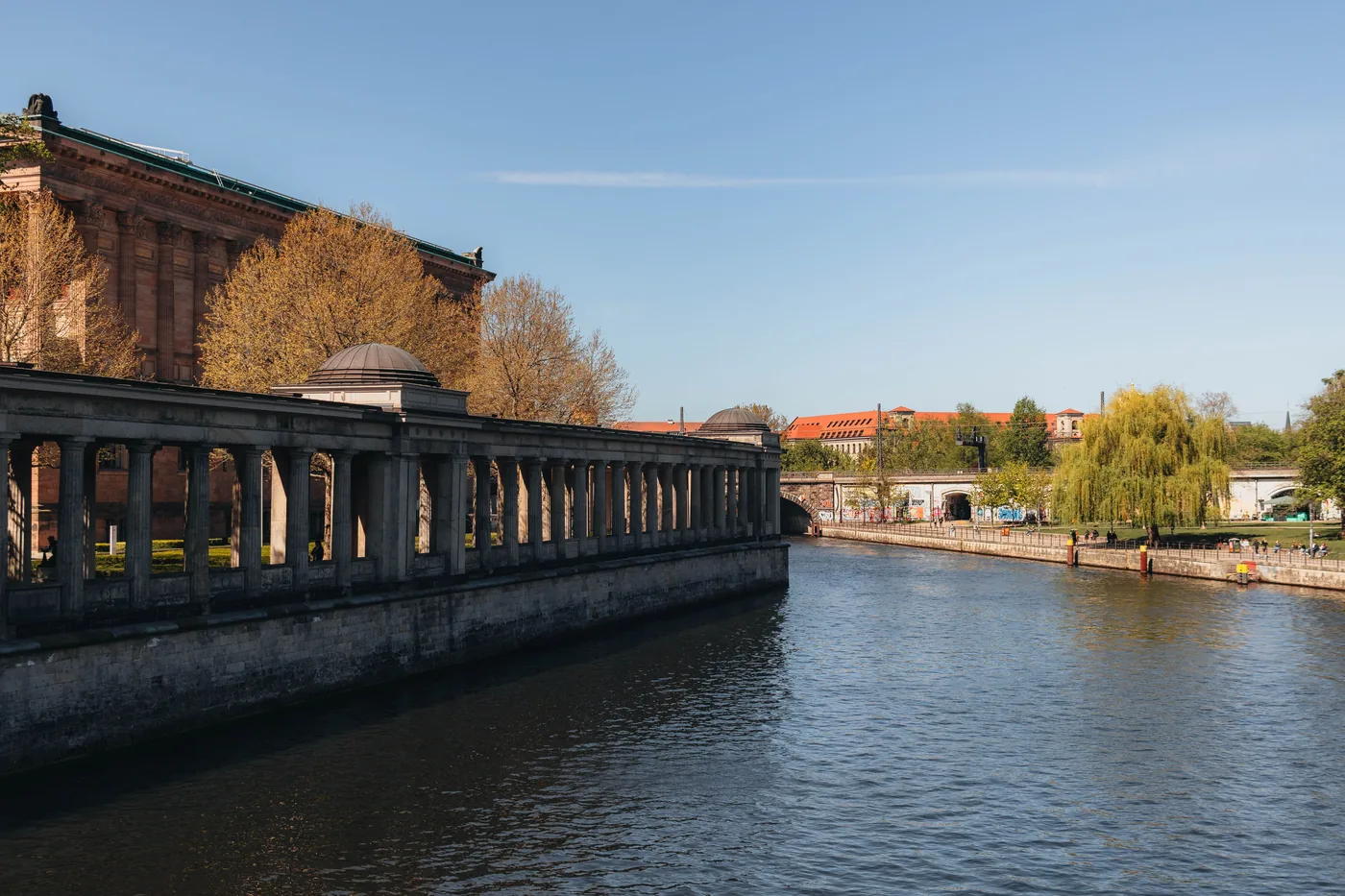
Museum Island is a cluster of five world class museums on an island in the Spree River, and it’s the perfect place to spend a cold, grey day. The whole island is a UNESCO World Heritage Site.
Start at the Neues Museum, home to the famous bust of Nefertiti, then move on to the Altes Museum, the Alte Nationalgalerie or the Bode Museum. The Pergamon Museum is closed for a long renovation, so check what’s open before you go.
A Museum Island pass covers all the open museums on one ticket, which pays off if you visit two or more. Next door, the Berlin Cathedral has a dome you can climb for another view of the city.
10. Watch The Early Sunset From The TV Tower
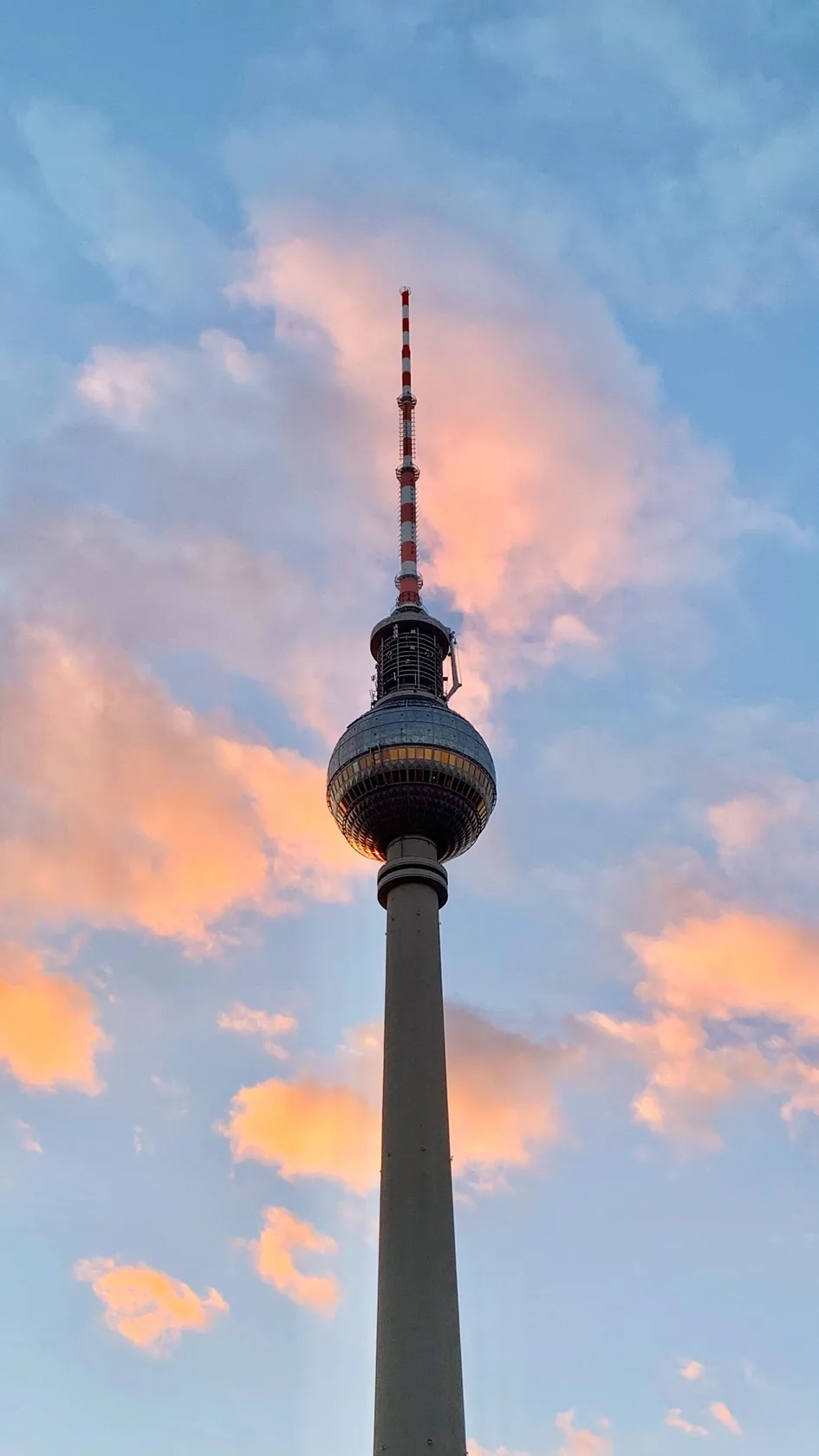
The TV Tower at Alexanderplatz is the tallest structure in Germany, and its viewing deck sits about 200 meters up. On a clear day you can see right across the city.
In December the sun sets before four in the afternoon, so you don’t have to stay up late to watch Berlin switch from daylight to city lights. Book a time slot online to skip the line.
There’s a revolving restaurant one floor above the viewing deck if you’d like to stay a little longer. Afterward, the Rotes Rathaus Christmas market is right at the bottom of the tower.
11. Walk The Berlin Wall Memorial On Bernauer Strasse
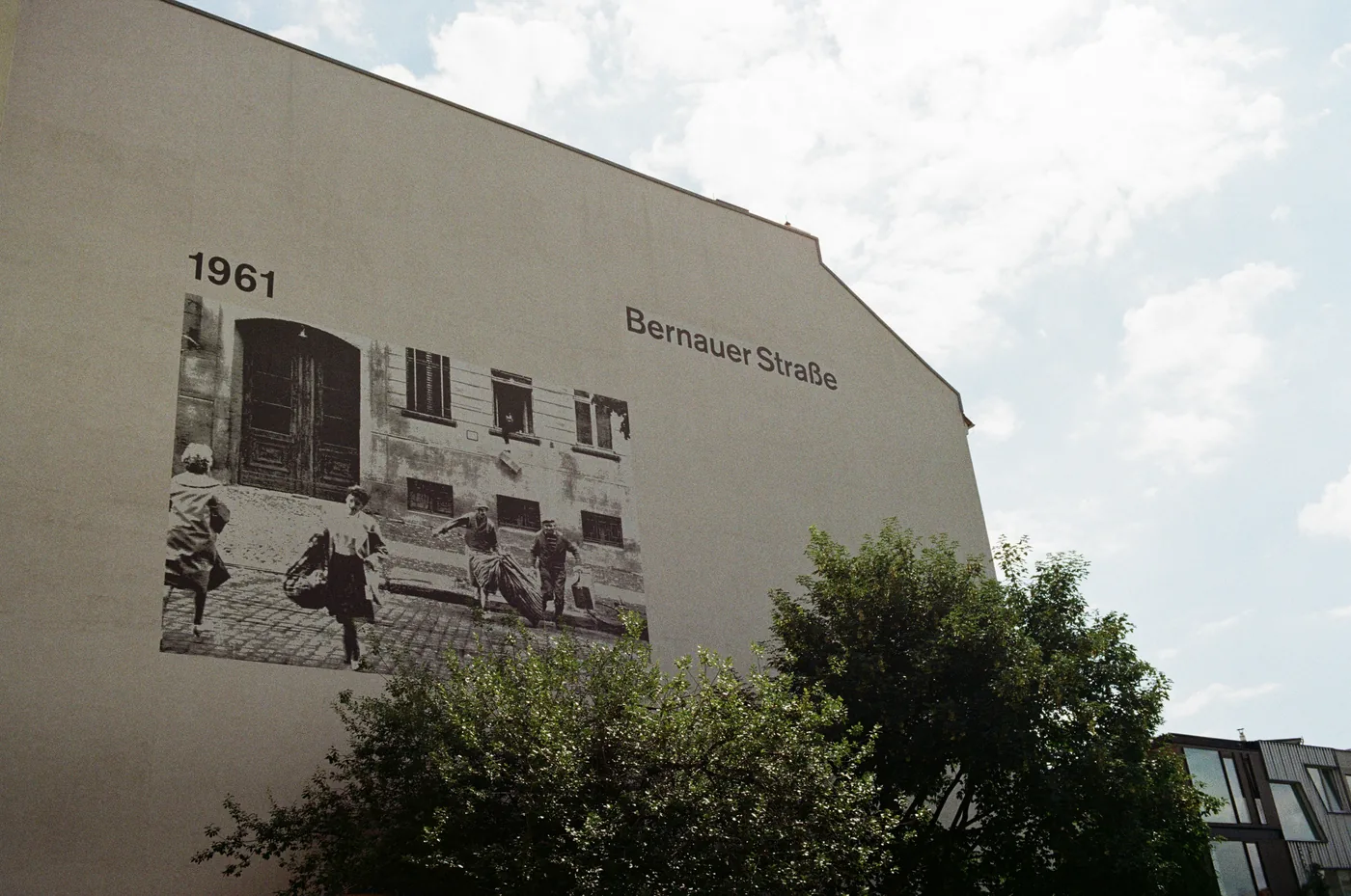
The Berlin Wall Memorial on Bernauer Strasse is the best place to understand what the Wall really was. It keeps an original stretch of the Wall, a watchtower and the death strip between them, along with stories of the people who tried to cross.
The outdoor memorial is free and open every day. Bare winter trees make the old border strip feel even starker, so it’s a powerful walk on a cold day.
When your hands get cold, head into the visitor center across the street. It has exhibits, a short film and a viewing platform that looks down over the preserved section.
12. See The Murals Along The East Side Gallery
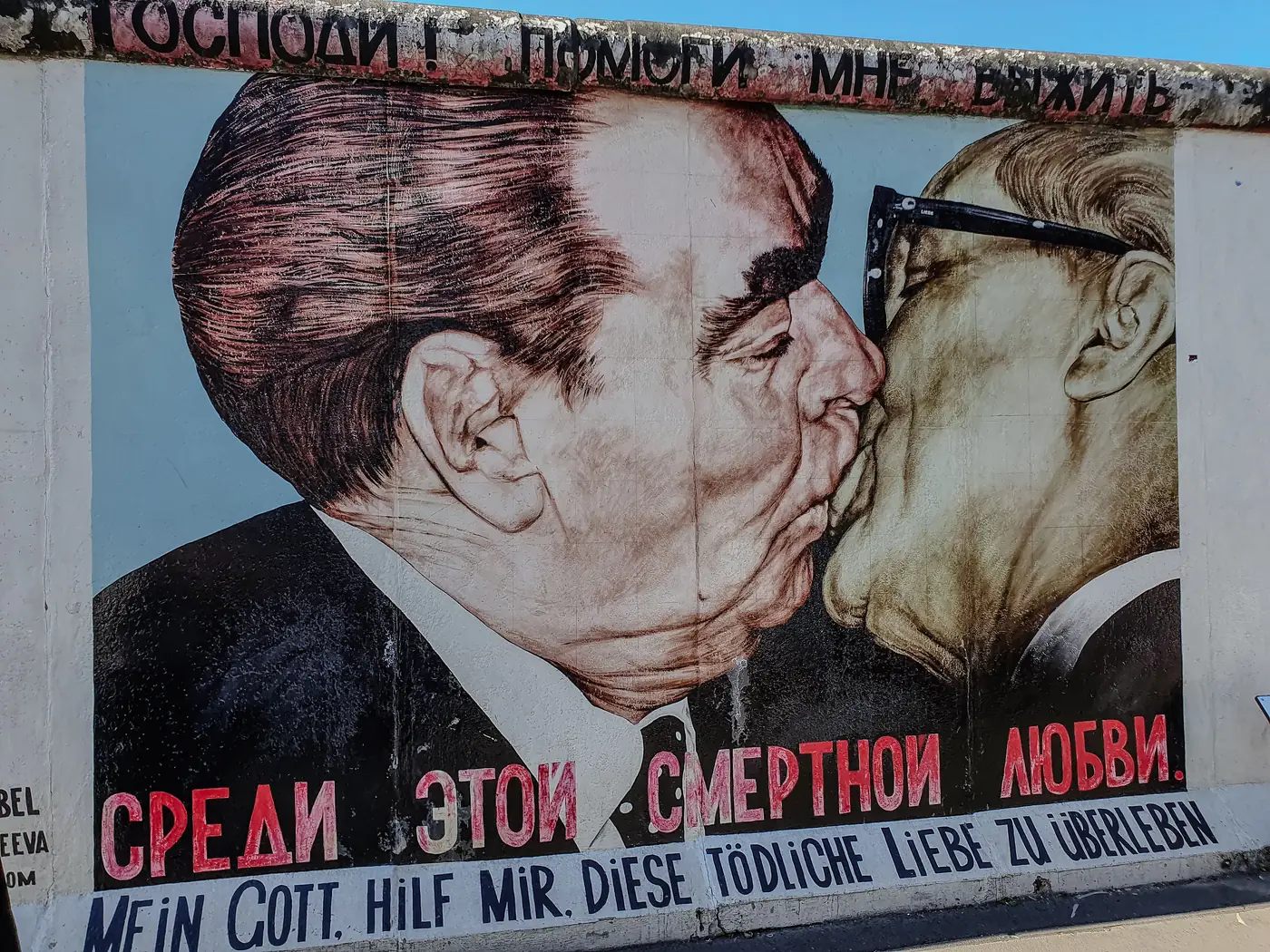
The East Side Gallery is the longest surviving stretch of the Berlin Wall, running for about 1.3 kilometers along the Spree River. Artists from around the world painted more than 100 murals on it after the Wall fell.
The most famous is the Fraternal Kiss, showing two communist leaders locked in a kiss. It’s free to walk the whole length, and winter mornings are quieter than the summer crowds.
Walk to the end and cross the Oberbaum Bridge, a red brick double decker bridge with towers, into Kreuzberg. There are plenty of cafés on the other side to warm up in.
13. Sweat Out The Cold At Vabali Spa
Germans take their saunas seriously, and winter is the best time to join them. Vabali Spa, a short walk from the main train station, is one of the most popular in Berlin, with more than ten saunas, steam rooms and pools set around a Balinese style garden.
Like most German saunas, it’s nude in the sauna areas, so leave the swimsuit behind and bring a big towel. A visit is priced by the hour, and staying for a few hours with a book is half the point.
It’s open from morning until midnight, which makes it a good way to finish a cold day of sightseeing. Weekday visits are calmer than weekends.
14. Catch A Show At The Friedrichstadt-Palast
The Friedrichstadt-Palast is a huge revue theater in Mitte, famous for its glittering shows with dazzling costumes, acrobats and a long line of dancers kicking in time.
Shows rely on music and spectacle more than dialogue, so you don’t need to speak German to enjoy them. It’s an easy pick for a cold evening when you’d rather be inside.
Book ahead for the best seats, especially around the holidays. The theater is a short walk from Friedrichstrasse station.
15. Hear The Berlin Philharmonic At The Philharmonie
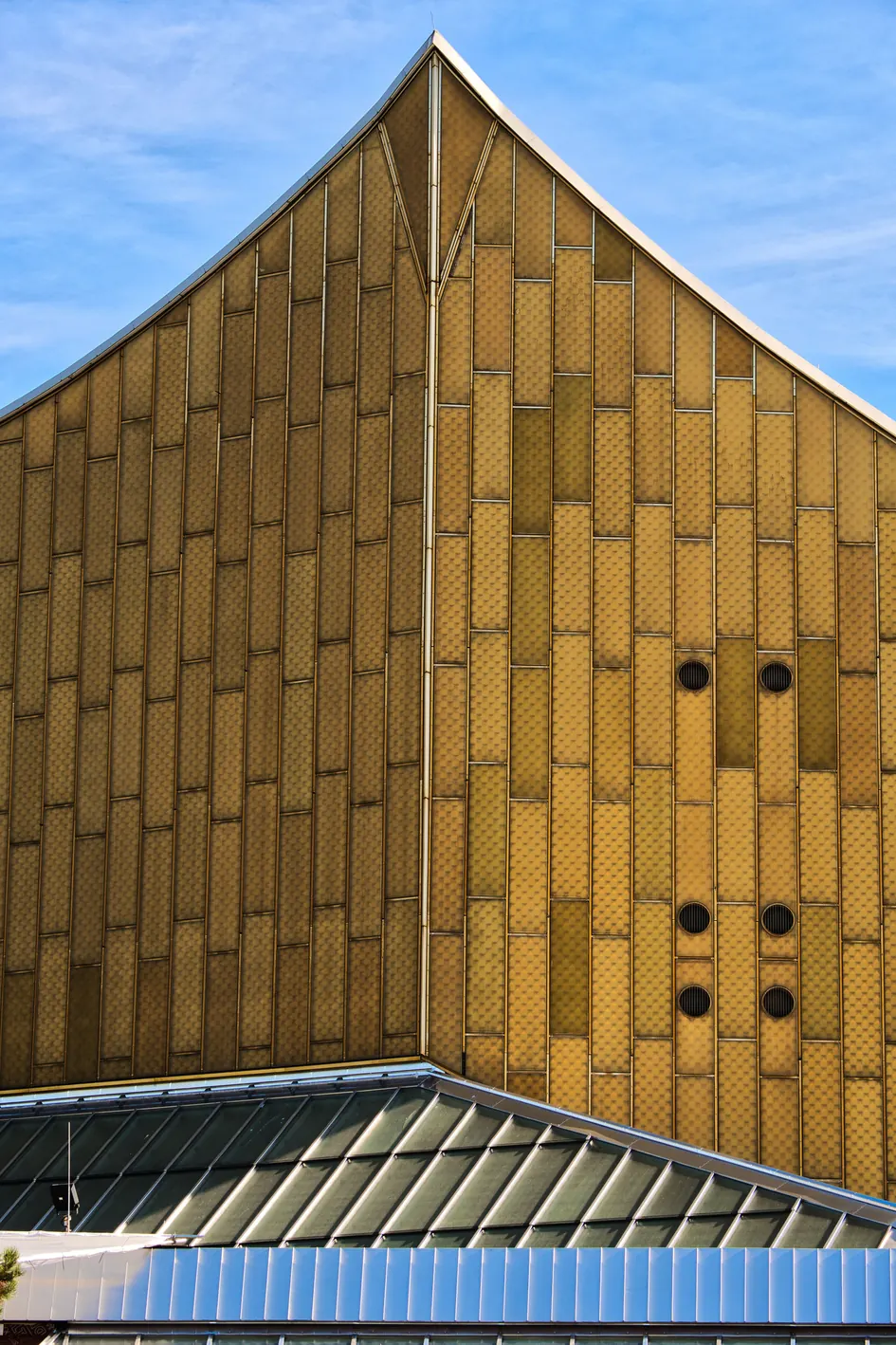
The Berlin Philharmonic is one of the best orchestras in the world, and its home, the Philharmonie, is a golden, tent shaped concert hall near Potsdamer Platz. The seats wrap around the stage, so there’s no bad view in the house.
Winter is the heart of the concert season. Tickets for big names sell fast, so check the schedule and book as soon as your dates are set.
If you can’t get tickets, keep an eye out for the free lunchtime concerts held in the foyer on some weekdays during the season. They’re short, casual and a great taste of the hall.
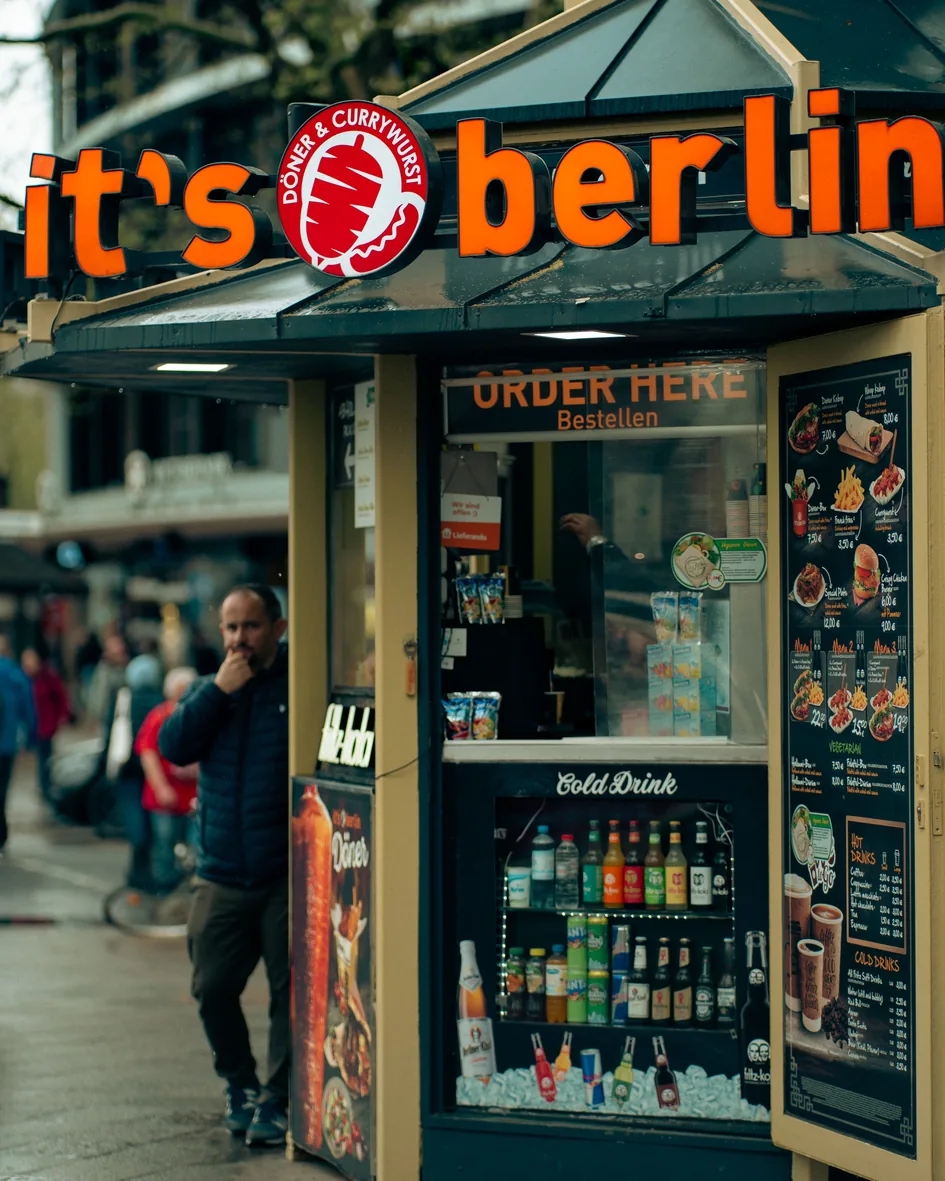
16. Grab A Currywurst At Konnopke’s Imbiss
Currywurst is Berlin’s favorite snack, a sliced pork sausage drowned in curry ketchup and dusted with curry powder, usually with fries on the side. It’s exactly what you want on a freezing afternoon.
Konnopke’s Imbiss has been serving it since 1930 from a stand under the elevated U-Bahn tracks at Eberswalder Strasse. Order it with or without the skin, and add a side of fries with mayo.
It’s only a few minutes from the Lucia Christmas market, so the two make an easy evening together.
17. Graze The Food Hall At KaDeWe
KaDeWe, short for Kaufhaus des Westens, is Berlin’s grandest department store, open since 1907. In winter its windows and halls are decked out for Christmas, and it’s a warm place to wander on a cold day.
The real draw is the food hall on the sixth floor, packed with counters selling cheeses, chocolates, sausages, pastries and Christmas Stollen. Pull up a stool at one of the bars for oysters, champagne or a simple bowl of soup.
It’s right by Wittenbergplatz station on the Kurfürstendamm end of the city. Keep in mind that most German shops, KaDeWe included, are closed on Sundays.
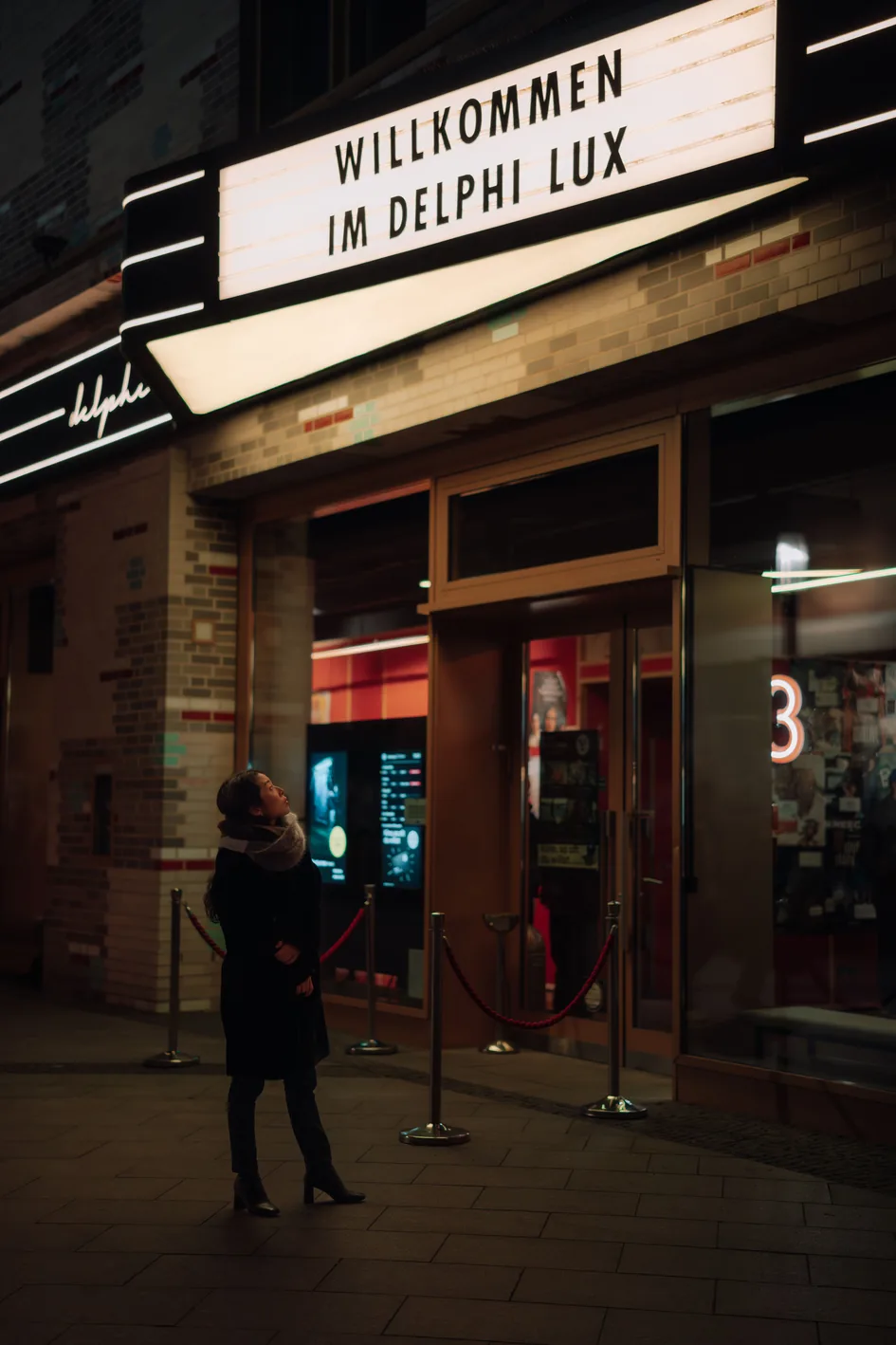
18. Catch A Film At The Berlinale
The Berlinale is one of the biggest film festivals in the world, and it takes over the city for about ten days every February. Unlike some big festivals, most screenings are open to the public.
Tickets go on sale shortly before the festival and the popular films sell out fast, so be ready on the day sales open. The festival has added public audience days on the final weekend, which make it easier for visitors to grab a seat.
Screenings happen all over the city, with Potsdamer Platz at the center. Check the official Berlinale site for dates and the program once it’s announced.
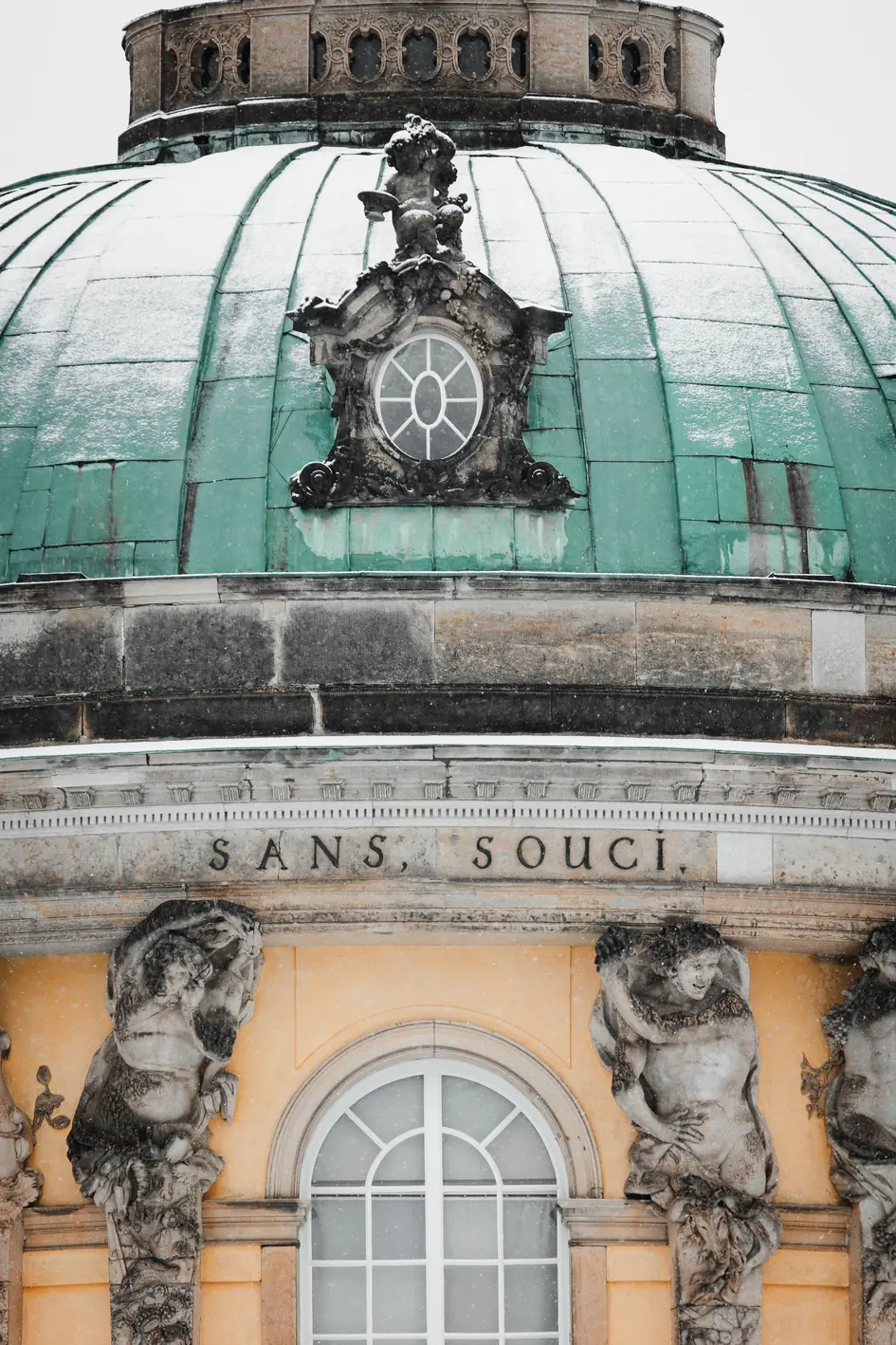
19. Take A Day Trip To Potsdam And Sanssouci Palace
Potsdam is a short train ride from central Berlin, and it’s where the Prussian kings built their summer palaces. Sanssouci Palace, set on a hill of terraced vineyards, is the most famous.
Winter is quiet in the palace parks, and the gardens look lovely with frost on the hedges. Several of the palaces stay open through the season, though some only open in summer, so check before you go.
In December, Potsdam has its own Christmas markets, and the Dutch Quarter, a neighborhood of red brick houses built for Dutch settlers, is especially pretty in the season. It’s a nice change of pace from the big city.
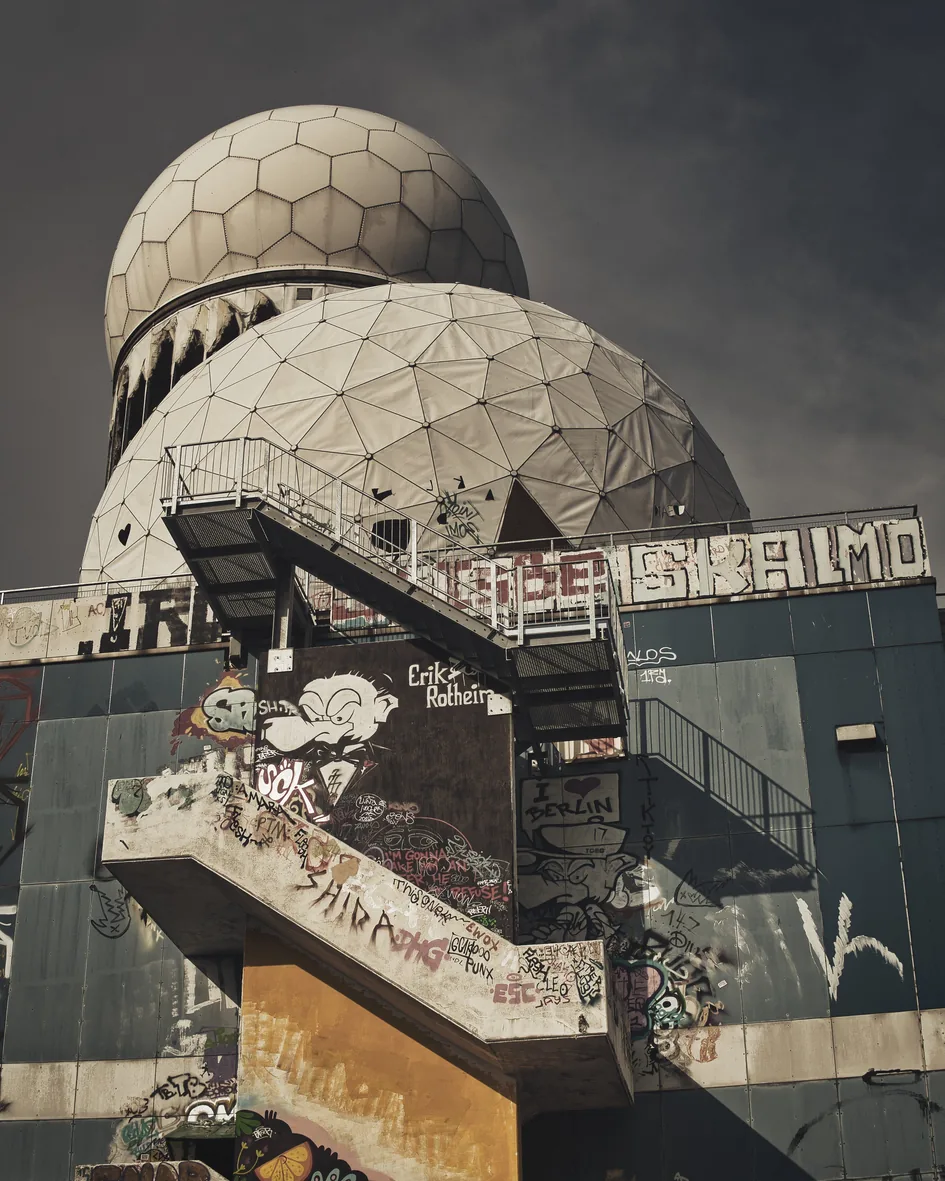
20. Climb Teufelsberg For Winter Views Over The City
Teufelsberg, or Devil’s Mountain, is a hill built from the rubble of World War II on the western edge of the city. On top sits an old American listening station, its white radar domes now covered in graffiti and street art.
The walk up through the Grunewald forest is beautiful in winter, especially after a light snow. There’s an entry fee to get inside the old station, where you can climb up for wide views over Berlin.
Wear proper shoes, since the trails get muddy and icy. The closest station is Heerstrasse on the S-Bahn, about a half hour walk from the top.
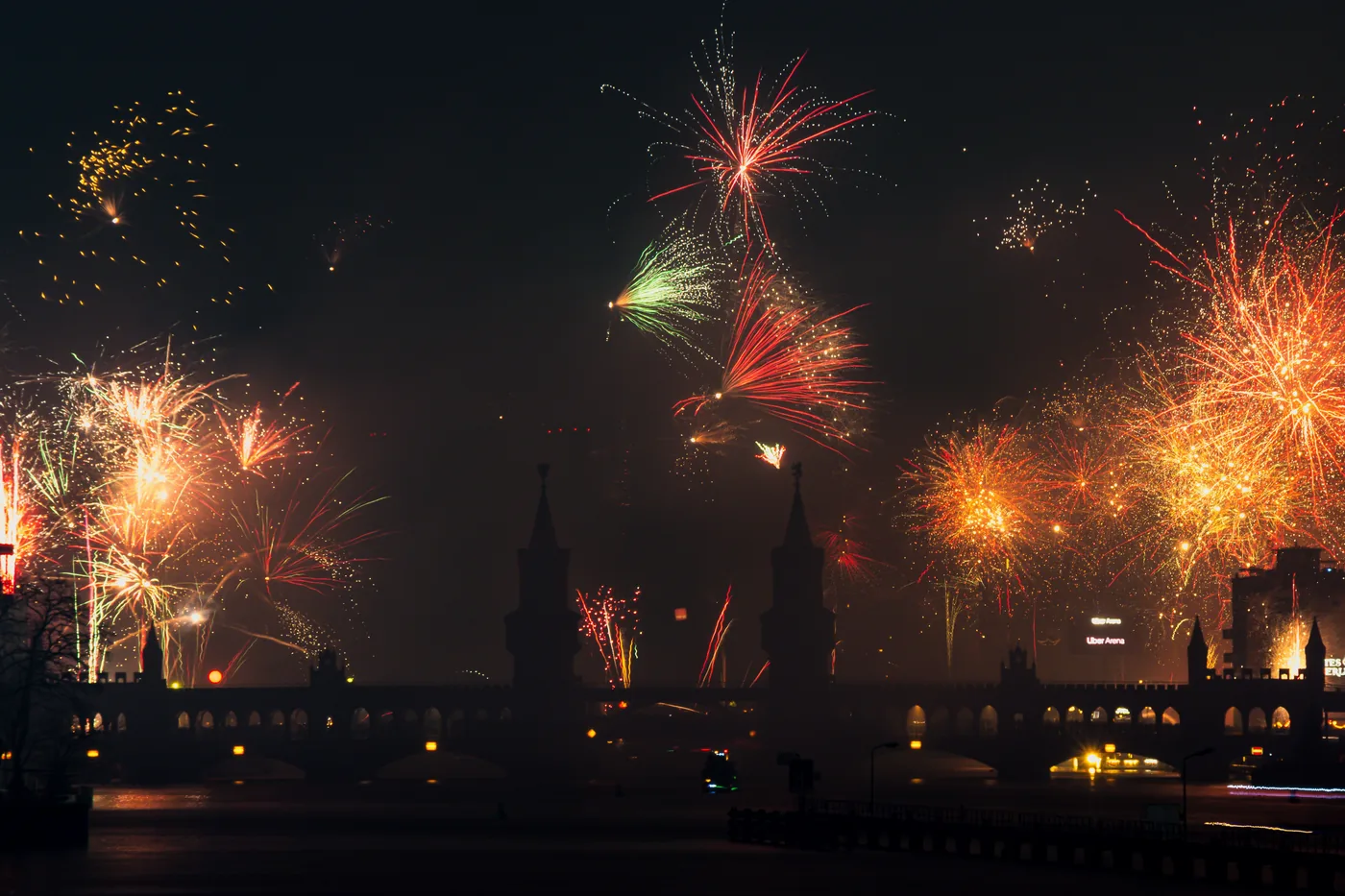
21. Ring In The New Year Berlin Style
New Year’s Eve in Germany is called Silvester, and Berlin celebrates it loudly. Fireworks go off all over the city from the evening until well after midnight, and it can feel like the whole sky is lit up.
Some central areas ban fireworks for safety, and big public events change from year to year, so check what’s planned before you pick a spot. Hills and high points away from the busiest crowds are good places to watch.
Try a Berliner, a jam filled doughnut that locals call a Pfannkuchen and eat on New Year’s Eve, and raise a glass of Sekt, German sparkling wine, at midnight. Dress warmly, since you’ll be outside for a while.
Tips For Visiting Berlin In Winter
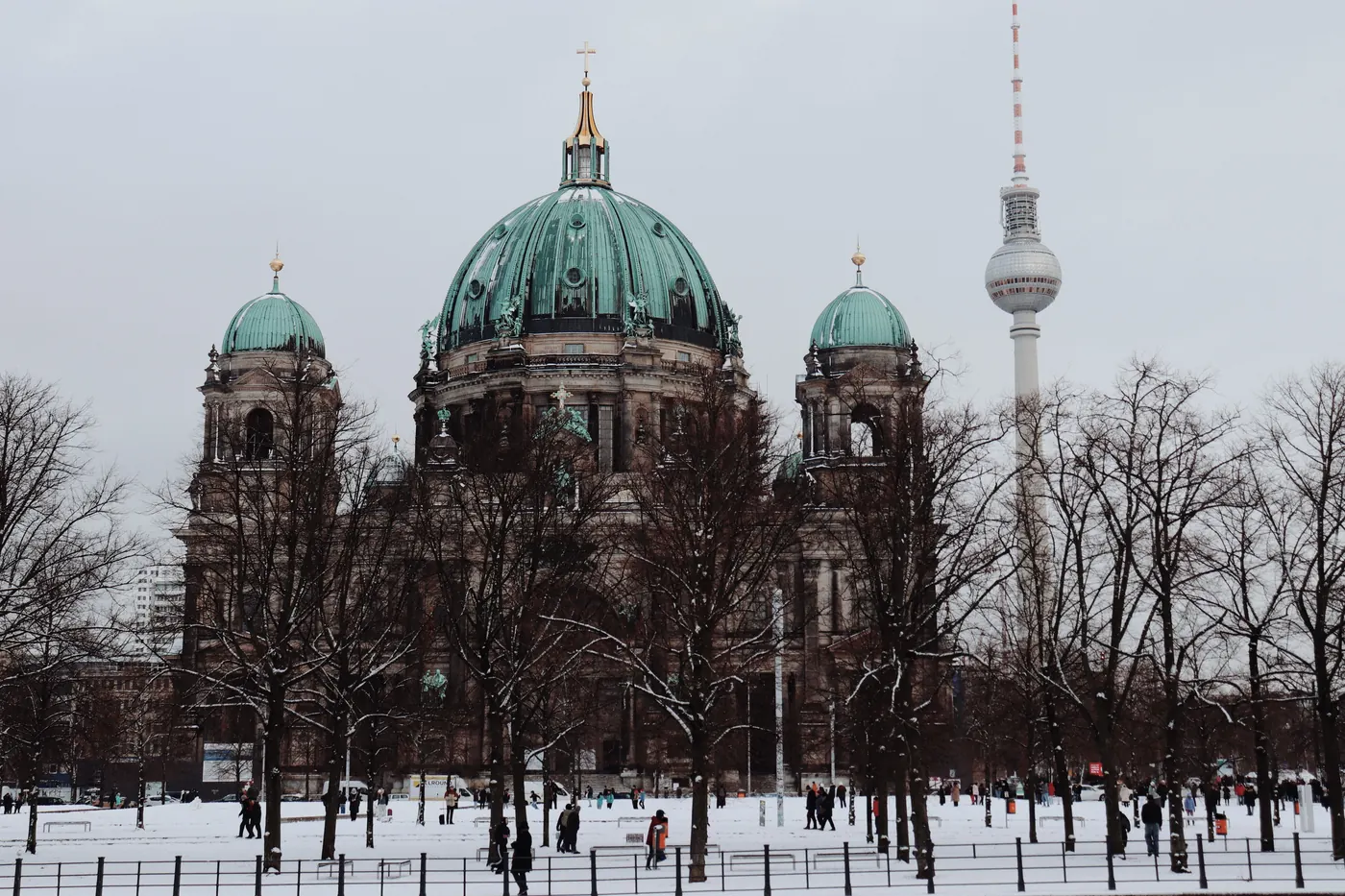
Berlin is cold and grey in winter. In January, highs sit around 37°F, or about 3°C, and lows dip just below freezing. Snow falls on and off but usually doesn’t pile up, and the city only gets around an hour and a half of sunshine a day.
The sun sets before four in the afternoon in December, so plan outdoor sights for the morning and save the markets, museums and dinner for the evening. Pack a warm coat, a hat, gloves and shoes with good grip for wet cobblestones.
Most shops are closed on Sundays, and most Christmas markets close on Christmas Eve or soon after Christmas. A day ticket covers the U-Bahn, S-Bahn, trams and buses, and some Christmas market stalls only take cash, so keep a few euros on you.
Dates for markets and events change each year, so check the official pages before you go. If you’re planning more Christmas cities, these things to do in Prague at Christmas make an easy next stop by train, and these things to do in Copenhagen in winter are a short flight away.
Final Thoughts
Berlin doesn’t sparkle in winter the way some cities do, but that’s part of its charm. Between the Christmas markets, the museums, the saunas and a currywurst on a freezing street corner, the cold becomes part of the fun.
Pick a few of these things to do in Berlin in winter, bundle up and lean into the season. Berlin in winter is a little grey, a lot of fun and always worth the cold.

