 Rebecca Engel
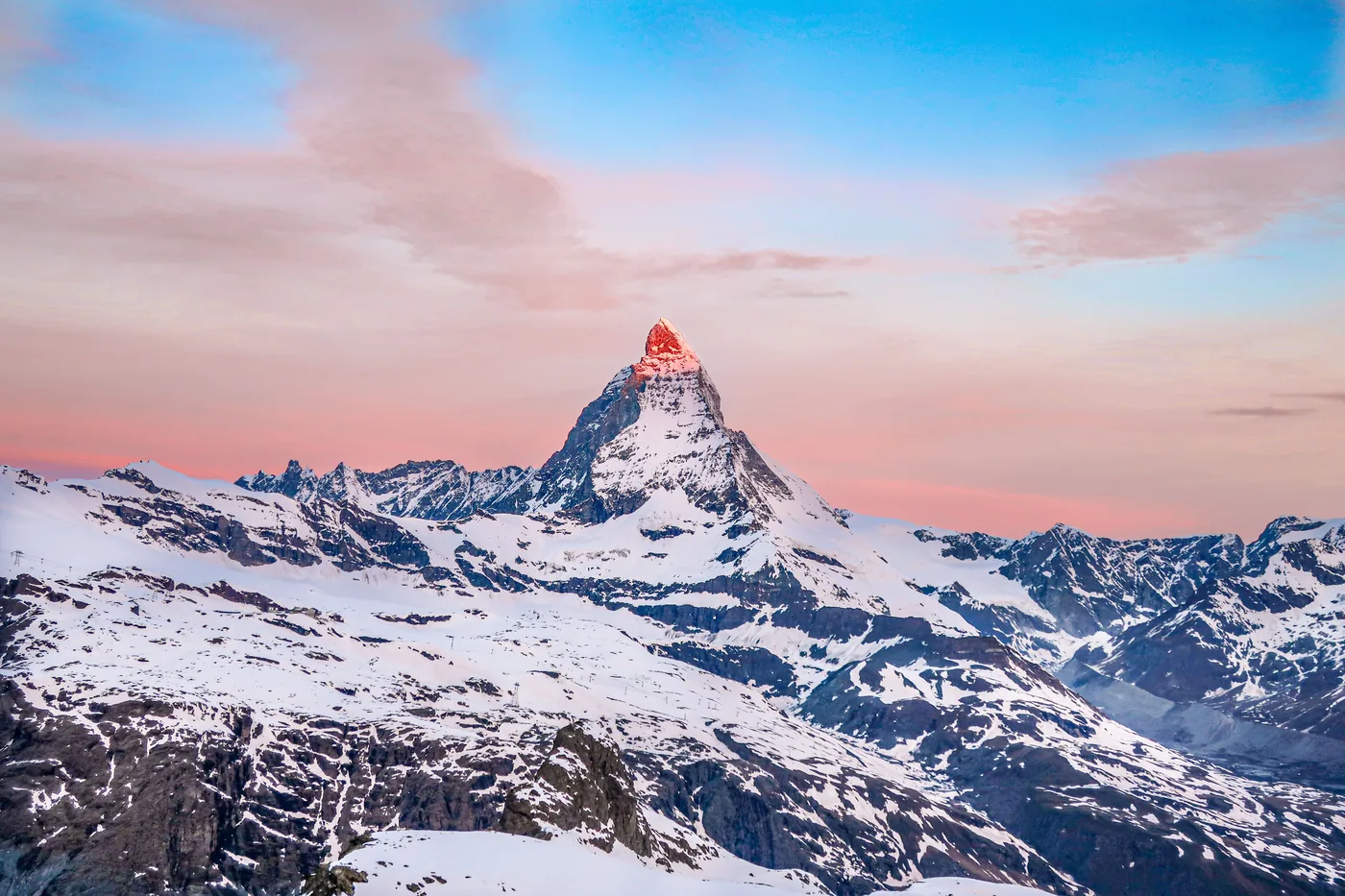
Switzerland is small enough to cross by train in about four hours, which makes it very tempting to try to see all of it in one week. The trick is picking the right handful of places. Five regions carry most of what people picture when they think of the country: the lakes around Lucerne, the cliffs and waterfalls of the Lauterbrunnen Valley, the high peaks of the Jungfrau region, the Matterhorn above Zermatt and the vineyards along Lake Geneva.
This 7 day Switzerland itinerary links all five in one line, flying into Zurich and home from Geneva so you never double back. Each day has one main thing to see with room around it, and the mountain days come with a backup in case the clouds roll in. If you only get 7 days in Switzerland, this is a Switzerland itinerary that covers the highlights without turning the trip into a race.
How The Week Fits Together
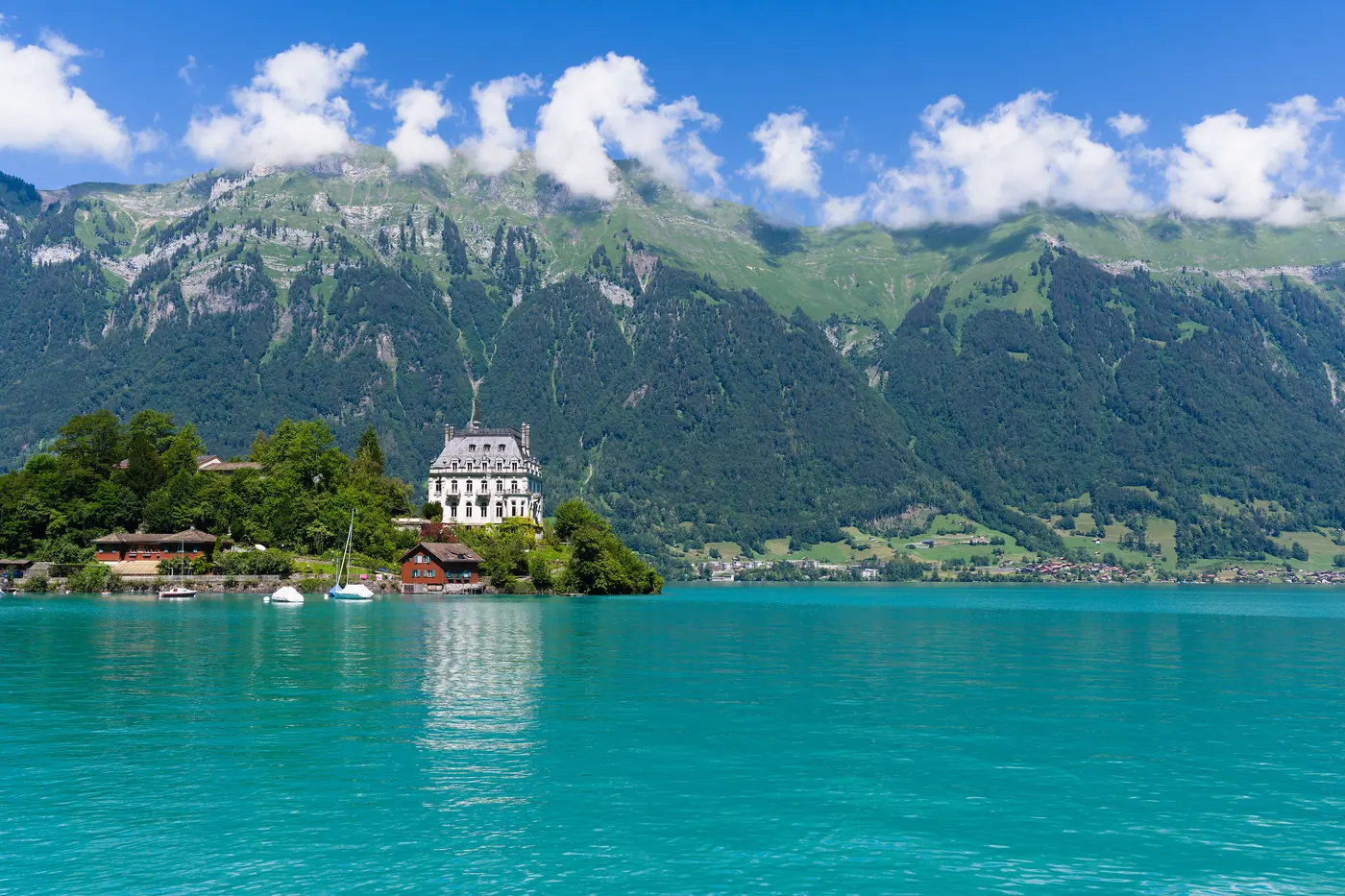
The route runs across the country in a rough line from east to west: Zurich, Lucerne, Interlaken, Zermatt, Montreux and finally Geneva. Most legs take two hours or less by train, and none of them takes much more than three.
You’ll stay in five places over six nights. That’s one night in Zurich, one in Lucerne, two in the Interlaken area, one in Zermatt and one in Montreux. It’s a lot of packing up, and it’s the honest cost of covering this much ground in a week, so travel as light as you can.
Book your flights as a multi city ticket, into Zurich and home from Geneva. Both airports have their own train stations, so the trip starts and ends on a platform instead of in a taxi line.
Weather is the one thing to plan around. The big mountain stops on days 2, 4 and 5 are only as good as the view, so check the forecast and the summit webcams each morning. If one day looks clear and the next looks cloudy, swap them around while you’re still in the same region.
Day 1: Arrive In Zurich And Walk The Old Town
Zurich is a gentle landing after a long flight. Trains run from the airport to the main station in about ten minutes, and almost everything worth seeing on a first afternoon is a short walk from there.
Drop your bags and get outside. The goal today is simply to stay awake until a normal bedtime, and a slow walk along the river does that better than any amount of coffee.
The Old Town And The Grossmünster
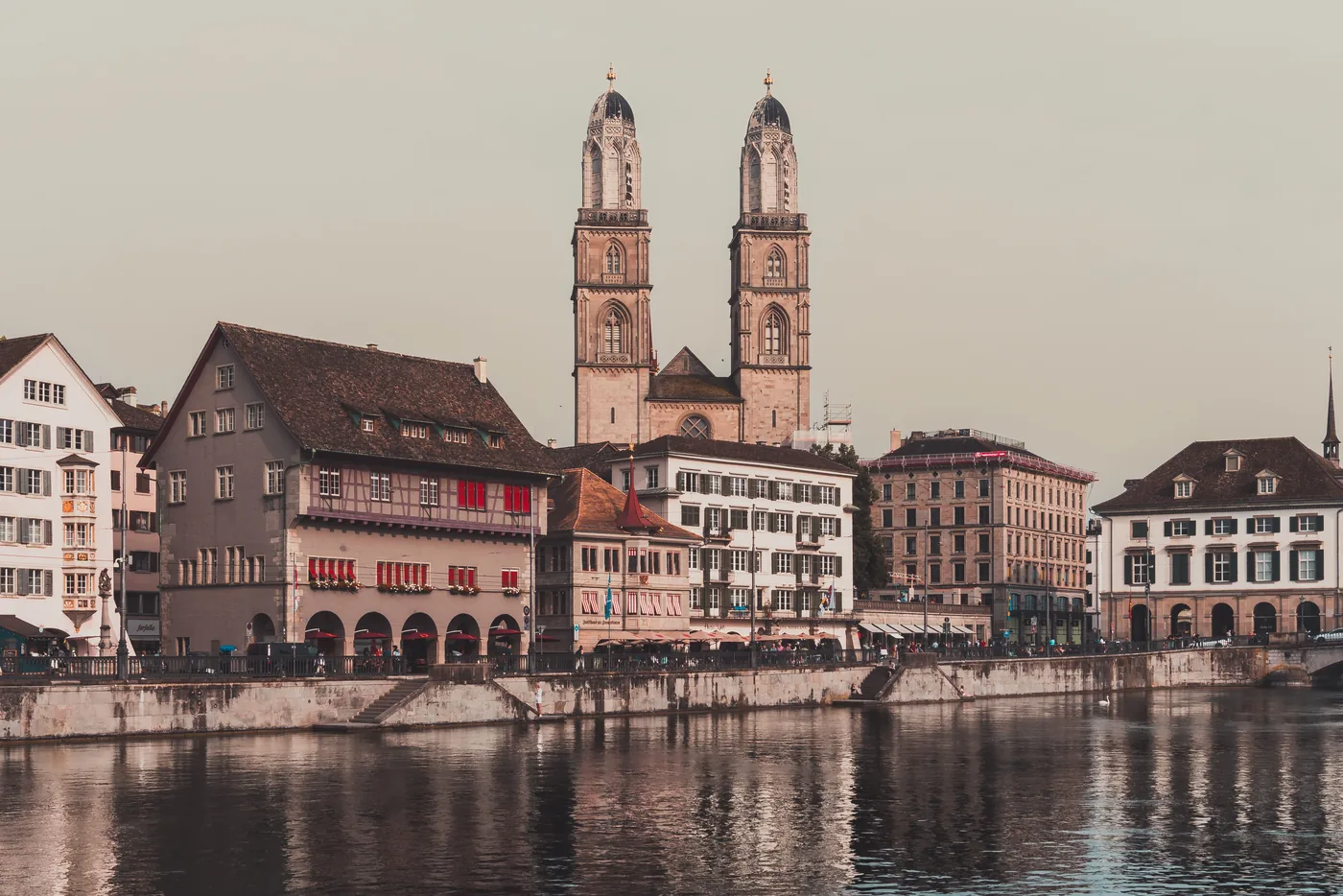
Zurich’s Old Town lines both banks of the Limmat River, a tangle of narrow lanes, old guild houses and church spires. The Grossmünster, with its twin towers, is the landmark everyone uses to get their bearings, and you can climb one of the towers for a view over the rooftops toward the lake.
Across the river, the Fraumünster is known for its stained glass windows by Marc Chagall. From there, walk up to Lindenhof, a quiet, tree shaded square on a small hill. It’s one of the best free views of the Old Town and the river below.
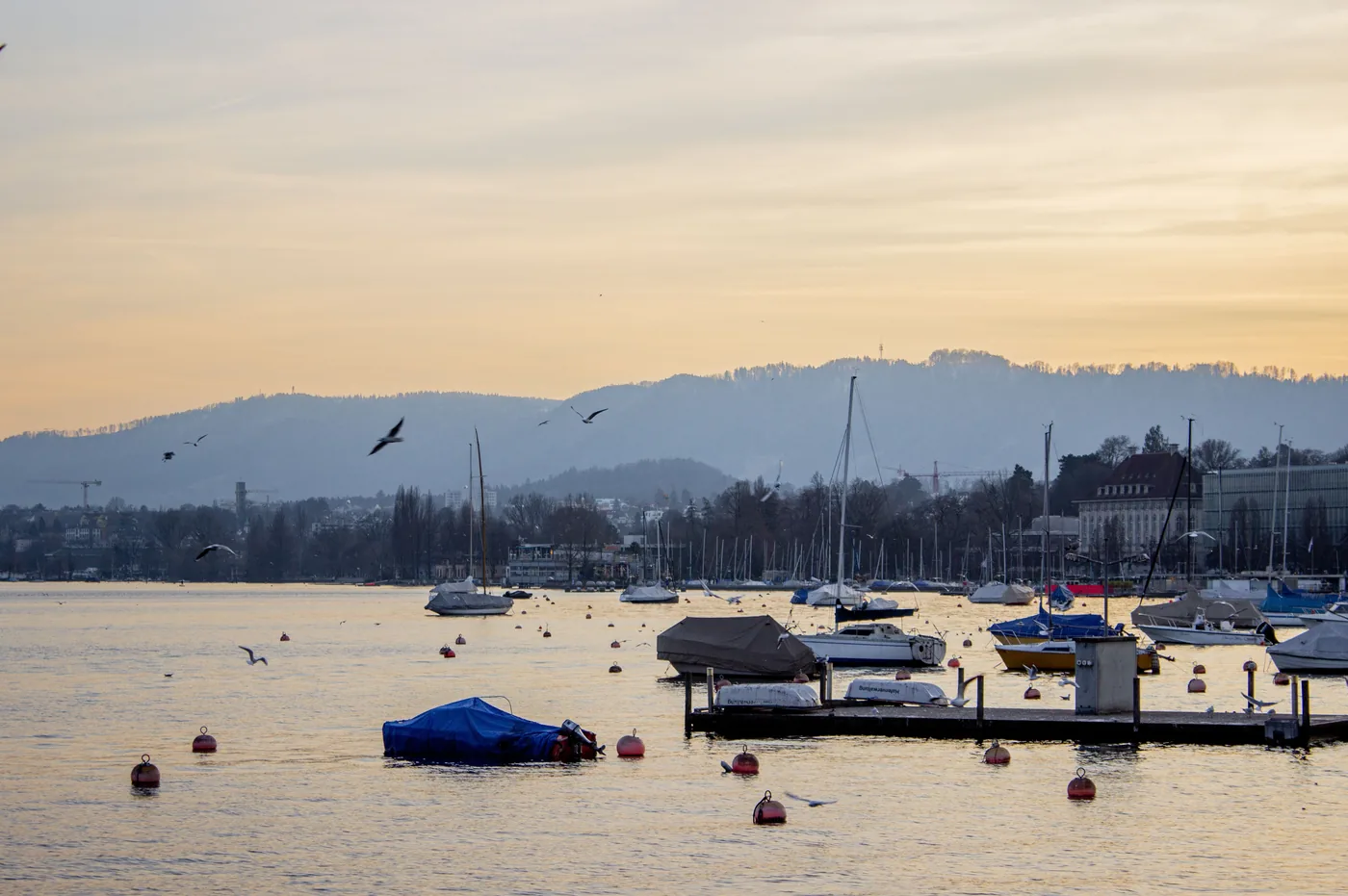
An Evening On Lake Zurich
Lake Zurich starts right where the Old Town ends. The promenade along the shore is where the city heads on a warm evening, and on a clear day you can see a line of snowy peaks far off at the southern end of the lake.
If you still have energy, a short boat ride on the lake is an easy way to sit down and still see something. Otherwise, find dinner nearby and get a good night’s sleep. Tomorrow is the first mountain day.
Day 2: Lucerne, The Chapel Bridge And Mount Pilatus
Lucerne is less than an hour from Zurich by train, so catch an early one and you’ll have most of the day there. Leave your bags at your hotel or in the lockers at the station and head straight out.
This is the Switzerland a lot of people picture before they go. It’s a compact old town wrapped around the end of a lake, with mountains rising on almost every side.
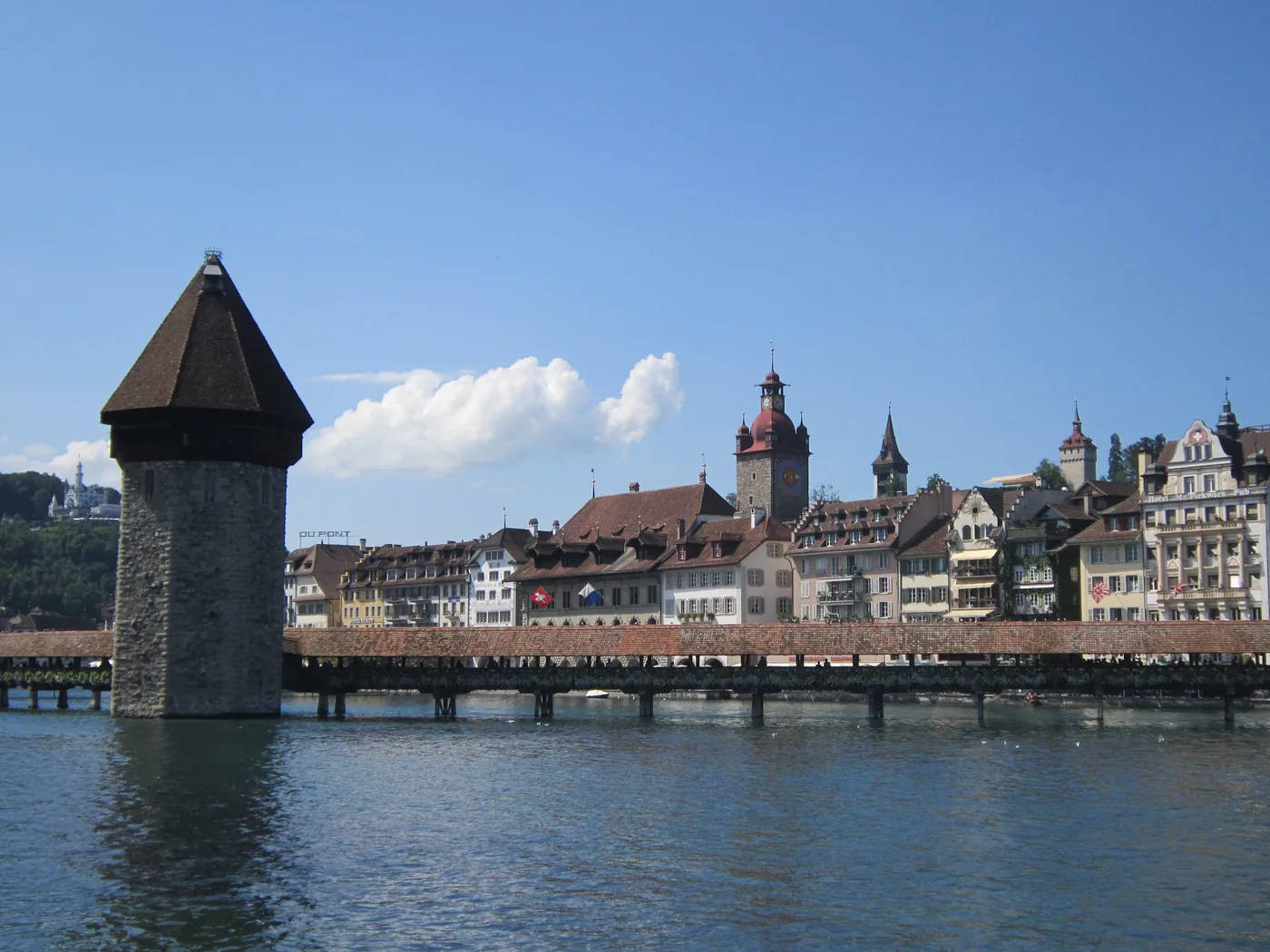
The Chapel Bridge And The Old Town
The Chapel Bridge is a covered wooden footbridge that crosses the river at an angle, with painted panels under its roof and a stone water tower standing beside it. It dates back to the 1300s and is often called the oldest covered wooden bridge in Europe, though much of it had to be rebuilt after a fire in 1993.
From the bridge, wander the Old Town squares, where many of the buildings have painted fronts. Then walk a few minutes to the Lion Monument, a dying lion carved into a rock face in honor of the Swiss Guards killed in Paris during the French Revolution. Mark Twain called it “the most mournful and moving piece of stone in the world.”
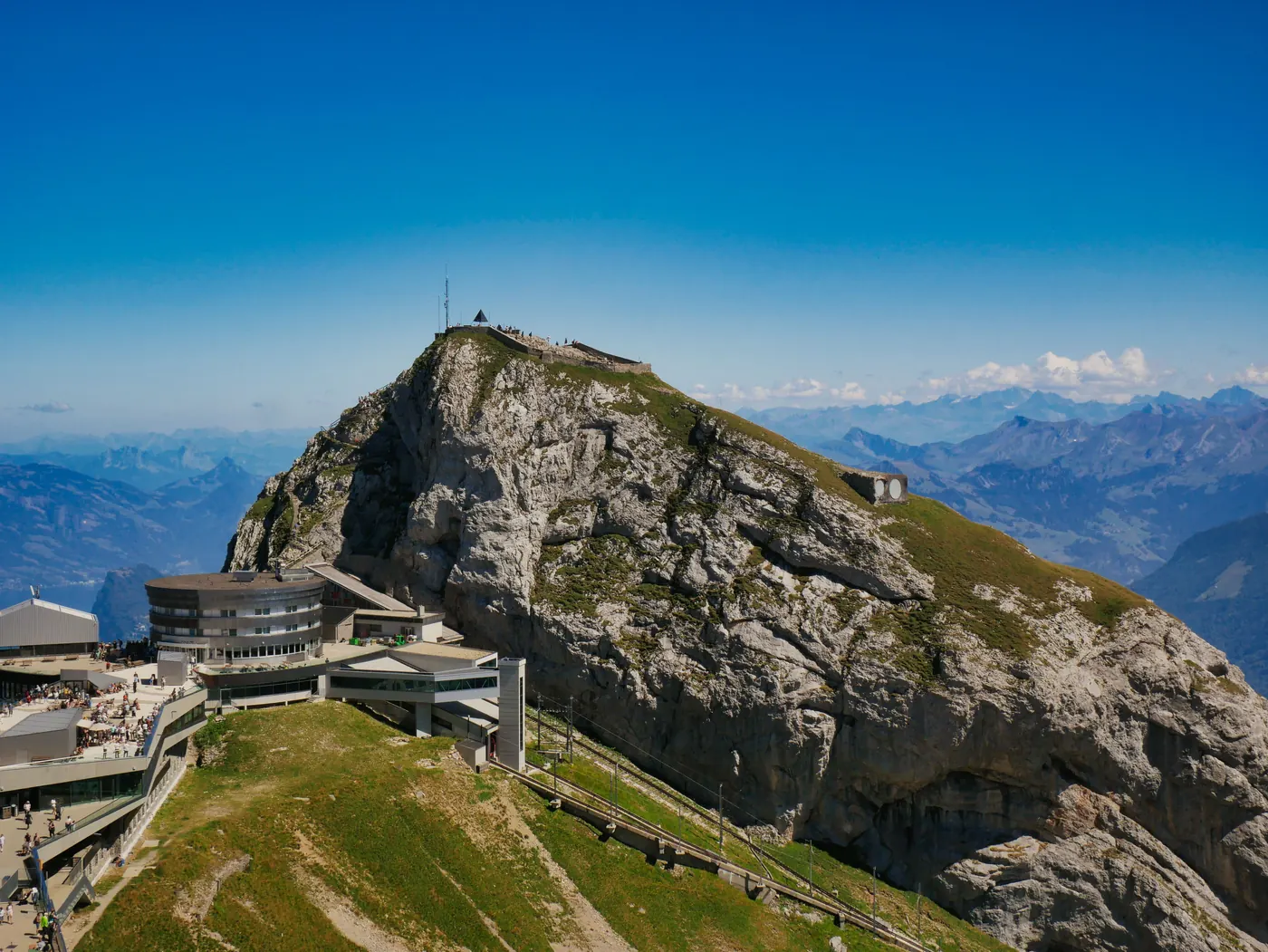
Mount Pilatus In The Afternoon
Pilatus is the mountain that towers over Lucerne, and getting up it is half the fun. From May to October, the classic loop takes a boat across the lake to Alpnachstad, rides the steepest cogwheel railway in the world to the top, then comes back down the other side by cable car and gondola to Kriens, where a city bus runs back into town.
The cogwheel railway only runs in the warmer months, but the cable cars from Kriens keep running through the winter, apart from a short maintenance break in late fall. If Pilatus is in the clouds or doesn’t fit your day, Mount Rigi across the lake is the easy swap. Its cog railways run year round, and the views from the top stretch over the lakes in every direction.
Day 3: Interlaken And The Lauterbrunnen Valley
The train from Lucerne to Interlaken takes about two hours and runs past lakes and over a mountain pass most of the way, so it barely feels like a travel day.
Interlaken sits on a flat strip of land between two lakes, Lake Thun and Lake Brienz, which is where the name comes from. It’s the gateway to the Jungfrau region and your base for the next two nights. If you’d rather wake up to cliffs than shops, stay in Lauterbrunnen instead. It’s quieter and puts you right in the valley.
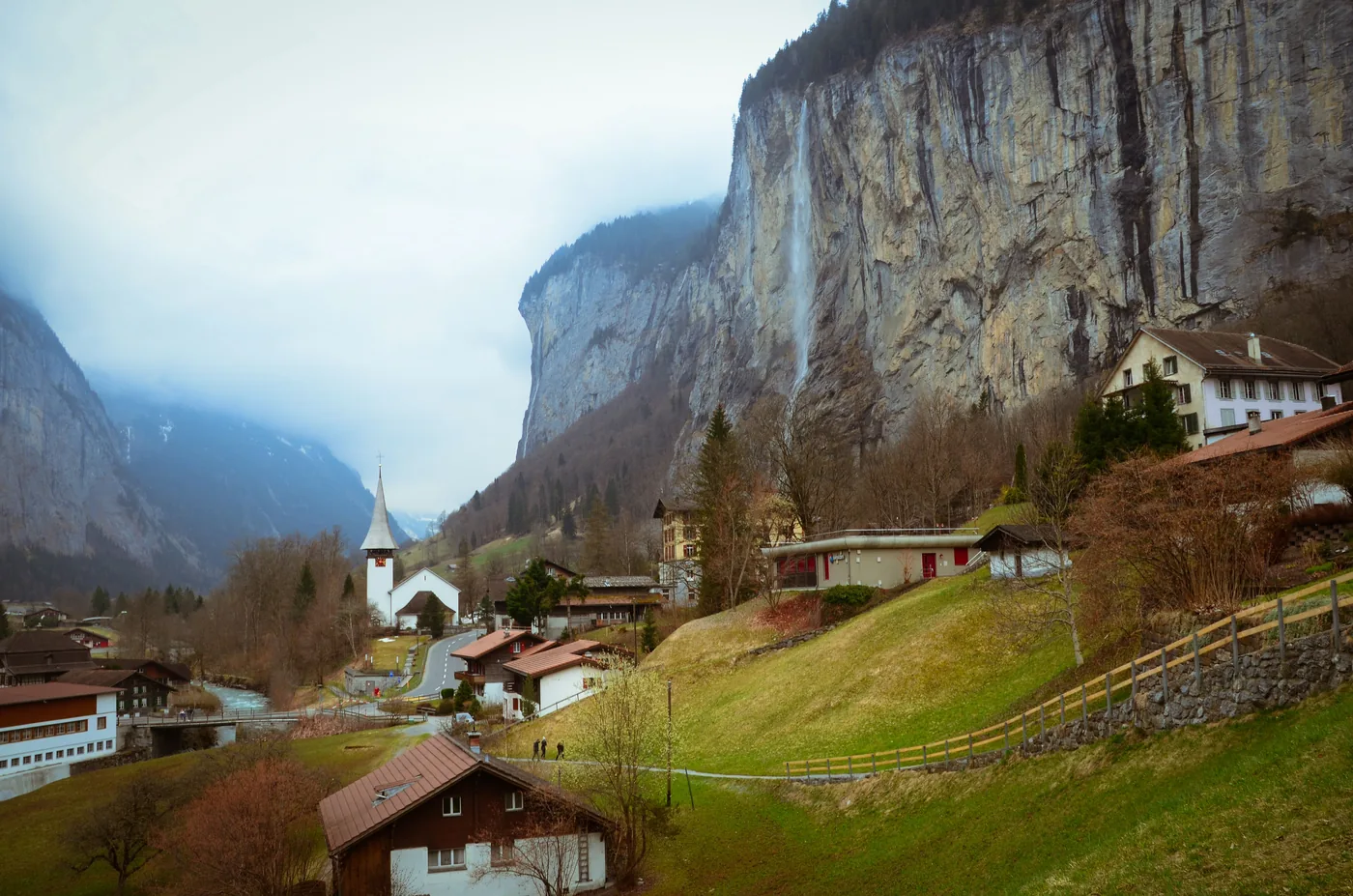
Lauterbrunnen And Staubbach Falls
Lauterbrunnen is a short train ride from Interlaken, and it’s the valley that ends up on screensavers. Sheer rock walls rise on both sides of a flat green valley floor, and waterfalls pour off the cliffs all the way along it.
The most famous is Staubbach Falls, which drops nearly 1,000 feet straight off the cliff just behind the village. It’s the highest free falling waterfall in Switzerland. Much of the water turns to mist before it ever reaches the ground. In summer, a short path climbs up to a viewpoint tucked behind the falls.
Trümmelbach Falls Inside The Mountain
A few minutes up the valley by bus, Trümmelbach Falls is something completely different. Ten glacier waterfalls thunder through twisting channels inside the mountain itself, and a tunnel lift carries you up to walkways where you can watch them roar past.
This is where the meltwater from the Eiger, Mönch and Jungfrau glaciers drains out of the mountains, and it’s loud, wet and genuinely impressive. It closes for the winter, so check the season before you go, and bring a jacket since the spray reaches the paths.
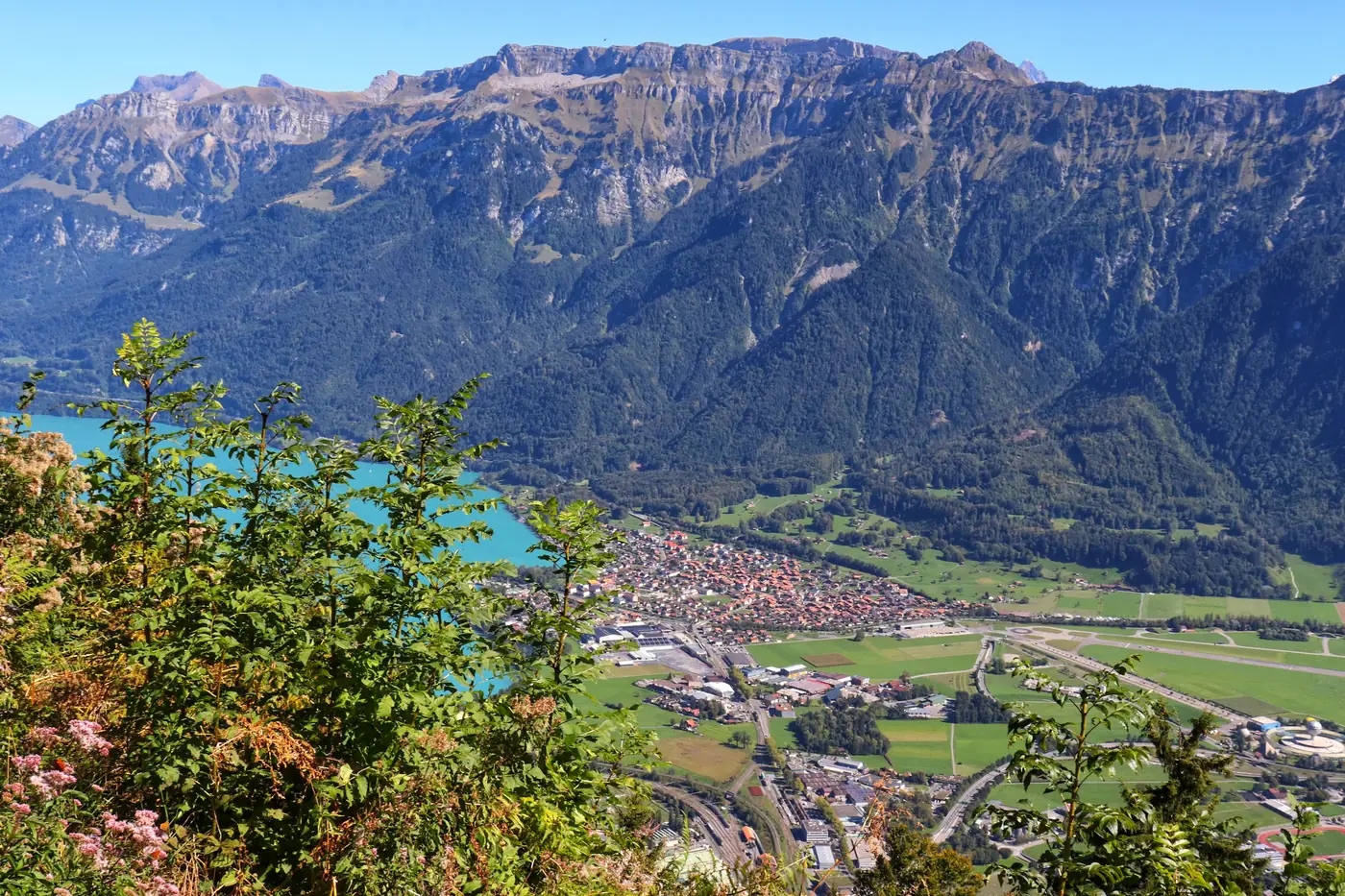
Sunset From Harder Kulm
Back in Interlaken, a ten minute funicular ride from just across the river takes you up to Harder Kulm, a viewpoint high above the town. From the platform you look out over both lakes toward the Eiger, Mönch and Jungfrau, the three peaks you’ll get much closer to tomorrow.
Go in the late afternoon or early evening, when the light is softer. The funicular only runs for part of the year, so in winter, trade it for a slow evening in town.
Day 4: A Big Mountain Day In The Jungfrau Region
Save your best weather for today. If the forecast for day 4 looks grim and day 3 looked clear, switch them, since the Lauterbrunnen Valley works in any weather and the high peaks don’t.
You’ve got two main choices for the high point of the day. Pick one in the morning, then spend the afternoon up above Grindelwald.
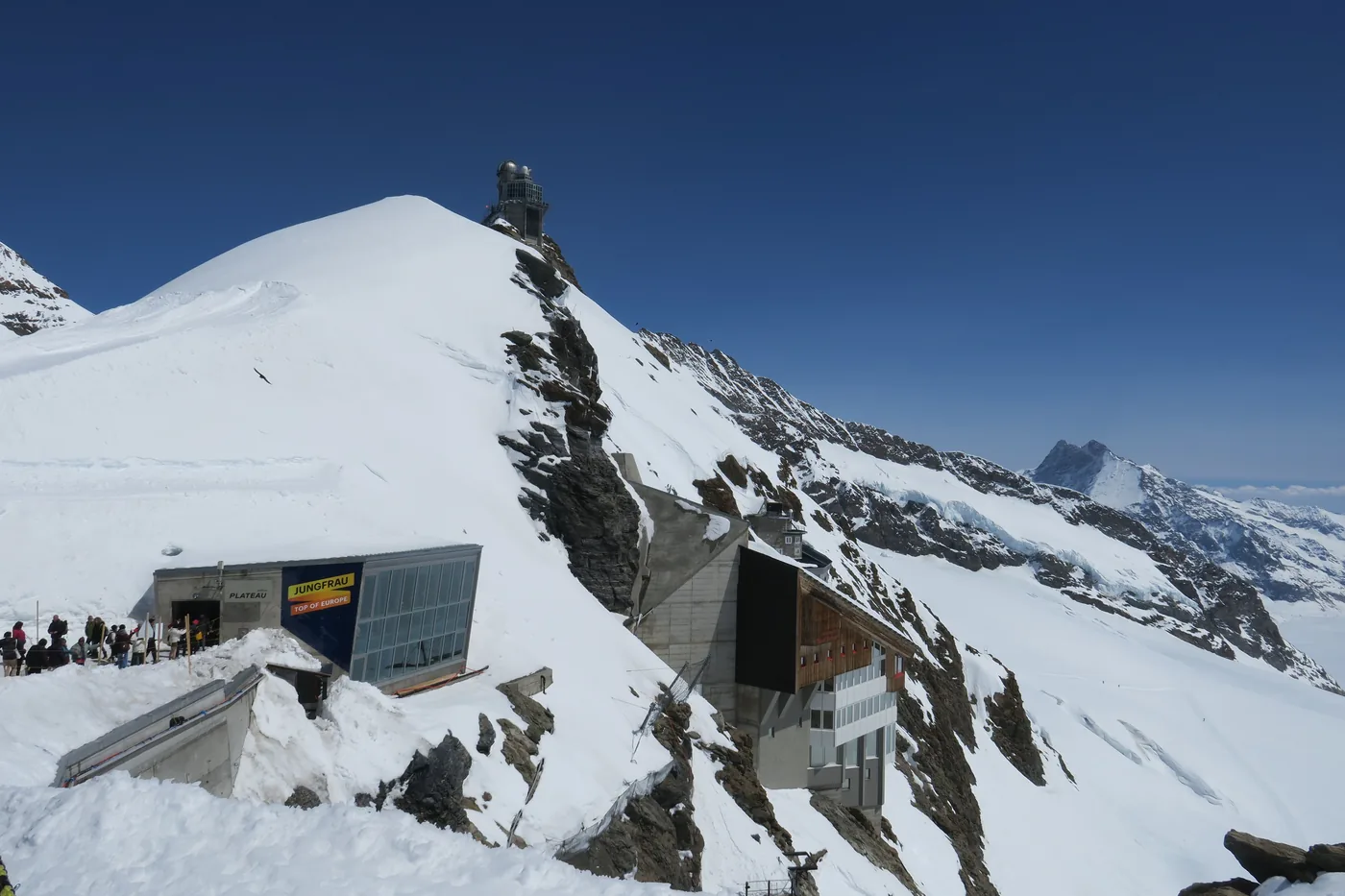
Jungfraujoch, The Top Of Europe
The Jungfraujoch is a high saddle between the Mönch and the Jungfrau, and the railway that climbs up to it ends at the highest train station in Europe, about 11,300 feet up. At the top there’s a terrace looking down the Aletsch Glacier, the longest glacier in the Alps, along with an ice palace carved right into the glacier.
The classic route through Lauterbrunnen and Wengen takes a little over two hours from Interlaken, while the Eiger Express gondola from Grindelwald gets you up in closer to an hour and a half. Go early, when the views tend to be clearest. It’s also one of the most expensive excursions in the country, and a Swiss Travel Pass only gets you a discount on the upper section, so budget for it.
The altitude is real up there. Move slowly, drink water, and don’t be surprised if a short flight of stairs leaves you out of breath.
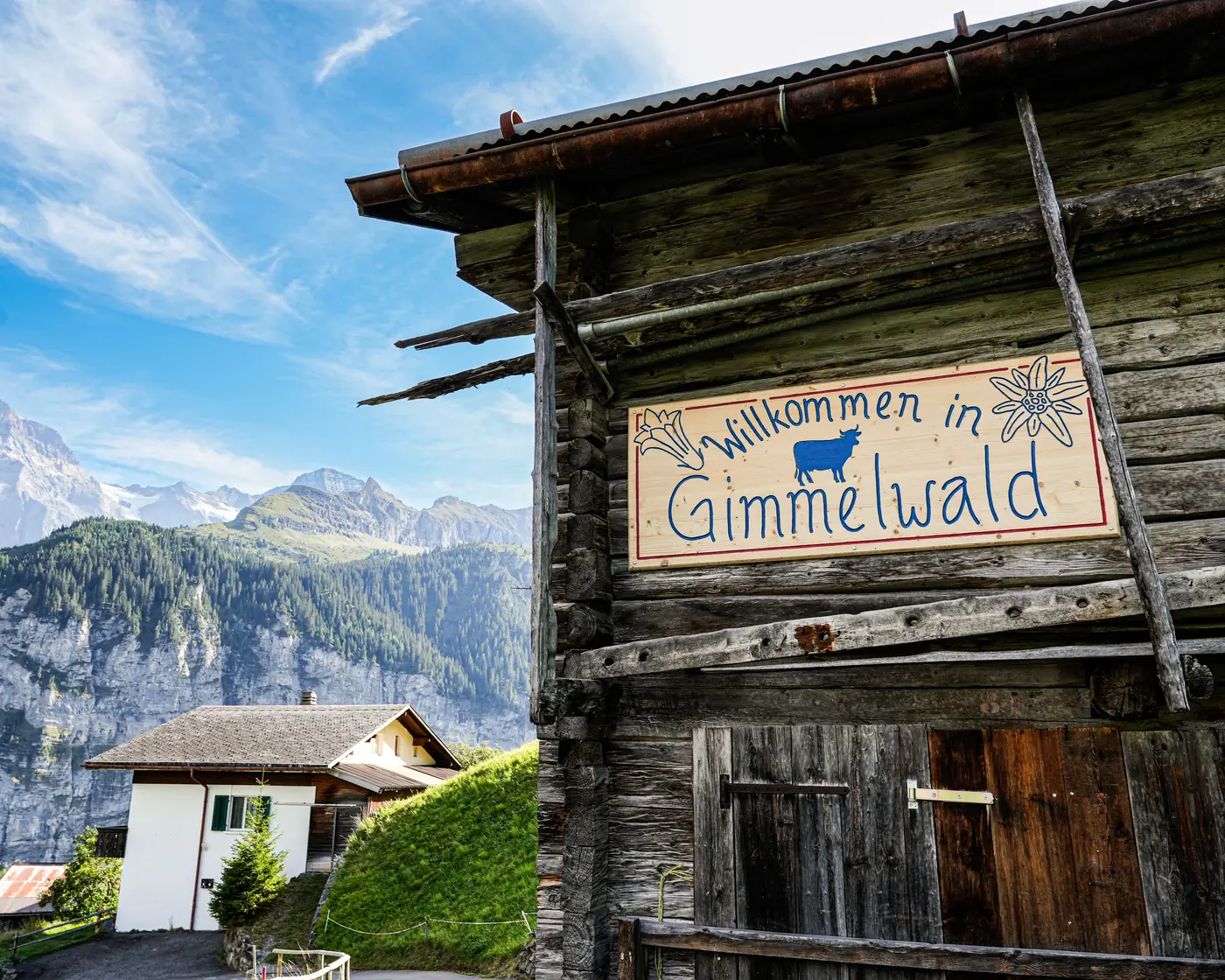
The Cheaper Swap: Schilthorn And Mürren
If the price or the crowds at the Jungfraujoch put you off, the Schilthorn is the popular alternative. Cable cars climb from the Lauterbrunnen Valley past the tiny village of Gimmelwald and the car free village of Mürren to a summit with a revolving restaurant, Piz Gloria, which starred in the James Bond film On Her Majesty’s Secret Service.
The view from the top takes in the Eiger, Mönch and Jungfrau along with a long line of other peaks. Stop in Mürren or Gimmelwald on the way down. Both are perched high above the valley floor, with no cars and flower boxes on nearly every window.
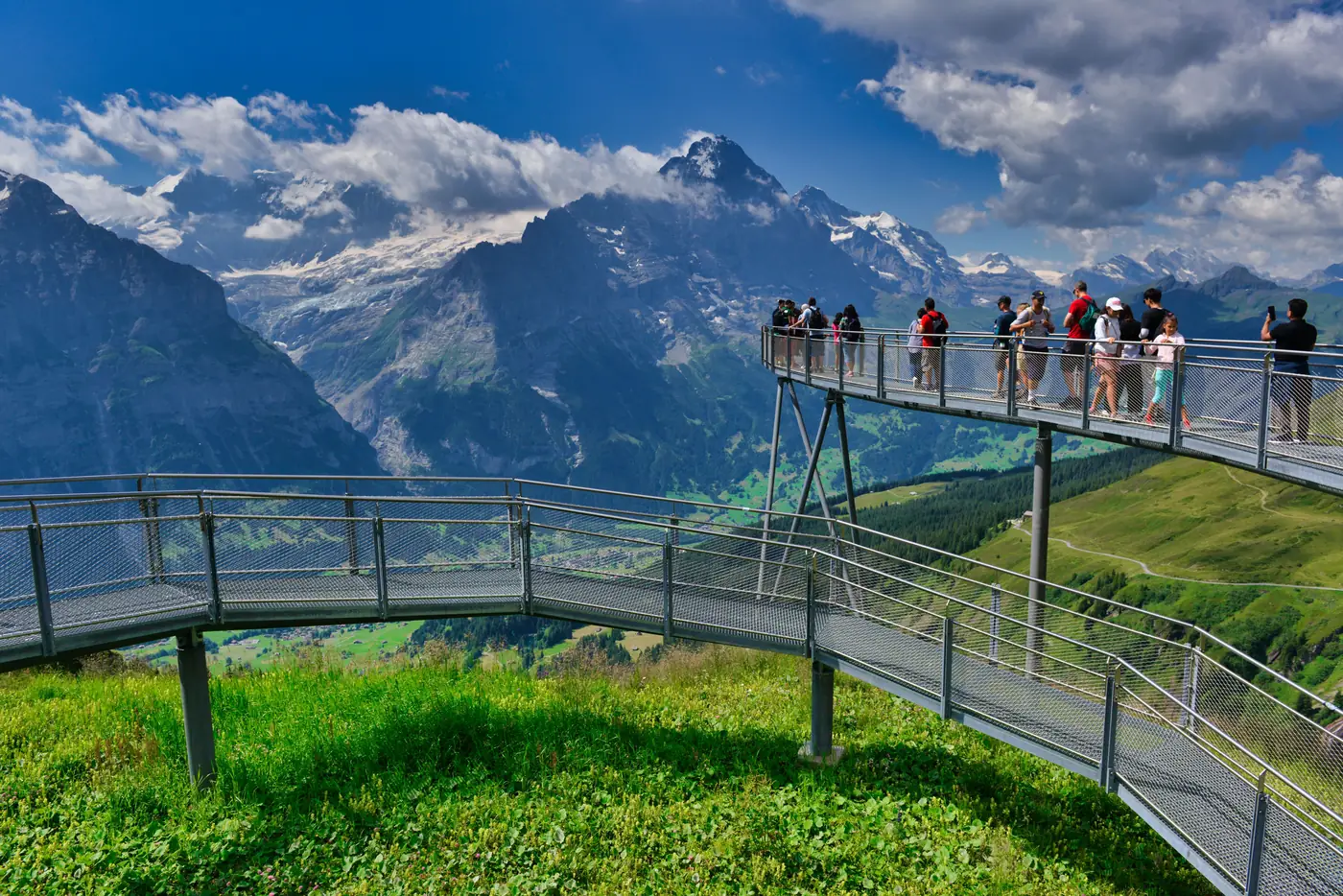
Grindelwald First In The Afternoon
Grindelwald is a mountain village sitting under the north face of the Eiger, and a gondola climbs from the village up to First. At the top, the First Cliff Walk is a metal walkway fixed to the side of the cliff, ending in a platform that hangs out over the drop.
The walk from First to Bachalpsee, a small mountain lake with the peaks reflected in it, takes a little under an hour each way and is one of the best easy hikes in Switzerland. In winter the trail is groomed for walking and the lake is frozen over. On the way back down, you can trade the gondola for a mountain cart or a scooter on some sections, which is exactly as fun as it sounds.
Day 5: Zermatt And The Matterhorn
The train from Interlaken to Zermatt takes a little over two hours, with changes in Spiez and Visp. Zermatt is car free, so the last stretch is always by train, and once you arrive you’ll be walking or riding in one of the small electric taxis that hum around town.
Try to get there by late morning. Zermatt is only one night in this plan, so the afternoon is your window with the Matterhorn.
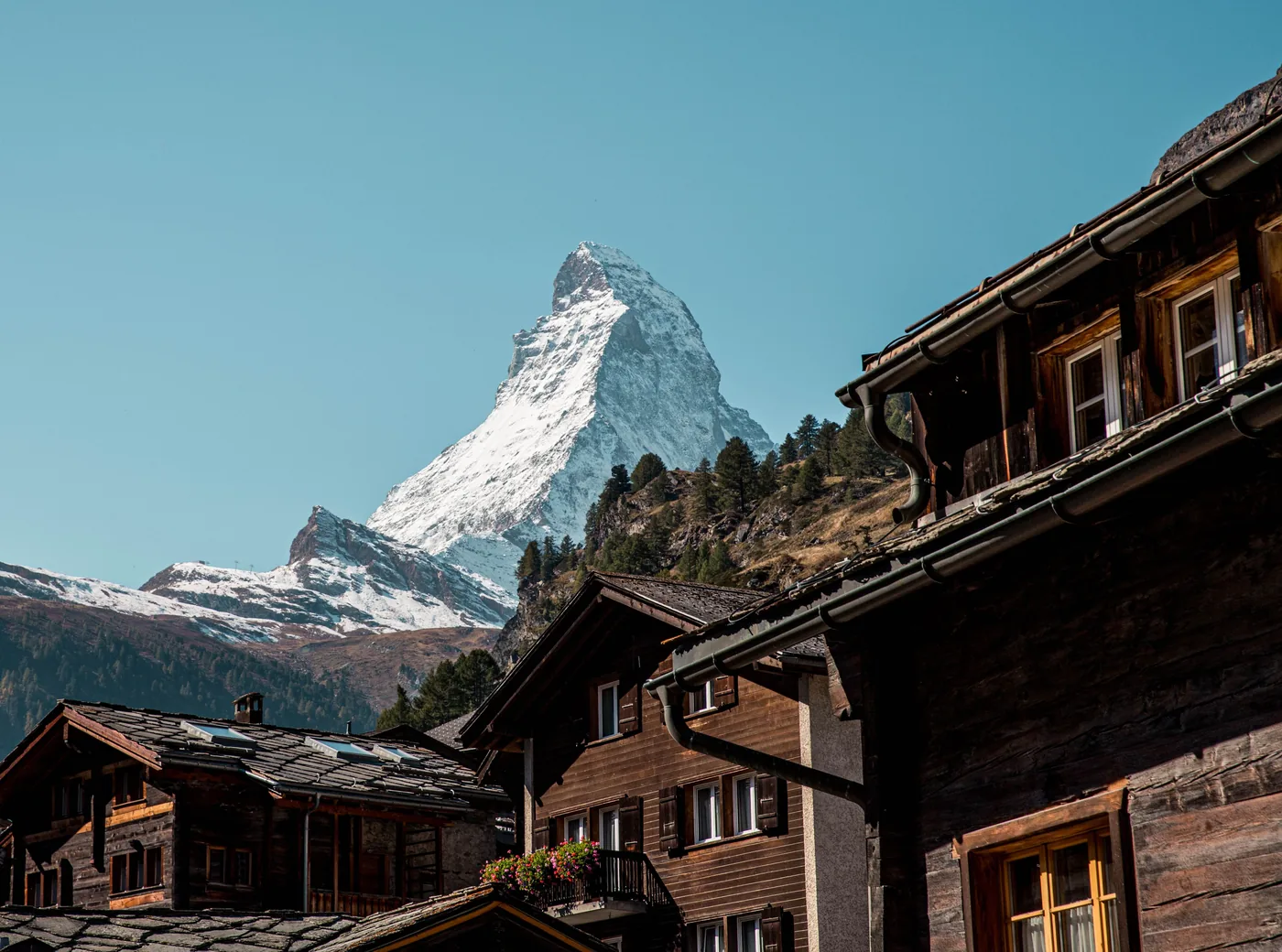
Wandering The Car Free Village
Zermatt’s main street runs from the train station toward the church, lined with chalets, outdoor shops and bakeries. Keep going to the bridge over the river near the church for the classic first view of the Matterhorn rising at the end of the valley.
Behind the main street, the older lanes are full of dark wooden barns and grain stores perched on stone stilts. They were built that way centuries ago to keep the mice out, and they’re some of the oldest buildings in town.
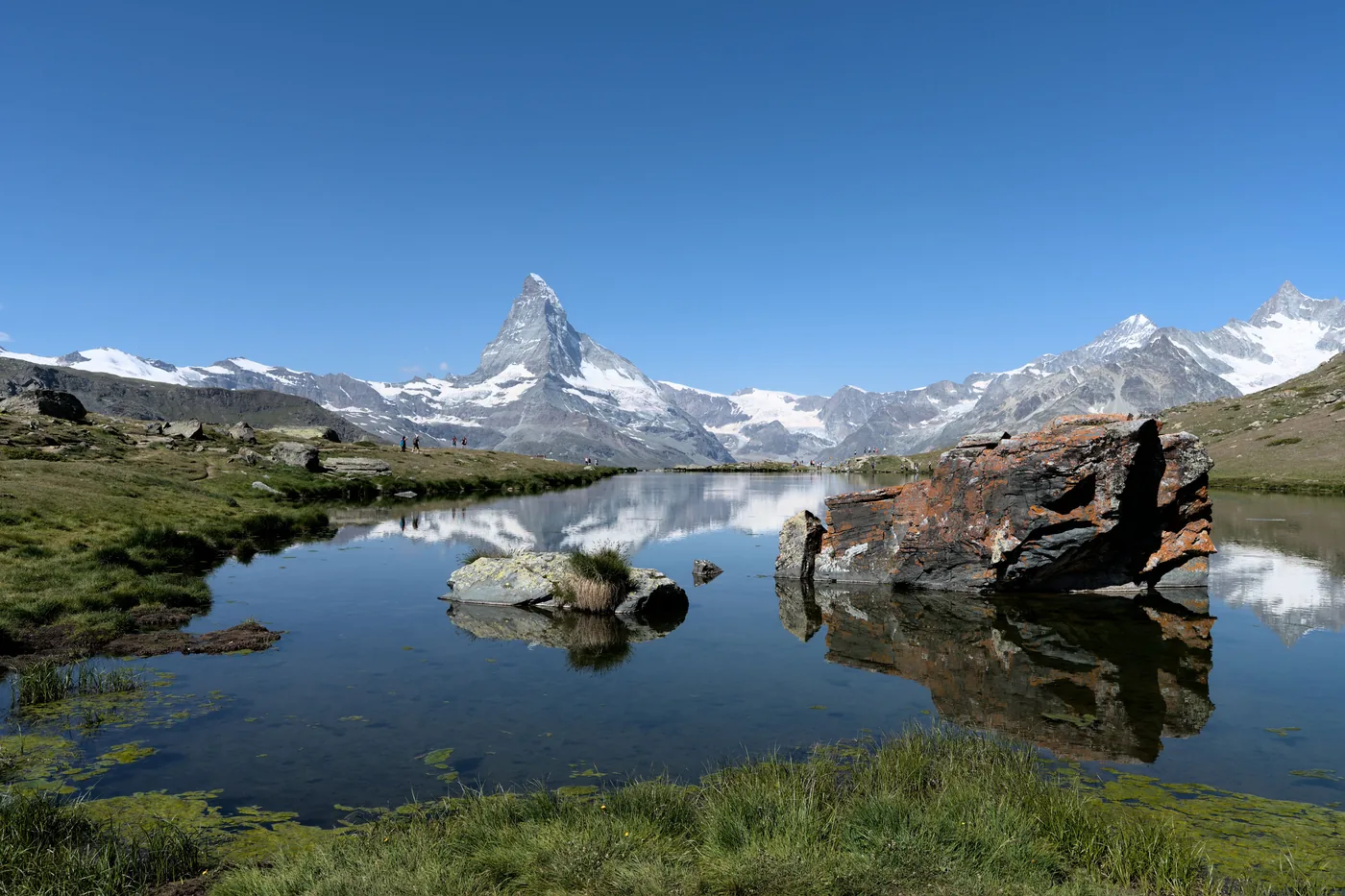
Gornergrat And The Riffelsee Reflection
The Gornergrat railway leaves from right across from the main train station and climbs to a ridge just over 10,000 feet up in about half an hour. From the top, the Matterhorn stands on its own across the valley, and you’re surrounded by a ring of the highest peaks in the Alps and a huge sweep of glaciers.
On the way down, get off one stop early at Rotenboden and walk a few minutes to the Riffelsee, a small lake where the Matterhorn reflects in the water when the air is still. The lake is frozen for much of the year, so the reflection is a summer thing.
Day 6: Lake Geneva, Lavaux And Chillon Castle
Leave Zermatt in the morning and head back down the valley toward Lake Geneva. The trip to Montreux takes a little under three hours with a change in Visp, and the line follows the Rhône River west until the lake suddenly opens up in front of you.
The feel of the country changes completely here. The French speaking side of Switzerland is warmer and softer, with palm trees along the lakefront and vineyards running right down to the water.
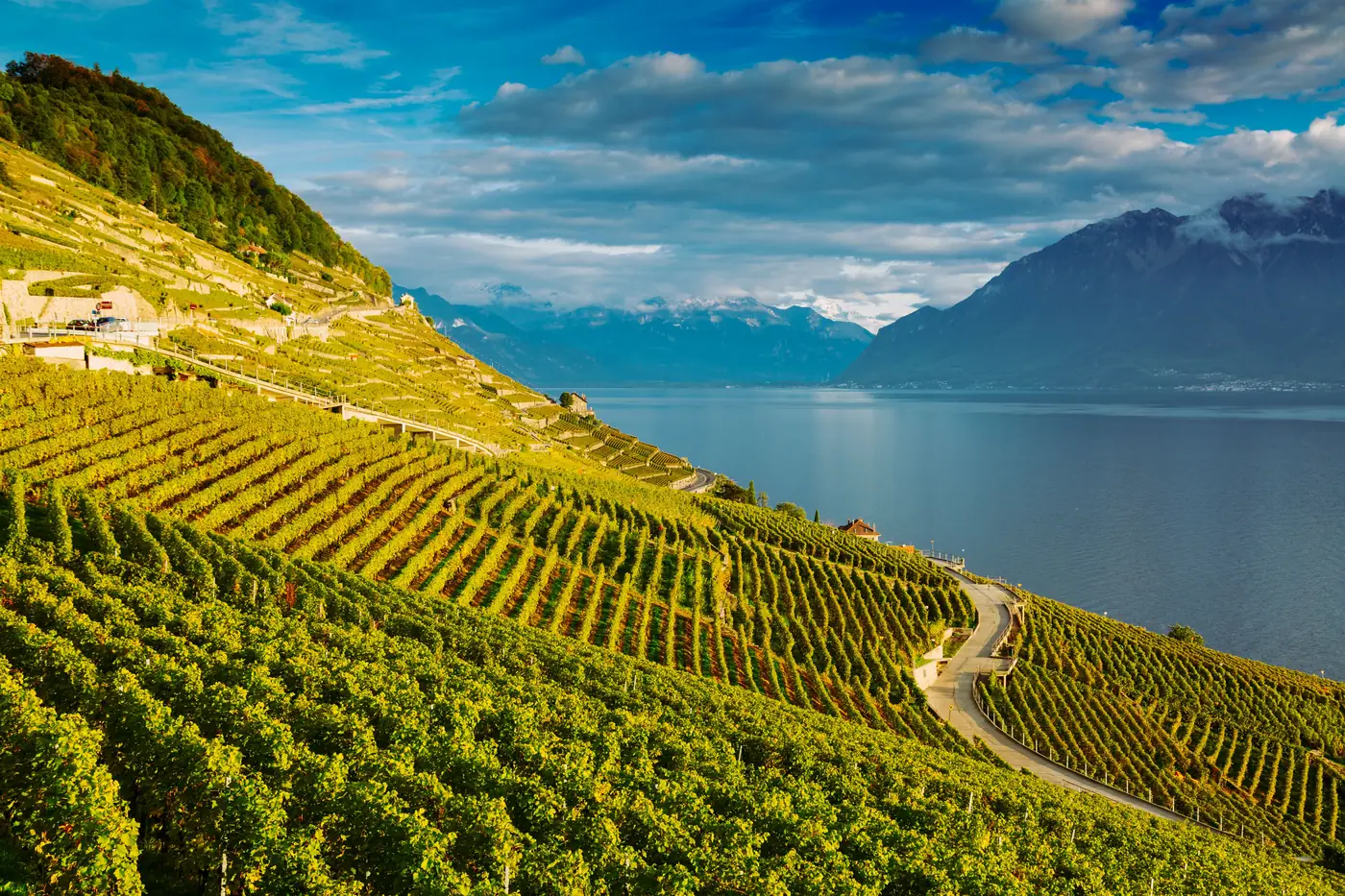
The Lavaux Vineyard Terraces
Between Lausanne and Montreux, stone walled vineyard terraces climb the steep slope above the lake, and the whole stretch is a UNESCO World Heritage Site. Monks started building the terraces centuries ago, and local families still farm them today.
Hop off the train at one of the small villages along the shore, such as Cully, and walk a section of the marked paths between the vines. Then stop at a wine cellar for a glass of the local white.
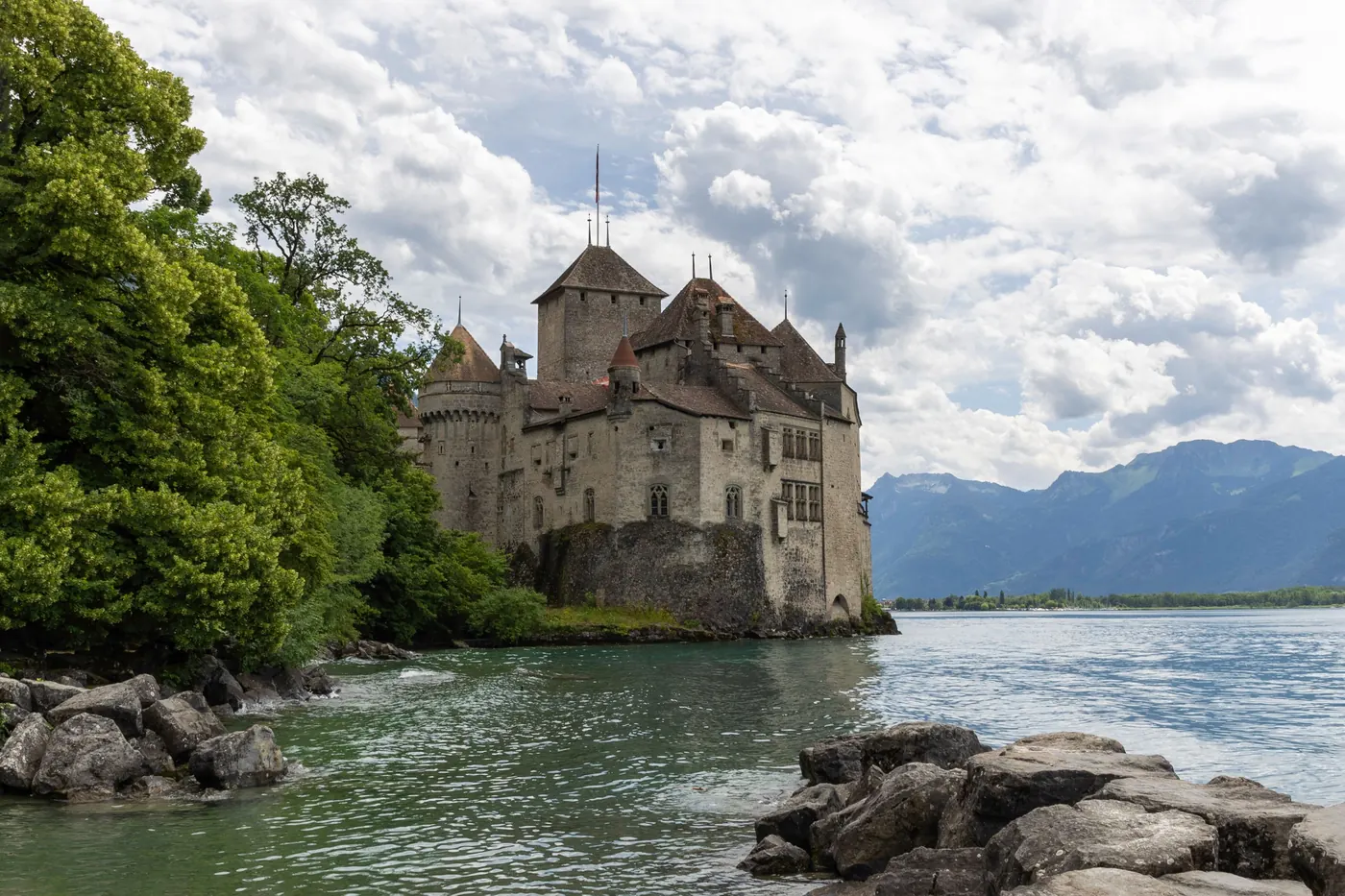
Chillon Castle
Chillon Castle sits on a rocky island right at the edge of the lake just outside Montreux, so it looks like it’s floating. Parts of it go back around a thousand years, and it’s the most visited historic monument in Switzerland.
Inside, you walk through great halls, bedrooms, a chapel and the dungeon that inspired Lord Byron’s poem The Prisoner of Chillon, where his name is carved into one of the pillars. You can get there on a lakeside walk from Montreux or a short bus ride.
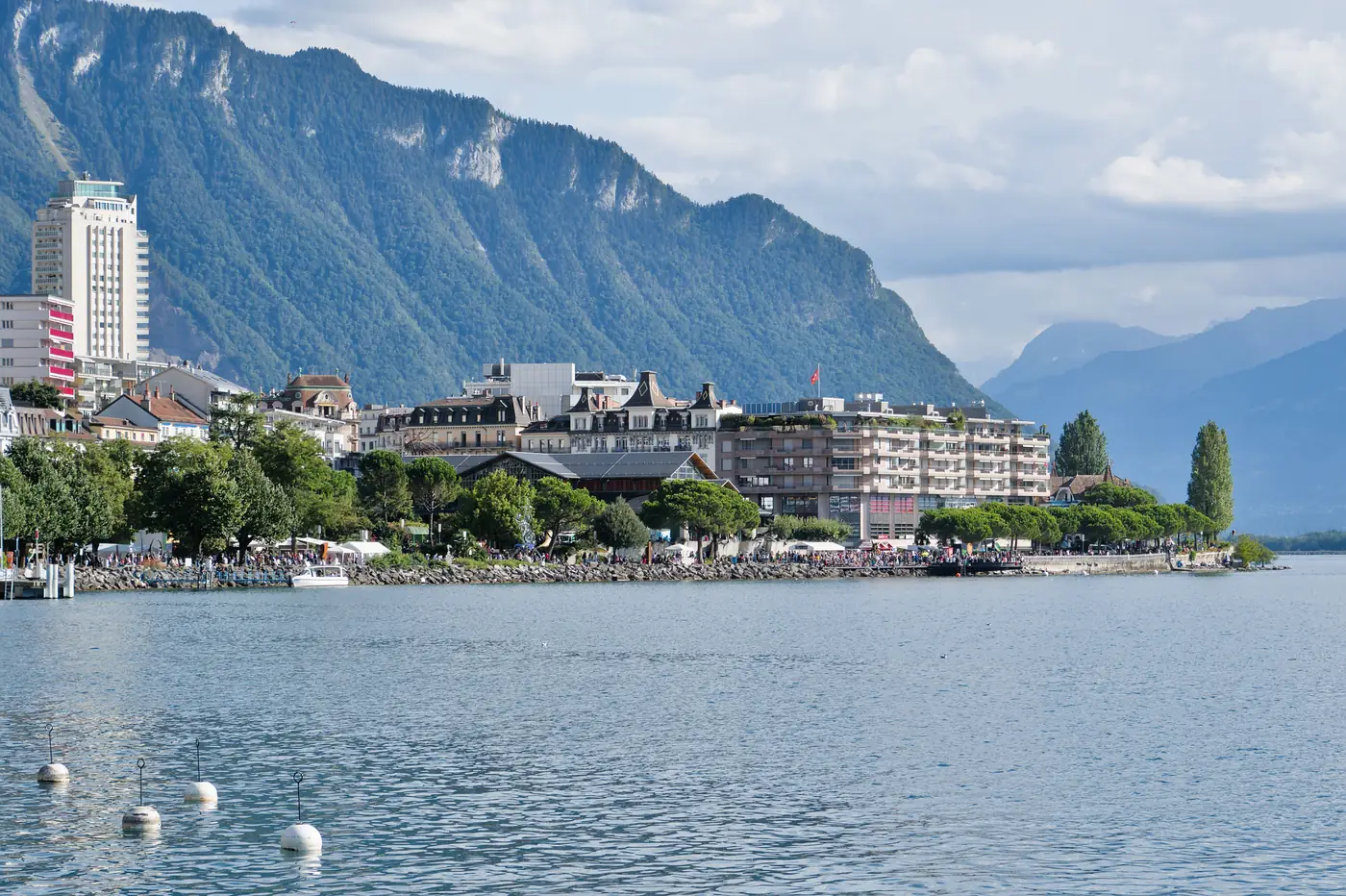
An Evening On The Montreux Lakefront
Montreux’s flower lined promenade runs along the shore for miles, and it’s lovely at sunset, when the mountains across the lake turn pink. Look for the statue of Freddie Mercury, who recorded with Queen in Montreux and loved the town.
It’s an easy, slow way to spend your last night in Switzerland. Find a terrace by the water and enjoy the view.
Day 7: Geneva Before Your Flight Home
Geneva is about an hour from Montreux by train, and the airport has its own station just a few minutes past the main one, so even a late morning start leaves a few hours in the city.
Leave your bags in a station locker and keep the day loose. Give yourself plenty of time to get to the airport.
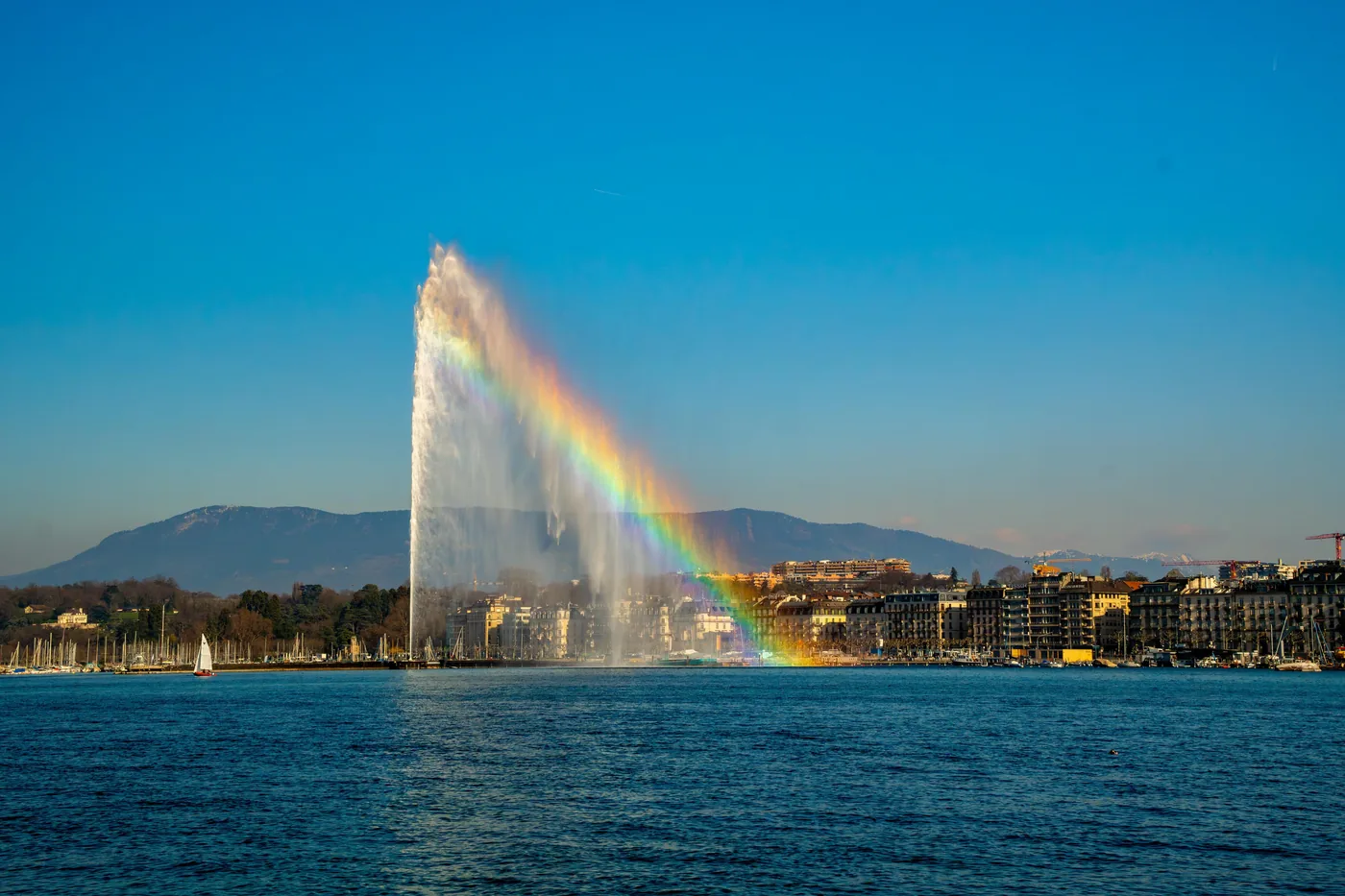
The Jet d’Eau And The Old Town
The Jet d’Eau is a fountain that shoots water about 460 feet into the air from the edge of the lake, and it’s the symbol of the city. You can walk out along the jetty right to its base, though expect to get splashed if the wind shifts.
Then climb up into the Old Town, a hilltop of cobbled streets and squares around St. Pierre Cathedral. The cathedral’s towers are open to climb, and they give you one last look across the lake to the Alps before you head for your flight.
Where To Stay On A 7 Day Switzerland Itinerary
Night 1 is Zurich. Stay near the main station or in the Old Town so you can walk everywhere on your first evening and still catch an early train the next morning.
Night 2 is Lucerne. Anywhere in the Old Town or along the lake works well, and the train station is right in the center.
Nights 3 and 4 are Interlaken or Lauterbrunnen. Interlaken has more hotels, more restaurants and the easiest train connections. Lauterbrunnen is smaller and quieter, and you’ll wake up right under the cliffs. Wengen and Mürren are car free villages higher up, beautiful but a little harder to get in and out of with luggage.
Night 5 is Zermatt, and it’s worth booking early, since it’s a small town and the rooms with a Matterhorn view go first. Night 6 is Montreux, or Lausanne if you’d like a bigger city with more choice.
Switzerland is an expensive place to sleep, and booking well ahead makes a real difference, especially for Zermatt and the Jungfrau region in summer.
Getting Around And Whether The Swiss Travel Pass Is Worth It
Every leg of this Switzerland itinerary is easy by public transportation. Trains, boats, buses and cable cars all connect to each other, and the SBB app shows every option and sells tickets right on your phone.
The big question is whether to buy a Swiss Travel Pass. It covers trains, buses and boats across the country, public transportation in many towns, entry to hundreds of museums, and free or discounted rides up many of the mountains in this plan. For 7 days in Switzerland, you’d need the 8 day version to cover the whole trip.
The other option is to buy tickets as you go, using the Swiss Half Fare Card to cut most fares in half. Add up your planned trips both ways before you decide, since which one comes out ahead depends on how many mountains you ride up.
Whichever you choose, pack light. With five hotels in six nights, you’ll be lifting your bag on and off a lot of trains.
When To Go
July through mid September is the easiest time for this itinerary. Every mountain railway is running, the hiking trails are clear, and lakes like the Riffelsee and Bachalpsee have thawed. It’s also the busiest and most expensive stretch of the year, so book early.
May and late September into October are quieter and often still beautiful. Some high trails can still hold snow, though, and a few lifts close for maintenance between seasons.
Winter changes the trip but doesn’t ruin it. The Jungfraujoch, the Schilthorn and the Gornergrat all keep running through the winter, so the big views are still there, though the Schilthorn and Gornergrat both close for short maintenance breaks in the off seasons. Take Rigi instead of the Pilatus cogwheel, skip Trümmelbach Falls and Harder Kulm for an evening in town, and expect the Bachalpsee walk to end at a frozen, snowy lake instead of a mirror.
If You Have More Time
Seven days covers the highlights, but it doesn’t cover everything. These are the first places to add if you can stretch the trip by a day or two.
Bern, the capital, has one of the best preserved medieval old towns in Europe, with arcaded streets and a famous clock tower. It’s an easy half day from Interlaken.
In the east, St. Moritz and the Engadin Valley are home to the Glacier Express and the Bernina Express, two of the most famous scenic train rides in the world.
And in the south, Lugano and the Italian speaking region of Ticino swap snowy peaks for palm trees, lakes and pasta. It feels like a different country, which is part of the appeal.
Final Thoughts
A week isn’t long enough to see all of Switzerland, but it’s long enough to see the parts most people come for. Lakes, waterfalls, glaciers, the Matterhorn and a castle on the water, all along one line from Zurich to Geneva.
Keep an eye on the weather, stay flexible with the mountain days, and pack light. Do that, and this 7 day Switzerland itinerary will feel like a lot more than a week.