 Rebecca Engel
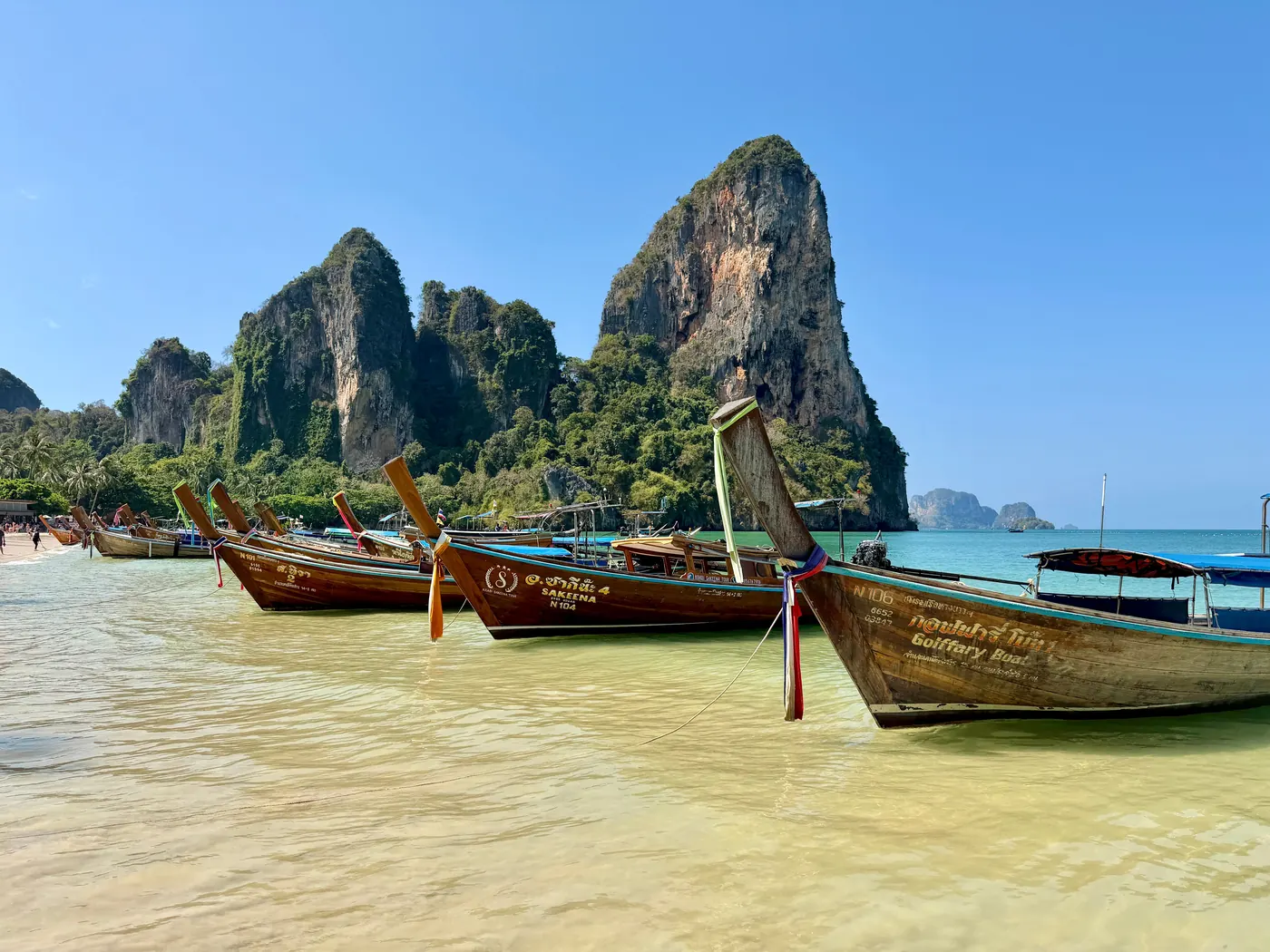
Thailand rewards a first trip more than almost anywhere in Asia. In ten days you can wander golden temples in Bangkok, eat your way through night markets, spend time in the cooler hills of the north and finish on a beach backed by giant limestone cliffs. The trick is not trying to squeeze in every island at once.
This 10 day Thailand itinerary splits the trip into three parts: Bangkok, Chiang Mai in the north, and the beaches around Krabi. That means just three hotels and two short domestic flights, so most of your 10 days in Thailand go on the places themselves. It’s a Thailand itinerary built for a first visit, with room to slow down at the end.
How The 10 Days Break Down
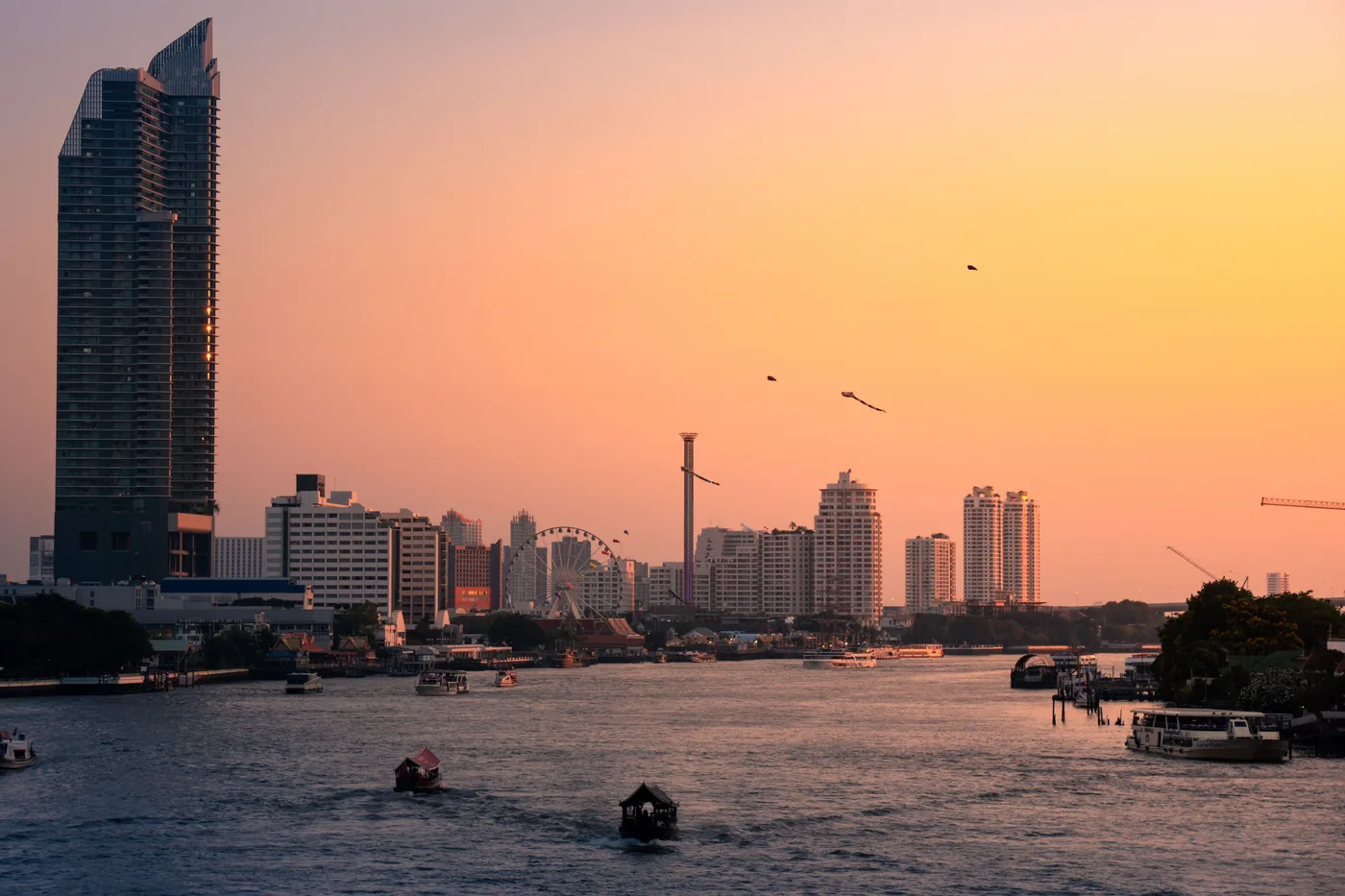
The trip runs in three blocks of three nights each. Days 1 to 3 are Bangkok, with a day trip to the old capital of Ayutthaya. Days 4 to 6 are Chiang Mai, and days 7 to 9 are on the Krabi coast. Day 10 is the flight home.
Bangkok first makes sense because almost every international flight lands there, and the city is easiest to handle while you’re fresh. The beaches come last on purpose. After a week of temples, markets and early starts, three days of doing very little feels earned.
The two internal flights are short and cheap to book ahead. Bangkok to Chiang Mai takes a little over an hour, and Chiang Mai to Krabi takes around two. To get home, fly from Krabi back to Bangkok for your international connection.
Day 1: Arrive In Bangkok
Bangkok is big, hot and loud, and the first afternoon is about easing into it. Check in, get a cold drink and head out once the worst of the heat has passed.
Staying near the Chao Phraya River makes the next two days much easier, since several of the biggest sights sit right along it.
A Boat Ride On The Chao Phraya
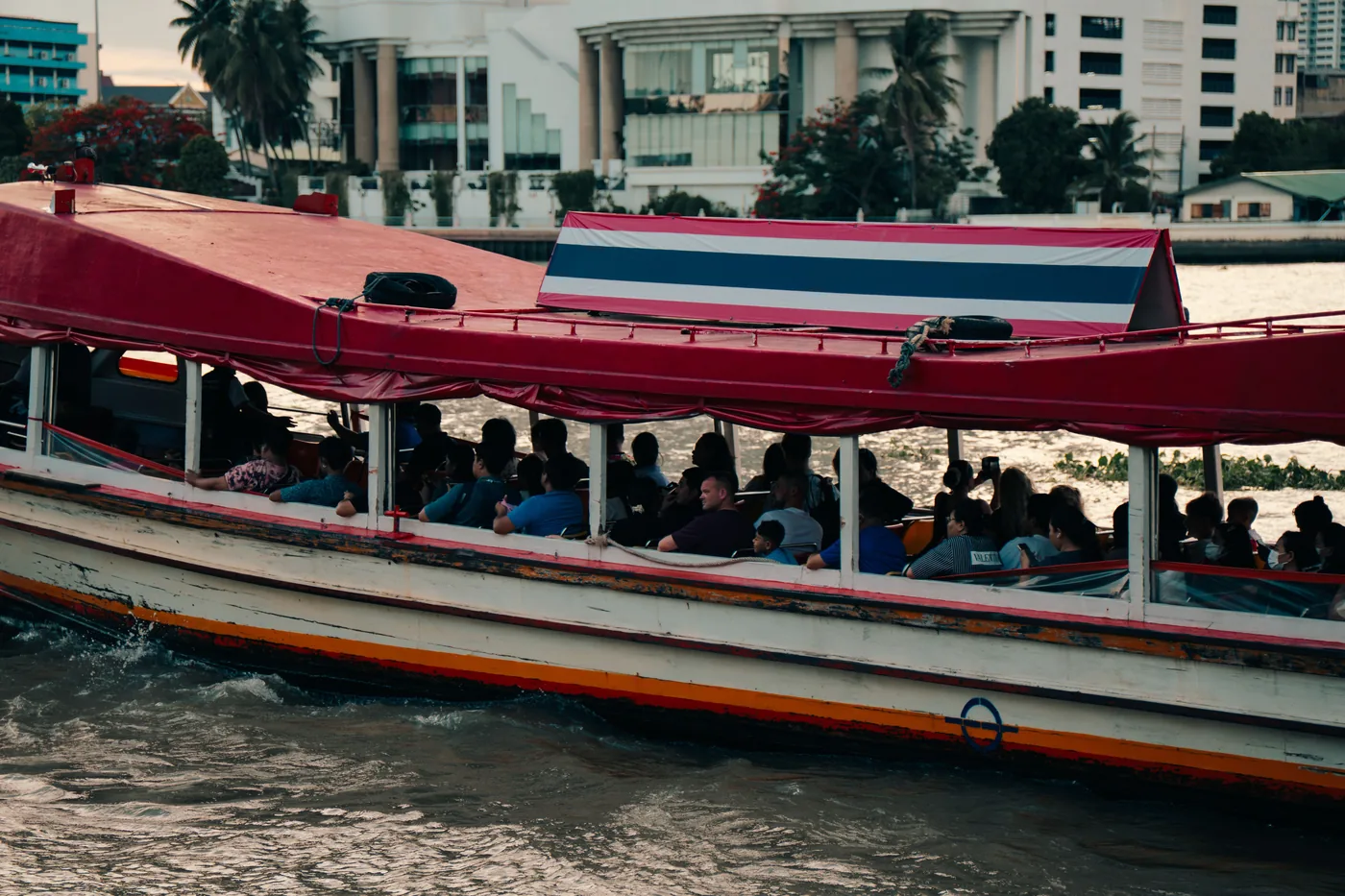
The Chao Phraya Express Boat is the easiest way to get your bearings. It’s a public river bus that hops between piers on both banks, passing temples, old warehouses and glittering hotels along the way.
Ride it for a stretch in the late afternoon, when the light softens and the river gets busy with ferries and longtail boats. It’s also a far nicer way to cross the city than sitting in Bangkok traffic.
Street Food In Chinatown
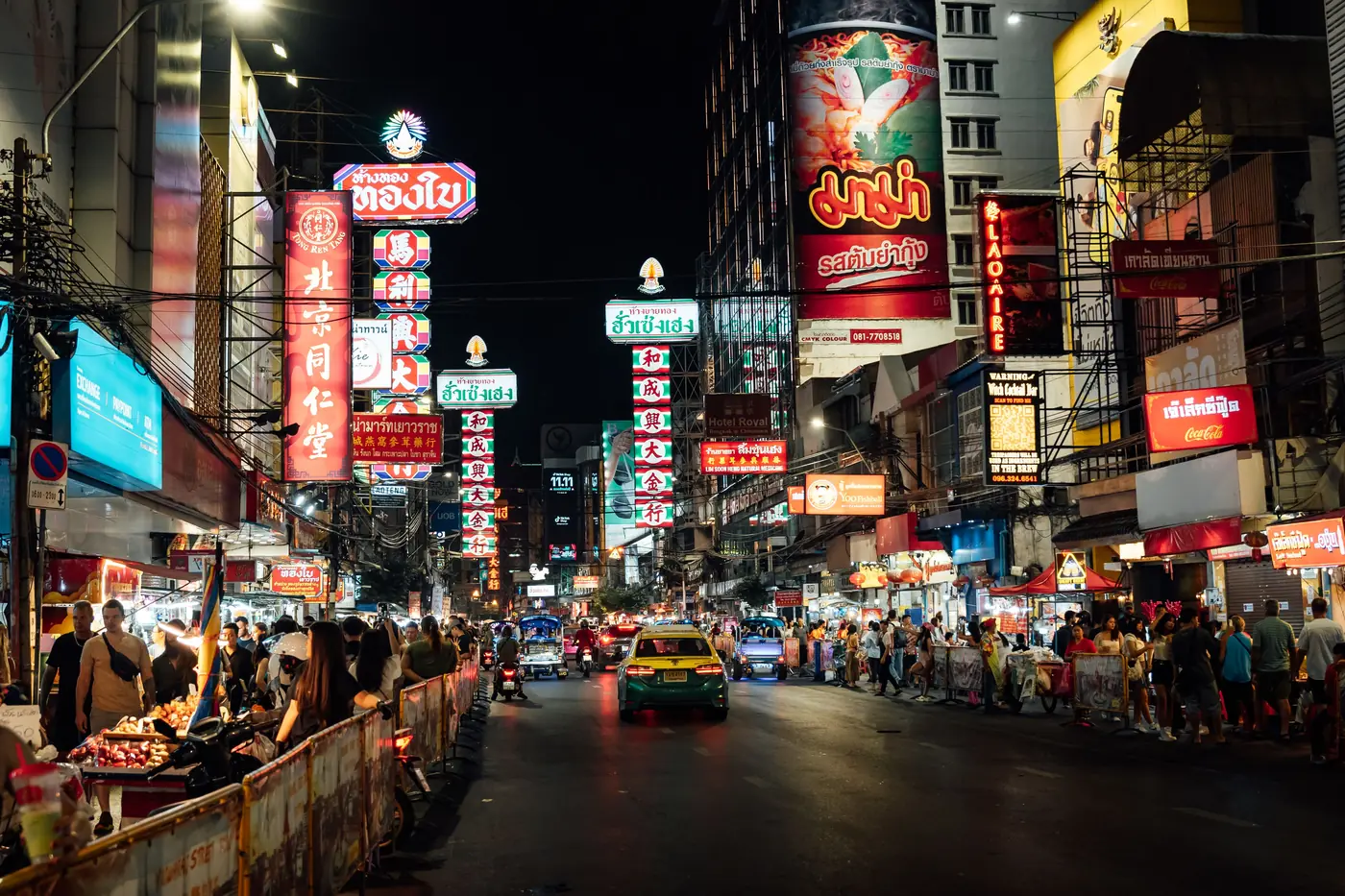
After dark, head to Yaowarat Road in Chinatown. The street fills with food stalls under a wall of neon signs, and it’s one of the best places in the city to eat your way through a first night in Thailand.
Go hungry and share small plates so you can try more. Noodles, grilled seafood, dumplings and mango sticky rice are all easy to find, and following the longest queue is rarely a bad idea.
Day 2: Bangkok’s Big Temples
Today is the classic Bangkok temple day, and all three stops sit close together near the river. Start early, since the Grand Palace gets crowded and hot by late morning, and its last entry is in the middle of the afternoon.
Dress for it before you leave the hotel. Shoulders and knees need to be covered at all three, and the Grand Palace is especially strict.
The Grand Palace And The Emerald Buddha
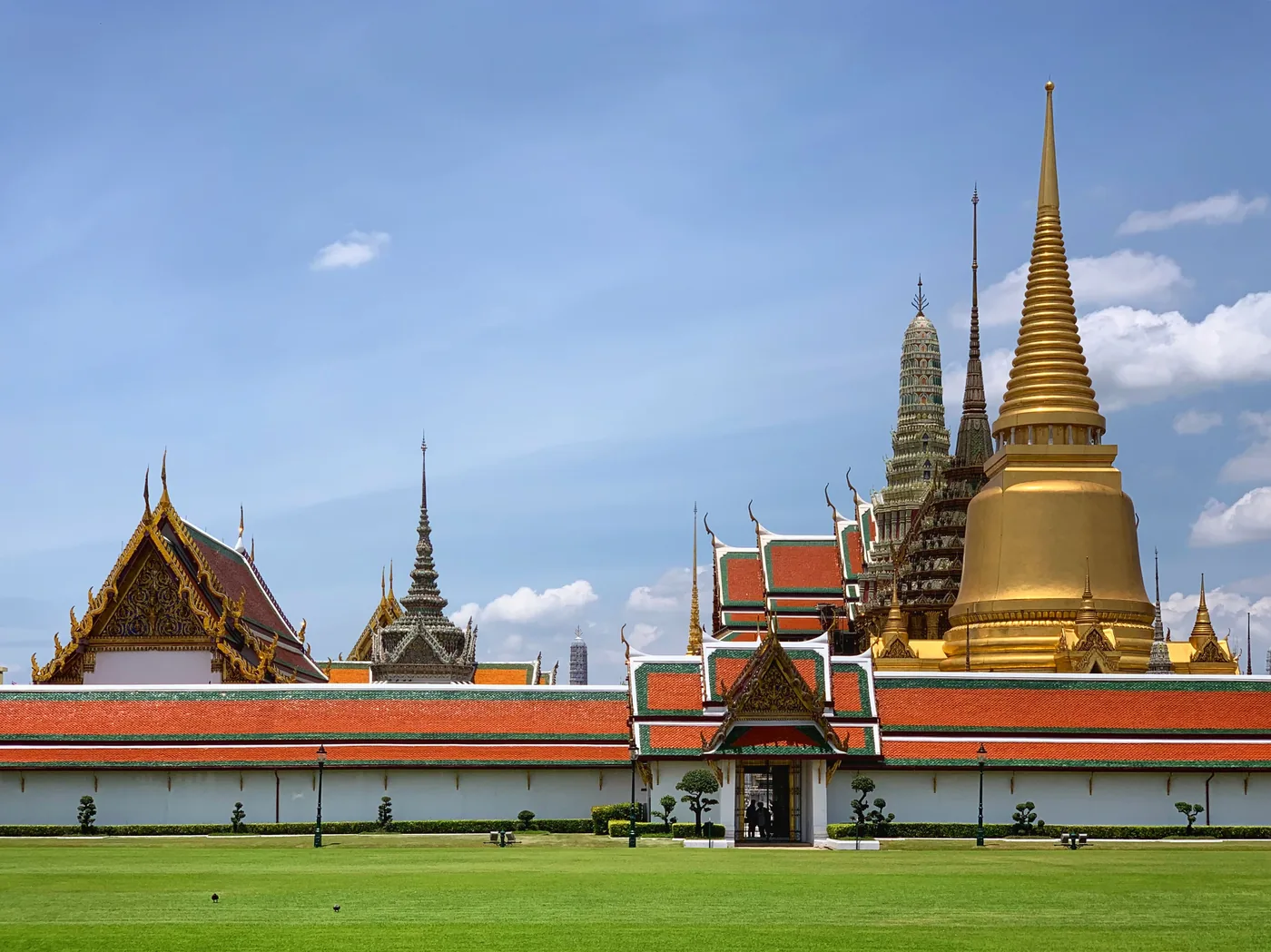
The Grand Palace was the home of Thailand’s kings for generations, and it’s a dazzling complex of gold spires, mirrored tiles and painted walls. Inside the grounds is Wat Phra Kaew, the Temple of the Emerald Buddha, which holds the most sacred Buddha image in the country.
The Emerald Buddha itself is small, carved from jade and dressed in seasonal robes. Allow a couple of hours to walk the whole complex, and don’t rush the cloisters, where long murals tell the story of the Ramakien, Thailand’s version of an ancient Indian epic.
Wat Pho And The Reclining Buddha
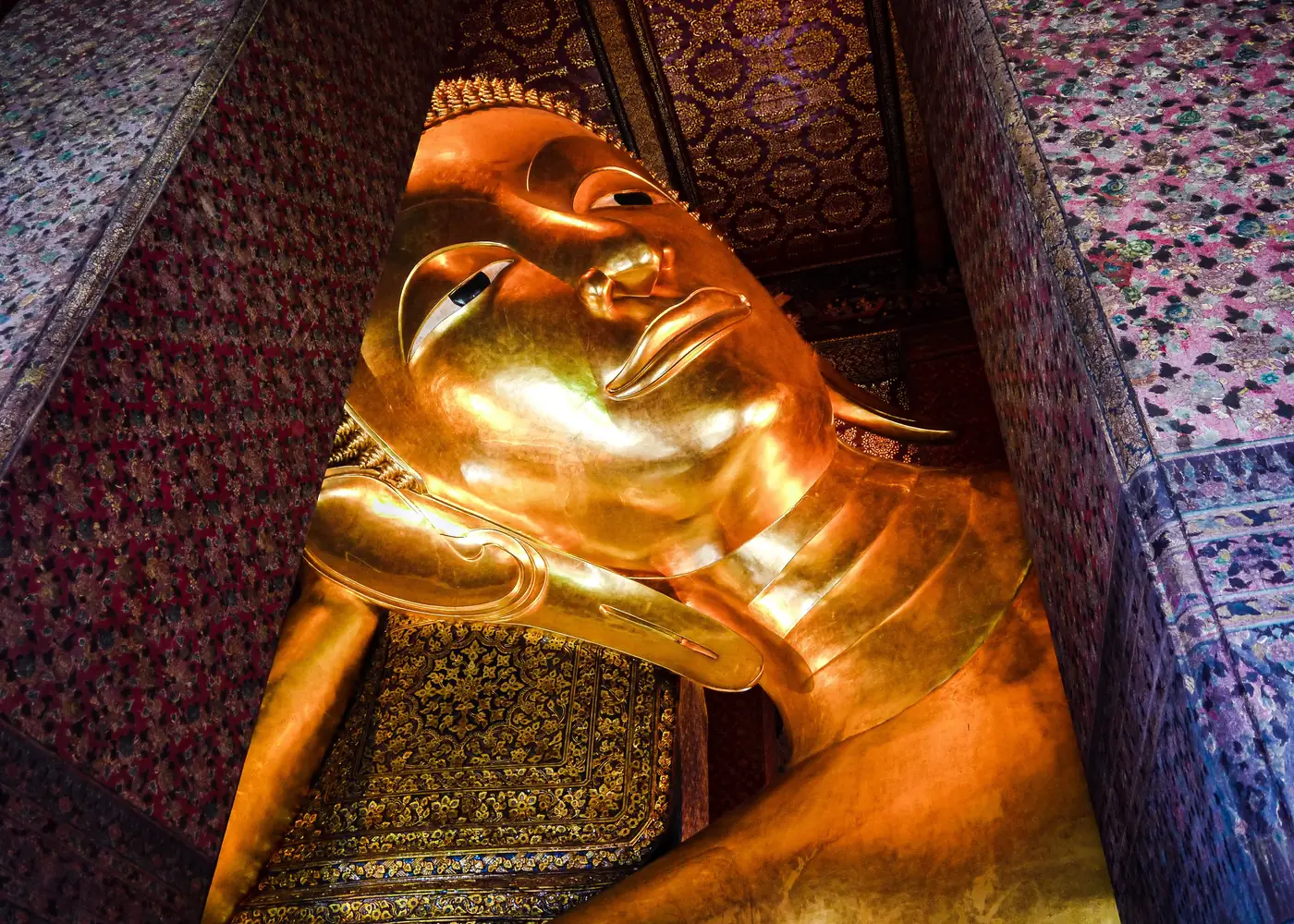
A short walk south, Wat Pho is home to the famous reclining Buddha, a gold covered figure so long it barely fits inside its hall. The soles of its feet are inlaid with mother of pearl in delicate patterns.
The rest of the temple grounds are quieter than the palace and full of colorful tiled chedis. Wat Pho is also home to one of Thailand’s best known traditional massage schools, and a massage here is a very good way to rest your legs halfway through the day.
Wat Arun At Sunset
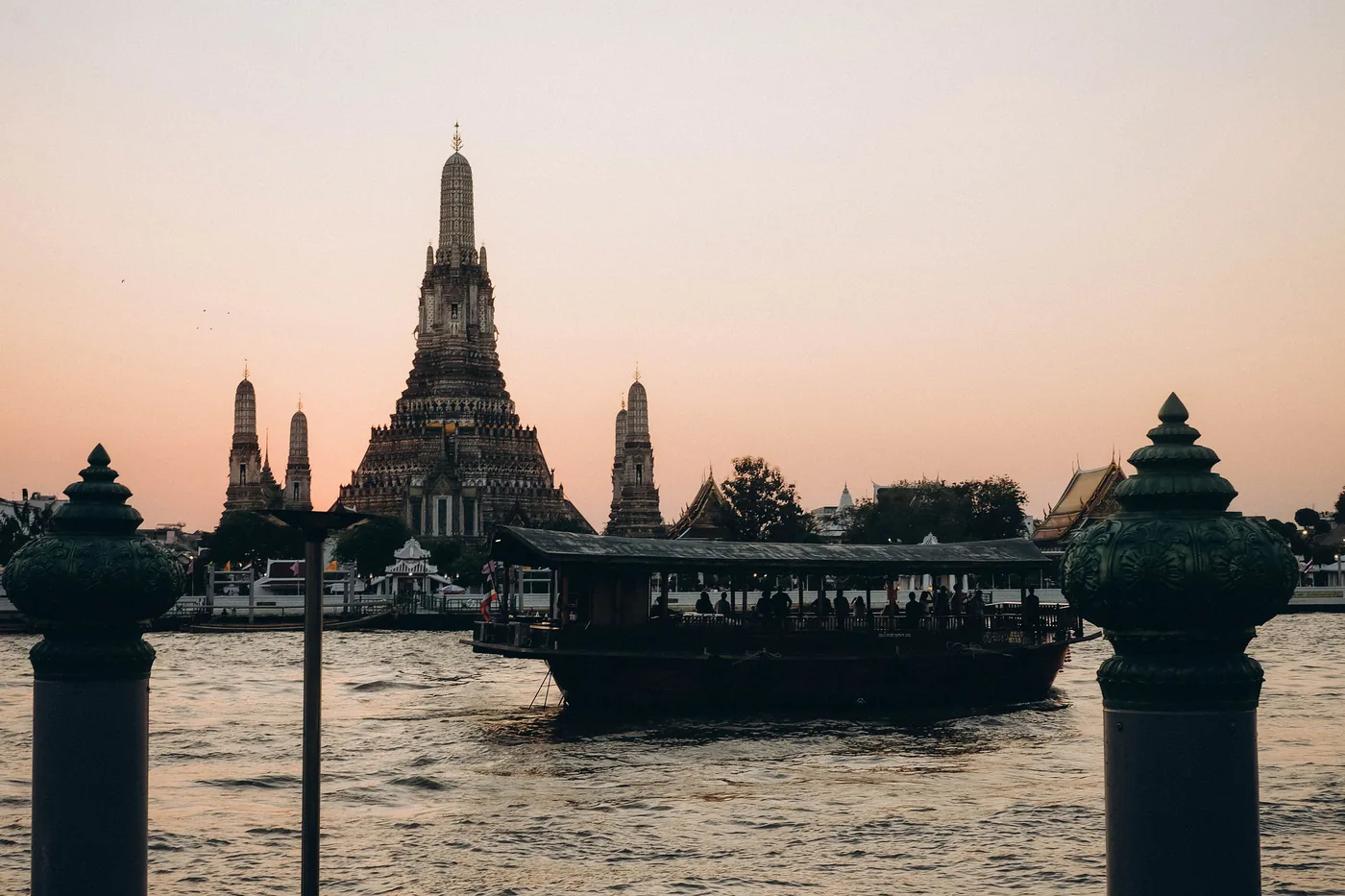
From the pier near Wat Pho, a tiny ferry crosses the river to Wat Arun, the Temple of Dawn. Its tall central spire is covered in pieces of porcelain and colored glass that catch the light up close.
Visit in the afternoon, then cross back over and find a riverside spot for sunset. Watching Wat Arun light up against the evening sky is one of the best views in Bangkok.
Day 3: A Day Trip To Ayutthaya
Ayutthaya sits north of Bangkok and was the capital of the kingdom of Siam for around four hundred years, until an invading Burmese army burned it in 1767. What’s left today is a field of brick temples and toppled Buddhas spread across an island in the river.
You can get there by train or minivan, or book a day tour that handles the transport for you.
Cycling Between The Ruins
The historic park is a UNESCO World Heritage Site, and the ruins are spread out enough that renting a bike is the easiest way to see them. Pedal between temples at your own pace and stop wherever looks interesting.
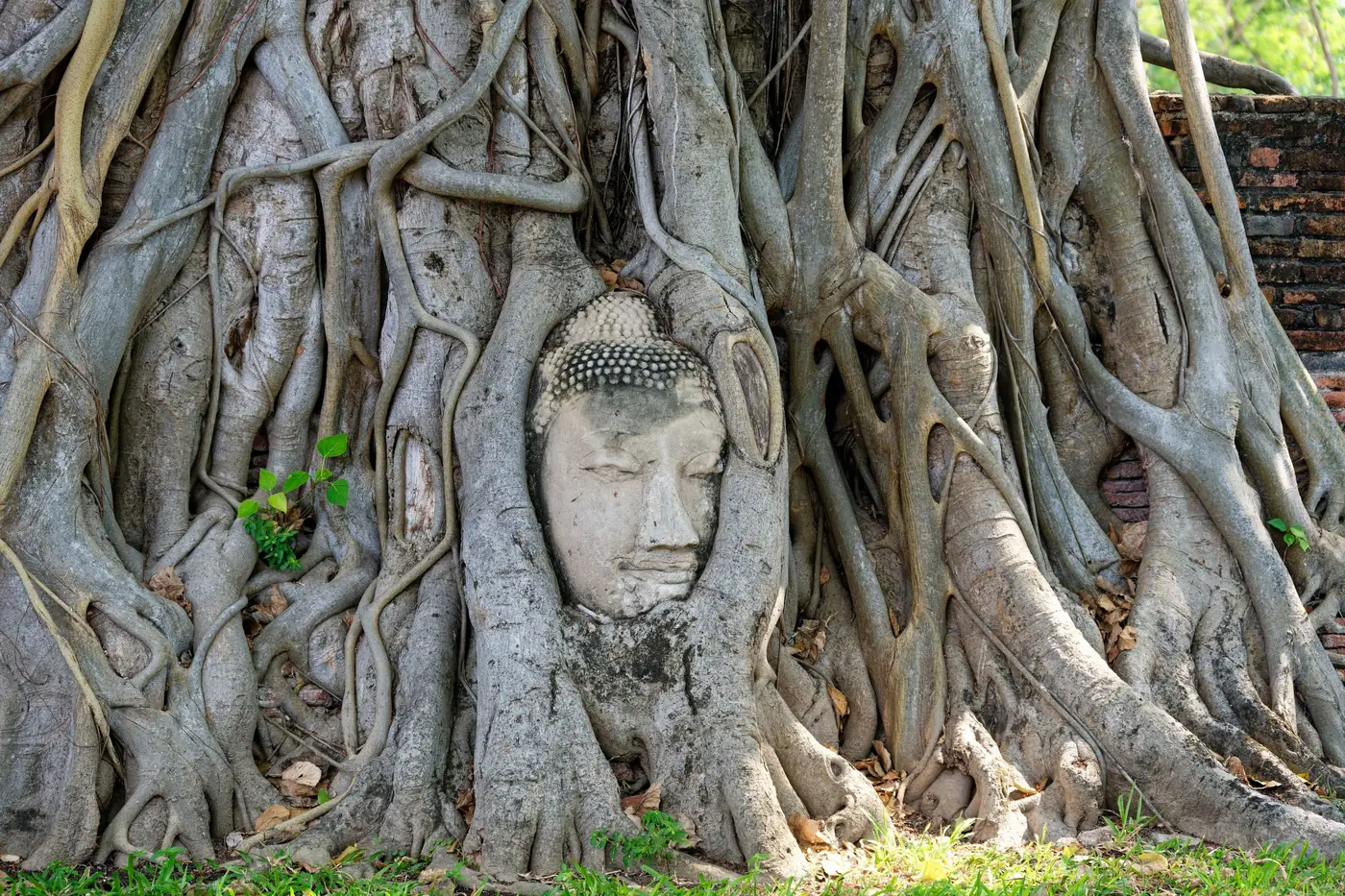
Don’t miss Wat Mahathat, where a stone Buddha head sits wrapped in the roots of a tree. It’s one of the most photographed sights in Thailand. Remember to crouch down for your photo so you’re never standing higher than the Buddha’s head.
Back In Bangkok: A Rooftop Or A Weekend Market
Spend your last Bangkok evening up high. The city has some famous rooftop bars, and seeing the lights stretch out to the horizon is a good reminder of just how huge the place is.
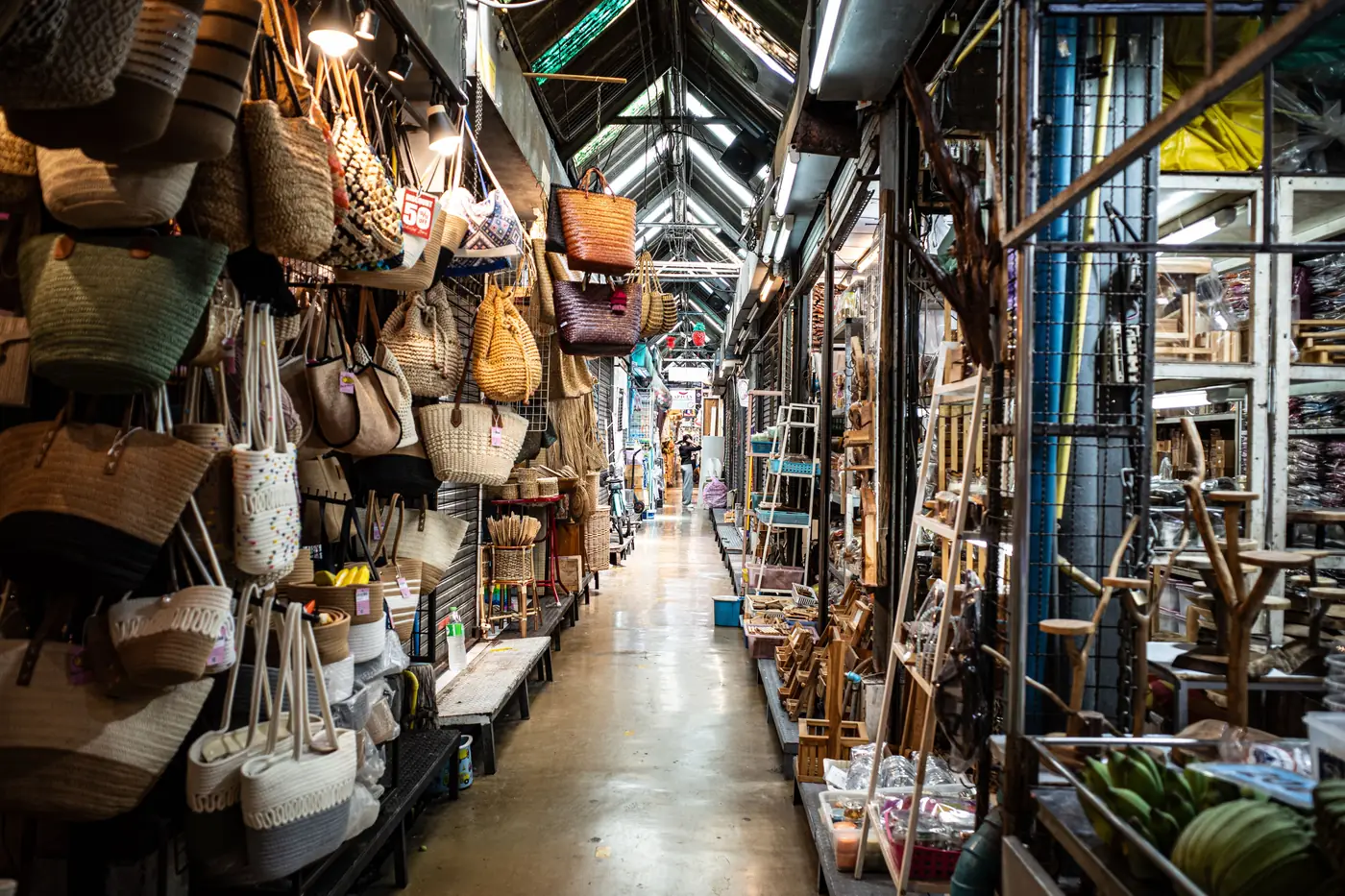
If your trip lines up with a weekend, swap a day’s plans around and give a few hours to Chatuchak Weekend Market instead. It’s one of the biggest markets in the world, with thousands of stalls selling everything from clothes to houseplants.
Day 4: Fly North To Chiang Mai
Take a morning flight to Chiang Mai. After Bangkok, the change is immediate. The city is smaller, greener and calmer, with mountains on the horizon and a temple on what feels like every other block.
Most of what you’ll want to see on the first afternoon is inside the Old City, a square of streets ringed by a moat and the remains of old brick walls.
The Old City Temples
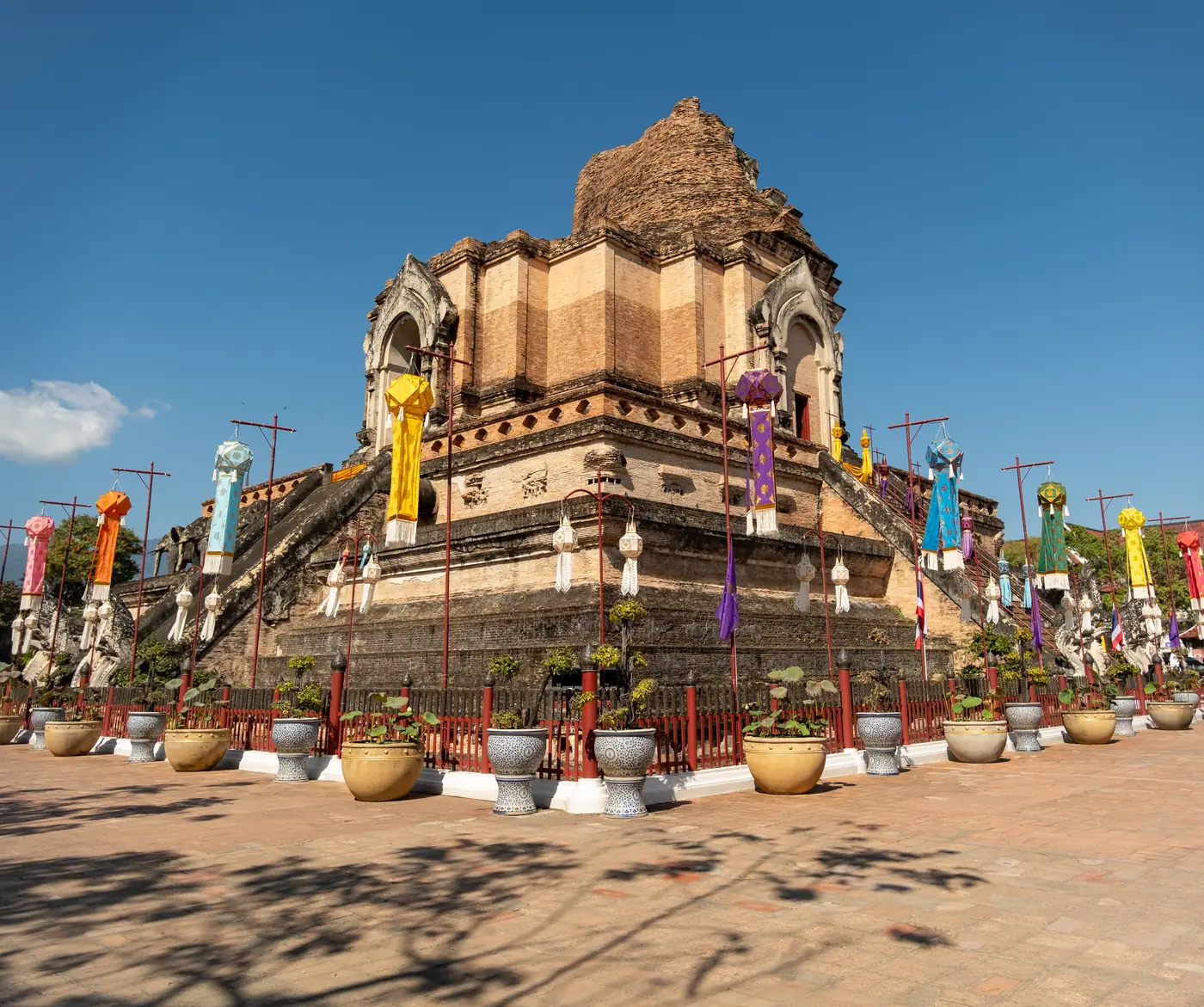
Start at Wat Phra Singh, one of the most important temples in the north, with graceful old wooden halls. Then walk to Wat Chedi Luang, where a giant brick chedi stands partly ruined after an earthquake centuries ago. It’s still huge, and it’s especially lovely in the late afternoon light.
Some temples in Chiang Mai hold informal monk chats, where you can sit down with a monk and ask about daily life and Buddhism. It’s a friendly, easy way to learn a lot in an hour.
The Night Market
In the evening, head to the Night Bazaar just east of the Old City. It runs every night and is packed with stalls selling handicrafts, clothes and souvenirs, with food courts tucked in between.
Try khao soi while you’re in the north. It’s a curry noodle soup topped with crispy noodles, and it’s the dish Chiang Mai is famous for.
Day 5: Elephants And Doi Suthep
Today mixes the most popular experience in the north with its most famous temple. Book the morning activity ahead, since good sanctuaries limit numbers.
Bring something with sleeves for the afternoon. You’ll need it at the temple, and it gets cooler up the mountain.
A Morning At An Elephant Sanctuary
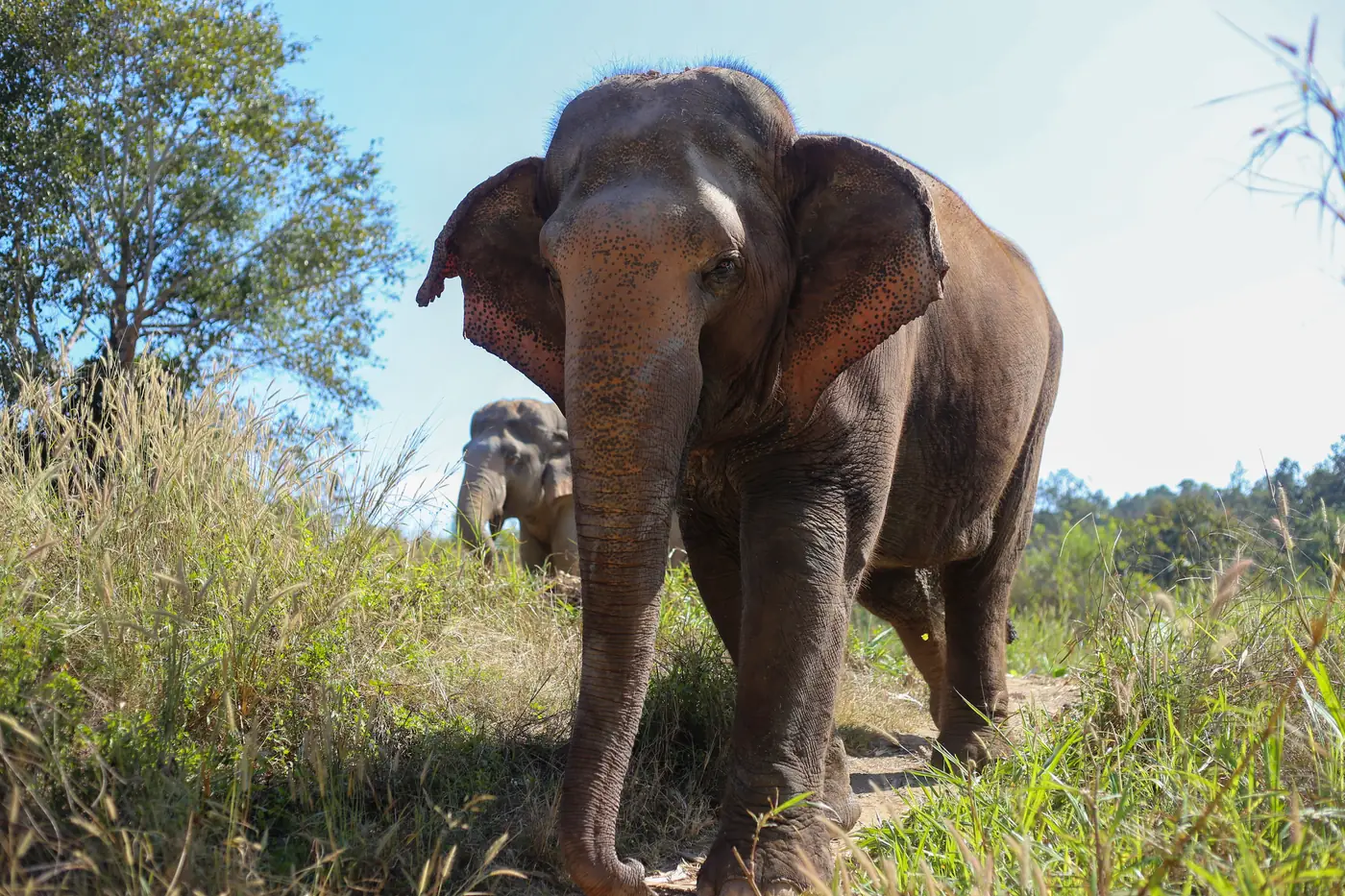
Seeing elephants up close is on a lot of Thailand wish lists, and the area around Chiang Mai has dozens of places to do it. Choose carefully. Look for a sanctuary where you watch the elephants walk, graze and socialize on their own terms, with no riding, no bathing and no shows. Animal welfare groups recommend places where you watch from a distance rather than touch.
Read recent reviews and the sanctuary’s own description before you book. The best visits feel less like an activity and more like quietly watching animals live their lives, which is exactly the point.
Doi Suthep At Sunset
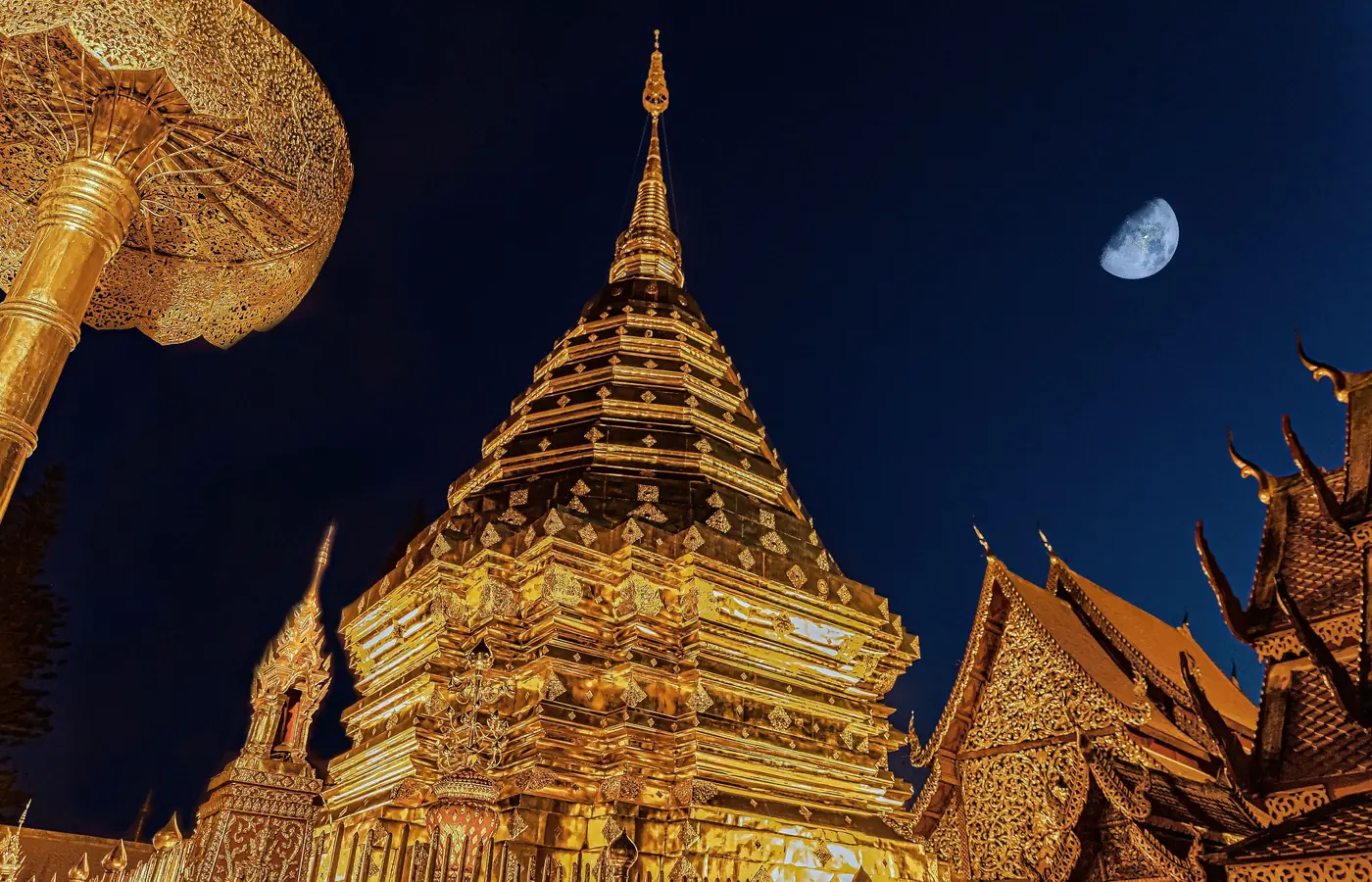
Wat Phra That Doi Suthep sits on the mountain just west of the city, and it’s Chiang Mai’s most famous temple. A long staircase lined with dragon like naga serpents climbs up to it, though there’s also a small cable car if your legs need a break.
At the top, a golden chedi shines in the middle of the courtyard, and the terrace looks out over the whole city. Time it for the late afternoon so you can watch the sun set over Chiang Mai.
Day 6: A Slower Day In Chiang Mai
After five busy days, keep this one easy. A morning cooking class and an afternoon of cafes is about the right pace.
If today happens to be a Sunday, save some energy for the evening. Chiang Mai’s biggest street market only happens once a week.
A Thai Cooking Class
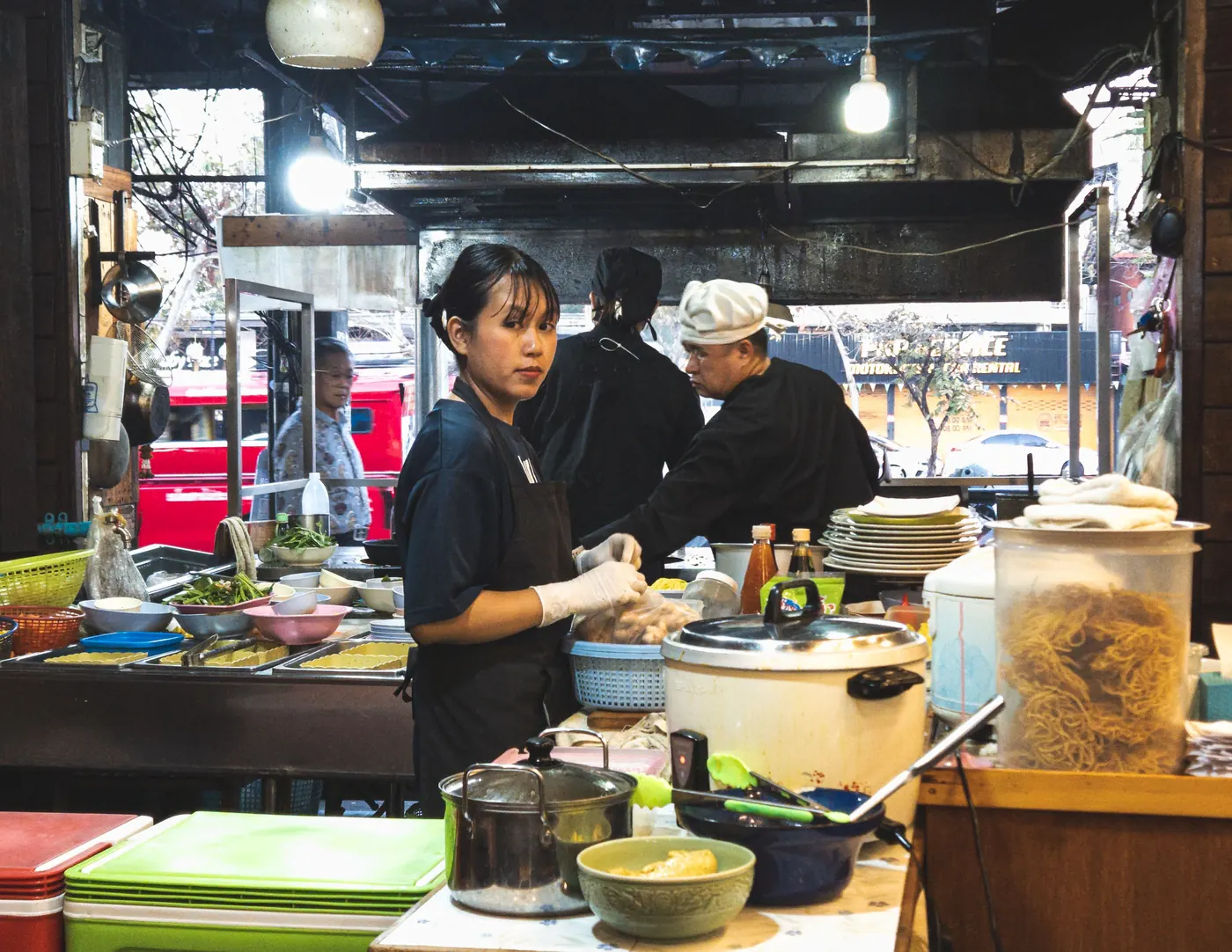
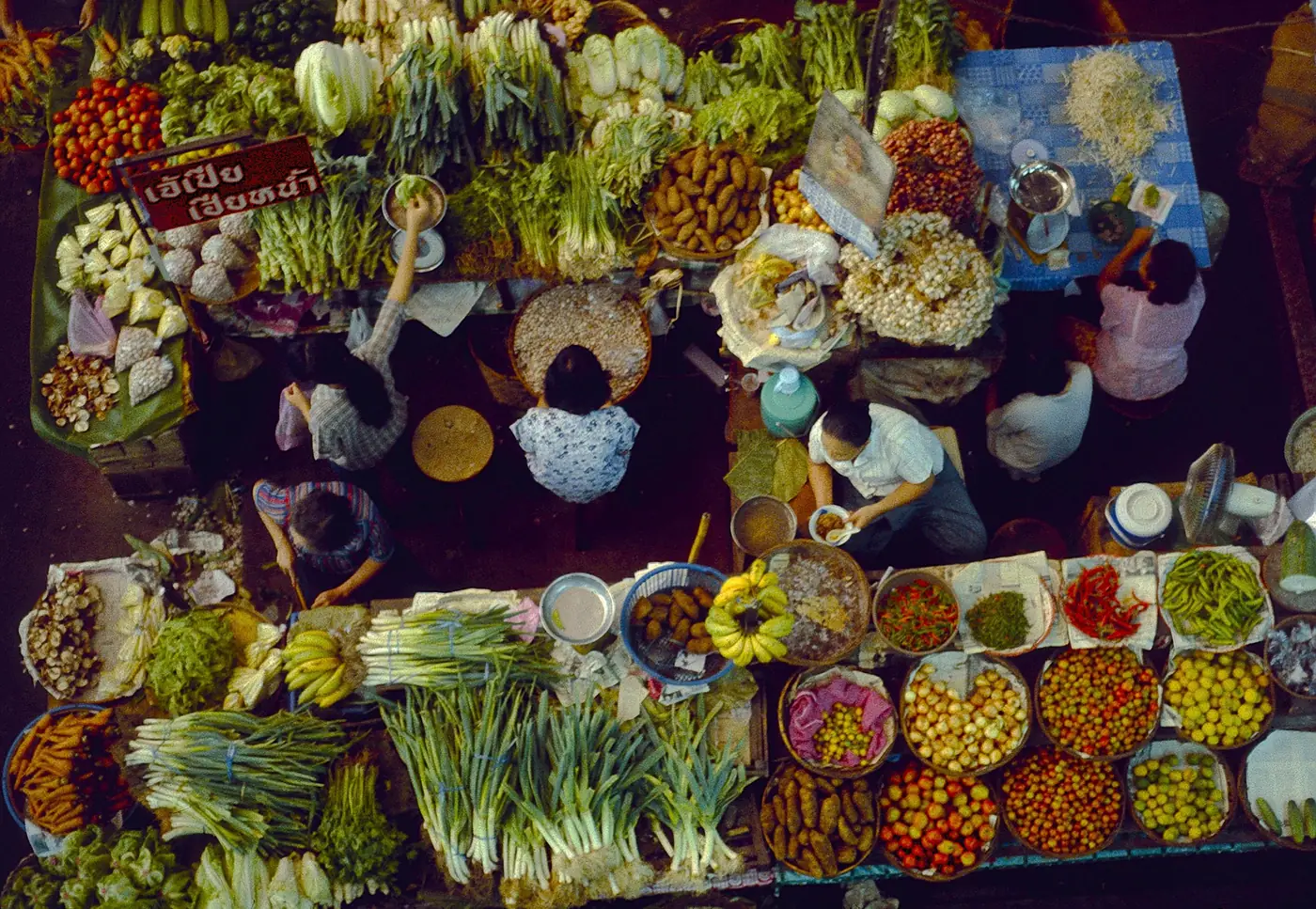
Chiang Mai is one of the best places in the country to take a cooking class. Many start with a walk through a local market to pick up ingredients, then move to an open air kitchen where you cook several dishes yourself.
Expect to make a curry paste from scratch, a stir fry and a soup, then sit down and eat the lot. Most classes send you home with a recipe book, which is a souvenir you’ll actually use.
Nimman Or The Sunday Walking Street
In the afternoon, head to Nimman, a neighborhood near the university packed with coffee shops, small boutiques and easygoing restaurants. It’s the modern side of Chiang Mai and a nice break from temples.
On a Sunday, finish the day at the Sunday Walking Street, which takes over the main road through the Old City. It’s crowded, cheap and full of handmade goods and street food, and it’s one of the best markets in Thailand.
Day 7: Fly To Krabi And Hit The Beach
Fly from Chiang Mai to Krabi and swap the mountains for the sea. The Andaman coast here is famous for its limestone cliffs rising straight out of turquoise water.
Base yourself in Ao Nang, the main beach town. It’s the easiest place to catch boats to the islands and to Railay, and it’s full of places to eat.
Your First Sunset In Ao Nang
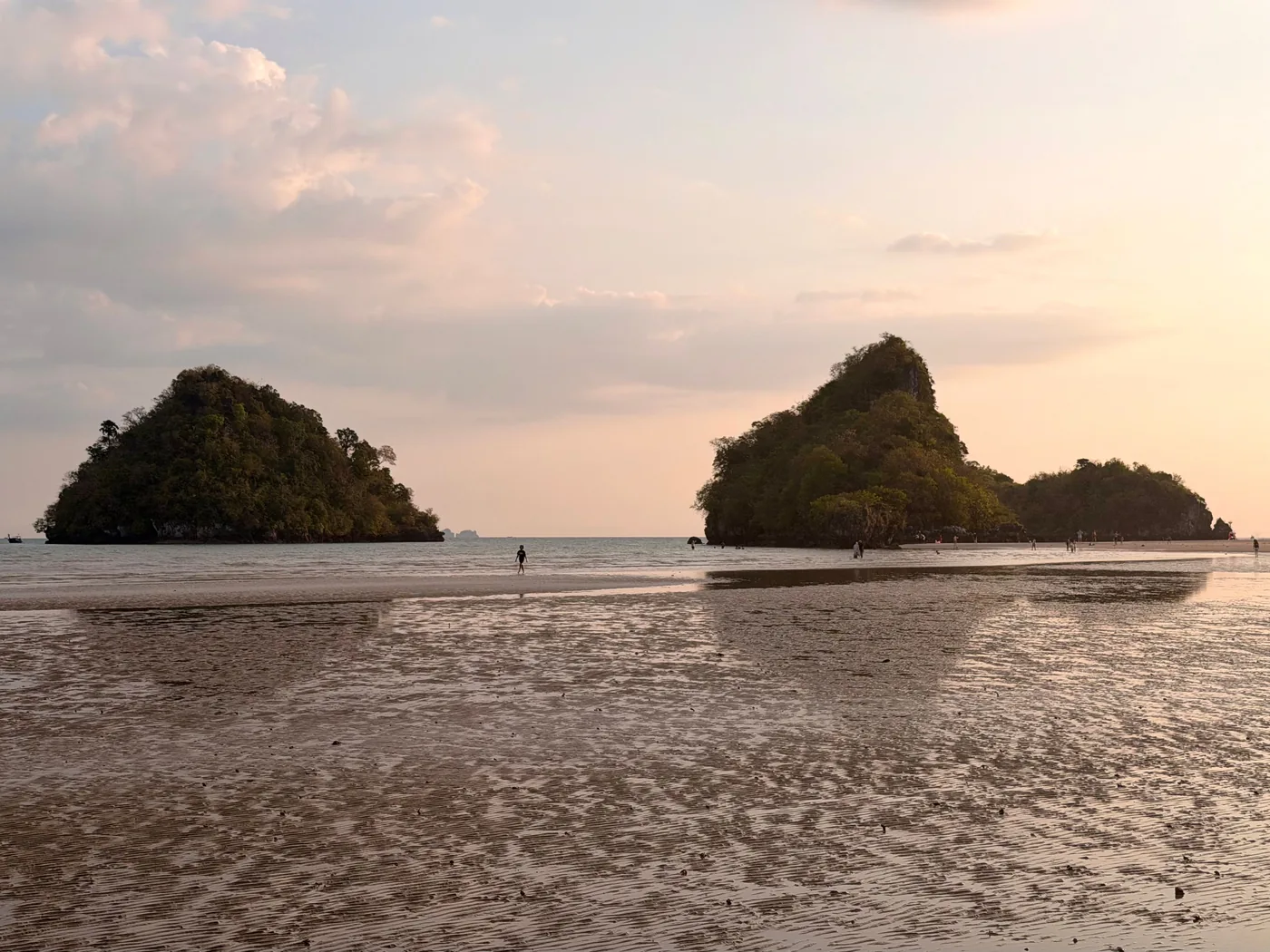
Once you’ve checked in, walk down to the beach. Ao Nang faces west, so sunsets drop right over the water and the limestone islands just offshore.
Grab a table at a beachfront restaurant, order a fresh fruit shake and let the pace of the last week fall away. You’ve earned an easy evening.
Day 8: Island Hopping
Today is for the islands. Longtail boats and speedboats leave from Ao Nang every morning, and most tours return by mid afternoon.
Pick one of the two options below. Bring sunscreen, water shoes and a dry bag for your phone.
A Longtail Tour Of The Nearby Islands
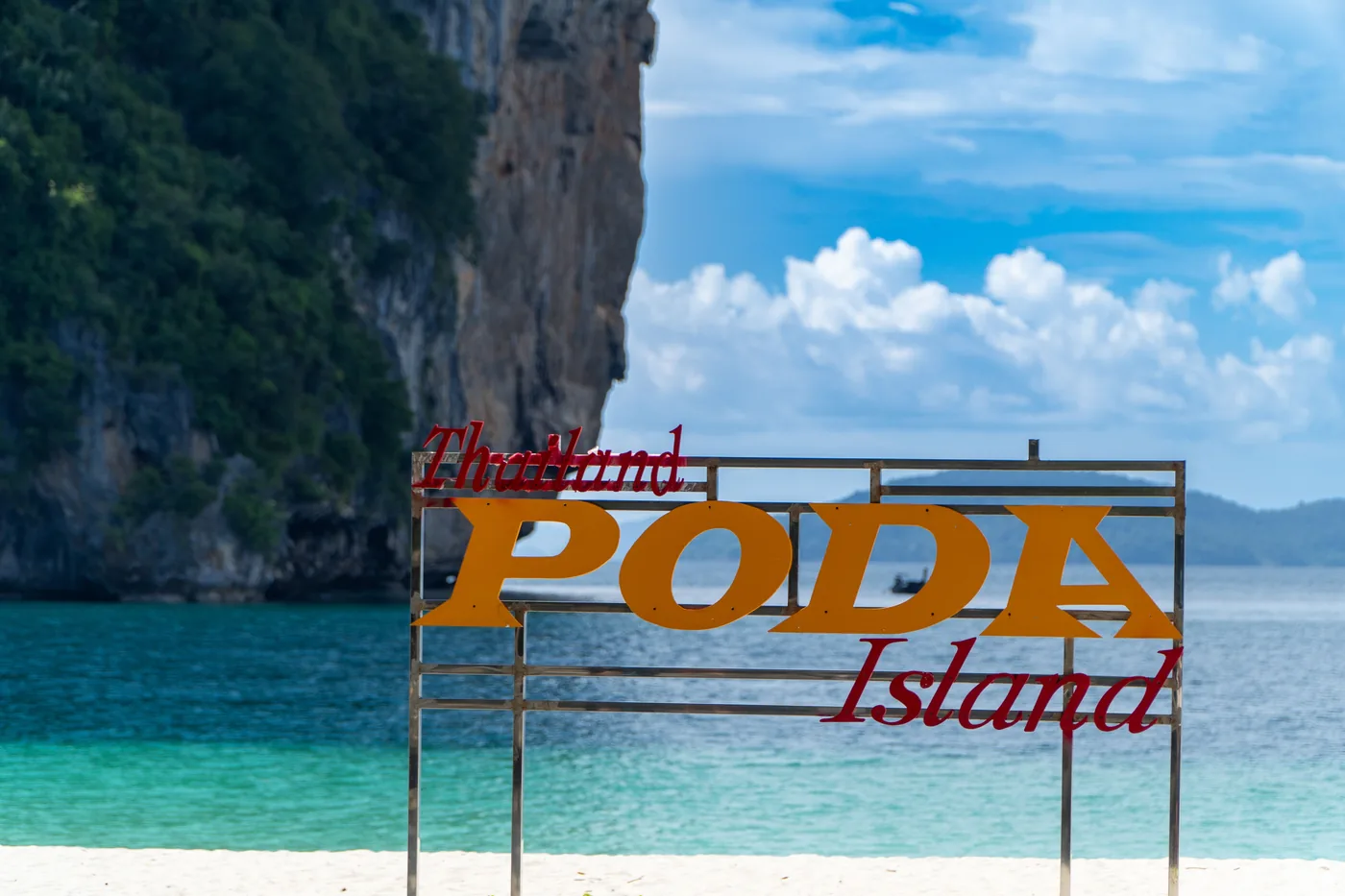
The classic option is a longtail tour of the islands just off the coast. A typical loop includes Koh Poda’s white sand beach, Chicken Island with its oddly shaped rock, and a sandbar that appears at low tide and links two small islands together.
It’s an easy, relaxed day with plenty of time for swimming and snorkeling, and the boats are short hops rather than long rides. If you’d like something a little different, the Hong Islands tour heads to a lagoon surrounded by sheer cliffs.
Or A Day Trip To Phi Phi
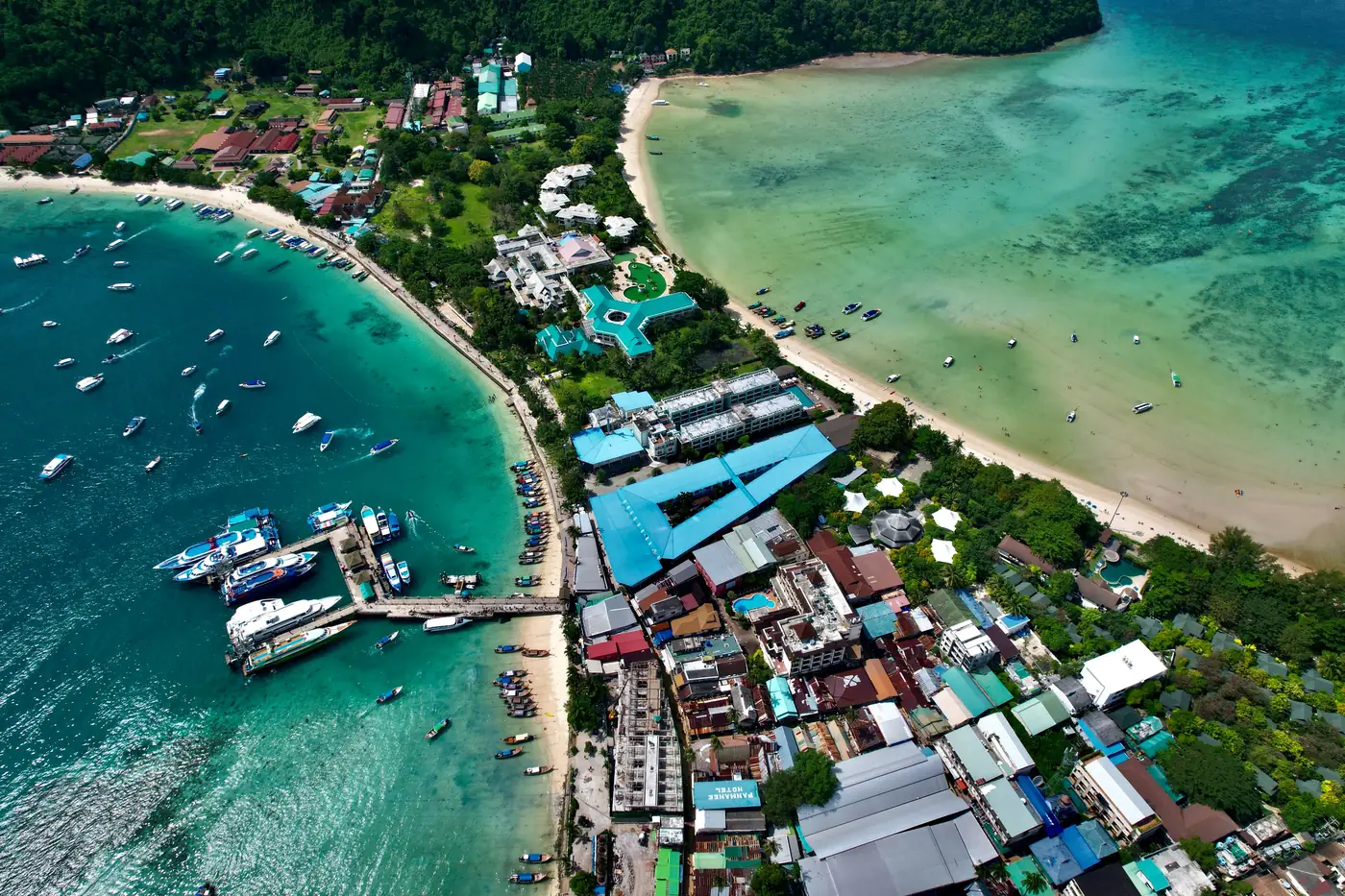
The Phi Phi Islands are farther out, but they’re the most famous islands in Thailand for a reason. Towering cliffs drop into impossibly clear water, and the boat trip there is part of the fun.
Maya Bay, the beach from the film The Beach, now has rules to protect it, including closing for a couple of months each year to let the bay recover, and swimming in the bay isn’t allowed. Check whether it’s open before you book a tour that promises it.
Day 9: Railay
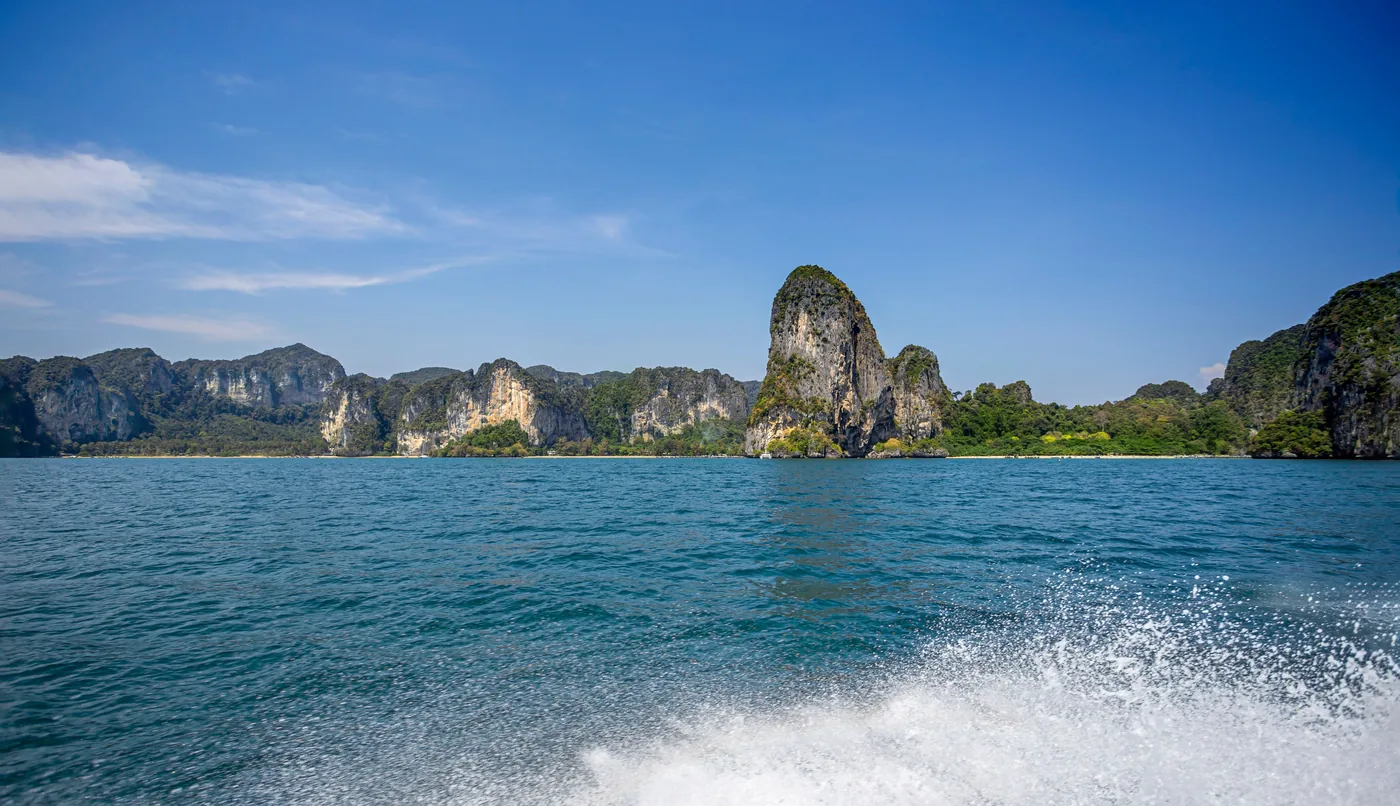
Railay is a small peninsula next to Ao Nang, and towering limestone cliffs cut it off from the mainland, so the only way in is by boat. A longtail from Ao Nang beach gets you there in just a few minutes.
It’s the most beautiful spot on this whole Thailand itinerary, so give it a full day.
Phra Nang Cave Beach
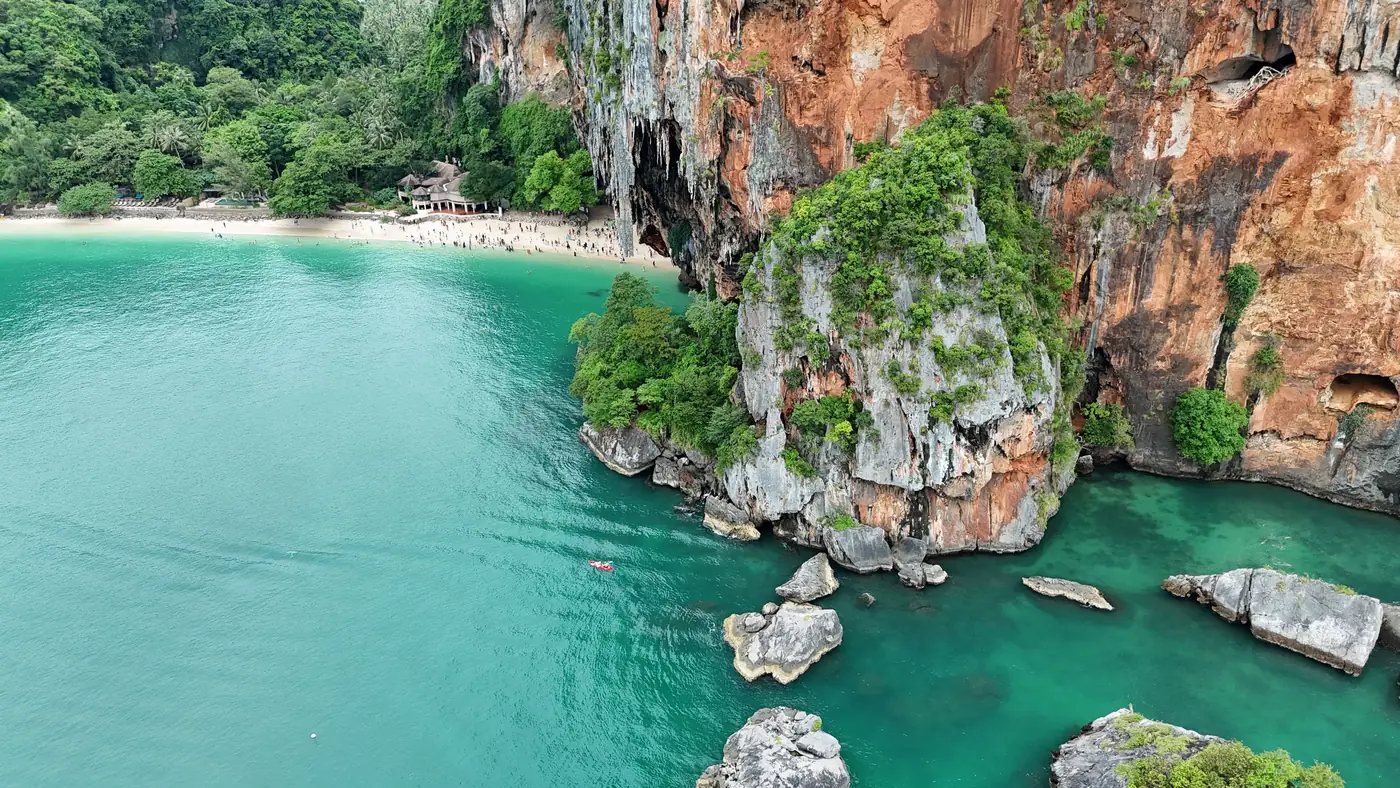
From Railay, walk along the base of the cliffs to Phra Nang Cave Beach, one of the prettiest beaches in Thailand. Soft white sand curves under overhanging rock, and small islands sit just offshore.
At one end, a cave holds a shrine to a sea princess, filled with offerings left by local fishermen. It’s a surprising, slightly quirky sight, and it’s worth a look.
The Railay Viewpoint Hike
If you’re up for a scramble, a short but very steep trail climbs from the path between the beaches to a viewpoint over the whole peninsula. Parts of it involve hauling yourself up on ropes over muddy rock.
Wear proper shoes, not flip flops, and skip it after heavy rain. The view from the top is the reward, and Railay is also one of the best rock climbing spots in the world if you’d like to try it with a guide.
Day 10: Fly Home Via Bangkok
Most people head home through Bangkok, so book a morning flight from Krabi to Bangkok with a comfortable gap before your international departure.
If your flight leaves late, enjoy one last swim and a slow breakfast by the sea before you head to the airport.
Where To Stay On A 10 Day Thailand Itinerary
In Bangkok, stay along the river or near a Skytrain station. The riverside puts you close to the temples, while the Sukhumvit area has more restaurants and nightlife and quick train access across the city.
In Chiang Mai, stay in or near the Old City so you can walk to the temples and markets. Nimman is a good pick if you’d rather be surrounded by cafes.
On the Krabi coast, Ao Nang is the easiest base, with the most hotels and boats. Railay is quieter and more beautiful, but staying there means carrying your luggage on and off a longtail boat.
Getting Around Thailand
Getting around on this Thailand itinerary is straightforward. Book the two domestic flights ahead, since prices tend to climb close to the date.
In Bangkok, the Skytrain and subway beat traffic for most trips, and river boats are best for the temple area. Across the country, the Grab app works much like Uber for cars and motorbike taxis, and it saves haggling over fares.
Tuk tuks are fun for a short ride. Agree on the price before you get in.
What To Wear At The Temples
Temples are working religious sites, and a few simple rules go a long way. Cover your shoulders and knees, take your shoes off before entering any building, and never point your feet toward a Buddha image.
A light scarf or sarong in your day bag makes this easy, since you can throw it on over shorts or a tank top. Women should also avoid touching monks or handing things to them directly.
When To Go
November to February is the most comfortable time for this itinerary. It’s drier and a little cooler in Bangkok and Chiang Mai, and it lines up with the best beach weather on the Andaman coast around Krabi.
March to May is the hot season, and it really is hot. The beaches are still lovely, but plan temple visits for early morning. The rainy season usually brings heavy afternoon showers rather than all day rain, though seas around Krabi can get rough.
If you’re traveling in the middle of the year, swap Krabi for Koh Samui on the other side of the country. The Gulf islands follow a different weather pattern, with their wettest months late in the year instead.
If You Have More Time
Ten days covers the classic first trip, but Thailand has plenty more. With a few extra days, these are the best places to add.
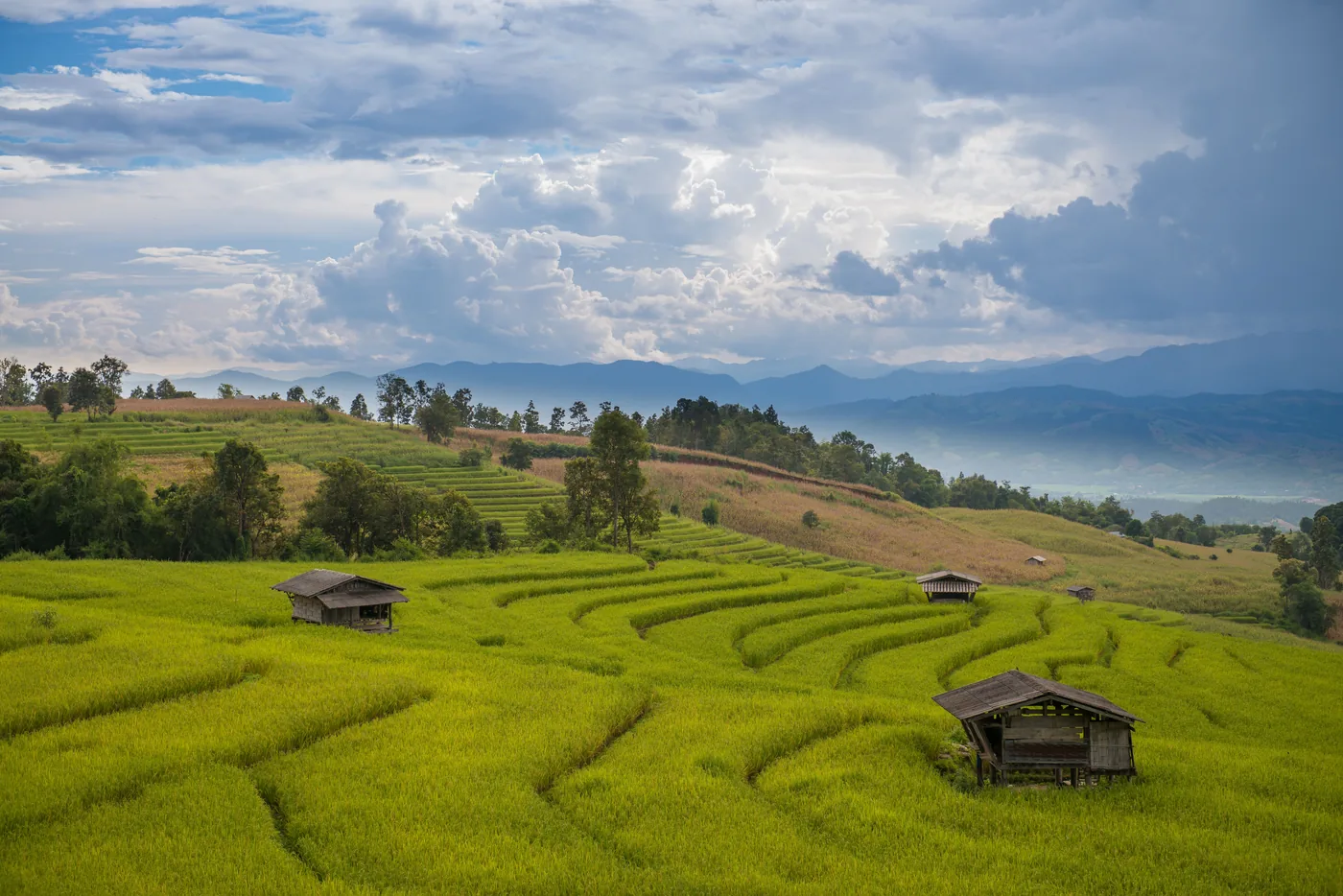
From Chiang Mai, Chiang Rai is home to the White Temple, a dazzling all white temple covered in mirrored glass. Pai is a laid back mountain town reached by a famously twisty road.
On the coast, Koh Lanta is a quieter island south of Krabi with long sandy beaches. And on the Gulf side, Koh Samui and its smaller neighbors make a great second beach stop if you’re traveling outside the Andaman’s best months.
Final Thoughts
Ten days in Thailand gives you a real taste of the country: the energy of Bangkok, the temples and food of the north, and a few lazy days on some of the most striking beaches in the world.
Book the flights early, pack for temples as well as beaches, and leave a little room to wander. Do that, and this 10 day Thailand itinerary will have you planning a second trip before the first one is over.