 Rebecca Engel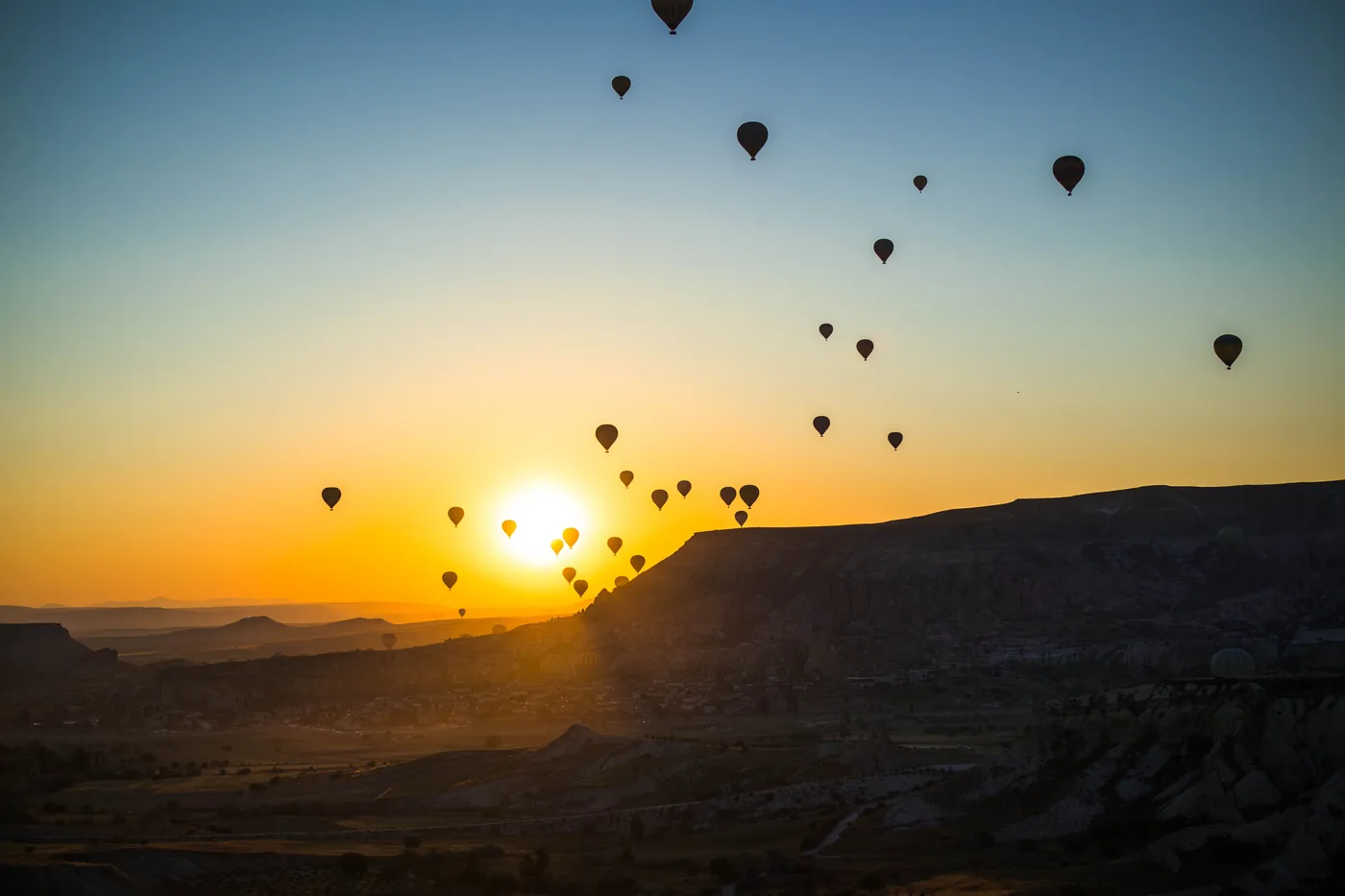
Some places are famous for a reason. You’ve seen them in photos your whole life, and standing in front of them still feels completely different from anything a picture can show.
This travel bucket list rounds up 29 legendary places across six continents, grouped by region from the Americas to Australia. Each one comes with the best time to go and how long to plan for, so it’s easy to start turning the list into real trips.
1. Chichén Itzá, Mexico
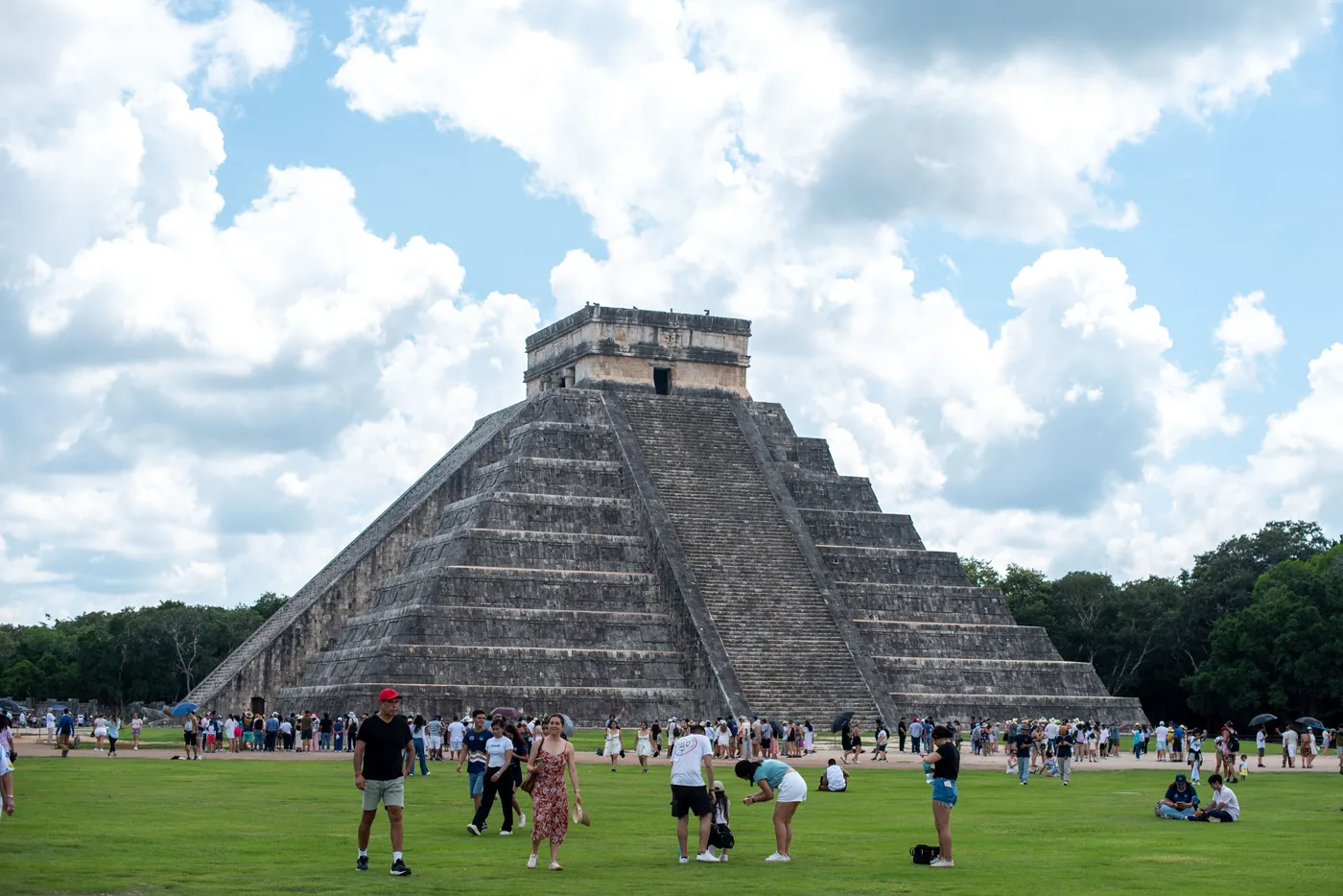
Chichén Itzá was one of the great cities of the Maya, and its giant stepped pyramid, El Castillo, is one of the New Seven Wonders of the World. Around the spring and fall equinoxes, the late afternoon sun casts a shadow down the steps that looks like a serpent sliding to the ground.
Climbing the pyramid isn’t allowed anymore, but the ball court, the Temple of the Warriors and the sacred cenote are all worth the walk. Get there when it opens to beat the heat and the tour buses from Cancún, about two and a half hours away.
The best time to go is November to March, when it’s drier and cooler. Plan on a full day, and cool off afterward with a swim in one of the cenotes nearby.
2. Machu Picchu, Peru
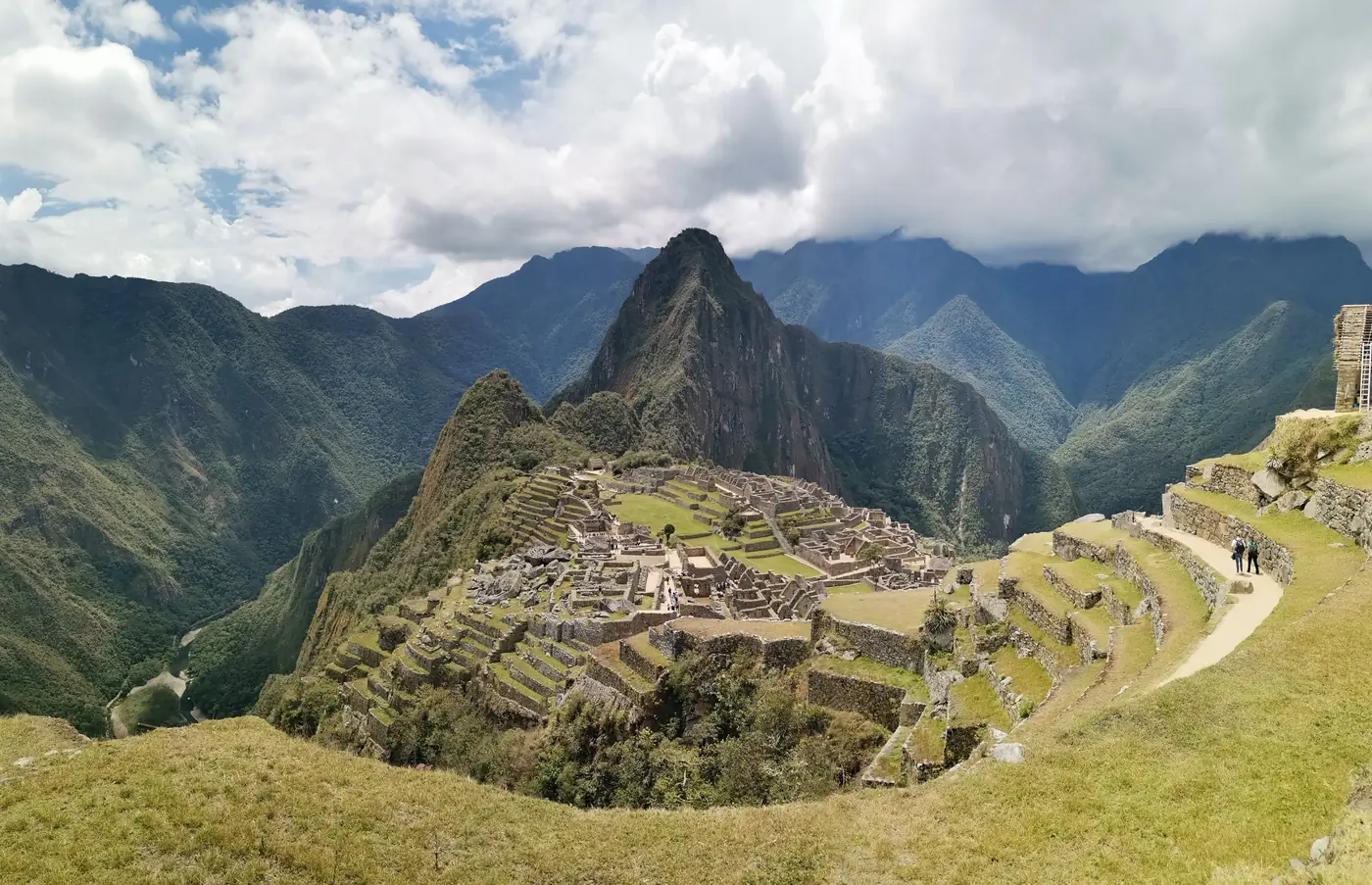
The Inca built Machu Picchu high on a mountain ridge in the 1400s, and the outside world barely knew about it until the early 1900s. Seeing the stone terraces with Huayna Picchu rising behind them is the kind of moment people plan whole trips around.
Entry is by timed ticket, with a set route through the site and a daily limit on visitors, so book weeks ahead for the busy months. Most people take the train from Cusco or Ollantaytambo to Aguas Calientes and the bus up, while the classic Inca Trail takes four days on foot and closes every February for upkeep.
The best time to go is the dry season from May to September, or April and October for fewer crowds. Plan on three or four days including Cusco and the Sacred Valley, which also gives you time to get used to the altitude.
3. The Galápagos Islands, Ecuador
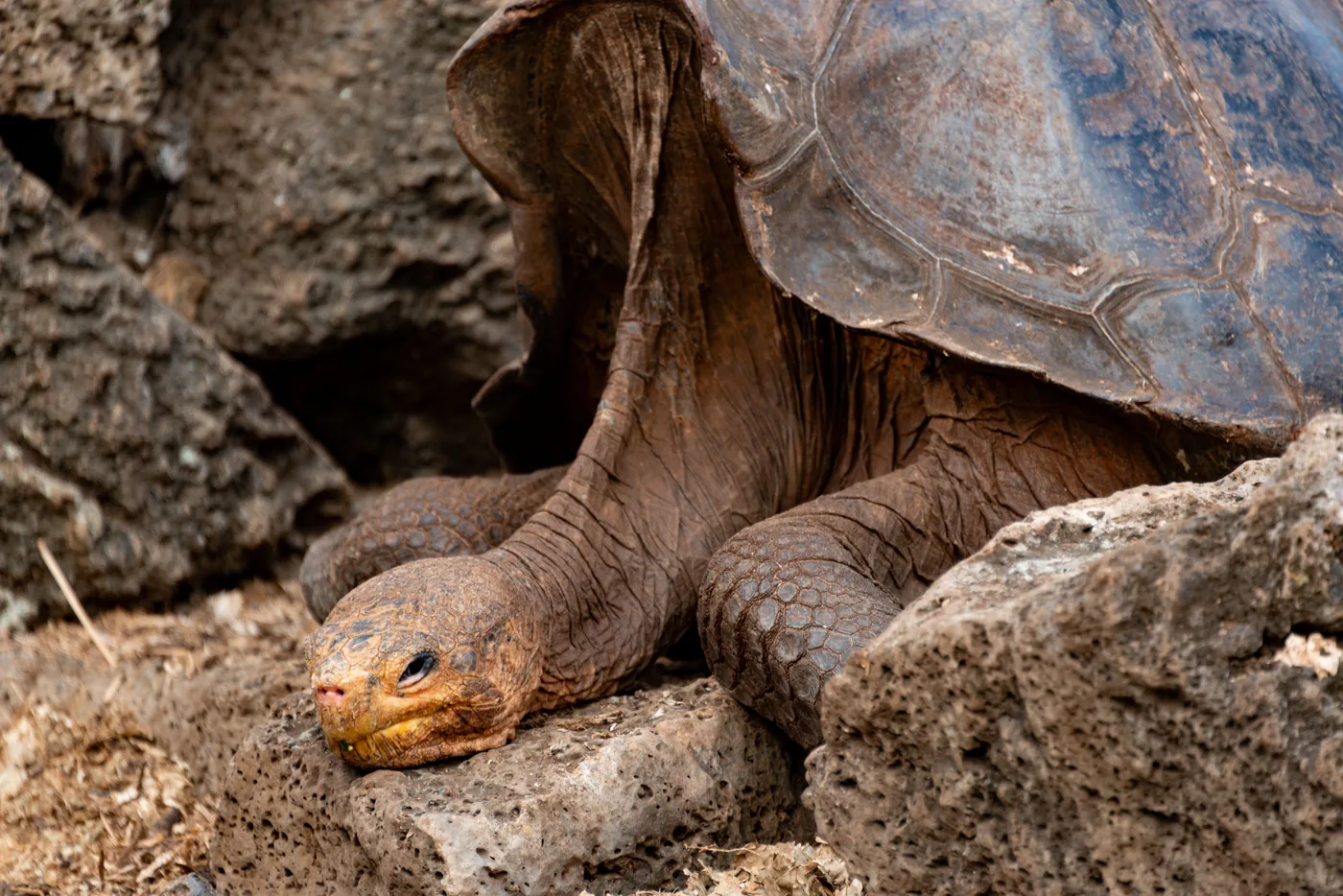
The Galápagos sit about 600 miles off the coast of Ecuador, and the wildlife here has almost no fear of people. You’ll walk past sea lions napping on benches, marine iguanas sunning on black rocks and blue footed boobies doing their funny little dance.
These are the islands that helped shape Charles Darwin’s ideas about evolution. Visitors pay a park entrance fee and a transit card fee, and most of the protected sites can only be visited with a certified naturalist guide, either on a cruise or on day trips from the inhabited islands.
The Galápagos are good all year. December to May brings warmer water and calmer seas, while June to November is cooler with more marine life. Plan on at least a week.
4. Salar De Uyuni, Bolivia
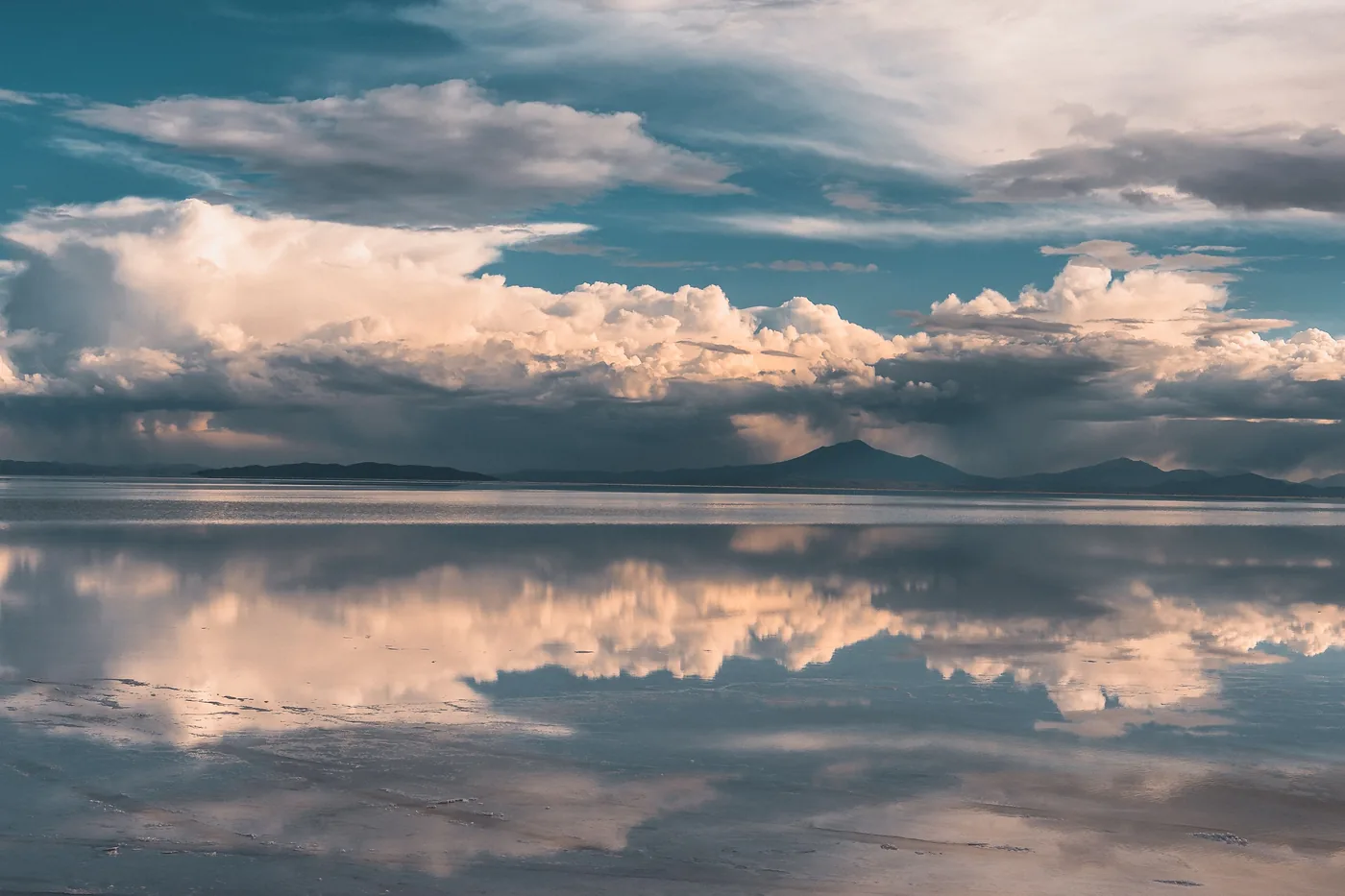
Salar de Uyuni is the largest salt flat in the world, a blinding white plain that stretches to the horizon high in the Andes. It’s so flat and so empty that it plays tricks with your eyes, which is why everyone takes those funny perspective photos.
In the rainy season a thin layer of water turns the whole salt flat into a giant mirror that reflects the sky. That effect is most reliable from late December to March, though it depends on the rain each year.
Come in the dry season, from May to November, for the cracked hexagon patterns in the salt instead. Plan on a three day tour by jeep from the town of Uyuni, which also takes in red and green lagoons full of flamingos. Pack warm layers, since the nights are freezing.
5. Iguazu Falls, Argentina And Brazil
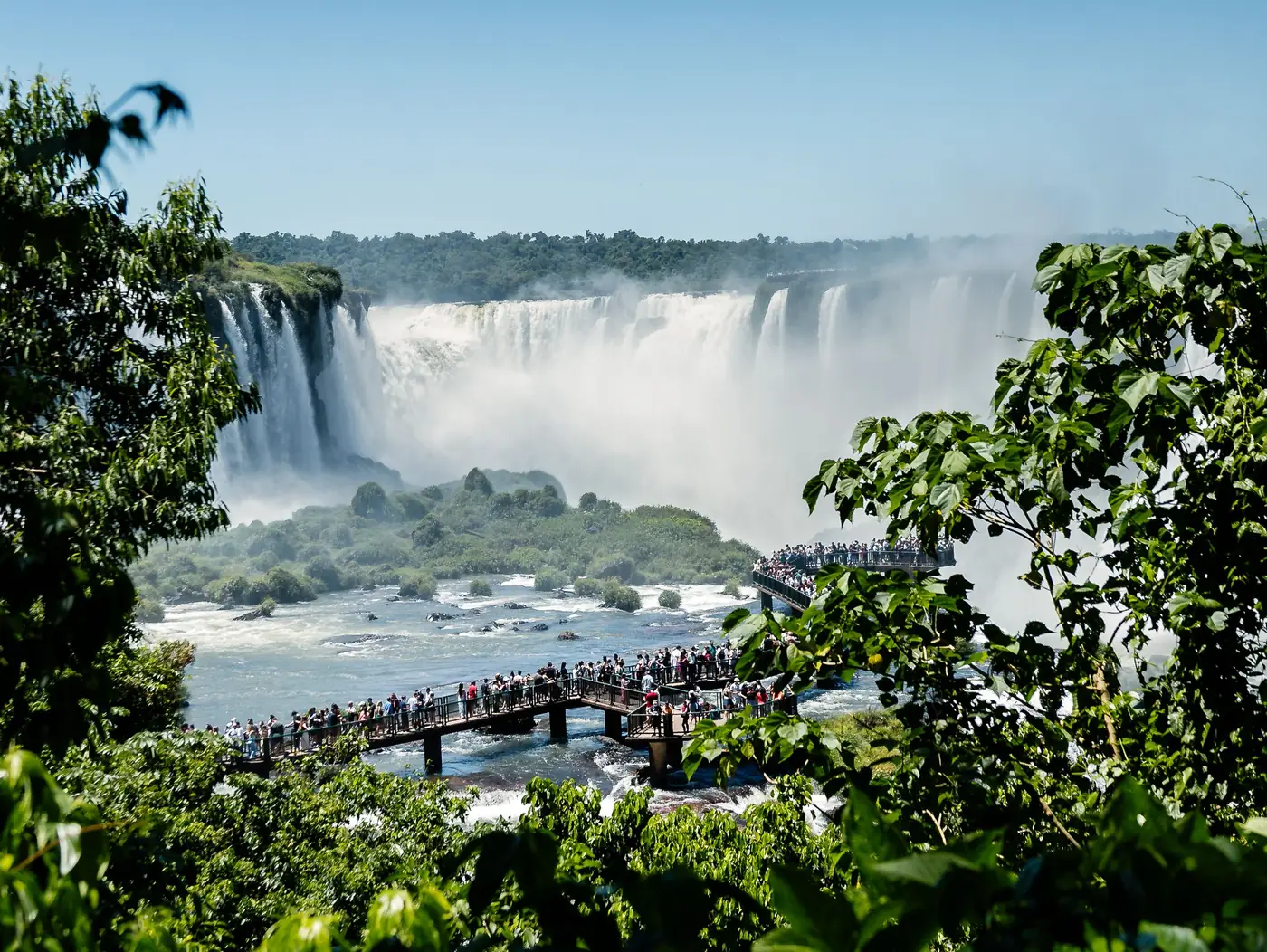
Iguazu Falls is a chain of around 275 waterfalls spread along the border of Argentina and Brazil, surrounded by rainforest. The biggest, the Devil’s Throat, is a horseshoe of roaring water so loud you’ll feel it in your chest.
Each country gives you a different view. The Argentine side has walkways that take you right up to the edge of the falls, while the Brazilian side has the wide panoramic views.
The best times to go are March to May and August to November, when the weather is milder than the hot, rainy summer. Plan on two days so you can see both sides.
6. Rio De Janeiro, Brazil
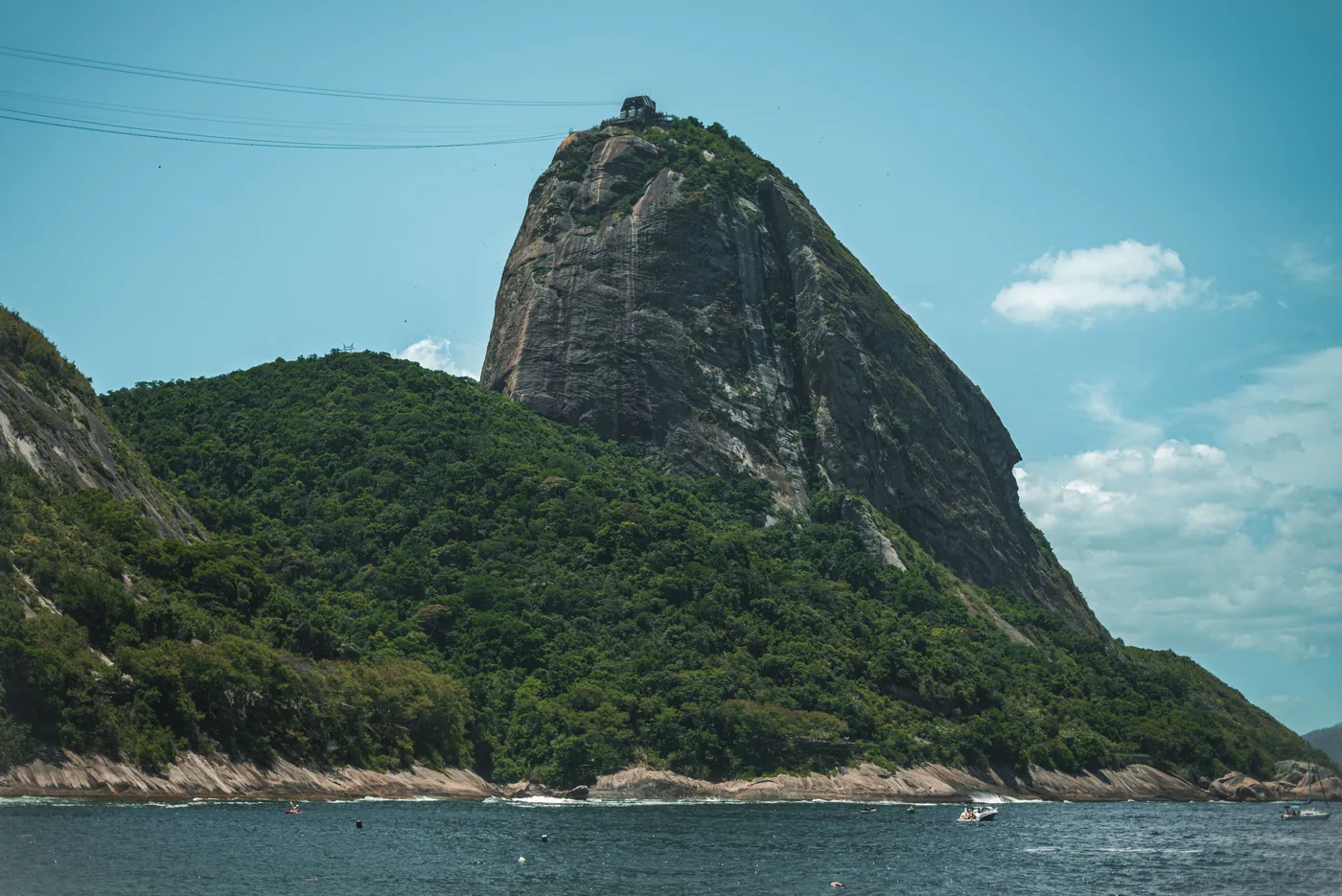
Rio de Janeiro might have the most dramatic setting of any big city on earth, squeezed between green mountains and long curving beaches. Christ the Redeemer watches over it all from the top of Corcovado, and the statue is one of the New Seven Wonders of the World.
Ride the cable car up Sugarloaf Mountain for sunset, then spend a day on Copacabana and Ipanema beaches. If you can time it right, Carnival in February or early March is one of the biggest parties anywhere.
The best time to go is the spring and fall shoulder seasons, from March to May and September to November. Plan on four or five days, stick to well known neighborhoods, and book tours through established operators.
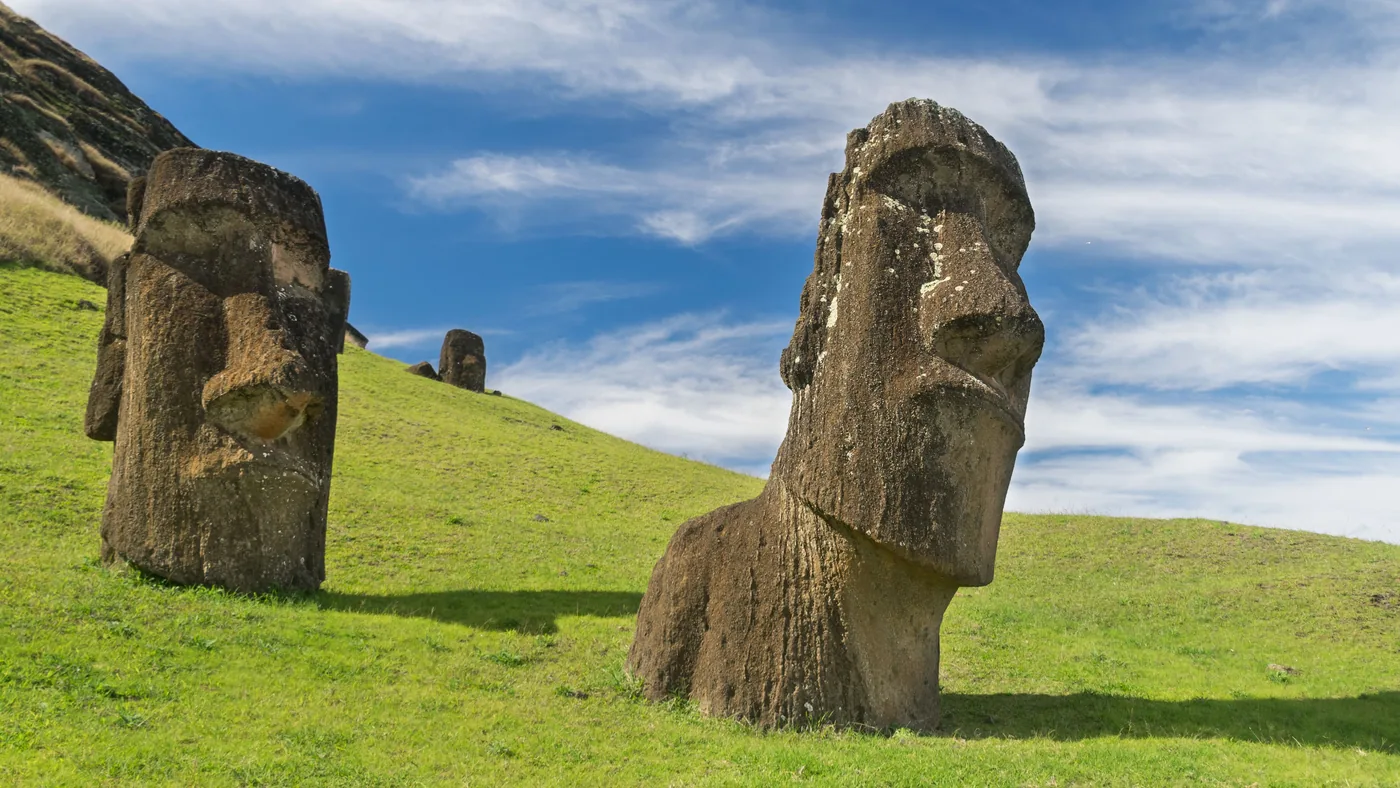
7. Easter Island, Chile
Easter Island, or Rapa Nui, is one of the most remote inhabited islands in the world, about five hours by plane from Santiago. It’s famous for its moai, the giant stone heads carved by the island’s early people, and there are close to a thousand of them.
Watch the sunrise behind the fifteen moai lined up at Ahu Tongariki, then visit the quarry at Rano Raraku where many of the statues were carved and still lie half finished in the hillside.
The best time to go is January to March, the warmest months, when the island also holds its Tapati festival in early February. Plan on three or four days.
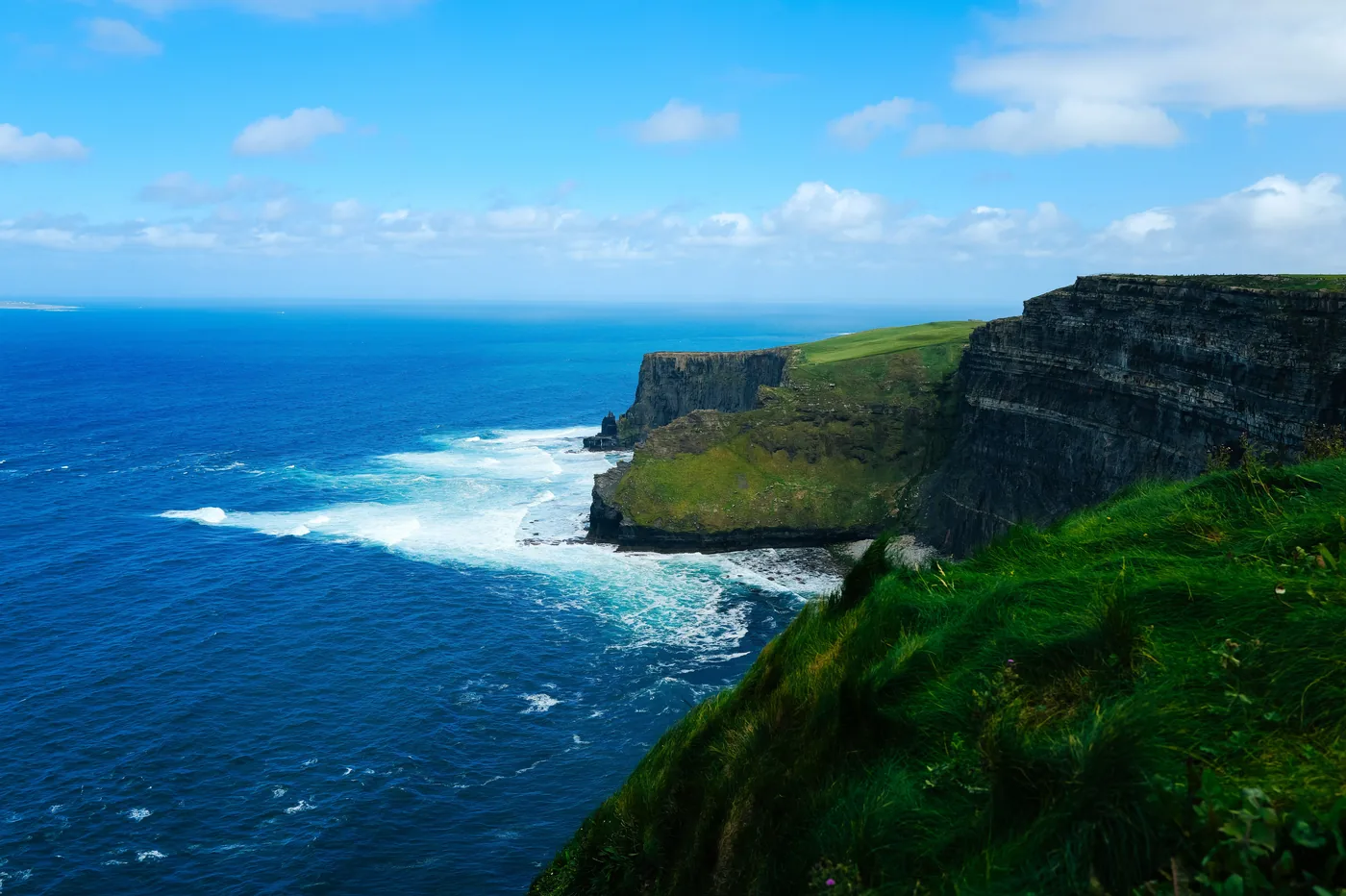
8. The Cliffs Of Moher, Ireland
The Cliffs of Moher rise straight out of the Atlantic on the west coast of Ireland, about 700 feet at their highest and stretching for around eight miles. On a clear day you can see all the way to the Aran Islands.
Skip the busiest hours in the middle of the day and come early or late, when the light is softer and the crowds are thinner. For a longer look, the coastal walk runs from the cliffs down to the village of Doolin, famous for its traditional music pubs.
The best time to go is May to September, though the weather can change fast any time of year. It’s about an hour and a half from Galway, so plan on a full day and pair it with the rocky landscape of the Burren nearby.
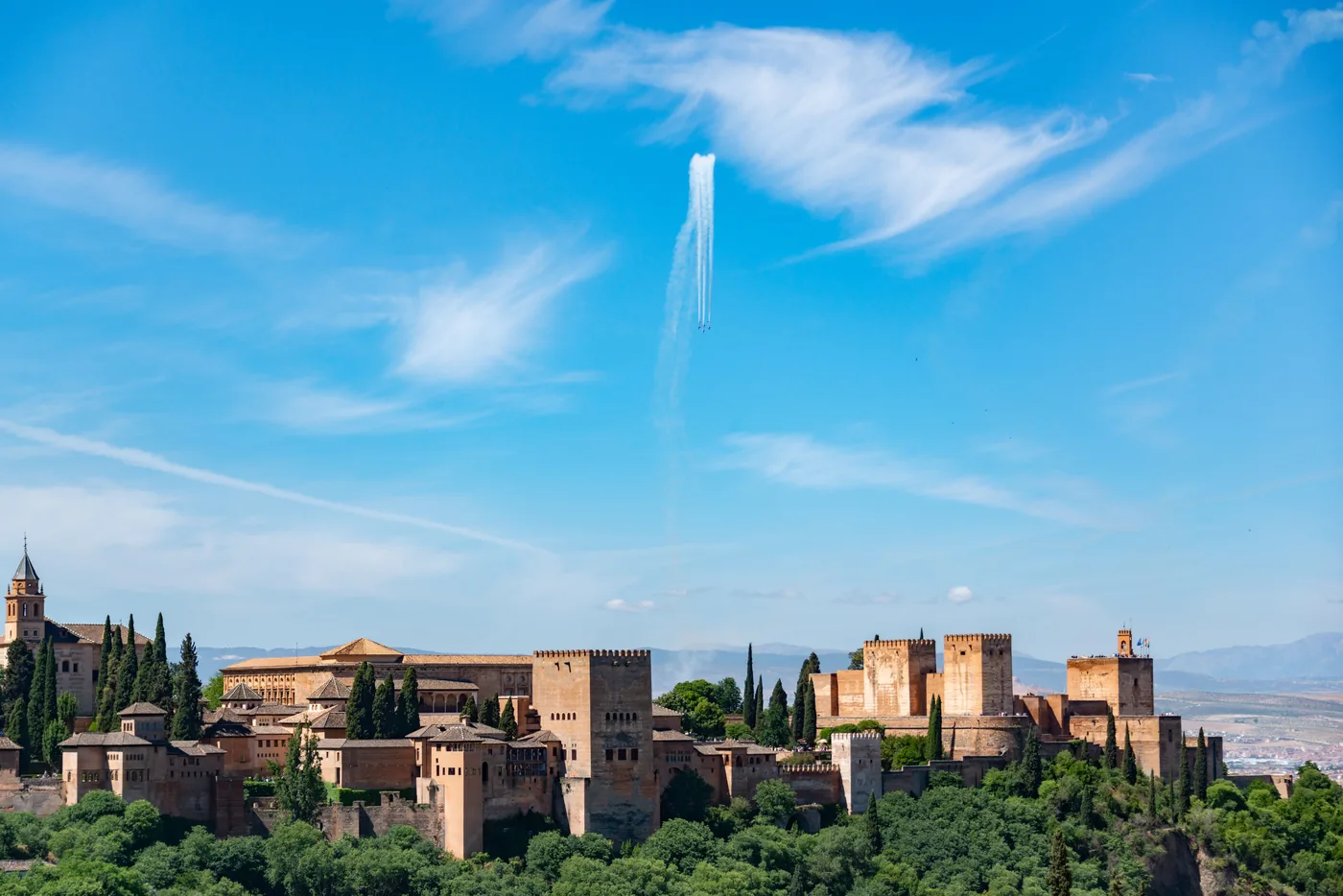
9. The Alhambra, Spain
The Alhambra is a hilltop palace and fortress built by the Moorish rulers of Granada, and it’s one of the most beautiful buildings in Europe. Inside the Nasrid Palaces, every wall and ceiling is carved with intricate patterns, and courtyards open onto fountains and reflecting pools.
Tickets sell out, especially in spring and summer, so book as early as you can. Your ticket gives you a set time to enter the Nasrid Palaces, and if you miss it you lose that part of the visit, so arrive with time to spare.
The best time to go is spring or fall, since Granada gets very hot in summer. Plan on two days in Granada, and watch the sunset over the Alhambra from the Mirador de San Nicolás.
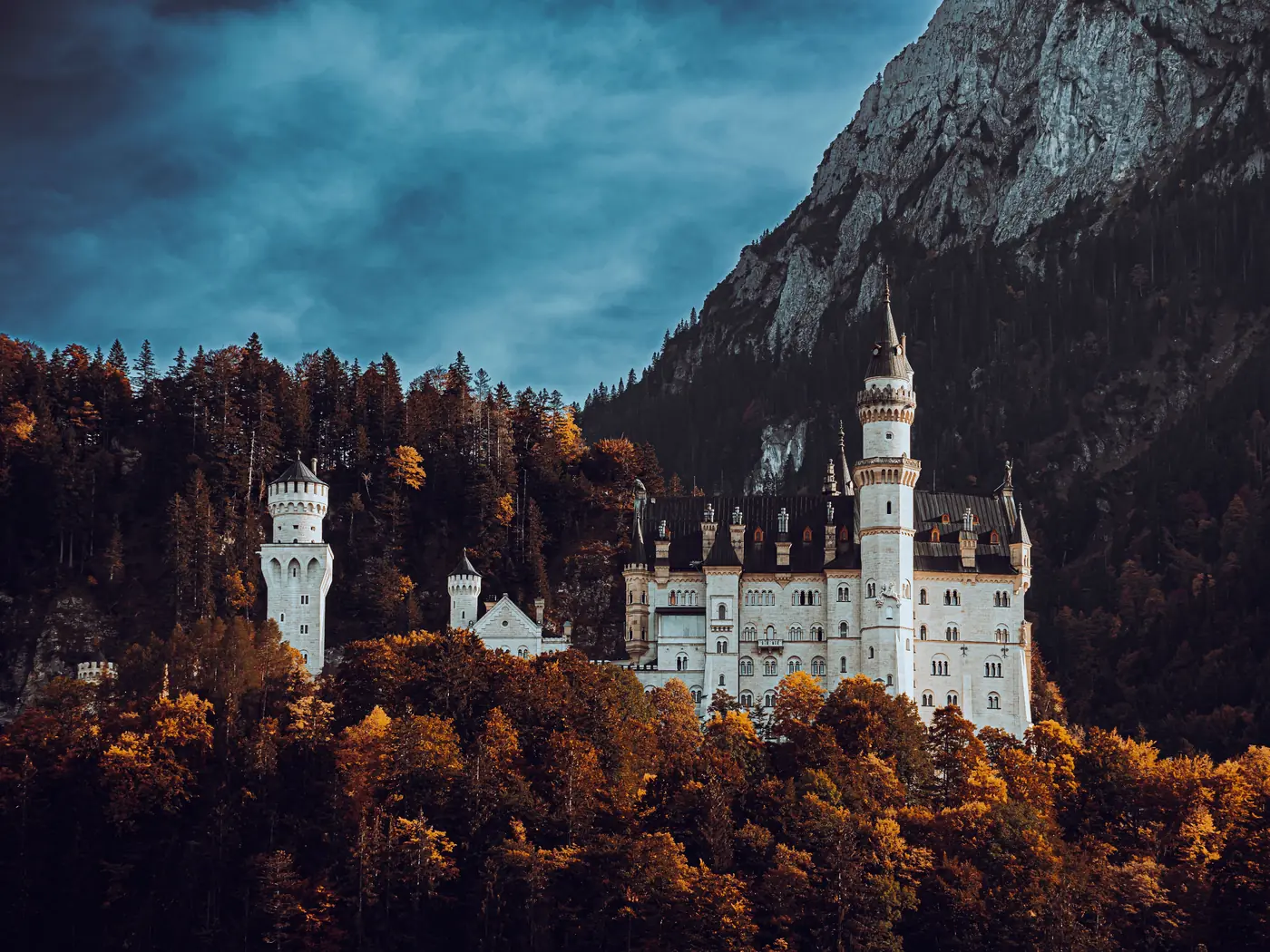
10. Neuschwanstein Castle, Germany
Neuschwanstein is the fairy tale castle to end all fairy tale castles, built in the 1800s by King Ludwig II on a rocky hill in the Bavarian Alps. It’s often said to have inspired Disney’s Sleeping Beauty Castle.
The inside can only be seen on a timed guided tour, and latecomers lose their spot, so book ahead and give yourself plenty of time for the walk up from the village. The classic view is from the Marienbrücke bridge over the gorge, which closes in snowy or icy weather.
The best time to go is September and October, when the forests around it turn gold. It’s about two hours from Munich, so plan on a full day trip.
11. The Jungfraujoch, Switzerland
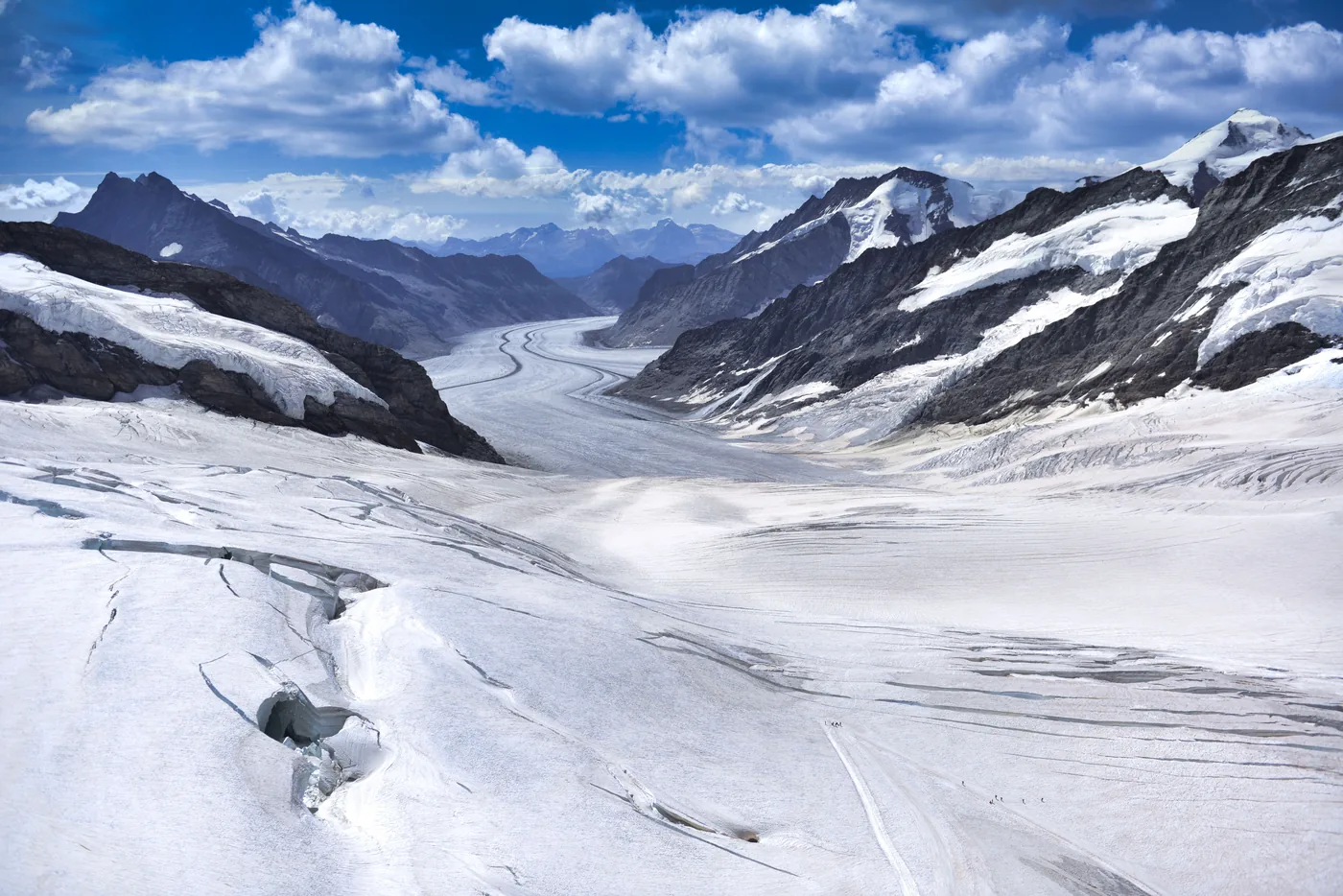
The Jungfraujoch is called the Top of Europe, and its train station is the highest in Europe. A cog railway climbs up through tunnels inside the mountain to a saddle between two peaks surrounded by snow and ice.
Up top you can look out over the Aletsch Glacier, the longest in the Alps, walk through an ice palace carved into the glacier, and step out onto the snow. It’s pricey, so check the live webcams before you go and save it for a clear day.
The best time to go is June to September, though it’s open all year. Plan on a full day from Interlaken, and a few days in the area to see the valley below. This list of spectacular views in Lauterbrunnen is a great place to start.
12. Hallstatt, Austria
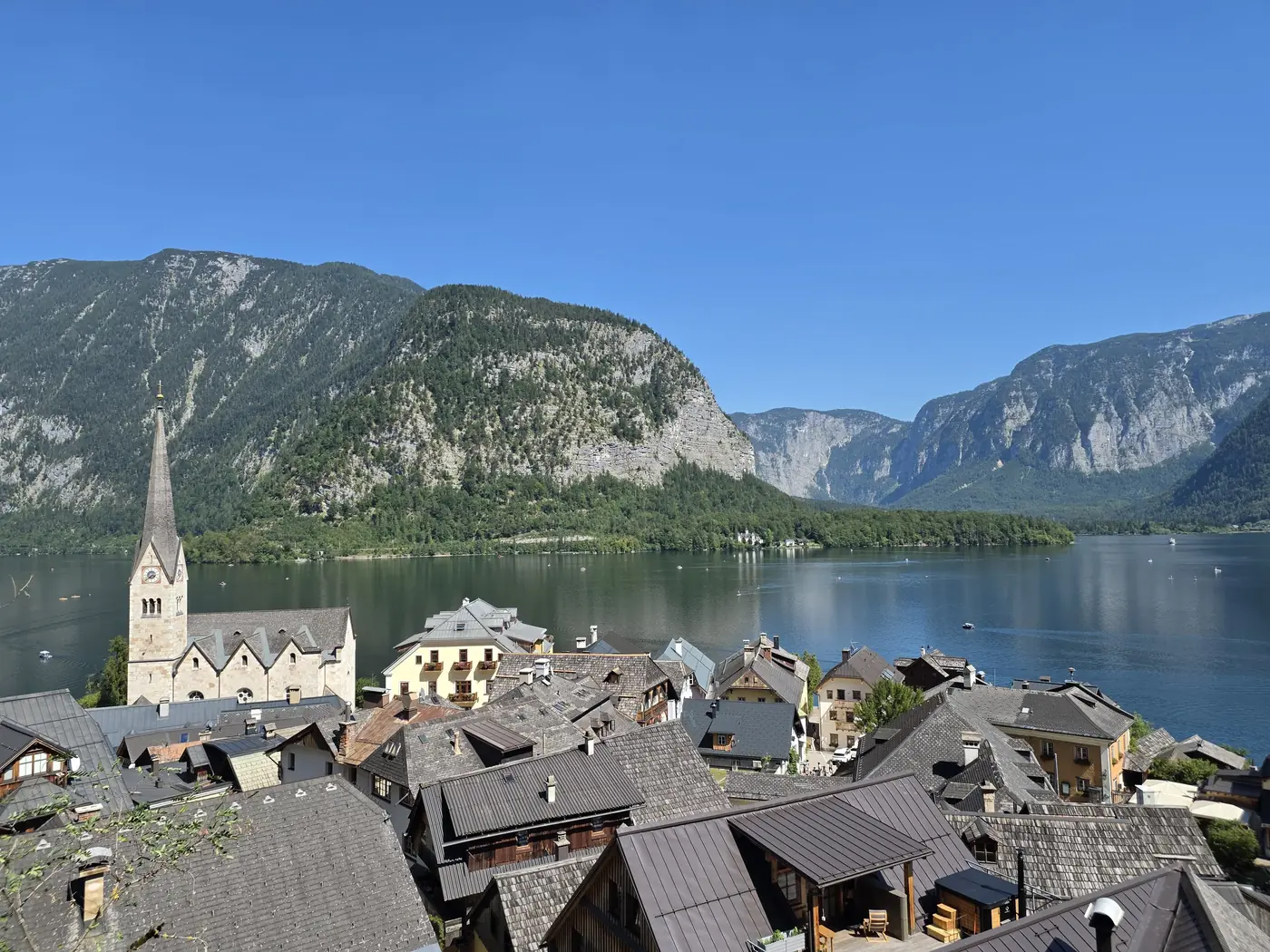
Hallstatt is a tiny village of pastel houses squeezed between a mountain and a lake in Austria’s Salzkammergut region. It’s part of a UNESCO World Heritage Site and looks almost too pretty to be real.
Above the village is one of the oldest salt mines in the world, where people have been digging salt for thousands of years. Take the funicular up for the mine tour and the viewing platform over the lake.
The day trip crowds are heavy, so stay overnight and see it early in the morning or after the buses leave. The best times to go are May, June, September and October. It’s about an hour and a half from Salzburg, and one night is plenty.
13. Plitvice Lakes, Croatia
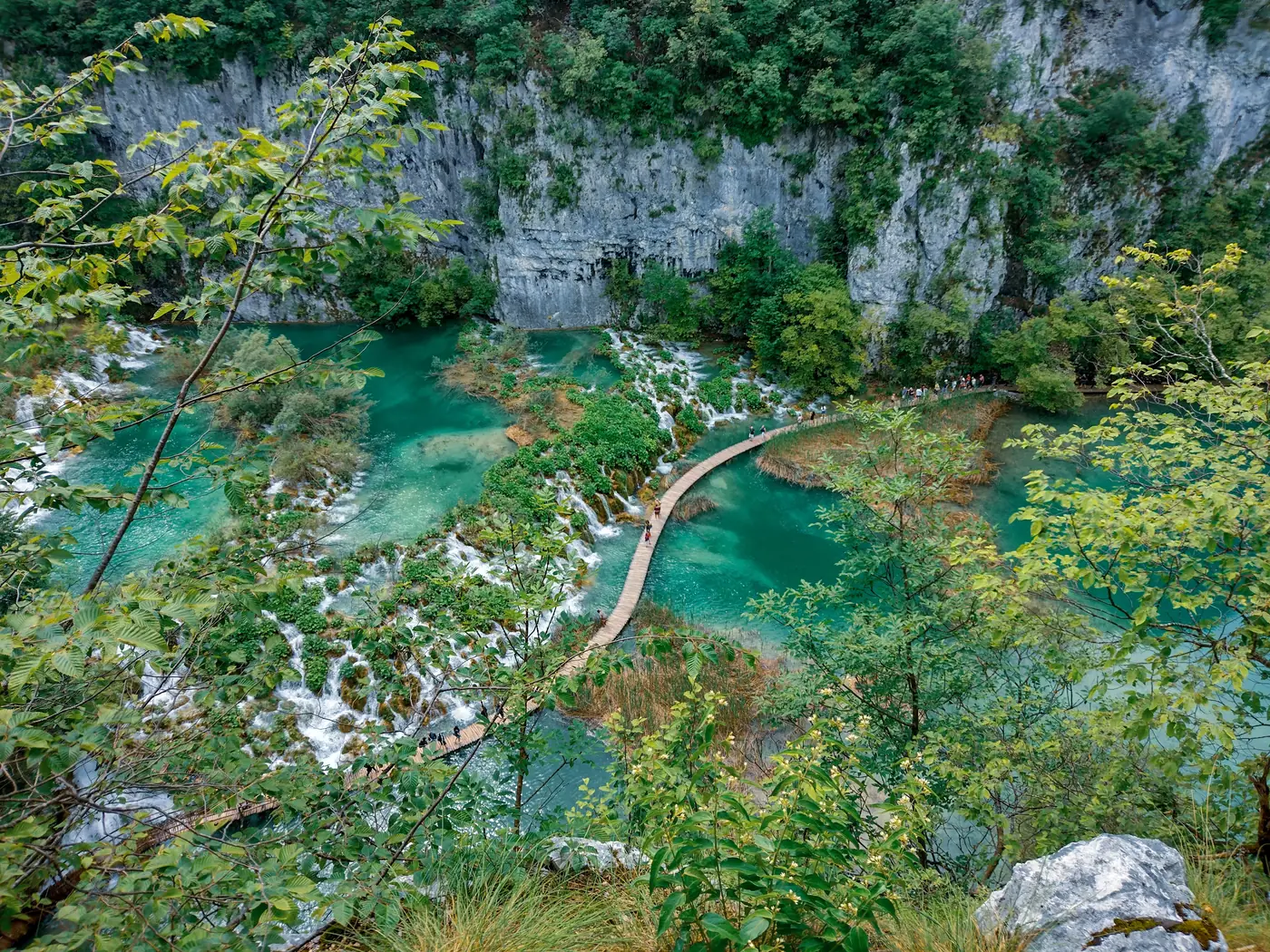
Plitvice Lakes National Park is a string of 16 terraced lakes linked by dozens of waterfalls, all in shades of turquoise and green. Wooden boardwalks run right over the water, so you can walk above the falls instead of just looking at them.
Swimming isn’t allowed anywhere in the park. Tickets are sold for a set date and entry time through the park’s official website, so book ahead in the busy months.
The best times to go are May, when the waterfalls are at their fullest, and October, when the forest changes color. Plan on a full day, and stay nearby the night before so you can walk in right when it opens. If you’re heading on to the coast, these Croatian islands make a great next stop.
14. Meteora, Greece
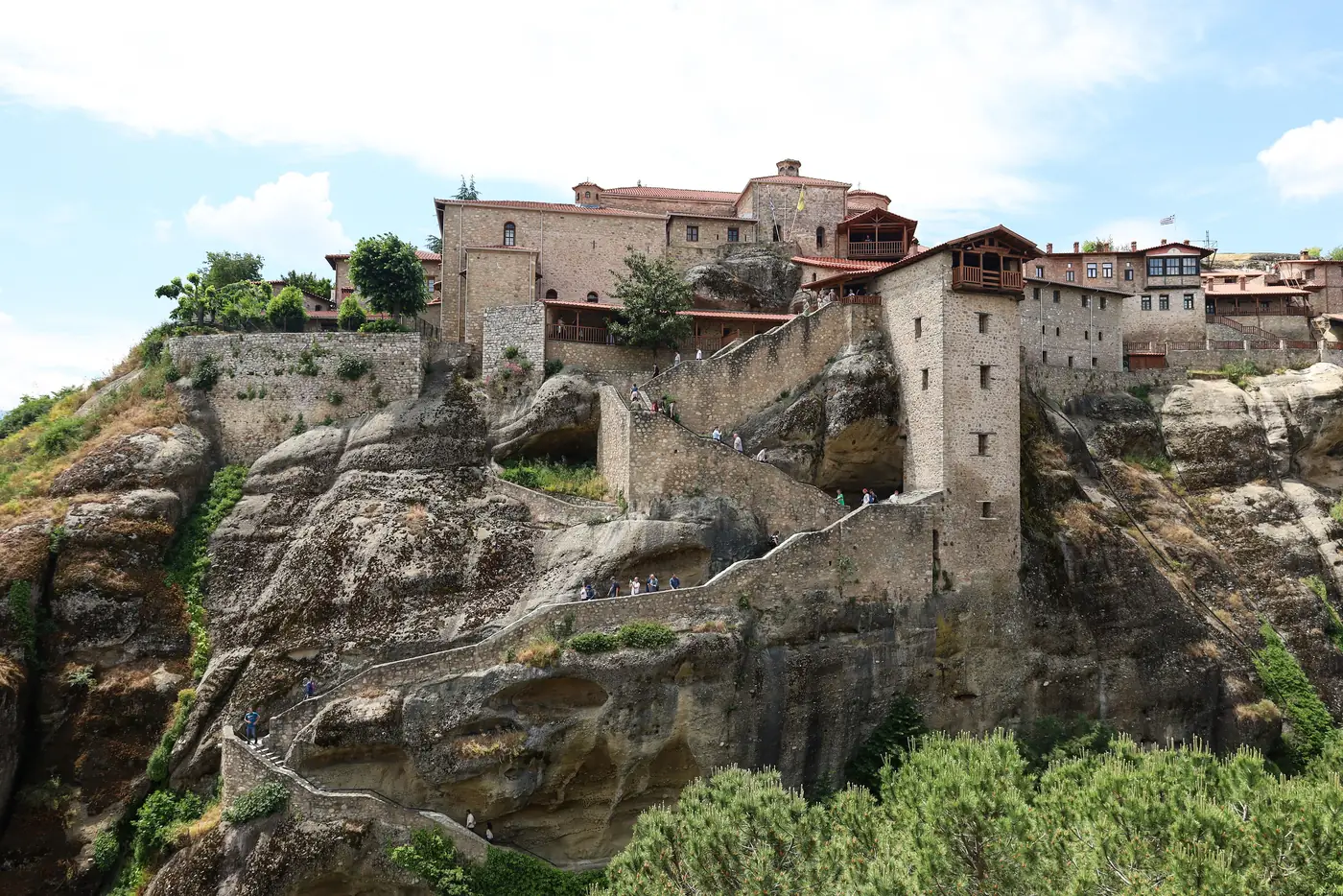
At Meteora, monasteries sit on top of giant stone pillars that rise hundreds of feet from the plains of central Greece. Monks built them there centuries ago to get away from the world, and for a long time the only way up was by rope ladder or a basket on a winch.
Six monasteries are still active and open to visitors, each closed on one day of the week, so check before you go. Dress modestly, with covered shoulders and knees, and women will usually be asked to wear a skirt, which is often lent at the door.
The best times to go are April to May and September to October. Base yourself in the town of Kalambaka and plan on two days so you can catch the sunset from the rocks.
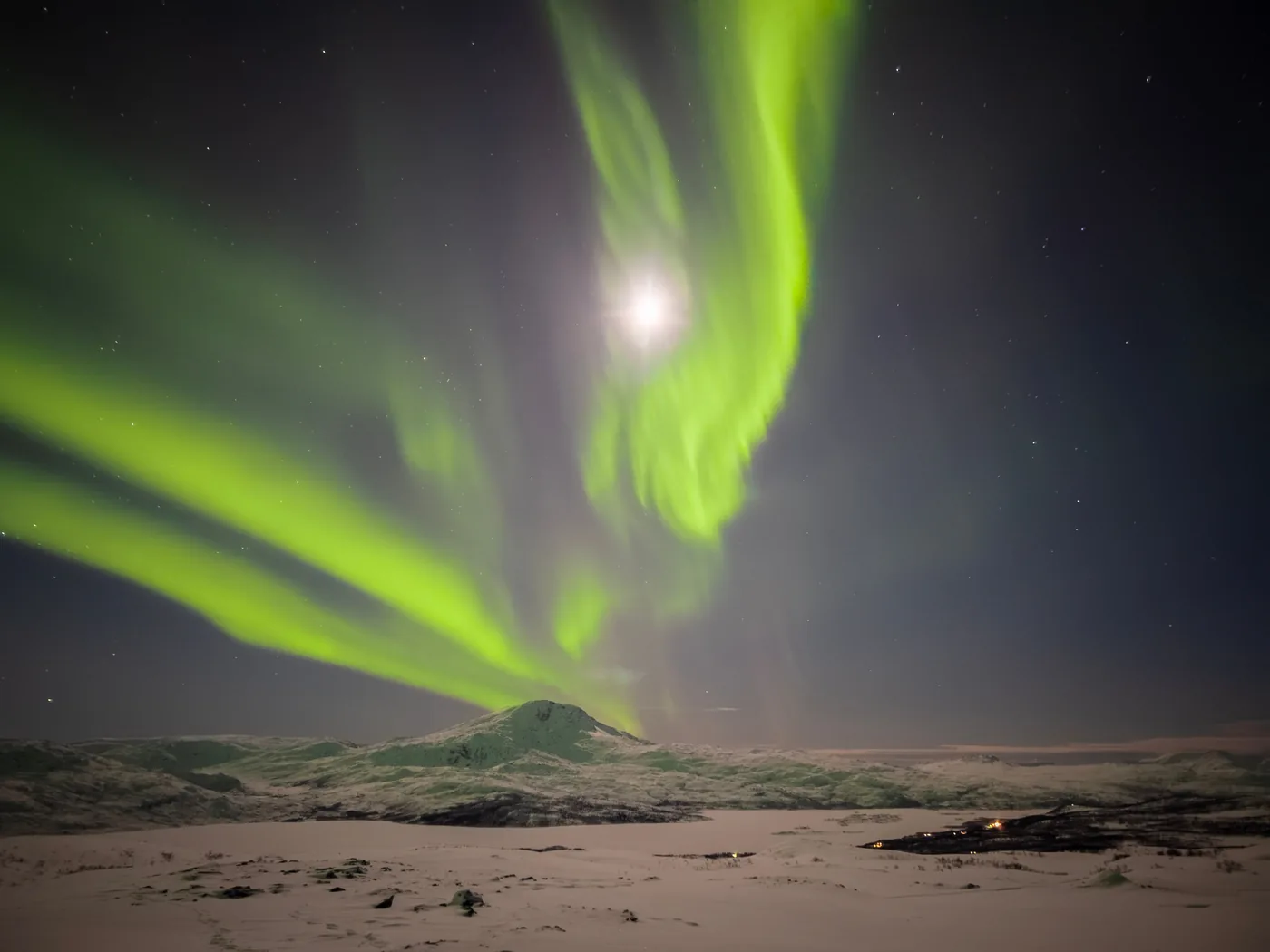
15. The Northern Lights In Tromsø, Norway
Tromsø sits well above the Arctic Circle in northern Norway, and it’s one of the most reliable places in the world to see the northern lights. On a good night, green ribbons of light ripple across the whole sky.
The lights need darkness and a clear sky, and they’re often most active between about 8 in the evening and 2 in the morning. Local guides drive out of town to chase clear weather, which gives you a much better chance than waiting in one spot.
The season runs from about September to early April. Plan on four or five nights to give the weather a few chances. For more spots, this guide to the best places in Norway to see the northern lights covers the rest of the country.
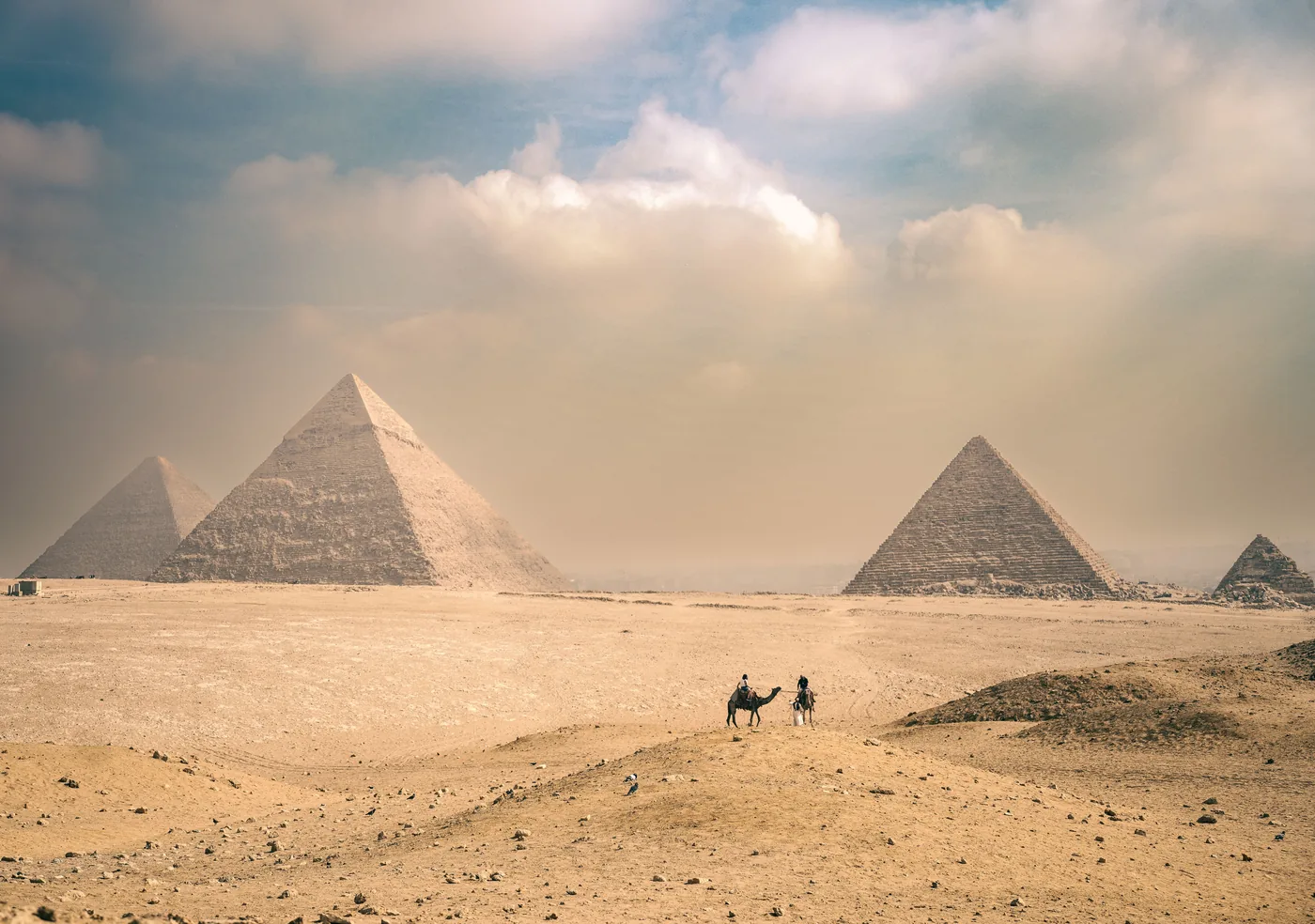
16. The Pyramids Of Giza, Egypt
The Great Pyramid of Giza is the only one of the Seven Wonders of the Ancient World still standing, and it’s around 4,500 years old. Seeing the three pyramids and the Great Sphinx on the edge of the desert is the definition of a bucket list moment.
Get there right when the site opens, before the heat and the crowds build. You can pay extra to go inside the Great Pyramid, or ride a camel or horse out to the viewpoint where all three line up.
The best time to go is October to April, when it’s much cooler. Plan on a full day at Giza and three or four days in the Cairo area.
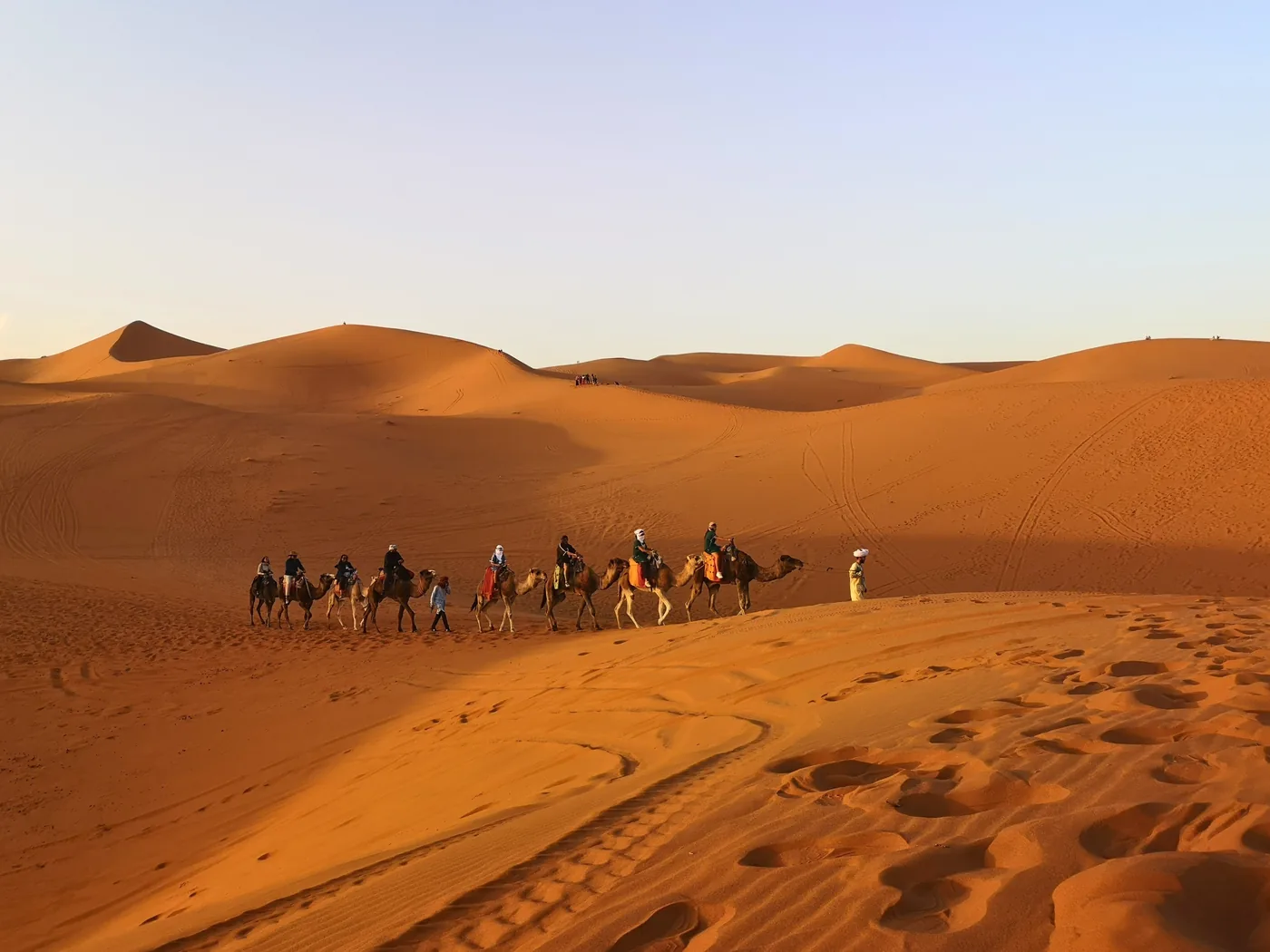
17. The Sahara At Merzouga, Morocco
The dunes of Erg Chebbi, near the village of Merzouga, are the classic Sahara you’ve pictured, with orange sand ridges rising high above the desert floor. Ride a camel out at sunset to a desert camp and spend the night under more stars than you’ve ever seen.
Merzouga is a long drive from Marrakech over the Atlas Mountains, so most people join a three day tour that stops at kasbahs and gorges along the way.
The best time to go is October to April. Summer is dangerously hot, and winter nights in the desert drop close to freezing, so pack layers either way.
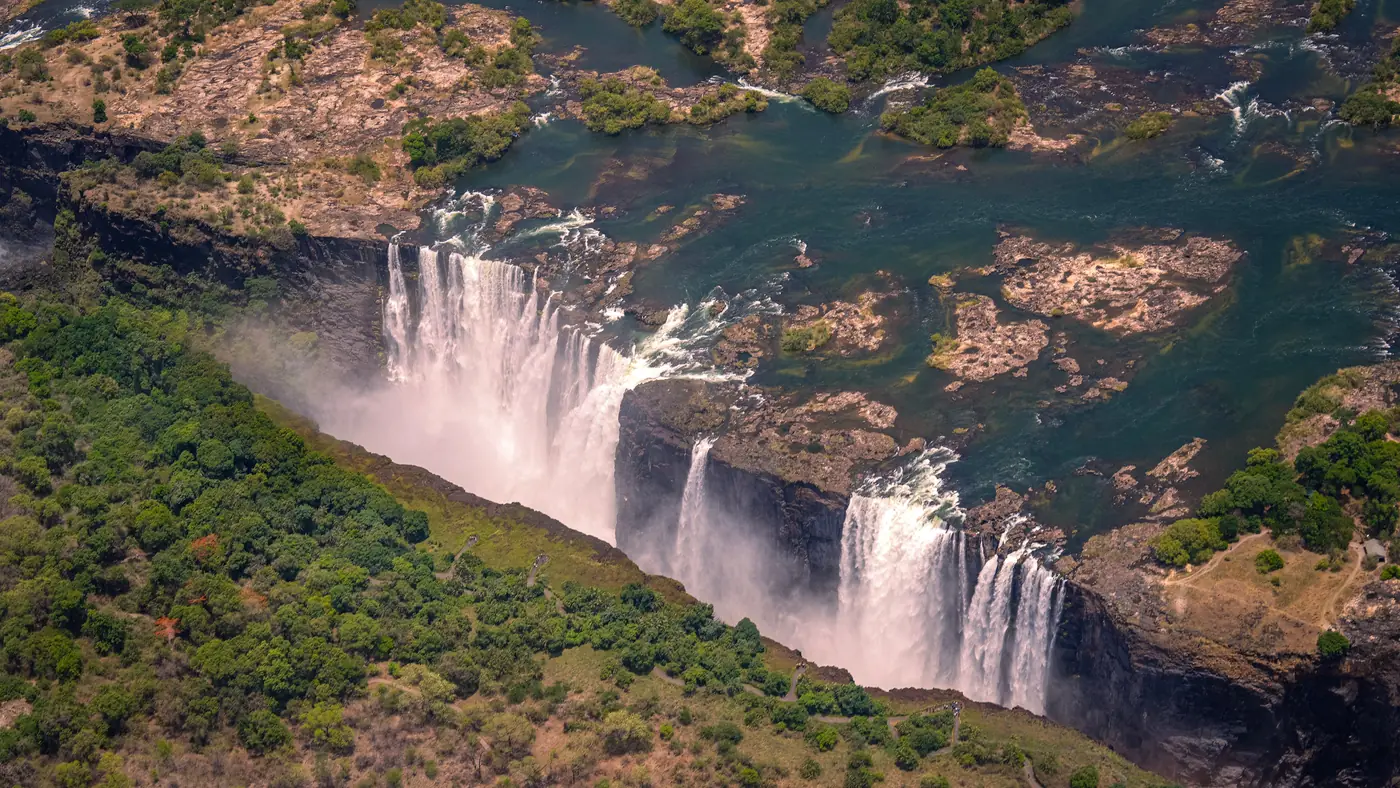
18. Victoria Falls, Zambia And Zimbabwe
Victoria Falls is one of the largest sheets of falling water on earth, where the Zambezi River drops into a narrow gorge on the border of Zambia and Zimbabwe. Its local name, Mosi oa Tunya, means the smoke that thunders, after the huge cloud of spray you can see from miles away.
When to go depends on what you want. High water, roughly February to July, is the loudest and most powerful, though the spray can hide parts of the falls. Later in the year the water drops, and from about mid August to mid January, depending on the river, you can swim at the edge in Devil’s Pool.
Plan on two or three days, and add a safari day in Chobe National Park in Botswana, which is close by.
19. Sossusvlei, Namibia
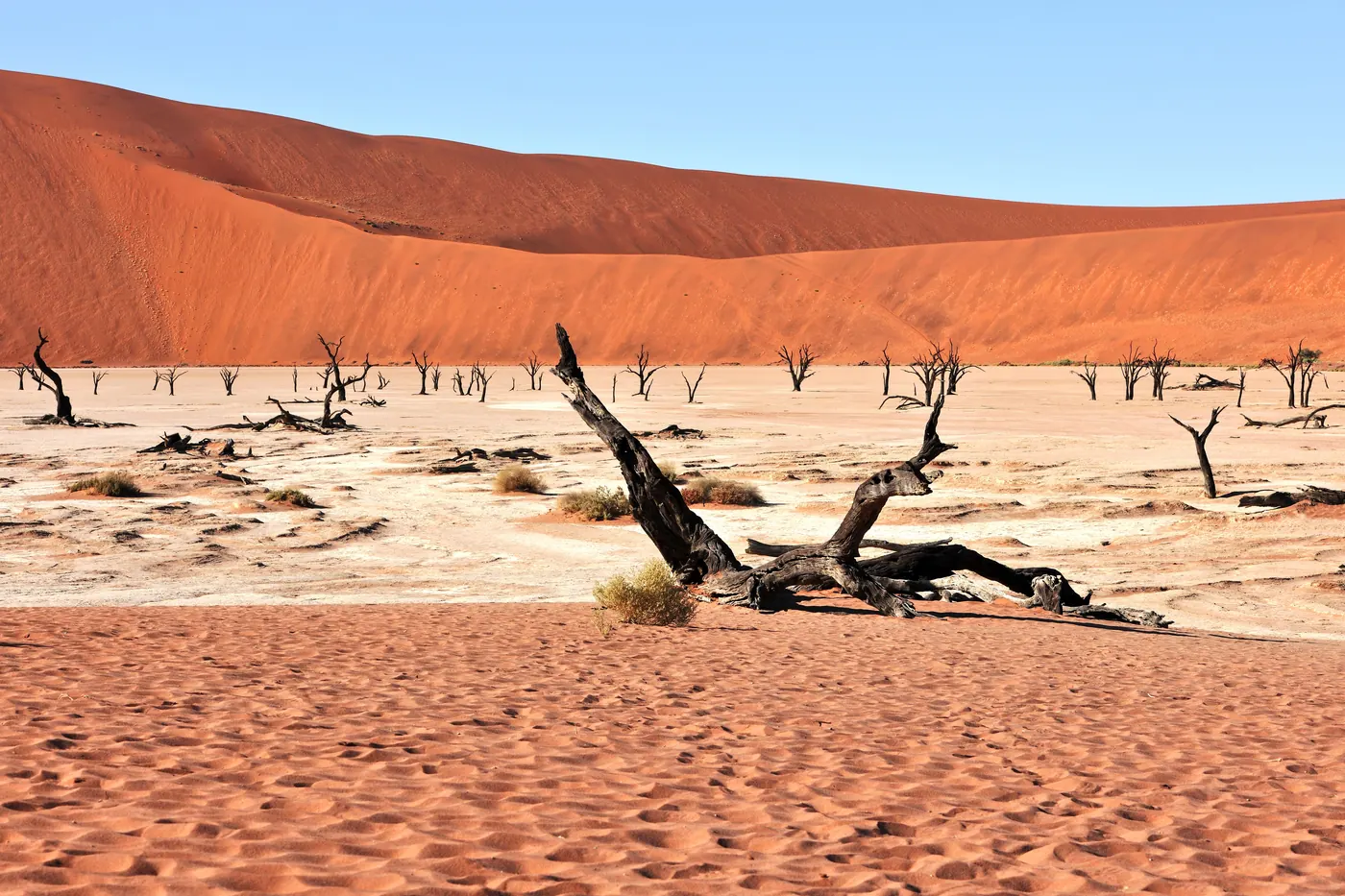
Sossusvlei is a sea of red dunes in the Namib Desert, and some of them are among the tallest in the world. Nearby Deadvlei is a white clay pan dotted with dead camel thorn trees that have stood there for hundreds of years, black against the orange sand.
Climb a dune at sunrise, when the light and the shadows are at their best and the sand is still cool. Staying inside the park gate at Sesriem lets you get to the dunes before everyone else.
The best time to go is May to September, when the days are cooler. Most people self drive, and two nights in the area is about right.
20. Cappadocia, Turkey
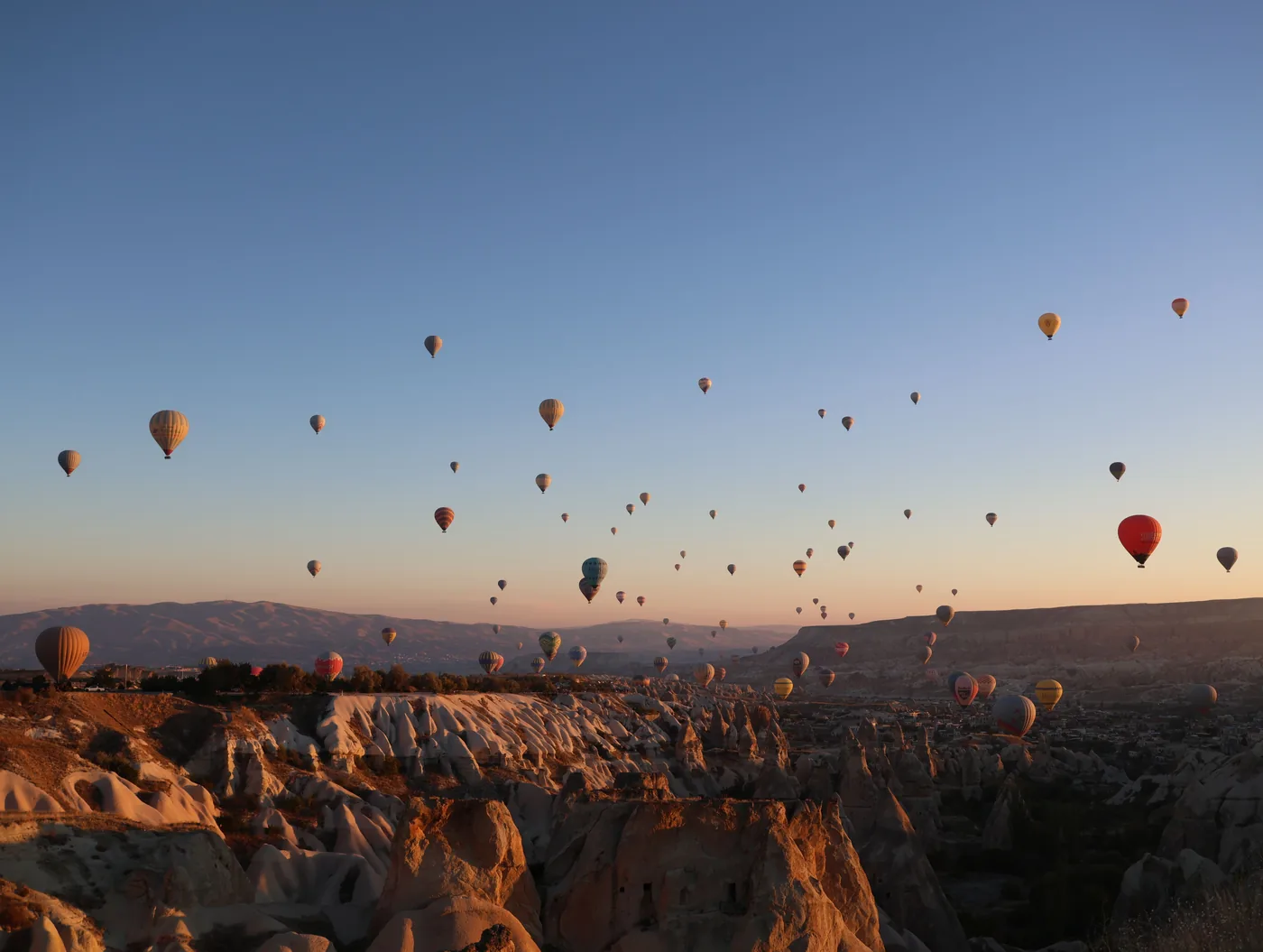
Cappadocia is a valley of strange rock towers called fairy chimneys, and at sunrise the sky above them fills with hot air balloons. Riding in one, or just watching them float up from a hotel rooftop, is one of the most famous travel moments in the world.
Balloon flights only go at dawn, and the authorities decide early each morning whether the weather is safe. Wind cancels flights often, especially from December to April, so book your balloon for your first morning and leave a few spare days.
Stay in a cave hotel and visit the rock cut churches at the Göreme Open Air Museum. The best times to go are April to June and September to October. Plan on three nights.
21. Pamukkale, Turkey
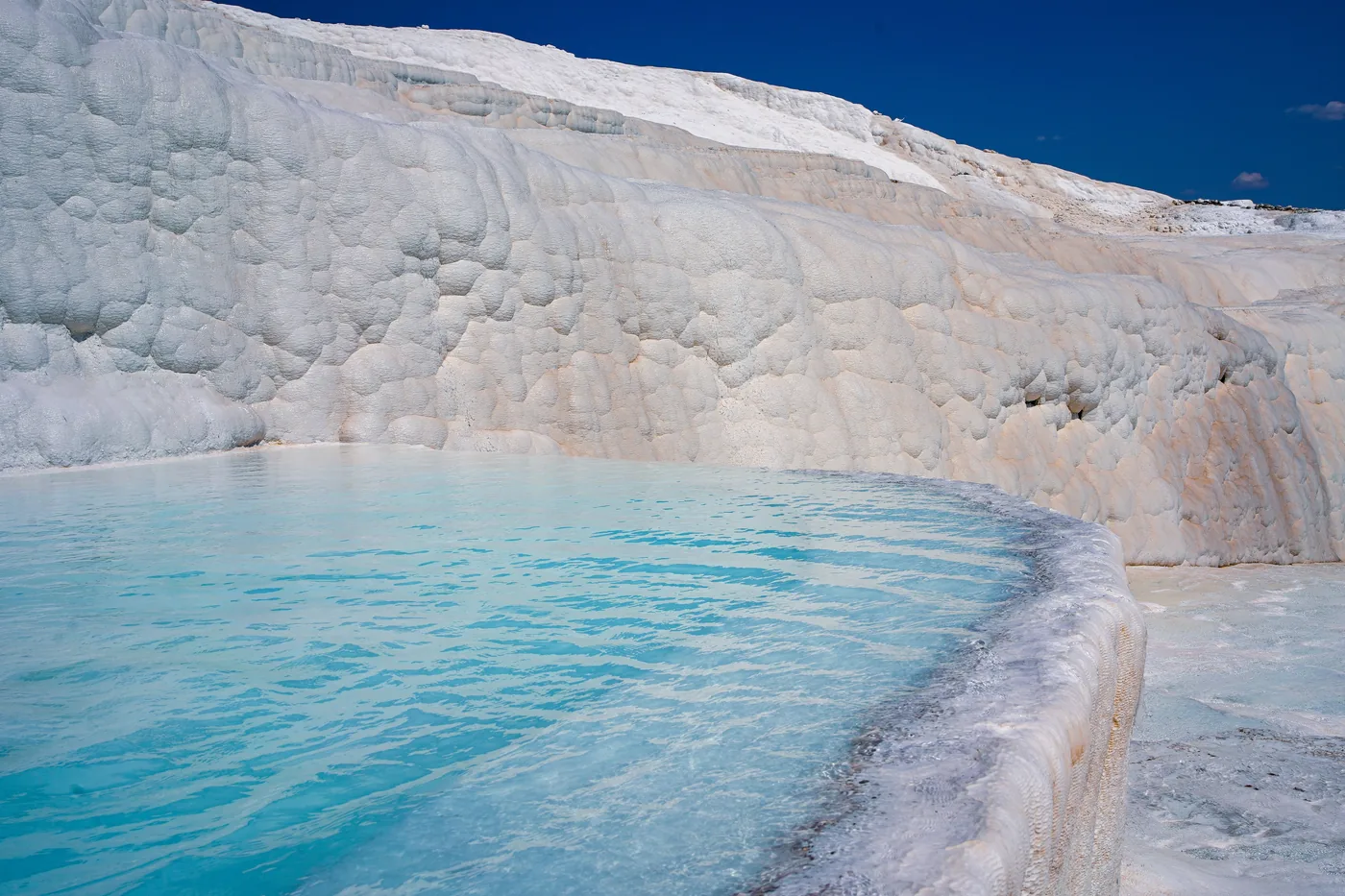
Pamukkale means cotton castle in Turkish, and from a distance that’s exactly what the hillside looks like. Mineral rich water has built up bright white travertine terraces full of warm, shallow pools.
You have to walk the terraces barefoot to protect them. At the top is Hierapolis, an ancient Roman city, where you can swim in the Antique Pool among fallen marble columns.
The best times to go are spring and fall, and the late afternoon light at sunset is the prettiest. Plan on a full day, or pair it with Cappadocia on the same trip.
22. The Taj Mahal, India
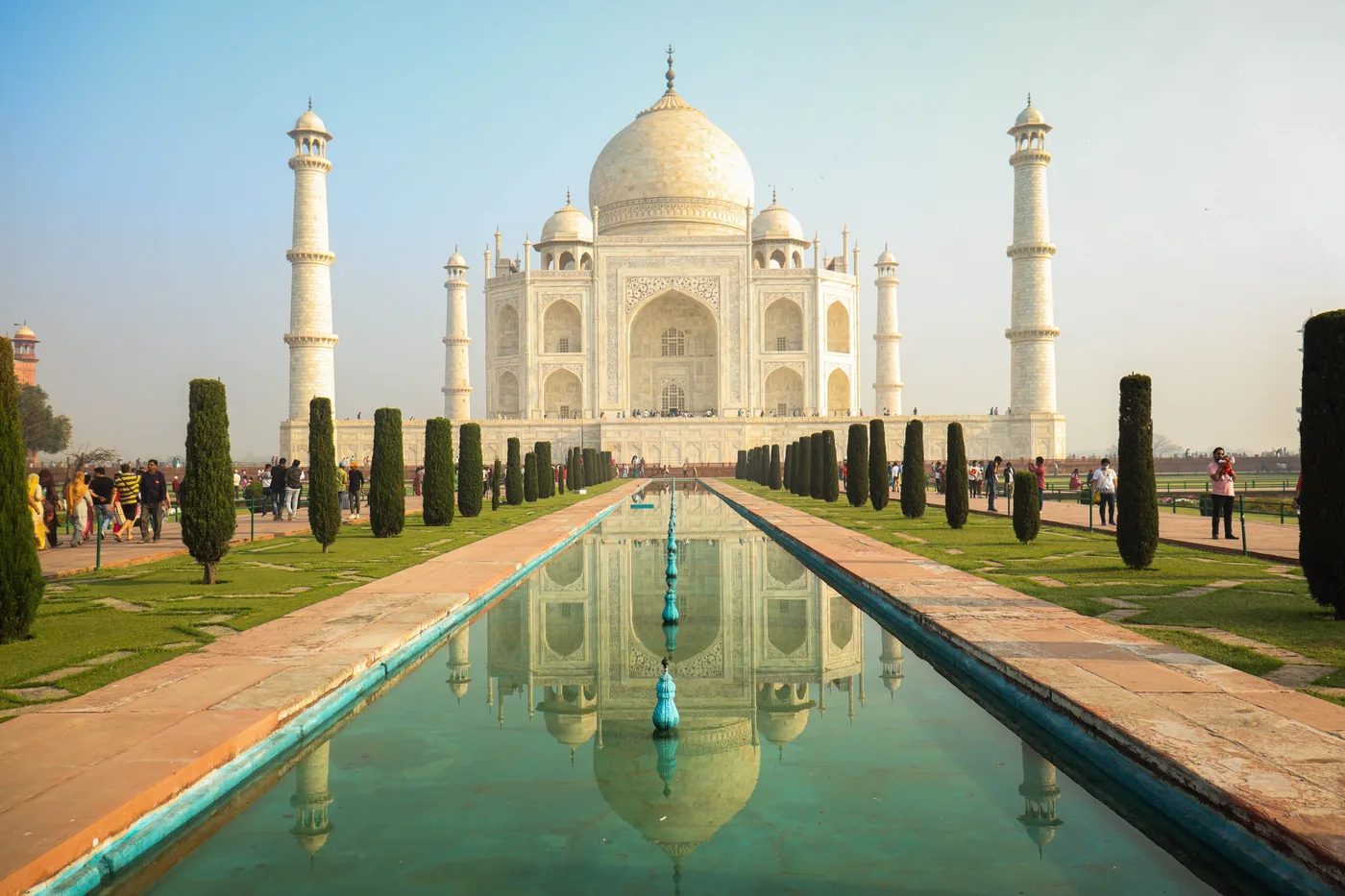
The Taj Mahal was built in the 1600s by the emperor Shah Jahan as a tomb for his wife Mumtaz Mahal, and it’s often called the most beautiful building in the world. The white marble seems to change color through the day, from pink at sunrise to gold at sunset.
Go right at sunrise for softer light and smaller crowds. The Taj Mahal is closed on Fridays, so plan your visit around that.
The best time to go is October to March, before the summer heat. It sits in Agra, a few hours from Delhi, so plan on a day or two and add Agra Fort while you’re there.
23. The Great Wall, China
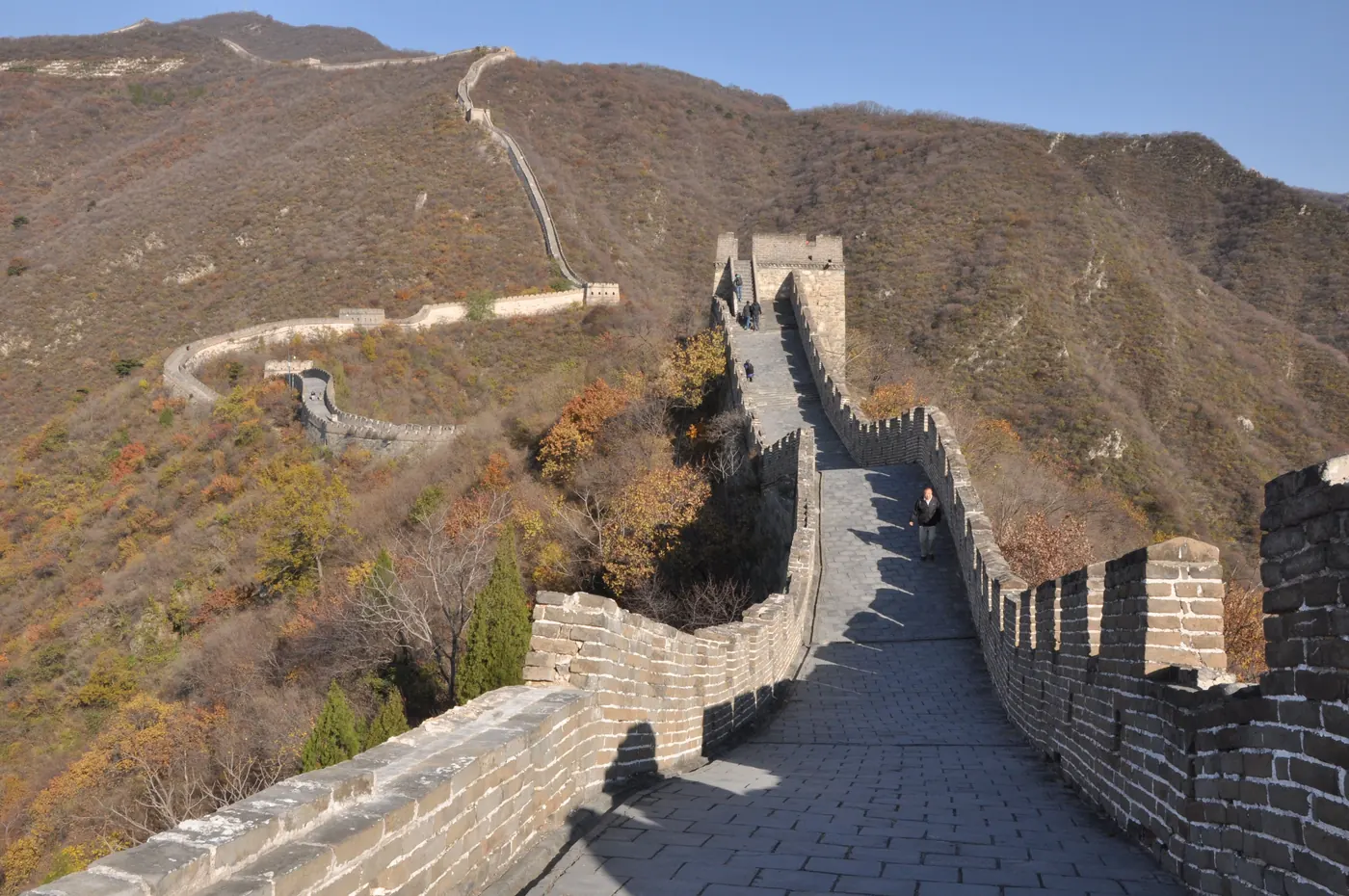
The Great Wall winds for thousands of miles over the mountains of northern China, and walking along it is exactly as impressive as it sounds.
Skip Badaling, the busiest section, and head to Mutianyu instead. It’s about an hour and a half from Beijing, beautifully restored, and has a cable car up and a toboggan ride back down. For a wilder, less crowded walk, try Jinshanling.
The best times to go are April to May and September to October. Avoid the Chinese national holidays, especially the first week of October, when the crowds are huge. Plan on a full day from Beijing.
24. Zhangjiajie, China
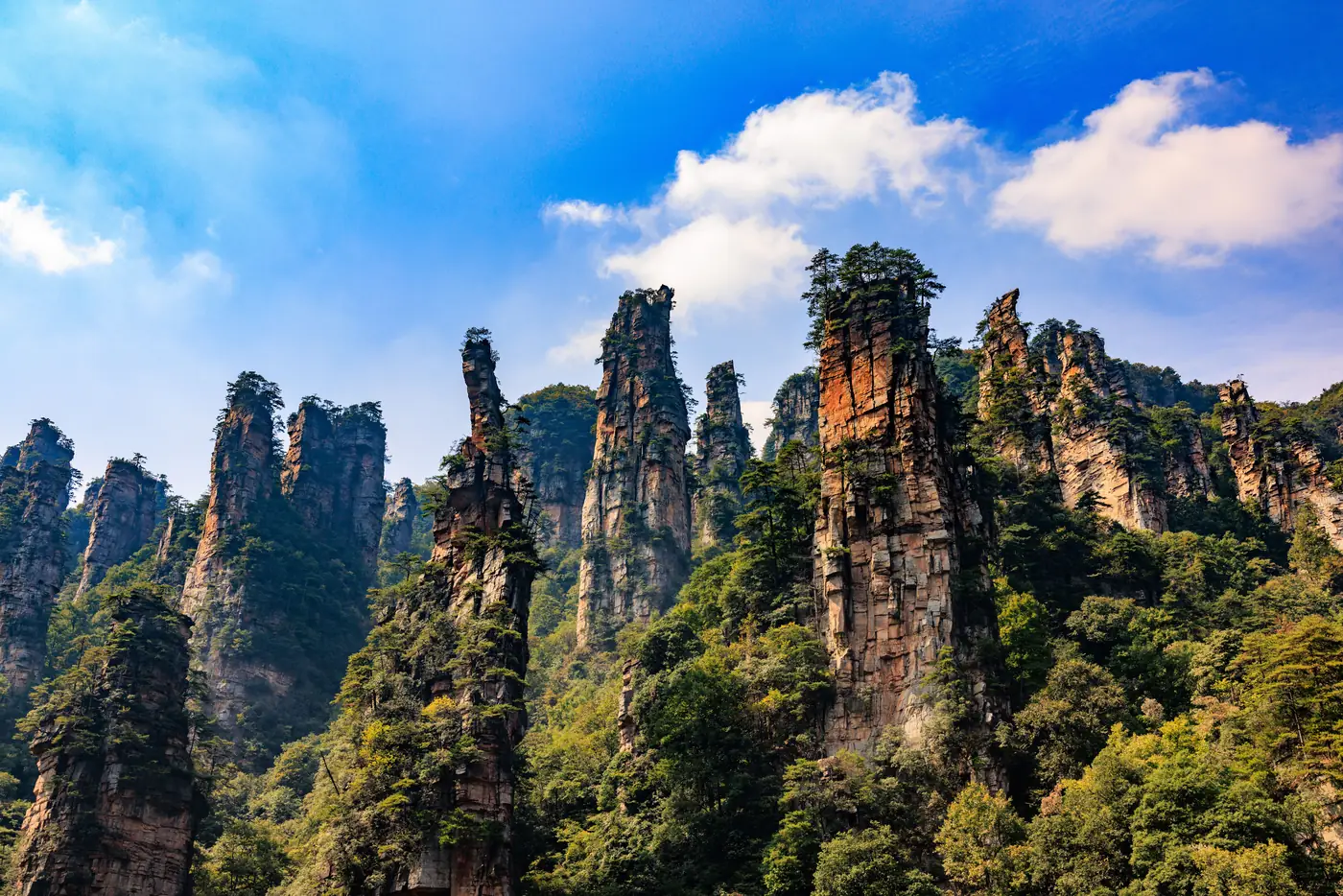
Zhangjiajie National Forest Park is full of thousands of tall, thin sandstone pillars rising out of the forest, often wrapped in mist. They’re said to have inspired the floating mountains in the movie Avatar.
Ride the Bailong Elevator up the side of a cliff, walk the paths between the pillars, and cross the glass bridge over the Zhangjiajie Grand Canyon if you have the nerve.
The best time to go is April to October, with spring and fall the most comfortable. The park is huge and tickets cover several days, so plan on two or three.
25. Angkor Wat, Cambodia
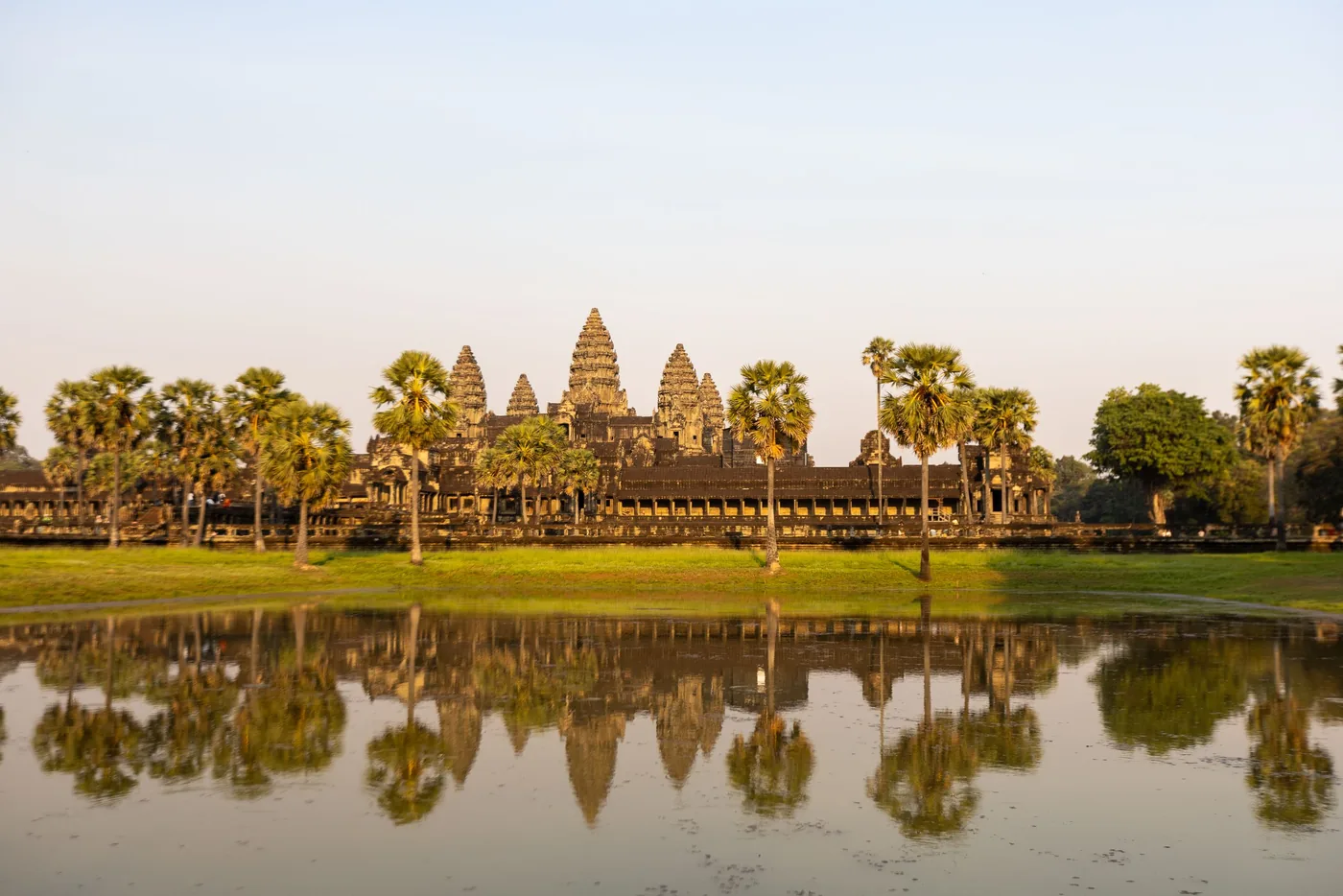
Angkor Wat is the largest religious monument in the world, a 12th century temple surrounded by a wide moat in the Cambodian jungle. Watching the sun rise behind its towers, reflected in the pond out front, is a classic bucket list moment.
It’s only one of hundreds of temples in the area. Don’t miss the giant stone faces of the Bayon or Ta Prohm, where huge tree roots have wrapped themselves around the ruins.
The best time to go is November to February, when it’s dry and cooler. Base yourself in Siem Reap, buy a multi day pass, and plan on three days.
26. Ha Long Bay, Vietnam
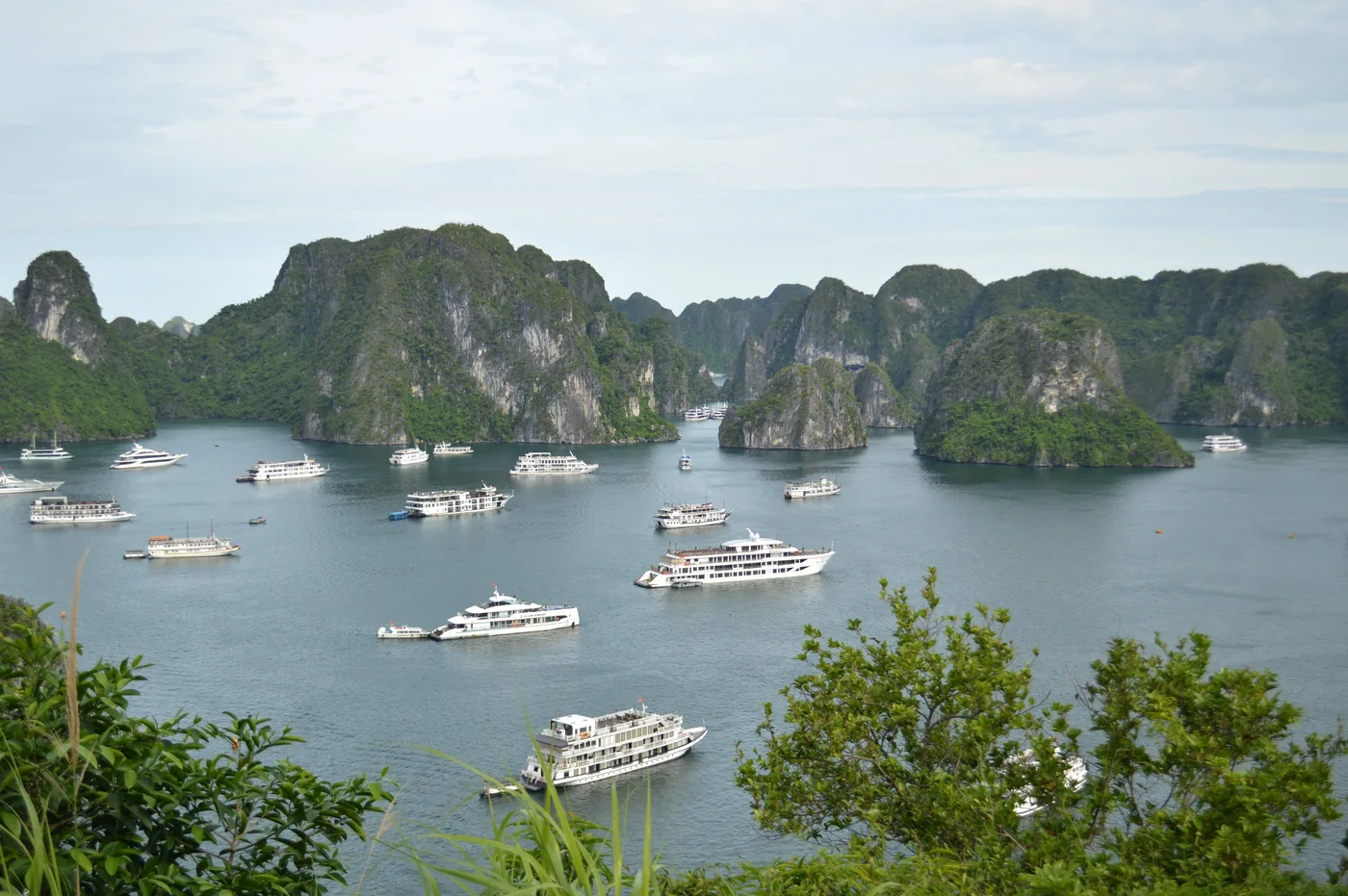
Ha Long Bay is a sea of green water dotted with around 1,600 limestone islands and islets, rising straight up out of the bay in every direction.
The best way to see it is on an overnight cruise, with kayaking through the karsts and visits to caves along the way. Nearby Lan Ha Bay has the same scenery with fewer boats.
The best times to go are March to May and September to November. Summer brings storms that can cancel cruises. It’s about two and a half hours from Hanoi, so plan on one or two nights on the water.
27. Mount Fuji, Japan
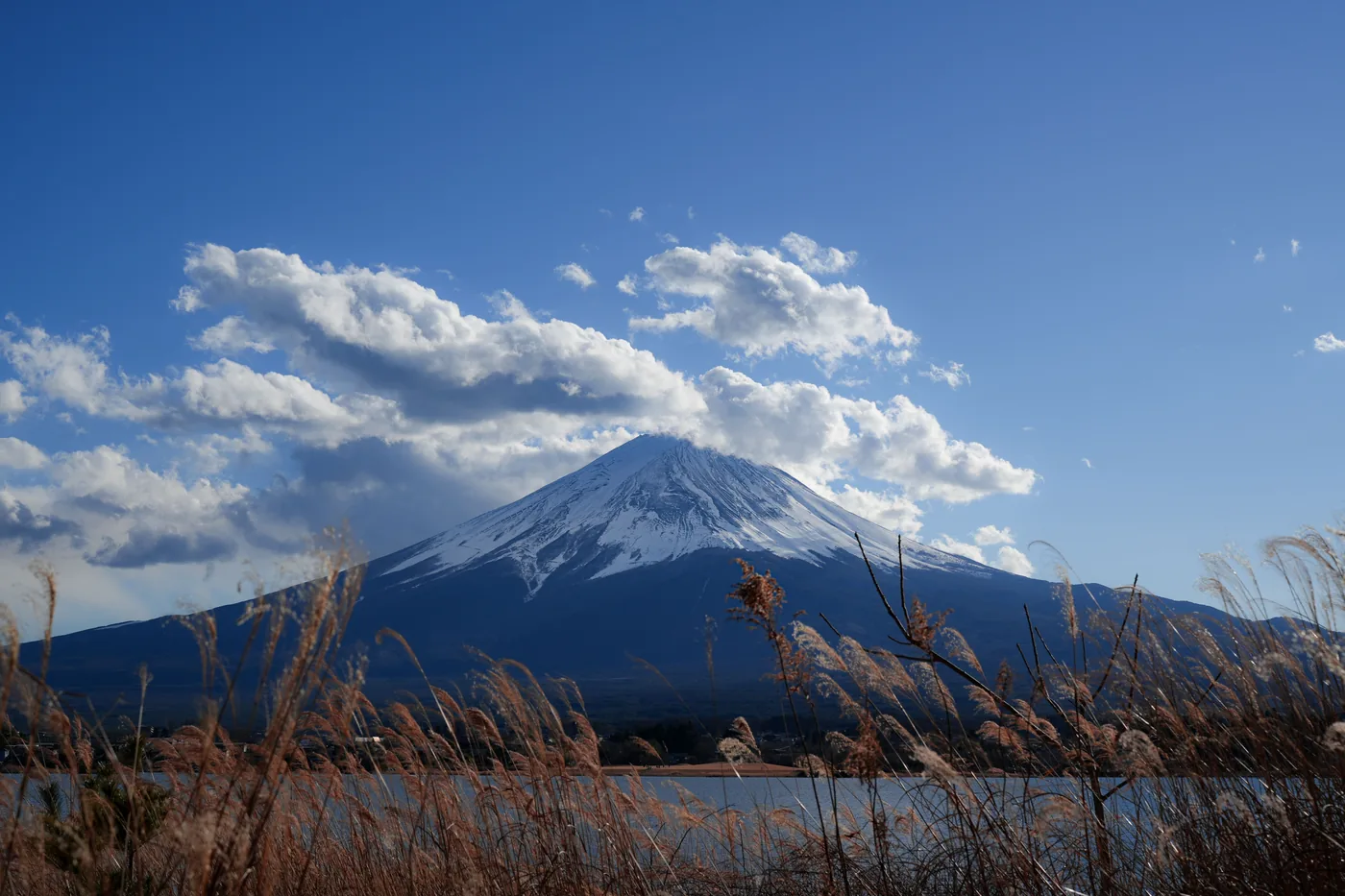
Mount Fuji is Japan’s tallest mountain and a sacred symbol of the country, with a nearly perfect cone that looks like it was drawn by hand.
For the famous views, stay around the Fuji Five Lakes, especially Lake Kawaguchiko, and climb the steps to the Chureito Pagoda for the postcard shot. If you want to climb the mountain itself, the season only runs from early July to about the middle of September.
For views, the best time to go is December to February, when the air is clearest, and early morning is best. Plan on one or two nights. It fits easily into a 10 day Japan itinerary.
28. The Great Barrier Reef, Australia
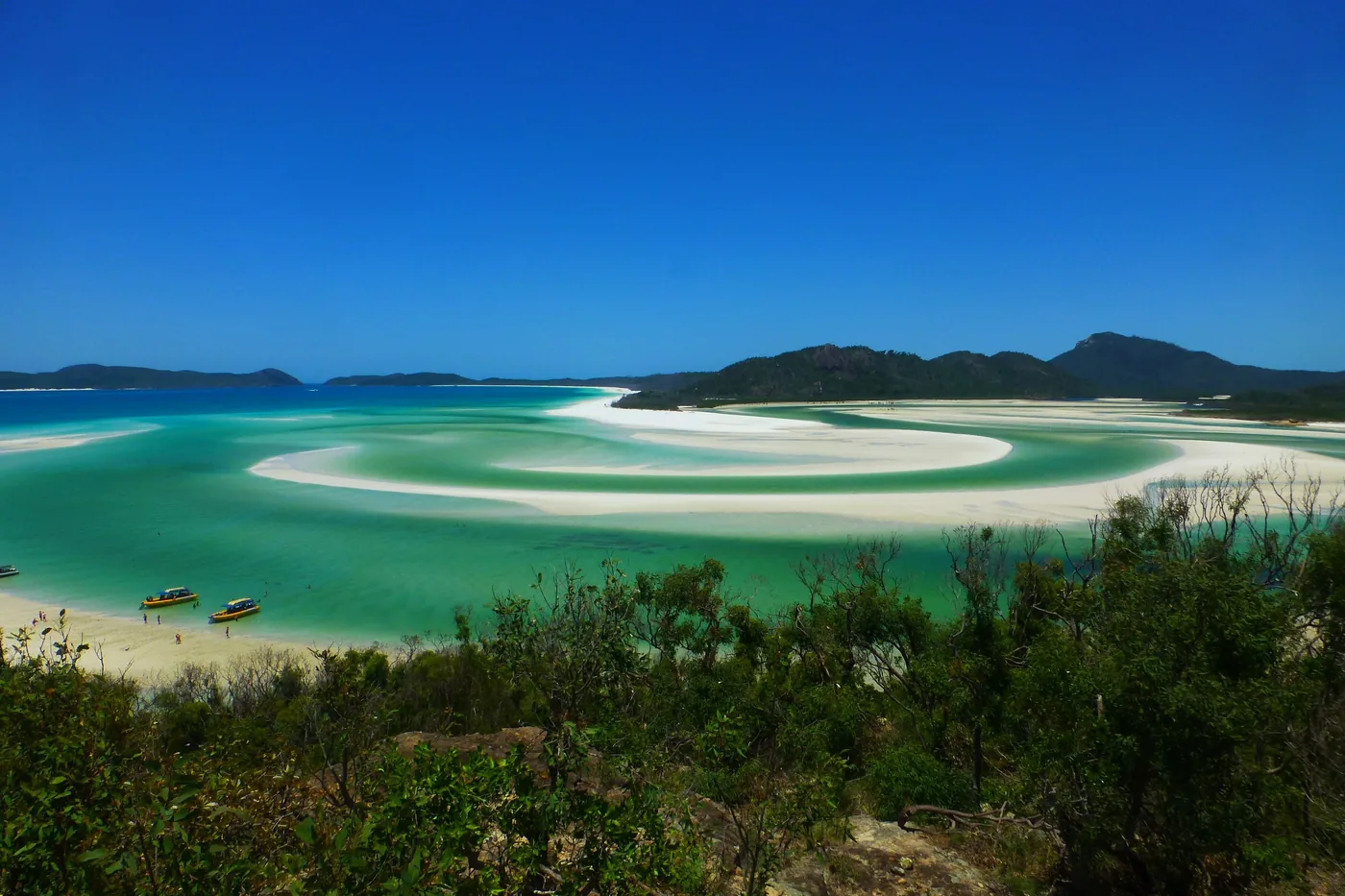
The Great Barrier Reef is the largest coral reef system in the world, stretching more than 1,400 miles along the coast of Queensland. Snorkeling or diving over it means swimming with sea turtles, reef sharks and fish in every color you can imagine.
Most trips leave from Cairns or Port Douglas. Farther south, the Whitsunday Islands have Whitehaven Beach and scenic flights over Heart Reef.
The best time to go is June to October, when the water is clear and the weather is dry. Jellyfish stinger season runs from about November to May, when you’ll need a stinger suit in the water. Plan on three or four days.
29. Uluru, Australia
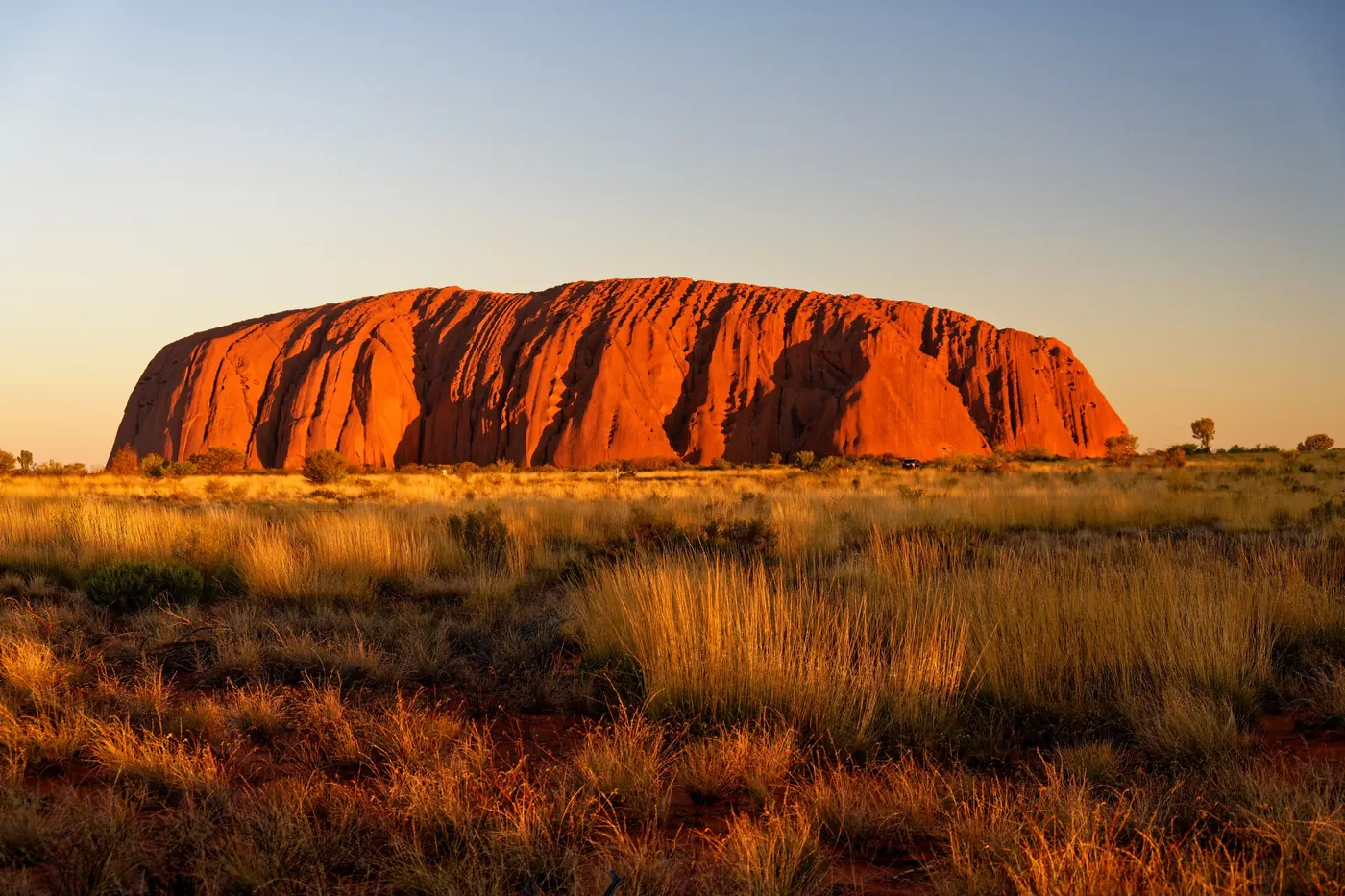
Uluru is a giant red sandstone rock rising from the flat desert right in the middle of Australia. It’s sacred to the Anangu people, and at sunrise and sunset it glows deep orange and red.
Climbing Uluru was banned for good in 2019 out of respect for its traditional owners. Instead, walk the trail around the base, and make time for the domes of Kata Tjuta nearby.
The best time to go is May to September, when the desert is cooler. Fly into Ayers Rock Airport and plan on two or three nights.
How To Start Checking Off Your Travel Bucket List
The easiest way to start is to match the list to the calendar. Pick the months you can actually travel, then look for the places on this travel bucket list that are at their best during that window.
Group places that sit close together. Cappadocia and Pamukkale make one great trip to Turkey, Victoria Falls pairs with a safari in Botswana, and Iguazu Falls is a short flight from Rio.
Book the timed tickets first. Machu Picchu, the Alhambra, Neuschwanstein and Plitvice all sell entry for a set time, and the best slots go early. It’s also worth checking your government’s travel advisory before you book and getting good travel insurance for long trips.
If you’d rather stay closer to home, this United States travel bucket list covers the best places to see in the US. And if you’re saving up for something extra special, these luxury travel destinations are worth a look.
Final Thoughts
Nobody gets to all 29 at once, and that’s the fun of a travel bucket list. It gives you something to look forward to, trip after trip.
Pick the one that’s been calling you the longest, find the best month to go, and start planning. These legendary places have been waiting a long time, and they’ll be every bit as incredible when you get there.