 Rebecca Engel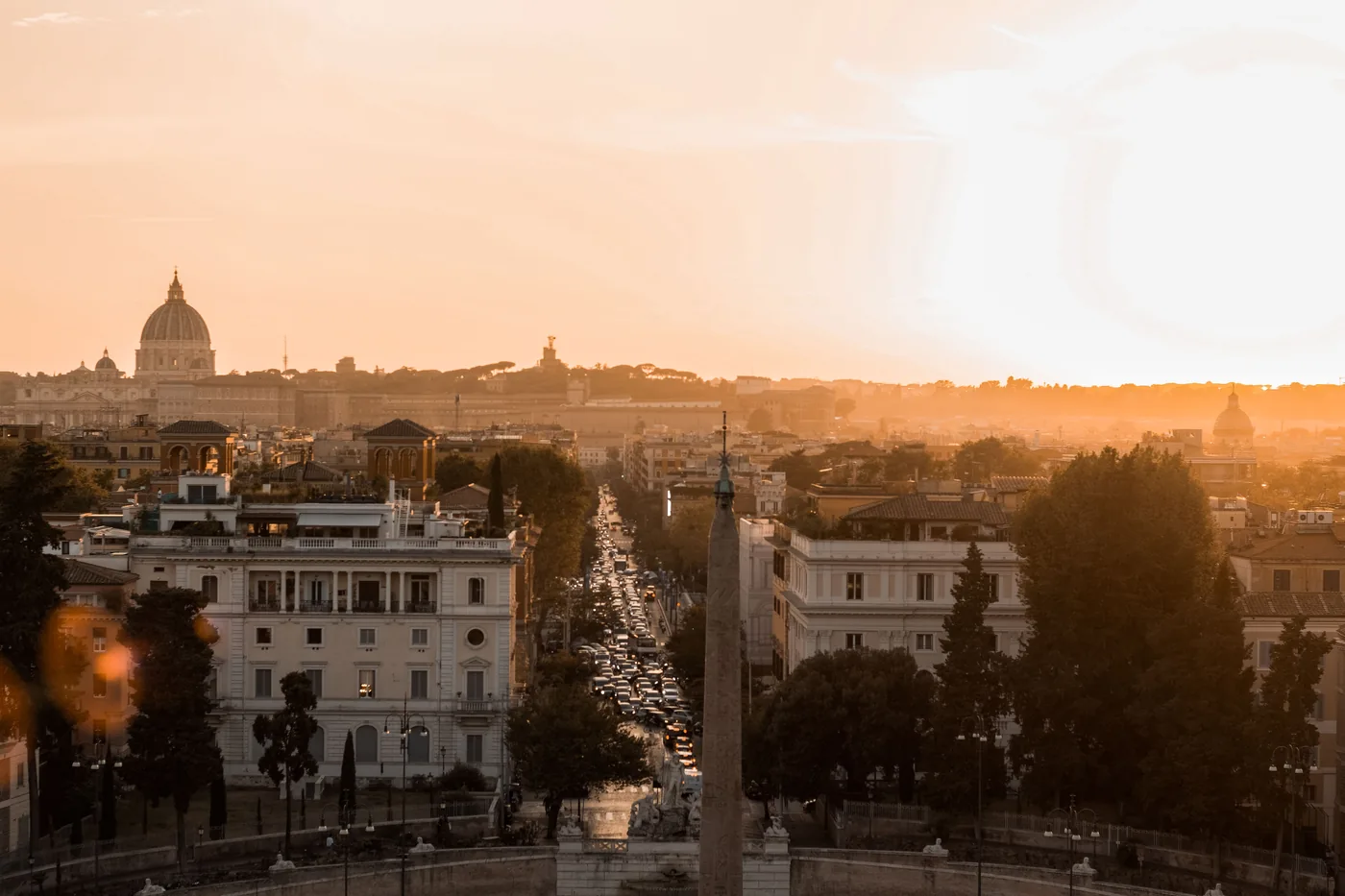
Rome in summer is a queue in the sun. Rome in winter is the same city with the crowds turned down, the light gone soft and gold by four in the afternoon, and a table free at the restaurant everyone said you needed to book weeks ahead.
It doesn’t really get cold here. January days sit around the low fifties, it rains in short bursts rather than all day, and frost is rare. These are the cozy things to do in Rome in winter, from the markets and nativity scenes in December to artichoke season in the new year, plus the famous sights at the one time of year you can walk straight into them.
1. Wander The Christmas Market In Piazza Navona
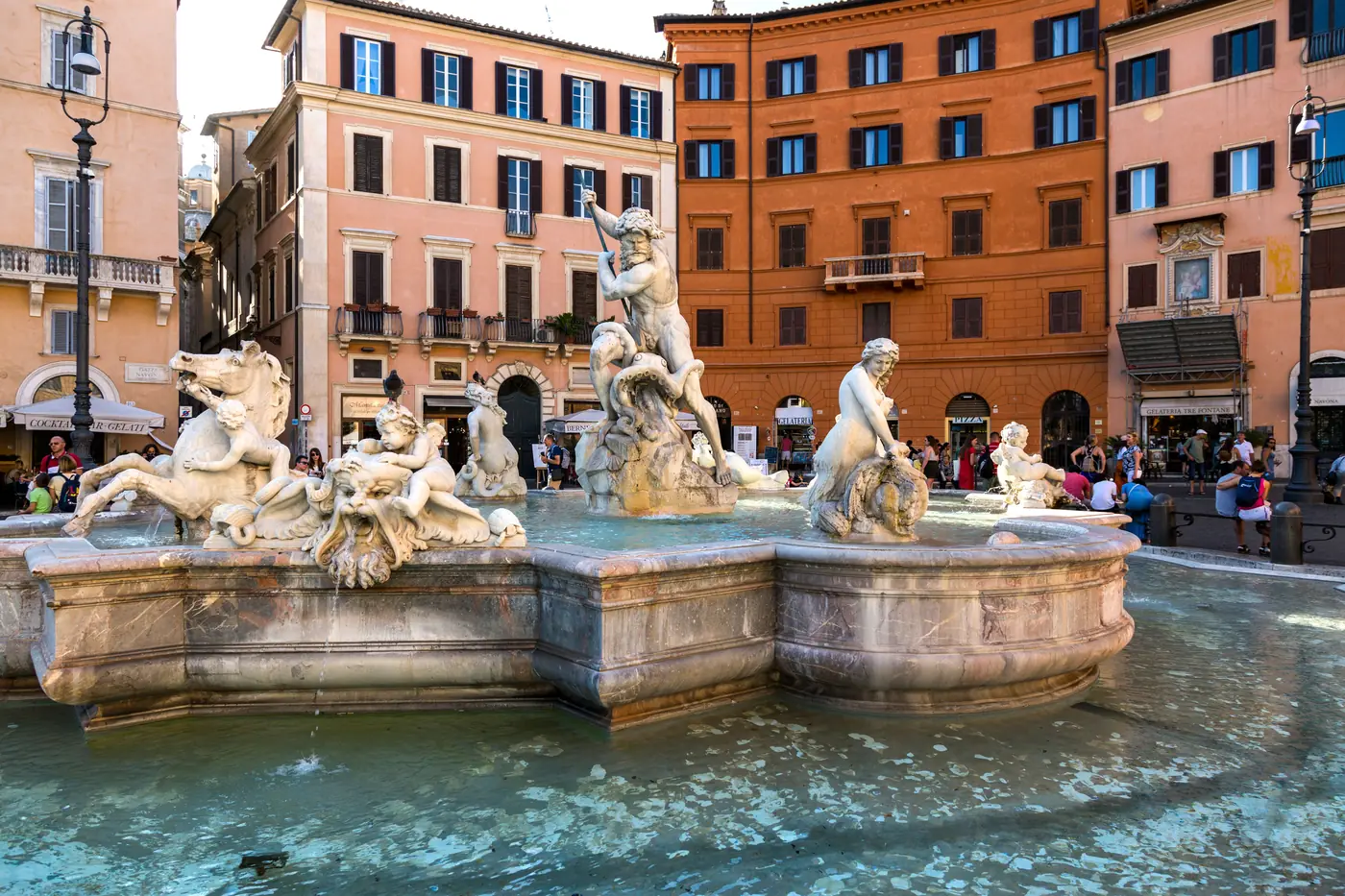
Rome’s best known Christmas market fills Piazza Navona from December 8 until January 6, wrapped around Bernini’s fountains. Stalls sell sweets, roasted chestnuts, nativity figures and the kind of small handmade things you actually want.
The carousel at the center has been turning since 1896, and it’s the reason half the square smells like sugar. Stalls stay open late, past midnight on weekends, so this is an evening stop rather than a daytime one.
Go on a weeknight if you can. The square gets shoulder to shoulder on December weekends, and the market is much nicer when you can actually stand still in it.
2. See The Nativity Scenes Under Bernini’s Colonnade
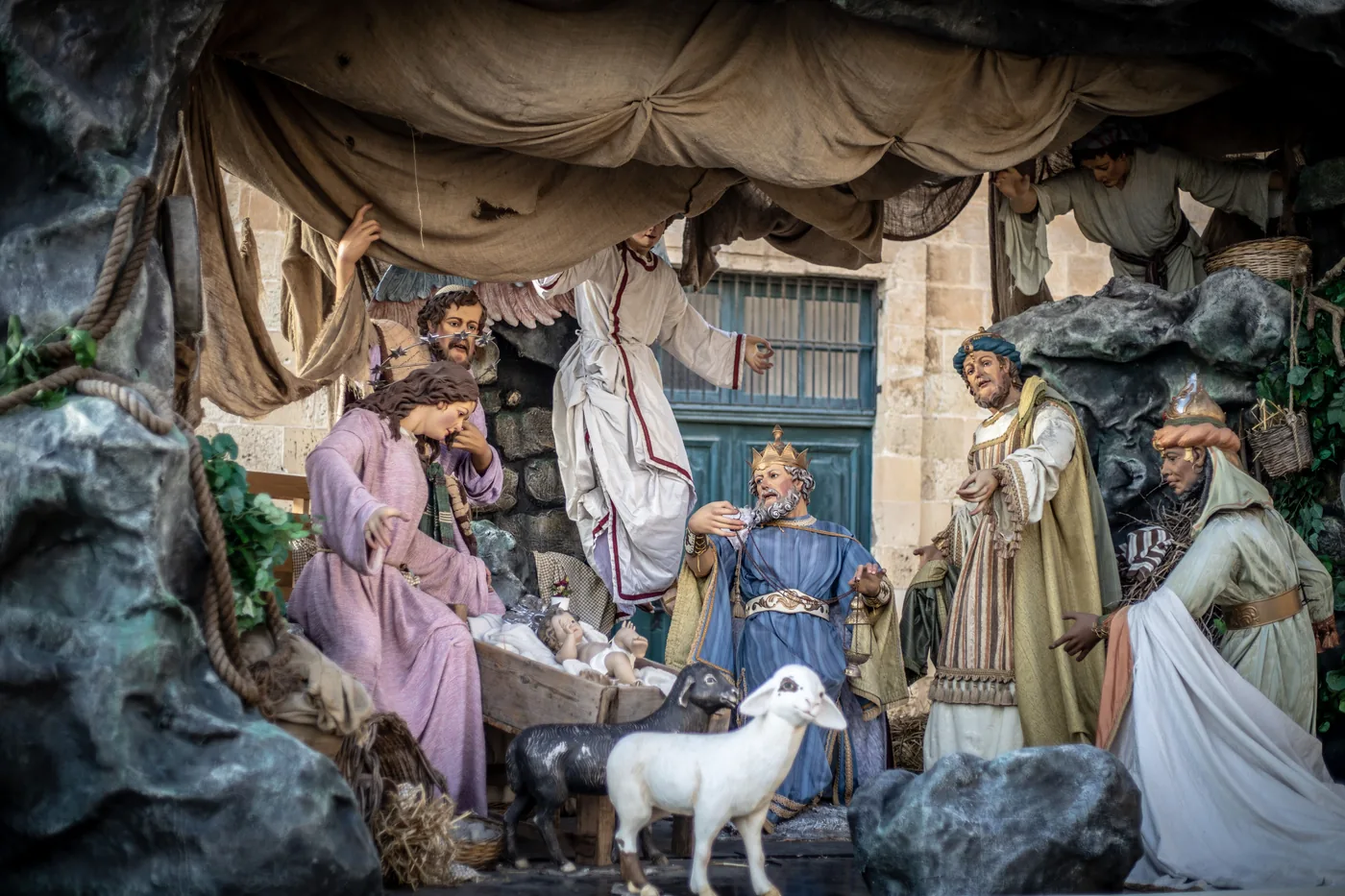
Italy takes nativity scenes seriously, and the biggest gathering of them sits under the left colonnade in St Peter’s Square. The exhibition runs from December 8 to early January and it’s free, with no booking.
Recent editions have shown over 130 cribs from Italy and more than twenty other countries. Some are traditional Neapolitan scenes with working fountains and lights, and others are made from sand, rice, terracotta or scrap metal.
While you’re in the square, the tree and the life size nativity go up in early December and stay until Epiphany. Both are free to stand in front of for as long as you like, which in winter means without much of a crowd.
3. Spend A Winter Evening In Trastevere
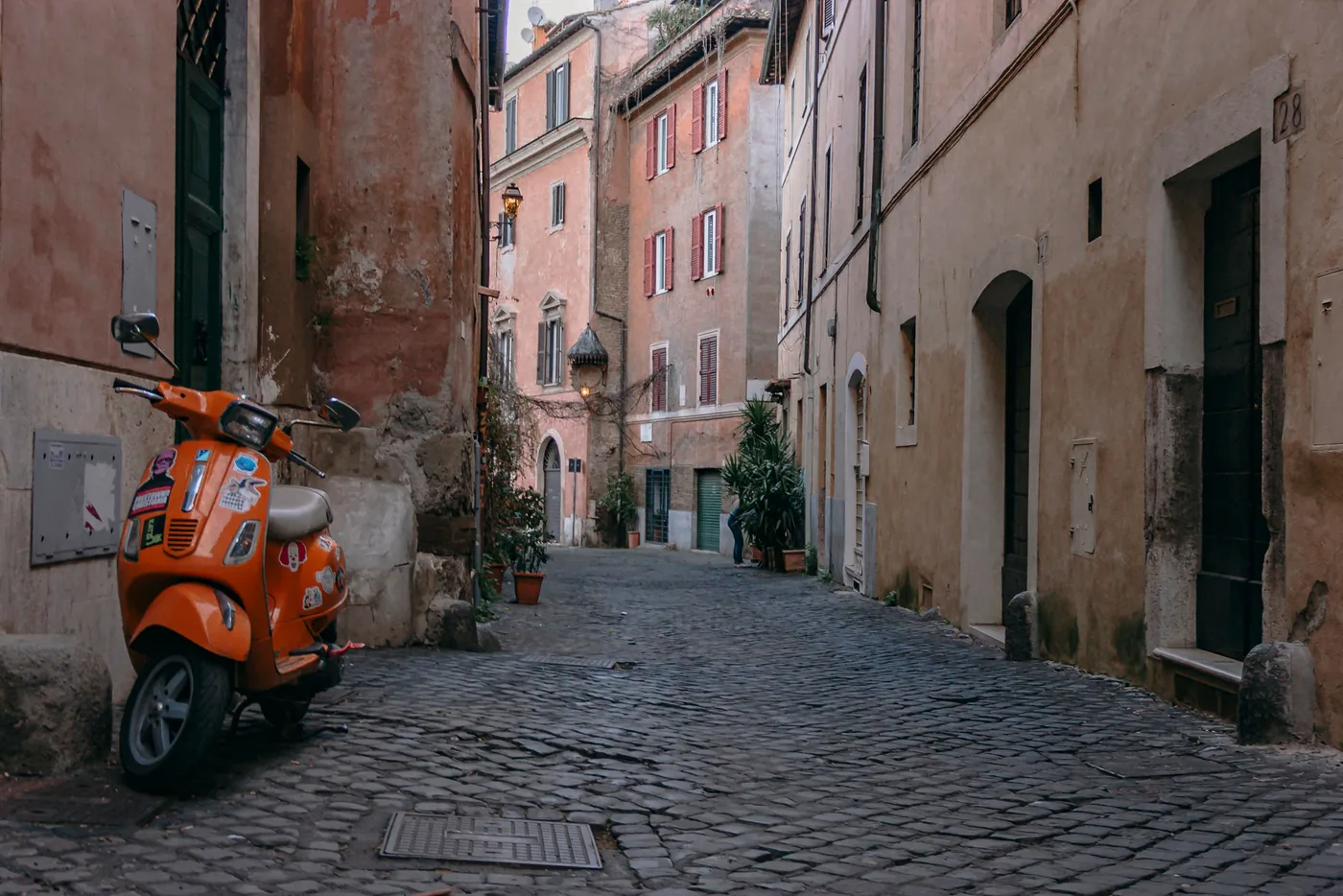
Trastevere is the neighborhood that feels best in the cold. The lanes are narrow enough to block the wind, the restaurants light up early because it’s dark by five, and the summer crush of people simply isn’t there.
Start with a wander through the back streets around Santa Maria in Trastevere, then eat somewhere with a low ceiling and paper on the tables. Winter is when the Roman classics taste right, and this is the part of town that does them well.
It’s a short walk over the river from the center, or a ride on the number 8 tram. Give it a whole evening rather than an hour.
4. Skate Under The Lights In Villa Borghese
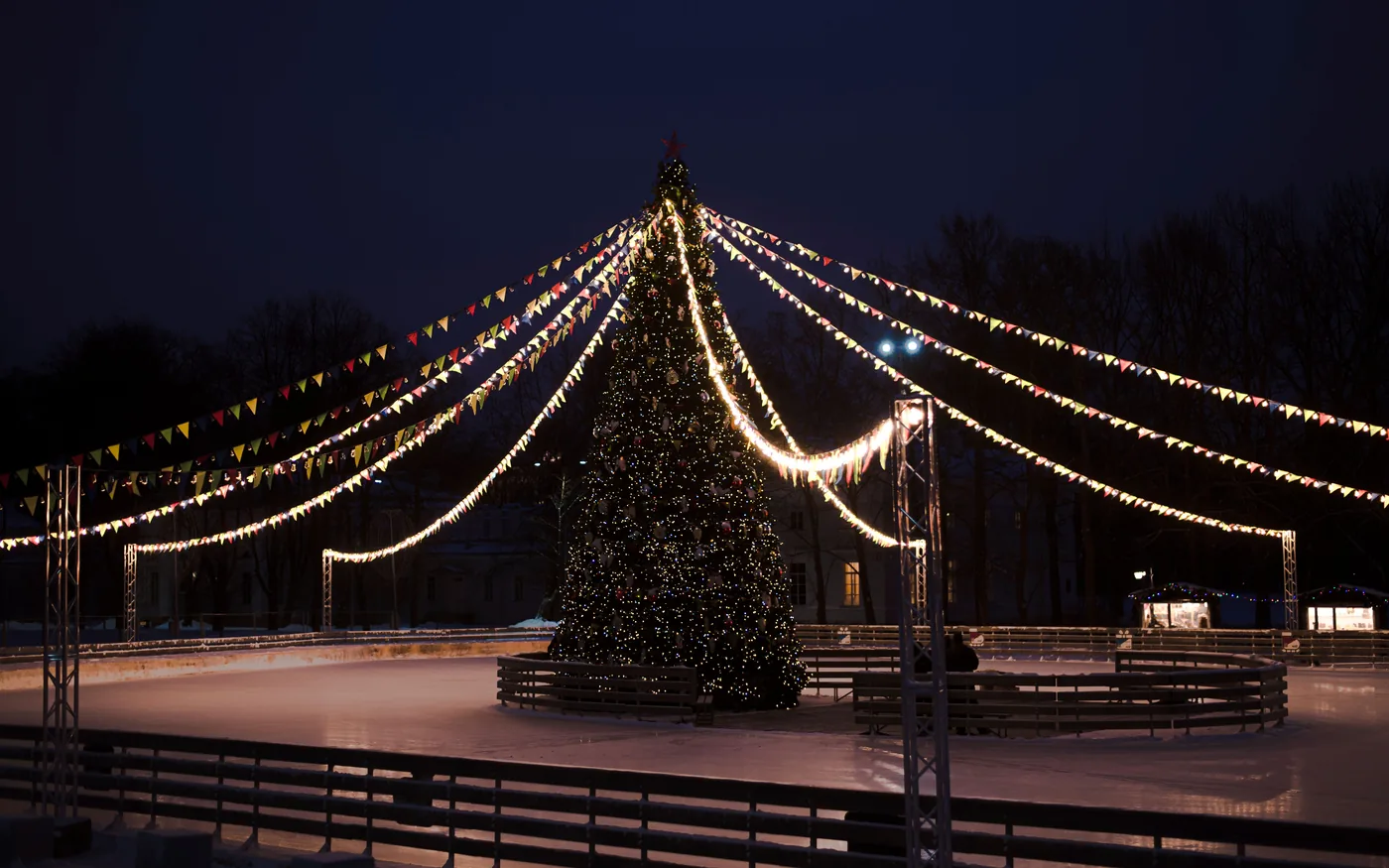
Rome does a proper outdoor winter village in Villa Borghese most years, with an ice rink at the middle of it, lights strung through the trees and food stalls around the edges.
It isn’t a serious rink and nobody there is a serious skater. That’s the point. Skate for half an hour, get a hot drink, and walk back down into the city with the park lit up behind you.
It runs through the holiday season rather than all winter, so check the dates before you build an evening around it.
5. Wait For La Befana On Epiphany Night
Italian children get their stockings filled on January 6 by La Befana, an old woman on a broomstick who missed the first Christmas and has been making up for it since. Good children get sweets and bad ones get coal, which is sold as black rock candy.
Piazza Navona is the traditional place to see it. The stalls turn over to Befana sweets and toys for the last days of the season, and January 5 and 6 are the busiest nights of the whole market.
It’s the proper end of Christmas here. Nothing comes down until Epiphany is over, so a trip in the first week of January still gets you the full decorations.
6. Go To Christmas Eve Mass In A Roman Basilica
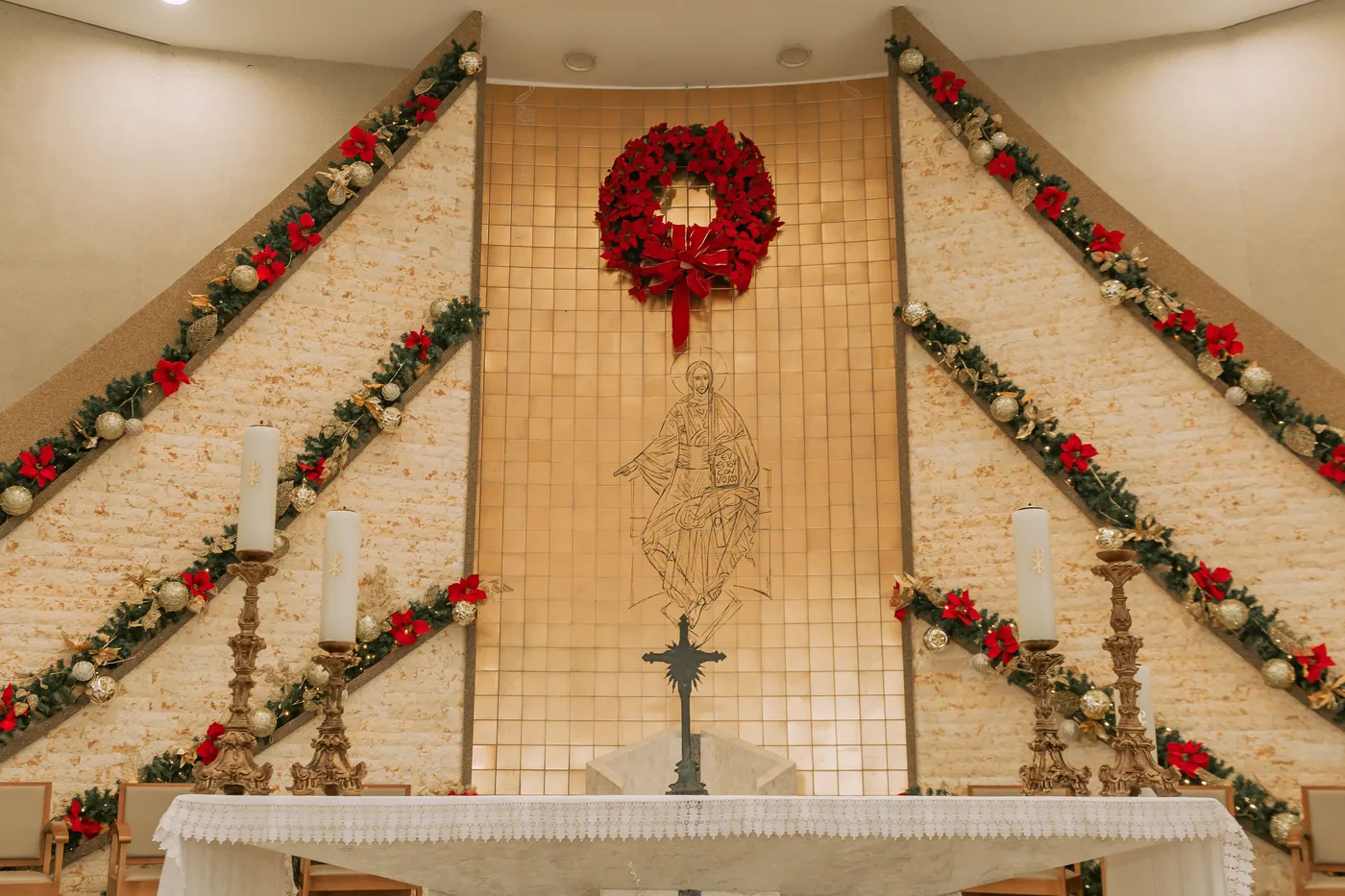
Midnight Mass at St Peter’s is the famous one, and it’s free, but you need a ticket from the Prefecture of the Papal Household and they go quickly. Requests open well in advance and the basilica fills hours before it starts.
The better option for most people is one of the older basilicas around the city. Santa Maria Maggiore, San Giovanni in Laterano and Santa Maria in Trastevere all hold Christmas services in buildings that have been doing it for well over a thousand years.
You don’t have to be Catholic to sit at the back quietly. Dress warmly, because these buildings hold the cold beautifully.
7. Order Puntarelle While It’s In Season
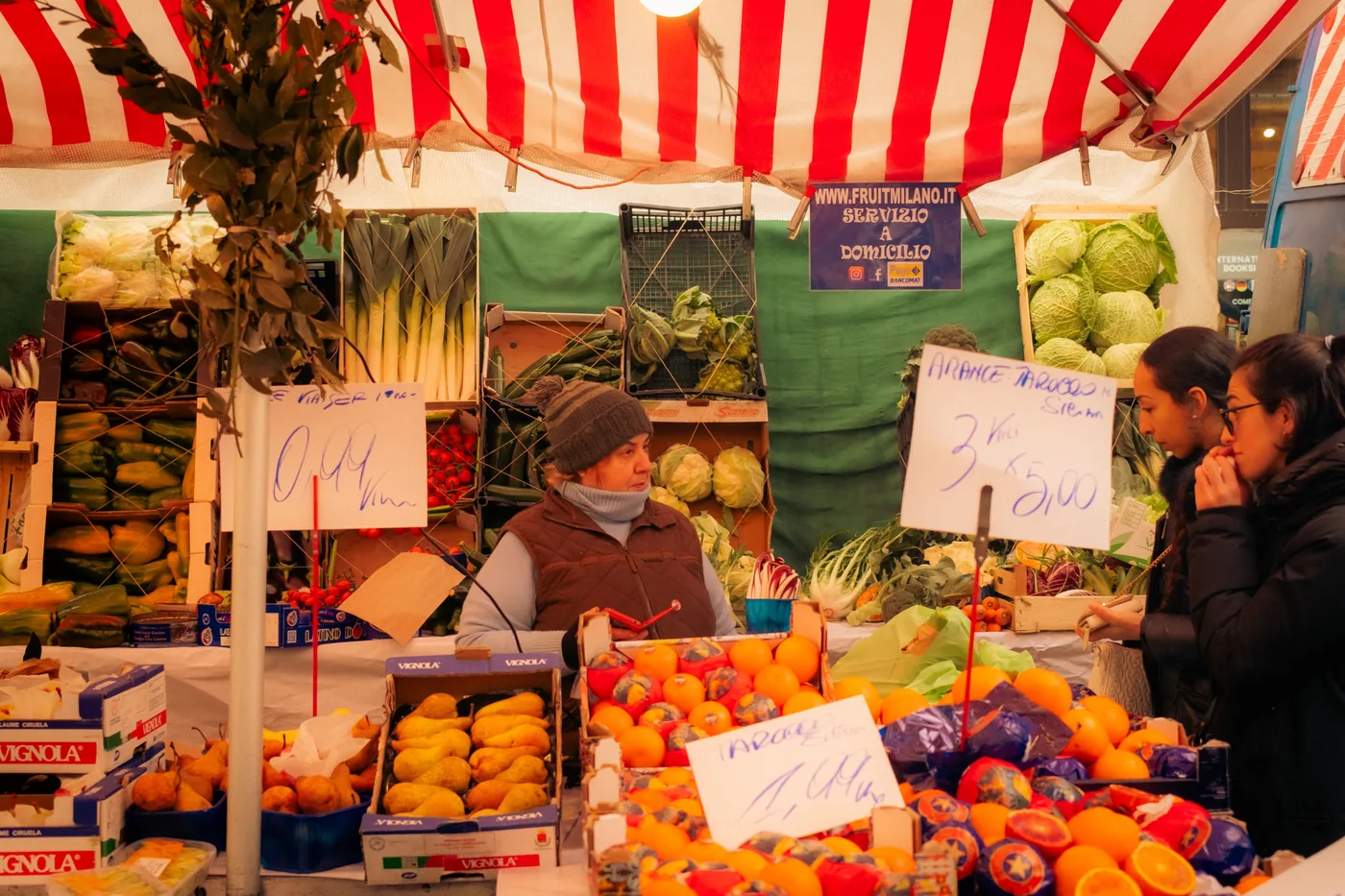
Puntarelle is a kind of chicory that only shows up in winter, and in winter it’s on every menu in the city. The stalks get cut into thin curls, soaked in cold water until they twist, then dressed with olive oil, vinegar, garlic and anchovy.
It’s sharp, bitter and cold, which sounds like a strange thing to want in January until you eat it next to something rich. Romans have it as a starter with cured meat, or alongside a heavy pasta.
You’ll see it being trimmed at market stalls all over town, often by someone working through a mountain of it with a special tool. Order it while you can, because by spring it’s gone.

8. Eat The First Artichokes In The Jewish Ghetto
Roman artichoke season starts at the end of January and runs into spring, and the first ones are a genuine event. The prized local variety is round, tender and has no choke, so almost the whole thing is edible.
The Jewish Ghetto is where to eat them. Carciofi alla giudia are flattened and fried twice until the leaves go crisp like petals, and carciofi alla romana are braised soft with mint and garlic.
The Ghetto is a small quarter between the river and Largo di Torre Argentina, and it’s a good place to spend a cold afternoon anyway. The restaurants along Via del Portico d’Ottavia all do their own version.
9. Warm Up With Cioccolata Calda At An Old Cafe
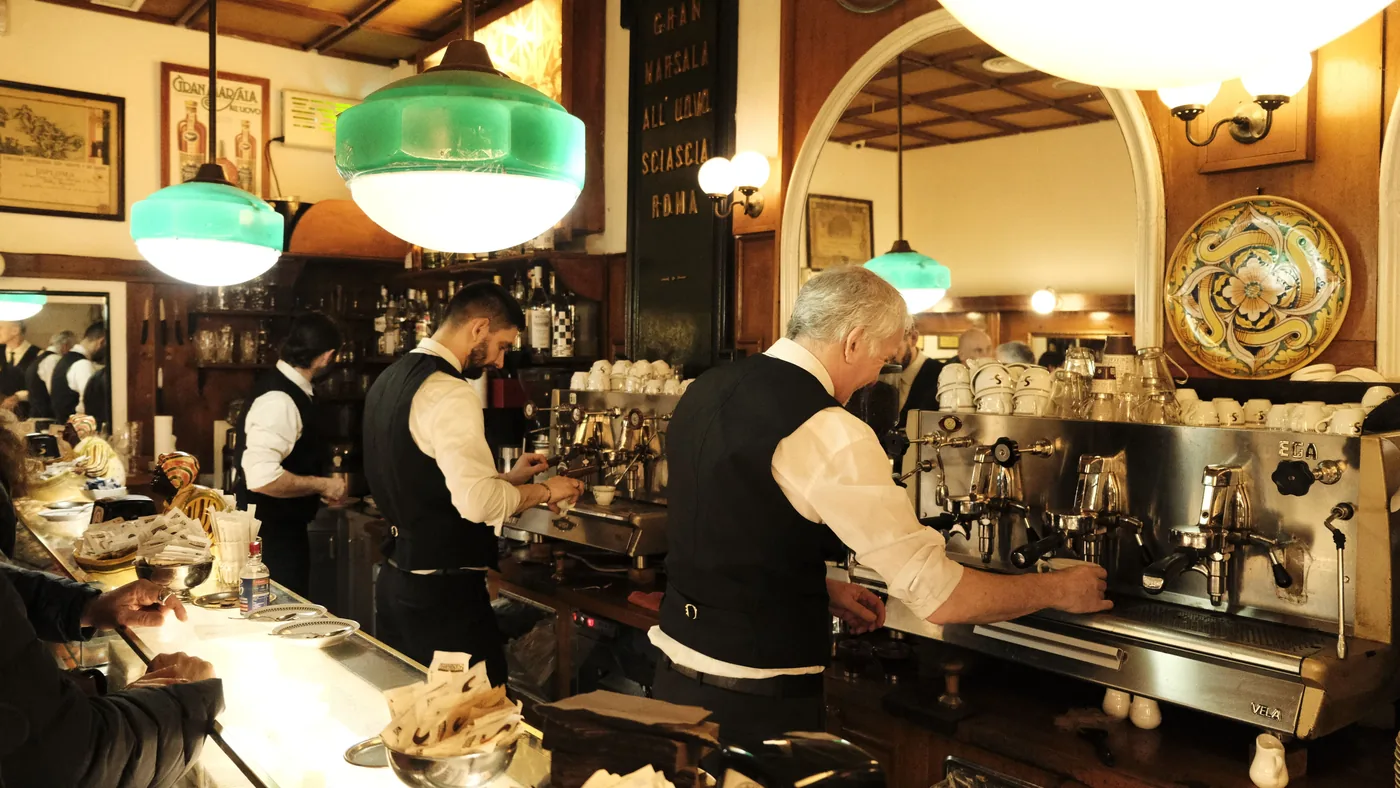
Italian hot chocolate barely counts as a drink. It’s thick enough that the spoon stands up in it, closer to a warm pudding than to anything you’d sip, and it’s exactly right after an hour outside in the damp.
The historic cafes near the Pantheon and around Piazza di Spagna all do it, usually with a blob of unsweetened cream on top to cut the sweetness. Standing at the counter costs less than sitting down, which is true across Italy.
It’s a winter only ritual in the sense that nobody wants one in July. Have it mid afternoon, between sights, when your hands have stopped working properly.

10. Shop The January Sales On Via Del Corso
Italy runs fixed sale seasons set by region, and the winter one starts in the first week of January and runs about six weeks. Discounts open around thirty percent and get deeper as the weeks go on.
Via del Corso is the main run of high street shops, straight down from Piazza del Popolo. The smaller streets off it, toward Via dei Condotti, are where the expensive labels sit if you’d rather just look.
The first weekend is chaos and the last fortnight is picked over. A weekday in the middle of January is the sweet spot.
11. Soak In The Thermal Springs Outside The City
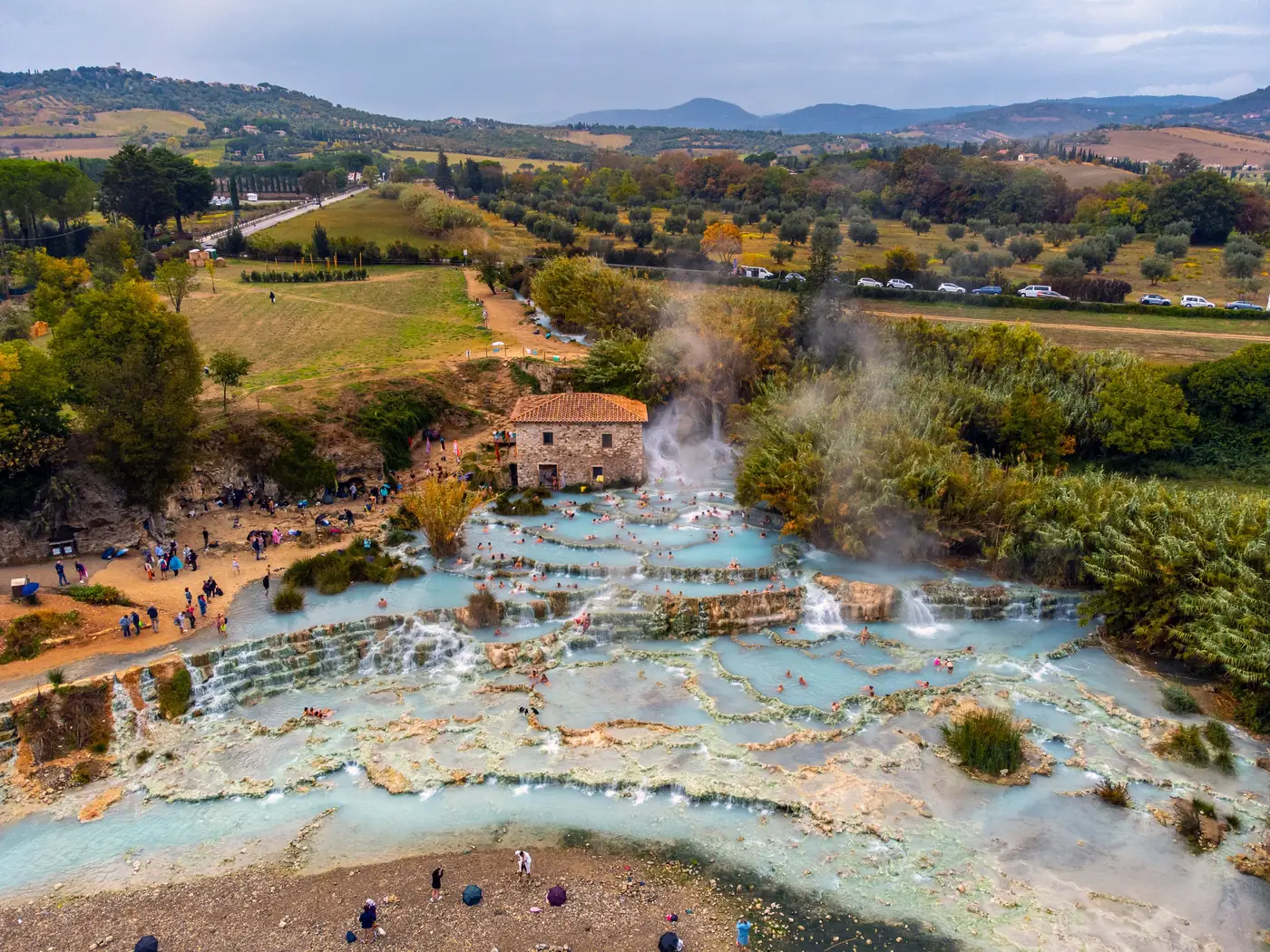
Central Italy sits on hot water, and a cold day is the best possible time to use it. The closest option to Rome is Viterbo, about an hour and a half north, where the spa pools sit at a natural bath temperature and there are free open air pools nearby for people who don’t mind the sulphur smell.
Further out, the terraced pools at Saturnia spill down a hillside in southern Tuscany and stay warm all year. It’s a longer drive, and in winter the steam coming off the water is the whole reason to go.
Bring flip flops and don’t wear jewelry you care about, because the sulphur will tarnish it. Go on a weekday and the crowds thin right out.
12. Take A Night At Teatro Dell’Opera
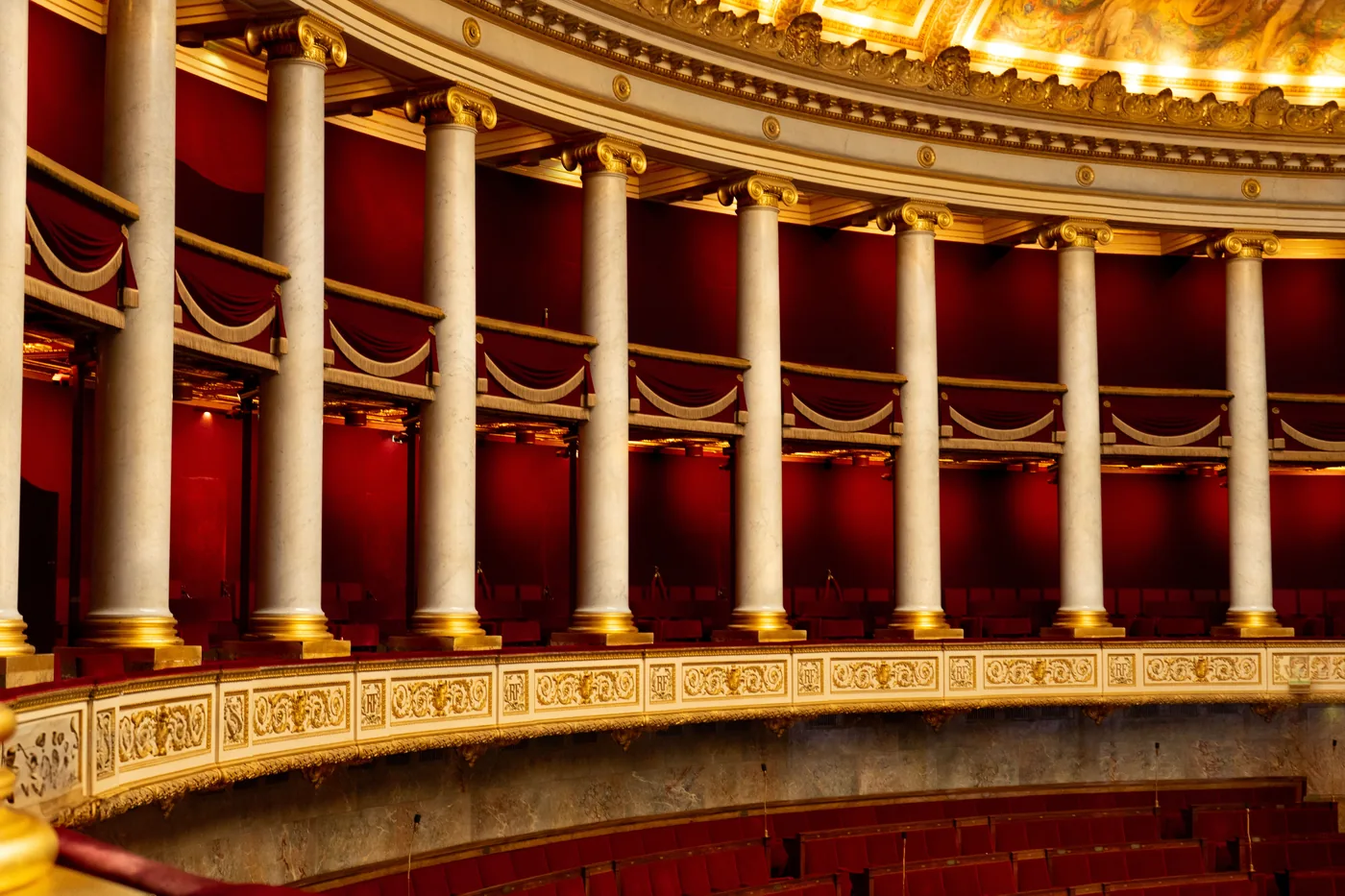
Rome’s opera house runs its season through the winter, which is not a coincidence. Opera was the original way to spend a cold evening here, and the building itself is worth the ticket even if the program means nothing to you.
Seats run from serious money down to very little if you take one high up at the side. The upper boxes have a restricted view and locals buy them constantly.
Book ahead for anything famous and look at the ballet program too. If the timing works, the New Year concert is the one people plan around.
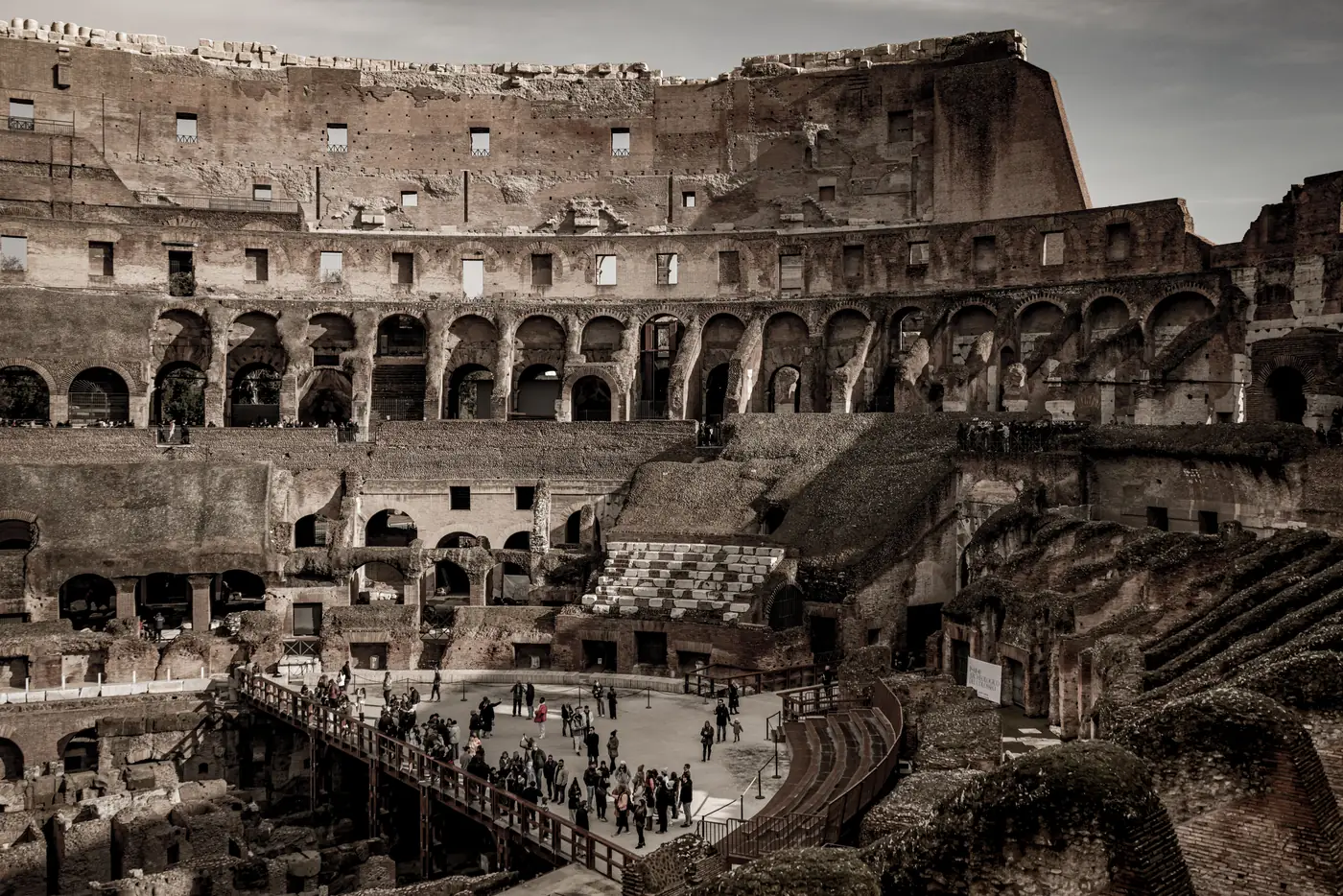
13. Walk Into The Colosseum Without The Queue
This is the single best argument for coming in winter. From the middle of January into February, the Colosseum queue shrinks to the point where a pre booked ticket gets you in with barely any wait, on the same ground that has people snaking around the building in July.
Book the slot online anyway, because tickets are timed and the cheap ones go first. Add the underground and the arena floor if you want the version most visitors skip.
Your ticket covers the Forum and Palatine Hill too, usually across a couple of days. In winter you can actually take your time in all three rather than shuffling through in a line.
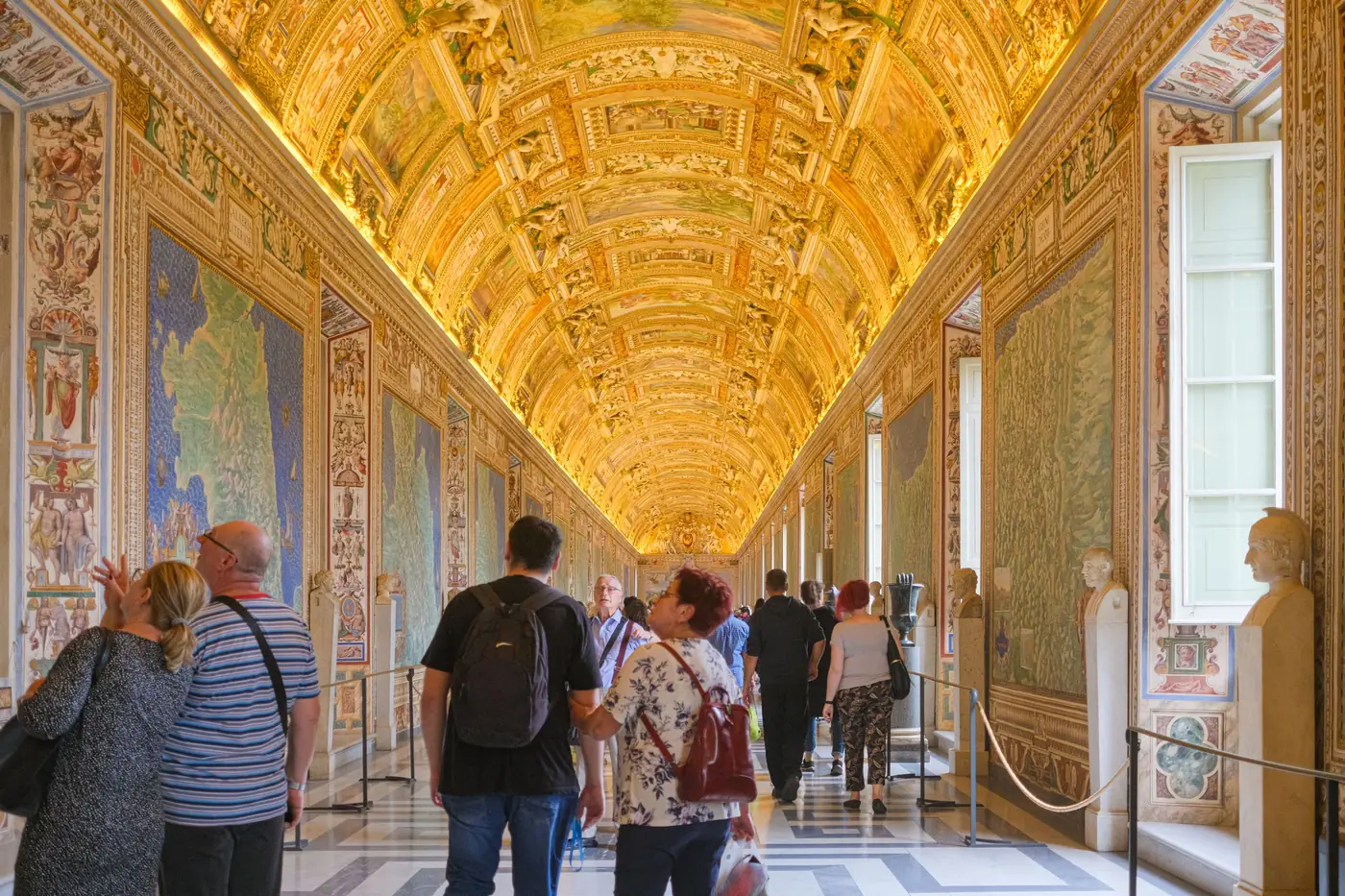
14. Take The Vatican Museums At Winter Pace
The Vatican is never empty and January won’t change that, but it’s the quietest the place gets. The Gallery of Maps and the Sistine Chapel in low season are a completely different experience from the summer crush.
Book a morning slot and go straight through to the Sistine Chapel first, then work back. The museums are closed on Sundays except the last one of the month, when entry is free and everybody in the city turns up.
St Peter’s Basilica next door is free, and the dome climb is far more pleasant in cold weather than in August heat.
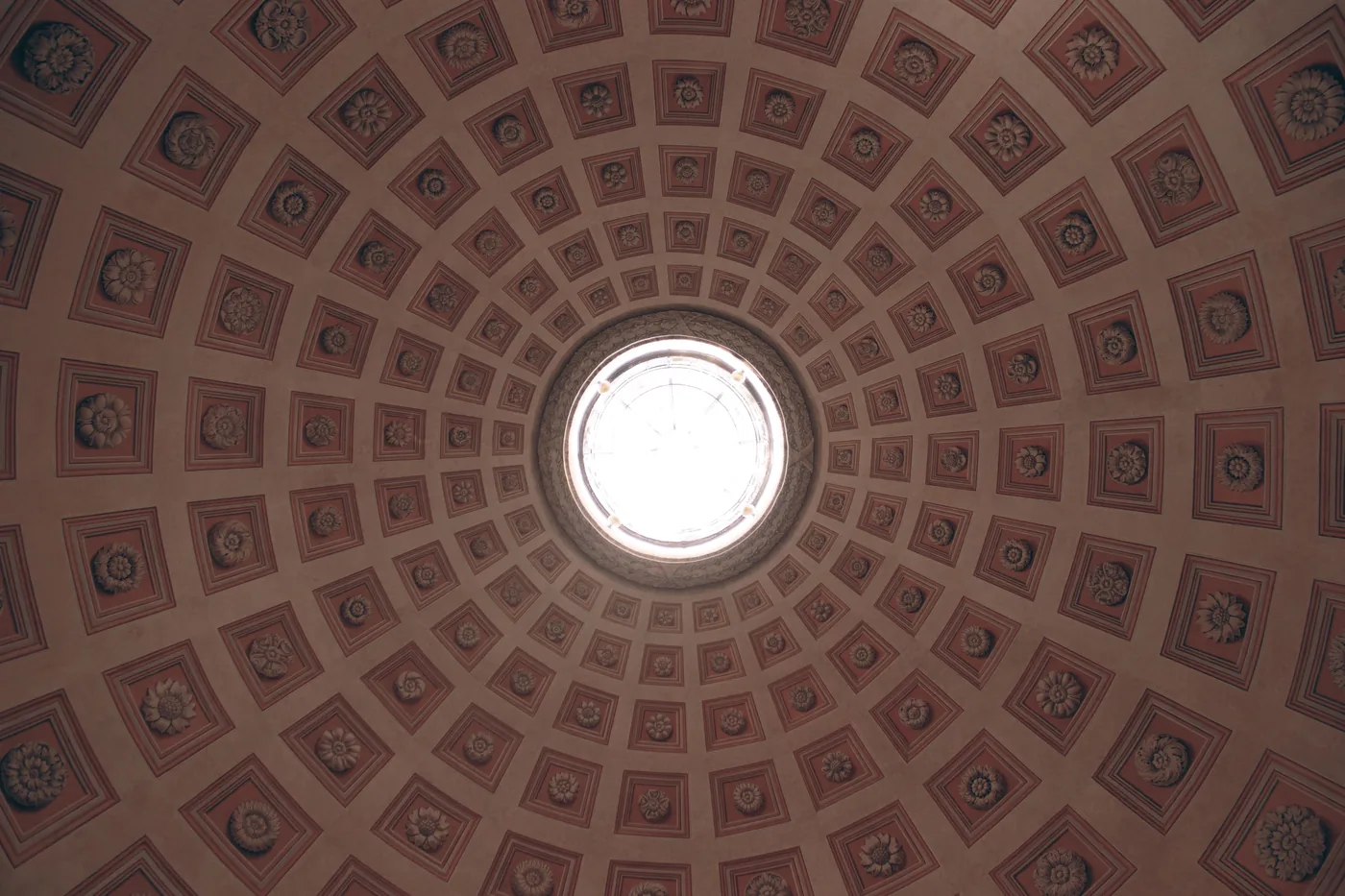
15. Stand Under The Pantheon’s Oculus In The Rain
The Pantheon has a hole in the roof and no glass in it, so when it rains in Rome it rains inside the Pantheon. The floor is gently domed with drains cut into it, built to handle exactly this almost two thousand years ago.
Winter is when you’re most likely to catch it. A short heavy shower is common here in December and January, and standing under that column of falling water in a crowd of people all looking up is worth planning your day around.
Note that it isn’t free any more. There’s a small admission charge now, with free entry on the first Sunday of the month and for anyone attending mass.
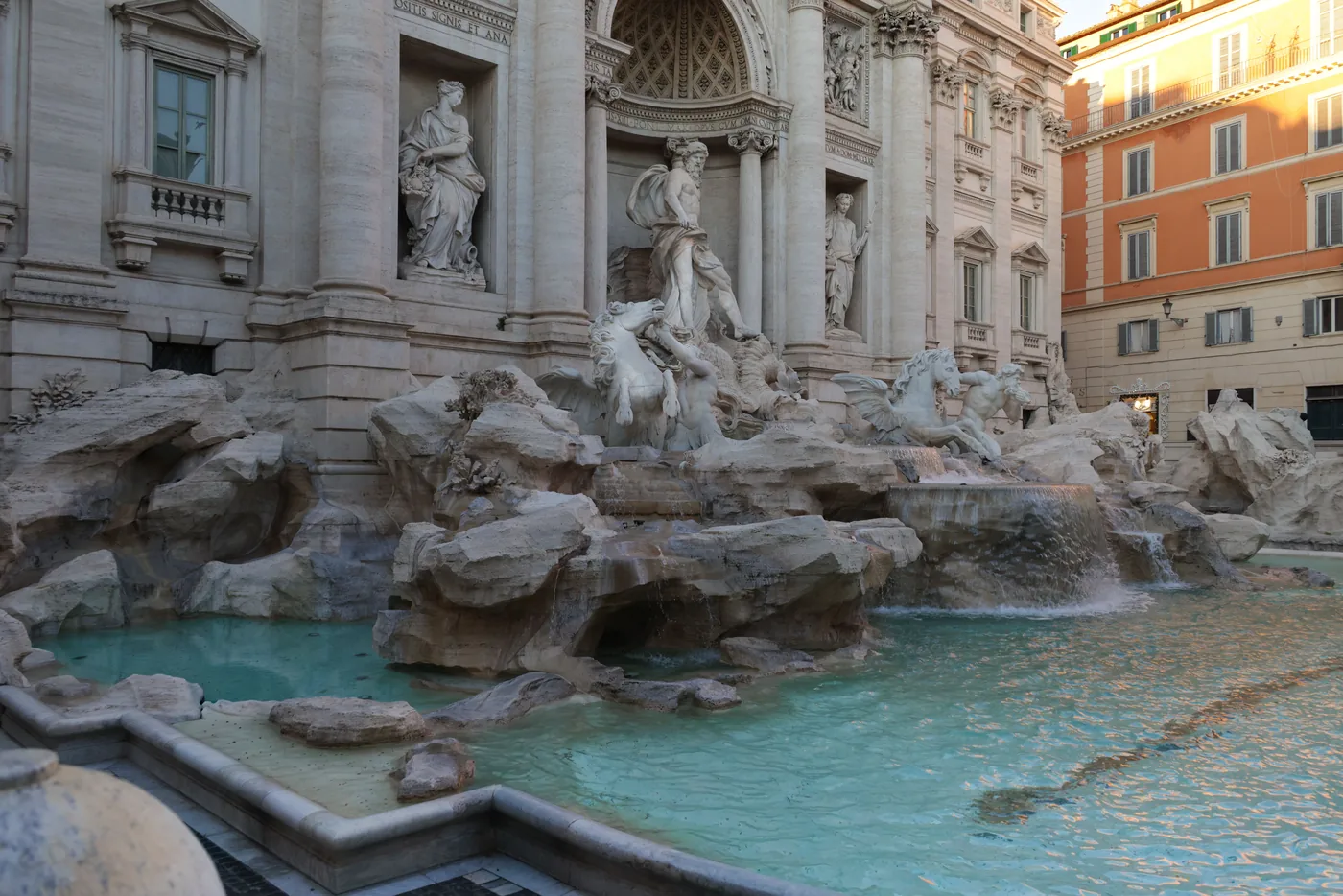
16. Get To The Trevi Fountain Before Breakfast
The Trevi Fountain is the one place that stays busy year round, and the rules changed recently. The lower area by the water now takes a small fee and the number of people allowed down there at once is capped, with a queue to get in.
Winter is what makes that workable. In January the queue moves, where in summer the cap means a long wait for a spot at the edge.
Go early regardless. Before about eight in the morning you get the fountain with a handful of people, the light coming in low, and no line at all. Standing in the piazza above is still free at any hour.
17. Book The Borghese Gallery At Short Notice
The Borghese lets a limited number of people in per two hour slot, which is why it’s usually sold out weeks ahead. In winter you can often get a ticket for a couple of days out, and sometimes for the same week.
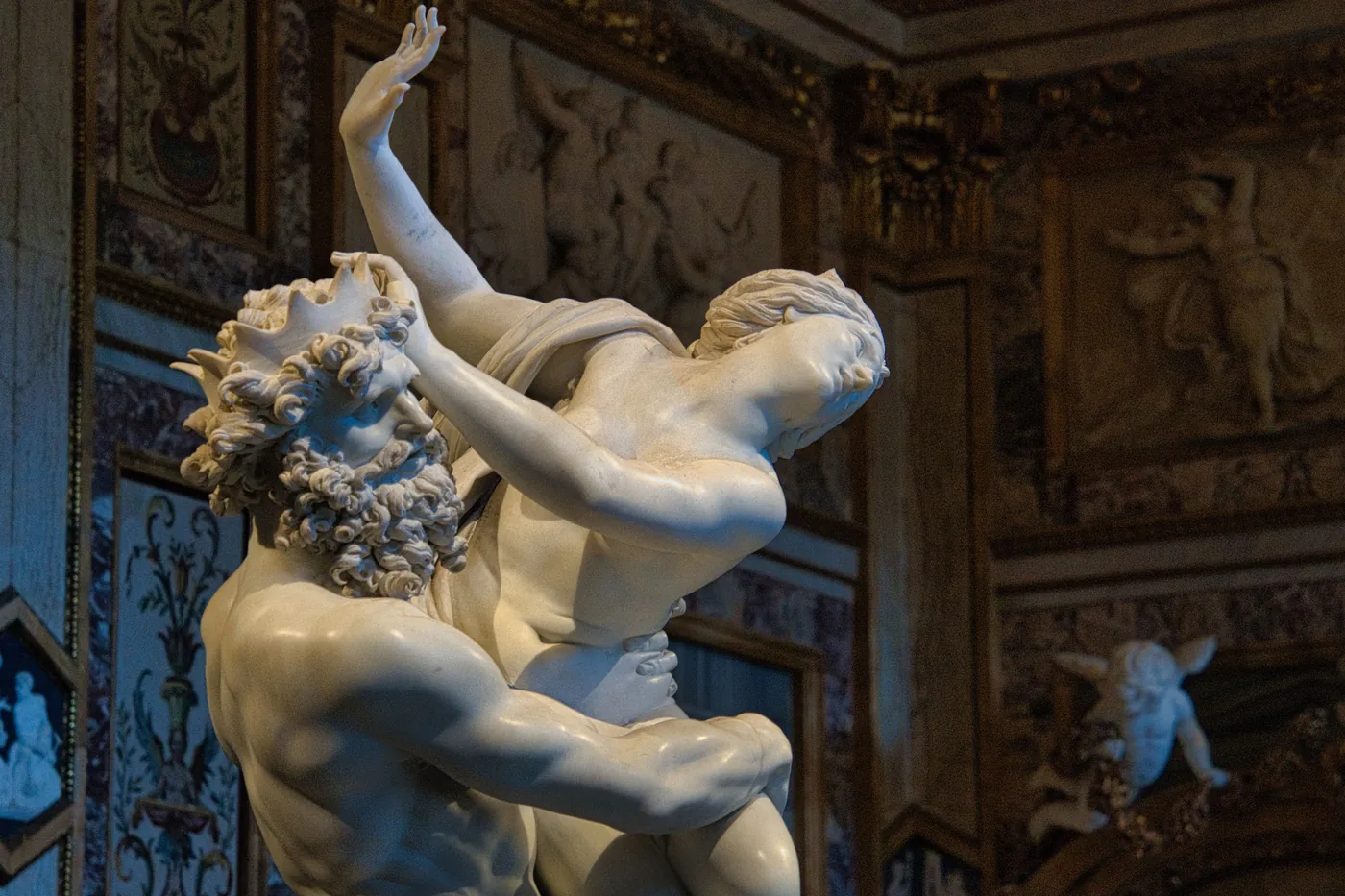
Inside is Bernini’s sculpture at its most ridiculous. Daphne turning into a tree with bark climbing her legs, Pluto’s fingers pressing into marble thigh as if it were skin, and Caravaggio hung in the rooms upstairs.
Two hours is exactly enough. The villa sits in Villa Borghese park, so pair it with a walk to the terrace above Piazza del Popolo.
18. Find The Caravaggios In Rome’s Free Churches
Rome keeps several Caravaggios in working churches rather than museums, and those churches cost nothing to walk into. San Luigi dei Francesi holds three paintings of Saint Matthew, and Santa Maria del Popolo has the conversion of Saint Paul.
You’ll need coins for the light boxes. The paintings sit in side chapels lit only when someone feeds a euro in, and then a couple of minutes later the whole thing goes dark again.
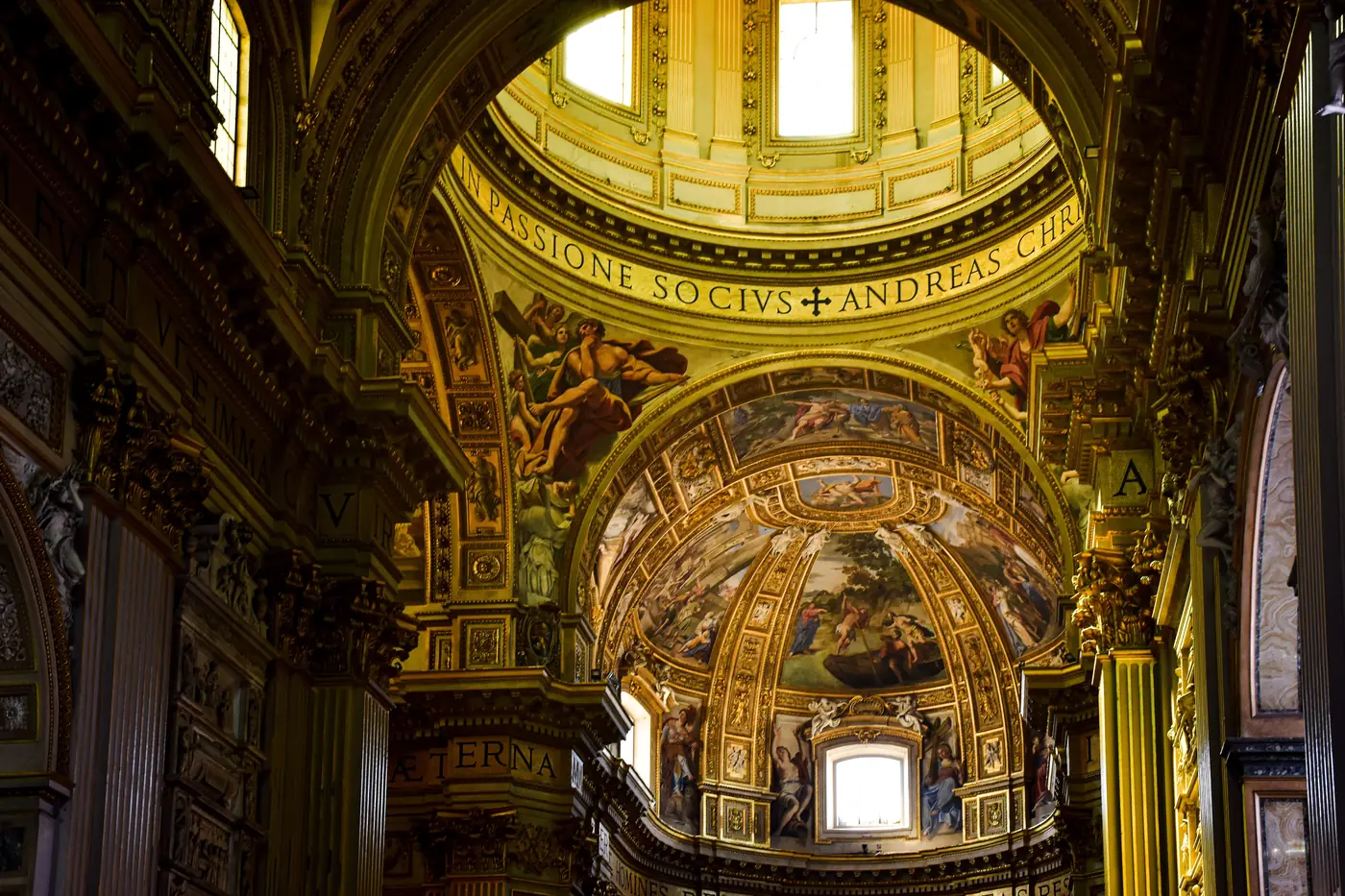
It’s the best free thing to do in the city on a wet afternoon, and the churches are warm. Sant’Ignazio nearby has a painted ceiling that fakes a dome so well you’ll walk back and forth checking.
19. Go Underground Into The Catacombs
The catacombs along the old roads outside the walls hold miles of burial tunnels cut into soft rock. San Callisto and San Sebastiano are the two that most people visit, both on the Appian Way and both guided.
They’re a good winter choice because underground is the one place in Rome where the weather stops mattering. The temperature down there barely moves all year.
Each of the big catacombs closes one day a week and the days differ, so check before you make the trip out. Tours run in several languages and take about half an hour.
20. Walk The Appian Way On A Car Free Sunday
The Appian Way is a two thousand year old road with its original paving still in place in stretches, and on Sundays and holidays it closes to traffic. It becomes a long straight line of walkers, cyclists and families out for the afternoon.
It was made a UNESCO site in 2024, and a winter Sunday is the way to see it. The umbrella pines, the tombs along the verges, and the open countryside starting a few miles from the center.
Rent a bike near the park entrance if you want to cover ground. Walking out to the fourth or fifth milestone and back is plenty for an afternoon.
21. Have Ostia Antica Almost To Yourself
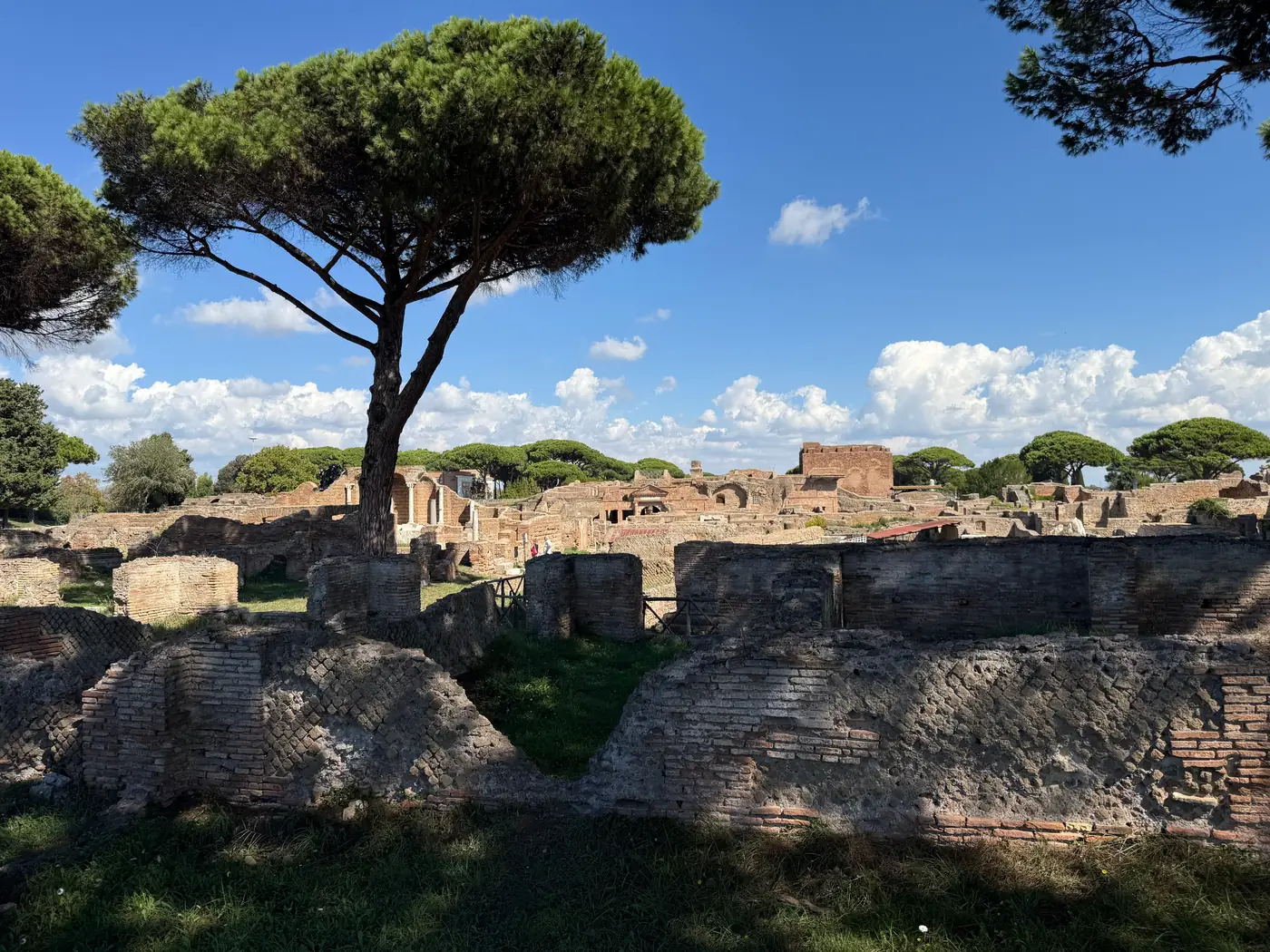
Ostia Antica was Rome’s port town, and what’s left is a full Roman street plan with a theater, baths, bars with the counters still standing and mosaics open to the sky. It gets a fraction of Pompeii’s visitors.
It’s about forty minutes from the center on a local train, which makes it the easiest day trip in Rome. In winter you can walk the main street and pass almost nobody.
Bring proper shoes because the ground is uneven, and start early. The site closes earlier in winter than in summer, so the afternoon is shorter than you think.
22. Eat The Heavy Roman Classics At Dinner
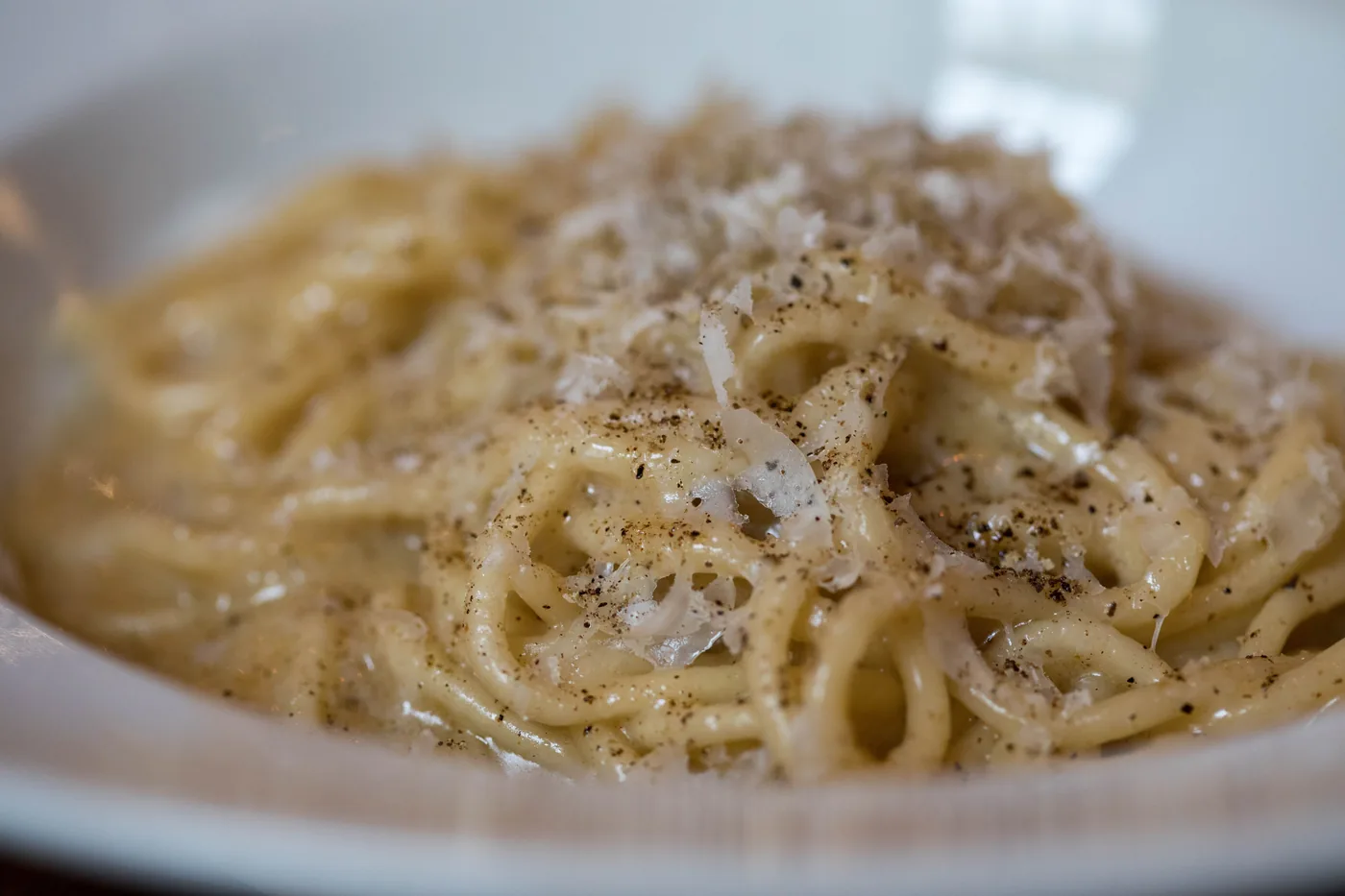
Roman cooking is winter food that happens to be famous in summer. Cacio e pepe, carbonara, amatriciana and gricia are all built on cheese, pork fat and pepper, and they make much more sense when it’s cold outside.
Push past the four pastas if you can. Coda alla vaccinara is oxtail stewed for hours with celery, trippa alla romana comes in tomato with mint and pecorino, and both are cheap, old and exactly right in January.
Eat late by American standards. Nothing fills up before eight and the good places don’t hurry you out afterward.
23. Watch The Early Sunset From The Gianicolo
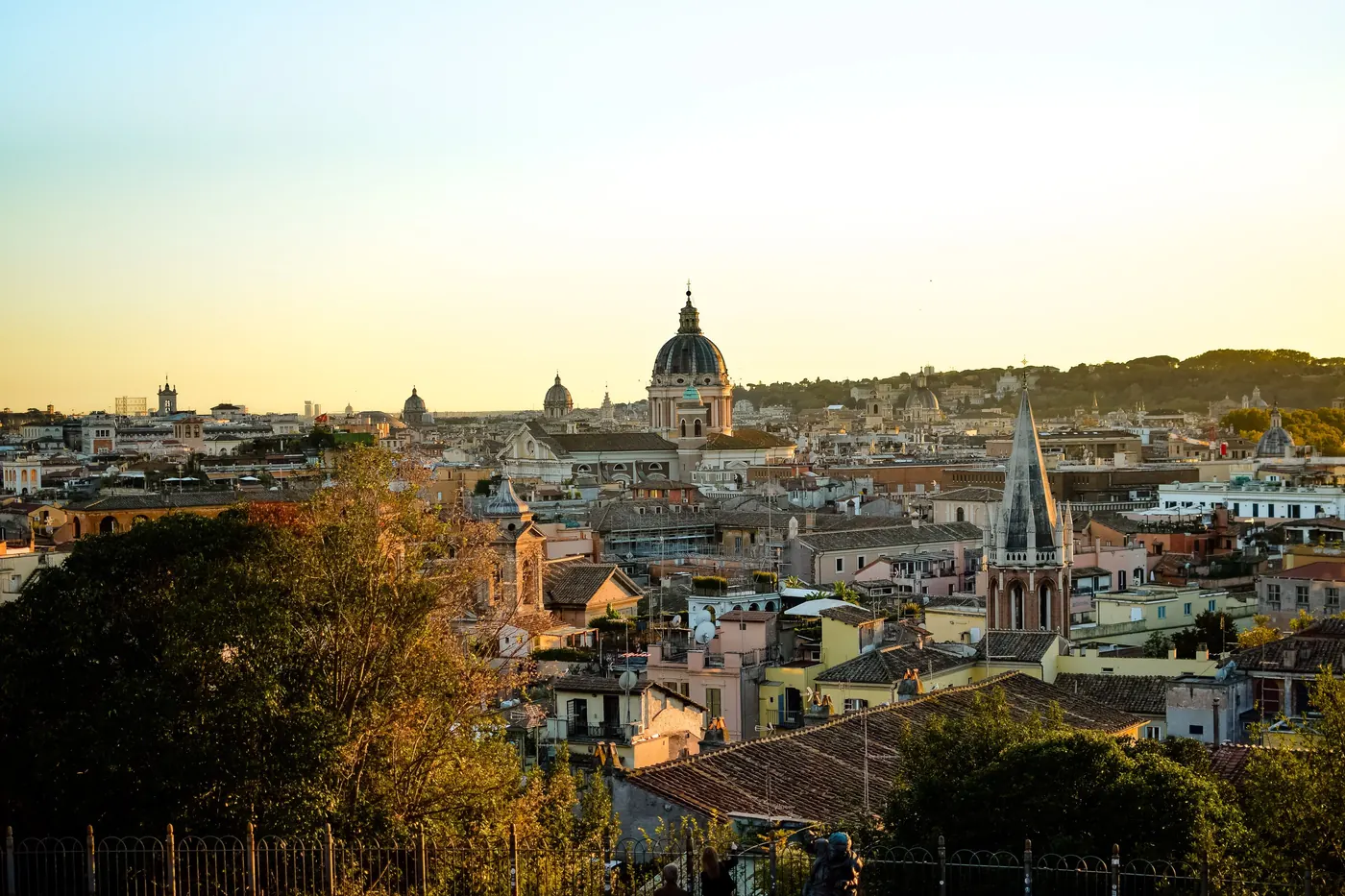
Winter sunset in Rome lands around half past four, which means you can see it without giving up your evening. The Gianicolo, the hill above Trastevere, has the widest view in the city: domes, rooftops, and the whole thing turning orange.
A cannon is fired from the terrace at noon every day, a tradition kept up since the 1840s to set the city’s church bells. Worth timing a walk around if you’re up there in the middle of the day instead.
It’s a climb from Trastevere or a flat walk from the Vatican side. Bring a hat, because the wind up there is the coldest thing you’ll feel all trip.
How To Plan Your Winter Trip To Rome
Winter here is mild and wet rather than cold. January and February sit in the low fifties by day, rain comes in short bursts, and snow is rare enough that it makes the news. Pack a waterproof layer, a warm one underneath, and shoes that handle wet cobbles.
Some of the things to do in Rome in winter run on a calendar. The market, the nativity scenes, the ice rink and the Befana stalls are a December into early January window, and everything Christmas stays up until Epiphany on January 6. Artichokes arrive at the other end, from late January, and puntarelle covers the whole season.
The rest of the list runs all winter and gets better the deeper in you go. Mid January to the end of February is the quietest stretch of the year at the Colosseum, the Vatican and the Borghese, and it’s the cheapest time to fly and sleep here too.
Book the Borghese and the Colosseum online even in low season, check which day your chosen catacomb closes, and remember that the Vatican Museums shut on Sundays apart from the free last one of the month.
Final Thoughts
Rome doesn’t shut down for winter. It just stops performing for an audience of ten million people and goes back to being a city where everyone eats artichokes in January and complains about the rain.
Pick a few of these, leave room in the day for a long lunch, and go before the queues come back in spring. Winter is the easiest time there is to see Rome properly.