 Rebecca Engel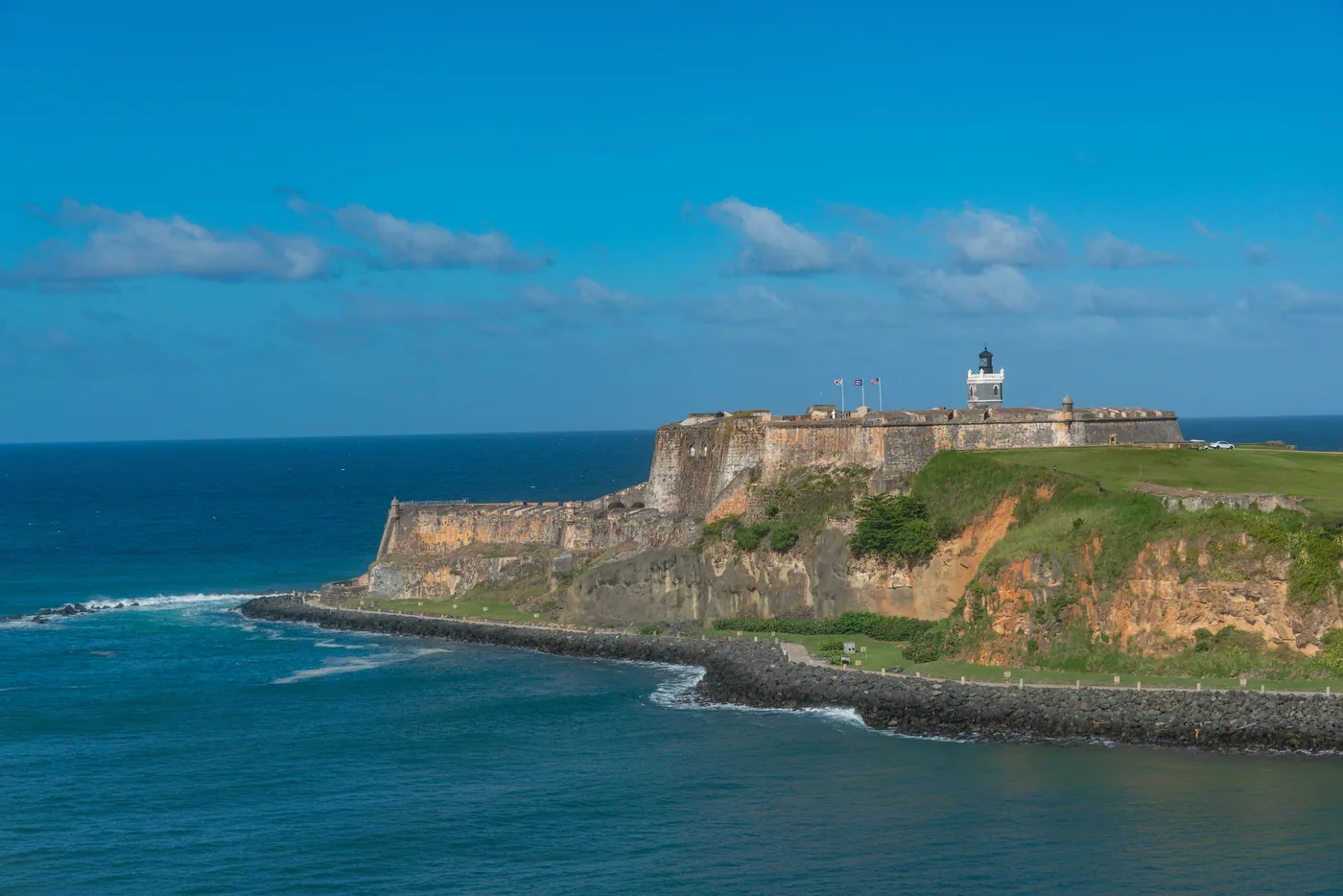
Puerto Rico packs a lot into one island. In five days you can walk the blue cobblestone streets of a 500 year old city, hike through a tropical rainforest, paddle across water that glows at night and spend a whole day on one of the prettiest beaches in the Caribbean.
This 5 day Puerto Rico itinerary splits the trip between San Juan and the east coast, so the late night bay tour and the early ferry don’t turn into long drives in the dark. It’s built for a first visit, and it works whether you like to see a lot or keep a slower pace.
How This 5 Day Puerto Rico Itinerary Works
The first two nights are in San Juan, where you can walk or take an Uber almost everywhere you need to go. On day three, pick up a rental car and move to the Fajardo area on the east coast for two nights, then drive back toward the airport on your last day.
You’ll want the car for El Yunque, Luquillo and the ferry terminal in Ceiba. Uber works well around San Juan, but it doesn’t realistically reach those places, and pickups aren’t allowed inside El Yunque.
Two things are worth booking before anything else. The first is the kayak tour of the bioluminescent bay, which glows brightest on the darkest nights, so try to plan the trip close to a new moon. The second is the ferry to Culebra, which sells out.
Five days in Puerto Rico is plenty for a first trip, and US citizens flying in from the mainland don’t need a passport, since Puerto Rico is a US territory.
Day 1: Arrive And Settle Into Old San Juan
Most flights land at Luis Muñoz Marín International Airport, 20 to 30 minutes from Old San Juan by car or Uber, depending on traffic. Check in, drop your bags and head out for an easy first afternoon.
Afternoon: The Blue Cobblestone Streets Of Old San Juan
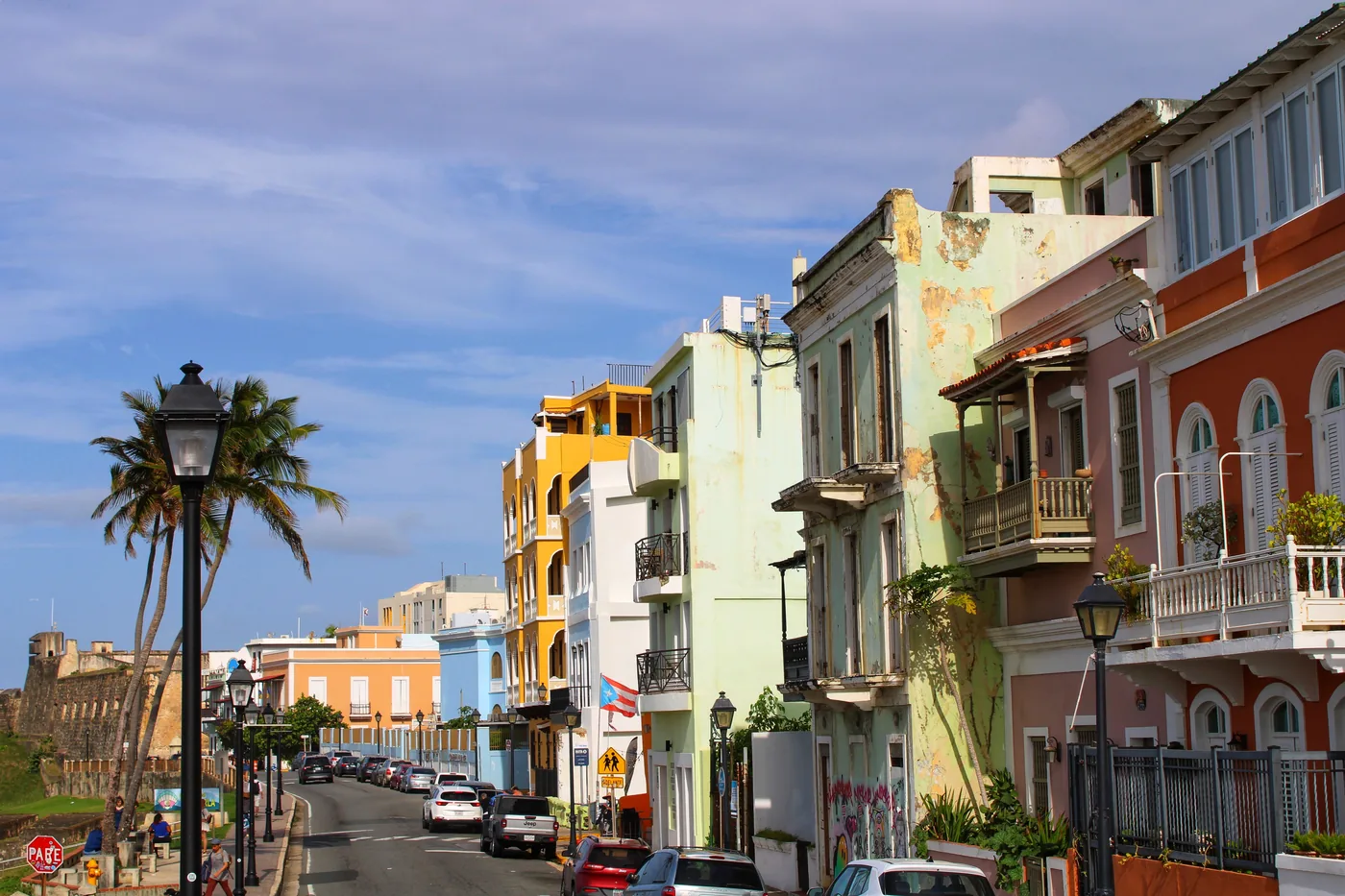
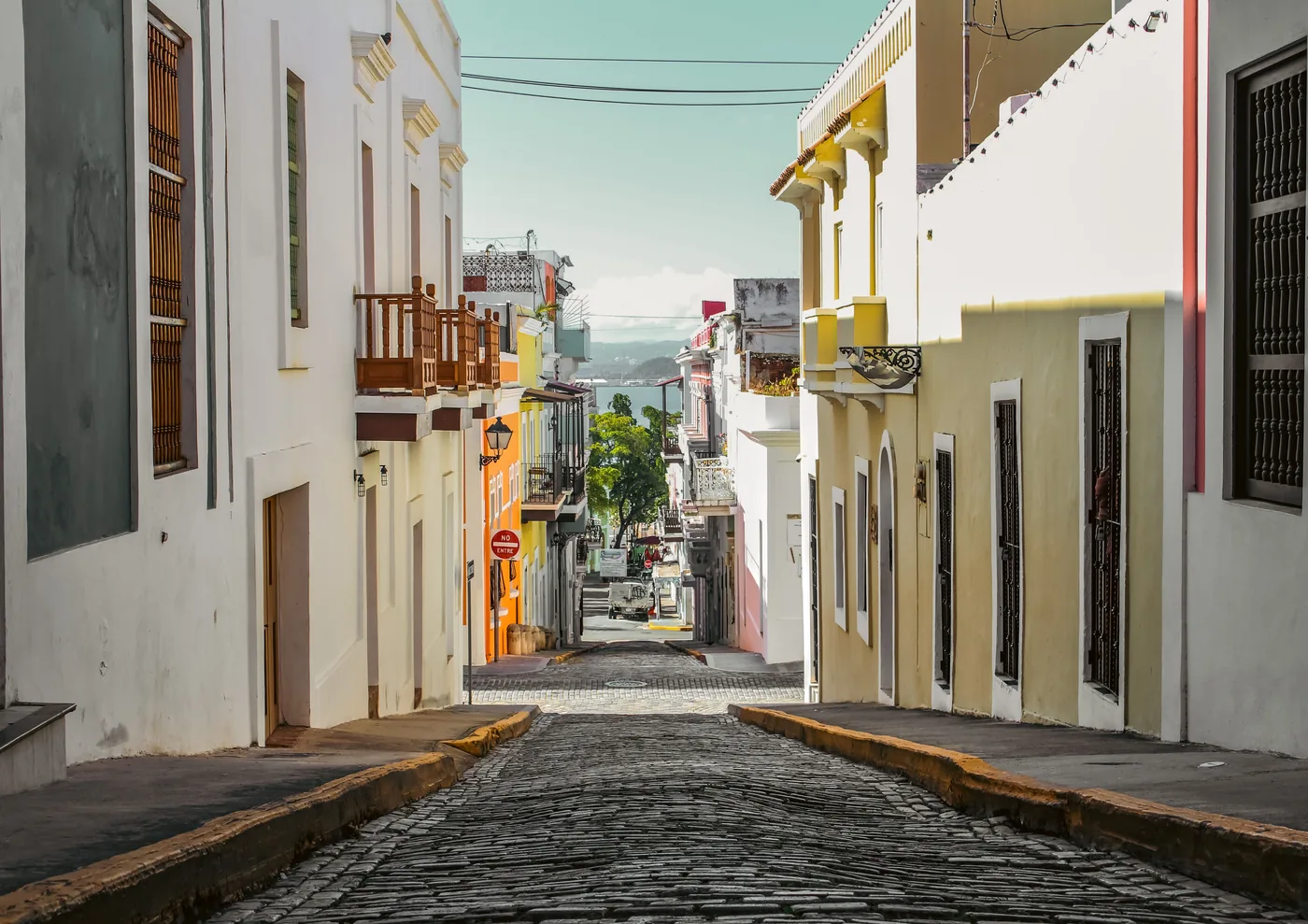
Old San Juan was founded by the Spanish in the early 1500s, and it’s the oldest city under the US flag. Its streets are paved with blue gray paving blocks called adoquines, and the buildings are painted in bright pinks, yellows and blues.
Wander without much of a plan. Calle del Cristo and Calle Fortaleza are lined with shops and cafés, and the little plazas are good places to sit in the shade.
The old city is hilly and hot, so wear comfortable shoes and carry water.
Evening: Sunset On The Paseo De La Princesa
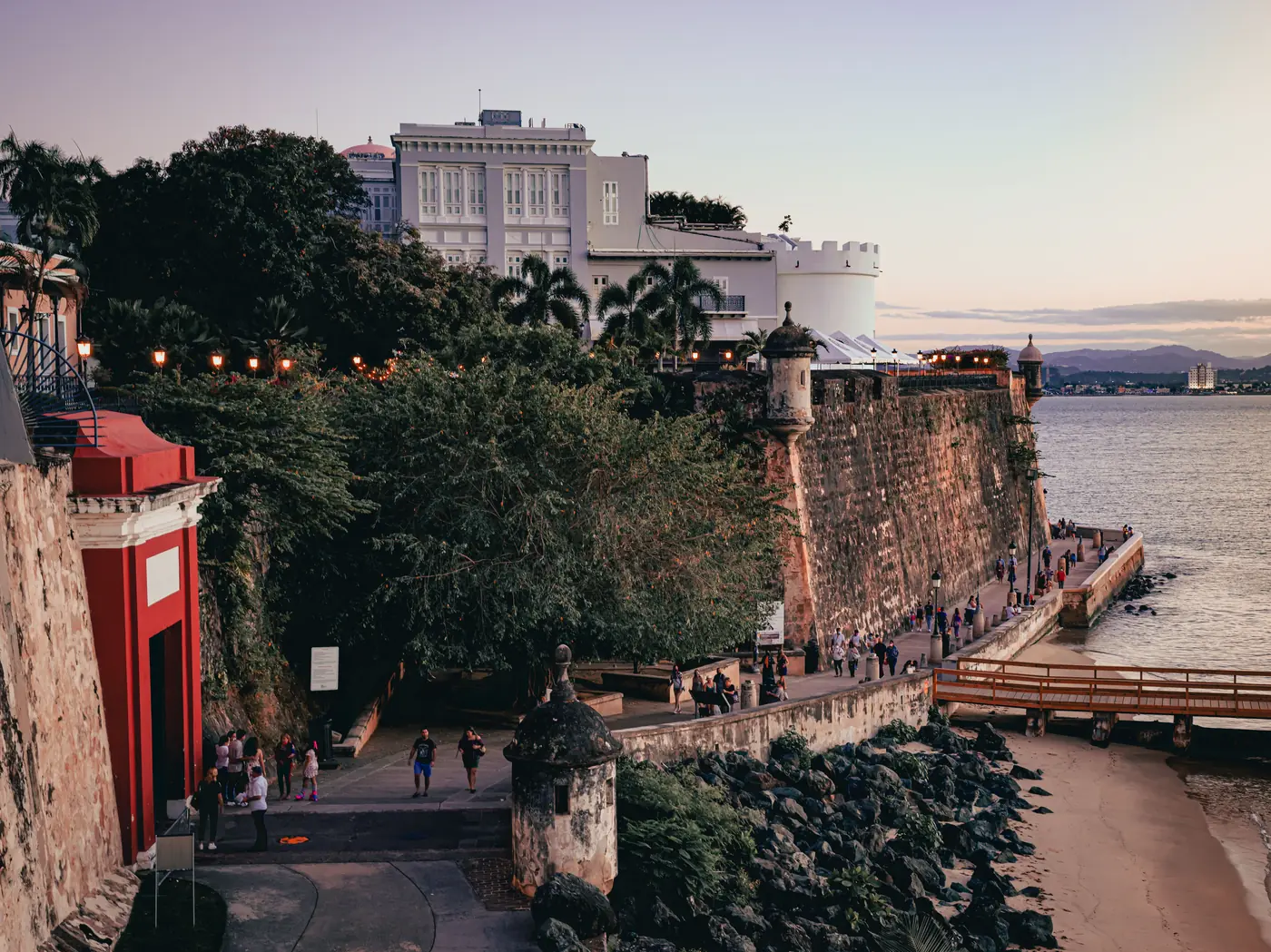
The Paseo de la Princesa is a wide promenade that runs along the old city walls beside the bay. In the evening it fills with families, street vendors and people out for a stroll as the sun goes down.
Walk it to the Raíces Fountain, then follow the path along the base of the walls. Finish with dinner back in the old city, where mofongo, made from mashed fried plantains, is the dish to try first.
Day 2: The Forts And A Night Out In Santurce
Start early to beat the heat at the forts, which make up San Juan National Historic Site. One ticket covers both of them for 24 hours.
Morning: Castillo San Felipe Del Morro
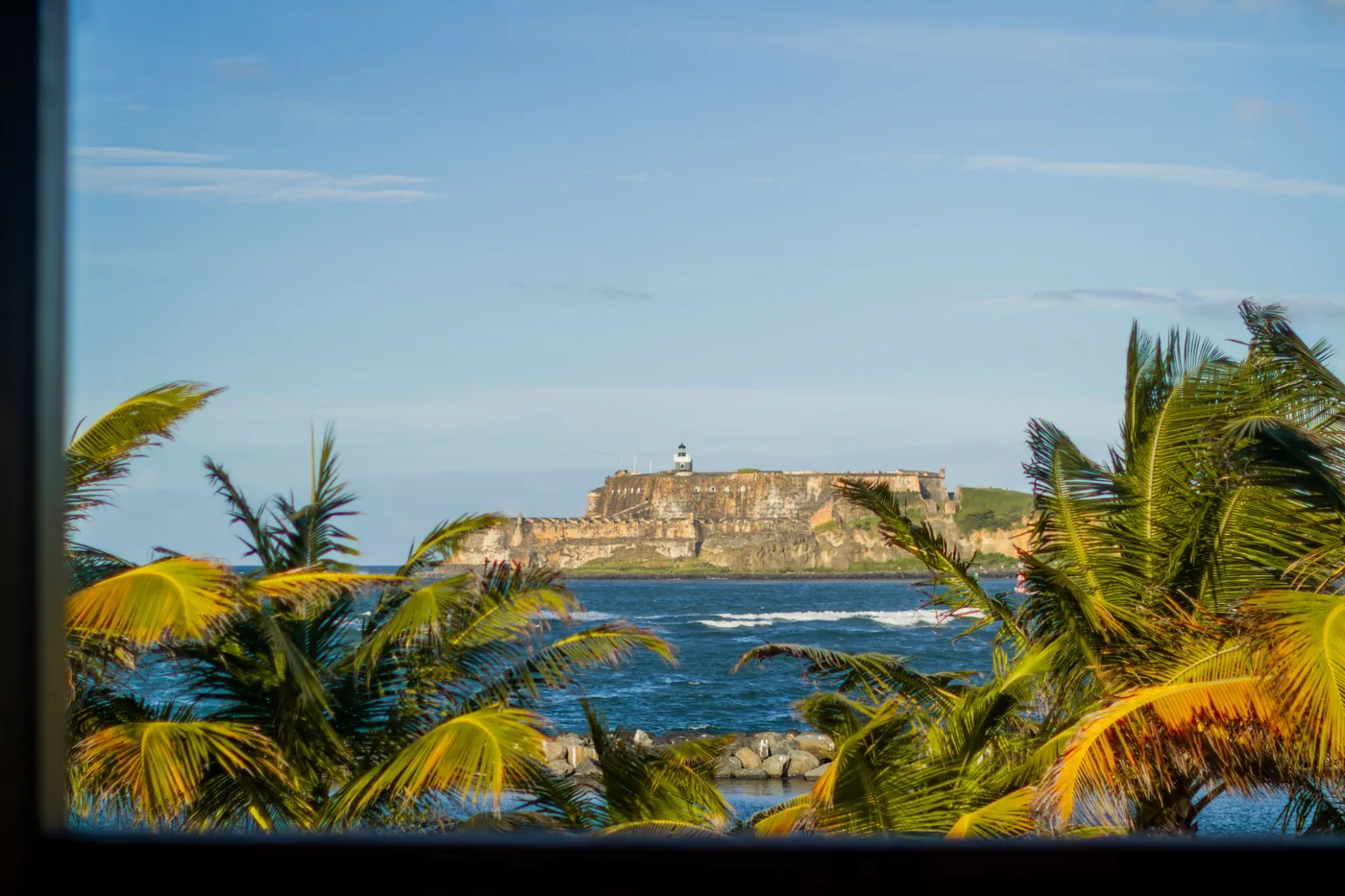
El Morro sits at the tip of the old city, guarding the entrance to San Juan Bay. The Spanish spent more than two centuries building and expanding it, and today it’s a maze of ramps, tunnels, cannons and lookouts stacked six levels high.
The huge lawn in front of the fort is a favorite spot for flying kites, and the view back over the ocean and the old city is one of the best in San Juan.
Midday: Castillo San Cristóbal
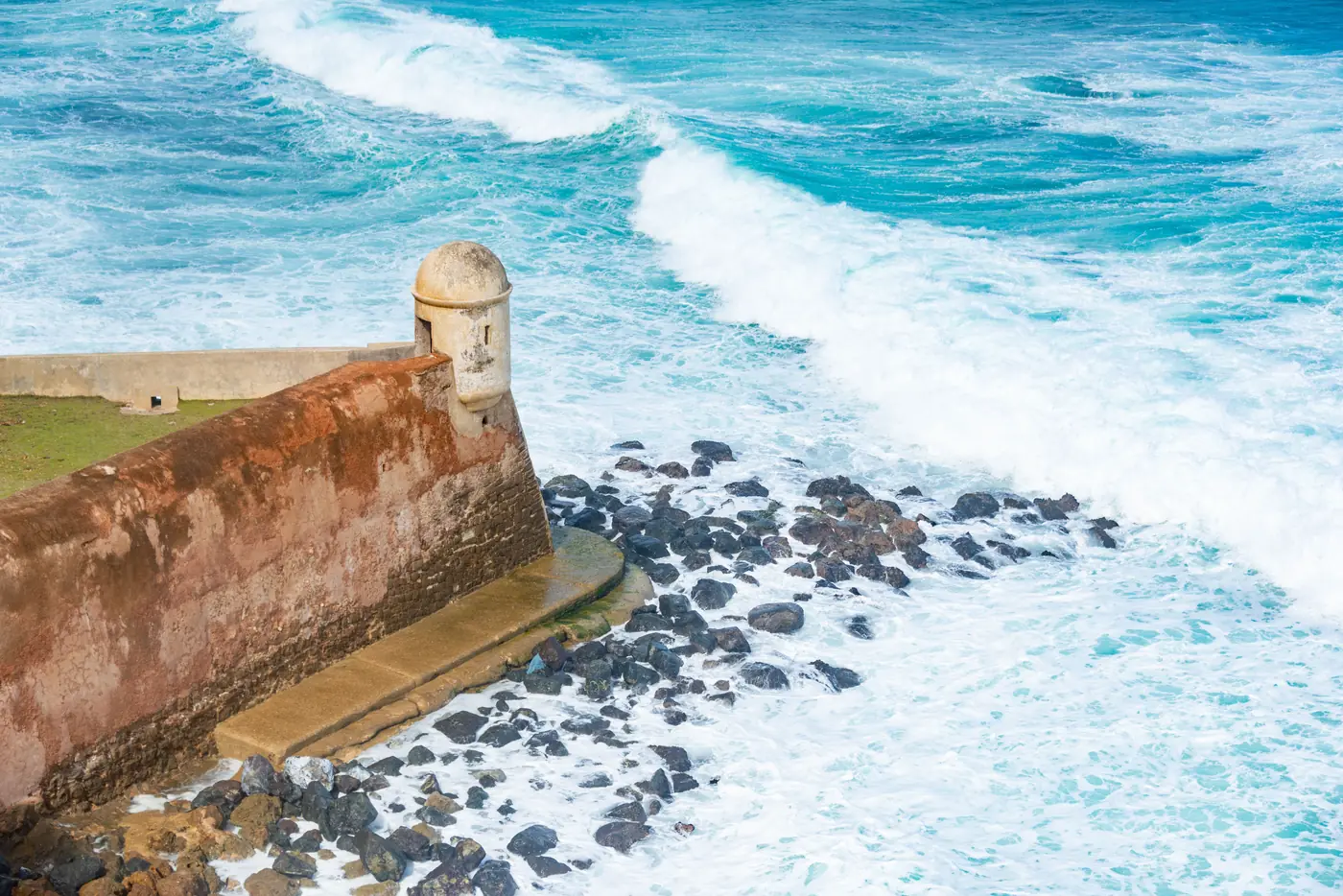
Castillo San Cristóbal is a short walk away on the other side of the old city, and it’s the largest fort the Spanish built in the Americas. It was designed to protect San Juan from attacks by land.
It’s usually quieter than El Morro, and its tunnels and little stone sentry boxes, called garitas, look straight out over the Atlantic.
Afternoon: The Ferry To Casa Bacardí In Cataño
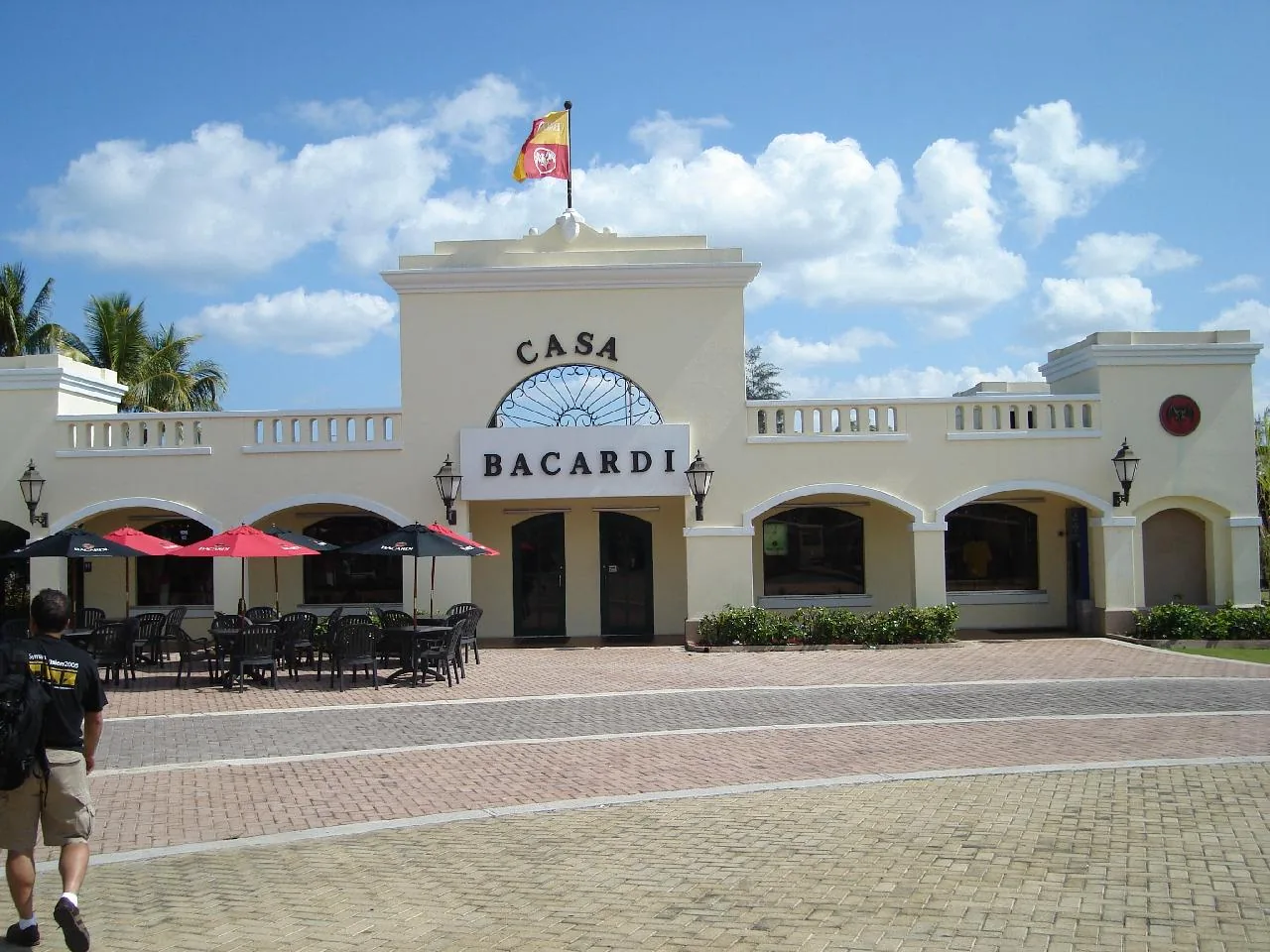
From Pier 2 in Old San Juan, a short ferry ride crosses the bay to Cataño, home of Casa Bacardí and one of the biggest rum distilleries in the world. A ferry and shuttle combo gets you there in about 20 minutes.
The tours cover the history of the family and the rum, and some include tastings or a cocktail class, so reserve ahead. It sometimes closes temporarily for improvements, so check its website before you plan around it.

Evening: La Placita De Santurce
La Placita is a market square in Santurce that turns into one of San Juan’s liveliest nights out, especially from Thursday through Saturday. Bars and restaurants spill out onto the street, and the music goes late.
Have dinner at one of the restaurants around the square first, then stay for a drink. It’s a short Uber ride from Old San Juan.
Day 3: El Yunque, Luquillo And A Glowing Bay
Pick up your rental car in the morning and head east. El Yunque is about an hour from San Juan, and you’ll end the day near Fajardo, where you’ll spend the next two nights.
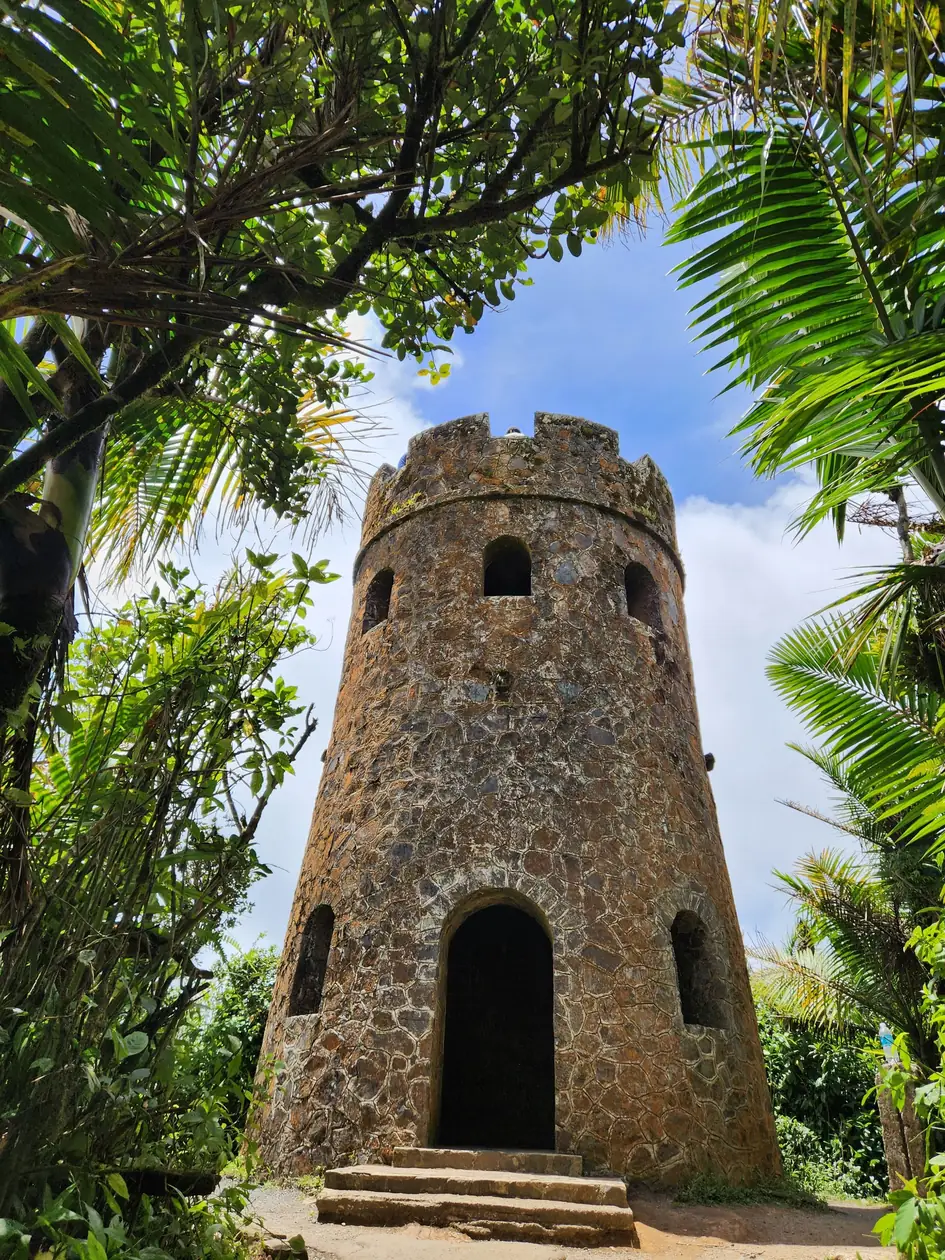
Morning: La Coca Falls, Yokahú Tower And Mt. Britton In El Yunque
El Yunque is the only tropical rainforest in the US National Forest System, and the main road through it, Route 191, is currently free to drive, though the Forest Service has proposed adding fees. It’s open from 8 in the morning to 5 in the afternoon, so go early before the clouds and the crowds roll in.
La Coca Falls tumbles down the rocks right beside the road, so it’s an easy first stop. Farther up, Yokahú Tower is a stone lookout with views across the forest to the coast, and the short, steep Mt. Britton Trail climbs to another tower near the top of the mountains.
La Mina Falls and its trail have been closed since 2023, so skip any guide that still sends you there. The El Portal visitor center charges a small fee and closes for part of September every year.
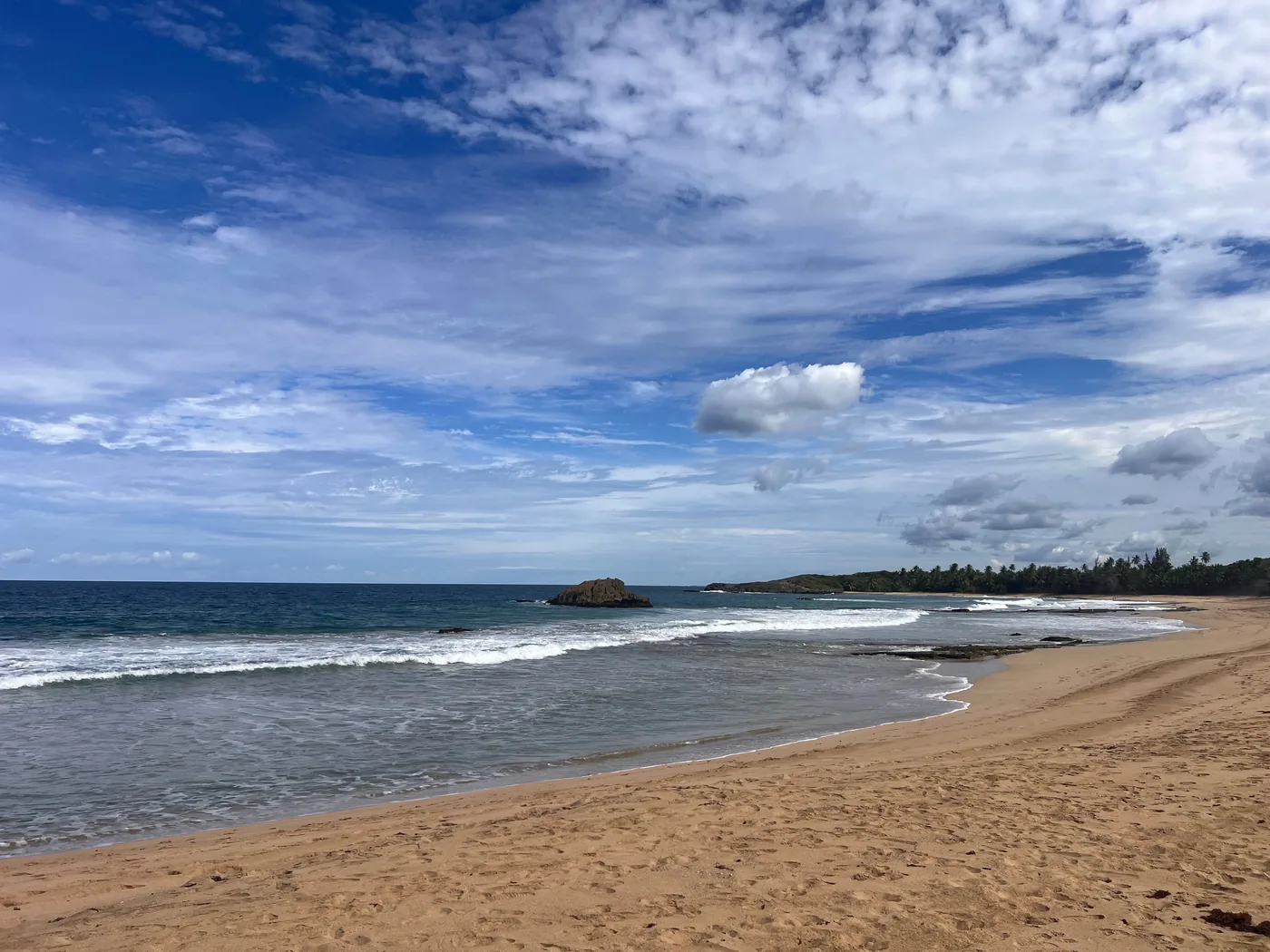
Afternoon: Luquillo Beach And The Kioskos
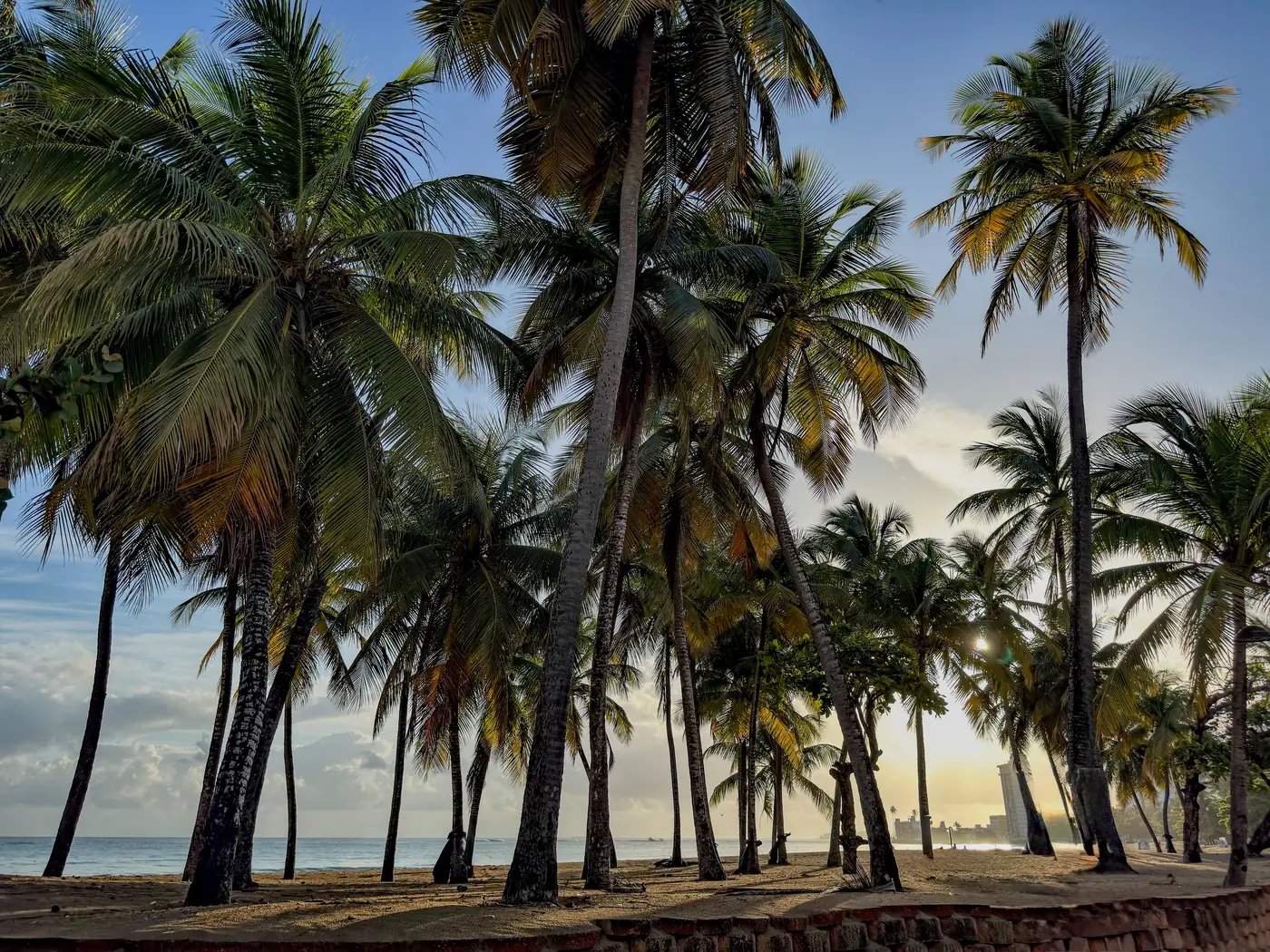
Luquillo Beach is a long, calm curve of sand backed by palm trees, a short drive from El Yunque. The water is usually gentle, and the public beach has lifeguards and bathrooms.
Right next to it, the Kioskos de Luquillo are a long row of about 60 food stalls along the highway. Try alcapurrias and bacalaítos, two classic fried snacks, with a cold drink before the evening tour.
Night: Kayak The Bioluminescent Bay At Laguna Grande
Laguna Grande in Fajardo is one of Puerto Rico’s three famous bioluminescent bays. Tiny organisms in the water light up when they’re disturbed, so every paddle stroke leaves a blue green glow behind it.
Guided kayak tours head out after dark through a narrow mangrove channel into the lagoon. Swimming isn’t allowed, and the glow is much harder to see on bright nights, so book a tour on a night close to the new moon.
If you have an extra night, Mosquito Bay on Vieques is famous as one of the brightest bays in the world, but seeing it means staying on the island.
Day 4: Flamenco Beach On Culebra
Culebra is a small island off the east coast of Puerto Rico, and Flamenco Beach is its star. Plan on a full day, and keep an eye on the time for the ride back.
Morning: Catching The Ferry From Ceiba
Ferries to Culebra leave from the terminal in Ceiba, a short drive south of Fajardo, and the crossing takes about an hour and a half. Buy tickets online as early as you can and get to the terminal at least an hour before departure.
Island residents board first, and the boats can sell out or cancel in rough weather. If you’d rather not risk it, Cape Air flies from San Juan to Culebra in about 20 minutes.
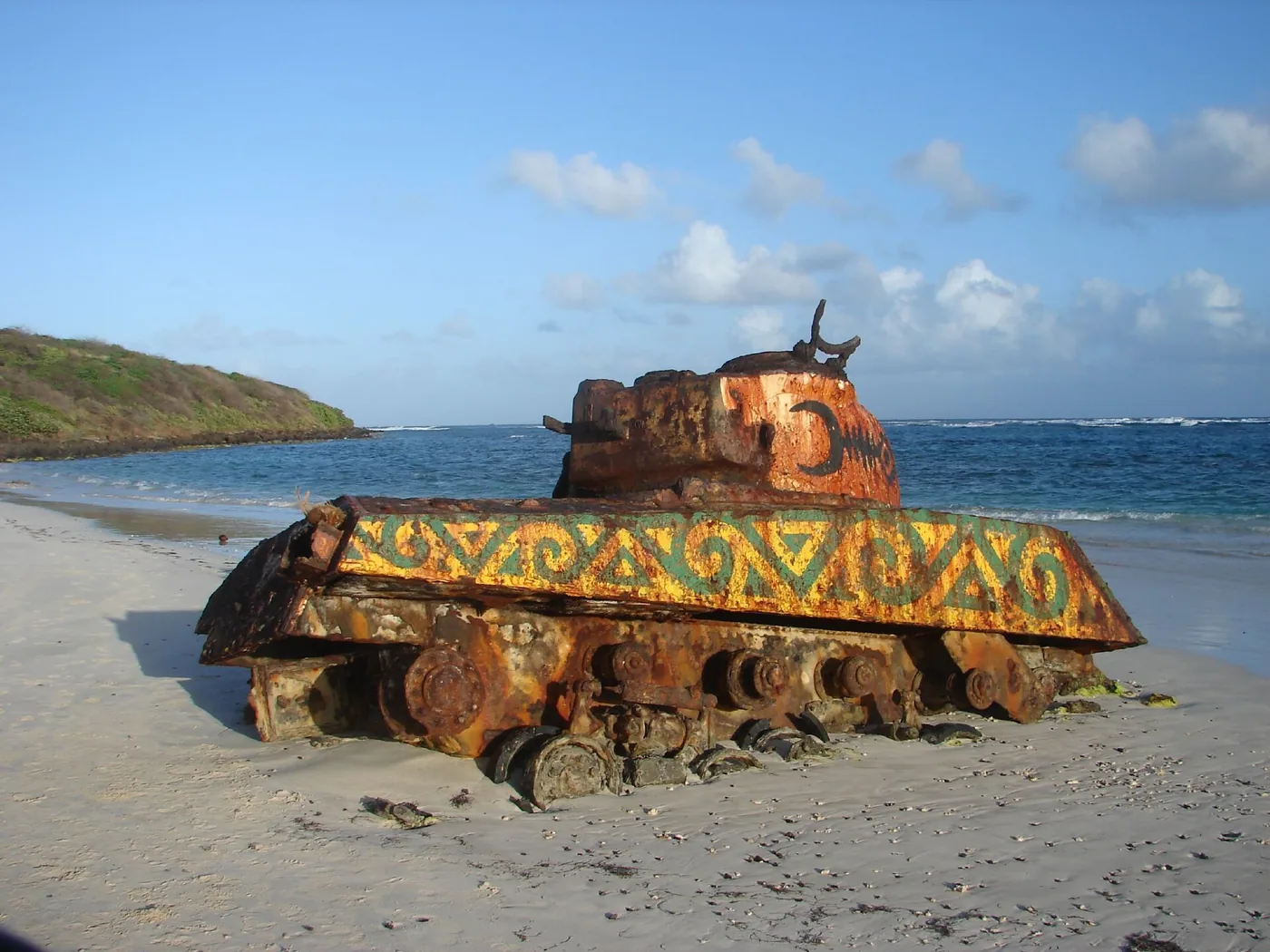
Midday: Flamenco Beach
Flamenco Beach is a horseshoe of powdery white sand and clear turquoise water, and it regularly shows up on lists of the best beaches in the world.
Walk toward the far end to find the old tanks left over from the years the US Navy used Culebra for training, now covered in colorful graffiti.
There’s a small entry fee, food kiosks near the entrance and not much shade, so bring sunscreen, water and cash.
If The Ferry Falls Through
Catamaran trips leave from Fajardo for a day of snorkeling off Icacos, a small uninhabited island with calm water and white sand. It’s an easy swap that doesn’t depend on the public ferry.
Day 5: Piñones And A Last Beach Day
Check out and drive back west toward the airport, with a couple of relaxed stops along the way.
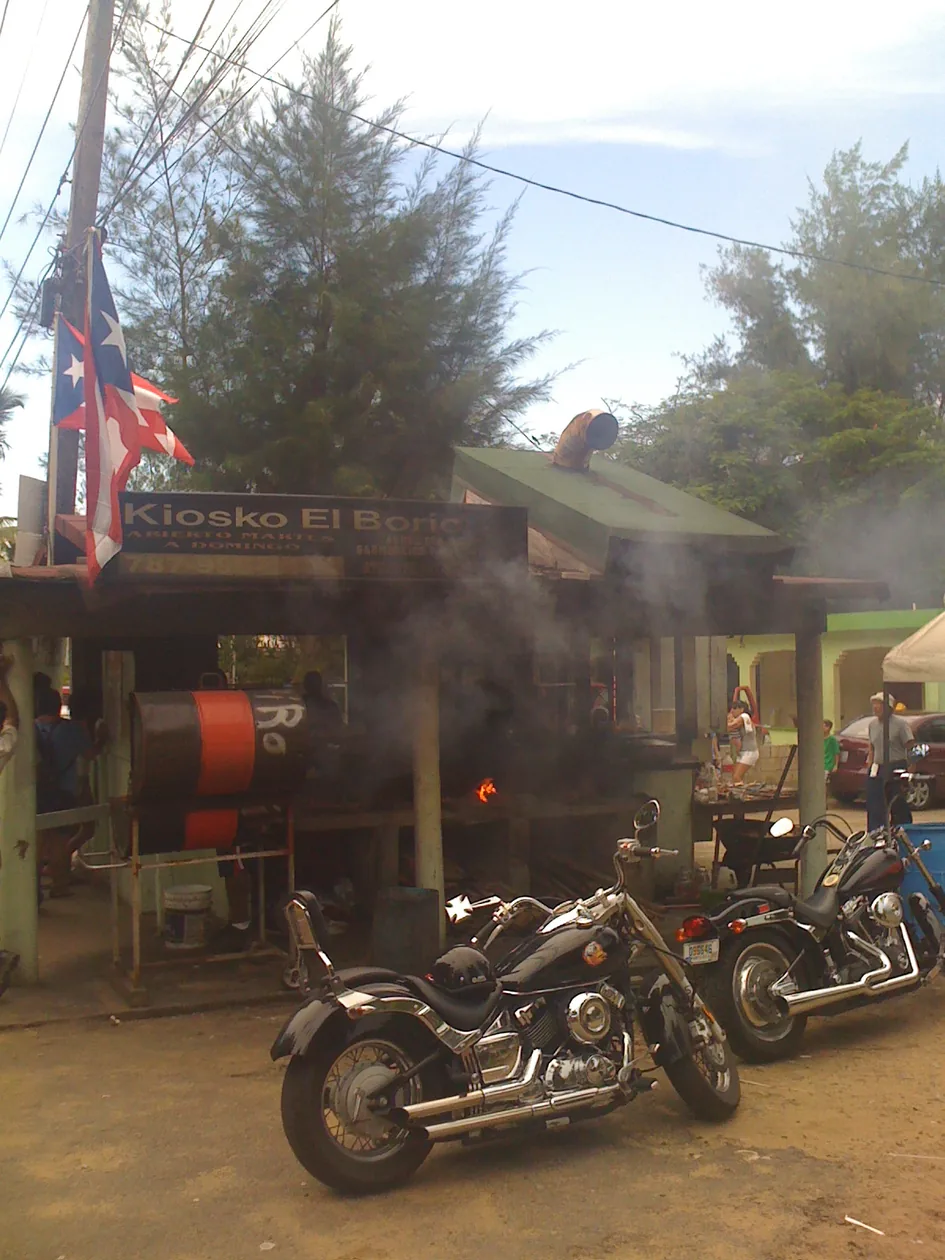
Morning: Frituras And The Boardwalk In Piñones
Piñones, in Loíza just east of the airport, is a stretch of beaches and mangroves lined with wooden food shacks. It’s the place to try frituras, fried snacks rooted in the area’s Afro Puerto Rican cooking.
A boardwalk and bike path runs through the trees and along the water, and bike rentals are usually available near the entrance to Piñones.
Afternoon: Isla Verde Beach Before Your Flight
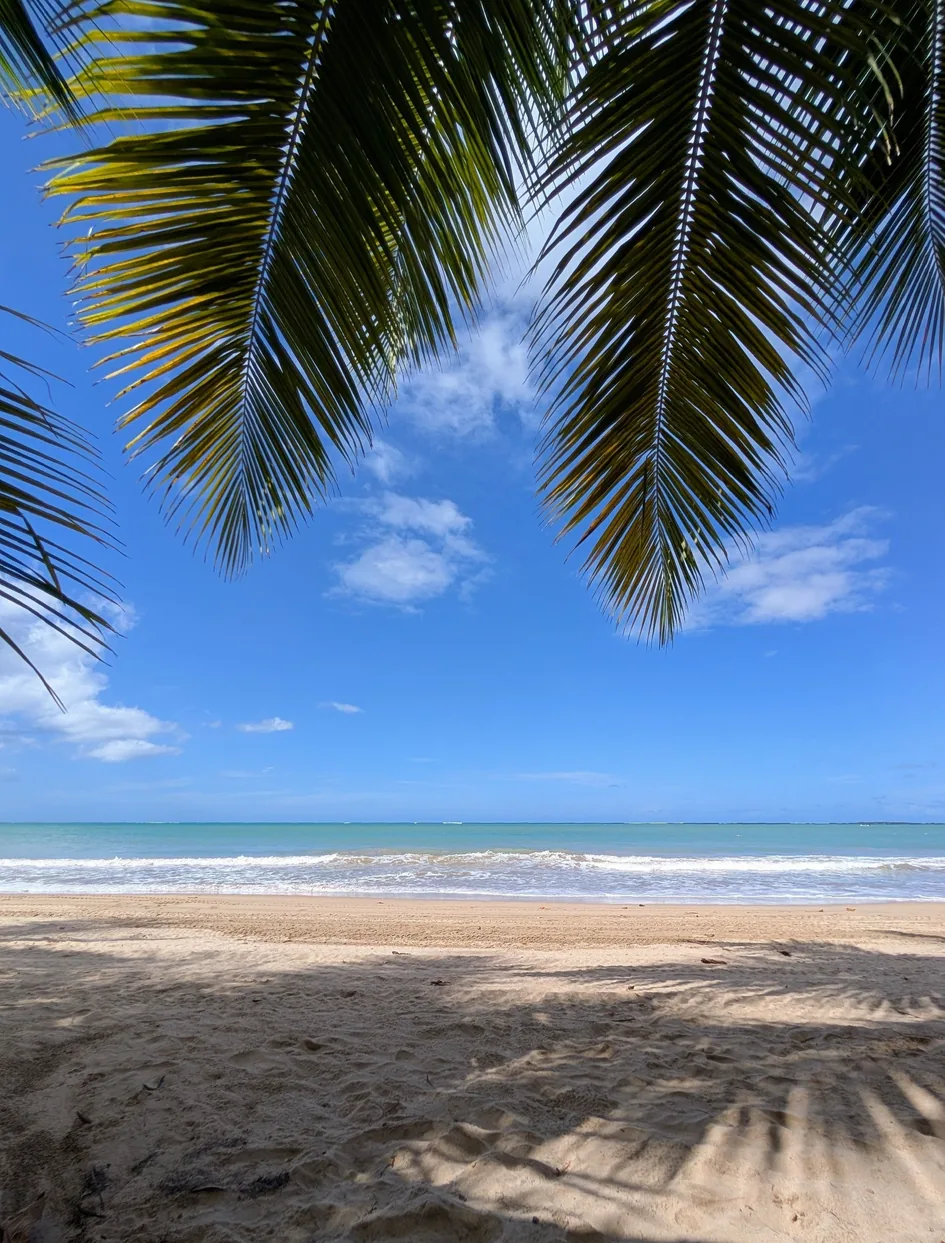
Isla Verde is a long, lively beach lined with hotels just a few minutes from the airport, which makes it an easy last swim before you fly home.
Leave plenty of time to return the rental car and get through security.
Where To Stay For This Puerto Rico Itinerary
For the first two nights, stay in Old San Juan if you want to step straight out into the historic streets, or in Condado if you’d rather be on the beach with the old city a short ride away.
For nights three and four, look around Fajardo. It’s close to the bay tours, El Yunque and the Ceiba ferry, with hotels and rentals for most budgets.
Power outages still happen in Puerto Rico, so it’s worth checking whether a place has a backup generator before you book.
Best Time To Visit Puerto Rico
The dry season runs from about December through April, and it’s the most popular time to go. Hurricane season lasts from June through November, with the highest risk in late summer and early fall.
Seaweed called sargassum can pile up on some beaches from spring into fall, and some years are much heavier than others.
In January, the Fiestas de la Calle San Sebastián take over Old San Juan for several days of music, food and parades, and the crowds are huge.
Before You Go To Puerto Rico
US citizens flying in from the mainland don’t need a passport. You’ll still need a REAL ID or another accepted form of ID for the flight, or you’ll pay an extra fee at security.
The US dollar is the currency, the major US carriers treat Puerto Rico as domestic, though it’s worth checking first if you’re on a prepaid plan, and English and Spanish are both official languages.
Reserve the rental car early for the dry season, and carry some cash for beach parking, kiosks and small entry fees.
With a sixth day, drive west for a guided tour of Cueva Ventana near Arecibo and a sunset in Rincón, though it’s a long day of driving from San Juan.
Still deciding where to go this winter? These warm winter getaways in the US and cheap island destinations are worth a look.
Final Thoughts
Five days in Puerto Rico is enough to see the best of the island without rushing. You get history, rainforest, one of the best beaches in the Caribbean and a night on glowing water, all without a passport if you’re flying from the mainland US.
Book the bay tour and the ferry first, pick up the car on day three, and let the rest of this Puerto Rico itinerary fall into place around them.
Then slow down, order one more plate of mofongo and enjoy the trip.