 Rebecca Engel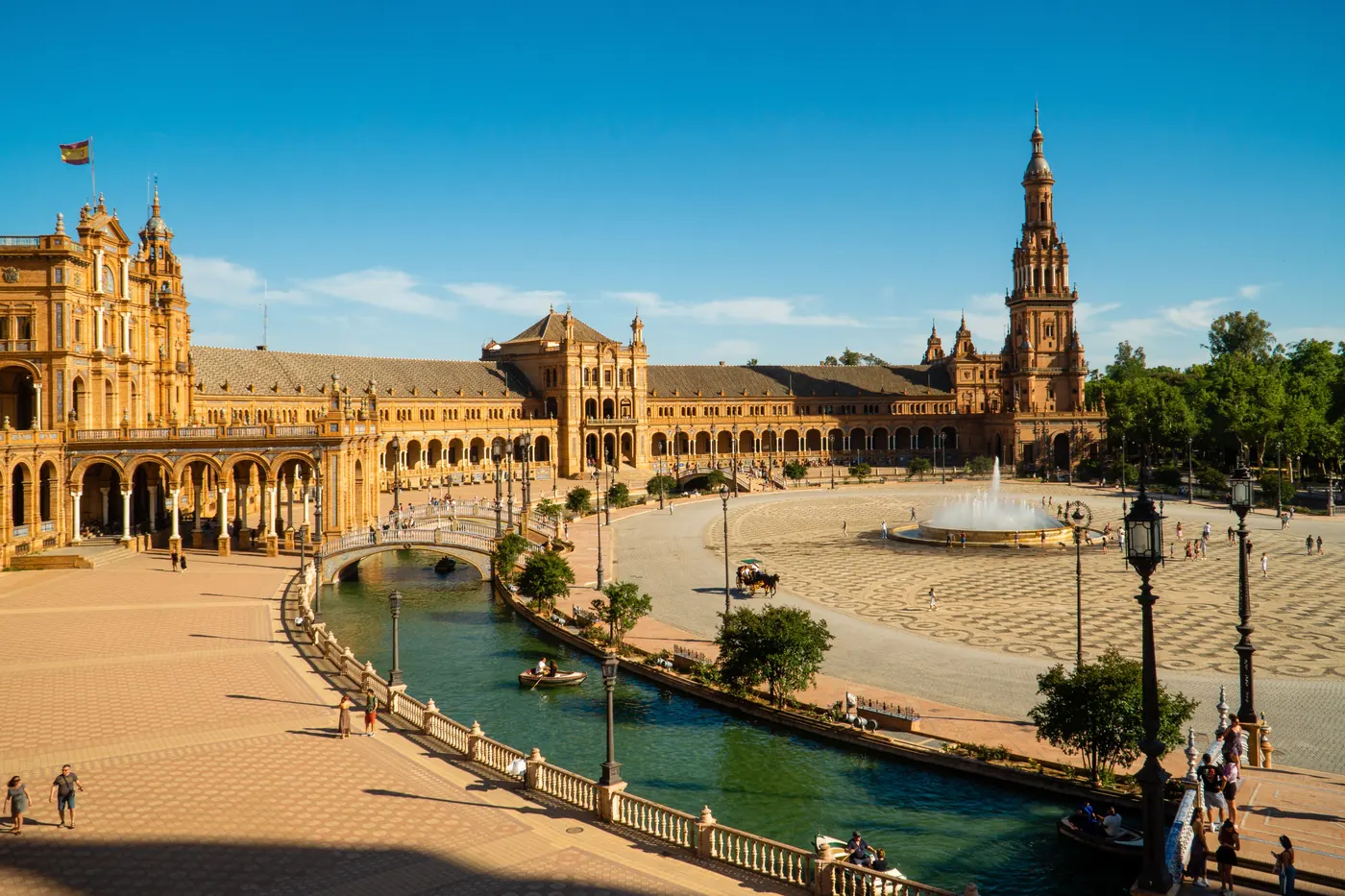
Seville is the kind of city that feels warm even before you step outside. Orange trees line the streets, tiled patios hide behind every door, and the evenings stretch late with tapas, music and people strolling along the river.
These things to do in Seville Spain run from the grand palaces and the cathedral to the old neighborhoods, the food, a couple of easy day trips and, finally, a flamenco show. It’s a city that rewards slowing down, so pick the ones that sound best and leave room to wander.
1. Wander The Gardens Of The Real Alcázar
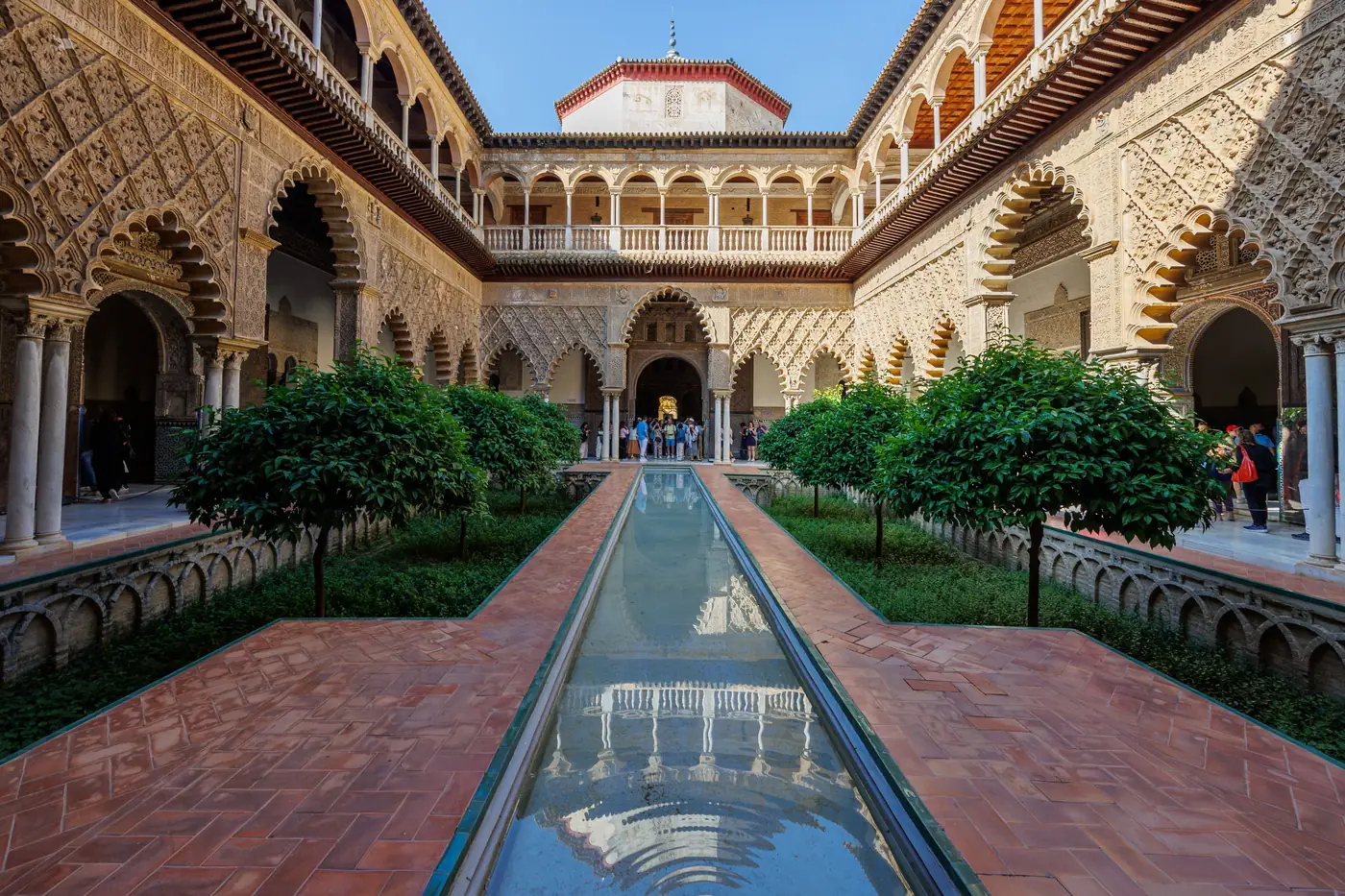
The Real Alcázar started life as a Moorish fortress and grew over the centuries into a maze of palaces, courtyards and gardens. It calls itself the oldest royal palace in Europe that’s still in use, and the Spanish royal family still has rooms upstairs.
The highlight is the Palace of Pedro I, covered in carved plaster, painted tiles and arches that look like lace. Then head outside to the gardens, with fountains, pools and orange trees. If they look familiar, they stood in for the Water Gardens of Dorne in Game of Thrones.
Book a timed ticket online, because the line for walk up tickets can be long. The audio guide is free on your phone, and the upper royal rooms cost a little extra if you want to see them.
2. Climb The Giralda At Seville Cathedral
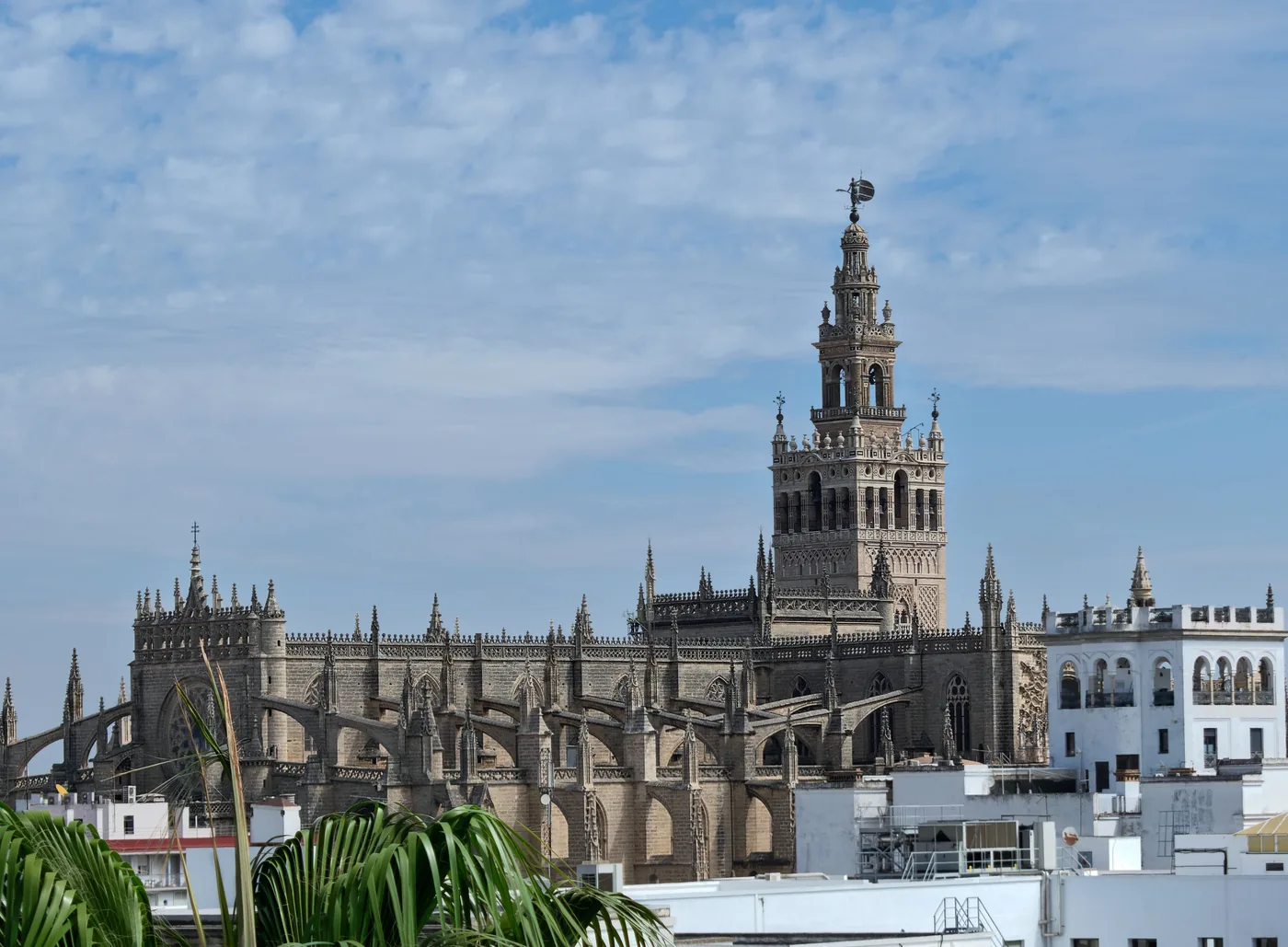
Seville Cathedral is billed as the largest Gothic cathedral in the world, and it doesn’t feel like an exaggeration once you’re inside. It was built on the site of the city’s great mosque, and it’s also home to the tomb of Christopher Columbus, carried on the shoulders of four giant statues.
The bell tower, the Giralda, began as the mosque’s minaret. Instead of stairs, it has about 35 gentle ramps that were built wide enough for a horse to ride up, then a few steps at the very top. The view over the rooftops is worth every one of them.
Book online and cover your shoulders, since there’s a dress code. Your ticket also gets you into the Iglesia del Salvador, a huge Baroque church a short walk away, so don’t skip it.
3. Row A Boat Around Plaza de España
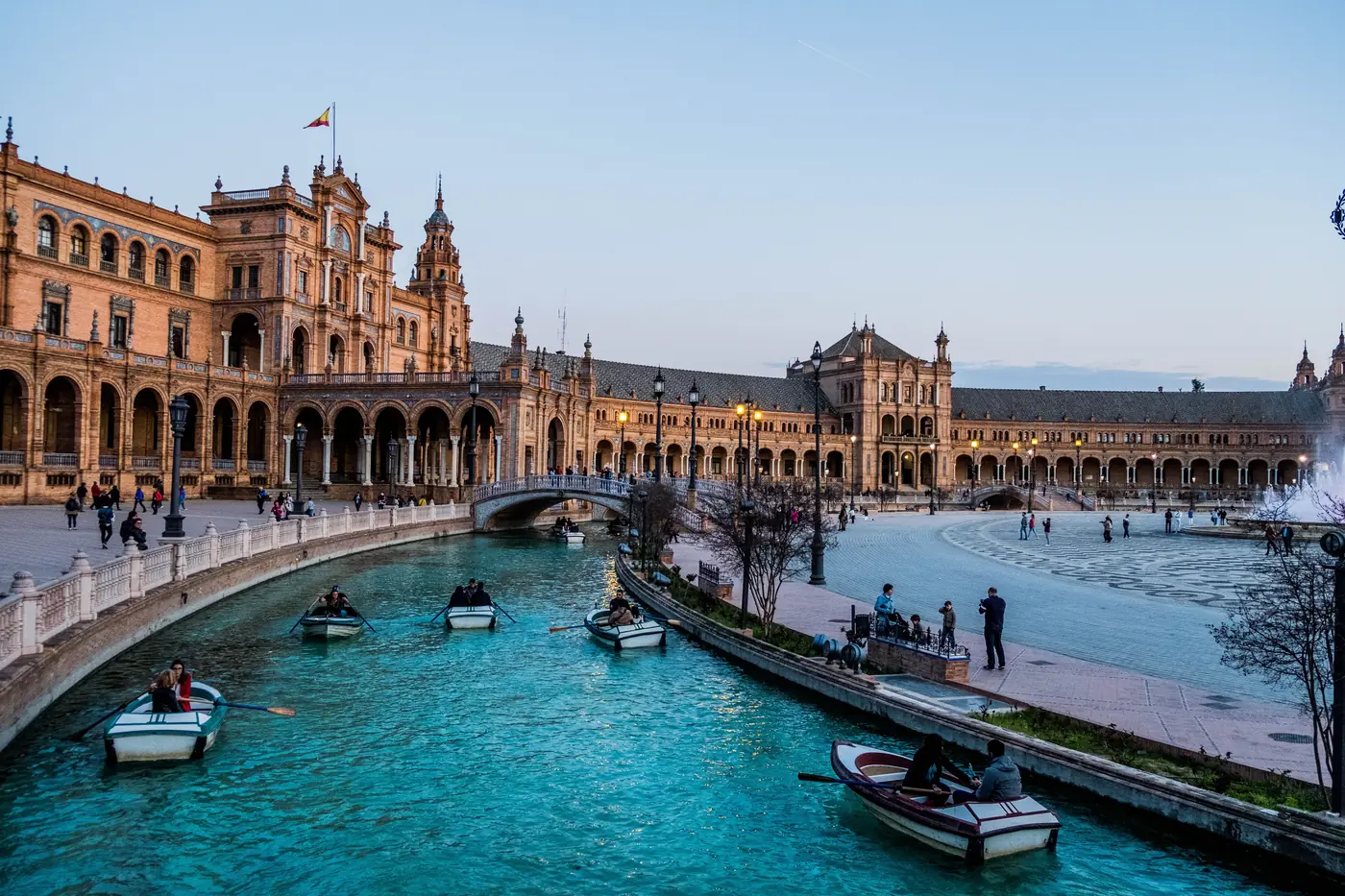
Plaza de España is the showstopper of Seville. It was built for the Ibero American Exposition of 1929, a huge half circle of brick towers, balconies and bridges wrapped around a canal.
Walk along the base and you’ll find tiled alcoves for 48 Spanish provinces, each with its own map and scene from local history. Four bridges stand for the old kingdoms of Spain, and you can usually rent a little rowboat to paddle along the canal. Movie fans might spot it from Star Wars and Lawrence of Arabia.
Right next door is María Luisa Park, the city’s big green escape, with shady paths, fountains, tiled benches and a small island full of ducks. It’s free, and it’s the perfect place to cool down on a hot afternoon.
4. Get Lost In The Lanes Of Barrio Santa Cruz
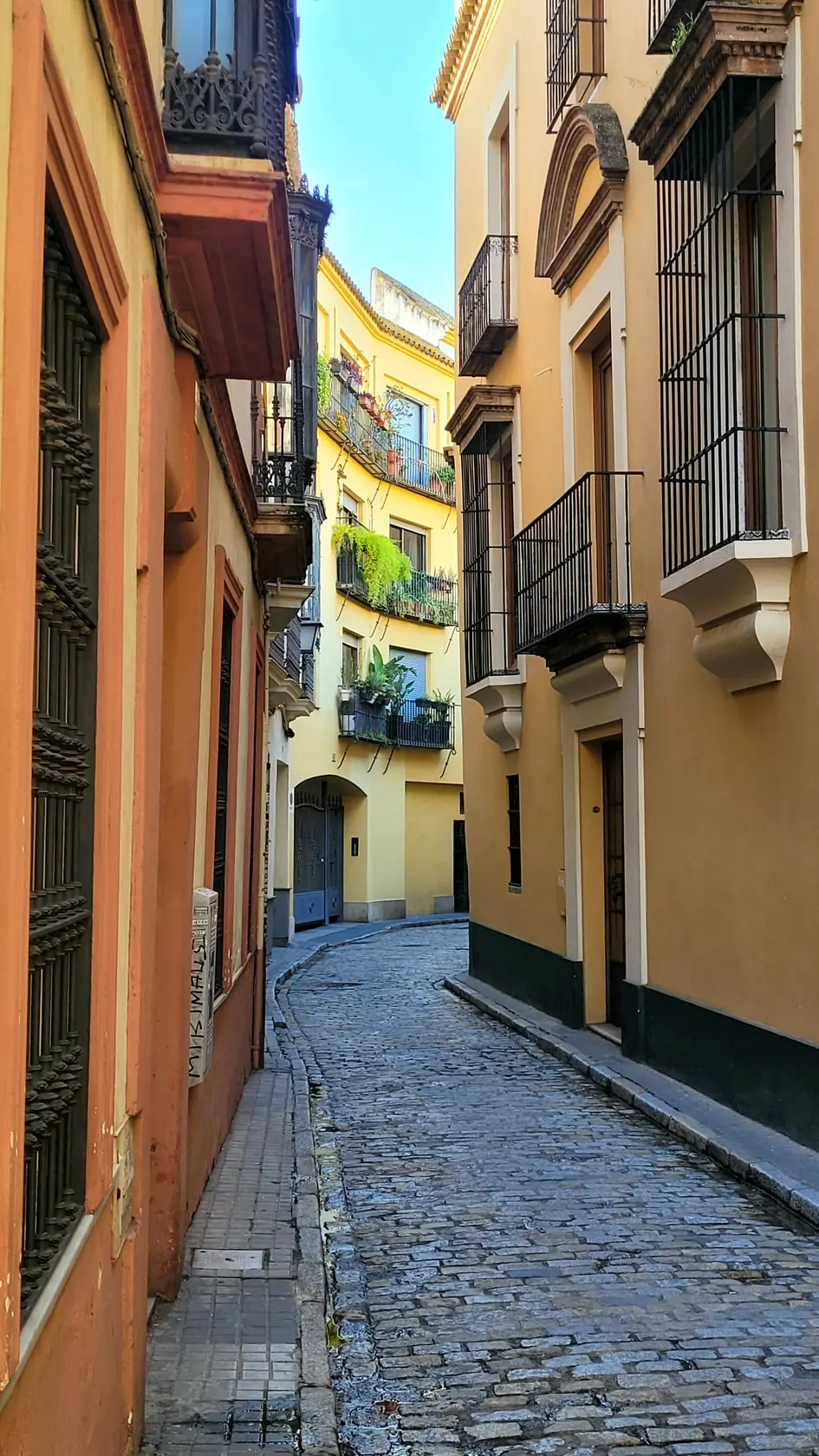
Barrio Santa Cruz is the old Jewish quarter, tucked right beside the Alcázar. It was home to one of Spain’s most important Jewish communities until 1492, and its narrow, twisting lanes were laid out to keep the streets shady and cool.
There’s no right way to see it. Duck down Callejón del Agua, which runs along the old Alcázar wall, and stop in the little squares shaded by orange trees, where cafés set out tables under the branches.
Go early in the morning or later in the evening. It’s one of the most popular things to do in Seville, and the lanes get busy in the middle of the day.
5. See The Patios Of Casa de Pilatos
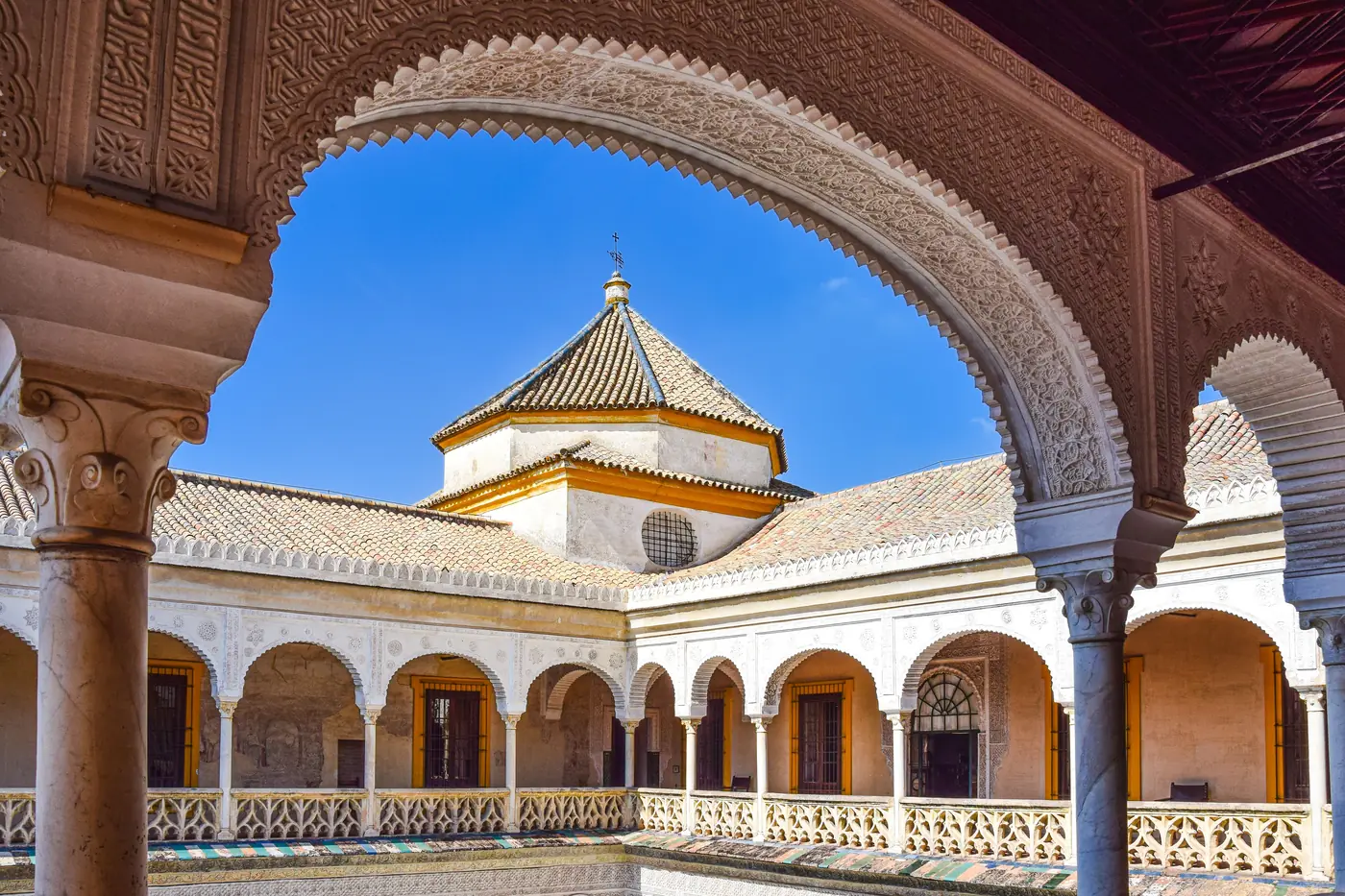
Casa de Pilatos is a grand Seville palace built mostly in the 1400s and 1500s, and it’s still a home of the Dukes of Medinaceli. Its name goes back to a noble owner who made a pilgrimage to Jerusalem in 1519 and came home inspired.
The palace mixes Gothic, Moorish style and Renaissance design, so you’ll see carved arches, painted tiles that cover entire walls, and Roman statues standing around a central courtyard with a fountain.
It’s usually far less crowded than the Alcázar, which makes it a peaceful stop. The upper floor is a separate add on if you want to see the family rooms.
6. Tour The Palacio de las Dueñas
The Palacio de las Dueñas belongs to the House of Alba, one of Spain’s most famous noble families. It’s a lived in palace, with Moorish style arches, Renaissance patios and a garden full of palms and bougainvillea.
Inside there’s an art collection of more than 1,400 pieces, along with the family’s furniture, photos and keepsakes. It feels more like visiting a grand home than a museum.
It sits a little north of the busiest sights, so it’s a nice way to see a quieter part of the old town. The palace sets aside free entry on some Monday afternoons, but those spots have to be booked online ahead of time.
7. Watch The Sunset From Las Setas
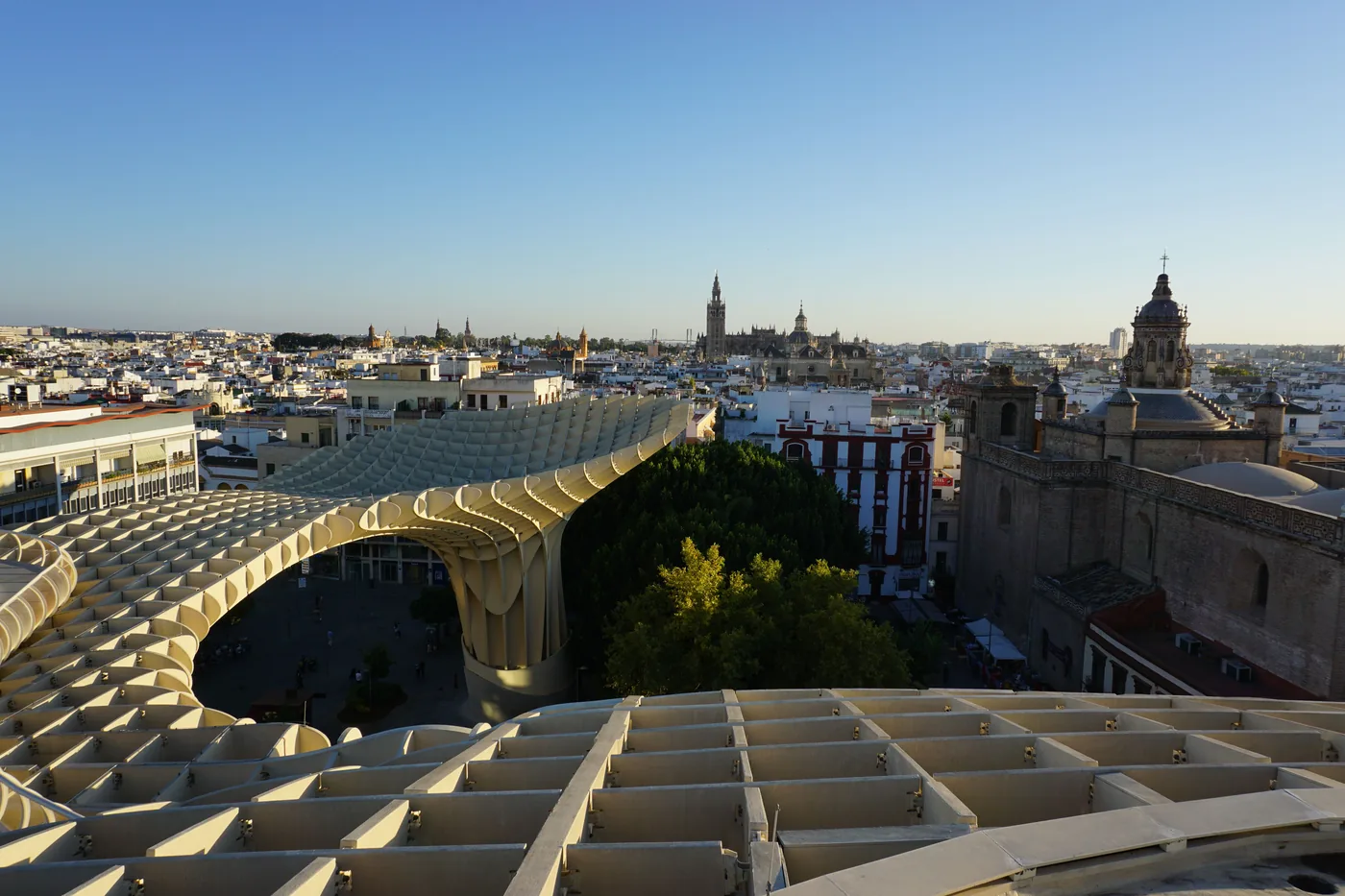
Las Setas, officially the Metropol Parasol, is a giant wooden canopy shaped like a cluster of mushrooms. It’s billed as the largest wooden structure in the world, and it looks wildly different from the old buildings all around it.
A walkway winds across the top, with views over the rooftops and church towers in every direction. Go around sunset, when the sky turns orange and the city lights start to come on.
Don’t miss what’s underneath. The Antiquarium in the basement shows Roman ruins and mosaics that were found when the structure was being built, and it has its own separate ticket.
8. See Velázquez At The Hospital de los Venerables
The Hospital de los Venerables was built in the 1600s as a home for retired priests, right in the heart of Santa Cruz. Today it’s one of the most beautiful Baroque buildings in the city, with a sunken courtyard and a church covered in frescoes by Lucas Valdés.
It’s also home to the Centro Velázquez. Diego Velázquez was born in Seville, and the center shows his work alongside paintings by Murillo and Zurbarán, two more of the city’s greats.
It’s quieter than the big sights, so it’s a good stop when the heat or the crowds start to wear on you.
9. Step Inside The Archivo General de Indias
The Archivo General de Indias holds the records of Spain’s empire in the Americas. Letters, maps and documents from centuries of exploration and trade are kept here, in a grand stone building between the cathedral and the Alcázar.
Along with those two neighbors, it’s part of a UNESCO World Heritage site. Inside, you can walk the long marble halls and see changing displays of old maps and documents.
Best of all, it’s free and you don’t need to book. It’s closed on Mondays, so plan around that.
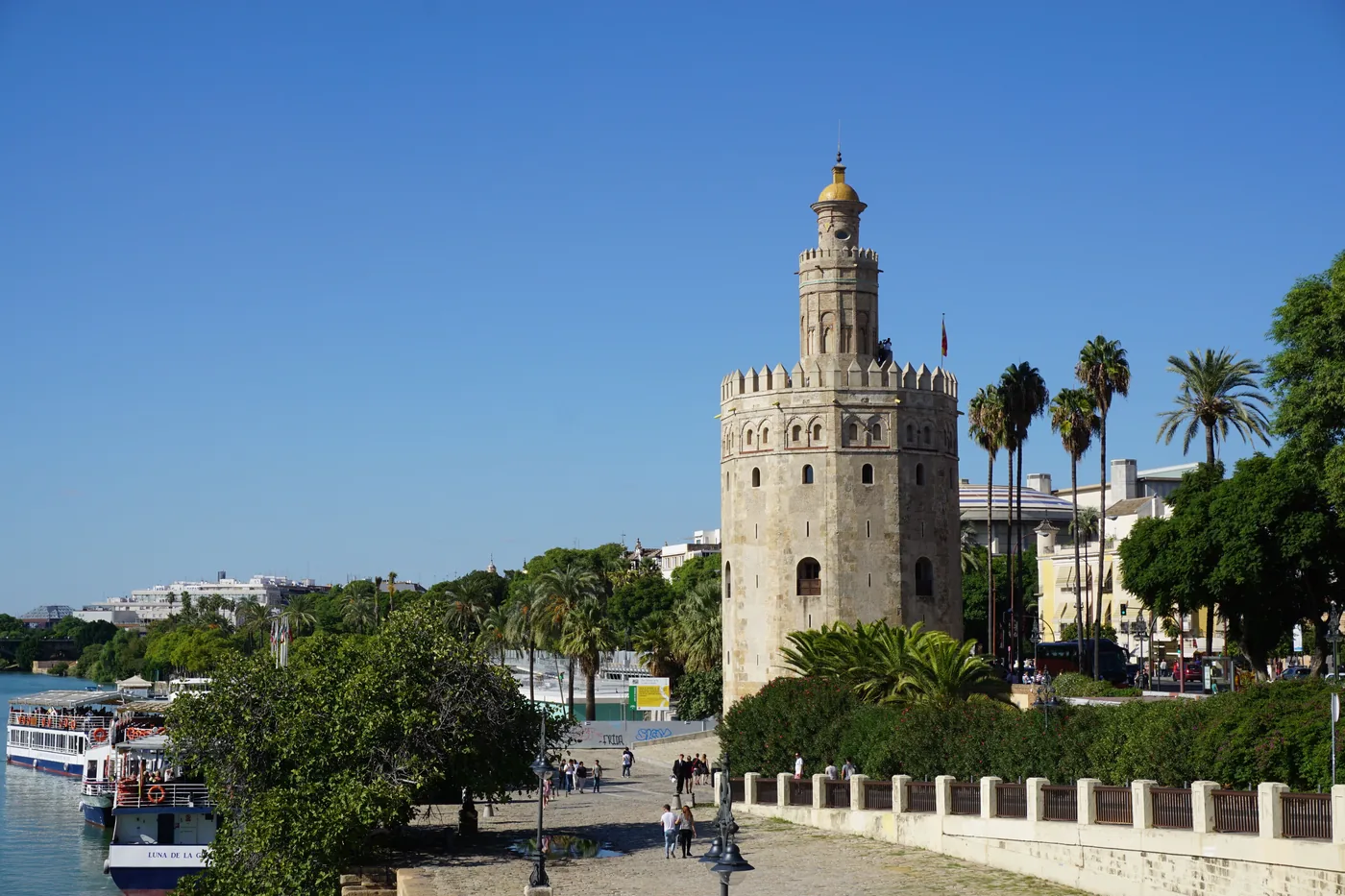
10. Cruise The Guadalquivir From The Torre del Oro
The Torre del Oro is a twelve sided tower on the riverbank that dates back to the early 1200s, when it guarded the river and the port. Today it holds a small naval museum, and entry is a small voluntary donation.
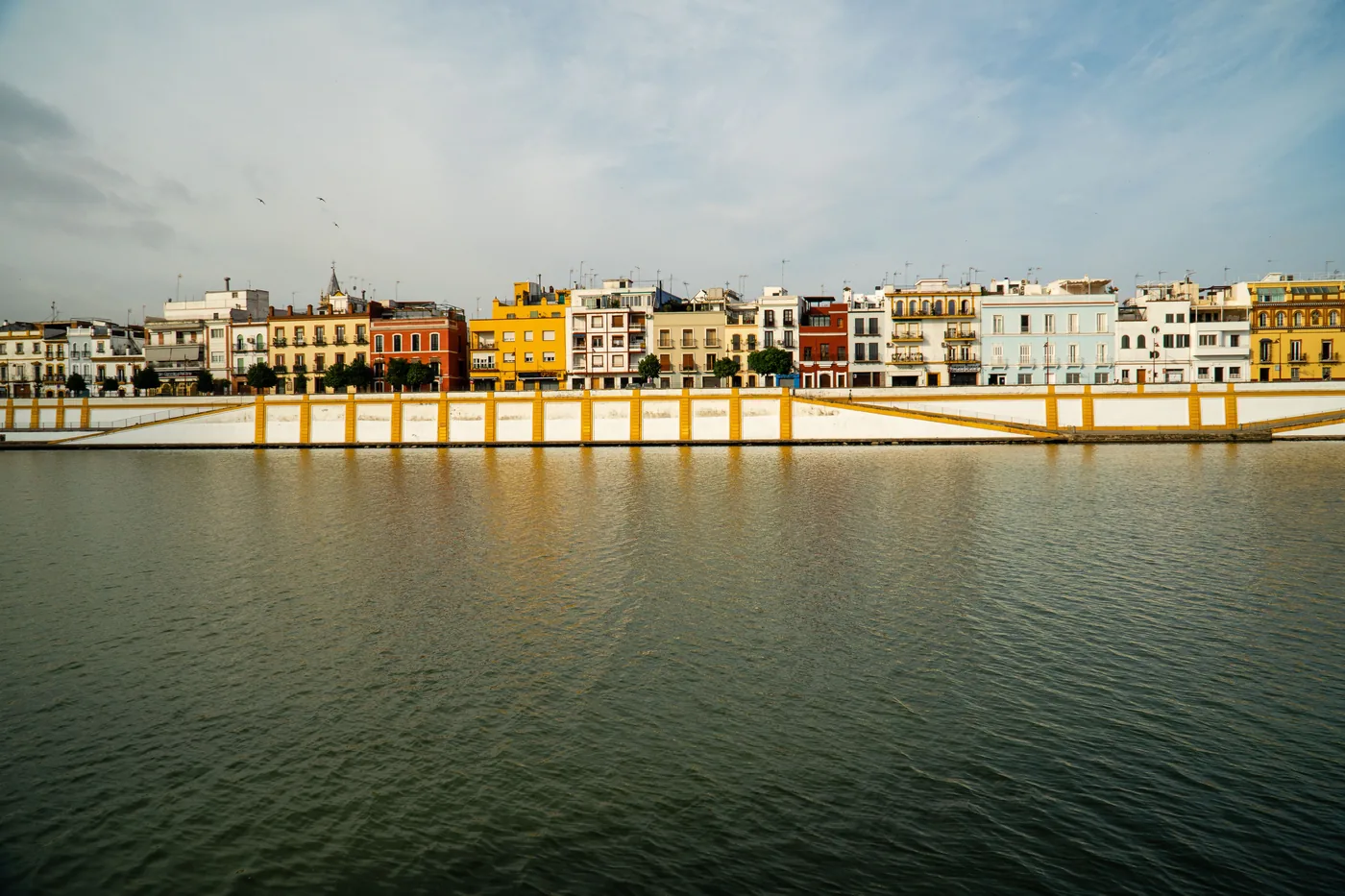
Right below it, boats leave on cruises along the Guadalquivir River. The classic trip takes about an hour and floats past the old bridges, the bullring and the colorful houses of Triana.
It’s an easy way to rest your feet and see the city from a different angle. Go in the late afternoon, when the light on the water is at its best.
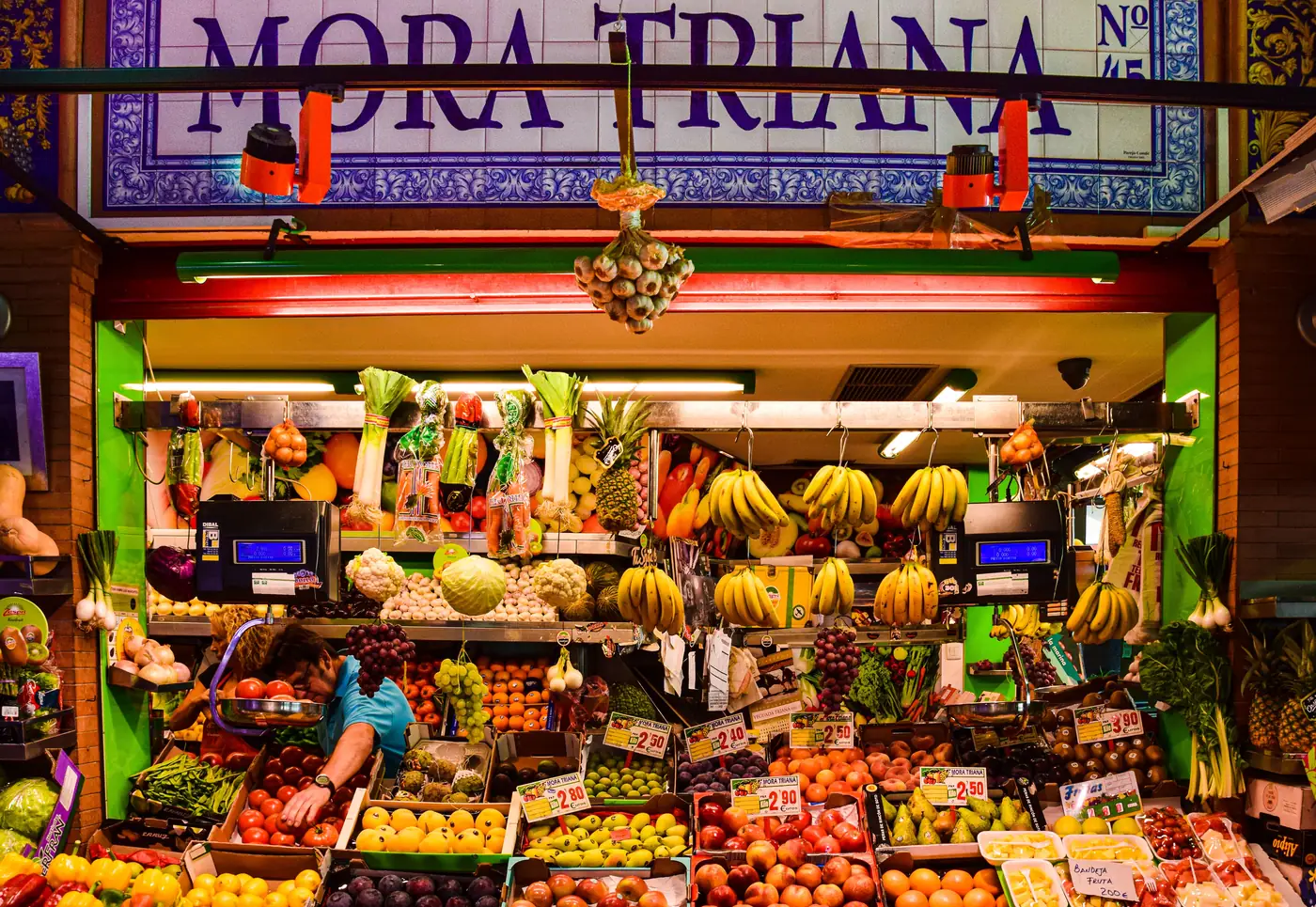
11. Cross The River To The Mercado de Triana
Triana sits across the river from the old town, and it has a personality all its own. Walk over the Triana Bridge and you’ll land right at the Mercado de Triana, a busy food market with around 100 stalls selling ham, cheese, olives, fish and fruit.
Several stalls double as tapas bars, so it’s a great place for a casual lunch. The market stands on the ruins of the Castillo de San Jorge, an old fortress that became the headquarters of the Spanish Inquisition in 1481.
You can walk through those ruins underneath the market, where an exhibit tells the story of the Inquisition. It’s a strange and fascinating mix of history and daily life.
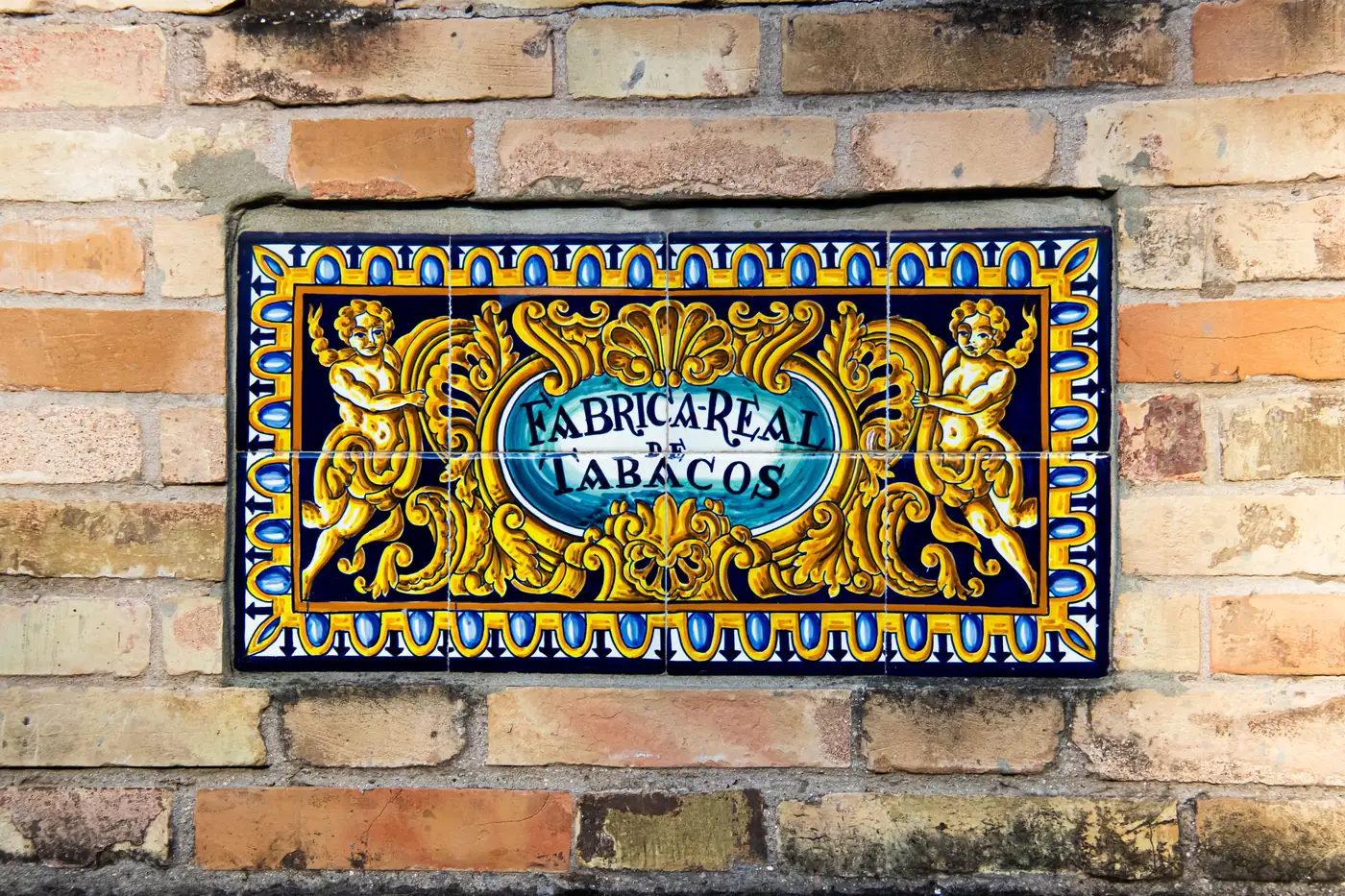
12. Shop For Tiles At The Centro Cerámica Triana
Triana has been a ceramics neighborhood for centuries, and many of the painted tiles you’ll see all over Seville were made here. The Centro Cerámica Triana tells that story inside an old tile factory, with the original kilns still in place.
You’ll learn how the tiles were made, shaped and painted, and see beautiful examples from different eras. It gives you a whole new appreciation for all those tiled walls and benches around town.
Afterward, browse the ceramic shops nearby for a hand painted tile, plate or bowl. It makes a great souvenir that actually means something.

13. Order Tapas At El Rinconcillo, Seville’s Oldest Bar
El Rinconcillo has been pouring drinks since 1670, and it calls itself the oldest bar in Seville. The same family has run it since 1860, and stepping inside feels a bit like stepping back in time, with dark wood, old tiles and hams hanging over the bar.
Order a few tapas at the counter and a glass of sherry or a cold beer. It’s busy and loud in the best way, and it’s exactly what eating out in Seville should feel like.
Tapas hopping is one of the best things to do in Seville, so treat this as your first stop and keep going from bar to bar through the evening.
14. Buy Convent Sweets From Cloistered Nuns
Some of Seville’s convents are still home to cloistered nuns, who never leave and rarely meet visitors. To support themselves, many bake traditional sweets and sell them through a torno, a small revolving wooden hatch in the wall.
You ring the bell, place your order, put your money on the turntable and it spins back with a box of cookies or cakes. You never actually see the nuns, which is half the charm.
The convent of San Leandro is especially known for its yemas, little sweets made from egg yolks and sugar. Opening hours are short and can change, so check before you go and bring cash.
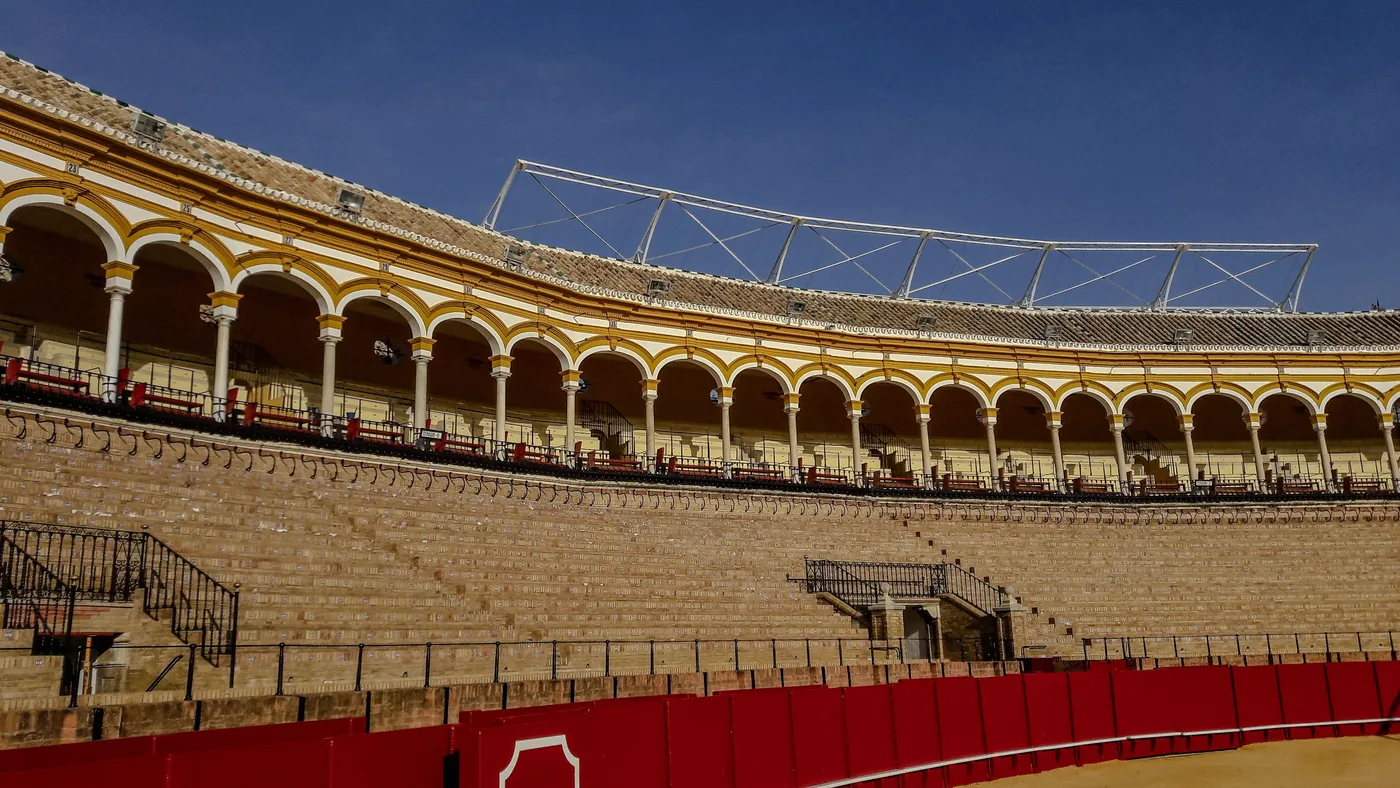
15. Tour The Real Maestranza Bullring
The Real Maestranza is one of the oldest and most famous bullrings in Spain, a big white and gold oval right beside the river. Whatever you think of bullfighting, the building is a striking piece of Seville’s history.
Guided tours run often in English and Spanish and take you into the stands, the chapel and the museum, with old costumes and paintings. They don’t include a bullfight.
Tours run most days, with shorter hours on days when there’s an event, so check ahead if you’re visiting in spring.
16. See Murillo At The Museo de Bellas Artes
The Museo de Bellas Artes is one of the best art museums in Spain, with a big collection from the Seville school of painters. Bartolomé Esteban Murillo is the star, along with Zurbarán and Valdés Leal.
The building is lovely too, set around quiet courtyards with tiles and orange trees, so it’s a calm break from the busy streets.
Entry is free for EU citizens and very cheap for everyone else. It’s closed on Mondays and keeps shorter hours in August.
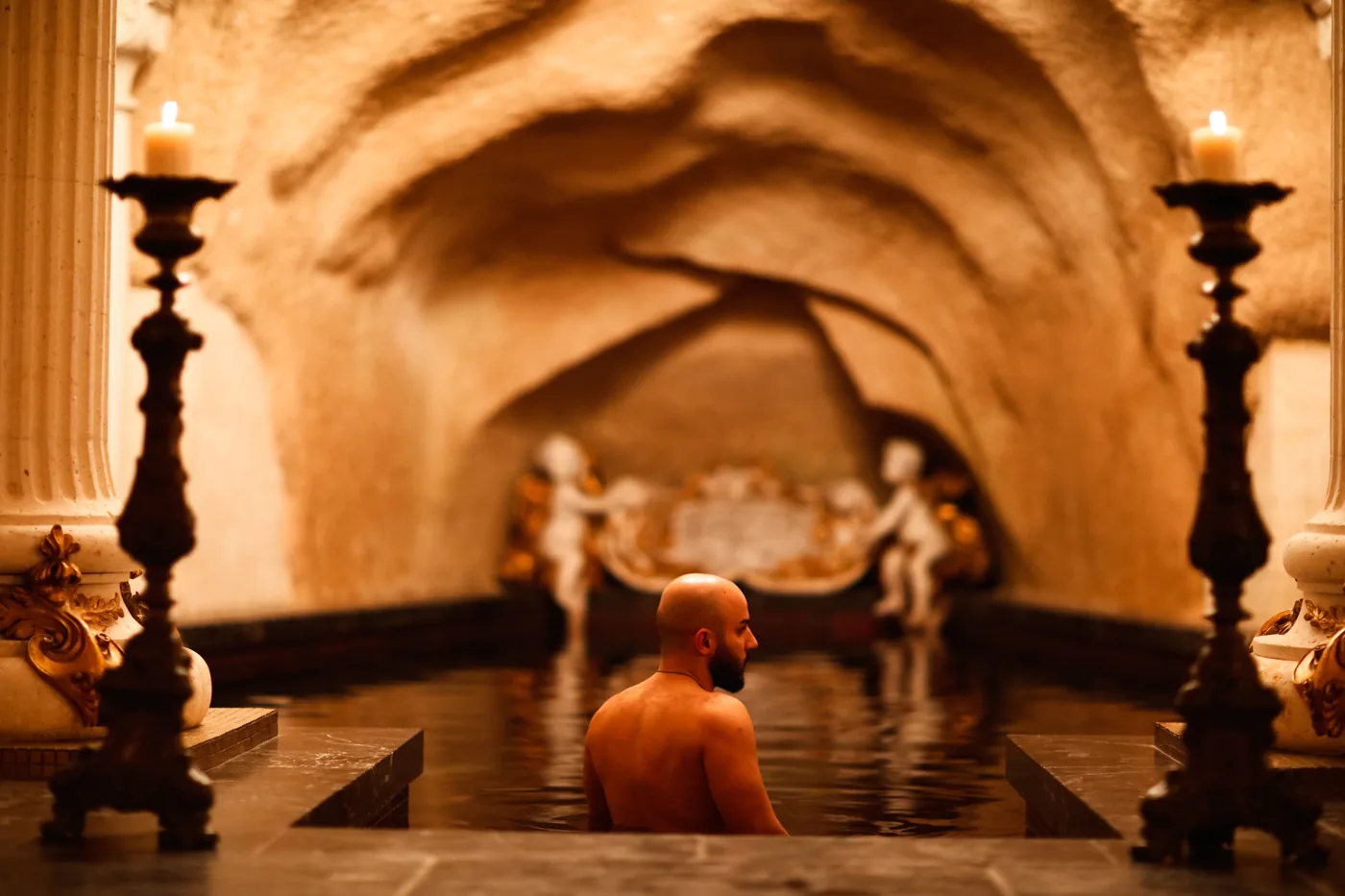
17. Unwind At Aire Ancient Baths
Aire Ancient Baths is a modern spa inspired by the old Arab bathhouses, set inside a historic house in Santa Cruz. Candlelit pools at different temperatures, from warm to hot to cold, sit under brick arches.
You can add a massage, and there’s a rooftop terrace with views of the Giralda. It’s one of the most relaxing things to do in Seville after a long day of walking.
Book ahead, especially for evening slots. It’s open late, so it also works as a treat after dinner.
18. Grab A Drink On The Alameda de Hércules
The Alameda de Hércules is a long, tree lined square in the north of the old town, and Seville’s tourist board calls it the oldest public promenade in Europe. It was laid out in 1574, with tall Roman columns at one end topped by statues of Hercules and Julius Caesar.
Today it’s the city’s laid back nightlife hub, packed with bars, terraces and cafés where locals meet up in the evening. Kids play in the square while their parents linger over drinks.
It’s a great place to see how people in Seville actually spend their evenings, away from the busiest tourist streets.
19. Walk The Roman Ruins Of Itálica
Itálica was founded in 206 BC, making it one of the first Roman cities in Spain. It was the home town of the emperor Trajan and the family of Hadrian, and it grew into a grand city with temples, mosaics and an enormous amphitheater.
That amphitheater was one of the largest in the Roman Empire, and you can still walk through its tunnels and stands. Game of Thrones fans will know it as the Dragonpit. Several houses still have their beautiful mosaic floors.
It’s only about 9 kilometers from Seville, an easy bus ride from Plaza de Armas. Entry is free for EU citizens and cheap for everyone else, and in summer it’s only open in the mornings, so go early.
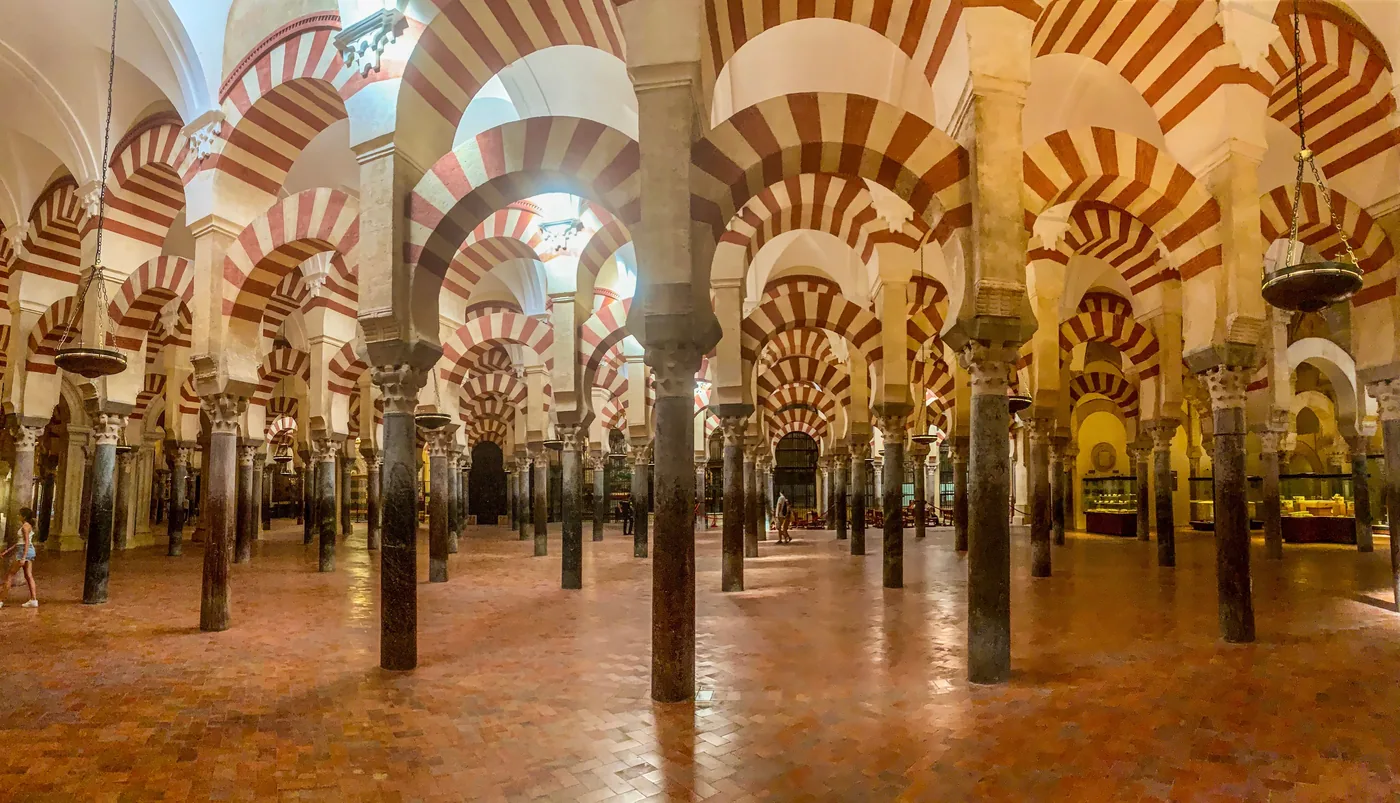
20. Take The Train To Córdoba’s Mezquita
Córdoba is less than an hour away on the high speed train from Seville’s Santa Justa station, which makes it one of the easiest day trips in Spain.
The reason to go is the Mezquita, a huge former mosque with a forest of red and white striped arches, and a Renaissance cathedral built right in the middle of it. It’s a UNESCO World Heritage site and one of the most unforgettable buildings in the country.
Arrive early. The Mezquita opens for free in the early morning on most days, for quiet visits only, and it’s magical before the crowds arrive. Spend the rest of the day wandering the old Jewish quarter and the flower filled patios.
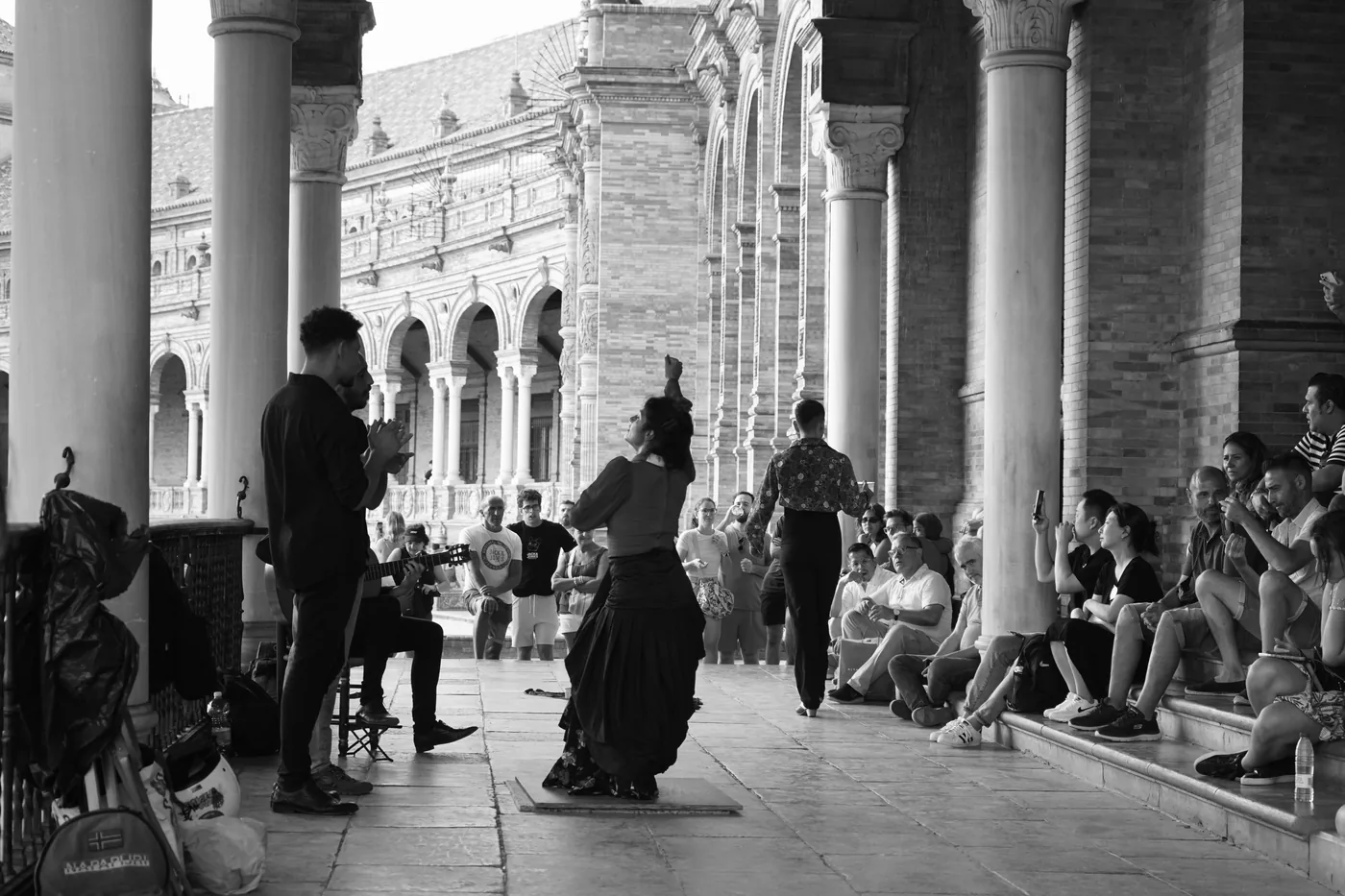
21. Catch A Flamenco Show In Santa Cruz Or Triana
Flamenco is Andalusia’s own art form, and UNESCO named it part of the world’s cultural heritage in 2010. Seville is one of its great homes, with Triana long known as one of its historic heartlands.
For a polished show, the Museo del Baile Flamenco, founded by the famous dancer Cristina Hoyos, puts on several performances every night. For something more intimate, Casa de la Memoria hosts small shows in a historic courtyard, with tickets sold at the door.
Seeing it in person is nothing like watching a video. The stamping feet, the guitar and the singing fill the room, and it’s the perfect way to end a trip full of things to do in Seville.
Festivals Worth Planning Around
If you visit in spring, two huge festivals might shape your whole trip. Semana Santa, or Holy Week, brings around 60 religious brotherhoods into the streets, carrying more than 100 elaborate floats through the city over the week before Easter. The most famous night is the Madrugá, when processions run all night from Holy Thursday into Good Friday.
About two weeks after Easter comes the Feria de Abril, the April Fair. It began as a livestock fair in the 1800s and has grown into a week of dancing, music and flamenco dresses, with more than a thousand striped tents called casetas set up on the fairground. Most casetas are private, but a few are open to everyone.
Both festivals are unforgettable, but hotels fill up and prices rise, so book early if your dates line up.
Tips For Visiting Seville
Seville gets very hot in summer. Average highs in July and August sit around 36°C (97°F), so spring and autumn are the most comfortable times to visit. If you do come in summer, see the sights in the morning, rest in the afternoon and head out again in the evening like the locals do.
Smaller shops and churches often close for a few hours in the middle of the day, though the big sights like the Alcázar and the cathedral stay open. Book those two online ahead of time, and remember the cathedral asks you to cover your shoulders.
You’ll notice the orange trees everywhere. The city has tens of thousands of them, but don’t pick one to snack on. They’re bitter Seville oranges, the classic marmalade orange in Britain. If you’re planning a bigger trip through the region, these things to do in the Algarve are just a few hours west.
Final Thoughts
Seville packs a lot into a small, walkable old town. In a few days you can tour Moorish palaces, climb an old minaret, eat your way across Triana and finish with a night of flamenco.
Pick a handful of these things to do in Seville Spain and leave time to simply wander, because some of the best moments happen in a shady square you stumbled into by accident. If you’re heading on to Portugal afterward, these things to do in Porto make a great next stop.