 Rebecca Engel
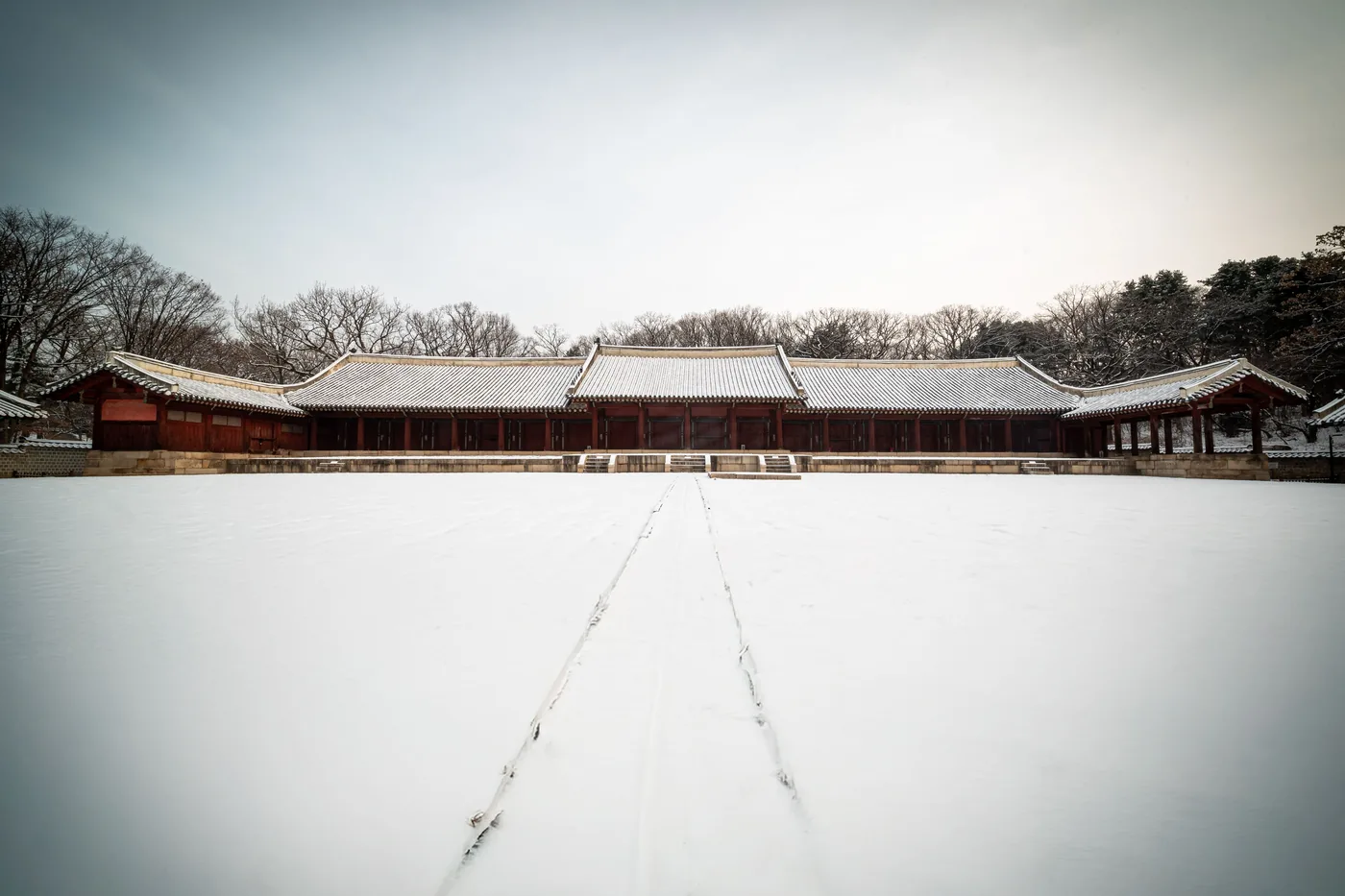
Seoul in winter is cold, clear and packed with things to do. Most nights drop below freezing from December through February, but the city answers with outdoor ice rinks, festival lights along the stream, steaming street snacks on every corner and bathhouses built for warming up.
These things to do in Seoul in winter mix the best of the city with a few easy day trips into the snowy hills of Korea, from ski slopes to an ice fishing festival. Each one notes when it usually runs, so it’s simple to match the list to your dates.
1. Skate At The Seoul Plaza Ice Rink
Every winter, the big lawn in front of Seoul City Hall turns into an outdoor ice rink. It usually opens in mid to late December and stays open into early February, and it’s one of the classic things to do in Seoul in winter.
An hour on the ice costs just 1,000 won, a price that hasn’t changed in over 20 years, and that includes skates and a helmet. There’s a separate rink for little kids, plus lockers and a lounge.
Go after dark, when the rink is lit up and City Hall glows behind it. It’s right outside City Hall Station, so it’s easy to fit in between other stops downtown.

2. Walk The Winter Festa Lights At Cheonggyecheon And Gwanghwamun
Seoul Winter Festa is the city’s big winter festival, and it spreads across downtown from mid December into early January. Two of the best parts are only a short walk apart.
Along Cheonggyecheon Stream, glowing lantern displays line the water, and the walking path below street level makes for an easy evening stroll. Up at Gwanghwamun Square, a Christmas market called Santa Village fills the plaza with stalls and lights, usually through the end of December.
Dates and themes change every year, so check the festival’s official page once the city announces the season’s plans, usually in late autumn.
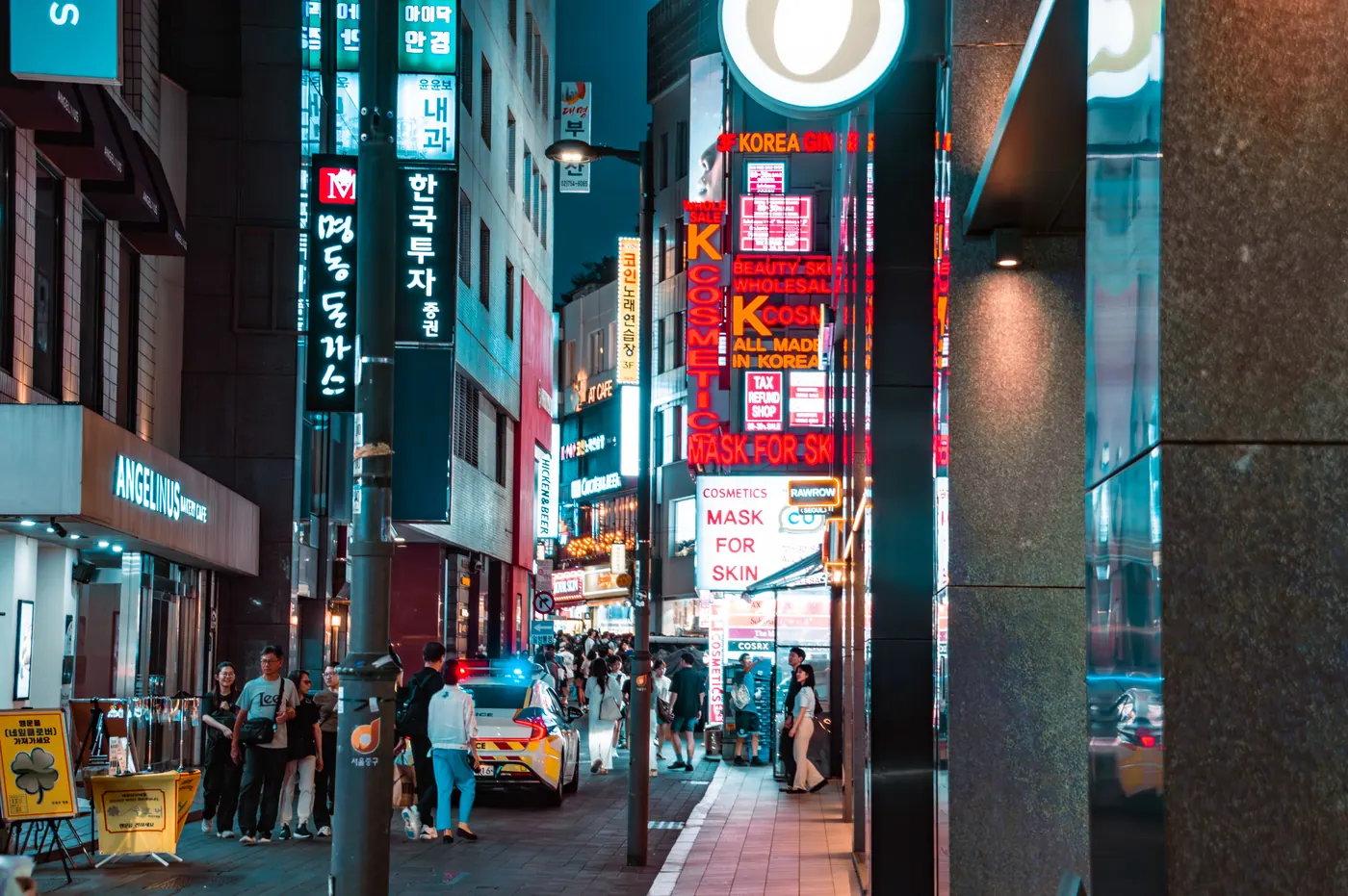
3. Watch The Christmas Show On Shinsegae’s Myeongdong Facade
The front of the Shinsegae Department Store flagship in Myeongdong is one giant screen, and every holiday season it plays a short Christmas film across the whole building.
The show usually starts in early November and runs every night from 5 PM to midnight, with a new story each year. It’s only a few minutes long and repeats all evening, so there’s no need to time your visit.
Crowds gather across the street for the best view. Afterward, walk a few minutes into Myeongdong, where street food stalls set up along the main lanes every evening.
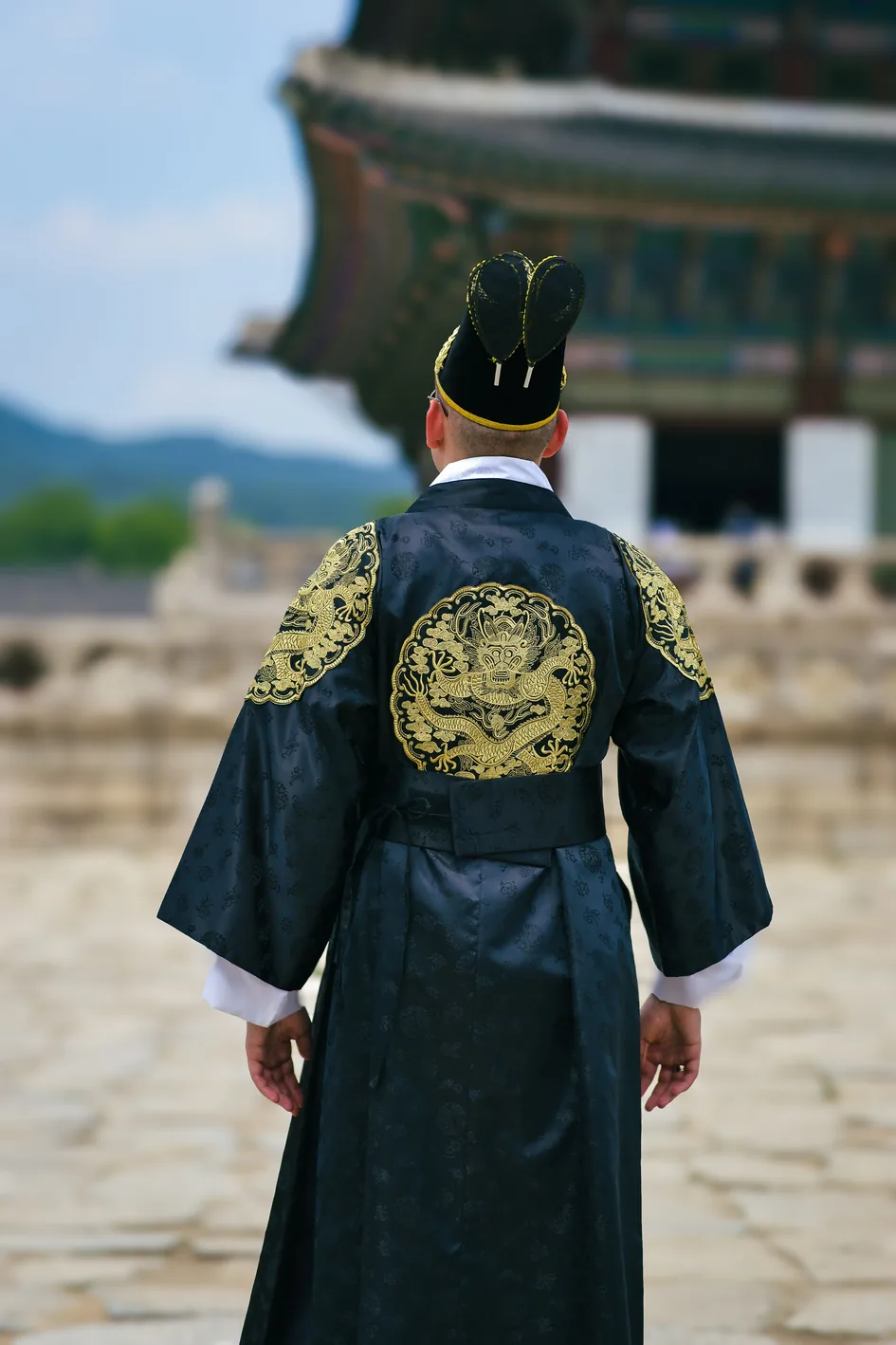
4. Wear A Hanbok Through Gyeongbokgung Palace
Gyeongbokgung is the grandest of Seoul’s royal palaces, first built in 1395 with the mountains rising behind it. The crowds thin out in winter, and when it snows, the curved rooftops turn white for a few hours.
Rent a hanbok, the traditional Korean dress, from one of the shops near the palace, and you get in free. Rentals usually run around 15,000 to 30,000 won. Wear warm layers underneath, since the courtyards are wide open to the wind.
The palace is closed on Tuesdays. The National Folk Museum of Korea sits inside the palace grounds, and it’s a good place to duck in when your hands get cold.
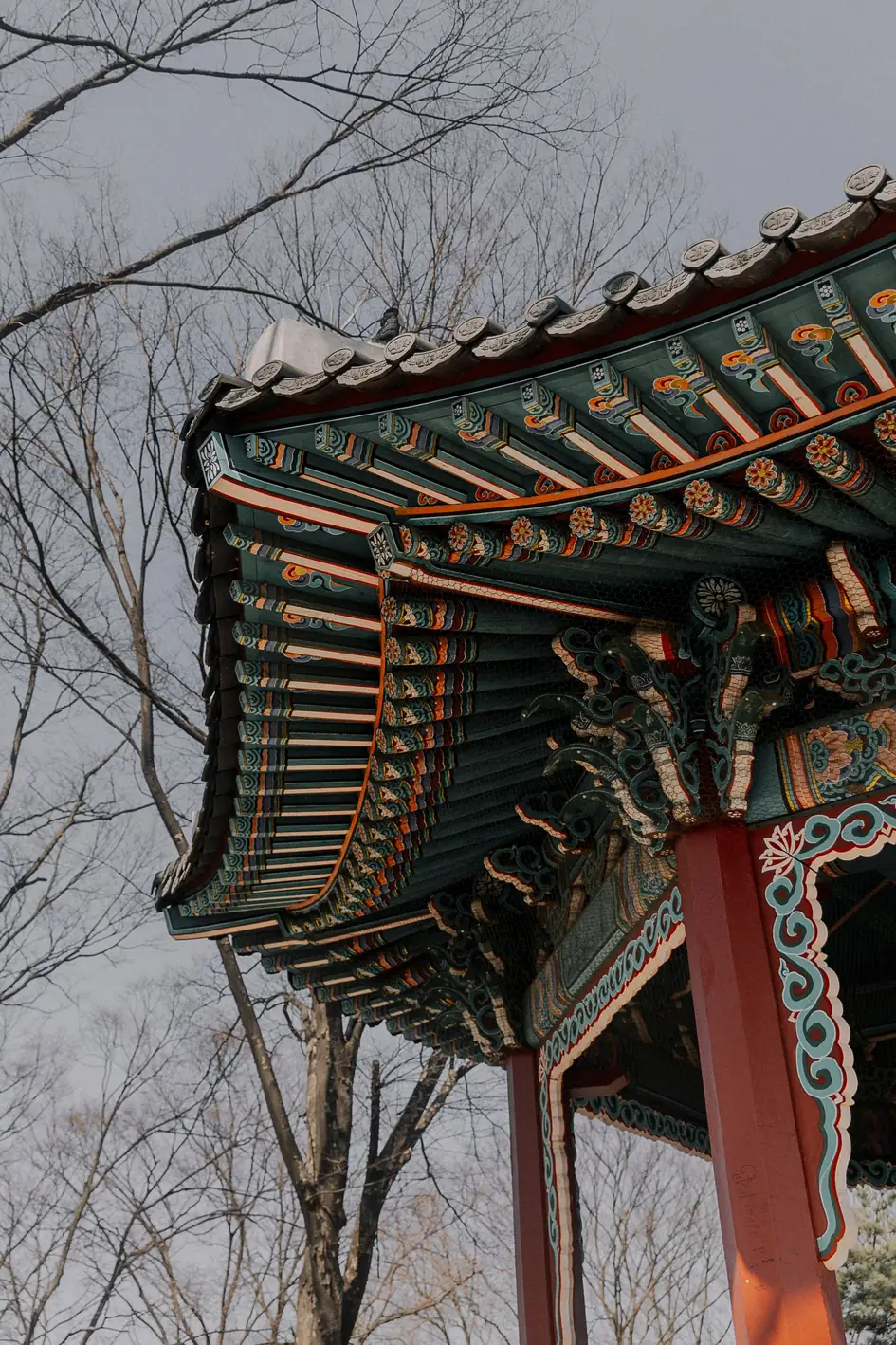
5. Take The Secret Garden Tour At Changdeokgung Palace
Behind Changdeokgung Palace sits Huwon, the Secret Garden, a wooded royal garden with ponds, pavilions and old trees that the kings once kept to themselves.
It can only be seen on a guided tour of about 90 minutes, and tours in English run a few times a day. Tickets are limited, so book online, which opens about six days ahead, or get there early for the tickets held back for walk ups.
Winter is a quiet time to go. The bare trees open up views of pavilions that are hidden behind leaves the rest of the year, and the ponds sometimes freeze over. The palace is closed on Mondays.
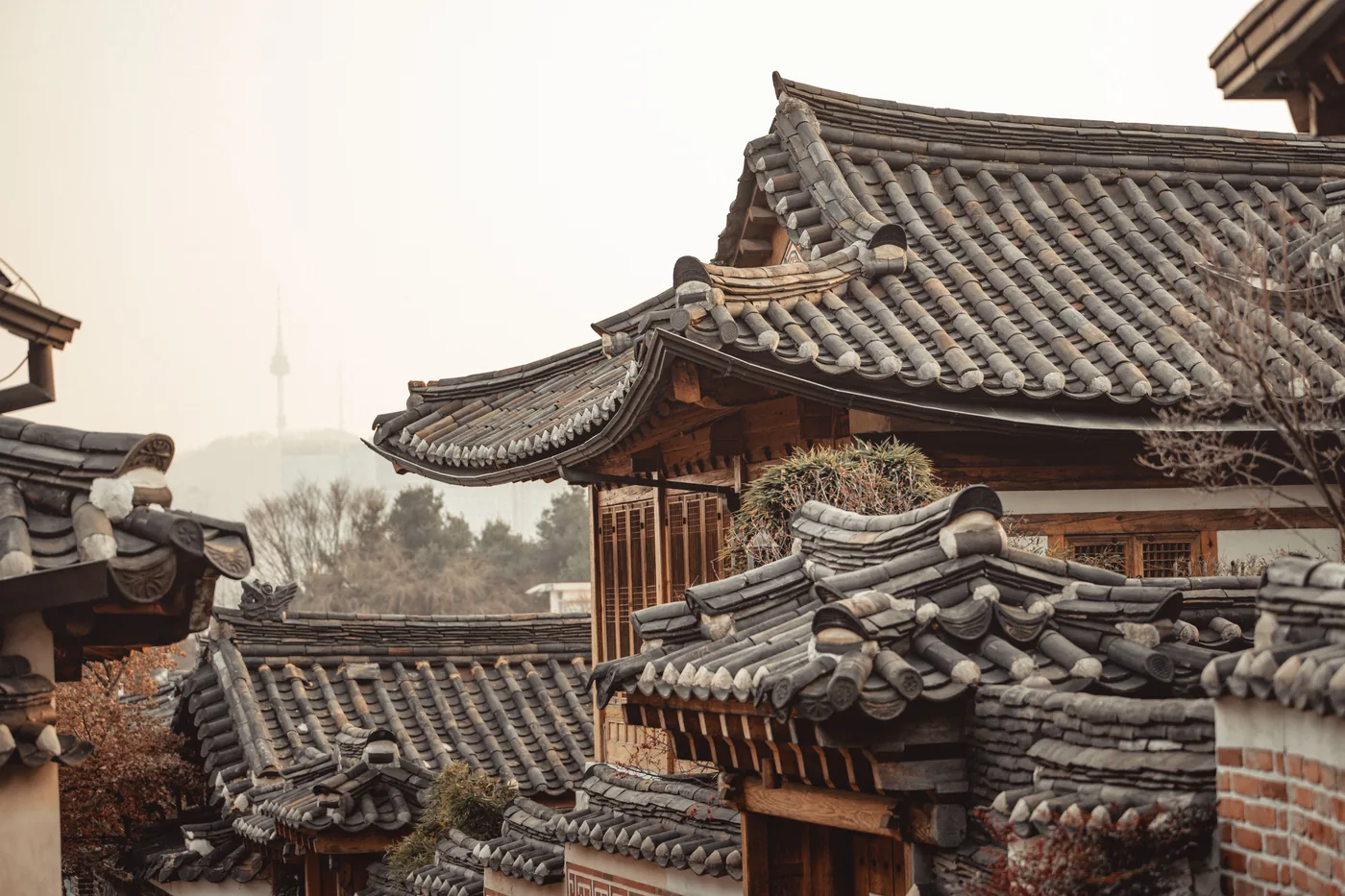
6. Wander Bukchon Hanok Village Before 5 PM
Bukchon is a hillside neighborhood of hanok, traditional wooden houses with tiled roofs, tucked between Gyeongbokgung and Changdeokgung. Its narrow lanes look out over the rooftops toward the towers of downtown.
People still live here, so the busiest lane, Bukchon-ro 11-gil, is closed to tourists from 5 PM to 10 AM, and visitors can be fined outside those hours. Winter light fades early anyway, so come in the late morning or early afternoon.
Keep your voice down and stay off the doorsteps. When your fingers start to go numb, the cafés at the bottom of the hill are a good place to warm up.
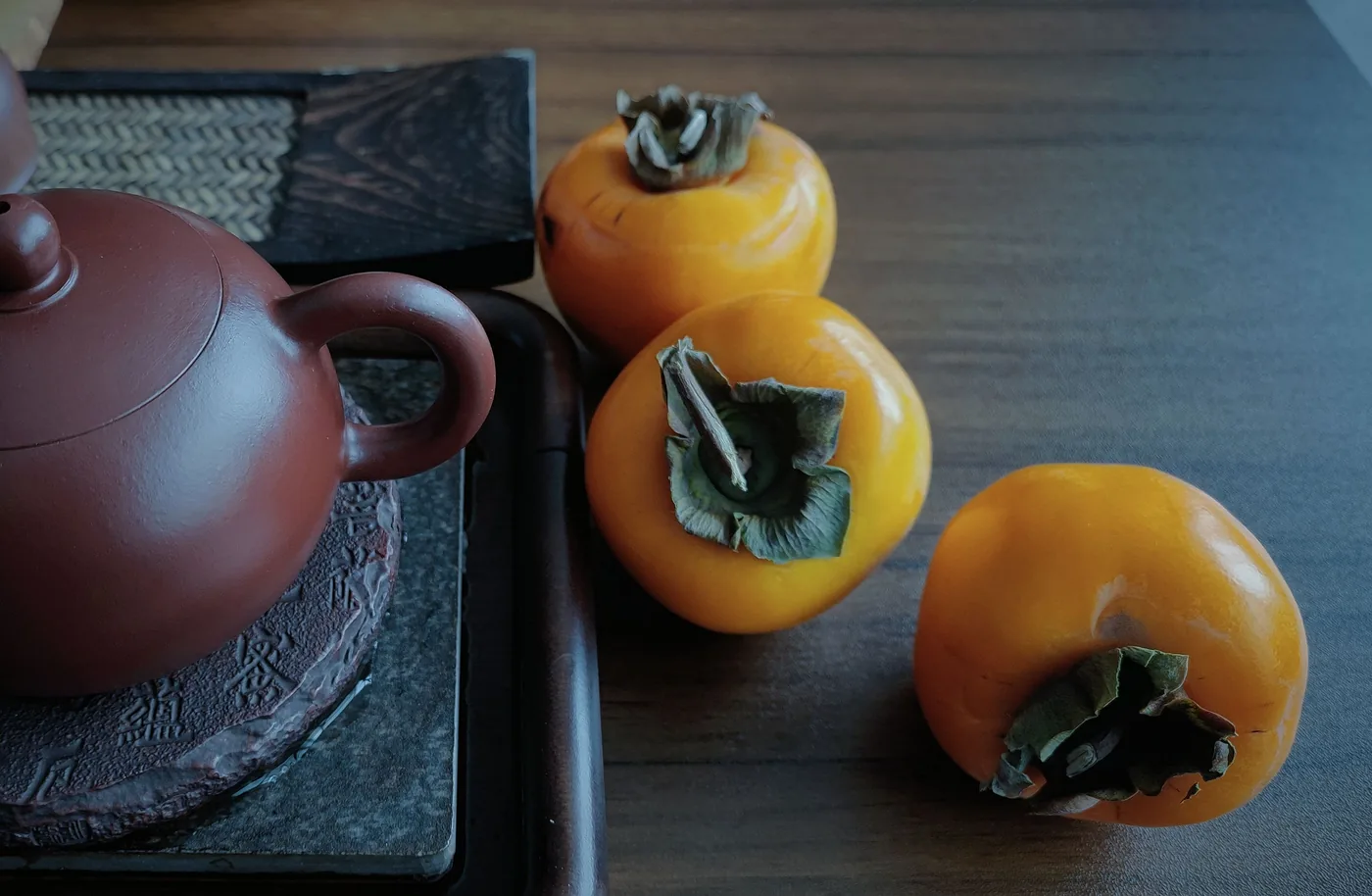
7. Warm Up In A Traditional Teahouse In Insadong
Insadong is Seoul’s old arts street, lined with pottery shops, calligraphy brushes and small galleries. Its side alleys hide traditional teahouses with low tables, paper screens and a slower pace than the street outside.
Order a hot yuja tea made from a fragrant citrus fruit, a sweet jujube tea or ssanghwa tea, a thick herbal brew Koreans drink to fight off a cold. They go well with tteok, chewy Korean rice cakes.
Ssamziegil, a spiral of small craft shops wrapped around an open courtyard, is worth a look on the way. It’s one of the best spots in Seoul for handmade gifts to take home.
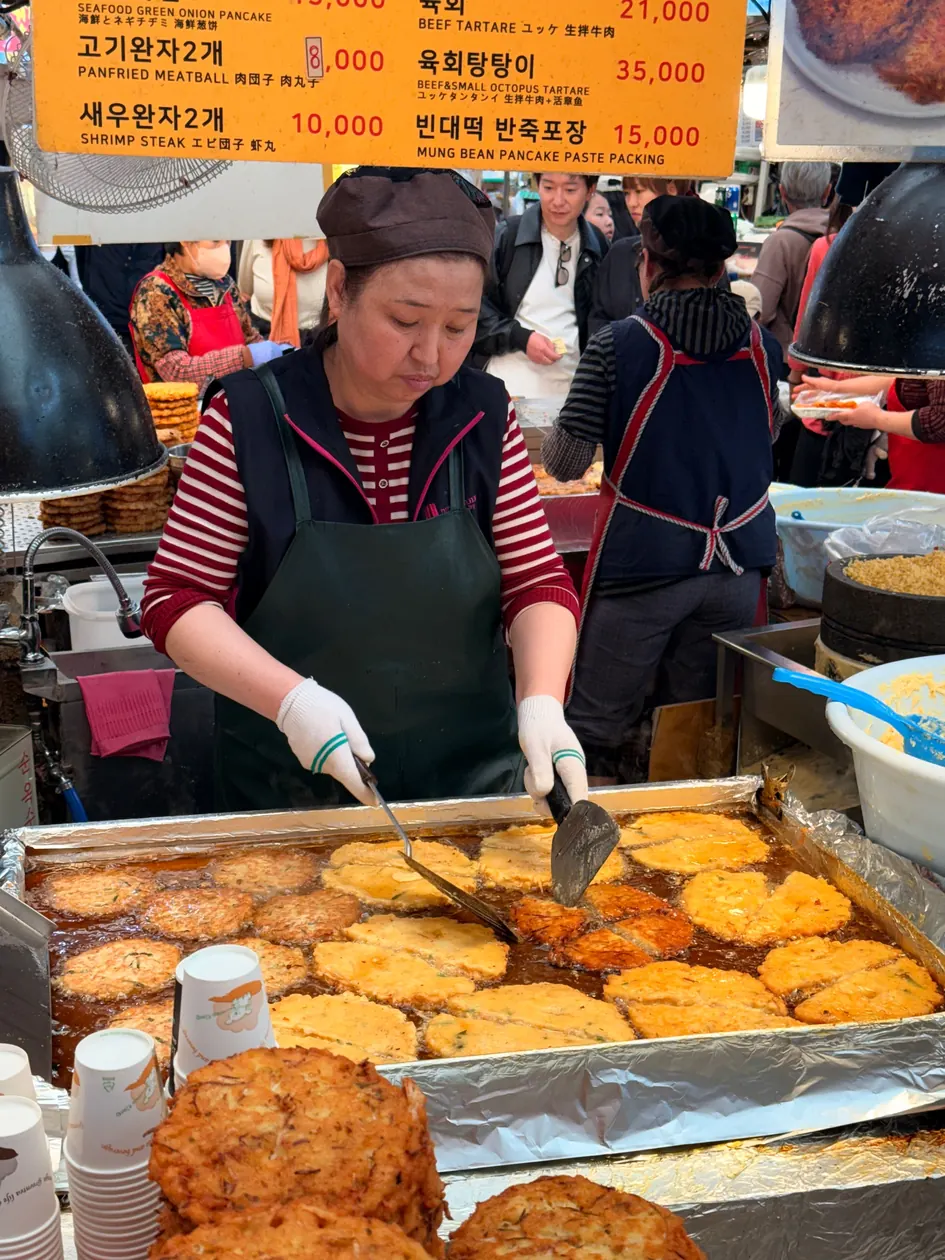
8. Eat Your Way Through Gwangjang Market
Gwangjang Market opened in 1905, and its food alleys are at their best on a cold day. Long rows of stalls cook hot food right in front of diners squeezed onto benches.
Start with bindaetteok, a crispy mung bean pancake fried to order, then try mayak gimbap, small rice rolls dipped in mustard sauce, and a bowl of kalguksu, a hot noodle soup. In winter, look for bungeoppang, fish shaped pastries filled with sweet red bean.
Most dishes cost just a few thousand won, so it’s easy to try a little of everything. Bring some cash, since smaller stalls may not take cards.
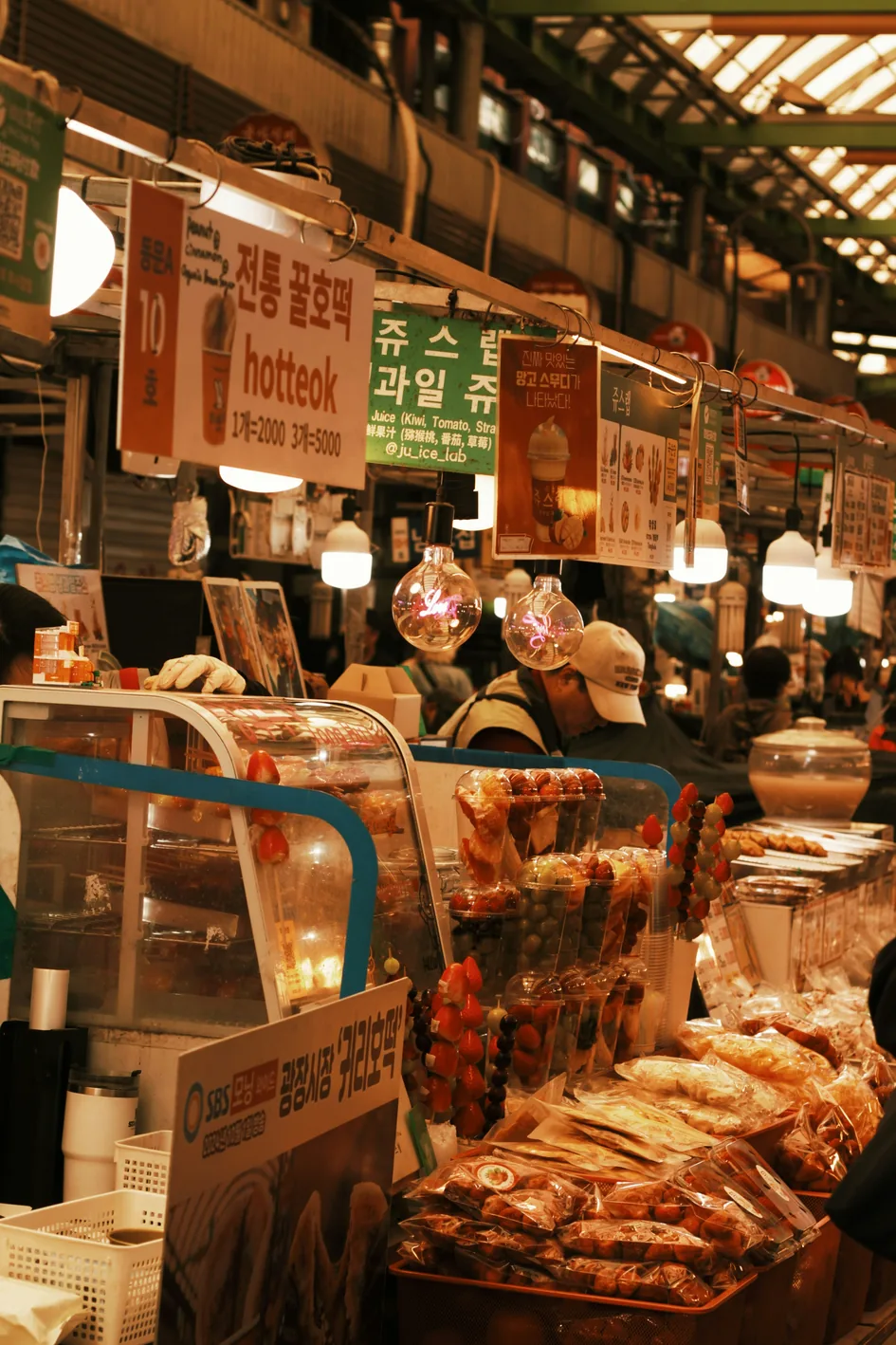
9. Grab Hotteok At Namdaemun Market
Hotteok is Korea’s favorite winter street snack. It’s a chewy fried pancake stuffed with brown sugar, cinnamon and seeds, and the filling melts into a hot syrup inside.
Namdaemun Market, one of the biggest traditional markets in Korea, is known for its hotteok stands, and the lines get long in the cold months. Some stalls also sell a savory version filled with glass noodles and vegetables.
Let it cool for a minute before you bite in, because that syrup is hot. Then take some time to wander the market’s stalls, which sell everything from kitchenware to ginseng.
10. Pull Up A Stool At A Pojangmacha In Jongno
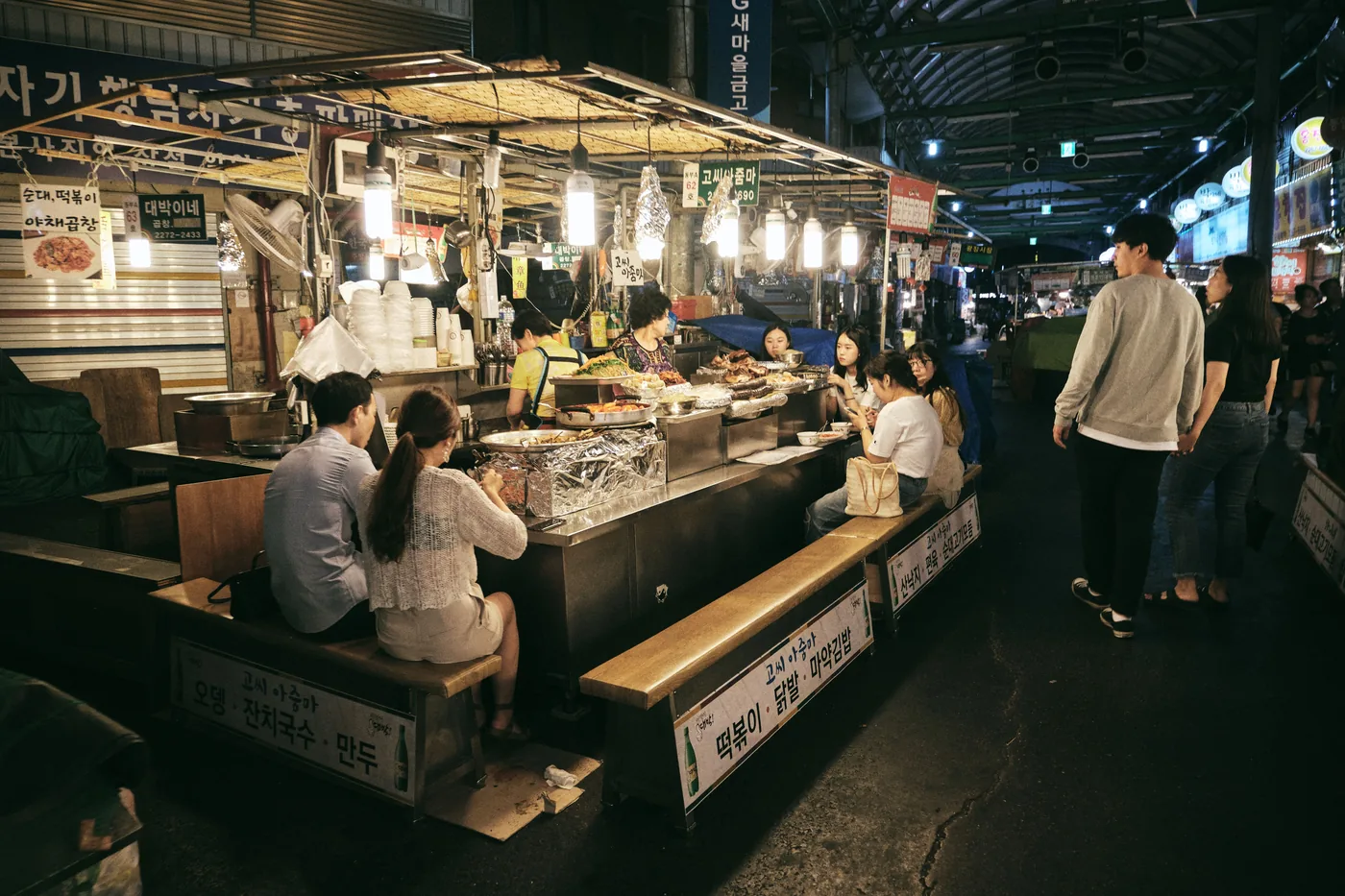
Pojangmacha are Korea’s street tents, glowing orange at night and packed with plastic stools, and they’re at their coziest on a freezing evening. One of the best known strips sits around Jongno 3-ga Station, where tents line the street most nights.
Order odeng, fish cake skewers simmered in a hot broth, along with tteokbokki, spicy rice cakes, or a kimchi pancake. Share a bottle of soju or makgeolli, a milky rice wine.
The tents usually open around 5 or 6 PM. Get there before 7 for a seat, and bring cash, since many tents don’t take cards.
11. Sweat Out The Cold At The Itaewon Land Jjimjilbang
A jjimjilbang is a Korean bathhouse, with hot and cold pools, a range of sauna rooms and big heated floors where people nap, snack and hang out for hours. On a cold day in Seoul, there’s nothing better.
Itaewon Land is one of the easiest for first timers, with English signs, a mixed crowd and 24 hour opening. The bathing pools are split by gender and you go in without a swimsuit, while the shared sauna areas are mixed and you wear the shorts and shirt handed out at the front desk.
Order the classic bathhouse snacks: baked eggs and sikhye, a sweet rice drink served ice cold. Entry at most jjimjilbang in Seoul runs around 10,000 to 20,000 won.
12. Catch Clear Winter Views From N Seoul Tower
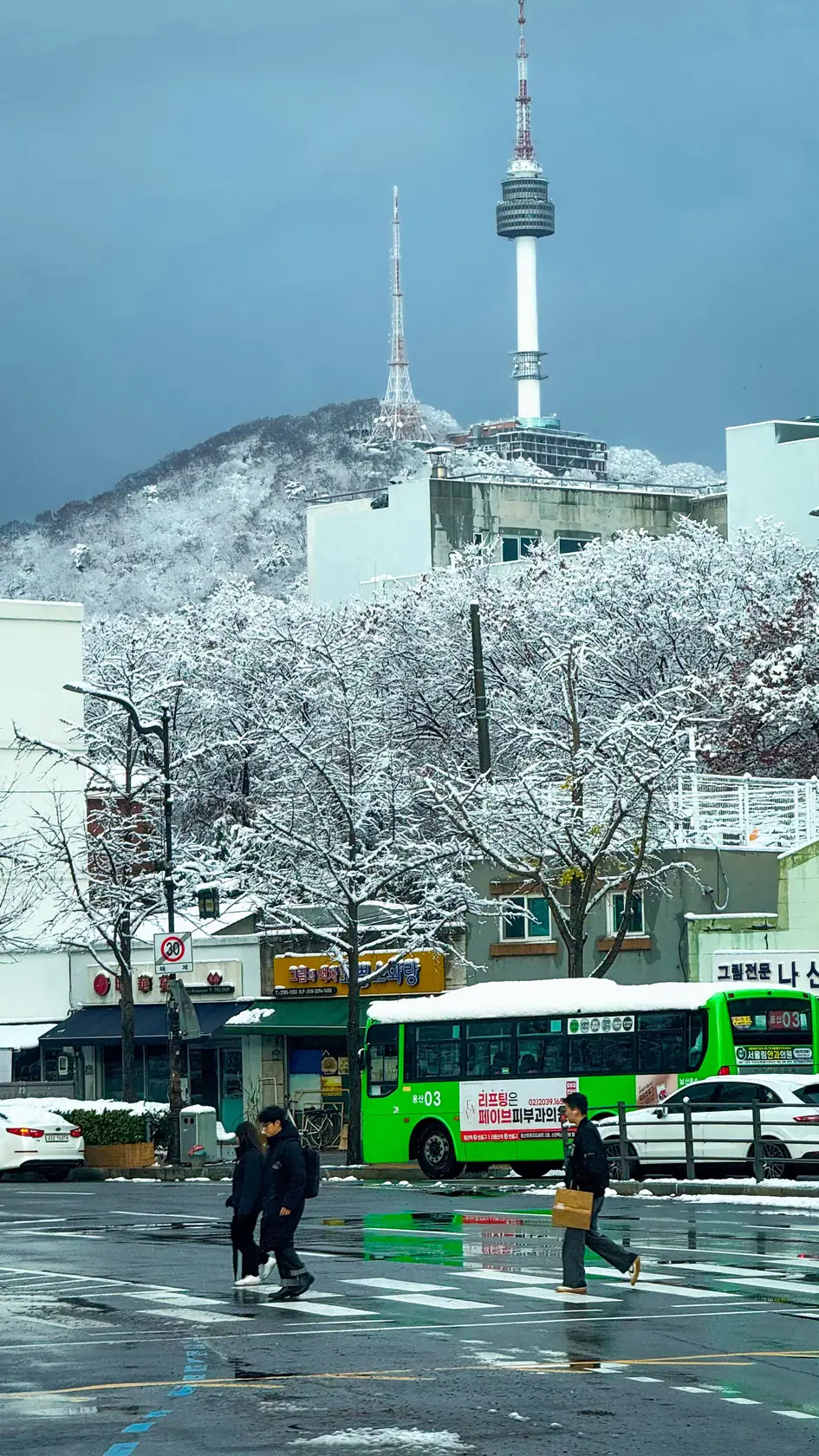
N Seoul Tower stands on top of Namsan, the mountain right in the middle of the city, and its observation deck looks out over all of Seoul. Winter skies here tend to be dry and clear, which makes for long views.
Ride the Namsan cable car up, or walk the wooded paths if you’d like to warm up on the way. At the top, the railings are covered in thousands of love locks left by couples.
Go around sunset to watch the city switch from daylight to lights. It’s colder and windier up there than down in the streets, so bring gloves.
13. Spend A Freezing Afternoon At Starfield Library
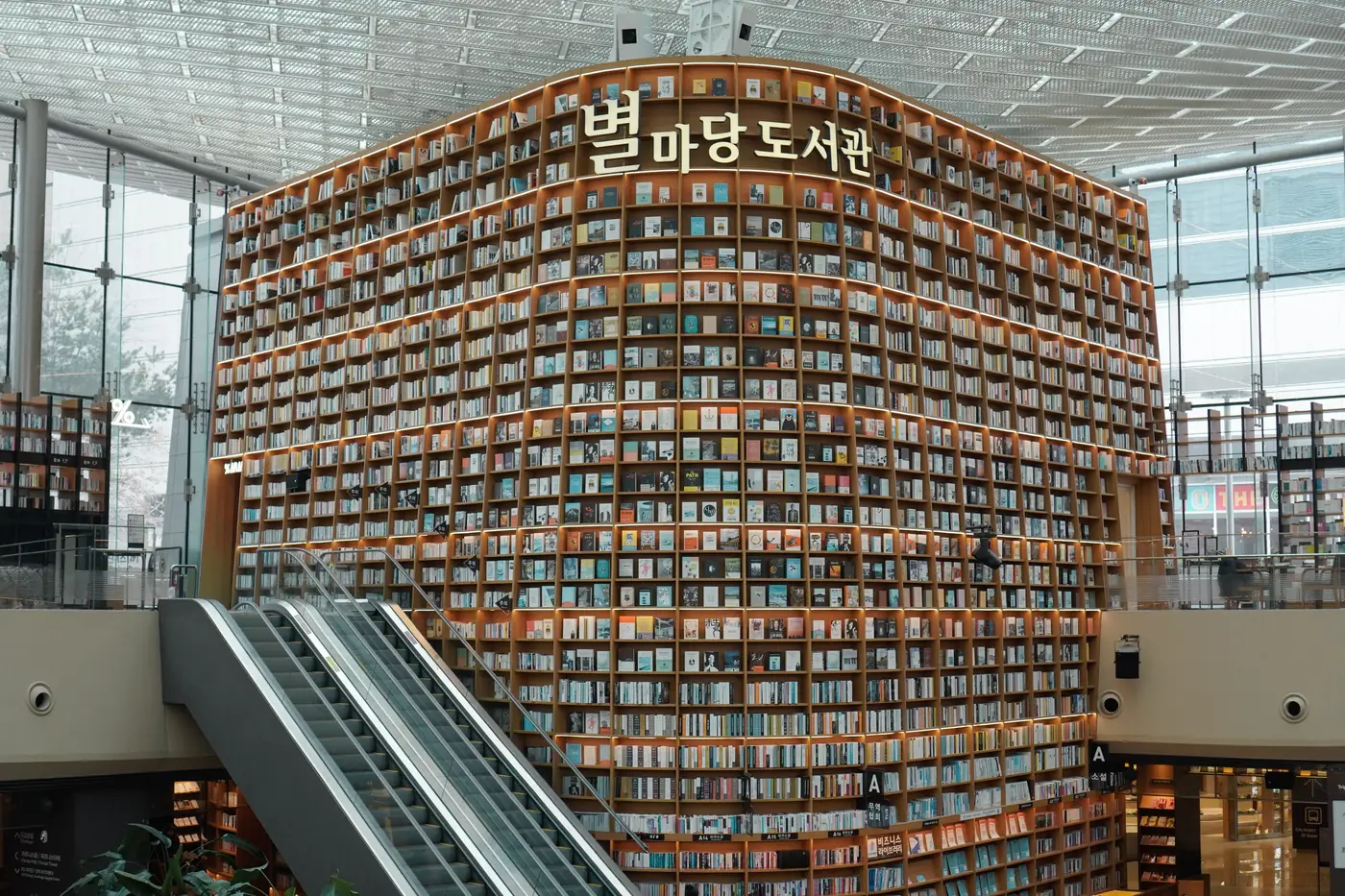
Starfield Library sits in the middle of COEX Mall in Gangnam, and it’s one of the most photographed spots in Seoul. Bookshelves 13 meters tall curve around an open plaza, holding about 50,000 books plus hundreds of magazines.
It’s free and it’s warm, and you can pull something off the lower shelves and sit down to read. The books can’t be borrowed, but there’s plenty of seating.
COEX is one of the largest underground malls in Asia, with restaurants, shops and the COEX Aquarium, so it’s easy to spend a whole cold afternoon without stepping outside.
14. Skate Indoors At Lotte World
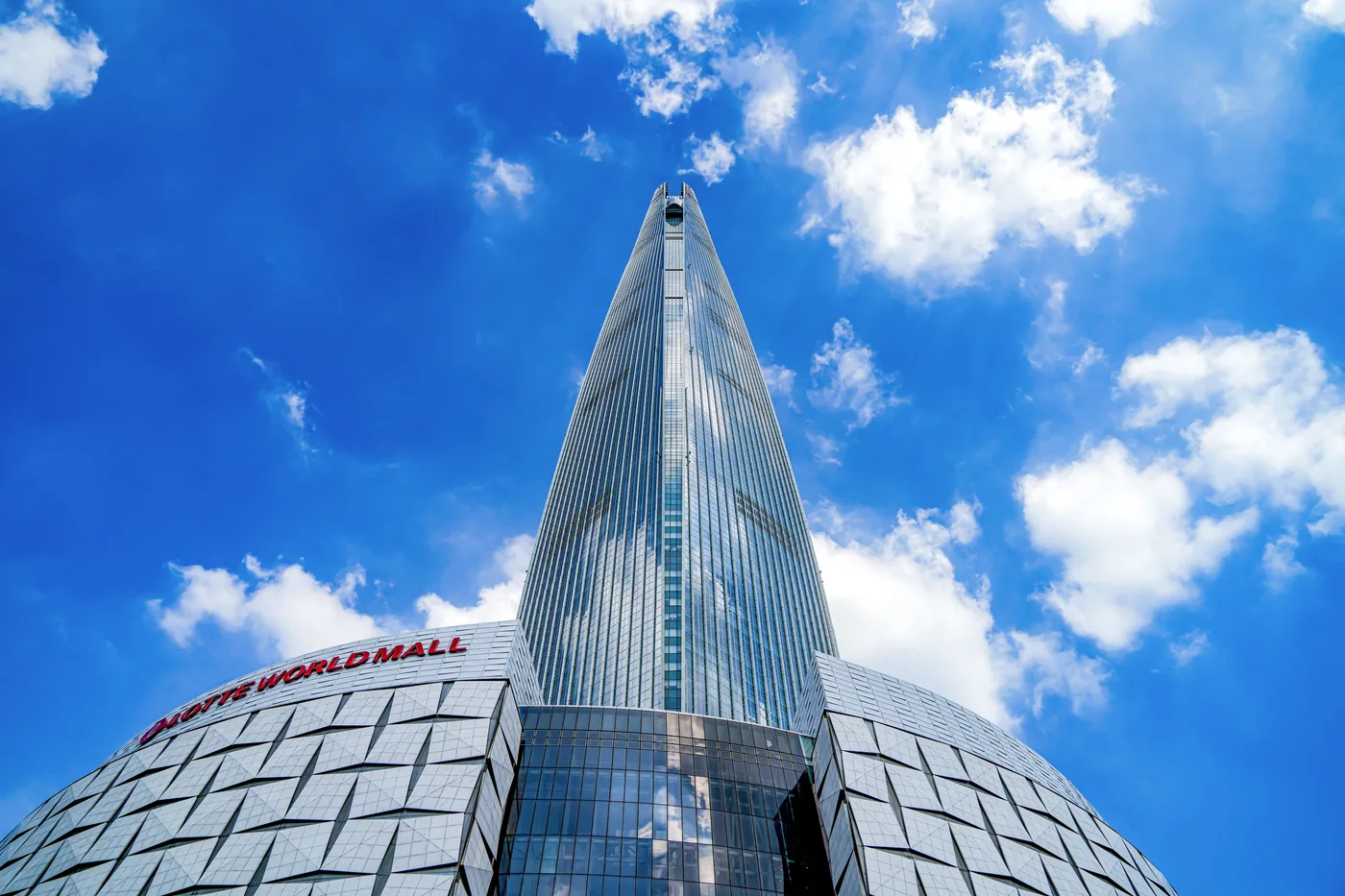
Lotte World in Jamsil is one of the largest indoor theme parks in the world, so the cold doesn’t shut down the rides. It’s an easy pick for families who want a day of fun in Seoul out of the wind.
Inside the complex is the Lotte World Ice Rink, open all year under a glass roof that lets in daylight. Skate rental is extra, and the ice is cleaned between sessions.
It gets busy on weekends and school holidays, so go on a weekday if you can. Lotte World Tower, the tallest building in Korea, is right next door if you’d like one more view of the city.
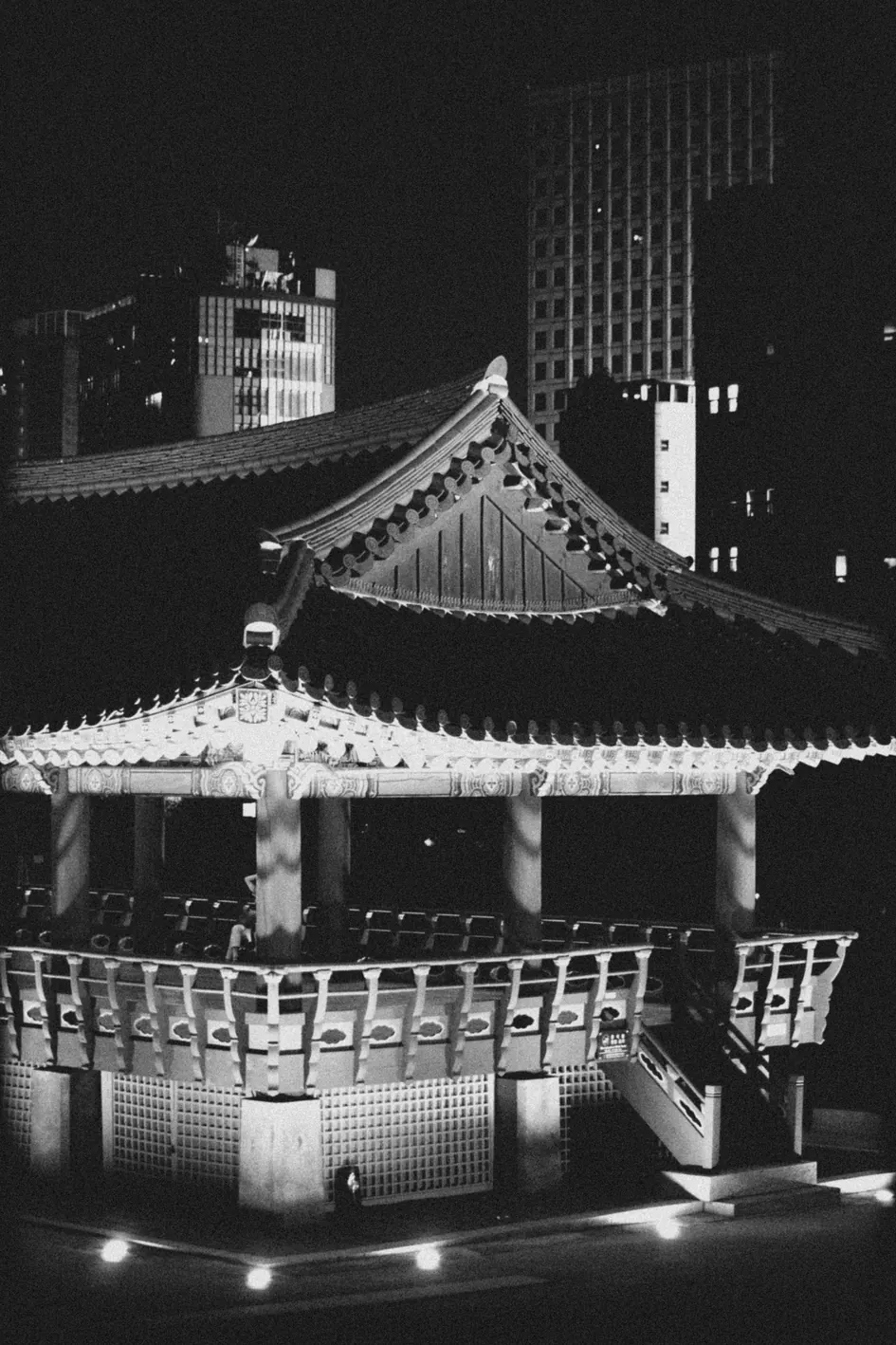
15. Ring In The New Year At Bosingak Bell Pavilion
On New Year’s Eve, Seoul’s big countdown happens at Bosingak, a bell pavilion on Jongno. At midnight the great bell is struck 33 times to welcome the new year, and huge crowds pack the streets around it.
The ceremony is shown on TV across the country, and it’s one of the most Korean ways to spend the night. Bosingak is right by Jonggak Station.
Get there early, dress as warmly as you can and expect a slow trip home with everyone else. A hot snack from a street stall helps with the wait.
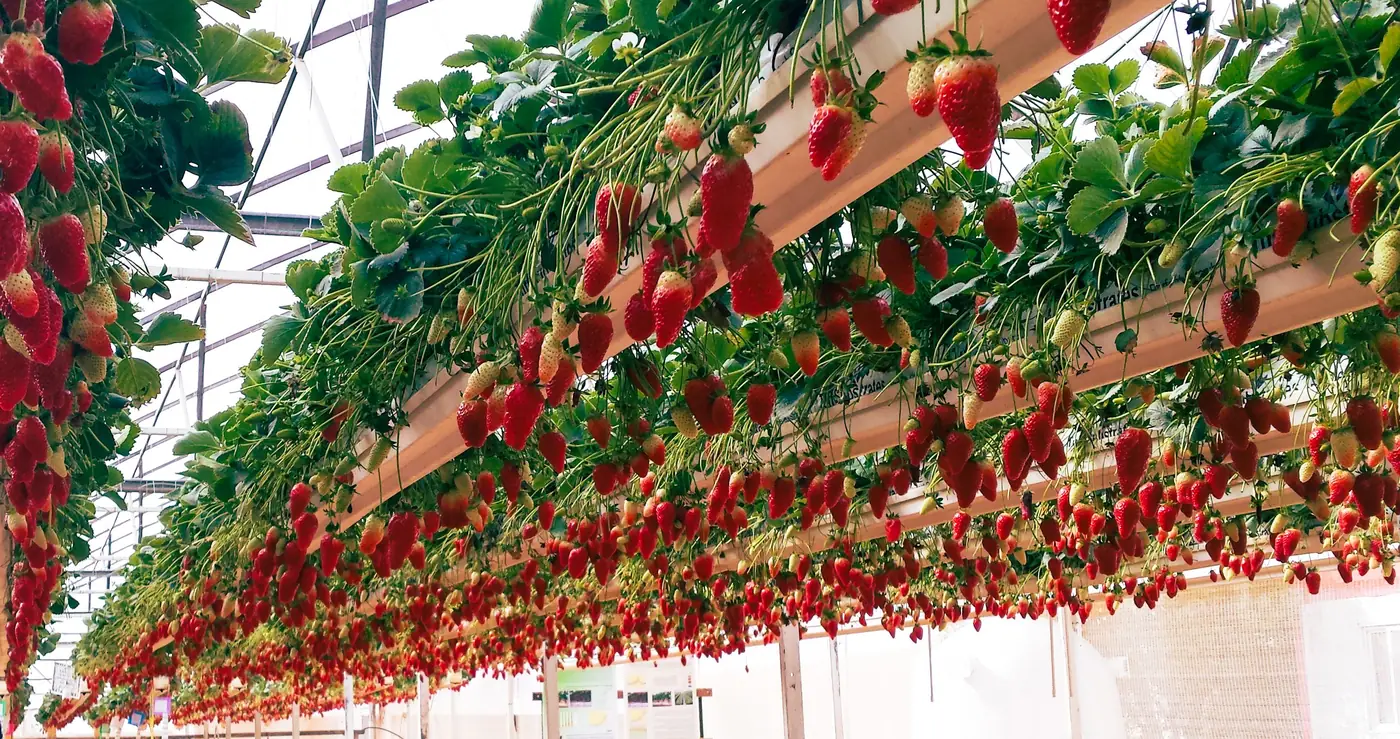
16. Pick Strawberries On A Day Trip From Seoul
Korea’s strawberry season runs right through winter. The berries grow in heated greenhouses from about December to May, and the sweet seolhyang variety is the one most people know.
Farms outside Seoul, in places like Yangpyeong, open their greenhouses for picking, and plenty of day tours from Hongdae and Myeongdong pair a farm visit with sledding, Nami Island or frozen waterfalls. Some farms ask visitors not to eat while picking, so save the tasting for after.
Back in the city, strawberry desserts are everywhere in winter, from café cakes to hotel dessert buffets.
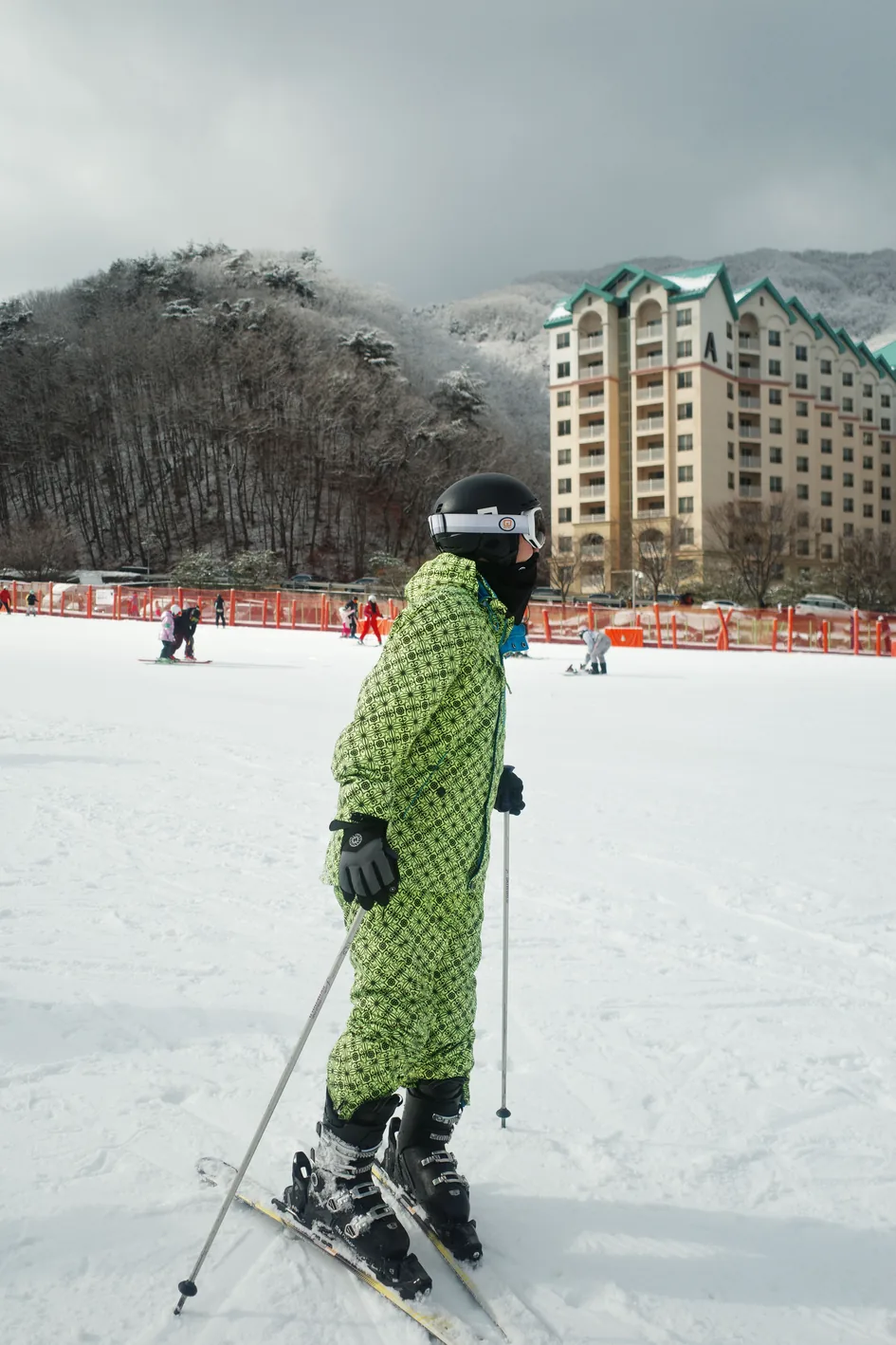
17. Ski For The Day At Vivaldi Park
Korea’s mountains are a short trip from the city, and Vivaldi Park in Hongcheon is one of the easiest ski resorts to reach from Seoul. Shuttle buses run from Hongdae, Myeongdong and Dongdaemun during the ski season, usually December to early March, and the ride takes about an hour and a half.
The resort has runs for every level, plus ski and snowboard rentals, lessons and a sledding area for anyone who’d rather not ski. Elysian Gangchon is another resort that’s an easy shuttle ride from the city.
Book the shuttle and rentals together to keep the day simple, and check this ski trip packing list before you go.
18. See The Lighting Festival At The Garden Of Morning Calm
The Garden of Morning Calm is a large private garden in Gapyeong, outside Seoul, and in winter it hosts one of the country’s best known light festivals. Once the sun goes down, strings of colored lights cover the paths, trees and hillsides.
The festival usually runs from early December to mid March, with the lights switching on around 5 PM. The garden is open in the daytime too, but the evening is the reason to go.
Nami Island is close by, so the two make an easy pair. Spend the afternoon walking the island’s tree lined paths, then head to the garden as it gets dark. Many day tours from Seoul combine the two.
19. Go Ice Fishing At The Hwacheon Sancheoneo Ice Festival
Every January, the frozen river in Hwacheon, about 90 km northeast of Seoul, fills with people fishing through holes in the ice for mountain trout. It’s one of Korea’s best known winter festivals, and recent editions have drawn close to a million visitors.
Drop a line through the ice, and if you catch a trout, the grills on site will cook it for you. There’s also sledding on the ice and, for the brave, catching trout with your bare hands in icy water.
The festival usually runs for about three weeks starting in early or mid January. Dress for serious cold, since you’ll be standing on the ice for a while, and book a shuttle tour from Seoul if you’d rather not drive.
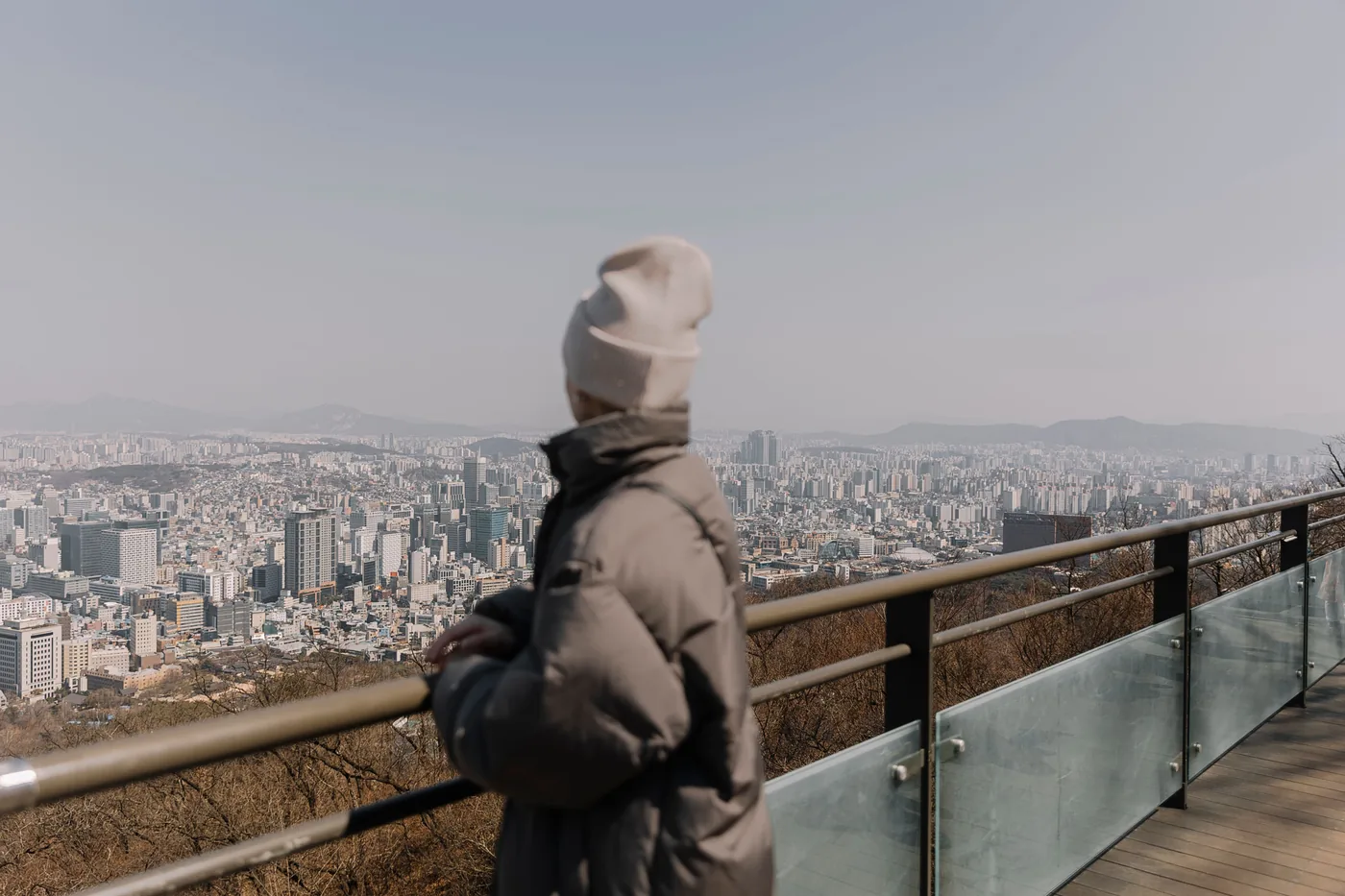
Tips For Visiting Seoul Korea In Winter
Seoul gets properly cold in winter. In January, lows sit around 22°F, or about minus 6°C, and daytime highs hover near freezing, often with a sharp wind. Snow does fall, but it’s usually light and doesn’t stick around, so don’t plan a trip around it.
Dress in layers you can peel off, because subway cars, shops and restaurants are kept warm. Hand warmer packs are sold at convenience stores all over the city, and they’re cheap enough to buy a few each day.
Pick up a T-money card at any convenience store or subway station to pay for subways and buses. Many winter events, like Seoul Winter Festa and the Seoul Plaza rink, set new dates each year, so check the official pages before you go.
If you’re pairing Korea in winter with a trip to Japan, these things to do in Japan in winter make a great next stop.
Final Thoughts
Winter might be the most underrated time to visit Seoul. The skies are clear, the palaces are quieter, and there’s always something hot to eat or a heated floor to sit on when the cold gets to you.
Pick a few of these things to do in Seoul in winter, mix the city’s lights and markets with a day out in the snow, and you’ll see why so many people fall for Korea in winter.