 Rebecca Engel
Two weeks in Europe is long enough that the small stuff starts to matter. A weekend trip forgives a bad suitcase and a dead phone battery, but fourteen days across a few countries will find every weak spot in what you brought, usually while you’re dragging a bag up the third flight of stairs at a metro station that doesn’t have an escalator.
So this Europe packing list is built for that specific trip. It skips the obvious things you’d throw in a bag for anywhere and focuses on the 19 items that earn their space over two weeks and multiple countries, with the reason behind each one. Get these right and the rest of what to pack for Europe is just clothes.
1. A Universal Plug Adapter
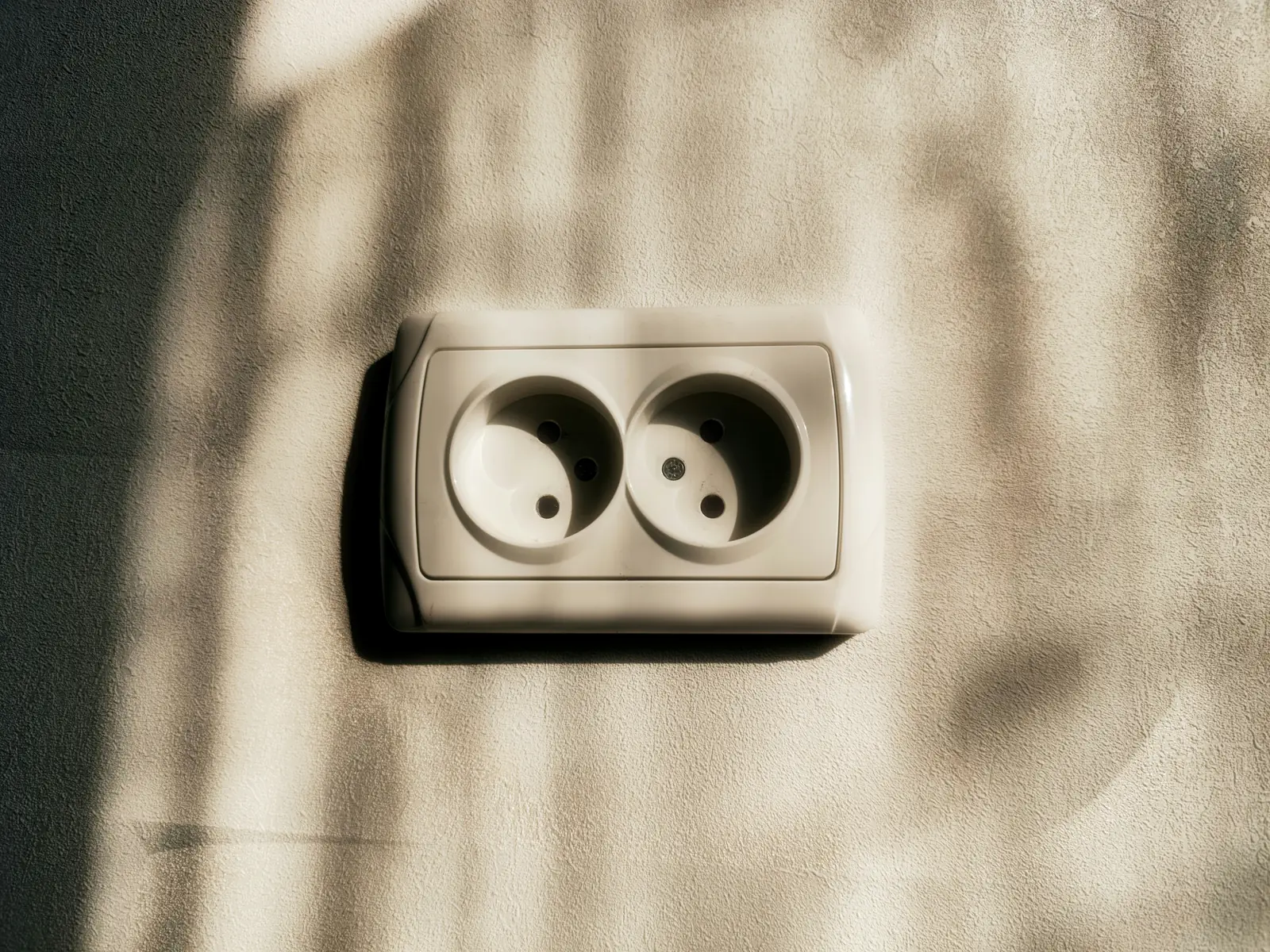
Continental Europe runs on 230 volts through a two round pin socket, and the United Kingdom and Ireland use a completely different three rectangular pin plug. Cross the Channel with only a continental adapter and you’re buying another one at the airport.
The word adapter matters here. Almost every modern phone, laptop, and camera charger is dual voltage, meaning it handles 100 to 240 volts on its own and only needs the shape changed. Check the fine print on the charger brick and you’ll see the range printed right there.
The exception is anything that makes heat. A hair dryer or straightener built only for 120 volts will burn out on European current no matter what adapter you use. Get one adapter with several USB ports built in and a whole family charges from a single outlet, which matters in old hotel rooms that have exactly one.
2. A Power Bank
Your phone is doing more work here than it does at home. It’s the map, the train ticket, the museum ticket, the translator, the camera, and often the way you pay for lunch, and all of that together will drain a full battery by mid afternoon.
A 10,000 mAh power bank gets most phones through two full charges and still fits in a jacket pocket. That’s the difference between navigating back to your hotel and standing at a tram stop trying to read a paper map you don’t have.
Pack it in your carry on, never in a checked bag. Airlines require lithium batteries in the cabin, and a power bank in checked luggage is a good way to have your suitcase pulled off the plane.
3. Walking Shoes You’ve Already Broken In
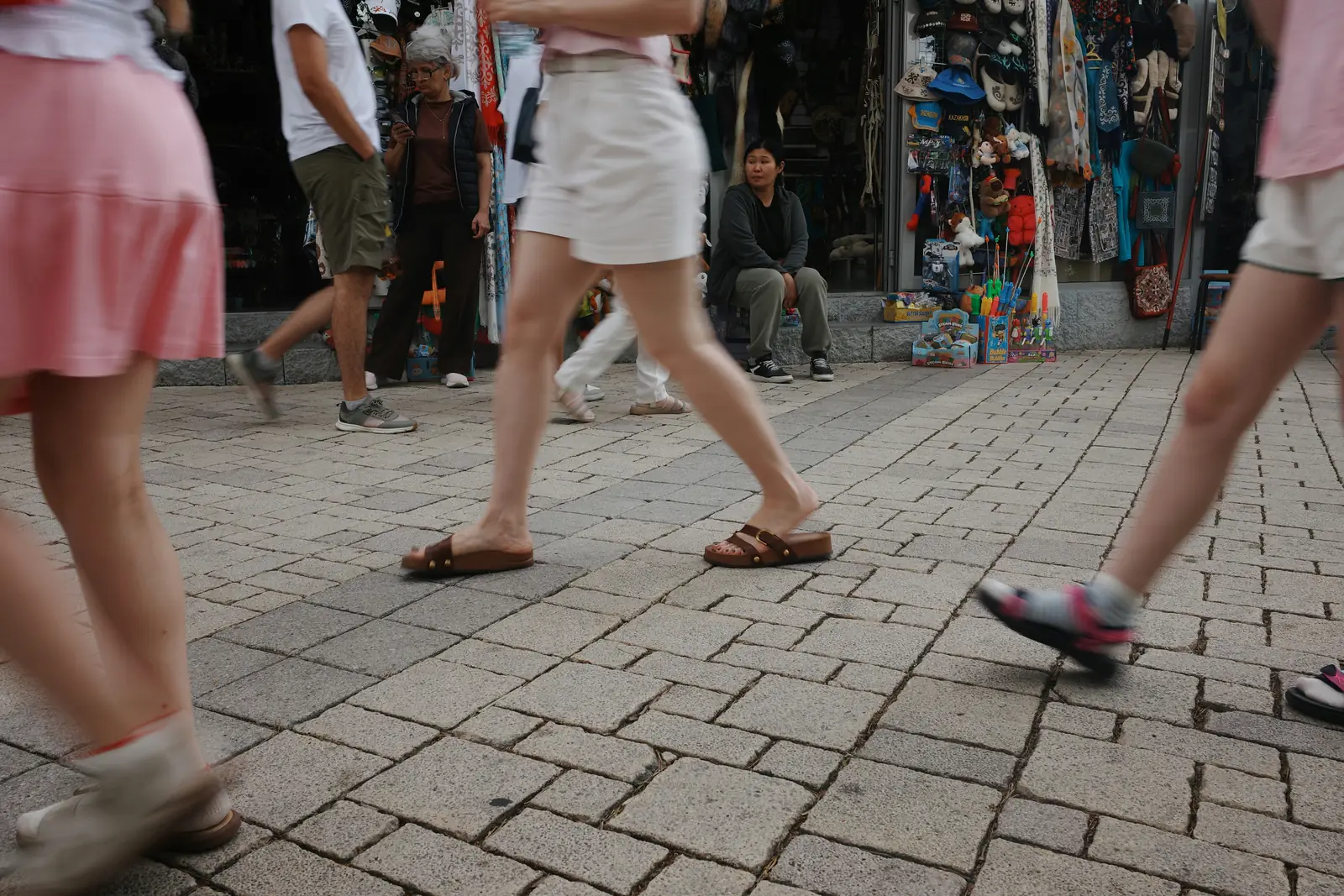
European city days run long on foot. Fifteen to twenty thousand steps is a normal day of sightseeing, and much of it happens on surfaces that were laid down centuries before anyone thought about arch support.
Rome and Prague are cobblestone almost everywhere in the historic center, and Lisbon’s beautiful patterned limestone sidewalks turn genuinely slippery in the rain. Thin soled fashion sneakers let every stone come through by hour six.
Bring two pairs you’ve already worn in and alternate days. Shoes get a chance to dry out, your feet get different pressure points, and you avoid the classic mistake of breaking in new shoes on a trip where walking is the whole activity.
4. A Zippered Crossbody Bag
Pickpocketing in Europe is real, but it’s worth understanding what it actually is. Violent crime against visitors is rare. What’s common is quiet, skilled theft in predictable places: packed metro cars, the steps of major train stations, and the crush directly in front of a famous landmark.
The fix is simple. A bag with a real zipper, worn across your body and sitting in front of you rather than on your hip, closes off the easy opportunity. Magnetic flap bags and open totes are the ones that get worked.
Keep your phone and wallet in the bag rather than a back pocket, and keep one card and some cash somewhere separate at the hotel. Then stop thinking about it, because the precaution is the whole job.
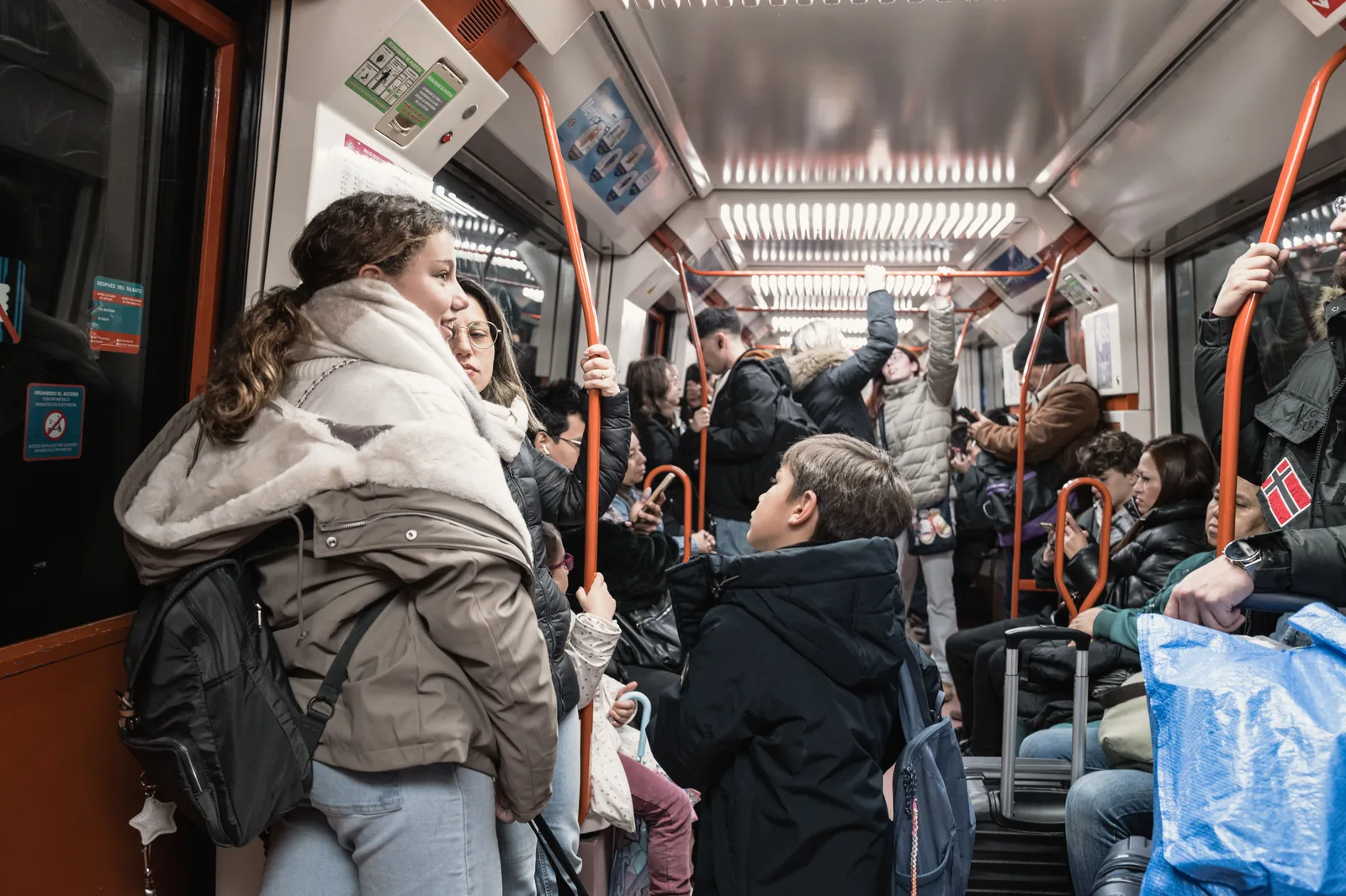
5. Luggage That Can Handle Stairs And Cobblestones
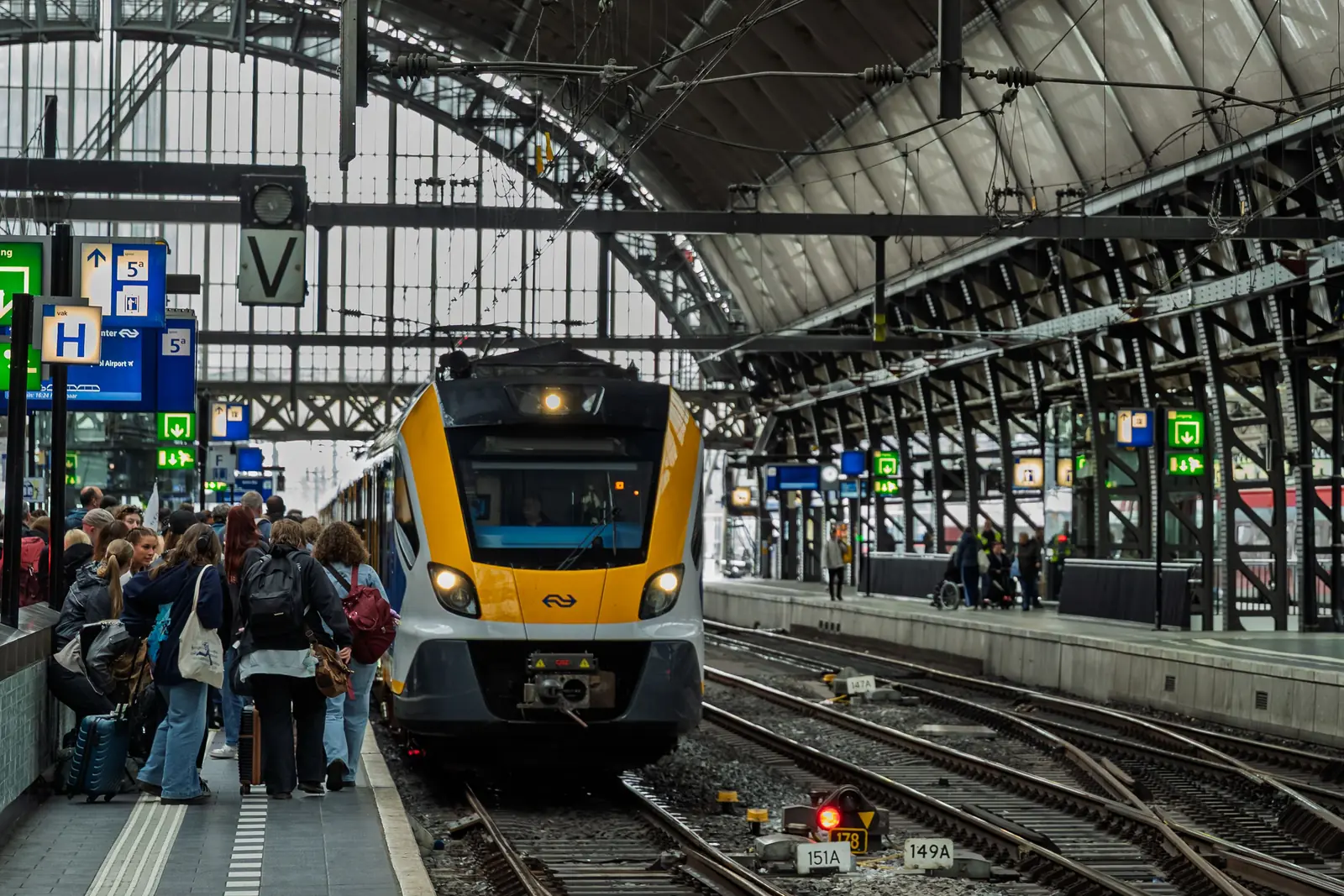
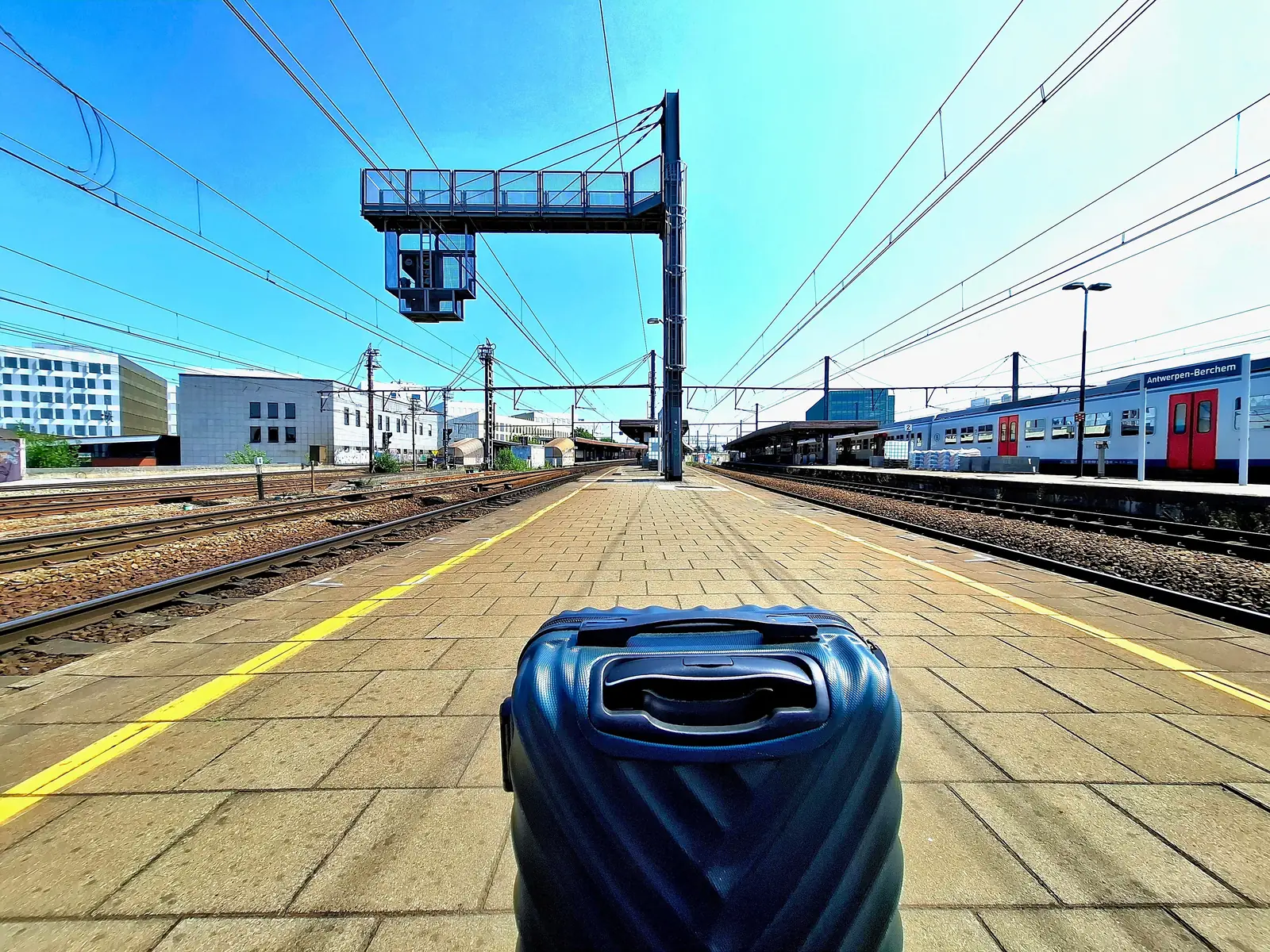
This is the item people regret most. European train stations, metro stops, and old apartment buildings are full of staircases with no lift and no ramp, and the charming fourth floor walk up you booked has exactly the stairs the photos didn’t show.
The test is simple. If you can’t carry your bag up three flights without stopping, it’s too big for this trip. Carry on size also keeps you out of the checked bag fees on budget airlines like Ryanair and easyJet, which measure bags at the gate and charge hard when they don’t fit.
Four small spinner wheels are miserable on cobblestones. Two larger wheels roll over uneven stone far better, and a backpack style bag sidesteps the problem completely if you’re comfortable carrying your things.
6. Packing Cubes
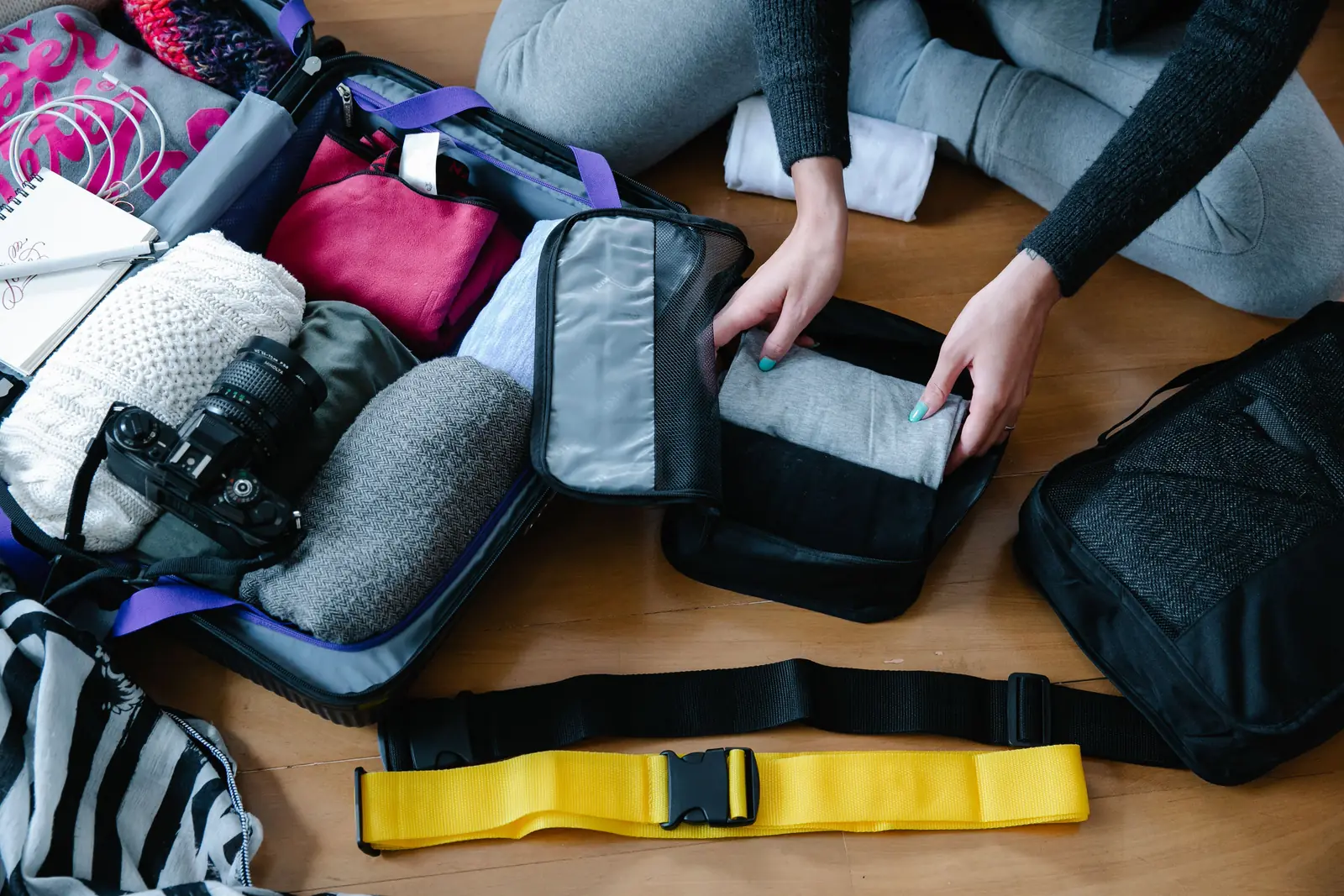
On a short trip packing cubes are a nice extra. On a two week trip through several cities, say Budapest then Vienna then Prague, they stop being optional. You’ll pack and repack that bag six or seven times.
Cubes mean you never really unpack. Tops in one, bottoms in another, underwear and socks in a small one, and you pull out only what you need instead of excavating the whole suitcase in a dark hotel room.
Keep one empty at the start and make it the dirty laundry cube. Two weeks in, that separation is the difference between a suitcase and a hamper.
7. Layers That Mix And Match
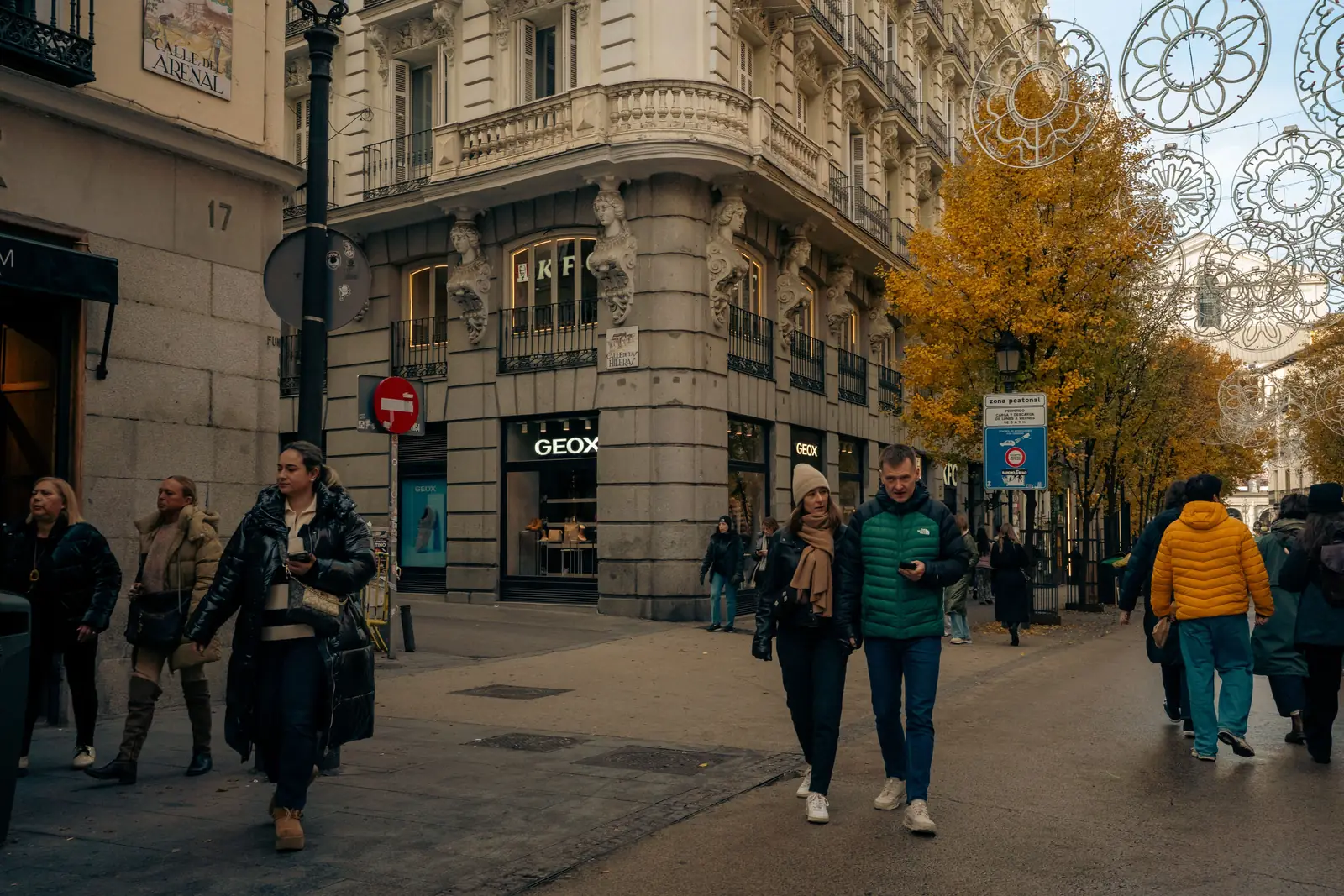
European weather rarely commits. A single two week trip in spring or autumn can hand you low fifties and rain one morning and high seventies and sun two days later, sometimes in the same country.
Layers handle that better than any single garment. A light base, a sweater or fleece in the middle, and a shell on top covers almost every condition you’ll hit, and you shed pieces as the day warms up.
The trick that makes it work in a small bag is picking one color palette before you pack. When every top goes with every bottom, eight pieces cover two weeks and nothing sits in the suitcase unworn.
8. Packable Rain Gear
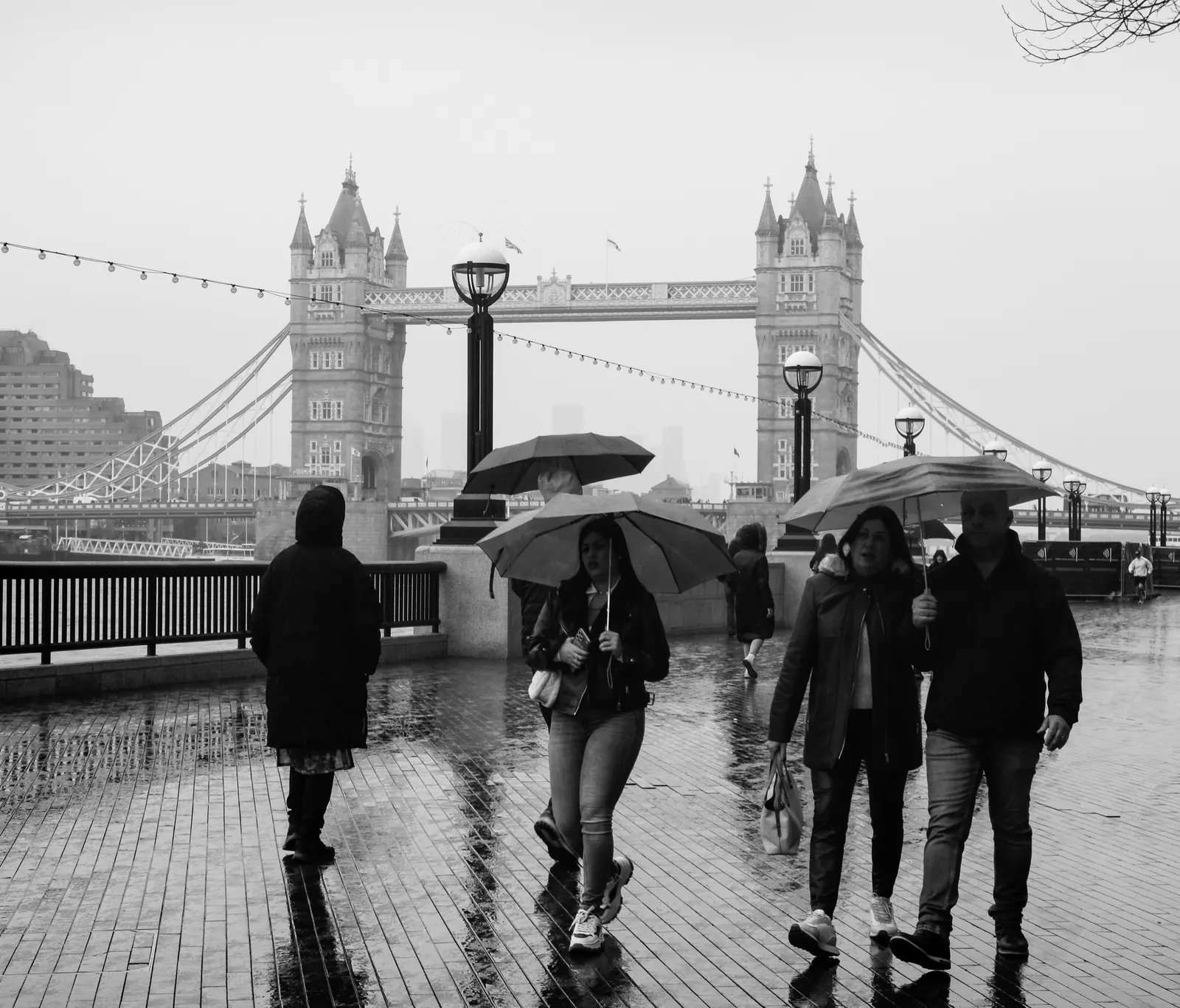
It’s going to rain. Northern Europe gets it year round, the British Isles are famous for a reason, and the Mediterranean makes up for dry summers with sudden heavy autumn downpours.
A light waterproof jacket with a hood beats an umbrella most days, because European streets funnel wind and a cheap umbrella turns inside out on the first gust. A jacket also keeps your hands free for a camera and a coffee.
Get one that packs into its own pocket. It lives in your day bag all trip and weighs almost nothing until the afternoon you need it.
9. A Scarf That Covers Your Shoulders
Working churches across Europe enforce a dress code, and the big ones are strict about it. Saint Peter’s Basilica in Rome, the Duomo in Milan, and plenty of smaller cathedrals will turn you away at the door for bare shoulders or shorts above the knee.
A large scarf solves it in about four seconds and weighs nothing. Drape it over your shoulders to go in, fold it back into your bag on the way out.
It earns its space the rest of the time too. It’s a layer on an overcooled train, sun cover on an open plaza, a pillow on a long ride, and something to sit on in a park in Rome when the grass is damp.

10. One Outfit You’d Wear To A Nice Dinner
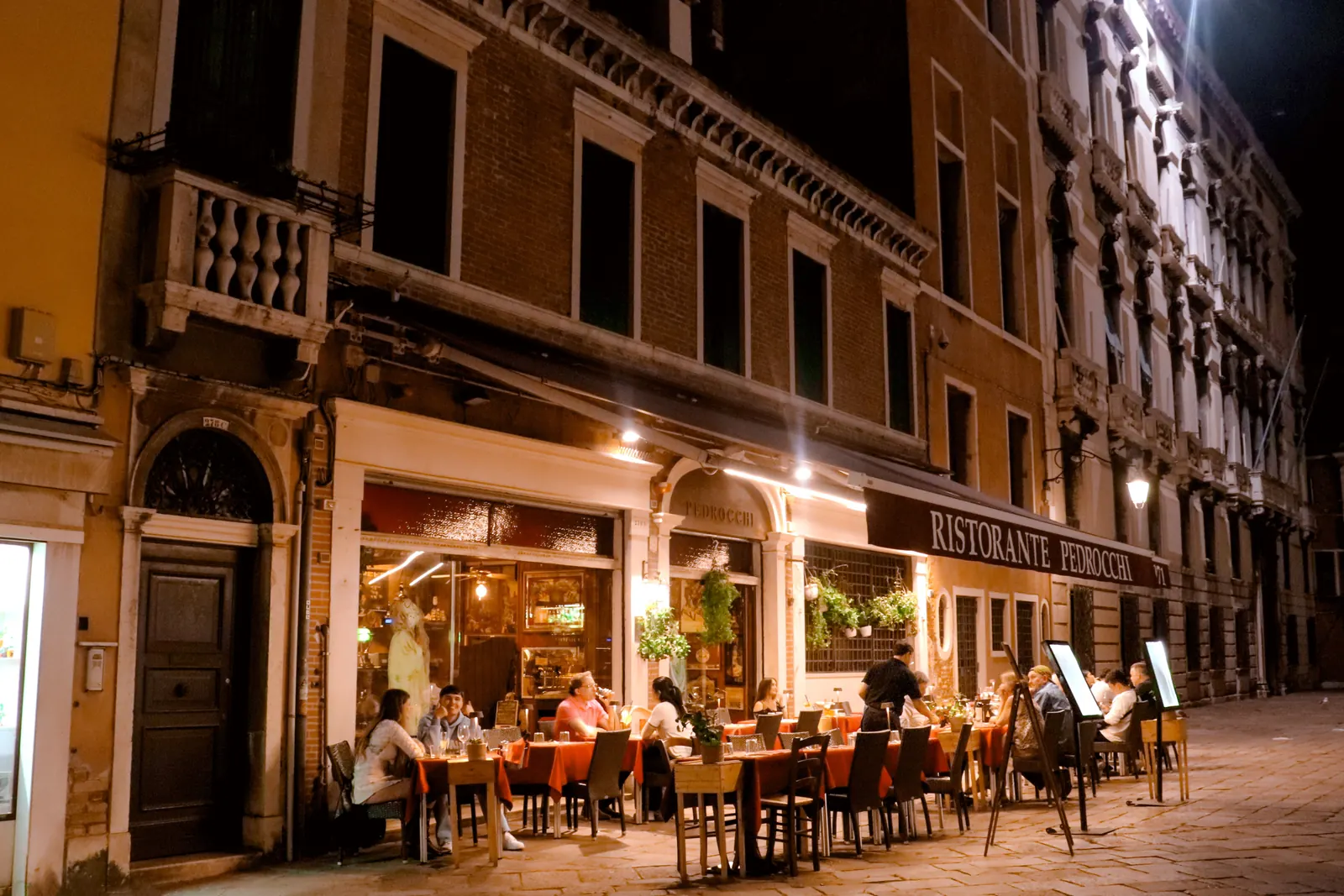
Europeans generally dress a step up from what Americans wear out, and the gap is most obvious at dinner. Gym shoes and athletic wear in a nice restaurant marks you instantly, and a few places will quietly seat you somewhere else because of it.
You don’t need formal clothes. One outfit that works for a good dinner, a concert, or a rooftop bar is enough for two weeks, and it doubles as your travel day outfit if you want to look put together at the airport.
Dark jeans or trousers, a decent shirt or a simple dress, and one pair of shoes that aren’t sneakers covers essentially every situation a trip like this produces.
11. A Refillable Water Bottle
Tap water is safe to drink across essentially all of Western and Central Europe, which makes buying bottled water twice a day a pure waste of money over two weeks.
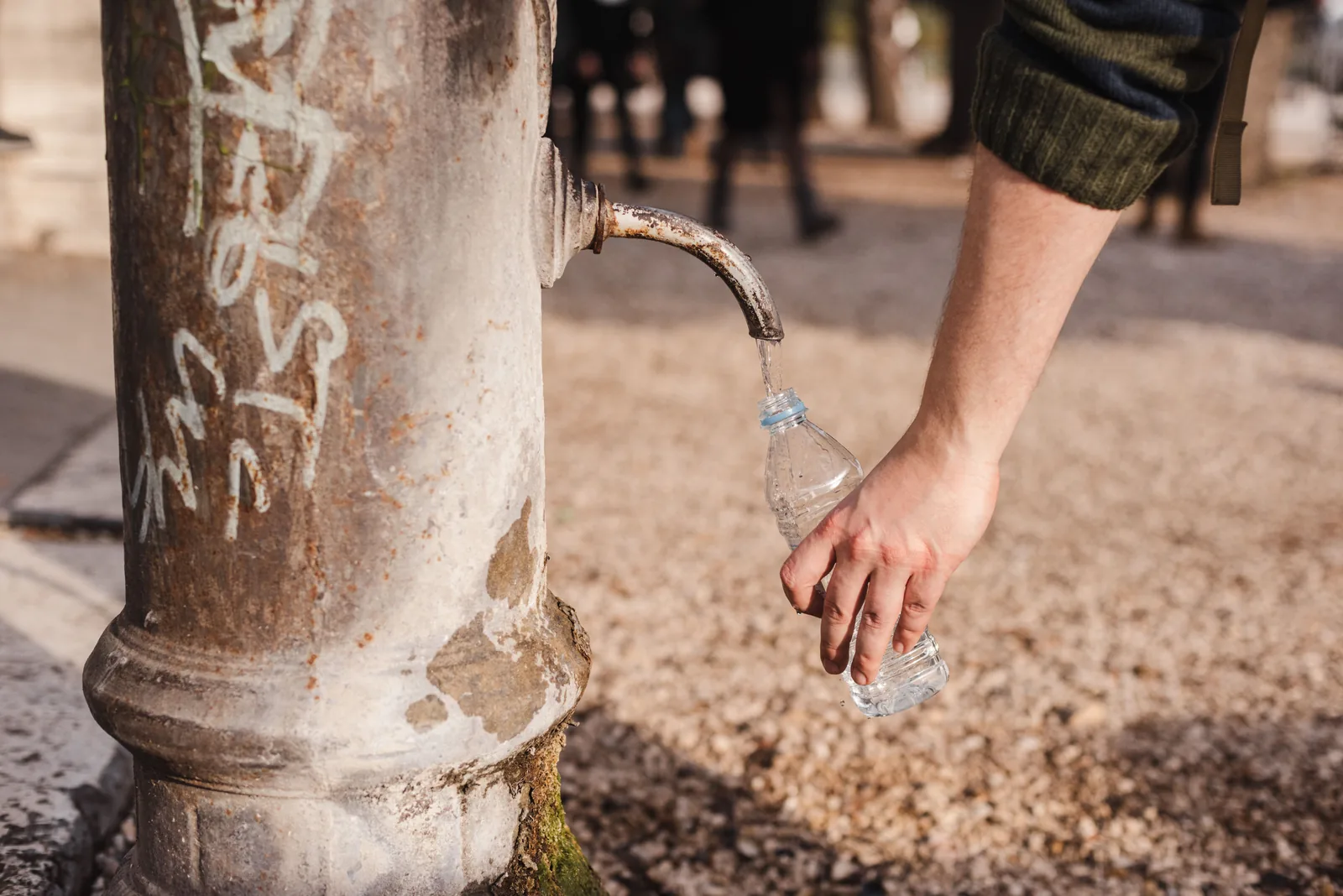
Some cities go further and hand it to you. Rome runs thousands of small cast iron street fountains called nasoni that pour cold drinkable water all day for free, and Zurich, Vienna, and Paris all keep public fountains going through the warm months.
One thing to know at restaurants: table water usually isn’t free the way it is in the States. You’ll be asked whether you want still or sparkling, and both come as a bottle you pay for. Ask specifically for tap water if that’s what you want, though not every place will bring it.
12. A Reusable Tote Bag
Plastic bags at European supermarkets cost money, and in a lot of places they simply aren’t at the register anymore. Everyone shopping around you brought their own bag.
A flat folding tote weighs nothing and comes out constantly. Grocery runs, market mornings, a beach afternoon, hauling pastries back to the room.
It also quietly solves the flight home. When you’ve bought more than you planned, a tote becomes your personal item and keeps the suitcase under the weight limit.

13. Laundry Detergent Sheets
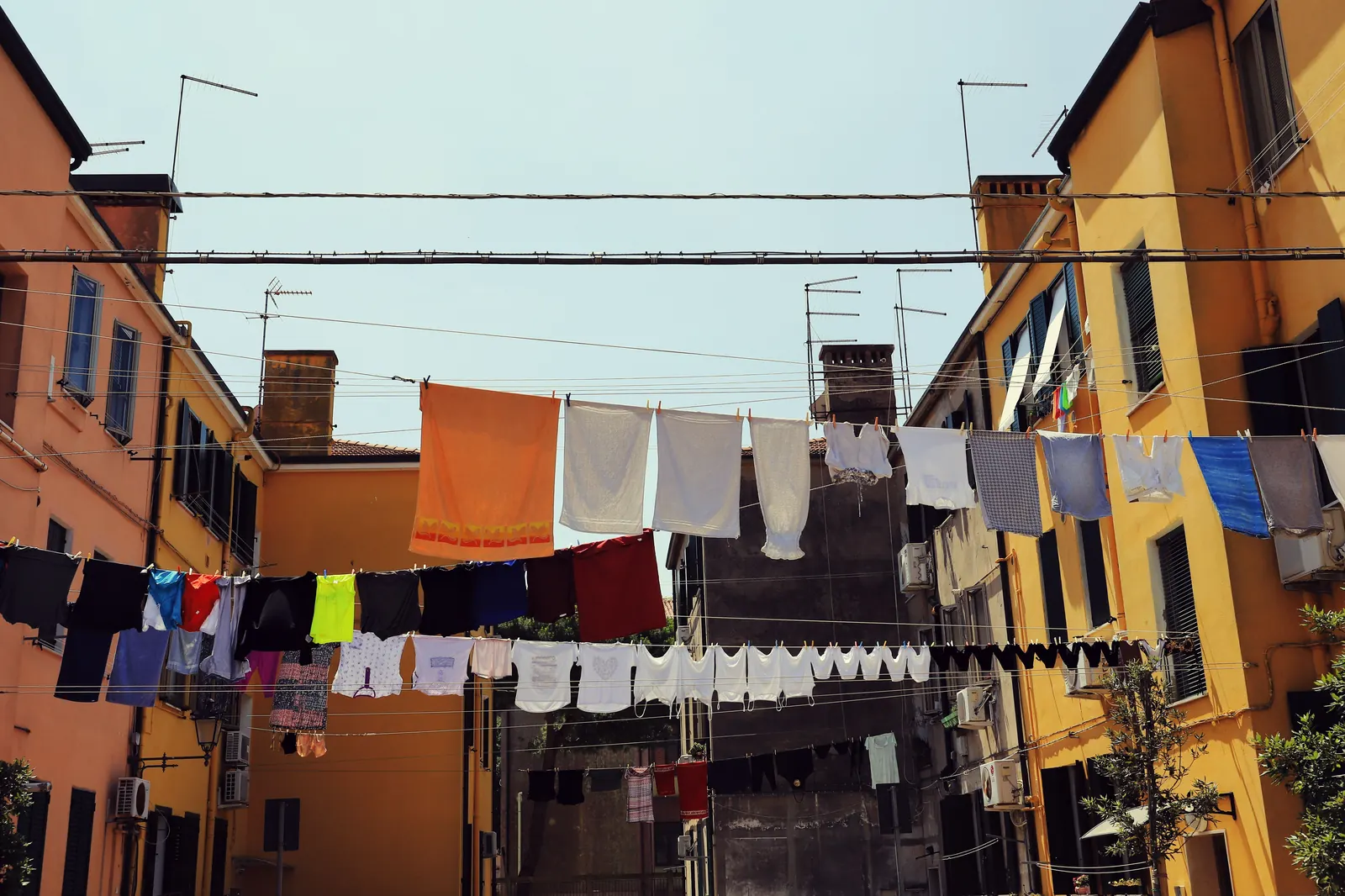
Two weeks means washing clothes at some point, and that’s exactly what lets you pack a week of outfits instead of fourteen days of them.
Detergent sheets are the easy version. They’re dry, so they don’t count against your liquids allowance at security, they weigh almost nothing, and you tear off what you need for a sink wash.
Pair them with a flat rubber travel clothesline and you can wash a few things at night and have them dry by morning. For a bigger load, look for a laundromat rather than hotel laundry service, which is priced per item and adds up fast.
14. A Card With No Foreign Transaction Fees
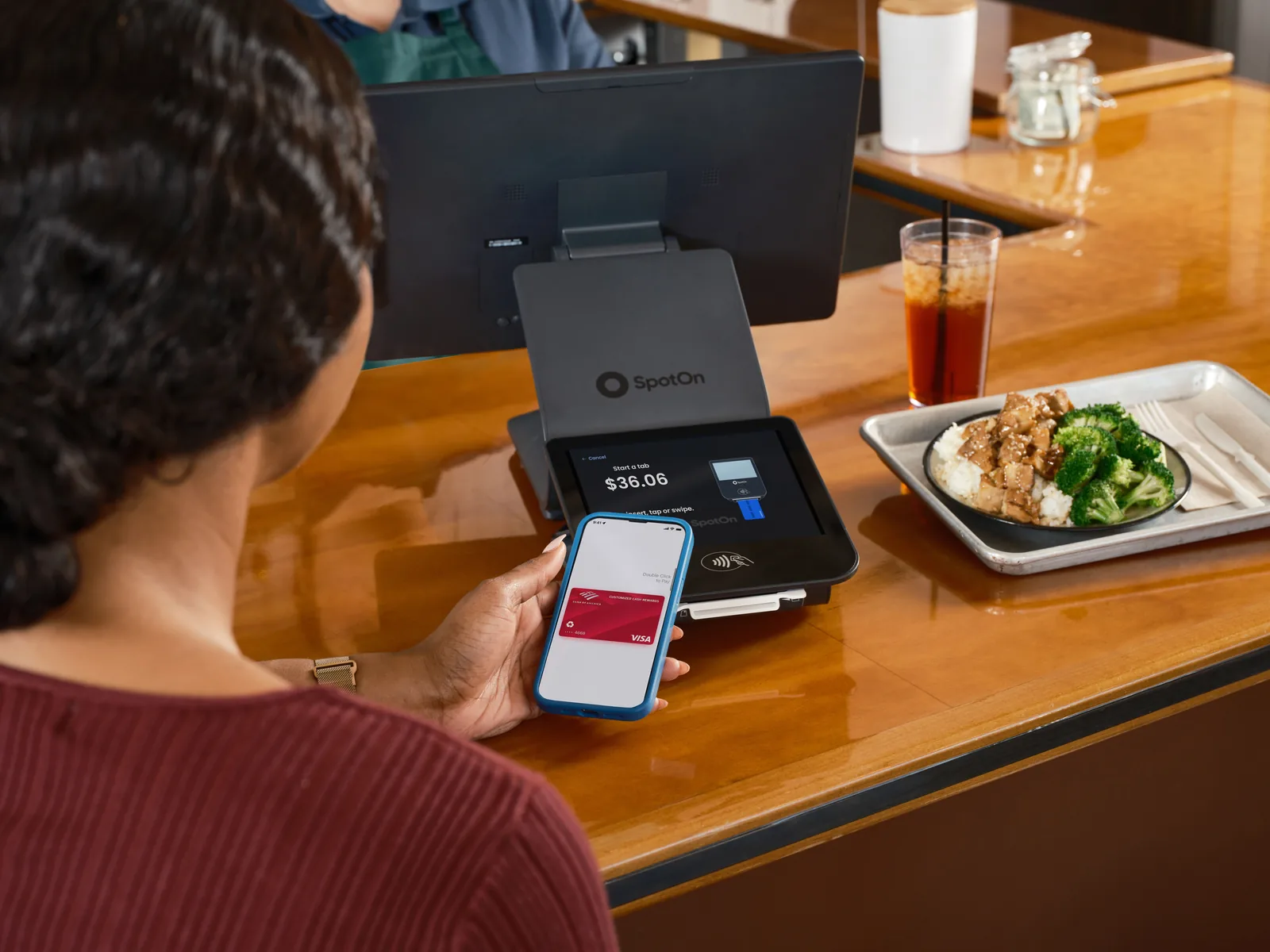
Most cards add roughly three percent to every purchase abroad. Over two weeks of meals, trains, and museum tickets that quietly becomes real money, and a card without the fee costs nothing to get.
Bring two cards on different networks, one Visa and one Mastercard, and keep them in separate places. Cards get blocked, machines reject them for no clear reason, and a single card is a single point of failure a long way from home.
One habit worth learning: when a payment terminal asks whether you want to be charged in dollars instead of euros, always choose the local currency. That dollar option is a currency conversion run by the machine at a bad rate, and picking it costs you a few percent every time.
15. Cash In More Than One Currency
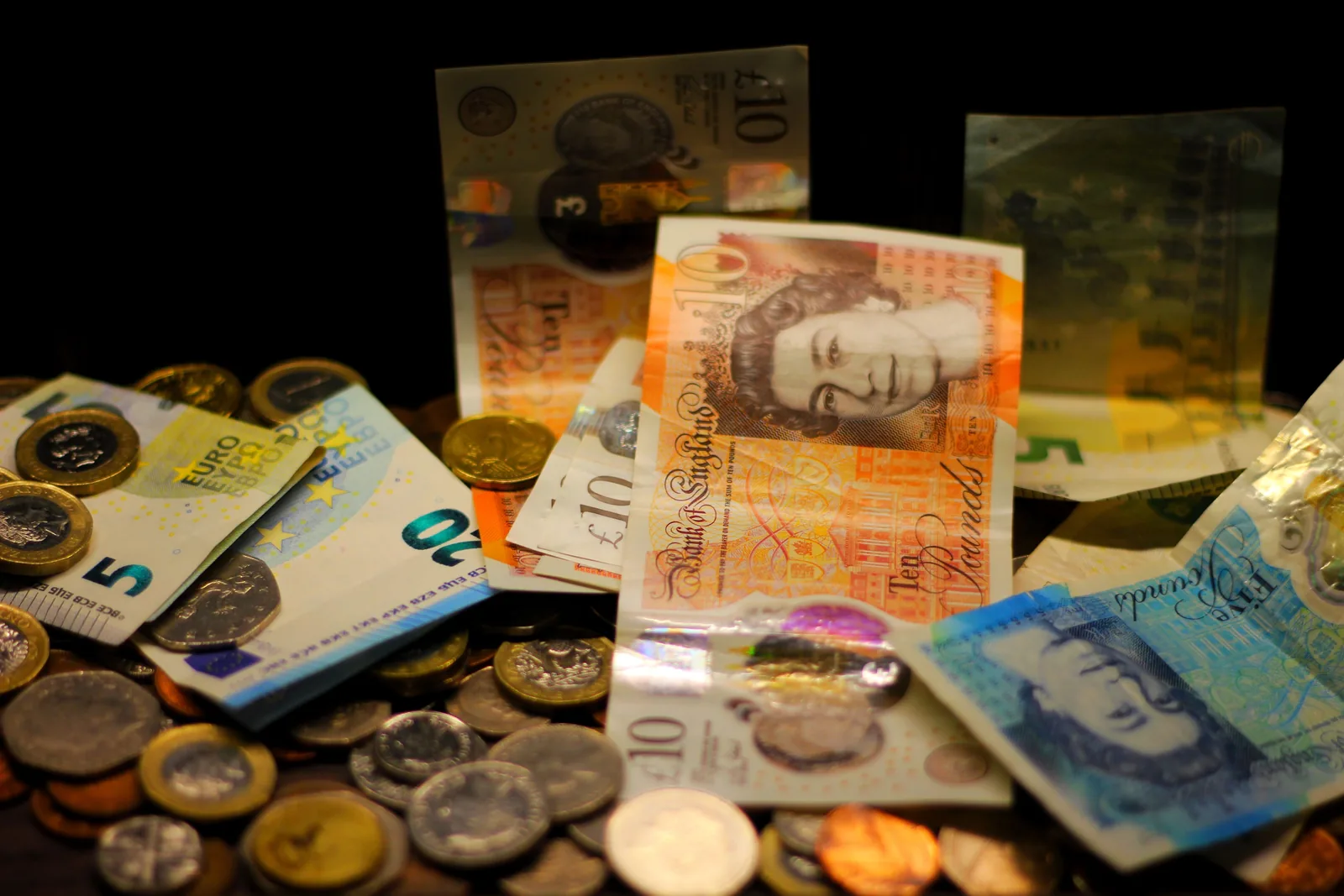
Europe is not all euros, and this catches people on multi country trips. The United Kingdom uses pounds, Switzerland uses francs, and the Czech Republic, Hungary, Poland, and much of Eastern Europe each keep their own currency.
How much cash you need also swings by country. Sweden is close to cashless, while Germany and Austria still run heavily on cash at restaurants, bakeries, and small shops that will wave off a card without apology.
Public toilets are the other reliable cash moment, usually costing well under a euro at train stations and busy squares. Pull money from a real bank ATM rather than the standalone machines in tourist areas, and decline the conversion offer there too.
16. An eSIM Or An International Phone Plan
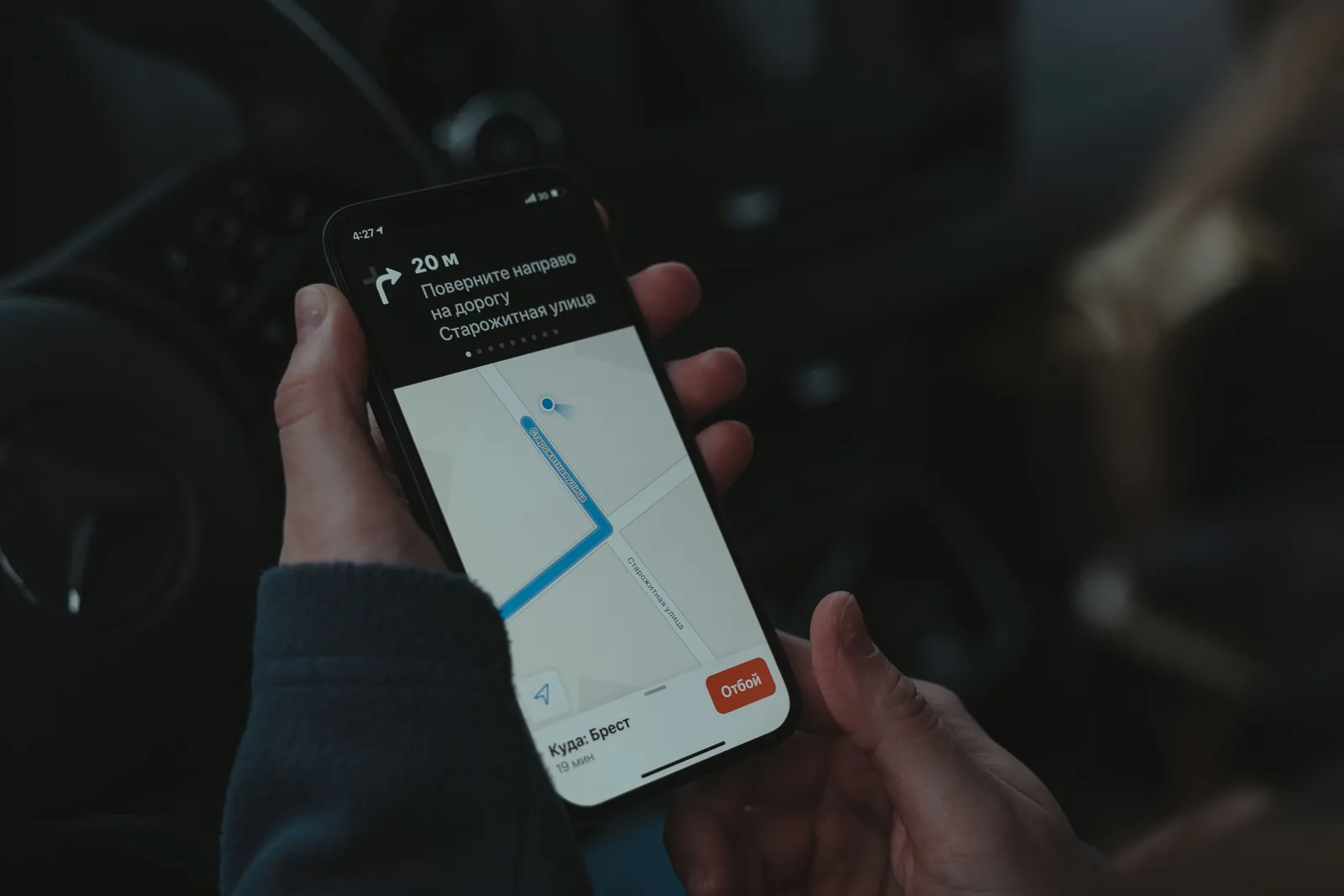
Sorting out data before you land removes a whole category of stress. Maps, tickets, and restaurant hours all live on your phone, and hunting for a working connection in a train station is a bad first hour.
An eSIM is the simplest route now. You buy a regional Europe plan through an app before you leave, activate it on landing, and keep your normal number active for messages. Check that your phone supports eSIM first, since older models don’t.
Watch the borders. A plan bought inside the European Union roams freely across EU countries, but the United Kingdom and Switzerland sit outside that system, so a trip that includes Scotland or the Alps needs a plan that specifically covers them.
17. Your Passport, Copies, And The Schengen Math
Two passport rules trip people up at check in. Most European countries want your passport valid for at least three months beyond the date you plan to leave, and they want it to have been issued within the last ten years. A passport that’s technically unexpired can still fail that second test.
The Schengen area also limits visitors to 90 days inside any rolling 180 day window, counted across the whole zone rather than per country. A two week trip is nowhere near the limit, but it matters if you’re stacking several European trips into one year.
Photograph your passport page and keep the image somewhere you can open without signal, plus a copy in your email. Entry requirements for Europe have been shifting in recent years, so check the current rules for your nationality a few weeks before you fly rather than assuming last trip’s process still applies.
18. A Compact Meds Pouch
European pharmacies are excellent, but they don’t work the way American drugstores do. Even basic pain relievers sit behind the counter rather than on an open shelf, so you have to ask a pharmacist for them by name.
They also keep real hours. Many close for a long lunch, most close Sundays, and smaller towns run a rotating night duty system where one pharmacy in the area stays open and the rest post a sign telling you which one it is.
So carry a small pouch: a pain reliever, an antihistamine, something for an upset stomach, and blister plasters, which you will need after day three of cobblestones. Keep prescription medication in its original labeled packaging with a copy of the prescription.
19. Earplugs And An Eye Mask
European hotel rooms are often in buildings a few hundred years old, with thin walls, single pane windows, and a lively street directly below. The charm and the noise are the same feature.
Dinner also runs late here, especially in Spain where restaurants fill up around ten at night, so the street outside your window stays busy long after you’ve gone to bed.
Summer in the north adds the opposite problem. Daylight in Scandinavia and Scotland stretches deep into the night and comes back at four in the morning, and no curtain in a small hotel room is going to stop it. Both problems fit in a pocket.
What To Leave Off Your Europe Packing List
Knowing what to skip saves as much space as knowing what to bring. A few things people pack for Europe out of habit and never use:
- A voltage converter. Your phone, laptop, and camera chargers already handle European current. You need the plug shape changed, not the voltage, unless you’re bringing a heat styling tool built only for 120 volts.
- A money belt under your clothes. It’s awkward to get into in public, which defeats the point, and a zipped crossbody worn in front does the same job without the fumbling.
- Two weeks of clothes. Pack about a week and wash once or twice. This is the single biggest space saver on the list.
- Full size toiletries. Shampoo and toothpaste are sold on every corner in Europe, and full size bottles are dead weight you carry up all those stairs.
- A hair dryer. Essentially every hotel has one, and yours probably won’t survive the voltage anyway.
- Anything you’d be sick about losing. Expensive jewelry and heirloom watches have no upside on a trip like this.
Final Thoughts
Two weeks in Europe rewards packing light and packing smart, and those turn out to be the same thing. A bag you can carry up stairs, shoes that survive cobblestones, layers that work together, and the small handful of practical items covering power, water, money, and laundry will carry you through several countries without a single trip to a store to fix something you forgot.
Build your Europe packing list around the route you’re actually taking, leave real room for whatever you bring home, and you’re set. Headed somewhere warmer instead? The Mexico packing list covers a very different kind of trip.