 Rebecca Engel
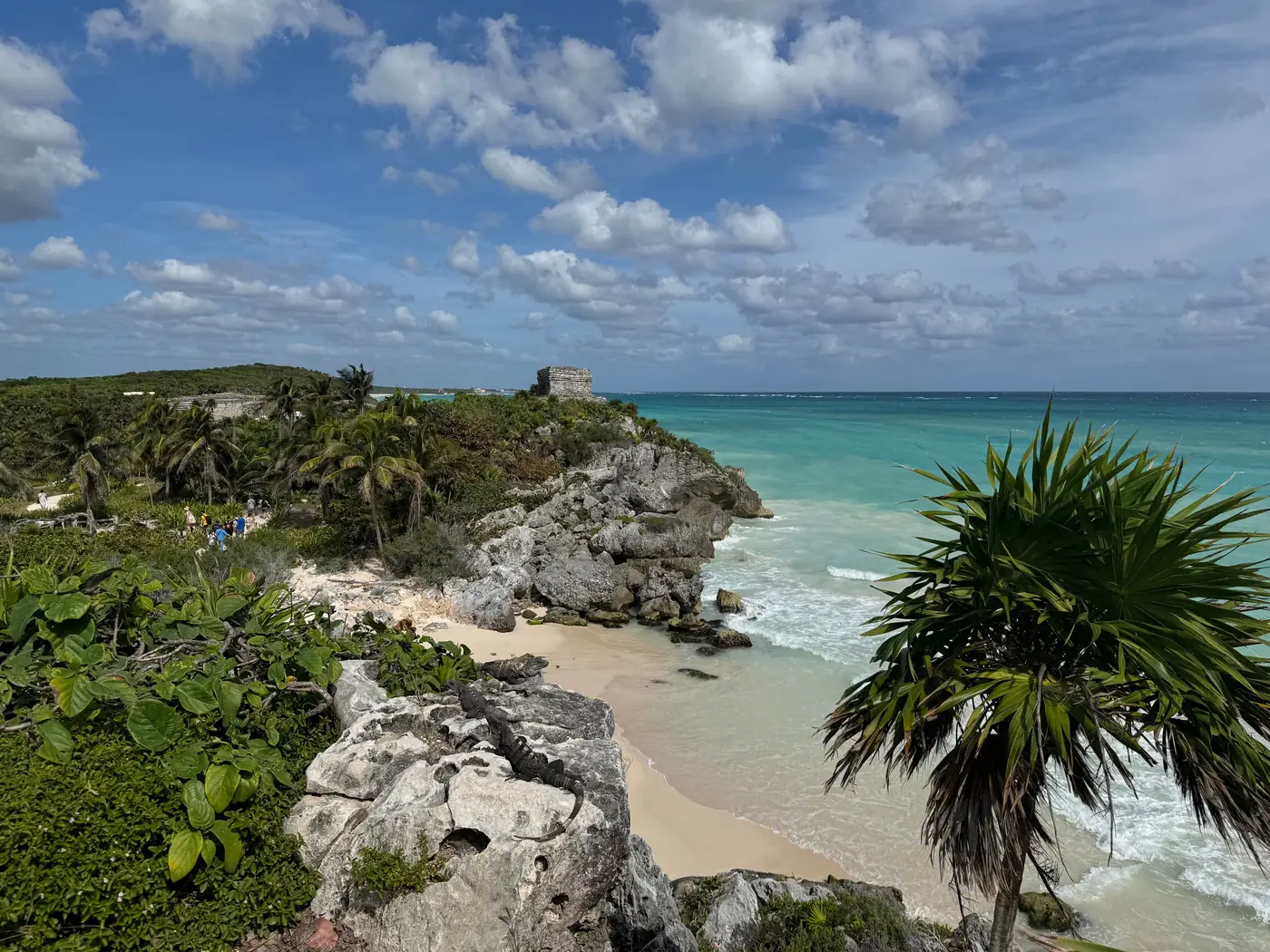
Tulum sits on a stretch of Mexico’s Caribbean coast where the jungle runs right down to the sand. It has Maya ruins on a cliff above the sea, clear freshwater cenotes hidden in the trees and some of the softest white beaches in the country.
These things to do in Tulum Mexico start in town and on the coast, then head out to the cenotes, the ruins of Cobá and the wild lagoons to the south. Most are within an hour of town and the last one is a full day trip, so pick the ones that fit your days and save the rest for next time.
1. Walk The Clifftop Tulum Ruins Before The Tour Buses Arrive
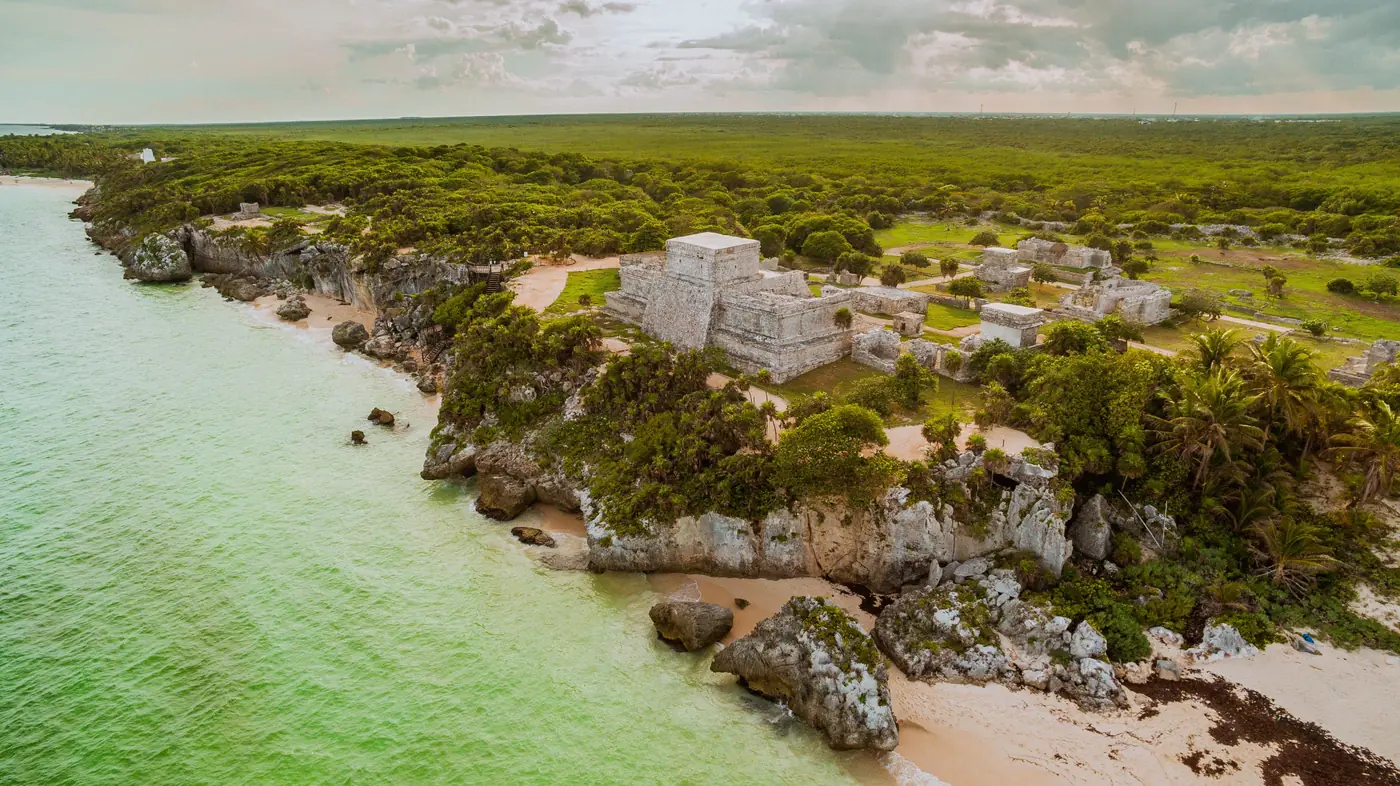
The Tulum ruins are the most famous of all the things to do in Tulum, and the setting explains why. The old city was walled on three sides with the sea on the fourth, and its main temple, El Castillo, stands on a limestone cliff about 12 meters above the Caribbean.
Tulum was one of the last cities the Maya built, and people still lived here when Spanish ships sailed past in 1518. Look for the Temple of the Frescoes, which still has traces of painted murals inside, and the Temple of the Descending God, with its carved figure diving head first over the doorway.
The ruins sit inside Parque del Jaguar, and the park and the ruins each charge their own fee, so bring pesos. Go right at opening time. Tour buses from Cancún and Playa del Carmen roll in by mid morning, and there’s very little shade once the sun is high. If the stairs down to the little beach below El Castillo are open, pack a swimsuit.
2. Spend A Slow Morning On Playa Paraíso
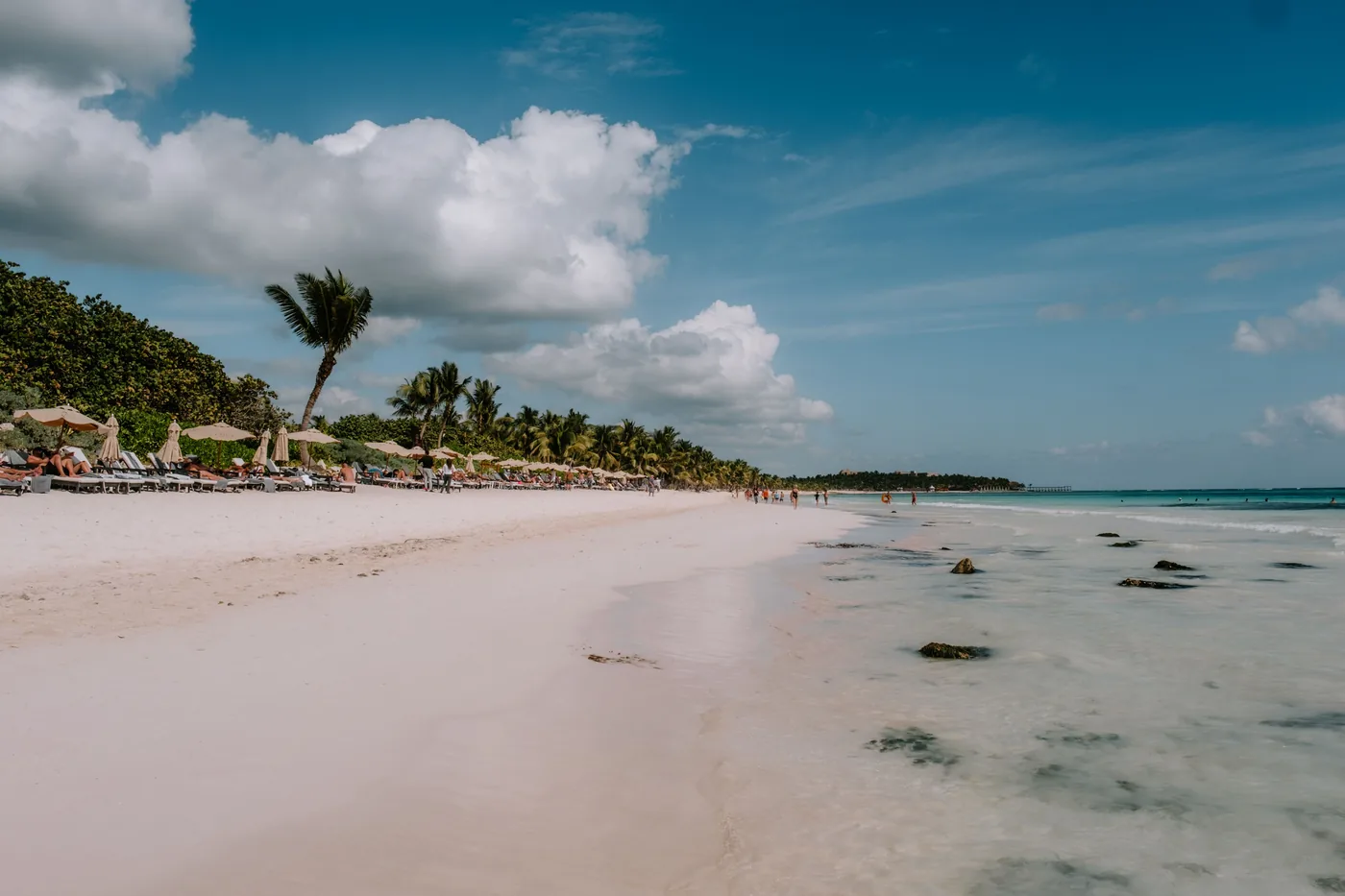
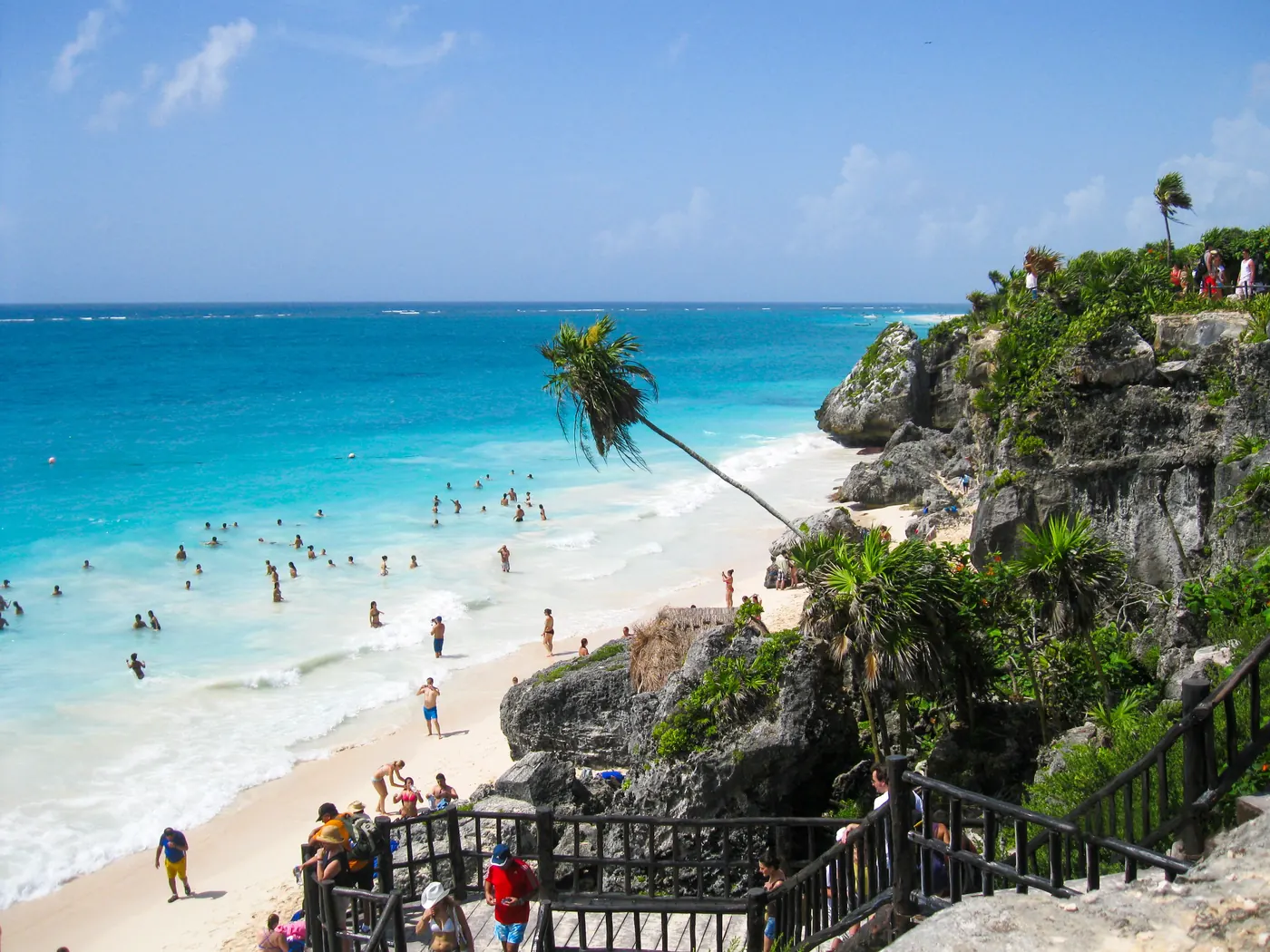
Just south of the ruins, Playa Paraíso is the beach that ends up on a lot of postcards. It has soft white sand, leaning coconut palms and water in about five shades of blue, and it has topped more than one ranking of the best beaches in Mexico.
Mornings are the best time to come. The sand is quiet, the light is soft and the beach clubs are just setting out their loungers. By afternoon it fills up, especially on weekends.
From roughly spring to fall, sargassum seaweed can wash up along this coast. Check recent photos or ask your hotel before you plan a whole day around the beach.
3. Bike The Beach Road Past The Jungle Hotels
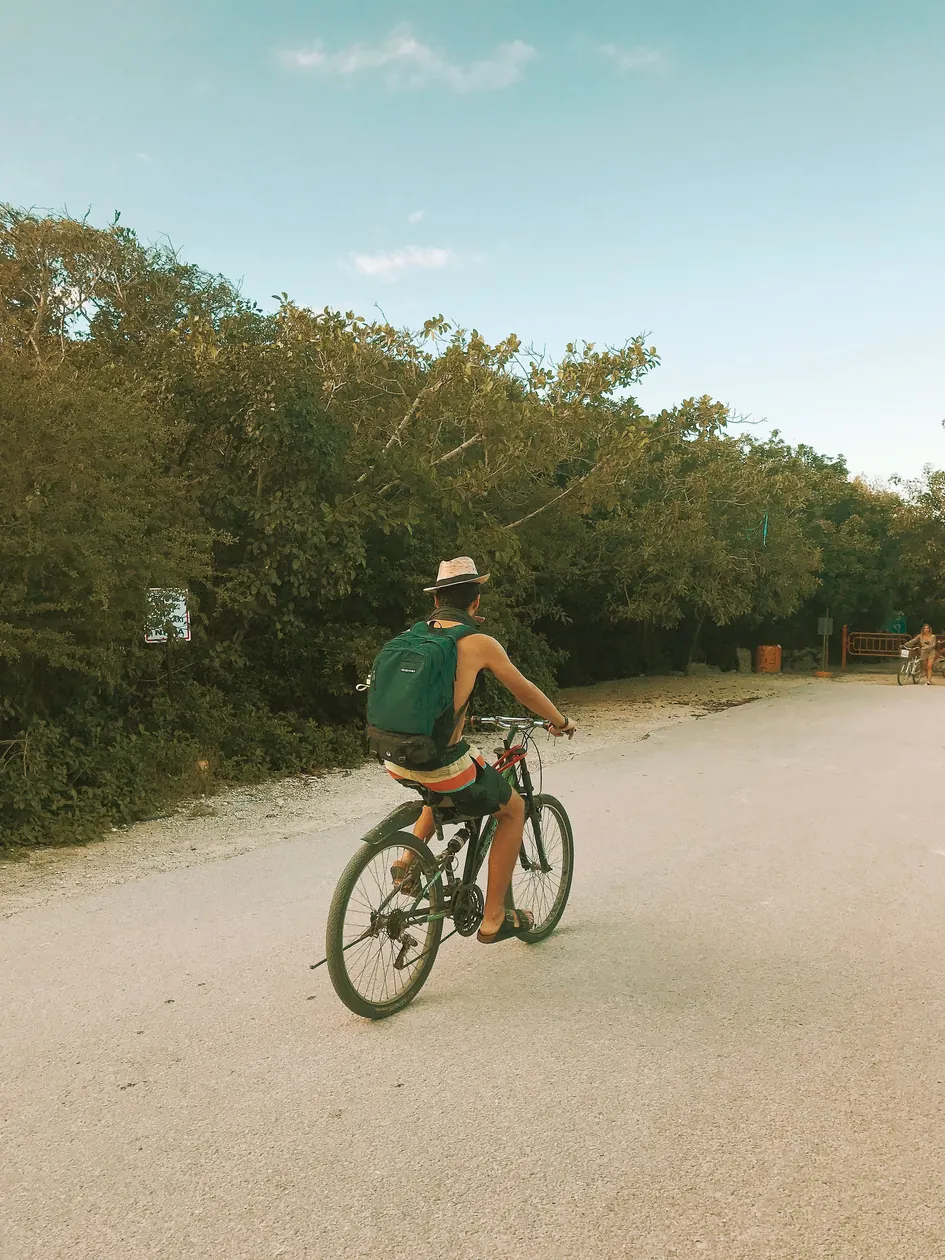
Tulum is really two places. There’s the town, where most people eat and where hotels cost less, and there’s the hotel zone, a single road that runs for miles along the beach.
That road is lined with jungle on one side and boutique hotels, beach clubs and restaurants on the other, many built from wood, rope and palm thatch. A bike is the best way to see it. Rentals are easy to find in town and at most hotels, and a bike path runs along much of the road.
Pedal slowly, stop for a fresh coconut or a swim, and end the ride with a sunset drink at a beach club. It’s one of the most relaxing things to do in Tulum, and parking in the hotel zone is tight anyway, so it’s one more reason to leave the car behind.
4. Swim Through The Caverns At Gran Cenote
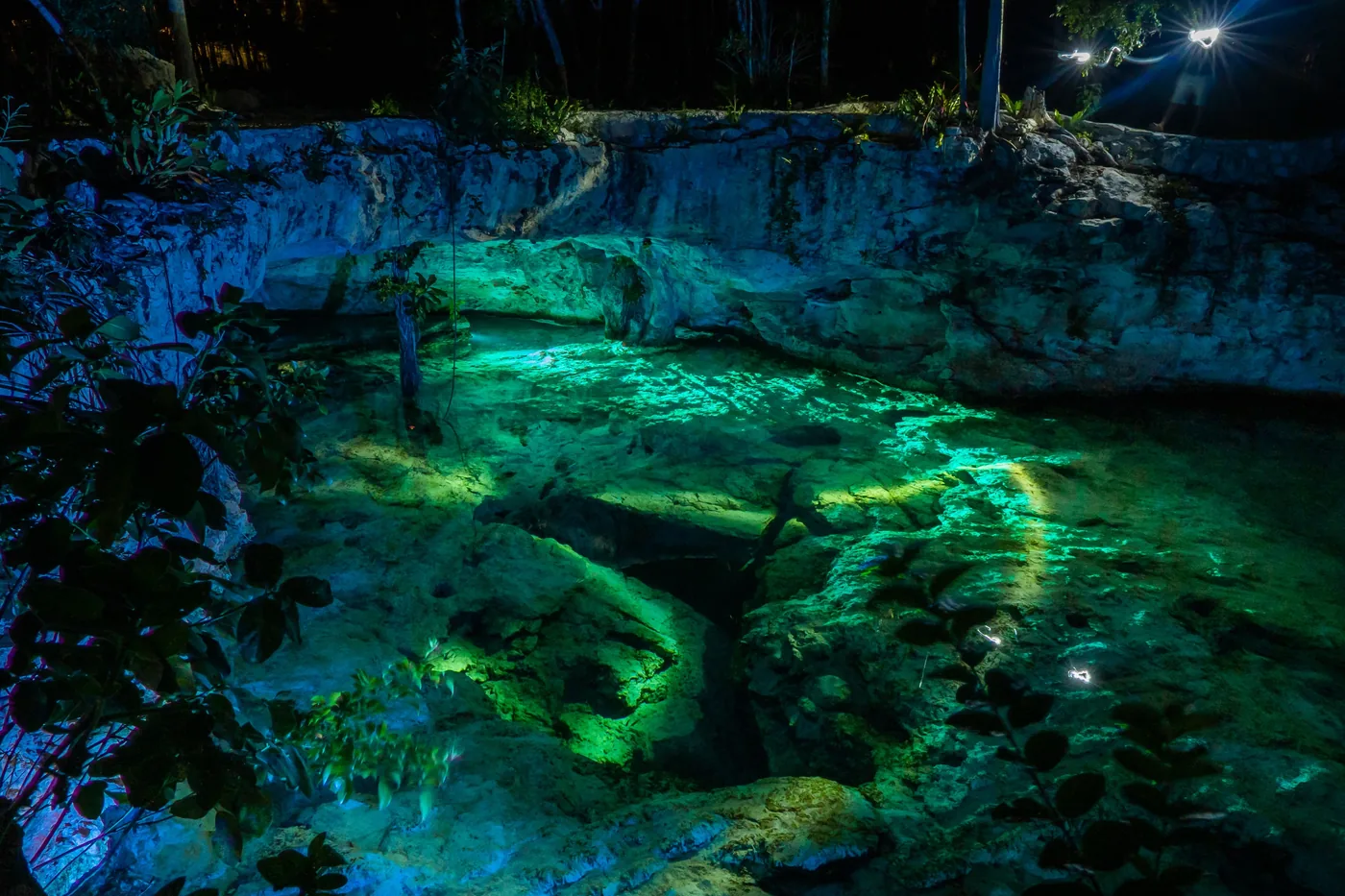
A cenote is a natural sinkhole where the limestone ground has collapsed into the water underneath. The Yucatán Peninsula has thousands of them, and Gran Cenote is one of the most beautiful near Tulum.
It’s about a 10 minute drive from town on the road to Cobá. Wooden decks lead down to clear blue water, and you can snorkel through short cave passages where stalactites hang overhead and small turtles paddle past. Divers also started mapping one of the world’s longest underwater cave systems from right here.
You’ll be asked to shower before you swim, and sunscreen isn’t allowed in the water. Arrive at opening time for the clearest water and the fewest people.
5. Jump Through The Hole At Cenote Calavera
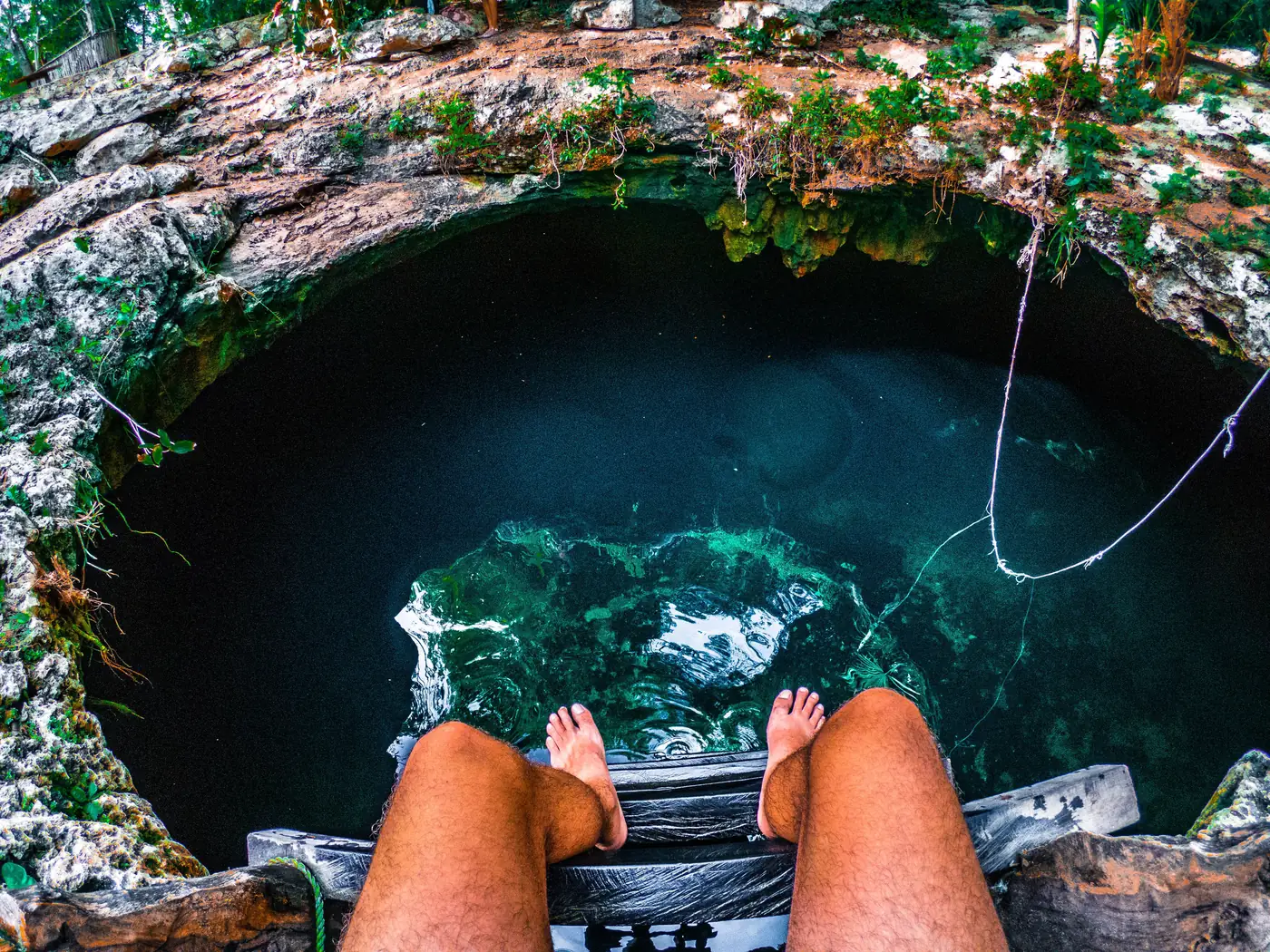
Calavera means skull in Spanish, and from above you can see why. Three holes in the rock look like two eyes and a mouth, and the biggest one drops about three meters straight down into the water.
Jumping in is the whole point. Most people step off the edge, splash into the cool water, climb back out on the wooden ladder and go again. If jumping isn’t your thing, you can climb down the ladder instead.
It’s small and more rustic than Gran Cenote, and it’s just a couple of kilometers out of town on the same road, so it’s easy to visit both in one morning. Some people call it the Temple of Doom.

6. Snorkel The Underground Caves At Dos Ojos
Dos Ojos means two eyes, after the two round cenotes that connect underground here. It’s part of Sac Actun, one of the longest underwater cave systems on the planet, and the water inside is so clear that snorkelers look like they’re floating on air.
The cenote sits on land run by a local Maya community, about 20 minutes north of Tulum. Guided snorkel tours lead you through the caverns with flashlights, past stalactites and shafts of light falling through the rock.
Certified cave divers come from all over the world for the deeper routes, including one called the Bat Cave, which you can only reach on a dive with a guide.
7. Swim From Mangroves Toward The Sea At Casa Cenote
Casa Cenote, also called Cenote Manatí, is nothing like the jungle cenotes. It’s a long, narrow channel lined with mangroves in Tankah, about 15 minutes north of town, and it connects underground with the Caribbean a short walk away.
Fresh water and salt water mix here, so you’ll see reef fish swimming next to freshwater fish in the roots. Snorkel along the channel or rent a kayak and paddle it slowly.
It’s calmer and more open than most cenotes, which makes it a good pick if dark caves aren’t your thing.

8. Snorkel With Sea Turtles In Akumal Bay
Akumal is about 25 minutes north of Tulum, and its name is often translated as place of the turtles. Green sea turtles graze on the seagrass in the bay all year, often just a few meters below the surface.
The main turtle area is marked off with buoys, and you’ll need an authorized local guide to snorkel inside it. That’s a good thing, because the rules keep the turtles from being chased and crowded.
Keep your distance, never touch them, and don’t dive down toward them. Wear a rash guard instead of sunscreen, and go early in the morning, when the water is calm and the day trip crowds haven’t arrived yet.
9. Ride A Bike Through The Jungle Ruins Of Cobá
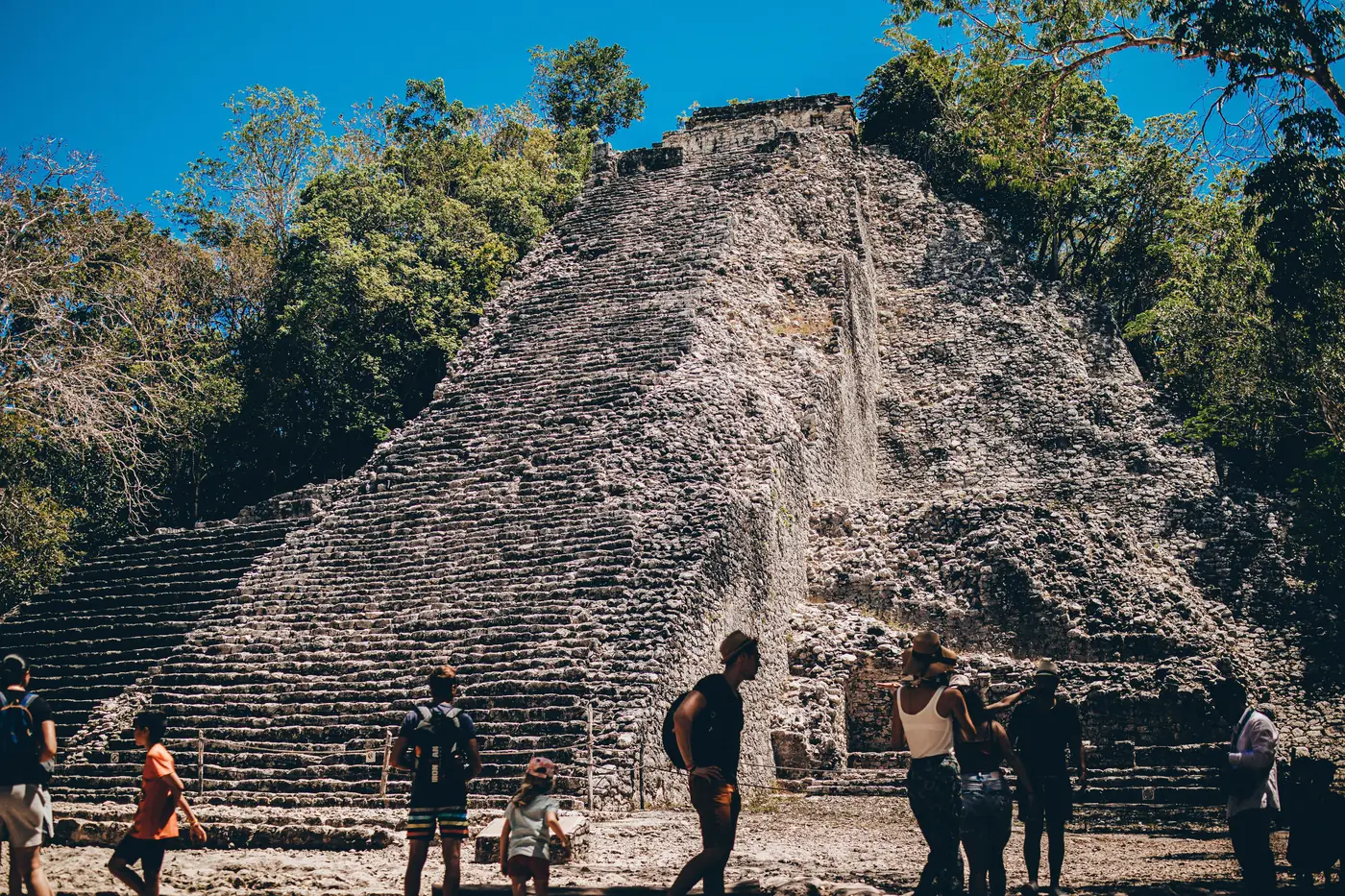
Cobá is a huge ancient Maya city about 45 minutes inland, spread out under the jungle. Raised stone roads called sacbeob connect its groups of temples, and the longest one runs about 100 kilometers to another city.
The site is big, so most people rent a bike at the entrance or hop in a tricycle taxi pedaled by a local driver. Riding the shady paths between the ruins is half the fun. The star is Nohoch Mul, a pyramid about 42 meters tall that rises above the treetops.
Whether you can climb it has changed more than once over the years, so ask at the gate. Afterward, cool off in one of the cenotes nearby, like Choo-Ha, Tamcach-Ha or Multun-Ha.
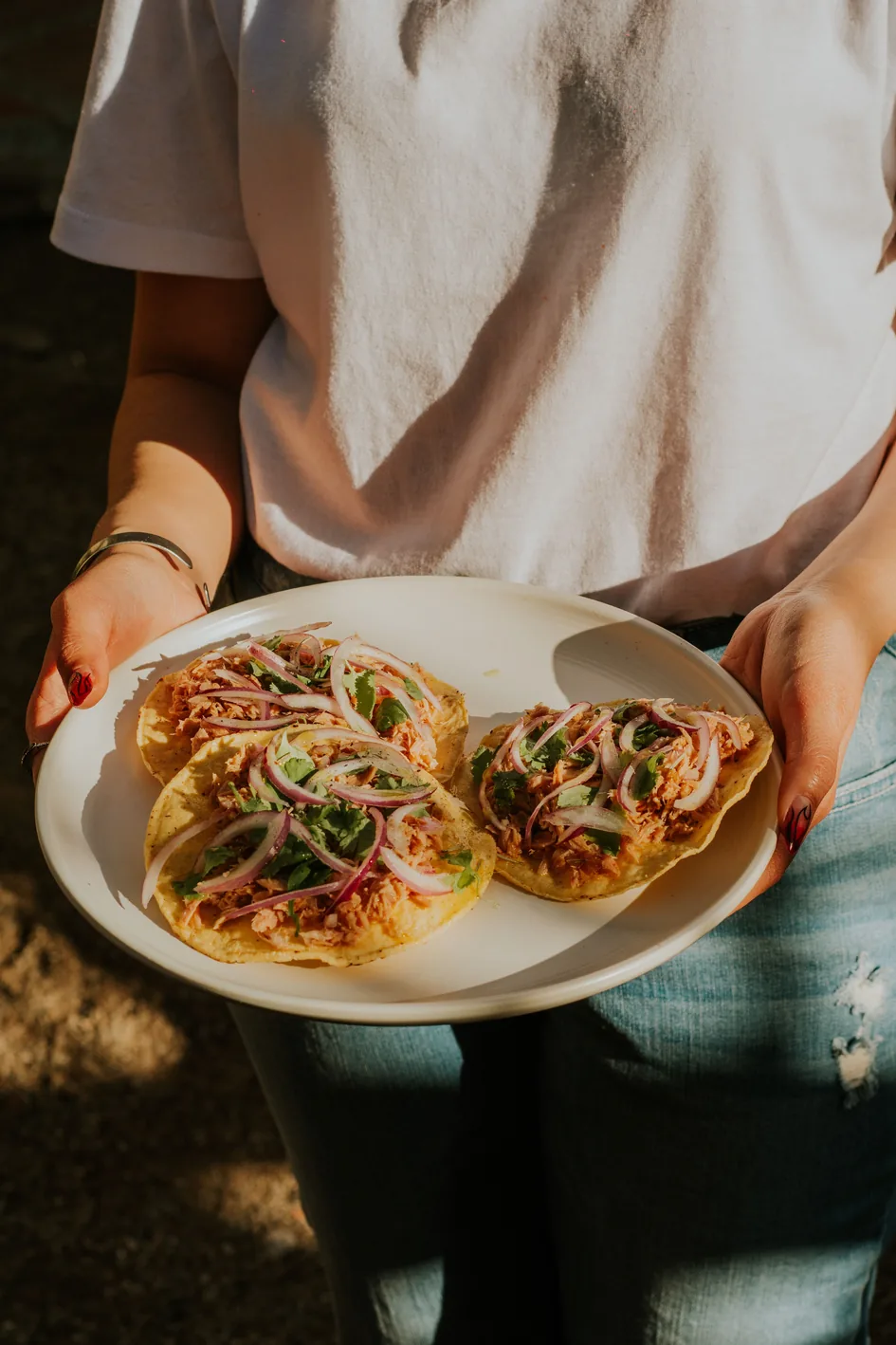
10. Eat Cochinita Pibil Tacos At Taquería Honorio
Some of the best food in Tulum is in town, and it’s cheap. Taquería Honorio is a local favorite for cochinita pibil, the Yucatán’s famous slow roasted pork, marinated in sour orange and achiote and topped with bright pink pickled onions.
Order it in tacos, in a torta or on a crispy panucho, and add the habanero salsa if you like heat. It opens early for breakfast and often sells out by early afternoon, so go hungry in the morning.
Bring cash in pesos. Many of the best taco stands in town don’t take cards, and the al pastor spots along the main avenue stay open late if you get hungry again.
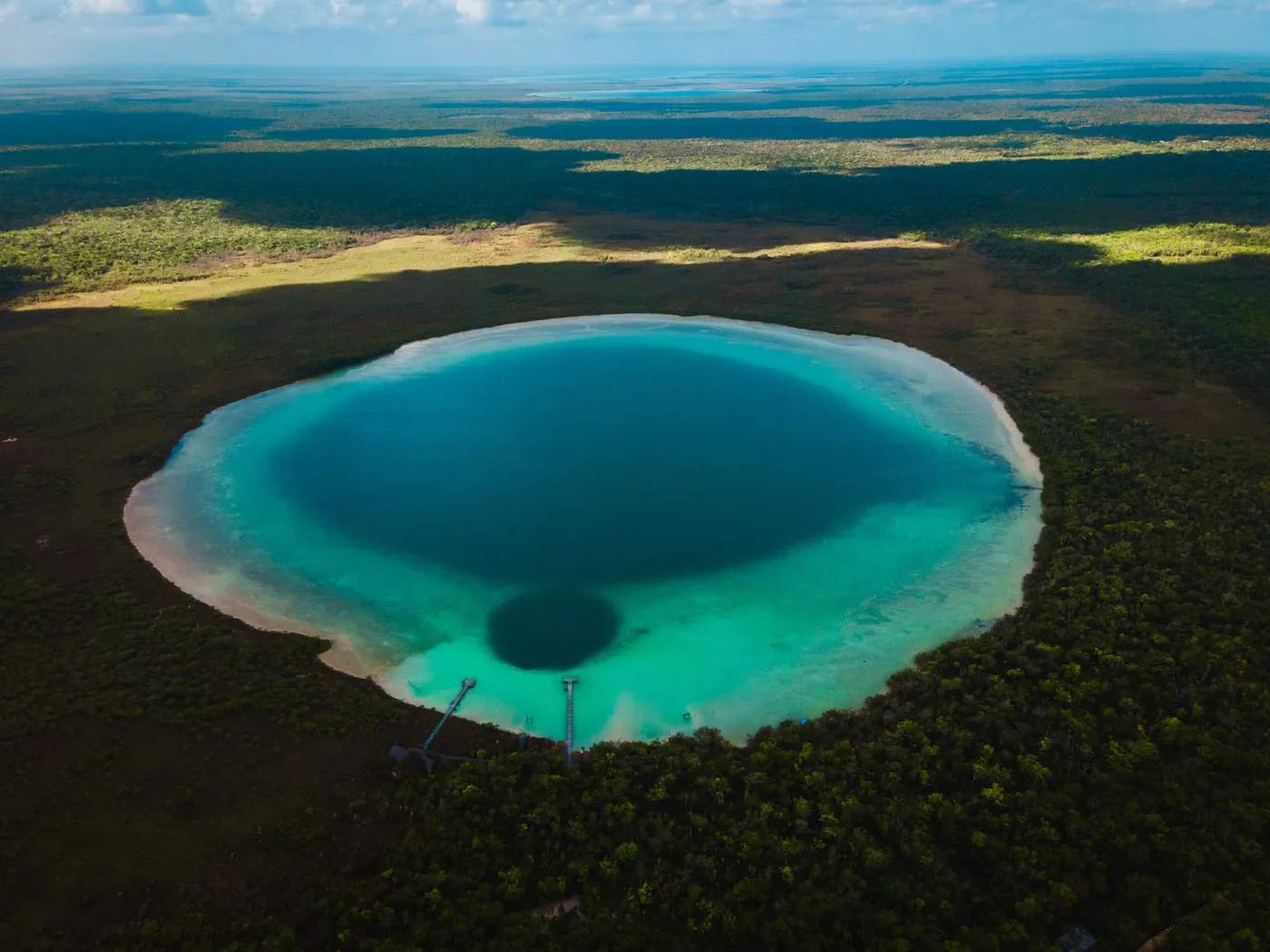
11. Wade Into The Shallows Of Laguna Kaan Luum
Laguna Kaan Luum is about 15 minutes south of town, and it looks unreal from above. The edges are shallow and pale turquoise, and the middle drops into a dark blue sinkhole about 80 meters deep.
A wooden pier leads out over the water. You can wade and float in the shallow part, but the deep center is roped off, so admire it from the edge.
Like the cenotes, the lagoon asks visitors to skip sunscreen and bug spray in the water. There’s little shade and nowhere to buy food, so bring water and snacks.
12. Float The Ancient Maya Canals At Muyil
Muyil, also called Chunyaxché, is a small Maya site about 25 minutes south of Tulum, inside the Sian Ka’an Biosphere Reserve. It gets a fraction of the crowds at the Tulum ruins, and a boardwalk leads from its temples through the jungle to a big lagoon.
From there, boat tours cross two lagoons to a narrow canal believed to have been used by Maya traders. Then comes the best part. You put on a life jacket, slip into the water and let the gentle current carry you down the canal between walls of reeds and mangroves.
Book a tour that includes the float, or ask about boats at the site. It’s an easy way to see a piece of Sian Ka’an without the long drive to the far end of the reserve.
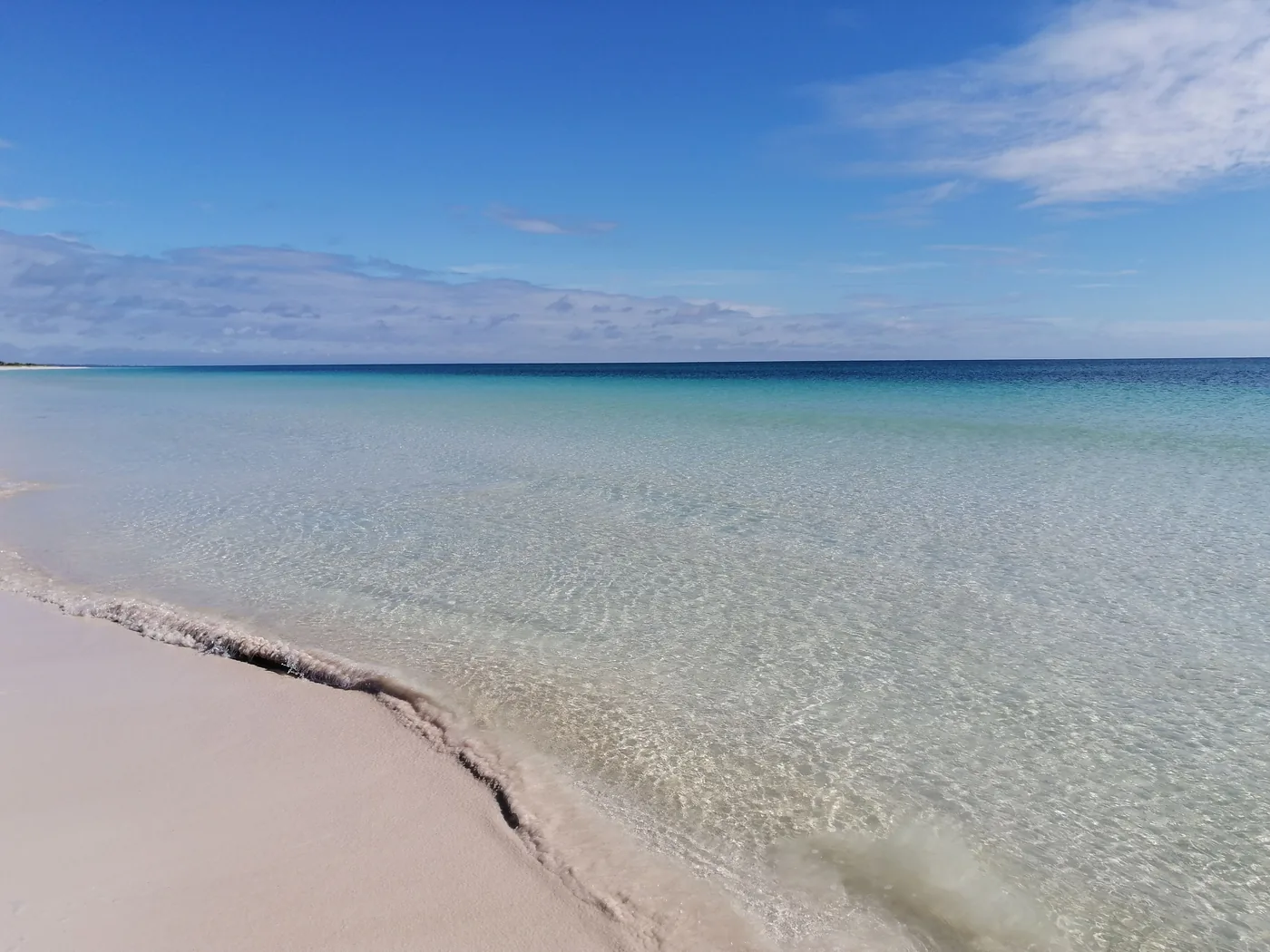
13. Take A Boat Into The Sian Ka’an Biosphere Reserve
Sian Ka’an is a protected reserve of jungle, wetlands, lagoons and reef that covers about 1.3 million acres just south of Tulum. It’s a UNESCO World Heritage Site, and its Maya name is often translated as where the sky is born.
Most visits happen by boat. Tours head out from the fishing village of Punta Allen through the lagoons and along the coast, looking for dolphins, sea turtles and seabirds, with stops to snorkel along the way.
The road into the reserve is long, bumpy and unpaved in places, so most people go with a tour that handles the driving. It makes for a long day, but it’s the wildest stretch of coast you’ll see anywhere near Tulum.
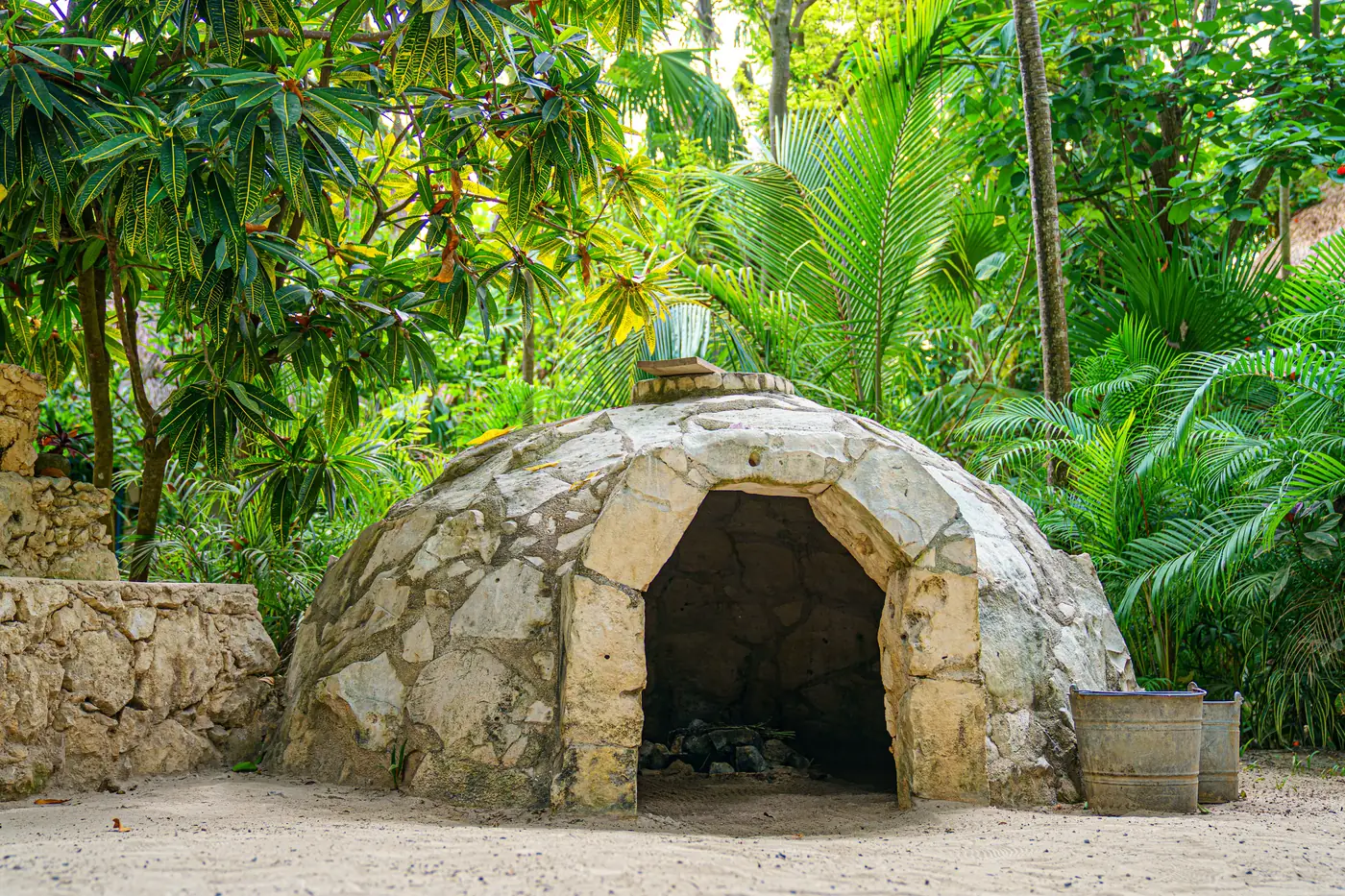
14. Sweat It Out In A Temazcal Ceremony
A temazcal is a traditional sweat lodge that was used in Mexico long before the Spanish arrived. The word comes from the Nahuatl language and means house of heat.
Inside a small dome, a guide pours water and herbs over hot volcanic stones until the room fills with steam. The ceremony usually includes chanting and quiet reflection, and it lasts about an hour and a half to two hours.
Many hotels and wellness centers around Tulum hold them. It gets very hot, so drink plenty of water first, and finish with a dip in the sea or a cold shower.
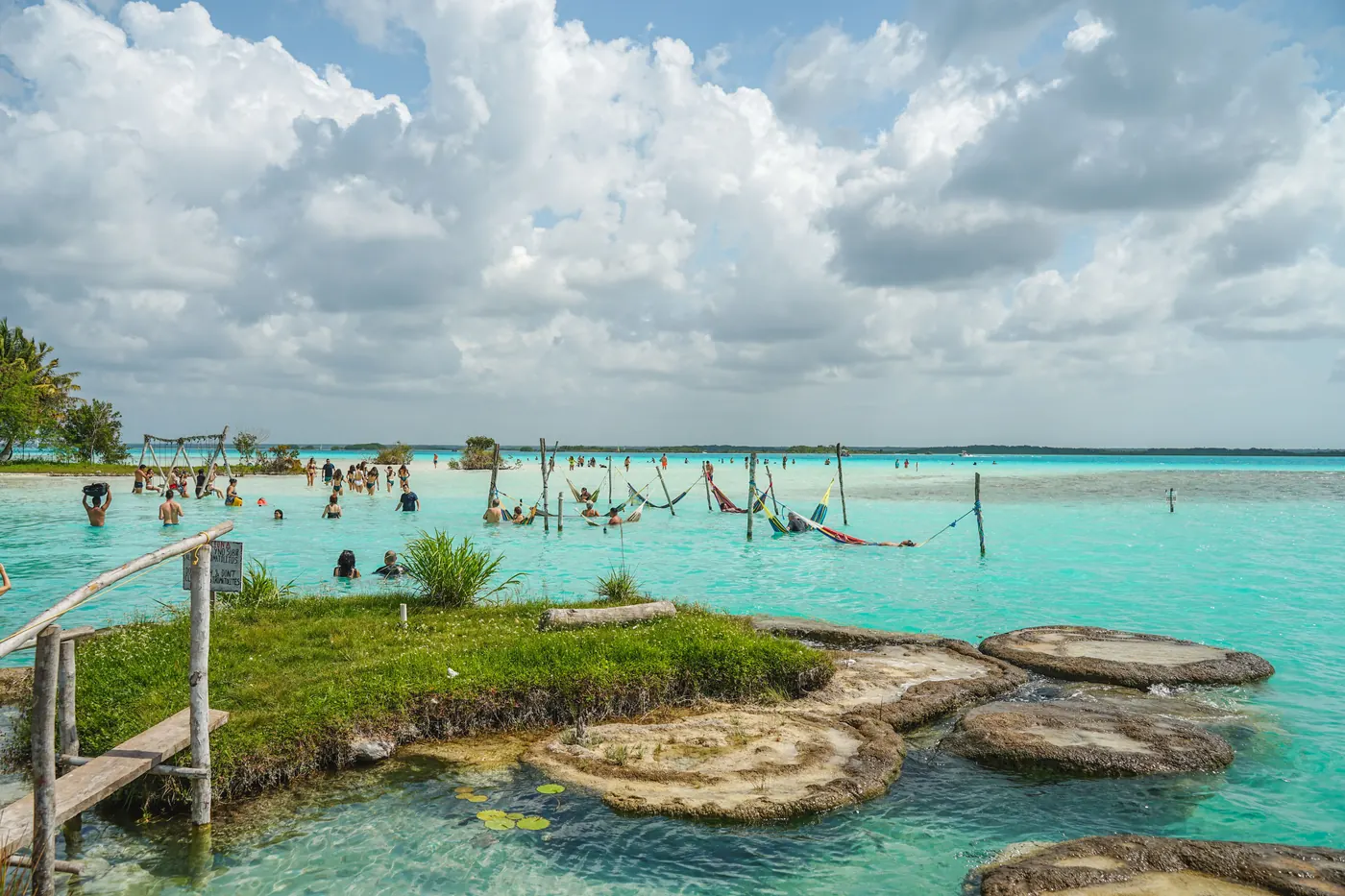
15. Day Trip To The Lagoon Of Seven Colors In Bacalar
Bacalar is about two hours south of Tulum, and it’s worth the drive. Its freshwater lagoon stretches for more than 40 kilometers and is called the Lagoon of Seven Colors, because the water shifts from pale turquoise to deep navy as the depth and the sand below change.
Rent a kayak or a paddleboard, take a sailboat tour, or float at Los Rápidos, where a gentle current carries you past stromatolites. These rocky mounds are built very slowly by microbes, and Bacalar has some of the largest freshwater formations of them in the world.
Leave early if you’re doing it in a day, since it’s a long round trip. Or stay a night or two. Bacalar is quieter than Tulum, and sunrise over the lagoon is hard to beat.
When To Visit Tulum
The best time to visit Tulum is the dry season, from about December to April. The days are sunny and warm, the humidity eases off and the sea is usually calm. It’s also the busiest and most expensive time, especially around Christmas, New Year’s and spring break.
Hurricane season runs from June through November, with the highest risk later in the season. Sargassum seaweed is the other thing to watch. It can wash up along the coast from roughly spring to fall, and some weeks are much worse than others.
If your dates are flexible, late November and early December are a sweet spot, with good weather before the holiday crowds arrive. Whenever you go, the cenotes stay clear and cool all year.
Getting Around Tulum
Most visitors fly into Cancún, about two hours north, or into Tulum’s own international airport just south of town. Once you’re here, Tulum is spread out between the town, the beach road and the cenotes inland, so it helps to plan how you’ll get around.
Bikes are the easiest way to get between town and the beach, and Gran Cenote and Calavera are an easy ride or a short taxi away. Taxis are everywhere but can be pricey, so agree on the fare before you get in. For Akumal, Dos Ojos and Casa Cenote, colectivos are a cheap option. These shared vans run up and down the main highway and stop wherever you wave them down.
A rental car makes the most sense if you want to see Cobá, Sian Ka’an and Bacalar on your own schedule. Carry pesos for entry fees and food, since plenty of the best things to do in Tulum Mexico are cash only.
Final Thoughts
Tulum packs a lot into one small corner of Mexico. In a few days you can walk ancient ruins above the sea, swim through caves full of crystal clear water and float down a canal the Maya are believed to have used.
Pick a handful of these things to do in Tulum, leave time for slow mornings on the beach, and don’t try to squeeze in every cenote. If you’re still deciding what to bring, this Mexico packing list covers the essentials.