 Rebecca Engel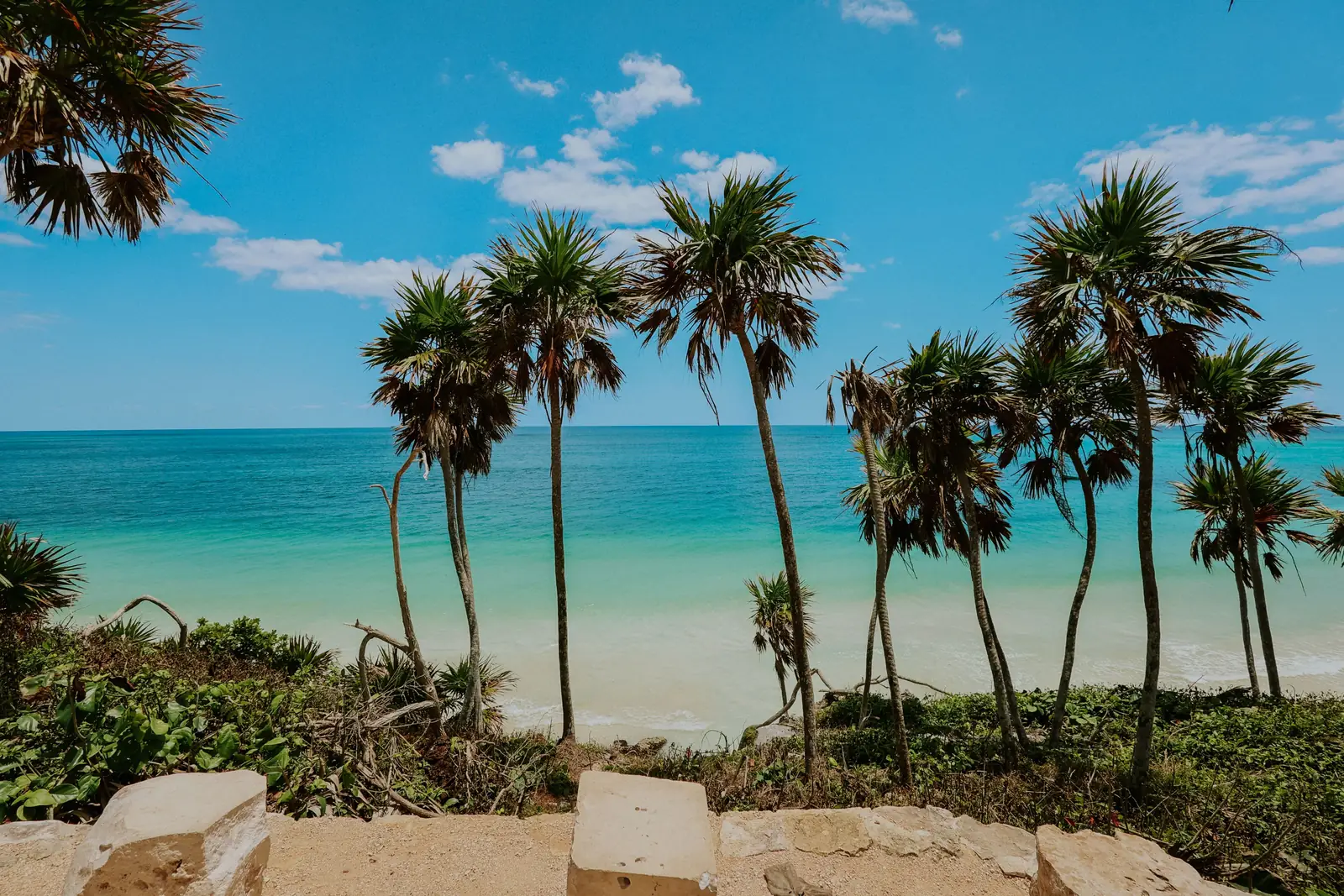
Packing for Mexico trips people up because Mexico isn’t one climate. A week in Tulum and a week in Mexico City call for almost opposite suitcases, and plenty of first timers show up in the capital in August with nothing but shorts and end up buying a sweatshirt on their first night.
So this Mexico packing list skips the obvious stuff you’d bring anywhere and sticks to the 13 things that actually matter down here, plus the reasons behind each one. Whether you’re headed for cenotes and beaches or colonial streets at 7,000 feet, this covers what to pack for Mexico without hauling half your closet through customs.
1. Reef-Safe Sunscreen
This one isn’t optional in a lot of places, and it surprises people at the gate. Many cenotes and the big eco parks around the Riviera Maya won’t let you into the water wearing regular sunscreen, and some will hand you a shower and tell you to rinse it off first.
The reason is that oxybenzone and octinoxate, the active ingredients in most drugstore sunscreens, damage coral and foul up the freshwater in the cenote system. What you want instead is a mineral formula where the label leads with zinc oxide or titanium dioxide.
Buy it at home. Reef-safe sunscreen exists in Mexican beach towns, but it’s sold at a captive audience price and the selection near the parks is thin by mid morning.
2. A Water Bottle With A Built In Filter
Tap water isn’t safe to drink in most of Mexico, and the default solution is buying bottled water twice a day for your whole trip. That adds up in both pesos and plastic.
A bottle with a built in filter solves it in one purchase. Most hotels, hostels, and rentals keep a garrafon, which is a big refillable jug of purified water, and you can top up from those all day for free.
One thing worth knowing so you don’t drive yourself crazy: ice at established restaurants is almost always made from purified water, and so are the aguas frescas at busy spots. It’s the tap you’re avoiding, not every cold drink in the country.
3. Bug Spray That Actually Works
Mosquitoes in the Yucatan jungle and along the coasts are persistent, and dengue is a real consideration in parts of the country. This isn’t a place to bring the weak stuff you keep in the garage.
Look for 20 to 30 percent DEET or picaridin. Picaridin is the better pick if you’d rather not have DEET melting your sunglasses and watch strap, which it genuinely does.
Dawn and dusk at the ruins are the worst of it, along with any cenote with jungle around it. Put sunscreen on first, let it sink in, then the repellent on top.
4. Light Layers For Cool Highland Nights
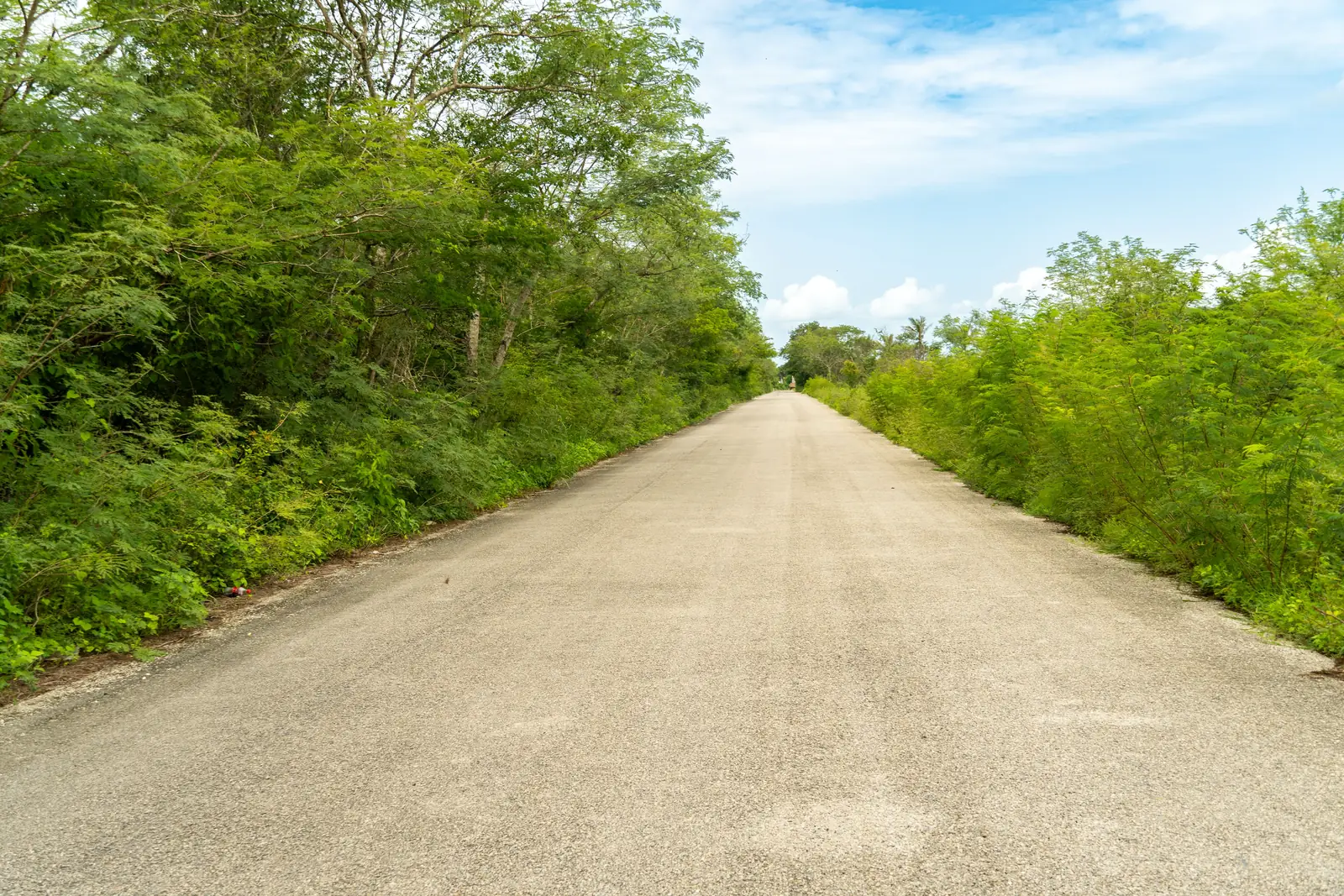
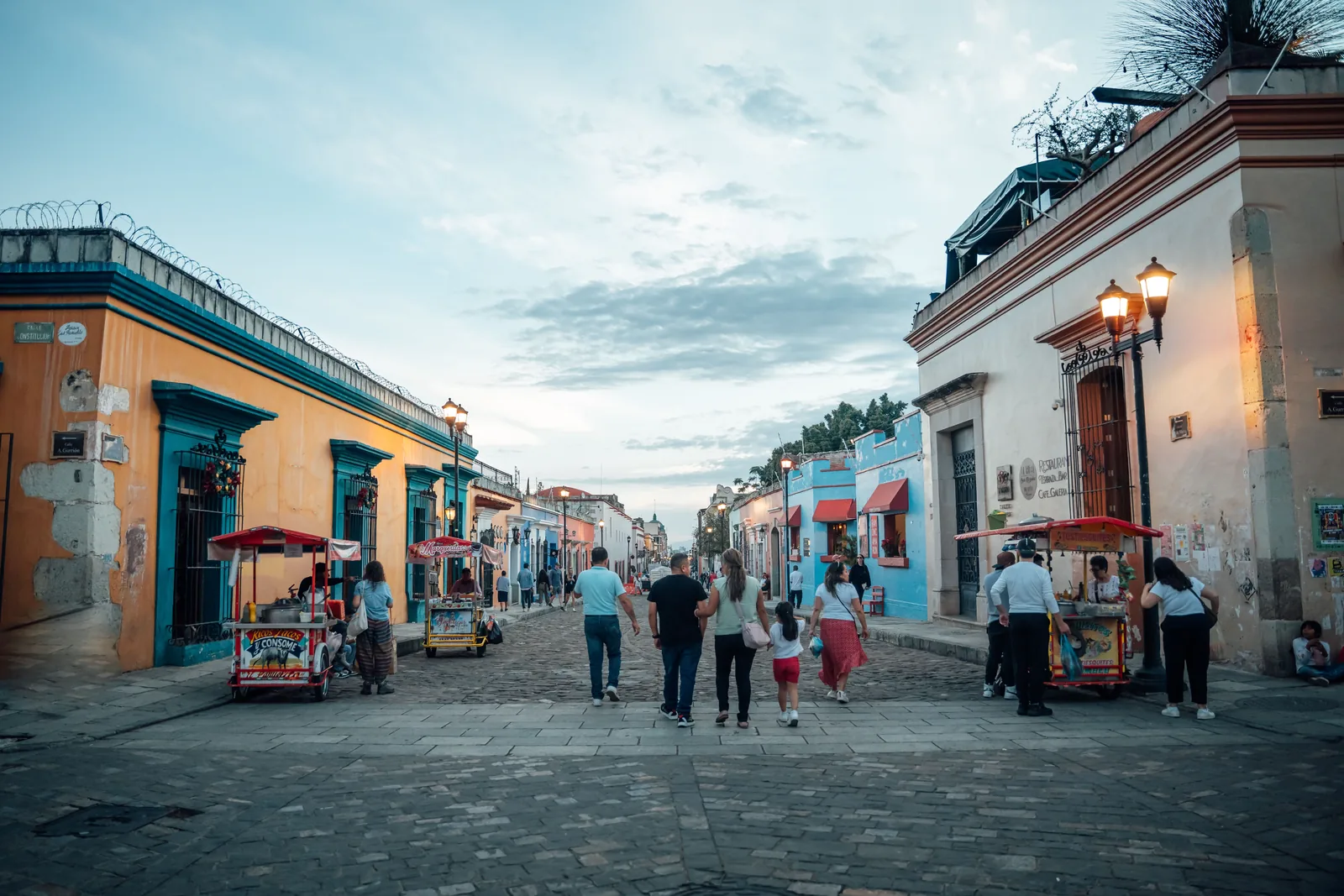
Here’s the thing most people get wrong about Mexico. Mexico City sits at roughly 7,300 feet, Oaxaca around 5,000, and San Cristobal de las Casas above 7,000. Altitude beats latitude, so those cities are mild in the day and genuinely cold once the sun drops.
In winter, highland nights can fall into the 40s. Even in summer you’ll want a layer after dark, because the temperature swing between two in the afternoon and nine at night is bigger than almost anywhere in the States.
A packable jacket or a fleece and a scarf handles it. If your trip mixes highlands with a beach stretch, the layers live in your bag for half the trip and earn their space the other half.
5. Water Shoes For Cenotes And Rocky Beaches
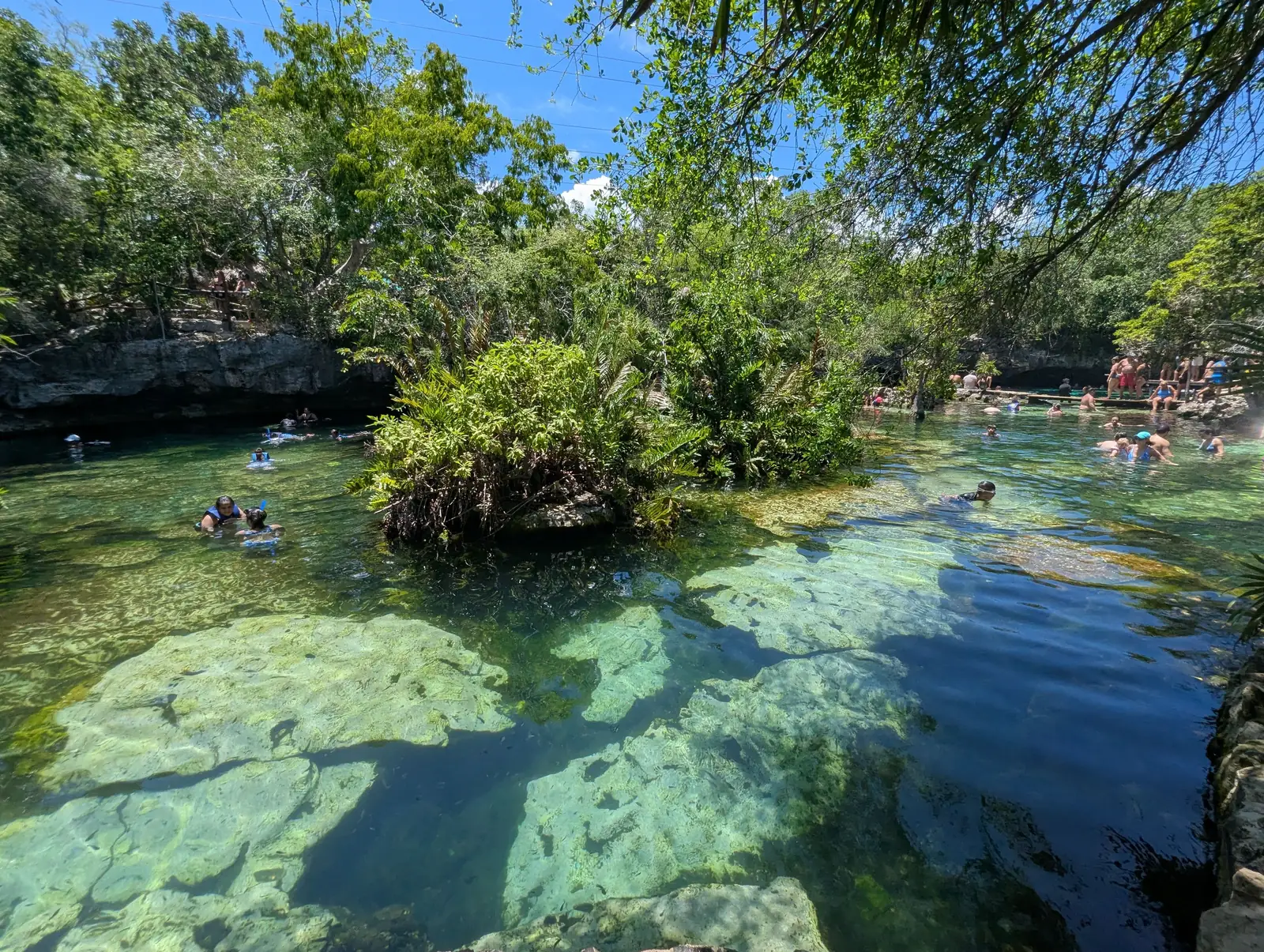
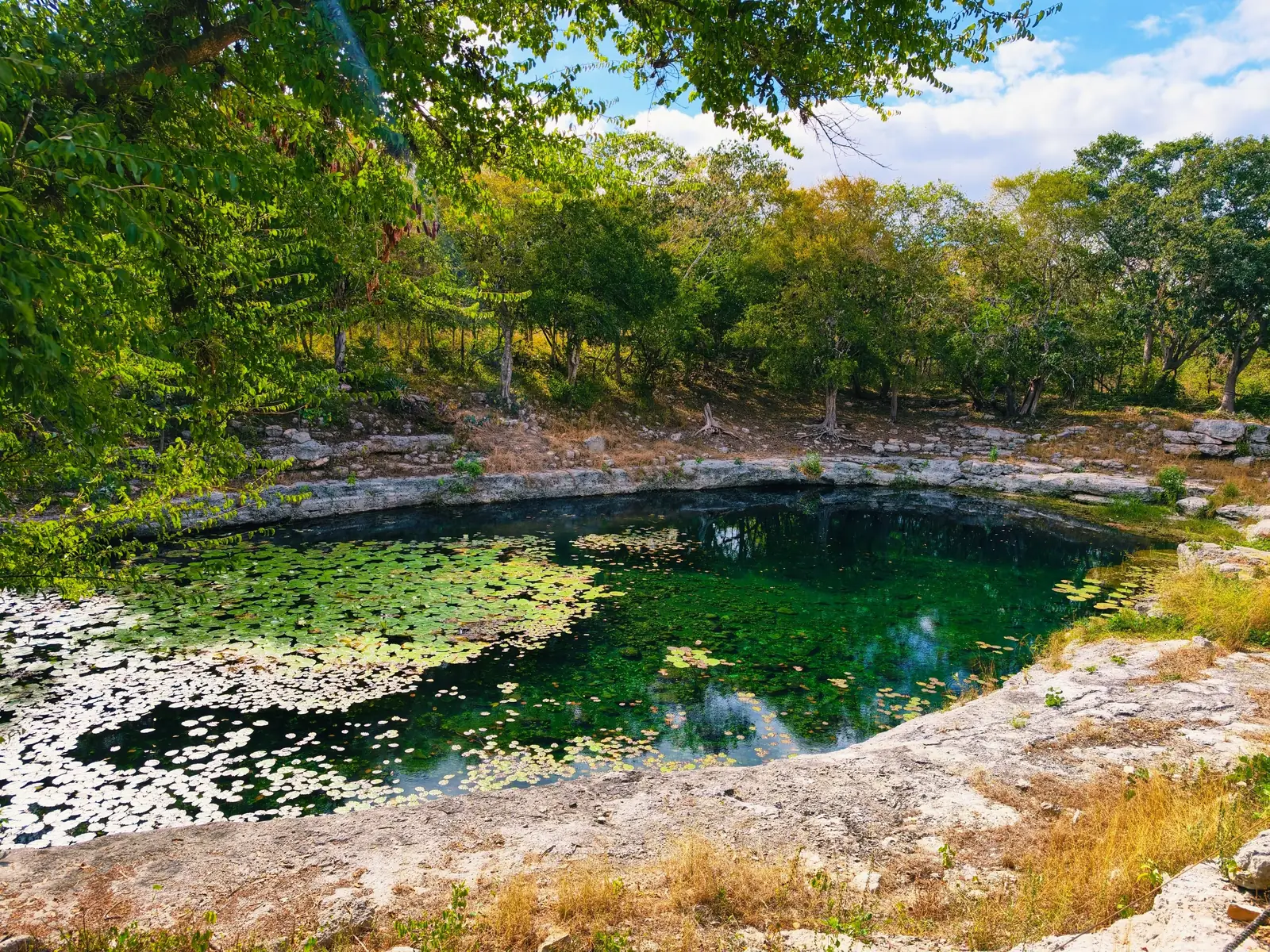
Cenotes are limestone, and limestone underwater is slick going in and sharp everywhere else. The entries are often wooden stairs down to a rock shelf, and barefoot on that is how vacations get shortened.
They earn their keep on the coast too. Plenty of stretches around Tulum and the Caribbean side are rock and dead coral rather than soft sand, and sea urchins turn up in the shallows.
A cheap pair of closed toe water shoes is fine. They also work as your shower shoes at budget places and stay on your feet in a panga boat, which flip flops don’t.
6. A Quick Dry Towel
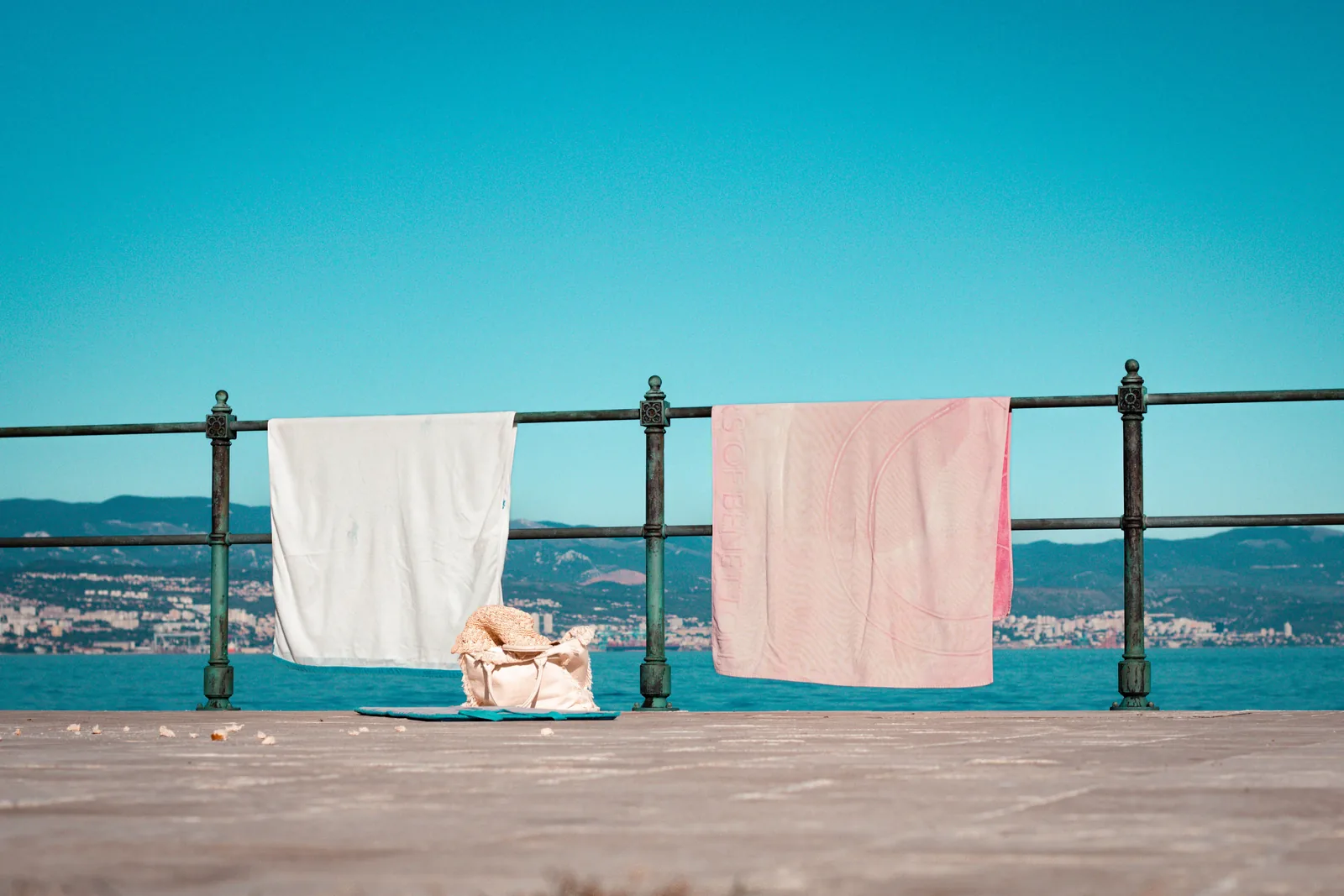
Most cenotes either don’t hand out towels or charge you for one, and the same goes for a lot of small beach clubs. Bringing your own is the easy call.
Make it microfiber rather than cotton. Yucatan humidity means a wet cotton towel stuffed in a daypack is still wet the next morning, and by day three it announces itself every time you open the bag.
A microfiber one packs down to about the size of a rolled t shirt and dries in an hour hanging off a balcony rail.
7. A Sun Hat And Real Sunglasses
The sun in Mexico is stronger than most visitors plan for, and it comes at you from two directions. Near the tropics the UV index runs high most of the year, and up in the highland cities the thinner air at altitude lets more of it through.
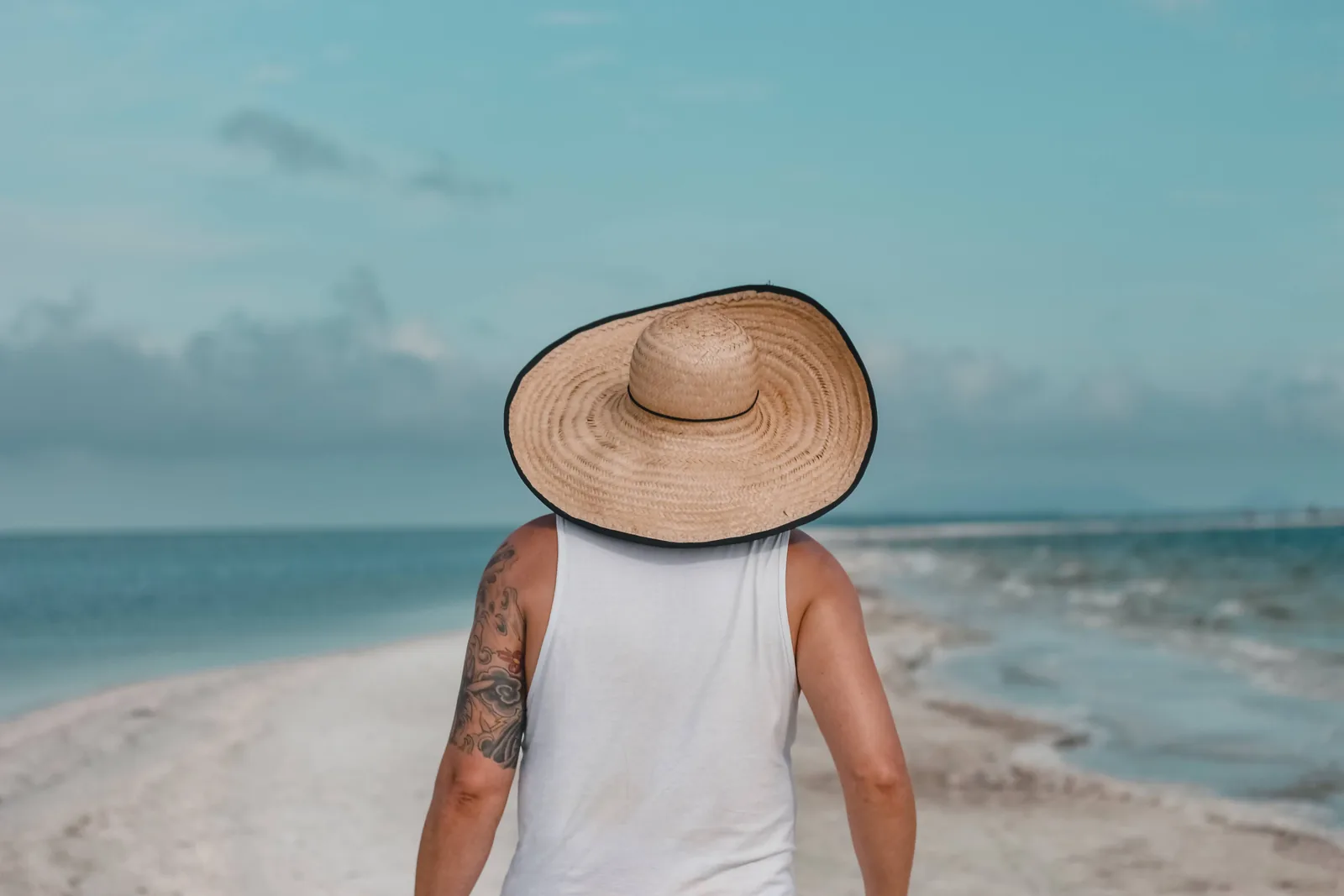
A wide brim beats a baseball cap because it covers your ears and the back of your neck, which is where people get cooked on boat days.
Polarized lenses are worth it here specifically. Between the Caribbean, the cenotes, and a lot of pale limestone reflecting light straight back at you, the glare is constant.
8. Shoes That Handle Cobblestones
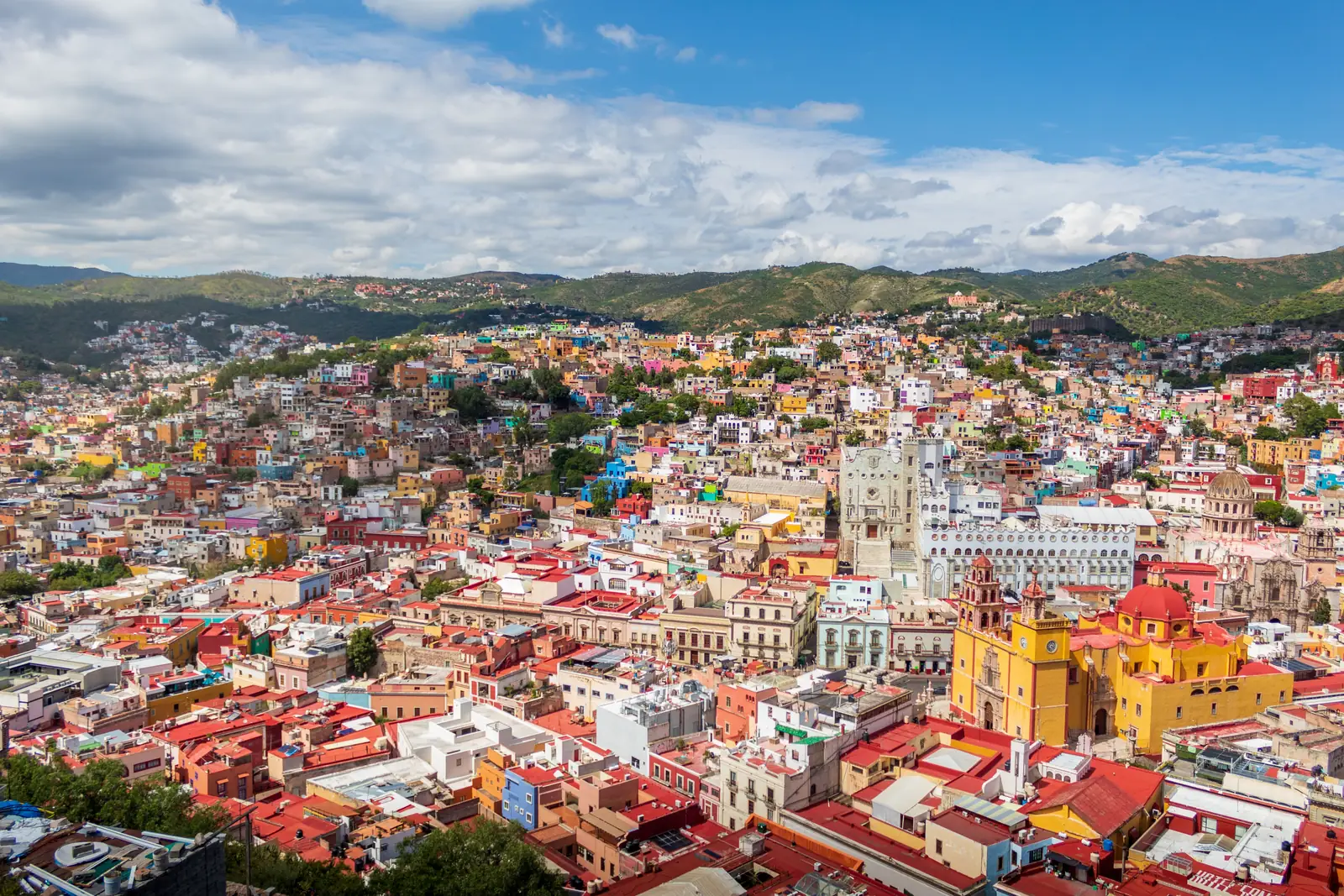
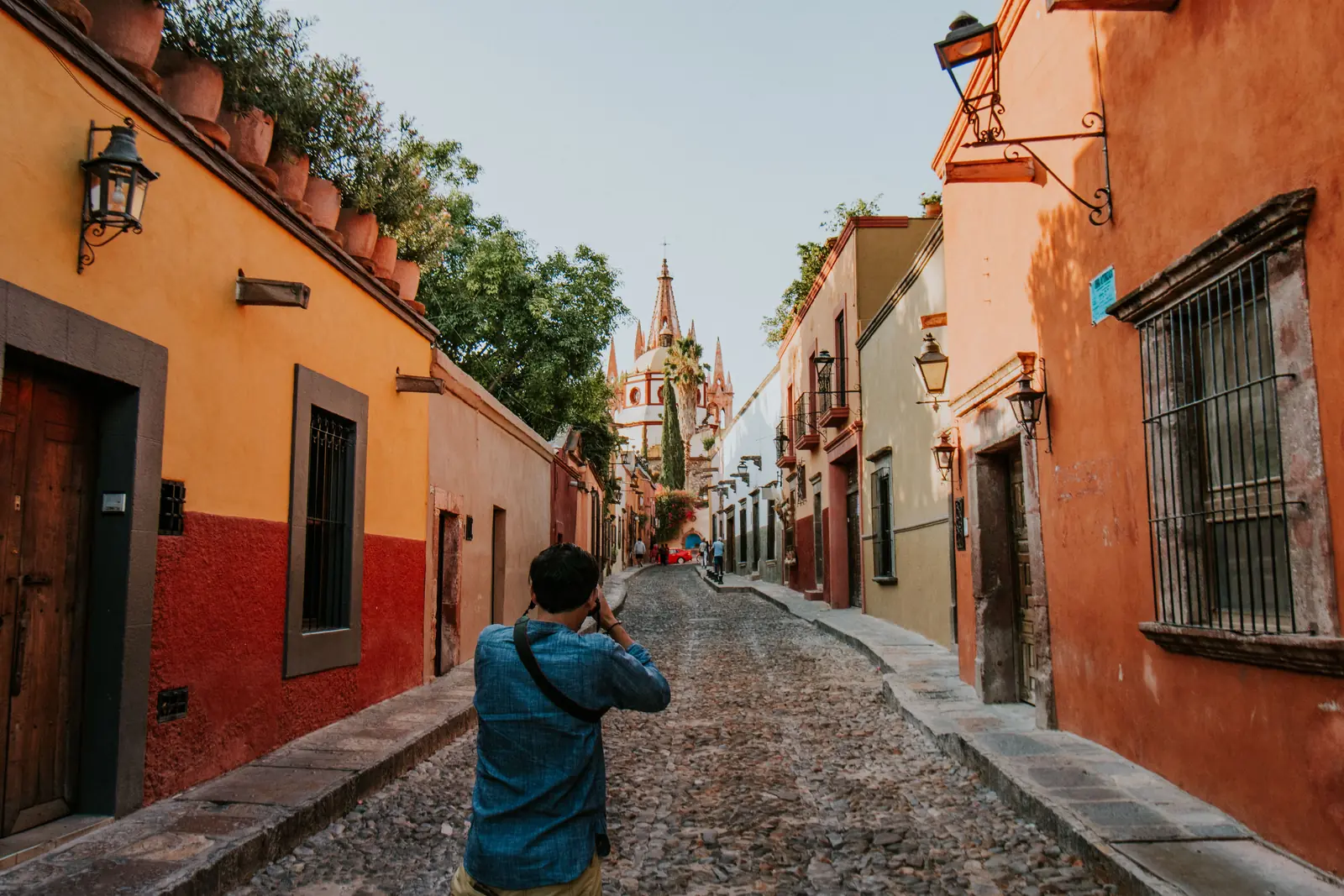
The colonial cities are beautiful and they are brutal on footwear. Guanajuato is built into a ravine and runs on stairs and narrow alleys, San Miguel de Allende is cobblestone nearly wall to wall, and the historic center of Mexico City has sidewalks that heave and drop without warning.
What you want is a closed shoe with a real sole and some ankle stability. Thin soled sneakers let every stone come through, and flimsy sandals roll an ankle on the first steep callejon.
Don’t bring them brand new. Between the cobblestones and the 15,000 step days these cities produce, breaking shoes in on the trip is a bad plan.
9. Small Bills In Pesos
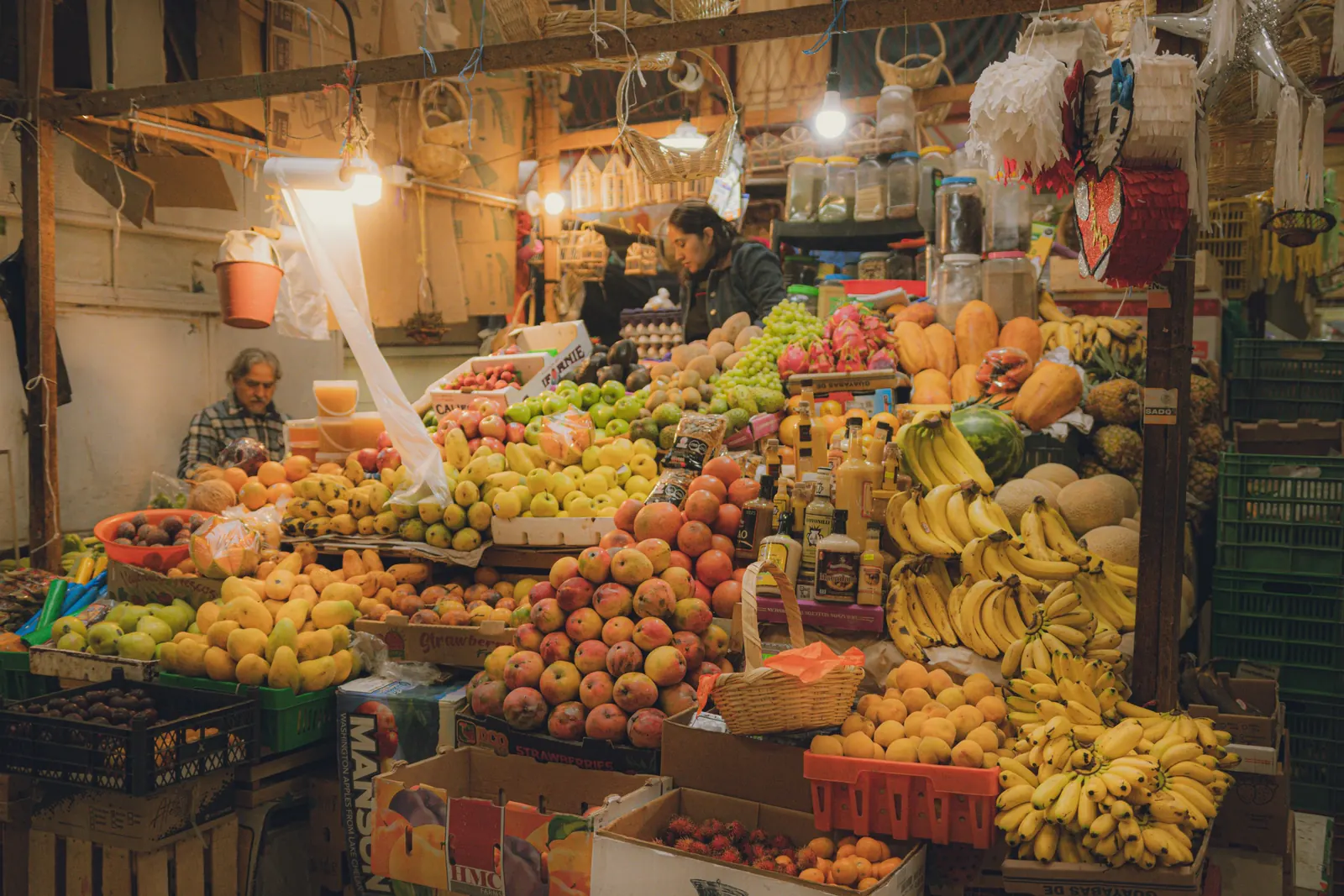
Mexico runs on cash far more than most visitors expect. Street food, markets, taxis, tips, small town restaurants, and the person watching your car are all cash, and plenty of good places outside the resort zones don’t take cards at all.
The catch is that ATMs love to hand you 500 peso notes, and the taco stand cannot break a 500 for a 60 peso order. Break big bills at supermarkets, an OXXO, or your hotel, and hoard the 20s, 50s, and 100s.
Pull pesos from a bank ATM once you’re there rather than changing dollars at home or at the airport. The rate is better and the fees are clearer.
10. Stomach Meds And Rehydration Salts
Travelers get an upset stomach in Mexico often enough that it’s worth planning for rather than hoping. It’s usually a day of misery, not a crisis, but it’s a lot worse if you’re hunting for a pharmacy at two in the morning in a town you don’t know.
Pack an anti diarrheal and a few packets of oral rehydration salts. The salts are the part people skip and the part that actually gets you back on your feet, because the real problem is fluid loss, not the stomach itself.
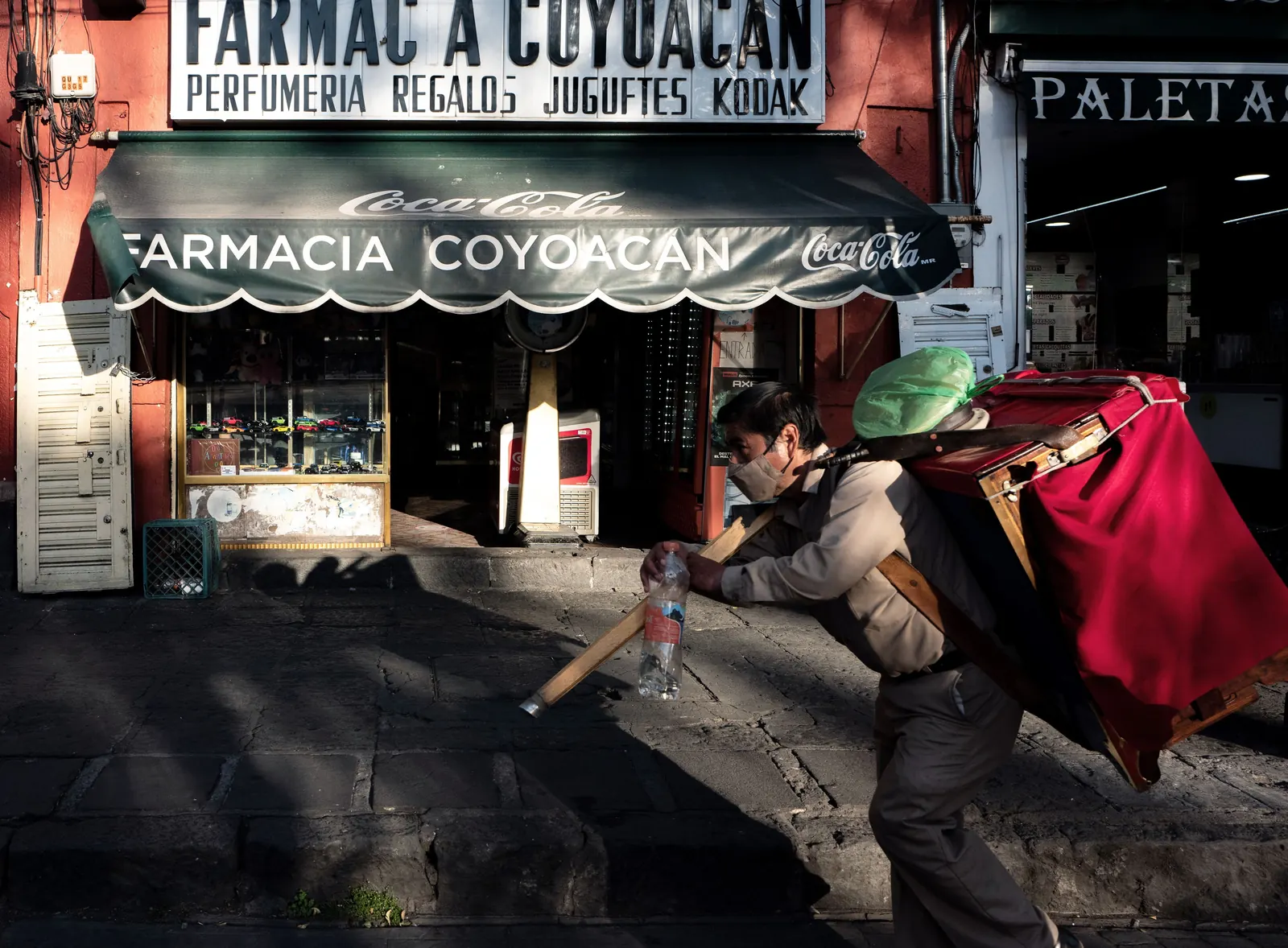
Mexican farmacias are everywhere, well stocked, and cheap, so restocking is easy once the sun is up. It’s the middle of the night you’re packing for. If anything gets severe or lasts more than a couple of days, see a doctor rather than riding it out.
11. A Dry Bag
Between cenote swims, boat rides out to Isla Mujeres or Holbox, snorkeling trips, and the afternoon downpours that define the May to October wet season, your phone and passport are going to spend time near water.
A small roll top dry bag handles all of it for very little money and almost no space. Ten liters is plenty for a phone, a wallet, documents, and a dry shirt.
The cheap zip bags that hang around your neck are better than nothing, but they fail at exactly the wrong moment. A real dry bag with a roll top closure is a different category of reliable.
12. Covered Shoes And A Modest Layer For Ruins And Churches
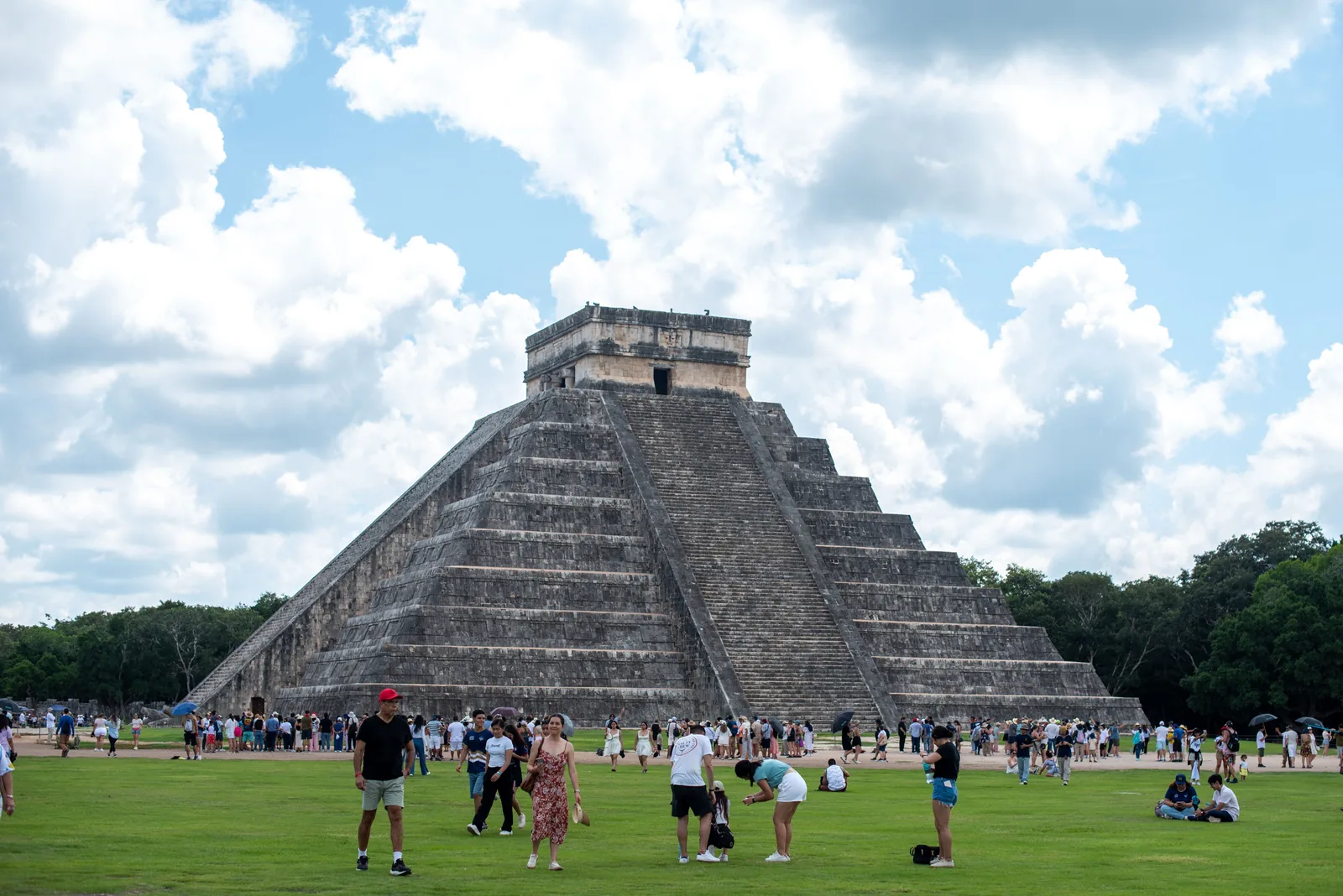
Archaeological sites are hot, wide open, and rougher underfoot than the photos suggest. Chichen Itza, Teotihuacan, Monte Alban, and Palenque all mean hours of walking on uneven stone and packed dirt with very little shade in between.
Closed shoes are the move, not sandals. The same goes for the sun protection you’d bring to a beach day, because there’s nowhere to hide at midday on an open plaza.
For churches, a layer that covers your shoulders and knees is the respectful default, and some cathedrals do enforce it. A light long sleeve shirt in your daypack covers both problems, since it doubles as sun cover at the ruins.
13. Copies Of Your Documents And Your Entry Paperwork
When you enter Mexico you’re given a set number of days, either written into a passport stamp or on a paper tourist card depending on where and how you cross. Whichever version you get, it matters on the way out, and replacing a lost paper card means a trip to an immigration office and a fee you’d rather not pay.
Photograph it the moment you have it, along with your passport photo page. Keep the images somewhere you can reach without signal, and email yourself a copy as a backup.
Leave the passport itself in the hotel safe on ordinary days and carry a copy plus your driver’s license. Check the current entry rules before you fly, since the paperwork side of this has changed more than once in recent years.
What To Leave Off Your Mexico Packing List
Just as useful as knowing what to bring is knowing what’s dead weight. A few things people pack for Mexico out of habit and never touch:
- A power adapter. If you’re coming from the United States or Canada, Mexico uses the same flat pin plugs at the same voltage. Your chargers work as they are.
- A stack of US dollars. Some tourist zones take them, at a quietly terrible rate. Pesos from a bank ATM beat dollars almost everywhere.
- Two weeks of clothes. Laundry service is cheap and everywhere, usually priced by the kilo and back the same day. Pack a week and wash.
- Expensive jewelry and watches. There’s no upside, and it makes you the most interesting person on the bus.
- A full size bottle of anything. Toiletries are sold in every town in Mexico, often for less than at home.
Final Thoughts
The short version is that Mexico asks you to pack for two trips at once. The sun and water gear covers the coast and the cenotes, the layers and real shoes cover the highlands and the colonial cities, and the small practical items, meaning the pesos, the filter bottle, and the stomach kit, cover the parts nobody thinks about until they need them.
Get those 13 things in the bag and the rest is just clothes. Build your Mexico packing list around the trip you’re actually taking, leave room for whatever you find in the markets, and you’ll be fine.